REVIEW · LUXOR
Hurghada: 2-Day Luxor Tour with Hotel, Balloon, & Nile Boat
Book on GetYourGuide →Operated by FTS Travels · Bookable on GetYourGuide
Two days in Luxor can feel like a week. I like how this trip stacks the big sights with real breaks, and the sunrise hot air balloon option turns the Valley of the Kings into a bucket-list moment. It also keeps the logistics simple with air-conditioned transfers and an overnight in a comfortable Luxor hotel.
My other favorite part is the English guide style, with people like Omran, Waleed, Aziz, Mohamed Yaya, or Karam showing up in different runs and bringing the sites to life with clear explanations. One thing to consider: some experiences are option-based, including the balloon and light and sound, and the Nile felucca ride is specifically listed as not included in the base package.
In This Review
- Key highlights worth marking on your map
- Hurghada to Luxor: a smooth way to do more than one temple day
- Day 1 at Karnak and Luxor Temple: where the story gets big
- Karnak Temple Complex: plan to look up and slow down
- Lunch break: a real meal, not just a snack stop
- Luxor Temple: pillars, procession vibes, and an easier read
- Nile River time: felucca is on the schedule, but not in the base
- Your Luxor hotel night: what you gain by sleeping by the Nile
- Day 2 sunrise balloon over Luxor: the real wow factor
- Flying time and what to expect from above
- Safety and comfort reality check
- Valley of the Kings and Tomb visits: seeing where pharaohs are remembered
- Valley of the Kings: timing, tomb density, and how to enjoy it
- Temple of Hatshepsut and Colossi of Memnon: two iconic stops that connect
- Temple of Hatshepsut: why this place sticks in your mind
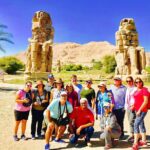
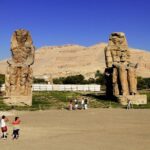
- Colossi of Memnon: giant statues with a lot of presence
- City of the Dead and Khan el-Khalili: history and shopping without losing your day
- City of the Dead: it’s not a museum, so watch your footing
- Khan el-Khalili market: shop time, but keep your boundaries
- Optional light and sound show: seeing Karnak after dark
- Organic oils and scarves add-ons: small extras that can be useful
- Price and logistics: what you’re really paying for
- Who this 2-day Luxor tour fits best
- Should you book this tour?
- FAQ
- What’s included in the hotel stay?
- Are transfers from Hurghada included?
- Are meals included during the tour?
- Is the hot air balloon ride included?
- Is the Nile felucca ride included?
- Can I arrange a wake-up call or packed breakfast?
- From where can the pickup be arranged?
- Do I need to send passport details to the local partner?
Key highlights worth marking on your map
- Sunrise balloon over the Valley of the Kings for wide-open views and early-morning magic
- Karnak Temple + Luxor Temple with an English guide who explains what you’re seeing
- Valley of the Kings visit, with King Tutankhamun included only if selected
- Temple of Hatshepsut and the Colossi of Memnon for two iconic “wow” stops
- Khan el-Khalili market shopping time built into the Luxor portion
- Optional light and sound show if you want your temples after dark
Hurghada to Luxor: a smooth way to do more than one temple day
If you’re staying in Hurghada (or nearby resorts like El Gouna, Sahl Hasheesh, Makadi, and Soma Bay), Luxor can feel like a long haul. This tour is built to solve that. You get pickup and drop-off by air-conditioned vehicle, then a full two days in Luxor, instead of rushing just a single day trip.
What makes it work is pacing. Day 1 focuses on the temple giants around Karnak and Luxor Temple, plus a calm river moment. Day 2 starts early (balloon option) and then hits the major tomb and mortuary sites before lunch and the return to Hurghada. You’re not trying to do everything from memory in one frantic morning.
A practical note: you can request a wake-up call, and you can ask reception for a packed breakfast the day before. That matters if you choose the balloon, since sunrise does not negotiate.
You can also read our reviews of more boat tours in Luxor

Day 1 at Karnak and Luxor Temple: where the story gets big
Your first day starts with transfer time from Hurghada to Luxor, then you head straight into the temple complex area. Karnak is the first major stop, and it’s one of those places where the scale hits you before the meaning does.
Karnak Temple Complex: plan to look up and slow down
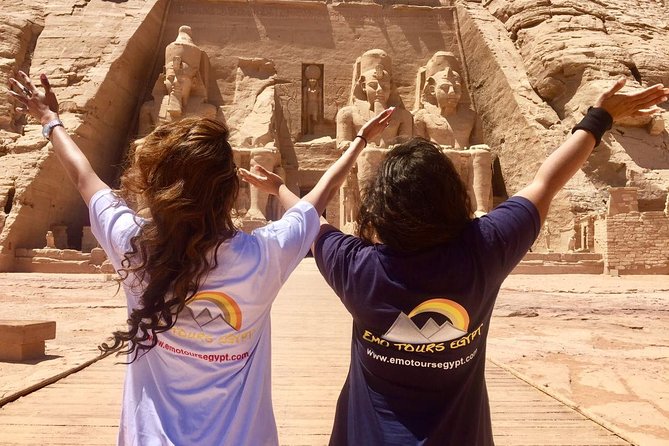
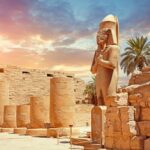
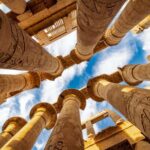
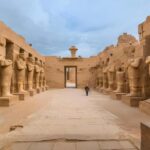
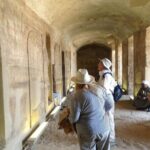
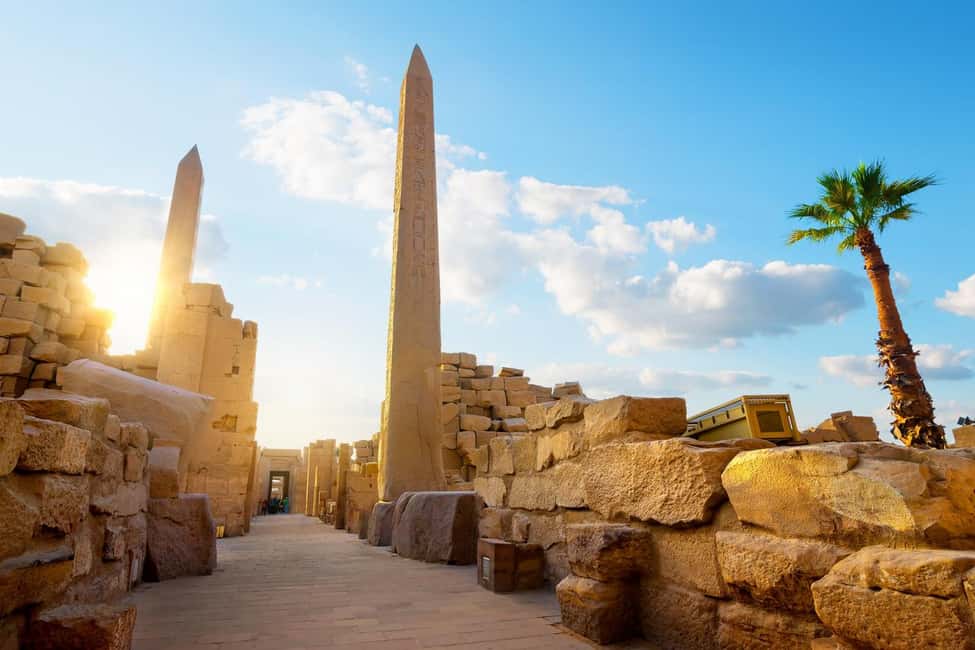
Karnak Temple is one of the world’s largest temple complexes. In practical terms, that means you’ll spend time moving through big halls, walking past statues, and noticing details you might miss if you rush. An English guide helps because they can connect the columns, carved figures, and sacred features to how ancient Egyptians used these spaces.
This is also where I like having a guide for the “why” behind the “what.” If you’ve ever stood in a ruined building and wondered what the symbols are trying to say, Karnak is where answers actually matter.
Lunch break: a real meal, not just a snack stop
You’ll have lunch at a selected restaurant. Drinks aren’t included, so decide ahead of time whether you want water, juice, or something else during the meal. I like using this lunch as a reset so you don’t burn out before the next temple.
Luxor Temple: pillars, procession vibes, and an easier read
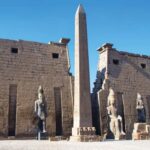
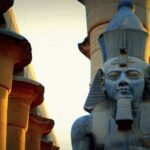
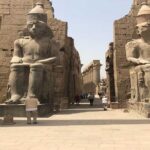
After lunch, you visit Luxor Temple. It’s a different feeling from Karnak: still impressive, but more approachable. The iconic pillars and the historical weight are hard to ignore, and the guide’s storytelling usually makes the space feel less like random ruins and more like a living setting.
If you’re the type who enjoys architecture and layout, Luxor Temple rewards attention. Take a slower walk and look for how entrances and courtyards guide movement.
A few more Luxor tours and experiences worth a look
Nile River time: felucca is on the schedule, but not in the base
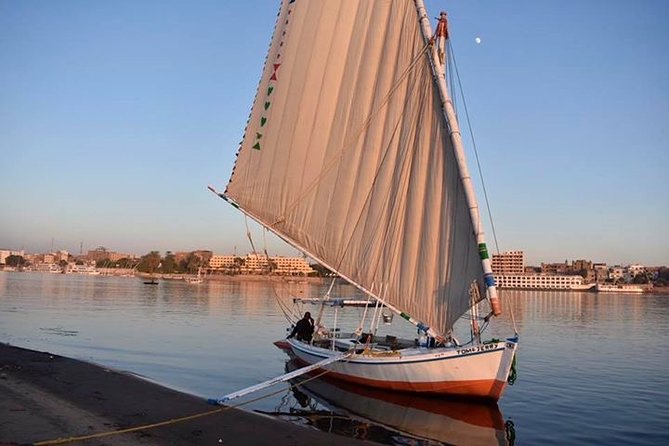
The day is described with a Nile River felucca ride as part of the experience. But the package lists the felucca ride as not included. So I recommend treating it as a possible add-on on the day—confirm what’s covered when you meet your driver and guide.
Either way, this is the right day for a river moment. It’s a break from heat and crowds, and it gives you a mental pause before the big early morning on Day 2.
Your Luxor hotel night: what you gain by sleeping by the Nile
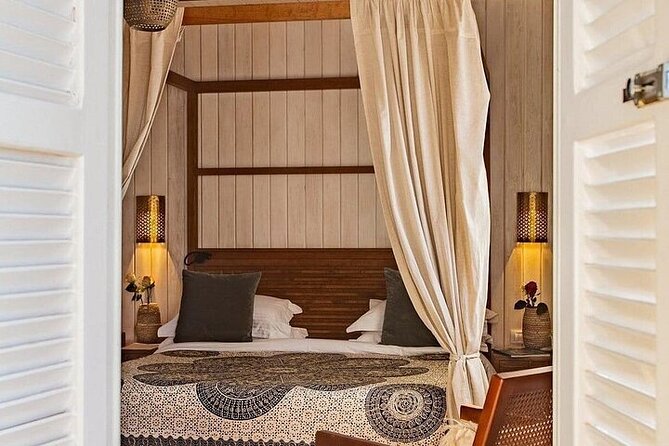
You get one night in a 4-star hotel on a half-board basis: dinner, bed, and breakfast. The half-board part is practical. It reduces decision fatigue, especially if you’re tired after a long day of walking.
One detail that came through clearly in feedback: the hotel experience was described as clean, safe, and in a good position by the Nile. That matters. When your hotel is calmer and more comfortable, sunrise day doesn’t feel like punishment.
If you want to be extra prepared for the balloon morning, pack light layers. Even if daytime is hot, early starts can feel cooler.
Day 2 sunrise balloon over Luxor: the real wow factor
If you’re choosing the balloon option, this is the part that usually makes the whole trip feel worth it.
Flying time and what to expect from above
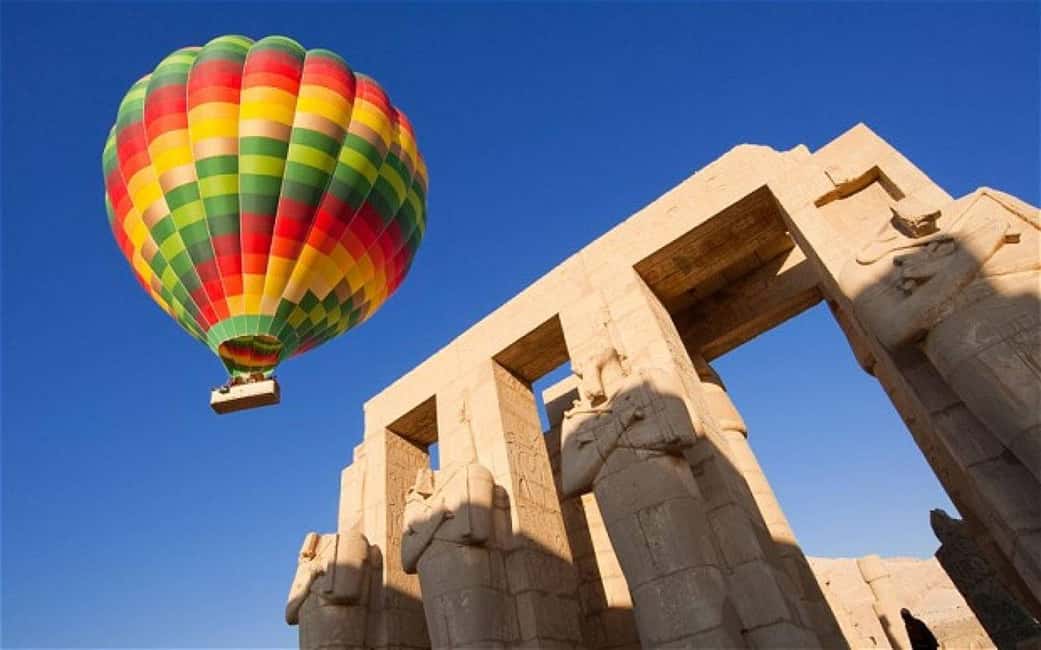
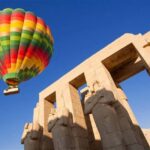
The hot air balloon experience happens at sunrise over the Valley of the Kings. From up there, you see why Luxor is famous: temples, tomb areas, and the Nile corridor all line up into one big picture. You’ll likely be focused on photos, but try to look up at the timing too. Sunrise flight is about light and silhouettes, not just sight lines.
This is also the moment where your early wake-up planning pays off. If you don’t do well with early mornings, prepare for that in advance. The tour does offer the option to set up a wake-up call and a packed breakfast the day before, which helps a lot.
Safety and comfort reality check
The tour information doesn’t spell out balloon safety details. So keep your expectations practical: follow staff instructions, keep your phone/camera secured, and bring warm clothing since balloon mornings can feel brisk.
If the balloon option isn’t selected, Day 2 still hits the tomb and temple highlights. So you’re not losing the whole day either.
Valley of the Kings and Tomb visits: seeing where pharaohs are remembered
After balloon (or after breakfast, if you did not book the balloon), you head into the Valley of the Kings.
Valley of the Kings: timing, tomb density, and how to enjoy it
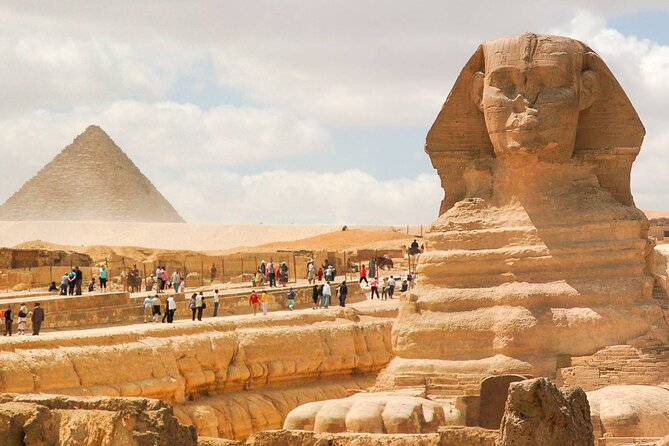
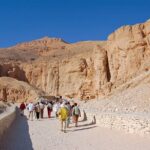
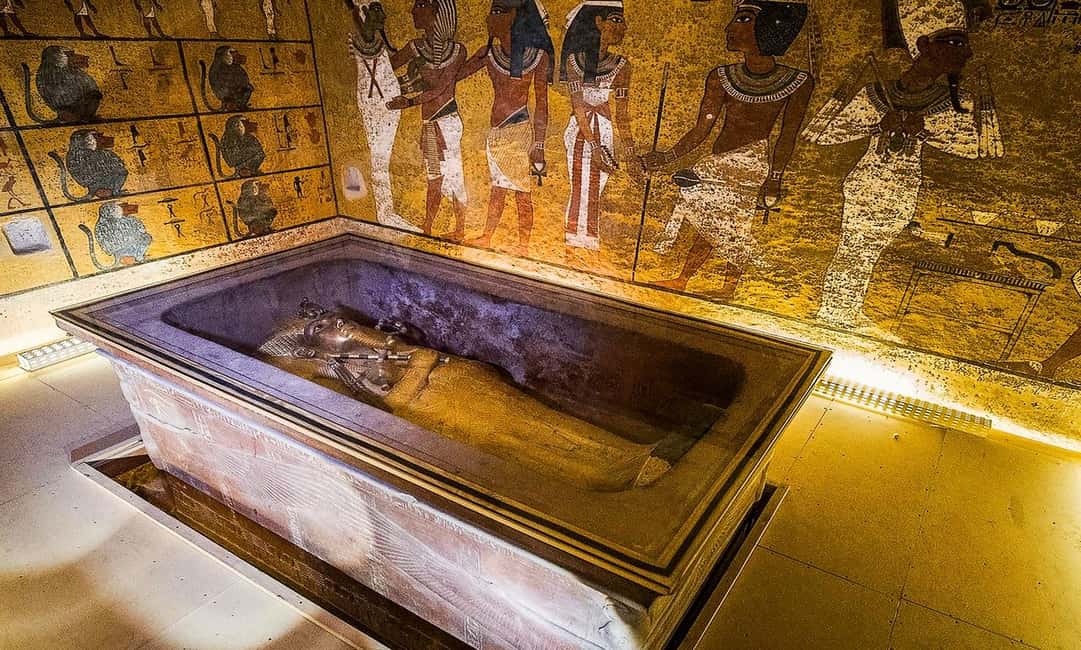
The Valley of the Kings is the classic pharaoh tomb zone. In practice, it’s easy to get tunnel vision and rush from one entrance to another. I’d rather you do the opposite: pick a rhythm. Walk, pause, listen to what the guide points out, then move again.
You’ll explore the final resting places of pharaohs, including the famous tomb of King Tutankhamun if selected. That selection detail matters because not every package includes the same set of tombs.
If you’re short on stamina, prioritize whichever tombs your guide recommends most. It’s better to understand a couple deeply than to sprint through many.
Temple of Hatshepsut and Colossi of Memnon: two iconic stops that connect
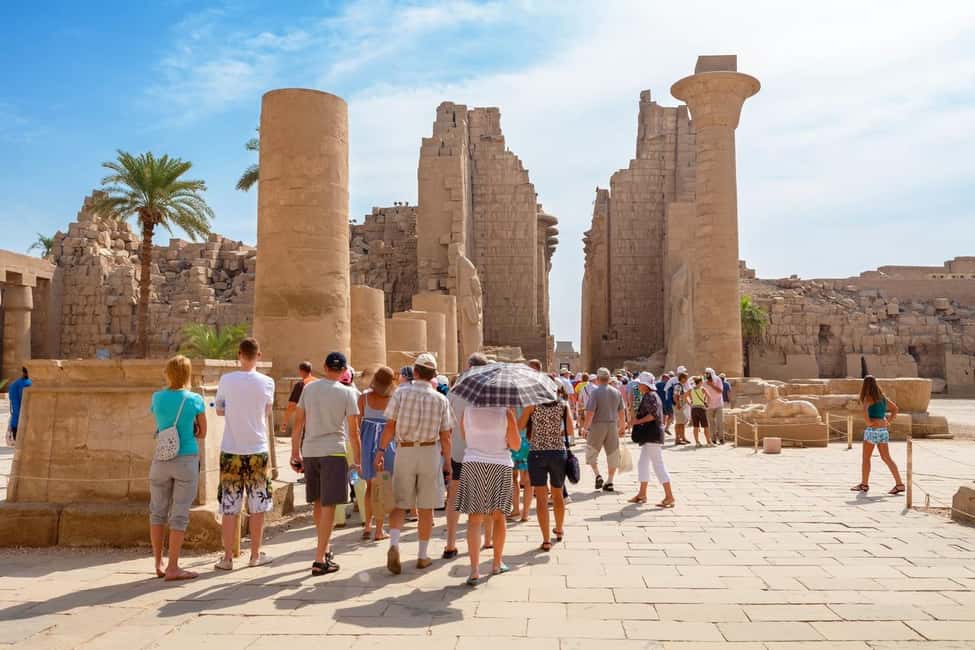
After the tomb area, you visit the Temple of Hatshepsut and then see the Colossi of Memnon.
Temple of Hatshepsut: why this place sticks in your mind
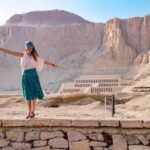
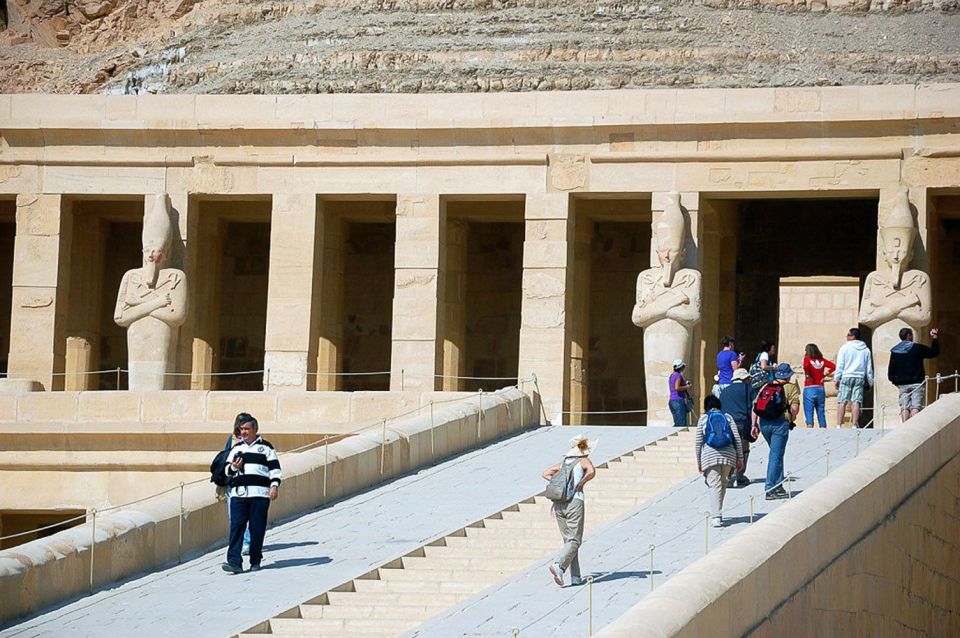
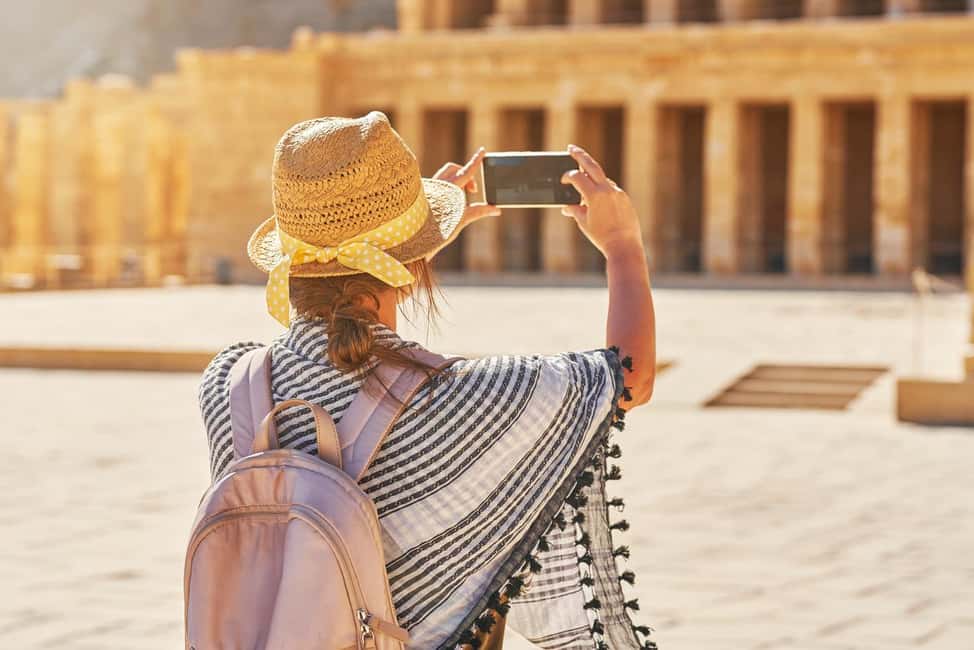
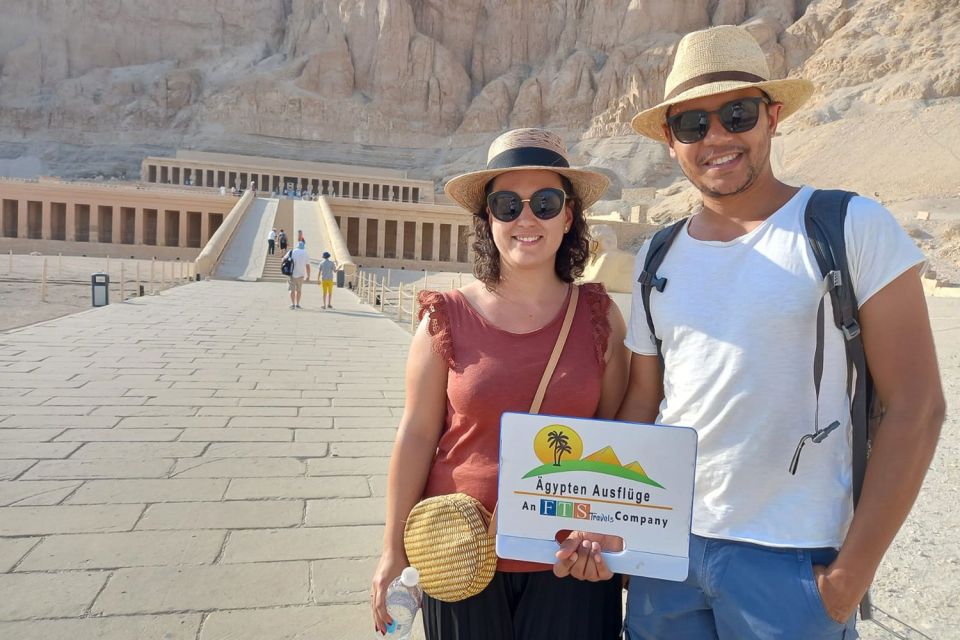
Temple of Hatshepsut is an architectural marvel dedicated to Egypt’s powerful female pharaoh. The structure’s terraced design and monumental scale make it memorable fast.
What helps most here is a guide who can explain why the site matters, not just where it is. When someone like Waleed or Aziz is leading, they tend to tell the story in a way that makes the stones feel purposeful.
Colossi of Memnon: giant statues with a lot of presence
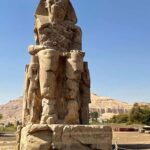
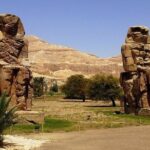
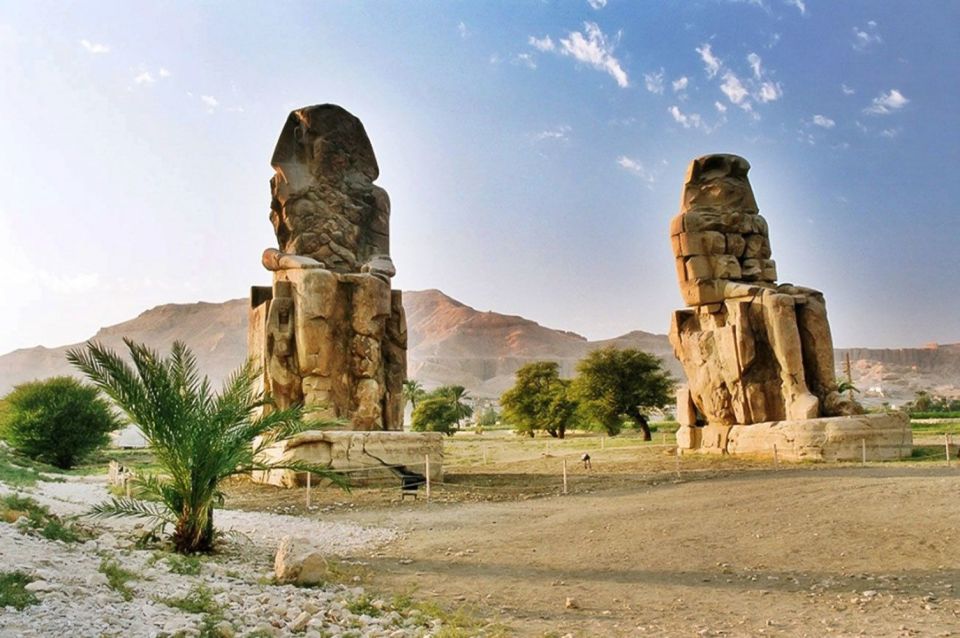
The Colossi of Memnon are towering statues, standing as sentinels of ancient Thebes. Even if you know the name, the real experience is how large they feel when you’re standing close.
This is one of those stops where I recommend taking a wide-angle photo, then stepping back and looking again. You’ll feel the size difference, and your photos will improve too.
City of the Dead and Khan el-Khalili: history and shopping without losing your day
Luxor has more than just temples. This itinerary includes time for the City of the Dead and a shopping stop at Khan el-Khalili.
City of the Dead: it’s not a museum, so watch your footing
The City of the Dead is part of the broader Theban necropolis. The “wow” here is the atmosphere. This isn’t sealed, curated, and indoor like a museum. You’ll want comfortable shoes and a steady pace.
If you’re hoping for a totally silent, controlled experience, adjust expectations. You’re in a living area near the monuments, and that’s part of what makes it feel real.
Khan el-Khalili market: shop time, but keep your boundaries
The tour highlights include time to enjoy shopping at Khan el-Khalili market. I like doing market time with a plan:
- Decide what you want to buy before you arrive
- Treat sellers as part of the culture, not as a personal challenge
- Set a budget and stick to it
Some guides may also add small extra stops. One caution from experience on similar tours: a few added visits can feel tied to selling. If you want fewer detours, just be clear with your guide early that your priorities are temples and viewpoints, not shopping.
Optional light and sound show: seeing Karnak after dark
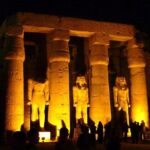
If you choose the light and sound option, you’ll get an evening show. A big plus here is that you get to see temple settings in a different mode. Daytime ruins can feel like stone and shade. At night, the lighting and audio narration turn them into a stage.
This option is best if you like story-telling formats. If you prefer quiet roaming, you might skip it. But if you’ve never experienced a light and sound show in Egypt, it’s a memorable add-on.
Organic oils and scarves add-ons: small extras that can be useful
The tour offers FTS organic oils as add-ons, and optionally a travel-inspired scarf. This is optional, but it’s worth paying attention to what’s listed.
The oils named include:
- FTS Black Seed Oil (Organic), listed for anti-inflammatory, immune-boosting, skin healing
- FTS Peppermint Oil (Organic), listed for cooling, soothing, headache relief, focus, digestion support
- FTS French Basil Oil, listed for refresh, anti-inflammatory, focus, stress reduction, digestion support
- FTS Rosemary Oil, listed for memory and hair growth support, muscle pain relief, circulation
- FTS Geranium Oil, listed for skin health, stress reduction, mood uplift, hormonal balance support
I’d treat these as wellness products with listed claims, not guaranteed medical solutions. If you’re prone to sun stress or you like having small, practical items on hand, this add-on could fit your routine.
Price and logistics: what you’re really paying for
Since the exact price isn’t provided here, think about value in terms of what’s bundled. This tour includes:
- All transfers in an air-conditioned vehicle
- A guide
- 1 night in a 4-star hotel with dinner, bed, and breakfast
- 2 lunches during the tour
- Hot air balloon only if the option is selected
- Light and sound only if the option is selected
Two things to watch:
- Drinks are not included with restaurant meals. That’s common, but plan for it so you’re not surprised.
- The felucca ride is listed as not included, even though it appears in the day’s expectation notes. Confirm what’s included when you get your final plan.
Why this matters: if you tried to book Luxor independently from Hurghada, you’d likely spend time and money coordinating transport, hotel, and guided visits. Here, the structure reduces that hassle, which is a real part of the value.
Who this 2-day Luxor tour fits best
This trip is a strong match if you:
- Want the key Luxor sights in a tight two days
- Like having an English guide to explain what you’re seeing
- Are interested in a sunrise balloon option
- Prefer an overnight hotel rather than a nonstop rush
It’s not ideal if you:
- Hate early mornings (balloon mornings are very early by default)
- Want totally self-guided freedom with no pacing
- Don’t want any shopping stops at all
Should you book this tour?
I’d book this if your priority is classic Luxor in a well-structured timeframe, especially if you’re choosing the sunrise balloon and you want guided temple visits with real explanations. The hotel + meals + transfers bundle is the kind of practical value that keeps your trip from feeling like a logistical project.
If you’re unsure, your decision can be simple:
- Pick it for the balloon and guided temples, and
- Confirm what’s included on felucca, balloon, and light and sound before you go.
You’ll end up with two intense days of ancient Egypt, without the usual planning headache.
FAQ
What’s included in the hotel stay?
You get 1 night in a 4-star hotel on a half-board basis, which includes dinner, bed, and breakfast.
Are transfers from Hurghada included?
Yes. All transfers are included in an air-conditioned vehicle, with pickup and drop-off available from Hurghada hotels.
Are meals included during the tour?
Yes. The tour includes 2 lunches during the tour. Drinks in the restaurants are not included.
Is the hot air balloon ride included?
It depends on the option you select. The hot air balloon ride is included only if the balloon option is chosen.
Is the Nile felucca ride included?
No. The felucca ride is listed as not included in the package.
Can I arrange a wake-up call or packed breakfast?
Yes. You can request a wake-up call at reception and a packed breakfast the day before the trip.
From where can the pickup be arranged?
The tour is possible from hotels in El Gouna, Hurghada, Sahl Hasheesh, Makadi, and Safaga. Pickup and drop-off from some locations (like El Gouna, Al Ahyaa, Sahl Hasheesh, Makadi, and Soma Bay) may be available as an add-on.
Do I need to send passport details to the local partner?
After booking, you need to contact the local partner to provide the names and passport numbers of all travelers, plus your desired pickup time from your Hurghada hotel.