REVIEW · LUXOR
Tour to Ramesseum, Habu Temples, and the Valley of the Nobles
Book on Viator →Operated by Nile Holiday · Bookable on Viator
Three sites, one focused morning of ancient Egypt.
This private tour strings together the Valley of the Nobles, the Ramesseum, and Medinet Habu in about five hours, so you get real context instead of hopping randomly between ruins. If you land a guide like Mahmoud or Tayeb, the day becomes more than photos, with clear explanations that help you see what you are looking at (and why it mattered). You also get the convenience of hotel or cruise pickup and drop-off, plus an easy schedule with early start options to beat the heat.
The main thing to plan for is walking. You’ll be on the West Bank around el Qurna hills, where surfaces can be uneven and you’ll likely climb and step around to see tomb interiors and wall reliefs, so moderate physical fitness helps.
In This Review
- Key highlights you’ll care about
- A smart West Bank plan: nobles, battles, and tomb stories
- Pickup, private vehicle, and the value of early departures
- Stop 1: Valley of the Nobles at el Qurna hills (more life, less fame)
- Stop 2: The Ramesseum’s giant Ramesses II and battle reliefs
- Stop 3: Medinet Habu and Ramesses III’s war on the walls
- Why the Egyptologist guide changes the whole day
- Price and logistics: why $57 can feel like a deal
- What to wear and bring for comfort (the practical stuff)
- Who should book this tour—and who might skip it
- Should you book this Ramesseum, Medinet Habu, and Valley of the Nobles tour?
- FAQ
- How long is the tour, and how much time is spent at each site?
- Is pickup and drop-off included in Luxor?
- Are entrance tickets and bottled water included?
- Is this a private tour?
- What physical demands should I expect?
- Can I cancel for a full refund?
Key highlights you’ll care about
- Three Theban necropolis stops in one half-day, so you avoid the common Luxor shuffle
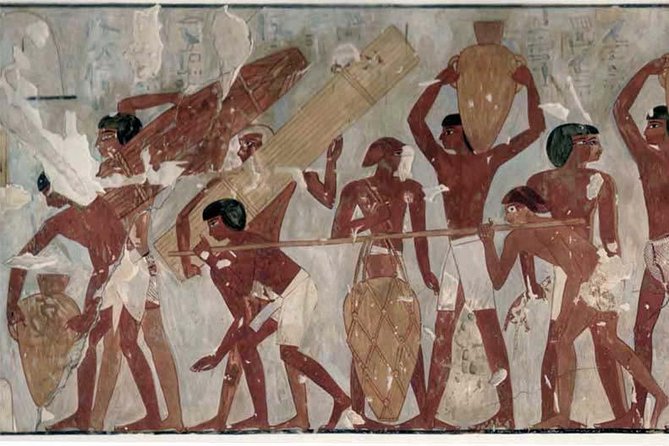
- Egyptologist-led visits that focus on what the reliefs and tomb scenes mean
- Valley of the Nobles at el Qurna hills, decorated with daily life, funerals, and afterlife ideas
- Ramesseum’s massive seated Ramesses II and famous battle and festival reliefs
- Medinet Habu’s best-preserved memorial temple with military scenes tied to Ramesses III
- Private, air-conditioned transfers and bottled water to keep the day comfortable
A smart West Bank plan: nobles, battles, and tomb stories
Luxor’s West Bank can feel like a choose-your-own-adventure. This tour gives you a clean route through the Theban necropolis, with stops that each show a different side of royal Egypt.
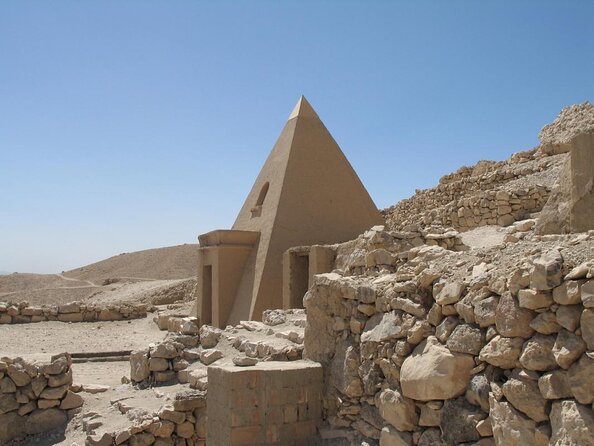
You start with the nobles, not the kings. That matters. The Valley of the Nobles (around el Qurna hills) focuses on high officials and their tombs, with scenes that show workdays, funerals, and beliefs about what comes next. Then you move into two Ramesside-era memorial temples: the Ramesseum (Ramesses II) and Medinet Habu (Ramesses III). Together, it’s a tight story arc about power, war, ritual, and remembrance.
You can also read our reviews of more tours and experiences in Luxor.

Pickup, private vehicle, and the value of early departures
The tour is built around an easy morning. You’re picked up from your Luxor hotel or Nile cruise, then driven by a private air-conditioned vehicle between sites. The total time is about five hours, with set visiting blocks that keep you from feeling rushed but also from wandering too long.
One detail that’s genuinely useful: early start times. Luxor mornings can be much more bearable, and leaving earlier helps you see more with less squinting and fewer “why am I doing this?” moments. Bottled water is included, which is a small thing that makes a big difference in the heat.
Because it’s a private tour, you’re not competing with other groups for the best viewing angles. If you want to spend an extra minute with a wall scene or step back to take it all in, your guide can usually flex around you.
Stop 1: Valley of the Nobles at el Qurna hills (more life, less fame)
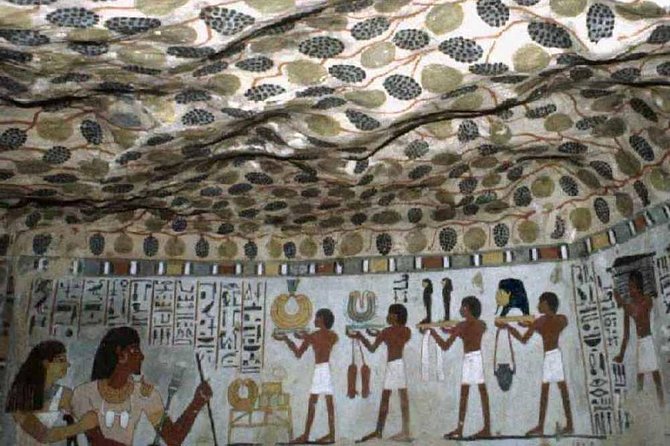
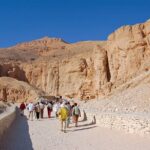
The Valley of the Nobles sits on the West Bank in the el Qurna hills area. It’s the kind of place you go to learn how ancient Egyptians imagined everyday existence and the afterlife, not just to check off a famous name.
This area holds tombs of nobles and high officials, with most dating to the New Kingdom’s Golden Age (roughly 1550–1080 BC). What you’ll notice fast is the focus on scenes of daily life: people working, ceremonial moments, funerals, and what they believed an ideal afterlife would look like. Even if you only catch portions, the emotional tone comes through—these aren’t empty chambers. They are planned messages.
You also get a quieter vibe than the more famous Valley of the Kings type of experience, which makes the visit feel more personal. The downside is physical reality: the tomb area involves walking and moving through rocky terrain. Take your time on uneven ground, and wear shoes you trust.
Expect about an hour here, and keep an eye on your guide for where to look. The beauty is in the details, but the guide’s job is to help you see the patterns instead of getting lost in carvings.
Stop 2: The Ramesseum’s giant Ramesses II and battle reliefs
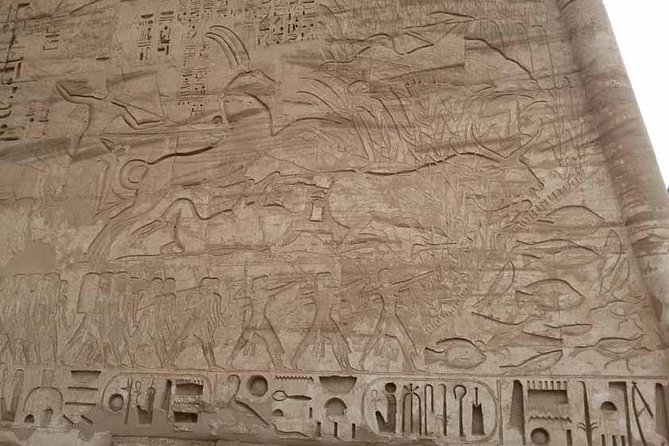
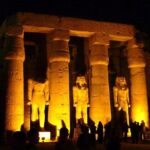
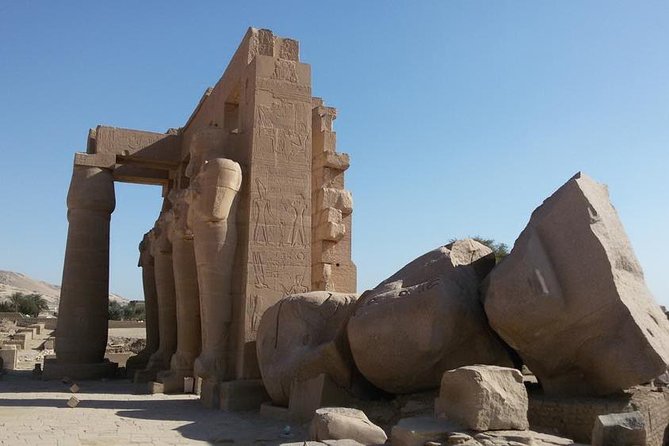
Next you head to the Ramesseum, the mortuary temple linked to Ramesses II. This is where the scale hits you. The temple is associated with a seated statue of Ramesses II that’s listed at about 19 meters (62 feet) tall. It’s hard not to feel a little dizzy looking at that kind of ambition, even though only fragments of the statue remain.
The Ramesseum also has a famous literary connection. The poet Percy Bysshe Shelley wrote about it in his sonnet Ozymandias. Even if you’ve never read the poem, it’s a useful anchor: you’re standing in front of the kind of monument people once thought would last forever.
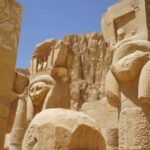
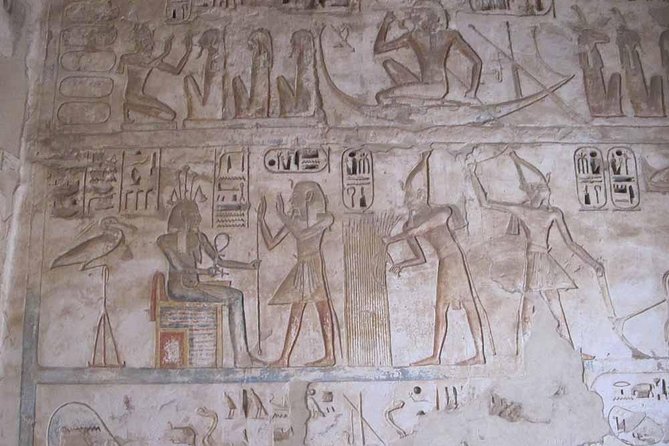
What really makes the visit worth your time is the walls. Reliefs that survive (only partly, since the temple is about half preserved) depict big events and royal messaging. You can see scenes tied to the Battle of Kadesh, Syrian campaigns, and festival imagery connected to Amon Min. Your guide can help you connect the imagery to why Ramesses II wanted his story told this way—victory, legitimacy, and divine support all in one package.
Plan on about 45 minutes at this stop. That’s usually enough time if you’re listening and letting the guide point out the key scenes as you move through.
Stop 3: Medinet Habu and Ramesses III’s war on the walls
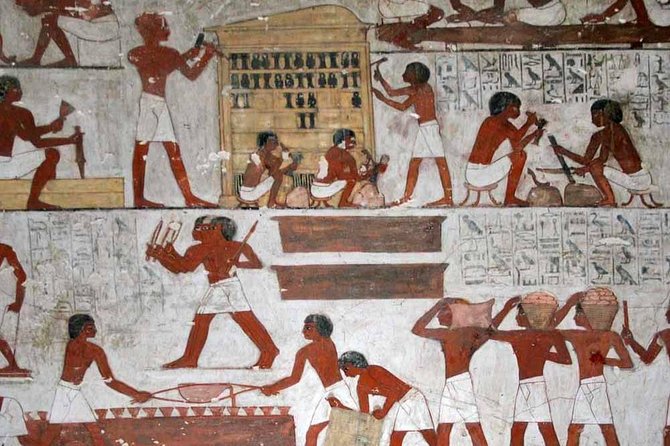
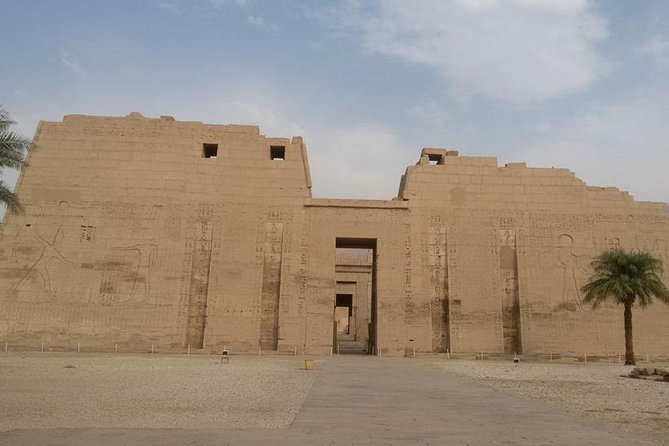
After Ramesseum, you continue to Medinet Habu (often called Madinat Habu). This is the memorial temple of Ramesses III, and it’s widely respected for being the best-preserved New Kingdom memorial temple in this category.
Here, the storytelling leans more heavily toward warfare, but it’s not just action scenes. The walls include texts and military imagery related to victories in three wars. You’ll also see the rituals and festivals connected to those kingship moments, which helps you understand that ancient Egyptian rule was about more than conquering. It was about staging meaning.
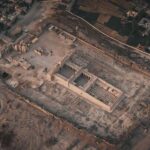
Layout details can be helpful. There’s a royal palace area built to the south of the open forecourt. Priests’ dwellings and administrative units sit on either side of the temple. Even without architectural training, you can get a sense that this was a functioning complex, not just a stage set.
You’ll spend about an hour here, which is a good length. Medinet Habu rewards slow looking, and an hour lets you absorb several sections instead of racing through the best parts only.
One more practical note: depending on where you’re coming from that morning and how the vehicle route is timed, you might pass over the newer bridge built in 1992 to reach the Valley of the Nobles area. It’s one of those modern details that quietly explains how access changed over time.
Why the Egyptologist guide changes the whole day
The sites are great, but the guide is what turns them into understanding. With the right Egyptologist, wall scenes stop being “cool carvings” and start acting like a visual language.
In the reviews and guides I’ve heard described, you’ll often get:
- Clear explanations of what specific reliefs show and how to read the scene
- A sense of narrative, not just facts (you learn what to look for next)
- A pace that feels safe and steady, not frantic
I also like that this tour is flexible in start time. If you need an earlier departure to beat the heat, you can usually choose what fits your day.
Language can vary. One guide experience mentioned Spanish, another involved a French-speaking guide, and one note flagged the French guide as a bit approximate. That tells you something useful: if you care about language precision, ask about the guide language when you book.
And yes, the driver matters too. One pairing mentioned Mahmoud with driver Chesley, and the combination sounded smooth and confidence-building—especially important on the West Bank where roads and walking areas require attention.
Price and logistics: why $57 can feel like a deal
At $57 per person for a private half-day, this can be strong value—mainly because the package avoids the usual add-ons.
Included items you should treat as real savings:
- Entrance fees to all three sites
- Private air-conditioned transfers
- Pickup and drop-off in Luxor
- An Egyptologist guide
- Bottled water
- Service charges and taxes
What this means for you: you’re paying for the whole circuit instead of piecing together tickets, local transport, and guide time separately. For a day that already runs about five hours, that bundling adds up.
Also, the average booking window is about 18 days in advance, which suggests this is a popular fit for people planning their Luxor days. If you want the best chance at your preferred start time, I’d book earlier rather than waiting.
What to wear and bring for comfort (the practical stuff)
This is a morning-focused West Bank tour, and you should dress like you’ll be outside. Even when you pick an early start, Luxor sun can stay determined.
Bring:
- Comfortable walking shoes with grip (rocky areas at el Qurna)
- A hat and sunscreen
- A light layer if you get a cooler morning breeze
- Camera storage and wipes (temple dust is real)
If you get a guide who likes to stop and point out details, you’ll appreciate having a slower pace mindset. This isn’t a “see it, move on” type of day. It’s built for understanding what you’re seeing at Ramesseum and Medinet Habu, and for catching the daily-life scenes that make the Valley of the Nobles special.
Who should book this tour—and who might skip it
Book it if:
- You want a private Egyptologist-led day on the West Bank without wasting time
- You care about Ramesside history and want both Ramesses II and Ramesses III represented
- You’d rather see the Valley of the Nobles than only the Valley of the Kings circuit
- You like sites where the story is told through reliefs, not just big monuments
Consider another option if:
- You want a very low-walking itinerary with minimal moving between sites
- You prefer longer temple time at a single stop over a tight three-site route
- Your group is uncomfortable with uneven terrain and steps around tomb areas
Should you book this Ramesseum, Medinet Habu, and Valley of the Nobles tour?
I think it’s a solid choice when you want a concentrated West Bank day that feels guided and coherent. Three stops in about five hours is enough time to learn the main themes—nobles and afterlife ideas first, then royal memorial temples focused on war, ritual, and legitimacy.
The biggest “make or break” factor is the guide language and explanation style. If you can, confirm the guide’s language and ask for an Egyptologist who can point out the key reliefs without rushing.
If you want a morning that’s efficient, meaningful, and not crowded by default, this tour is built for that.
FAQ
How long is the tour, and how much time is spent at each site?
The tour runs about 5 hours total. The schedule includes roughly 1 hour at the Valley of the Nobles, 45 minutes at the Ramesseum, and 1 hour at Medinat Habu.
Is pickup and drop-off included in Luxor?
Yes. The tour includes pickup from your Luxor hotel or Nile cruise and drop-off back at your accommodation in Luxor.
Are entrance tickets and bottled water included?
Yes. Entrance fees for all listed sites are included, and bottled water is provided during the tour.
Is this a private tour?
Yes. It’s a private tour/activity, meaning only your group participates.
What physical demands should I expect?
The tour notes a moderate physical fitness level. You’ll be walking at the West Bank sites, including the Valley of the Nobles area on rocky terrain.
Can I cancel for a full refund?
Yes. You can cancel up to 24 hours in advance for a full refund. If you cancel less than 24 hours before the start time, the amount paid is not refunded.