REVIEW · LUXOR
Luxor: Shared Full-Day Tour to Luxor West and East Banks
Book on GetYourGuide →Operated by Nice Tours · Bookable on GetYourGuide
One valley, two temples, one unforgettable day. This shared Luxor tour strings together the West and East Bank highlights with an Egyptologist guide who turns stone and symbols into stories you can actually follow. I like the way the route is built around the big names without skipping the “wait, what is that?” details.
I also love that you get a real balance: the quieter West Bank sites (Valley of the Kings, Hatshepsut) plus the monumental scale of Karnak Temple and Luxor Temple on the East Bank. The pacing typically includes guided explanations and then enough breathing room to look, photograph, and absorb.
The main thing to watch is the day is long and it’s a lot of driving and walking—so heat and time pressure are real. If you’re sensitive to crowds in shared vans, plan on sharing transport space with a group.
In This Review
- Key points before you go
- Why the West Bank and East Bank pairing makes sense
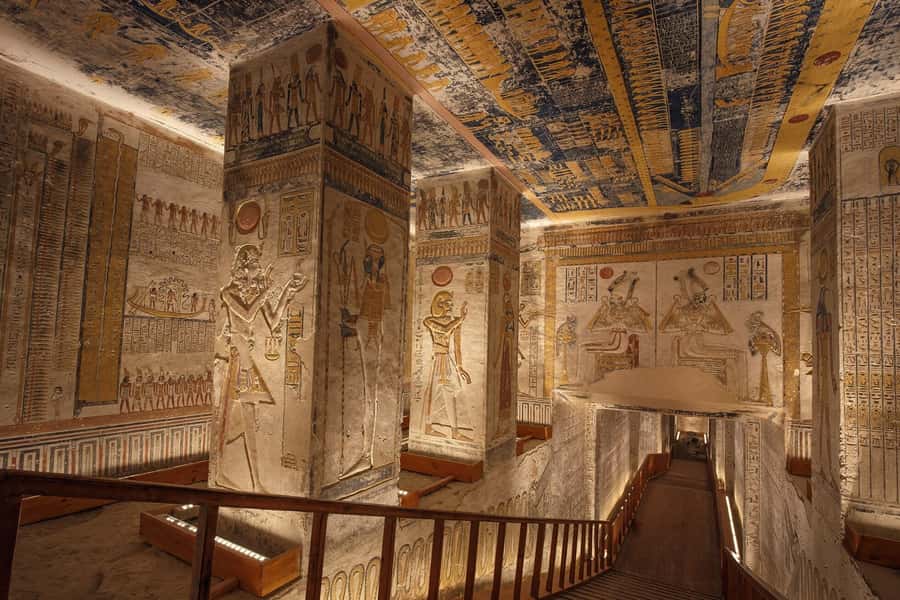
- Valley of the Kings: the Valley of the Gates of the Kings
- Deir el-Bahari and Hatshepsut’s terraces: architecture you can feel
- Colossi of Memnon: Amenhotep III in two giant statues
- Lunch reset: a local restaurant stop that helps you keep going
- Karnak Temple: the Theban triad and the feeling of scale
- Luxor Temple: Amenhotep III’s build, Ramses II’s completion
- Guide quality: why names like Alaa Hassan and Ahmed Bahaa matter
- Price and logistics for a shared full-day tour
- Who this tour is best for
- Should you book this Luxor West and East Banks tour?
- FAQ
- How long is the Luxor West and East Banks tour?
- Which sites does the tour visit?
- Is hotel pickup and drop-off included?
- Is lunch included?
- What language is the guide?
- Is there free cancellation?
Key points before you go
- West Bank icons first: Valley of the Kings, Hatshepsut at Deir el-Bahari, and the Colossi of Memnon set the tone for the whole day
- Karnak with context: dedicated to Amun, with Mut and Khonsu as part of the Theban triad, explained in a way that makes the complex feel logical
- Real photo time: guides aim to give you time to explore after the explanation, not just march-and-stare
- Lunch included: a local restaurant stop helps you reset before Karnak and Luxor Temple
- Guide quality can make or break it: names like Alaa Hassan, Ahmed Bahaa, Gabriel, and Omar show up often for clear, engaging storytelling and smart timing
Why the West Bank and East Bank pairing makes sense
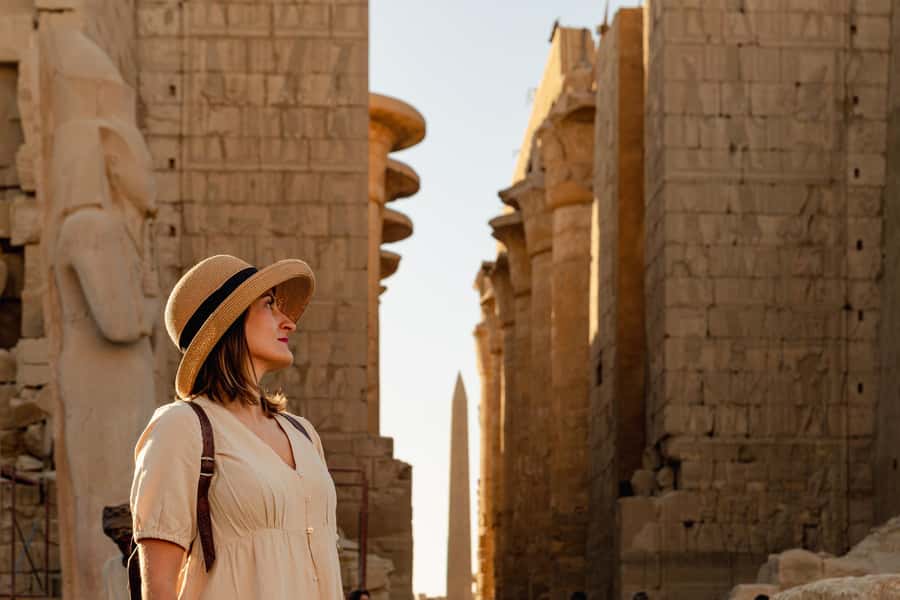
Luxor is split by the Nile, and the split matters. On the West Bank you’re moving through the world of the dead: royal tombs, mortuary temples, and monuments tied to cycles of eternity. On the East Bank the setting feels more civic and ceremonial—big temple spaces where state religion and daily ritual lived side by side.
This is why I like this format for a first trip. In about 8 hours, you get the contrast: cliffside terraces at Deir el-Bahari, then the expansive reach of Karnak. You also get a guide who can connect the dots—how rulers wanted their names to last, and why temples were built like statements, not just buildings.
A few more Luxor tours and experiences worth a look
Valley of the Kings: the Valley of the Gates of the Kings
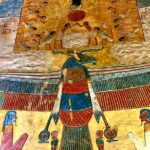
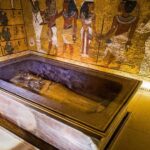
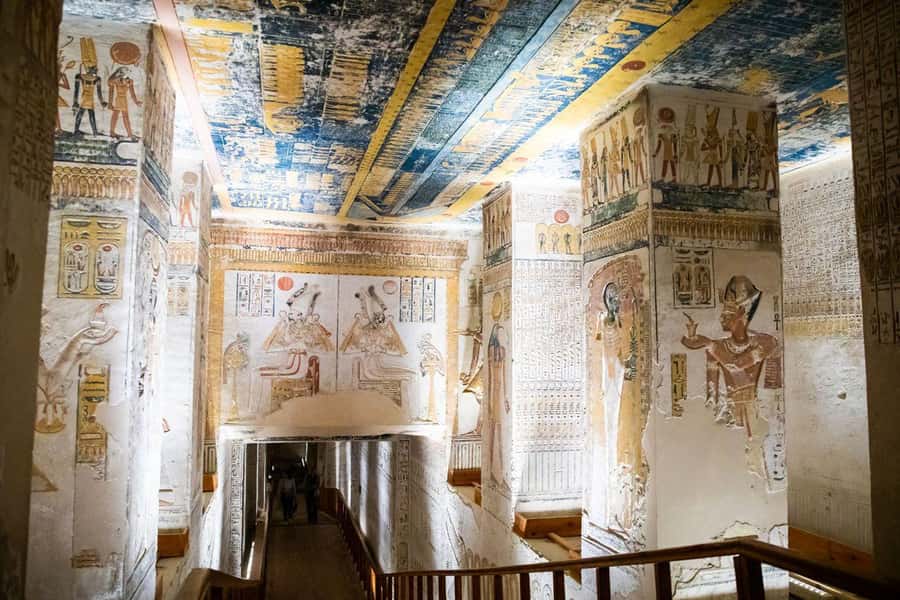
Your day starts with the Valley of the Kings, also known as the Valley of the Gates of the Kings—an instantly meaningful name once you’re inside. This is where you’ll see the logic of royal burial in the Valley: tombs cut into the desert, designed for protection and passage, not comfort.
The big value here is having an Egyptologist guide who can talk through what you’re looking at: why particular tombs mattered, how the valley fits into the wider Theban necropolis, and what the Valley was for in the first place. Then you get time to sightsee at your own pace rather than feeling like you’re only there for quick snapshots.
Practical note: this stop is one of the first, so it’s a good moment to settle into the day’s rhythm. Later you’ll be at larger, busier complexes—starting here helps you “get your bearings” before the scale hits.
Deir el-Bahari and Hatshepsut’s terraces: architecture you can feel
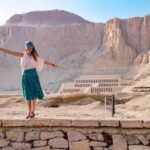
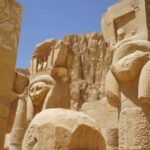
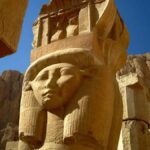
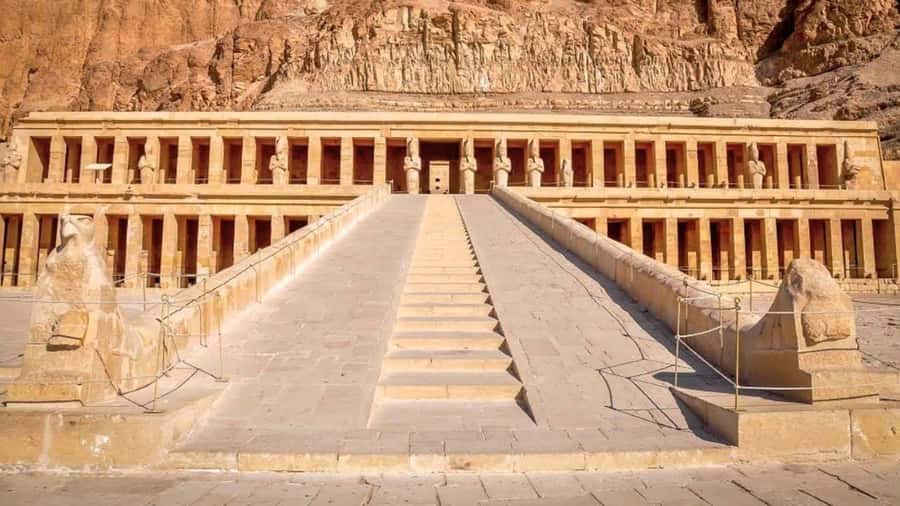
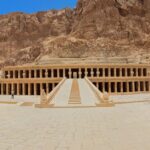
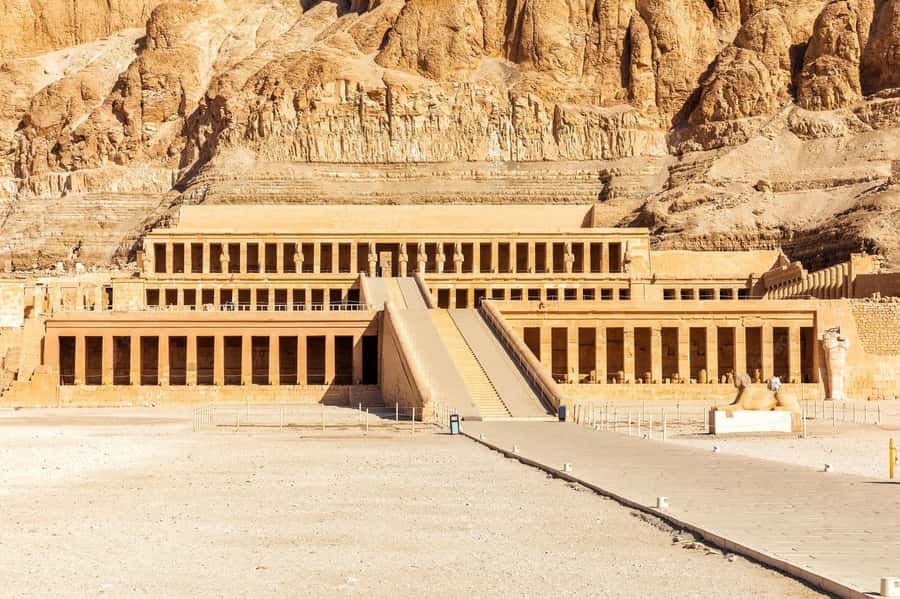
Next comes the Mortuary Temple of Queen Hatshepsut at Deir el-Bahari, opposite modern Luxor. What makes this stop special is the sheer stagecraft of the layout: three massive terraces rise from the desert floor into the cliffs.
If you only think of Hatshepsut as a famous name, you’ll still be impressed. But with a good guide, you’ll start to see why the temple looks the way it does—how the terraces guide your eye upward, how the temple sits within a dramatic natural setting, and how the design supports the idea of an enduring ruler.
This is also a stop where you’ll likely notice details at different distances: carvings and reliefs up close, but also the way the whole composition reads from further back. The guided walk helps you look better, not just look faster.
Colossi of Memnon: Amenhotep III in two giant statues
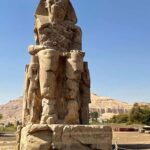
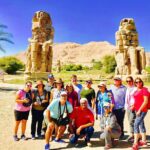
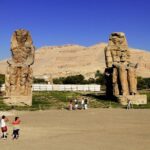
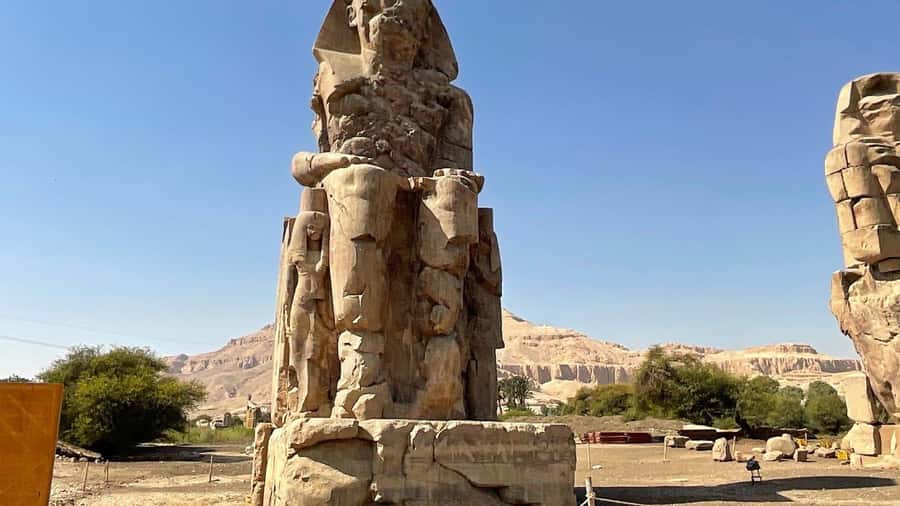
Then you’ll head to the Colossi of Memnon. These are massive reminders of royal ambition—especially because the area is tied to the mortuary temple of Amenhotep III.
What you get here is contrast. Hatshepsut’s temple is layered and architectural; the Colossi are blunt scale—two enormous figures that dominate the site. Even if you’re not a “statue person,” this is the kind of place where a guide’s explanation gives you something to hold onto: who built what, what the figures represent, and how the monument fits into the larger burial landscape.
It’s also a good transition stop before lunch and before Karnak. After this, you’ll move from “one site’s story” to “the temple universe.”
Lunch reset: a local restaurant stop that helps you keep going
You’ll stop for lunch at a local restaurant. This matters more than it sounds. When your day includes Valley of the Kings, Deir el-Bahari, and then two major temple complexes, you need a break that isn’t just a quick snack.
From what’s been shared with this tour, lunch is typically satisfying and treated as part of the experience, not an afterthought. On some days you might even get a pleasant setting like an outdoor view; the point is simple: you get fuel and a pause before Karnak and Luxor Temple demand your attention again.
What I’d do: use the lunch stop to recharge your feet and your phone battery, then come back ready to look longer, not just run through the sites.


Karnak Temple: the Theban triad and the feeling of scale
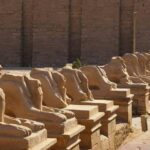
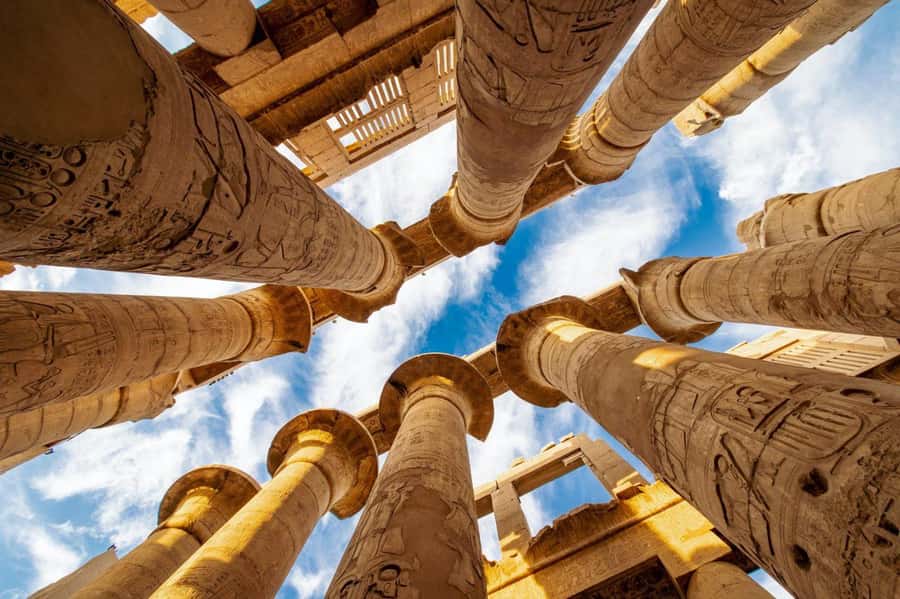
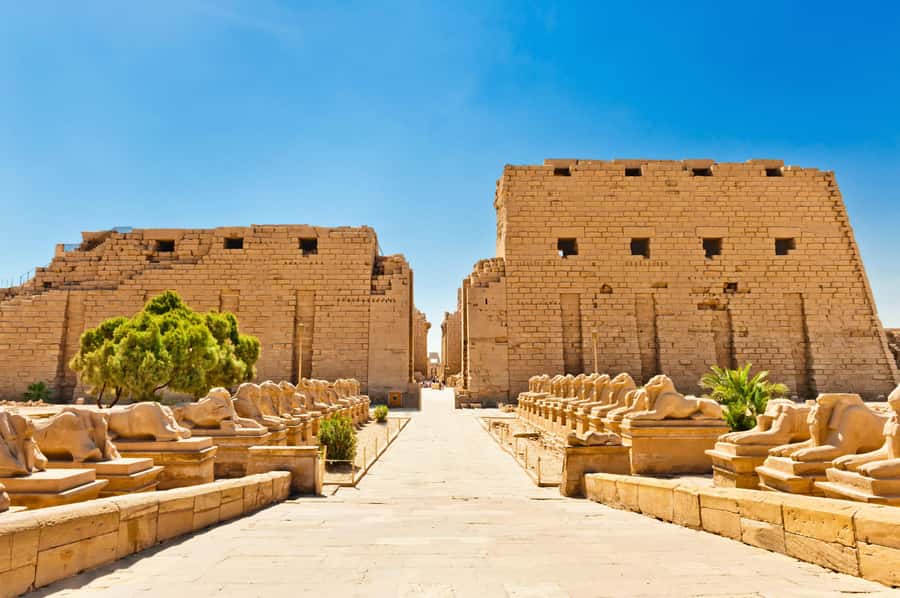
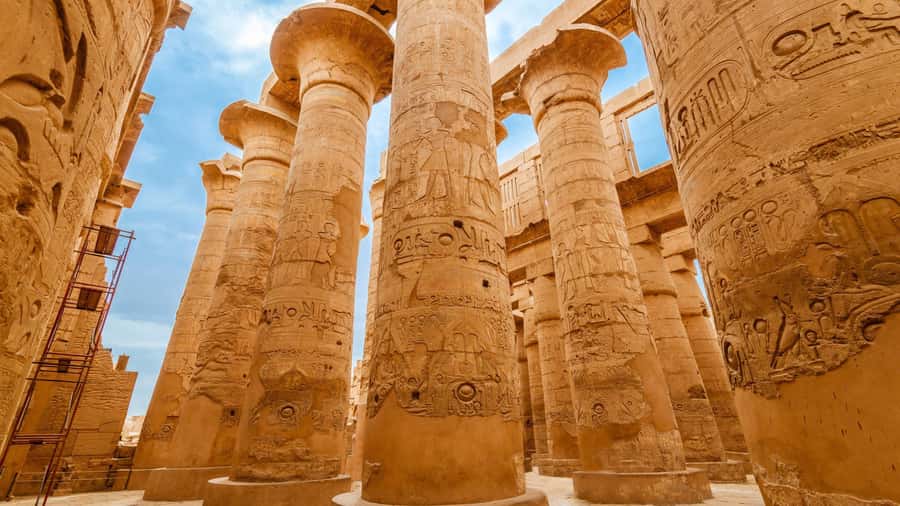
Now the tour turns the volume up with Karnak Temple—often described as one of the greatest examples of worship in history. Dedicated to the god Amun, and tied to his family through the Theban triad (Amun, Mut, and their son Khonsu), Karnak isn’t a single “main hall” experience. It’s a whole religious city of stone.
This is where the best guides tend to shine. A good explanation gives Karnak structure. Instead of seeing dozens of halls and walls and columns, you start understanding what each area is doing in the larger system—how the temple’s role in royal religion connected to the power of Thebes.
Also, Karnak is famous for being big and busy. Having a guide help you manage your time and find the best points to view the main structures can save you from losing hours to confusion or crowd bottlenecks.
Luxor Temple: Amenhotep III’s build, Ramses II’s completion
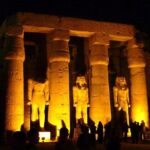
After Karnak, you’ll visit the Luxor Temple, built in the 18th Dynasty by Amenhotep III and completed by Ramses II. This stop feels more readable after Karnak, because Luxor Temple gives you a sense of flow: you move through a temple that’s still grand but easier to connect emotionally and visually.
Why it’s worth the visit is the historical bridge it provides. You’re not just seeing one ruler’s imprint—you’re seeing how later power interacted with earlier works. With a guide’s explanation, it becomes more than two names on stone. You get a story of continuity and change across different eras of Egyptian rule.
If Karnak is the sprawling system, Luxor Temple is the satisfying ending chord—especially if you pay attention to the details while you still have energy.
Guide quality: why names like Alaa Hassan and Ahmed Bahaa matter
Because this is a shared tour, the guide is the main “service variable.” And with this one, many of the guides associated with it have been praised for doing three things well:
- Clear explanations that help you understand symbolism, not just memorize facts
- Time management that aims to reduce wasted waiting and keep the day moving
- Extra help at the stops, including giving people time to explore and even taking group photos in the best spots
If you happen to be assigned someone like Alaa Hassan, Ahmed Bahaa, Gabriel, Omar, Beshoy/Bishoy, Mina Oweda, or Adam, you’re likely to get a guide who talks like a storyteller. People also mention guides adjusting the order of experiences on the fly when plans change—helpful when travel days are messy.
One more small but real point: good guides help you get better photos without turning the day into a photoshoot. They explain where to stand, then let you look and shoot without constant interruption.
Price and logistics for a shared full-day tour
At $90 per person for a full day, the value depends on what you expect from the guide and what’s included for your specific booking.
Here’s what’s covered in the information you have:
- English-speaking guide
- Hotel pickup and drop-off in the East Bank
- Lunch
- All entrance fees only if you selected that entrance-fee option
That means you should verify whether entrance fees are included for your exact ticket. Temple sites add up, so it’s worth checking so you don’t get surprised later.
Also, because it’s shared, transport is shared. One comment mentioned the minibus feeling a bit small, which tells me you should expect a compact ride if the group is larger. Nothing unusual for Luxor day tours, but it’s good to know so you pack accordingly.
If you’re doing this on a hot day, start early in the morning if your schedule allows. One practical tip from the experience: the day is heavy, and the heat can arrive fast, so you’ll enjoy it more with an early start and a calm attitude.
Who this tour is best for
This is a strong fit if you:
- Want major Luxor temples in one day without planning the route yourself
- Like guided explanations that connect symbolism to what you’re seeing
- Prefer structured sightseeing with enough time for photos and wandering
- Are visiting Luxor for the first time and want an efficient first overview of both sides of the Nile
It may feel less ideal if you:
- Hate long days and lots of walking
- Get cranky in shared vehicles
- Need a slow, low-pace tour focused on only one site
Should you book this Luxor West and East Banks tour?
I’d book it if you want a clean, high-impact Luxor day. The lineup hits the biggest names—Valley of the Kings, Hatshepsut at Deir el-Bahari, Colossi of Memnon, then the heavyweights of Karnak and Luxor Temple. The guide-driven storytelling seems to be the real engine of the experience, and several guides attached to this tour are repeatedly praised for explanations, timing, and flexibility.
Before you decide, do two quick checks: confirm whether entrance fees are included with your option, and be honest about your comfort with a long, active day. If that works for you, this is one of the best ways to get the Luxor “before you blink” overview—then leave you excited to return to the places you loved most.
FAQ
How long is the Luxor West and East Banks tour?
The tour lasts about 8 hours.
Which sites does the tour visit?
It includes the Valley of the Kings on the West Bank, the Mortuary Temple of Queen Hatshepsut at Deir el-Bahari, the Colossi of Memnon, lunch at a local restaurant, then Karnak Temple and Luxor Temple on the East Bank.
Is hotel pickup and drop-off included?
Yes. Pickup and drop-off are included in the East Bank.
Is lunch included?
Yes, lunch is included.
What language is the guide?
An English-speaking guide is included, and other languages (French, German, Spanish) are available as an add-on.
Is there free cancellation?
Yes. You can cancel up to 24 hours in advance for a full refund.