REVIEW · LUXOR
Full Day Tour of Luxor West Bank Temples and Tombs (Private)
Book on Viator →Operated by Luxor Egypt Tours · Bookable on Viator
Two valleys, one queen, and ancient colossi. This private Luxor West Bank tour strings together the big-name tomb and temple stops with hotel pickup and a private, air-conditioned vehicle so you can focus on the archaeology, not the logistics. I also like that it’s built around a full day (about 7–10 hours), which gives you time to actually linger at key monuments.
The best part is the Egyptologist guide. You’ll get context that helps you read what you’re seeing—then you’re not stuck in a rush. Guides (like Hany Yessen, Sayed Gamal, Besho, and Ahmed Emam, based on the operator’s named guides) are repeatedly praised for clear explanations and for letting you take photos after the story is told.
One thing to watch: entrance fees are not included for the sites on the route, and some optional add-ons can create extra costs if you’re not paying attention.
In This Review
- Key highlights worth getting excited about
- Price and what you actually get for $20
- Hotel pickup and a private air-conditioned vehicle
- Valley of the Kings: where to spend your two hours
- Hatshepsut at Deir el-Bahari: the 30-meter story machine
- Valley of the Queens: royal wives and the meaning of Ta-Set-Neferu
- Deir el-Medina (Valle Delle Regine): the workshop side of the empire
- Temple of Medinet Habu (Ramesses III): walls that still push back
- Colossi of Memnon: a quick stop with big-scale payoff
- Lunch, shop stops, and the human side of the day
- How intense is a 7–10 hour West Bank day?
- Cancellation and weather: plan like Luxor is a desert
- Should you book this private West Bank tour?
- FAQ
- How long is the Full Day Tour of Luxor West Bank Temples and Tombs?
- Is hotel pickup and drop-off included?
- Is this tour private?
- Are entrance fees included in the tour price?
- Is lunch included?
- What sites are included in the day?
- Are any bottled drinks provided?
- What does the Valley of the Kings ticket cover?
- Is free cancellation available?
Key highlights worth getting excited about
- Hotel pickup plus private vehicle comfort: air-conditioned transfers with bottled water
- Valley of the Kings ticket detail: the ticket structure is described as covering three tombs
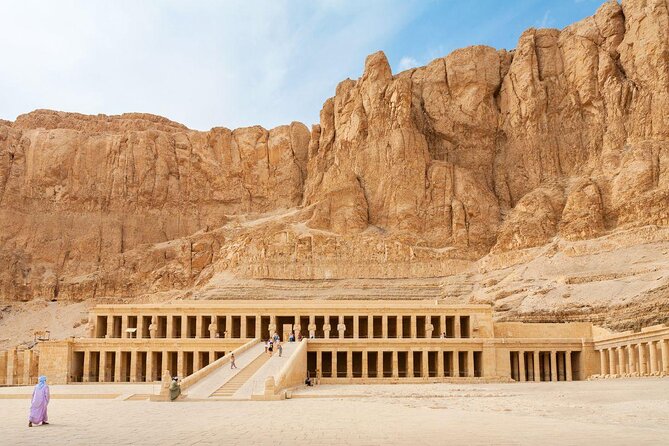
- Hatshepsut’s “terrace” temple setting: a monument shaped by cliffs and a valley basin
- Deir el-Medina artisan village: often appreciated as a calmer stop with lots of fine detail
- Medinet Habu + Colossi of Memnon: you finish with scale, not just more rooms and corridors
- Photo-friendly pacing: time to look around after the guide’s explanation
Price and what you actually get for $20
At $20.00 per person, this tour price looks like a bargain—especially because it’s private and includes transfers. The catch is also important: entrance fees are not included, so your all-in cost will depend on which tickets you buy and whether you choose the package that adds entry + lunch.
Think of it this way: you’re paying for the day design. That means the driving, the Egyptologist guidance, and the time-saving convenience of hotel pickup and drop-off. If you’re the type of traveler who wants to see a lot without spending your vacation figuring out ticket rules and timing, the setup makes sense even if the temples cost extra.
If you’re comparing options, look closely at what’s in your exact booking type:
- The base tour includes guide + private vehicle + water.
- Lunch is only included if you choose the option that explicitly bundles entry and lunch.
So if you’re hungry (and Luxor heat makes sure you are), check before you go.
You can also read our reviews of more private tours in Luxor
Hotel pickup and a private air-conditioned vehicle
Luxor’s West Bank sites are spread out, and the day can go sideways fast if you’re sharing rides or waiting on other groups. This tour is arranged as round-trip transfers from your Luxor hotel, using a private air-conditioned vehicle. That matters more than people expect. In summer, the difference between “comfortable” and “miserable” is literally the difference between enjoying your first temple stop versus rushing through the last.
The driving time also affects your sight time. Many people appreciate that the schedule leaves room for photos and for asking questions, not just dropping you at a gate and disappearing.
Valley of the Kings: where to spend your two hours
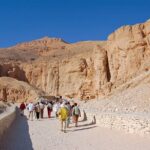
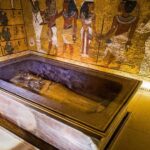
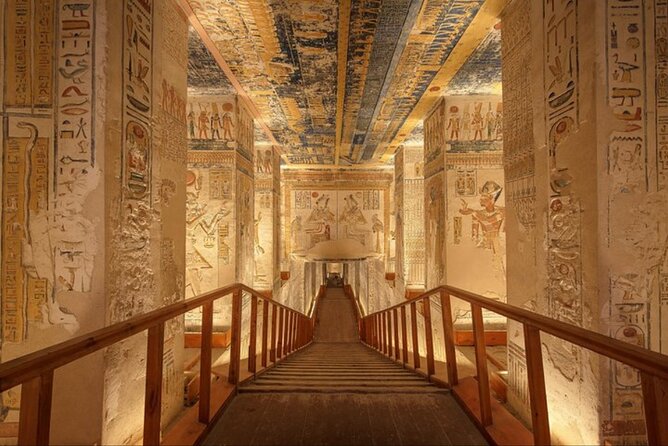
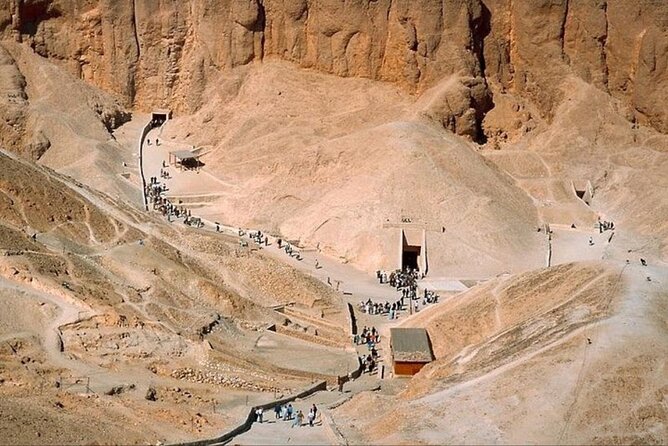
The Valley of the Kings is the big draw on the West Bank for a reason: this is where pharaohs were buried. It sits across the Nile from Thebes (modern Luxor), within the Theban Necropolis. You’ll spend around 2 hours here, but the smart part is what your ticket covers.
Your booking data notes that Valley of the Kings tickets include three tombs (per the Ministry instruction). That’s useful because it removes one common headache: you don’t have to guess which ticket type gives you the right access.
Still, plan to be selective once you’re inside. Tombs can feel similar if you rush, but they stop being similar when you slow down and compare the scenes. Go in with one question in mind—how each tomb’s decoration and scale reflects the owner and time period—and you’ll come out seeing more than just walls.
Practical note: tomb access can vary day to day, so keep your expectations flexible. One named guide and some site experiences have mentioned closure issues for specific tombs at times, so if you have a top priority tomb, it’s worth asking the guide what’s likely open when you arrive.
Hatshepsut at Deir el-Bahari: the 30-meter story machine
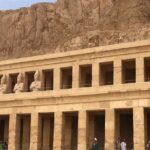
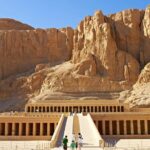
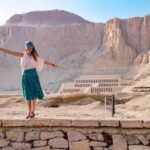
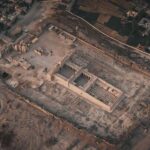
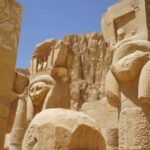
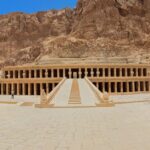
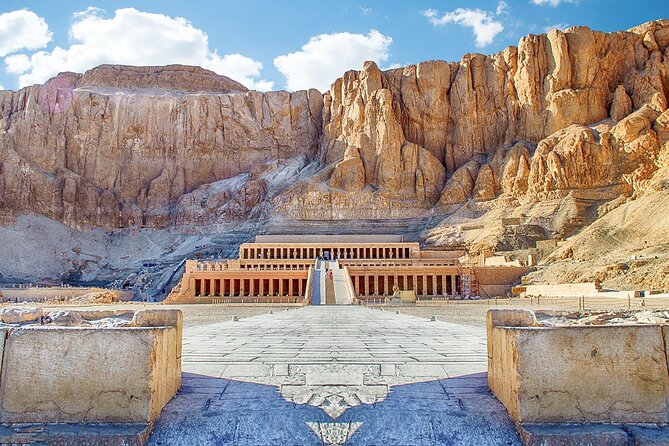
Temple of Hatshepsut at Deir el Bahari is the stop that makes the West Bank click. Hatshepsut’s temple is about 97 feet (30 m) tall, and its unusual form makes sense once you’re standing in the valley basin, surrounded by steep cliffs. The setting isn’t backdrop—it’s part of the design logic.
What I like about this stop is that it’s not just impressive from afar. Mentuhotep II’s Middle Kingdom temple is referenced as laying out the terraced, sloping mortuary concept, so you get a sense of how later rulers reused and reworked architectural ideas. Even if you don’t memorize dynasties, that “why this place, why this shape” framing helps you interpret what you’re seeing.
You’ll typically have about 1 hour here. If you want photos, pick your angle early, then move around once. The temple’s terraces change character as the light shifts across the rock cuts.
Valley of the Queens: royal wives and the meaning of Ta-Set-Neferu
Next is the Valley of the Queens, often called Ta-Set-Neferu, meaning the place of beauty. The core idea here is simple and powerful: pharaohs’ wives were buried here, while the pharaohs themselves were placed in the Valley of the Kings.
This stop runs about 1.5 hours, and it’s a good time to slow your pace. Tomb spaces can feel intimate compared to the massive valley temples, and the stories tend to connect through details—titles, symbolism, and the way burial spaces were designed for eternity.
One reason this portion is often praised is that it balances “big famous” with “human scale.” You’re not just chasing the loudest names; you’re seeing how Egyptian royal women were positioned within a burial landscape.
A few more Luxor tours and experiences worth a look

Deir el-Medina (Valle Delle Regine): the workshop side of the empire
Deir el-Medina, also described as Dayr al-Madina, is the West Bank stop that changes how you think about tomb-building. Instead of focusing only on pharaohs, you get the people who made the work happen.
This ancient Egyptian artisans’ village was home to the workers who carved and decorated tombs in the 18th to 20th Dynasties. When you stand in this area, you’re shifting from royal monument to the labor system behind the monuments. That context makes your earlier tomb visits feel less like random chambers and more like planned projects with skilled crews.
You’ll have about 1 hour here. If you’re the type who loves details, this is where you’ll notice small differences in how the village is laid out and how close it is to the tomb world. If you’re traveling with kids, it can also be a nice break from long tomb corridors while still feeling connected to the main story.
Temple of Medinet Habu (Ramesses III): walls that still push back
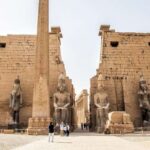
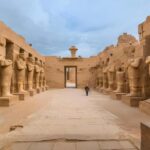
Medinet Habu (Temple of Ramesses III) is another strong stop because it feels like a complete temple complex, not just a single façade. The site is part of the New Kingdom story on the West Bank and is positioned as an important temple structure here.
Plan about 1 hour. It’s often appreciated because it can feel less crowded than some other tomb zones, and there’s room to notice texture, layout, and the stubborn fact that these stones survived long enough for us to argue about them.
If your guide times it right, this is also a great moment to ask: how was this temple used compared to the mortuary sites earlier in the day? Even a short explanation can help you see temples as living spaces, not only museum stops.
Colossi of Memnon: a quick stop with big-scale payoff
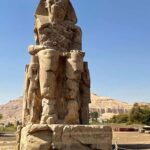
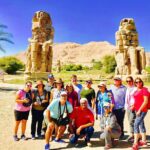
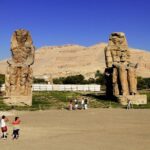
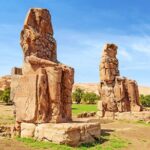
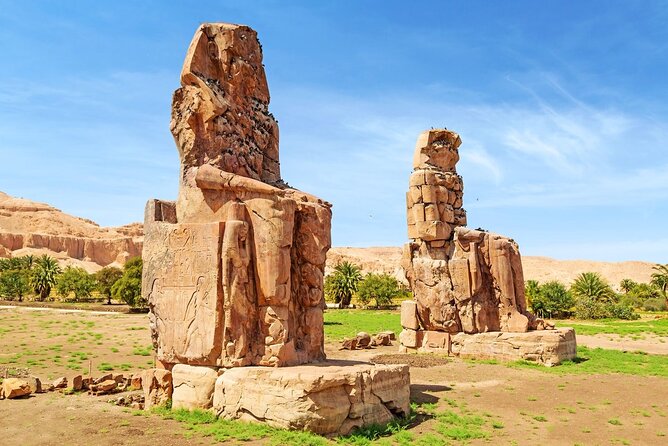
The Colossi of Memnon are easy to miss if you’re rushing, which is why the timing matters. You’ll likely spend only about 10 minutes, but those minutes count because you’re seeing two massive statues of Pharaoh Amenhotep III standing at the front of the ruined mortuary temple.
This stop works best when you treat it as a scale check. If you’ve spent hours in valleys—narrow paths, entrances, rock faces—then suddenly seeing giant standing figures gives your brain a reset. Even without going deep into side stories, the physical size does the teaching.
Try one thing: step back to get the statues fully in frame, then walk closer just enough to notice how the stone form reads at human height.
Lunch, shop stops, and the human side of the day
Depending on your chosen option, lunch may or may not be included. One of the nicer things about the guided style here is that many Egyptologists build in a restaurant stop at the end of the tour when lunch is part of the package.
That said, one caution from the field: some tour days include a stop where it can feel like buying is expected. If you dislike shopping detours, ask your guide up front whether there’s time pressure around that kind of stop. You can also set a simple rule: you’ll browse only if you feel like it, not because it’s implied.
Also keep an eye on “extras” charges. One report described an unexpected fee for additional tomb access after entry had already been paid. That’s not the typical framing of the tour details you’re given, but it’s a real reminder to confirm what your entrance ticket covers before anyone walks you toward a separate transaction.
How intense is a 7–10 hour West Bank day?
This itinerary is action-packed by design: Kings, Hatshepsut, Queens, Deir el-Medina, Medinet Habu, then Colossi. Expect a lot of walking and a lot of stepping in and out of tomb entrances, with heat and sun doing their best work on your schedule.
You’ll also notice that time feels different in tombs. An hour can fly if you get the explanation at the right speed and then get time to look on your own. That’s where the private setup helps: your guide can adjust pacing based on your questions and your photo needs.
If you’re sensitive to crowds or prefer calmer stops, pay special attention to the parts of the day that can feel less packed, especially Deir el-Medina and Medinet Habu. Building those into your route helps you end the day still in a good mood, not fried and overstimulated.
Cancellation and weather: plan like Luxor is a desert
This experience requires good weather. If it’s canceled due to poor weather, you’ll be offered a different date or a full refund. I also appreciate that cancellation is listed as free up to 24 hours before the start time—so if your schedule is still flexible, you don’t have to stress-lock your plans months ahead.
Should you book this private West Bank tour?
I think this is a smart booking if you want one-day coverage of the West Bank’s headline sites without turning your trip into a ticket hunt. The private vehicle and pickup remove the biggest day-killers: time lost between monuments and discomfort from waiting in the heat.
Book it if:
- You want an Egyptologist guide to connect the dots between tomb art, royal burials, and the reasons temples were built where they were.
- You like a day that moves, but still allows you to take photos and ask questions.
- You’re okay paying entrance fees separately (or choosing the option that includes entry and lunch).
Skip it (or ask sharper questions first) if:
- You hate shopping stops that feel sales-driven.
- You prefer fully fixed ticket inclusions with zero room for extra “on-site” charges.
- You only want one or two sites and would rather spend a slower morning deep in a single tomb.
If you like structure, context, and efficient West Bank touring, this private day is an easy yes.
FAQ
How long is the Full Day Tour of Luxor West Bank Temples and Tombs?
The tour runs about 7 to 10 hours.
Is hotel pickup and drop-off included?
Yes. Pickup is offered from your Luxor hotel and the tour returns you afterward.
Is this tour private?
Yes. It’s a private tour/activity, so only your group participates.
Are entrance fees included in the tour price?
No. Entrance fees to the mentioned sites are not included.
Is lunch included?
Lunch is included only when you choose the option Car + Guide + Entry + Lunch. Otherwise, lunch is not included.
What sites are included in the day?
You visit the Valley of the Kings, Temple of Hatshepsut at Deir el Bahari, Valley of the Queens, Valley of the Artisans (Deir el-Medina), Temple of Medinat Habu, and the Colossi of Memnon.
Are any bottled drinks provided?
Yes. Bottled water is provided on board the vehicle during the tour.
What does the Valley of the Kings ticket cover?
The tickets of Kings Valley are described as including three tombs according to the Ministry of Tourism instruction.
Is free cancellation available?
Yes. You can cancel up to 24 hours in advance for a full refund. Weather can also affect whether the experience runs.