REVIEW · LUXOR
Luxor Day Trip from Hurghada Small Group & Tutankhamun Tomb
Book on GetYourGuide →Operated by Ranco Travel Egypt Hurghada · Bookable on GetYourGuide
Luxor hits different when you do it in one focused day. I like that this tour connects East Bank and West Bank in the same itinerary, so you’re not just ticking temples off a list—you’re understanding how they relate to each other. A big plus is that you get skip-the-line help and a full guide-led run through major sites, often with standout performers like Romany Hanna keeping families engaged.
Two things I really like: first, the time at Karnak Temple, including the approach with the lighted avenue of sphinxes and the moments where hieroglyphs and towering columns actually start to make sense. Second, the West Bank sequence: the Temple of Hatshepsut, the Colossi of Memnon photo stop, and then the Valley of the Kings with guided context plus breathing room to look around.
One consideration: this is a long haul day. Expect about 14 hours total and serious driving time (around 4.5 hours each way), plus walking in heat—so pack water, wear real shoes, and plan to move at a tourist pace, not a sprinter pace.
In This Review
- Key points before you go
- Luxor in one packed day: what this tour is really for
- The drive from Hurghada: early start, comfort, and timing reality
- Karnak Temple: how to see it without getting lost
- Hatshepsut’s Temple: the woman Pharaoh lesson you can feel
- Colossi of Memnon: a quick photo stop with big presence
- Valley of the Kings: guided meaning plus time to wander
- Tutankhamun tomb options: what’s included vs what may cost extra
- Crossing the Nile by boat: a short break that matters
- Lunch in Luxor: filling fuel, not fine dining
- Small-group dynamics (max 8): why your day feels smoother
- Price and value check: is $95 a good deal?
- Who this Luxor day trip suits best
- Should you book this Luxor day trip from Hurghada?
- FAQ
- How long is the Luxor day trip from Hurghada?
- What’s the group size?
- Are entry fees included?
- Does the tour include the Tutankhamun tomb?
- What sights will I visit in Luxor?
- Is there a boat ride on the Nile?
- What’s included in the lunch?
- What languages are available for the guide?
- What should I bring?
- Can I bring pets?
Key points before you go
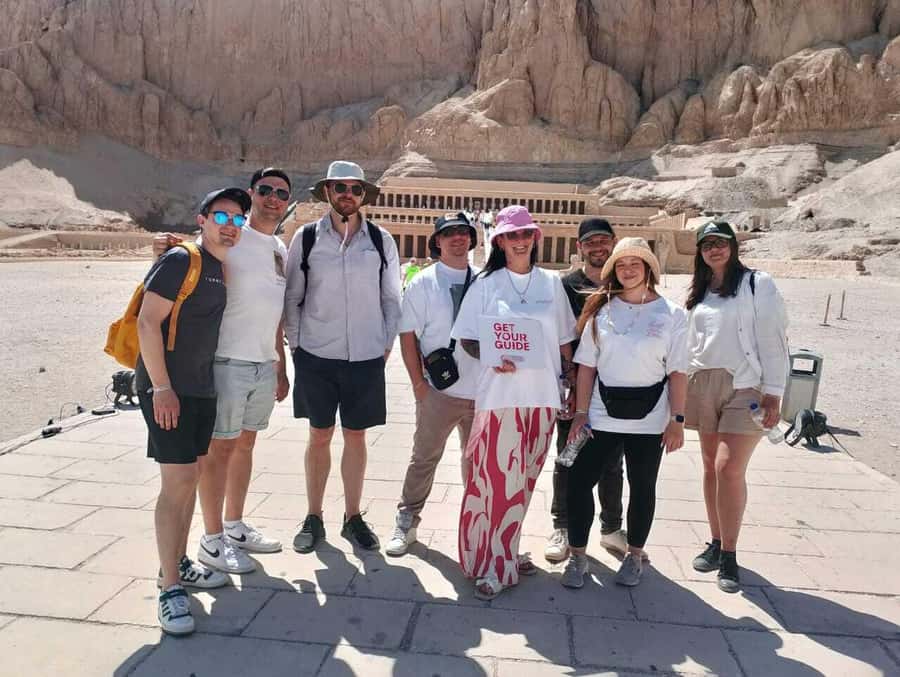
- Small group max 8 keeps the day feeling organized instead of chaotic.
- Skip-the-ticket-line support helps you lose less time at busy gates.
- Entry fees are covered for the big stops (with details depending on the tomb option you select).
- East-to-West flow includes a Nile boat crossing so Luxor geography clicks faster.
- Guided time + free time works well for photos and letting the Valley of the Kings land.
- Snacks, cold drinks, and water on the road make the early start and long drive easier.
Luxor in one packed day: what this tour is really for
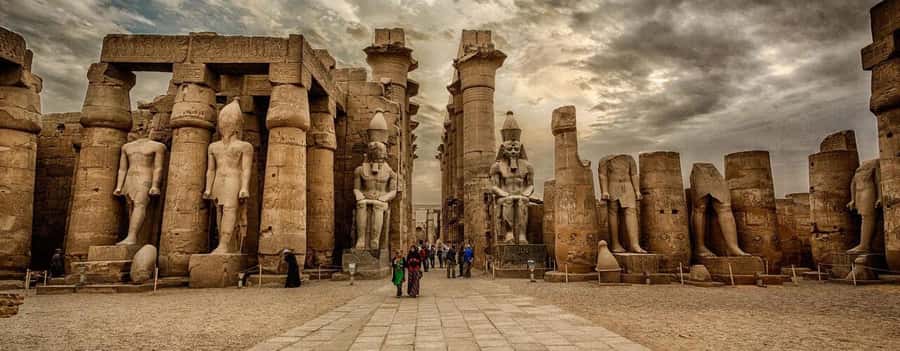
This is a classic Luxor “greatest hits” route, built for people staying in Hurghada who want more than a taste. You’re transferring by air-conditioned minivan, then spending the day in Luxor’s core temple and tomb zones with a live guide in your language (English, German, French, Arabic, Russian, and Finnish are offered).
What makes the experience valuable is the way it’s structured. Karnak isn’t treated like a single stop-and-snap moment; it’s explained as an entire sacred complex. Then the day shifts to Hatshepsut and the Valley of the Kings on the West Bank, where the mood changes from ceremonial noise to tomb-area stillness.
If you want slow travel, you’ll likely want a longer stay in Luxor. But if you have one day, this is a smart use of it.
A few more Luxor tours and experiences worth a look
The drive from Hurghada: early start, comfort, and timing reality
The tour runs about 14 hours, with round-trip transfers in an air-conditioned minivan. Pickup connects with several areas around the Red Sea coast, including Hurghada/Safaga and also El Gouna, Makdi, Soma Bay, and Sahl Hasheesh.
The schedule rhythm matters. You’re looking at roughly 4.5 hours of travel each direction, plus time at sites, lunch, and a Nile boat crossing. That means you should come with breakfast taken care of—this tour specifically asks you to eat breakfast before you start.
On the road, you’ll have snacks, cold drinks, and water, which helps a lot when you’re staring at a long desert stretch under the sun. Some guests also note the minivan includes breakfast-style snacks (like a pastry) at the start, so expect a small “morning boost” rather than a full meal.
Practical move: bring a small stash of extra cash and tissues. You’ll want them for small purchases (toilets, drinks, and photo requests). And yes, you’ll be walking, so comfy shoes are not optional.
Karnak Temple: how to see it without getting lost
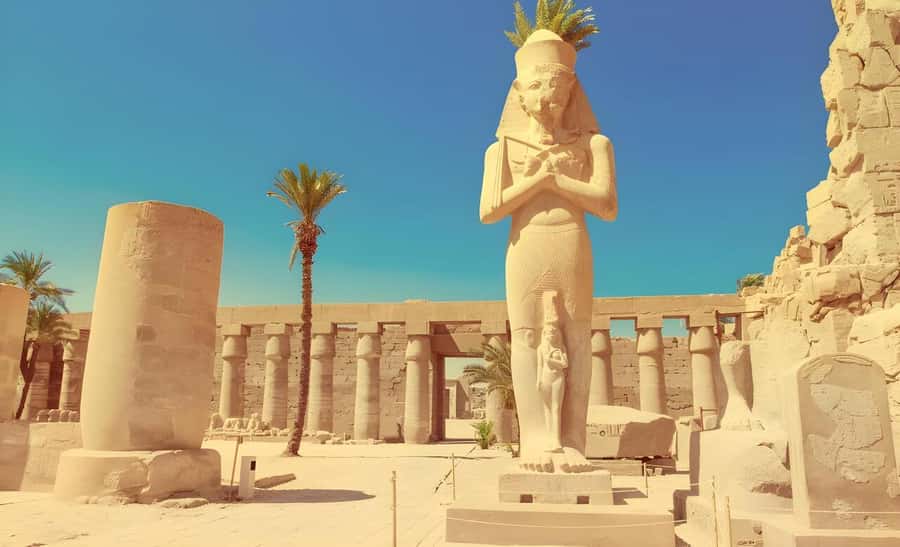
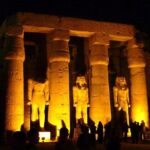
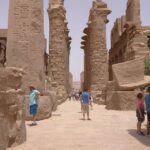
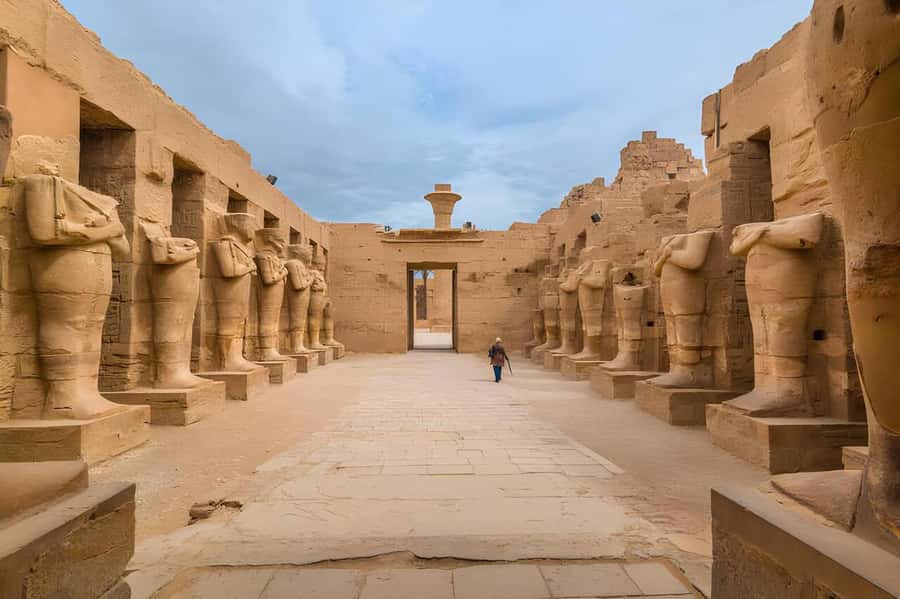
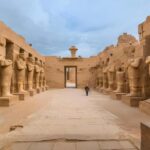
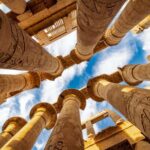
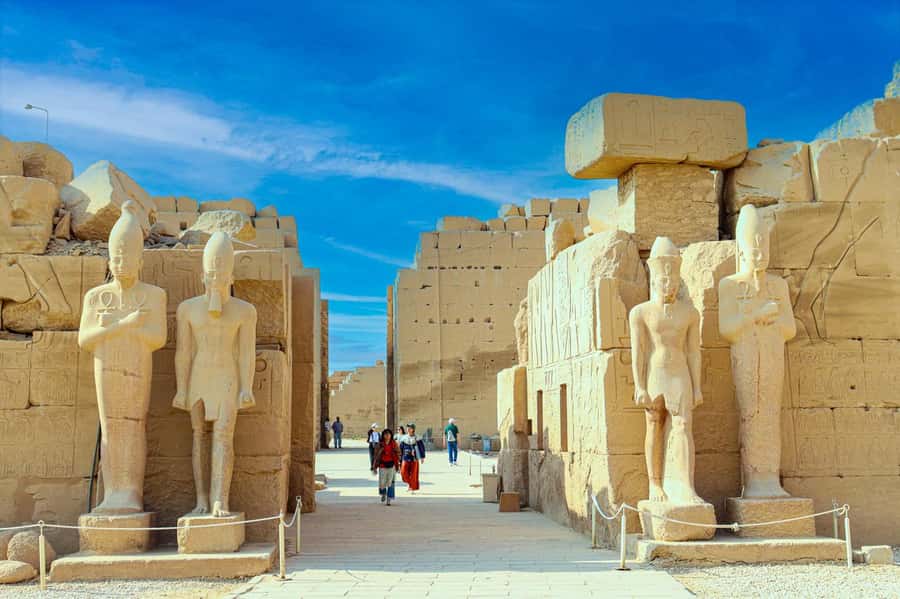
Karnak is the kind of place where you can spend a week and still feel like you barely scratched the surface. This tour gives you a guided path through the main areas, including the lighted avenue of sphinxes and the big visual payoff spots where hieroglyphs and columns dominate your view.
What I like about this approach is that it gives you wayfinding. Karnak is massive, and without explanation it’s easy to wander and miss the meaning. With a good guide—people name Christine Isaac for clear explanations and organization—you get the symbols and the structure in a way that helps you connect what you’re seeing.
You’ll likely get a blend of guided time and a bit of free time. That’s important. After the guide explains the layout, you can step back, look up, and take in scale without feeling rushed.
What to watch for: Karnak can be hot and bright. If you’re prone to sun fatigue, time your breaks and keep sunscreen on. Also, expect lots of photo stops. It’s a good day for camera batteries and patience.
Hatshepsut’s Temple: the woman Pharaoh lesson you can feel
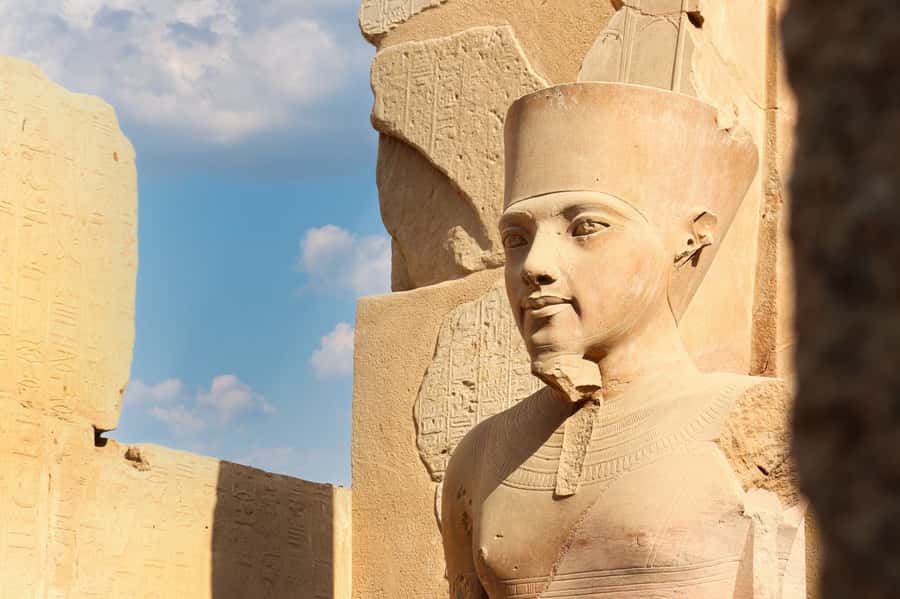
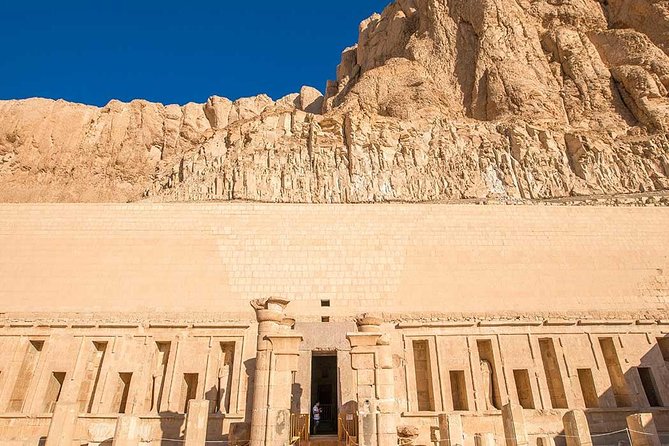
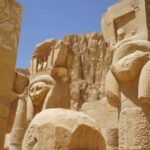
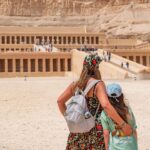
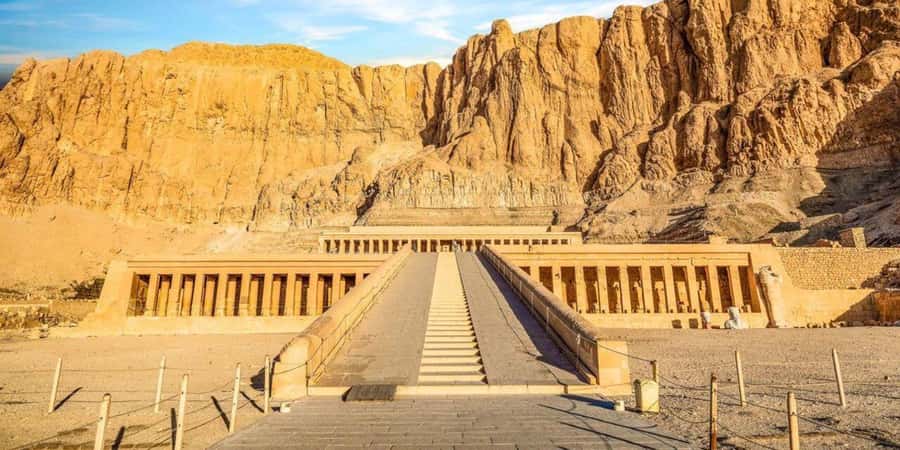
Next is the Temple of Hatshepsut, dedicated to Egypt’s well-known woman Pharaoh. This stop is more than a historical flex—it’s a place where artwork and architecture do the storytelling.
The tour format helps here, too. You’re guided through the main areas with time to look closely. In descriptions of this temple, you’ll hear about detailed decoration that still shows traces of original bright color in places, which makes the temple feel less like ruins and more like something still alive.
One bonus: this is also a good spot to slow down a little compared with the rush of tomb hunting. The temple’s terraces and carved details invite you to pause, take photos, and absorb how much effort went into building a lasting political message.
If you’re the type who likes context, this is one of the strongest stops. If you’re not, it still works because it’s visually distinctive.
Colossi of Memnon: a quick photo stop with big presence
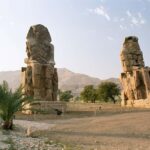
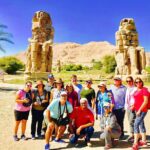
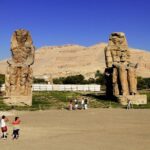
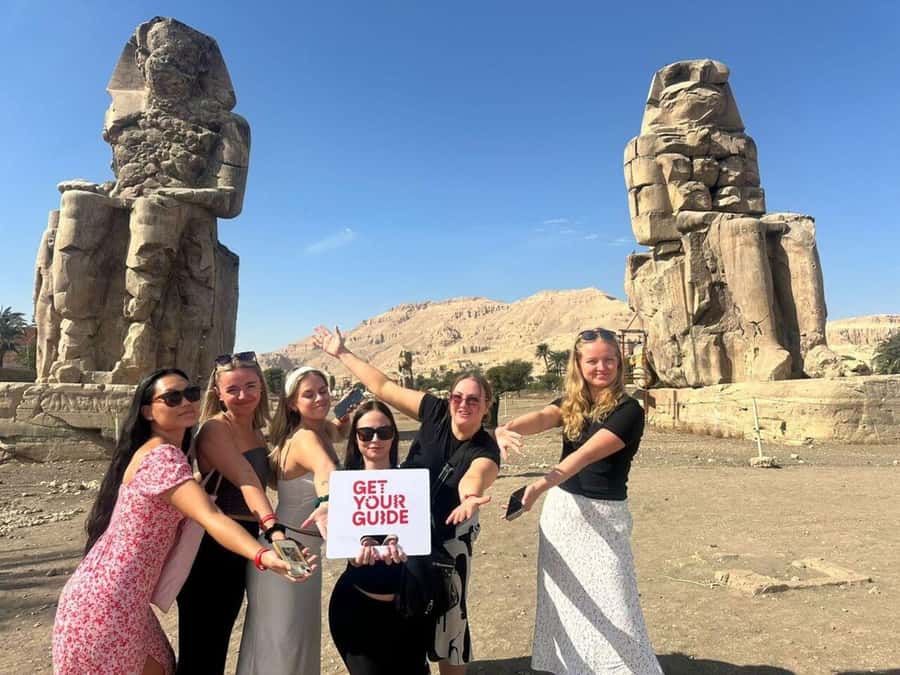
Before you enter the Valley of the Kings zone, you’ll hit the Colossi of Memnon. On the schedule, this is listed as a photo stop plus visit and guided explanation, around half an hour.
It’s short—but it’s a good “reset” stop. These giant statues are instantly recognizable and help you reframe the scale of what you’re about to see. You walk away thinking: okay, the Egyptians weren’t messing around.
Don’t treat it like a drive-by. Even in 30 minutes, the guide can point out what makes these statues important and how they fit into the broader West Bank story.


Valley of the Kings: guided meaning plus time to wander
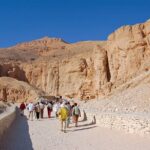
The Valley of the Kings is the heart of the West Bank experience for most people. This tour gives you a photo stop, guided tour, and about two hours of free time in the area.
Here’s why that balance is smart. The guided piece helps you understand why these tombs mattered—who was buried here, why the valley location was chosen, and how tomb design communicated status and protection. Then the free time lets you pick what to see at your own pace.
In practice, this is where the day can feel either amazing or exhausting depending on your expectations. If you’re ready for walking and heat, it feels like a world-changing afternoon. If you’re expecting a quick museum-style visit, it may feel like too much.
Tips that make the Valley easier:
- Wear shoes that you can walk in for hours.
- Bring water where you can reach it easily (the tour provides water, but you’ll still want your own comfort buffer).
- Plan for a lot of vendor interaction at tomb entrances. It’s normal. Keep a polite no-ready rhythm.
Tutankhamun tomb options: what’s included vs what may cost extra
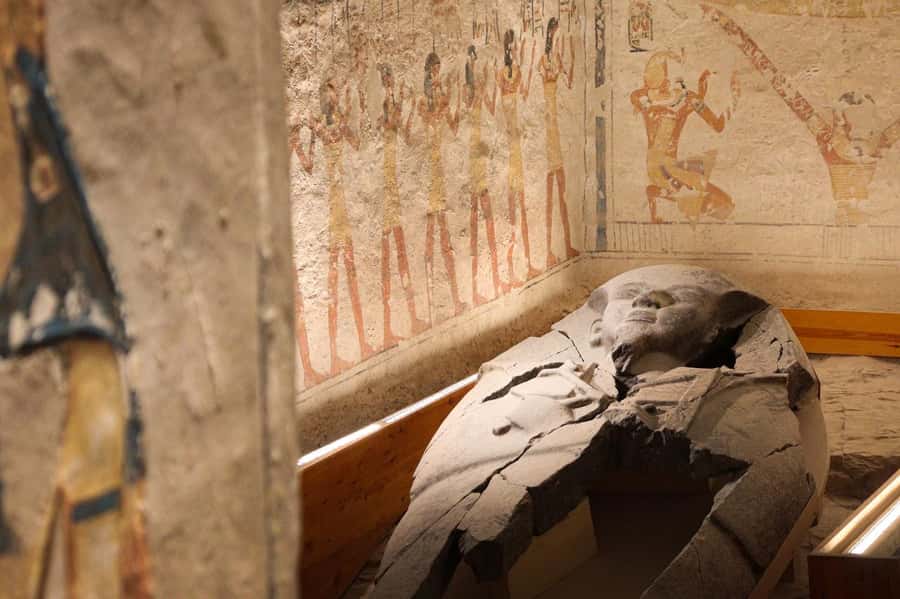
This tour includes entry help and mentions the Tutankhamen Tomb as an option (and it may include visiting the tomb of Ramses V and VI when that add-on is selected). In the real world, the tomb ticket detail can vary by what you purchased.
So here’s the practical rule: confirm what your booking includes before you arrive in Luxor. If Tutankhamun is a must for you, make sure you have the correct add-on in hand.
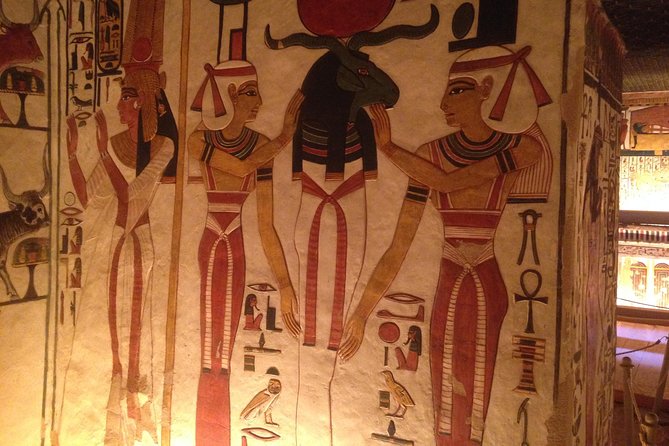
Also, set your expectations. Tomb visiting is different from open-air temples. It’s more controlled, more constrained, and can feel hotter inside certain tomb entrances. The guide’s job is to help you move efficiently and make sure you don’t miss the key context.
If you’re flexible and simply want the Valley experience, you can enjoy the day even if the Tutankhamun specifics don’t work out exactly as planned—just keep your decision based on what you selected.
Crossing the Nile by boat: a short break that matters
Between lunch and major temple time, you’ll cross the Nile by boat—about 30 minutes in the schedule. This break is more than a scenic pause. It physically reminds you that Luxor isn’t one city center; it’s a split between East and West Bank worlds.
You also get a quick city rhythm reset. After hours of walking and sun, a short boat ride helps you cool down mentally and physically. It’s also a good moment for photos where you can frame temples in the distance.
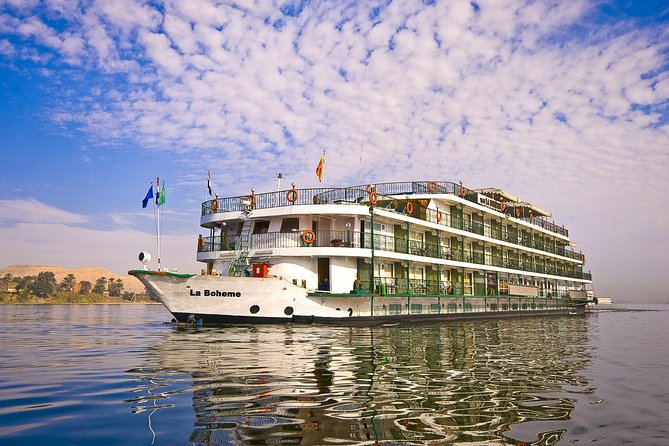
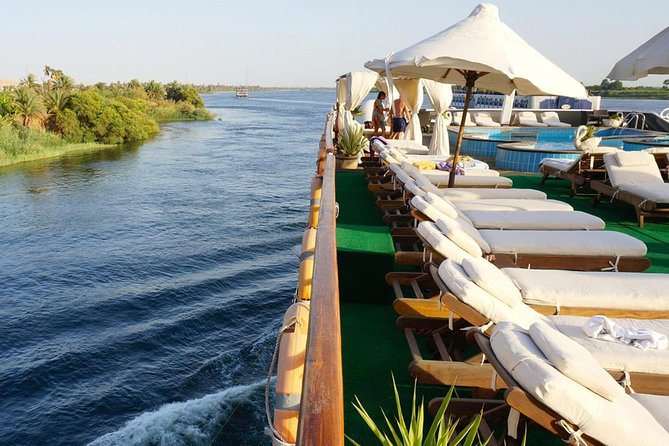
Just don’t confuse this with a long Nile cruise. The tour details list Nile Trip as not included, which usually means you’re getting the shorter included boat crossing rather than a full-day cruise experience.
Lunch in Luxor: filling fuel, not fine dining
Lunch is included as a buffet at a restaurant in Luxor, with about one hour. This part is usually about stamina, not restaurant prestige.
Expect it to be practical and busy. You’re eating between major sightseeing blocks, and that often means the restaurant is handling a steady stream of tour groups. Some guests describe lunch as okay rather than top-tier, so I’d treat it as energy fuel and keep expectations realistic.
The upside is the convenience: you’re not hunting for food with limited time. And you get a full hour, which helps the later Karnak segment feel less like a sprint.
Small-group dynamics (max 8): why your day feels smoother
A group size limited to 8 participants changes how the day runs. You’re more likely to stay together, ask questions without waiting forever, and actually hear explanations rather than relying on overheard fragments.
You may also notice operational benefits: two-driver setups show up in some days, and guides (like those named Romany Hanna, Christine Isaac, and others) are often described as keeping groups safe and moving with less dead time.
One underrated value of small groups: it’s easier to get photo assistance. You’re not just asking someone to hold your phone while they walk away. The guide can time your stops and keep you from missing the best angles.
If you’re traveling with kids, this format also tends to help. One family-friendly note from guests: guides can keep children engaged and make the history feel like a story rather than a lecture.
Price and value check: is $95 a good deal?
At $95 per person, the value looks solid because you’re not just paying for transport. You’re getting round-trip transfers in an air-conditioned minivan, lunch in Luxor, major site entry tickets, guided visits, and a skip-the-line approach.
The key value question is tomb add-ons. Tutankhamun (and possibly Ramses V and VI) is described as tied to options booked. If you want those tombs and they’re not included in your chosen ticket, your total day cost can rise after you arrive. So the smartest way to judge value is to check whether the tomb add-on is already in your price.
Also note what isn’t included: drinks at the restaurant aren’t included, and a longer Nile Trip (beyond the included boat crossing) isn’t part of the package. If you budget for soft drinks and small extras, you’ll keep the day easy on your nerves.
In short: for a one-day Luxor plan from Hurghada, this price makes sense if you confirm your tomb option and bring some extra spending money for drinks and small on-site needs.
Who this Luxor day trip suits best
This tour fits best if you:
- Have only one day and want the main Luxor sights in a logical order.
- Prefer a guide-led experience over self-guided wandering.
- Want air-conditioned transport and included lunch so you’re not making dozens of decisions.
- Like temples and tombs with explanations, not just photos.
It might not be ideal if you:
- Want a slow, relaxed day with minimal walking.
- Are sensitive to long drive times and early starts.
- Plan to customize the schedule heavily. This is a set route with guided structure.
Should you book this Luxor day trip from Hurghada?
If Luxor is your main goal and you’re staying in Hurghada, I think booking makes sense. The route is well matched to a one-day timeframe: Karnak plus Hatshepsut plus the Valley of the Kings gives you both temple scale and tomb mystery, and the Nile boat crossing helps you understand East/West Bank separation.
My only “don’t skip this check” is about the tomb add-ons. If Tutankhamun is a must, verify that it’s included in the exact option you’re buying before you go. Then pack sunscreen, comfy shoes, and a bit of cash for small extras—and you’re set for a long, memorable day in Egypt.
FAQ
How long is the Luxor day trip from Hurghada?
The duration is listed as 14 hours.
What’s the group size?
The tour is a small group limited to 8 participants.
Are entry fees included?
Yes. Entry tickets are included for the listed sights (including Karnak and the Valley of the Kings), and tickets are also covered for Hatshepsut. The Tutankhamun tomb is included only if you book the option.
Does the tour include the Tutankhamun tomb?
It includes the Tutankhamen Tomb if you book the option. The schedule also references other tomb visits (like Ramses V and VI) when options are selected.
What sights will I visit in Luxor?
You’ll visit Karnak Temple, the Temple of Hatshepsut, the Valley of the Kings, and you’ll also have a Colossi of Memnon photo stop. Tutankhamun Tomb is included if your option covers it.
Is there a boat ride on the Nile?
The schedule includes a short boat cruise (around 30 minutes). A longer Nile trip/cruise is listed as not included.
What’s included in the lunch?
Lunch is included as a buffet lunch in Luxor. Drinks at the restaurant are not included.
What languages are available for the guide?
Guides are available in English, German, French, Arabic, Russian, and Finnish.
What should I bring?
Bring comfortable shoes and sunscreen.
Can I bring pets?
No, pets are not allowed.