REVIEW · LUXOR
Nile cruise from Luxor to Aswan
Book on Viator →Operated by EZ Tour Egypt · Bookable on Viator
Ancient temples float past your window. What makes this Luxor to Aswan Nile cruise special is the tight, guided rhythm: you visit major sites with a professional Egyptologist and you keep moving by boat, so you spend less time figuring logistics and more time looking at real monuments. I also like the included transfers to and from the cruise, because it reduces that start-of-trip stress when you land in Egypt.
You get a well-paced mix of big, famous names (Karnak, Valley of the Kings, Philae) and powerful lesser-discussed stops (like the Unfinished Obelisk quarry). My main caution is cost creep: the price is strong value, but entrance fees are not included, and those tickets can add up across multiple temples and tomb areas.
In This Review
- Key things to know before you go
- Is a Luxor-to-Aswan Nile cruise worth $1,500?
- Pickup at Sofitel Winter Palace and how the trip keeps you moving
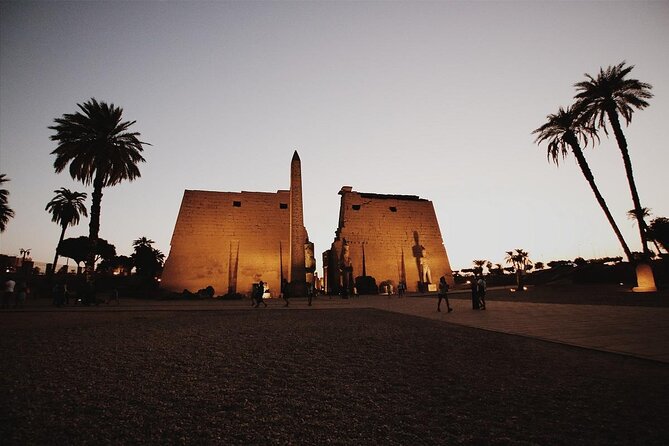
- Day 1: Karnak Temple and Luxor Temple on the East Bank
- Day 2: Valley of the Kings, Hatshepsut, Medinat Habu, Colossi of Memnon
- Esna water lock and dinner onboard on the way to Edfu
- Day 3: Kom Ombo Temple and settling into Aswan
- Day 4: Aswan High Dam, Philae Temple, and the Unfinished Obelisk
- Day 5: Abu Simbel Temples day trip (the big finale)
- Price and what’s not included: how to budget without guessing
- Who this Nile cruise is best for (and who may want another option)
- Should you book this Luxor-to-Aswan cruise with EZ Tour Egypt?
- FAQ
- FAQ
- Are entrance fees included for the temples and tombs?
- What meals are included on the cruise?
- Is transportation included between Luxor and Aswan?
- Do I get an Egyptologist guide during the visits?
- Is the Abu Simbel trip included?
- Where does the tour start and end?
- How large is the group?
- What if the weather is poor?
Key things to know before you go
- Up to 10 travelers keeps the day from turning into a stampede at each doorway.
- Egyptologist commentary helps you connect symbols, dynasties, and purpose instead of just snapping photos.
- Four nights on a luxury cruise means most meals and downtime are built in, not tacked on.
- Abu Simbel is included, which is a huge win for effort and planning.
- Meals on board are included (breakfast, lunch, dinner), so you can budget with fewer surprises.
- Mobile ticket plus pickup from Sofitel Winter Palace Luxor makes the start simpler than it sounds.
Is a Luxor-to-Aswan Nile cruise worth $1,500?
At $1,500 per person, you’re paying for a package that blends transportation, guided access, and time on a cruise—not just tours in a day. Here, the value comes from the combination: you get private transportation, four nights on the cruise, and all meals served on board (4 breakfasts, 4 lunches, 4 dinners). That is not small stuff, especially in Egypt where getting from one site to another can eat up your day.
The other value piece is the scope. You’re covering Luxor’s east and west bank highlights, then moving south through classic Nile stops like Edfu area temples and Kom Ombo, and finishing in Aswan with Philae and the quarry sights. Then there’s the payoff day trip: Abu Simbel is included. For many people, that alone is worth booking, since it’s one of the hardest things to build into a short visit.
The tradeoff is that entrance fees aren’t included. So if you’re trying to compare the total cost to an all-in tour price, be sure to add tickets in your planning.
You can also read our reviews of more boat tours in Luxor
Pickup at Sofitel Winter Palace and how the trip keeps you moving
This experience starts at the Sofitel Winter Palace Luxor (near the Corniche). That’s convenient because you’re not trying to coordinate a taxi at the beginning of your trip while your brain is still adjusting to Egypt time. It also ends in Aswan with checkout from your cruise, so you’re not stuck trying to find your next transfer on your own.
The group limit is maximum 10 travelers, and that matters more than you’d think. When you’re bouncing between temples, tomb entries, and boat timing, smaller groups tend to mean fewer bottlenecks. The result is a day that feels organized instead of chaotic.
Also, you’ll be using a mobile ticket, which is handy if you don’t want to hunt for printed paperwork. And because the tour includes private transportation for the transfers, you should spend less time negotiating rides.
Day 1: Karnak Temple and Luxor Temple on the East Bank
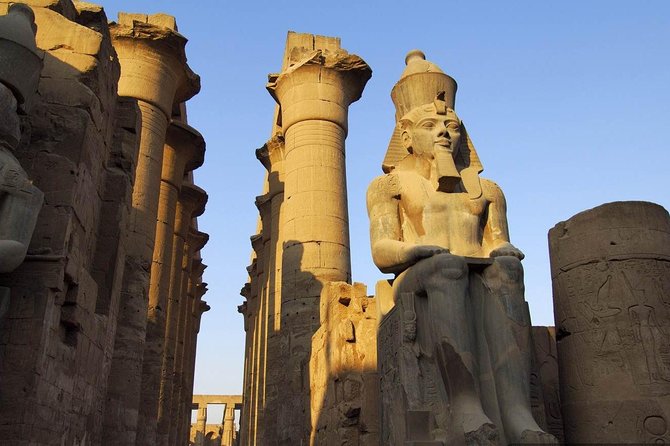
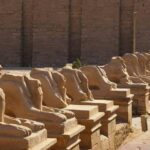
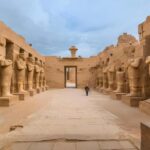
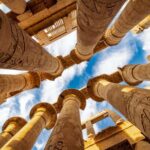
Day 1 leans into the big, iconic east bank sites first. After lunch onboard, you head to Karnak Temple, which is dedicated to Amon Ra and covers an area of about 17 hectares. It’s the kind of place where scale is the whole lesson. The temple complex is massive enough that an Egyptologist guide really earns their keep, pointing out how different parts of the complex relate to different rulers and ritual purposes.
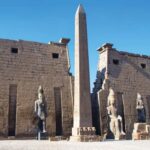
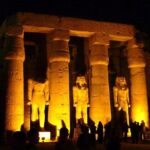
You’ll then move to Luxor Temple, dedicated to Amon, his consort Mut, and their son Khonsu. I like pairing these two on the same day because Karnak can feel like an overwhelming maze of stone—then Luxor Temple gives you a cleaner read of the story of cult worship in the city.
Practical note: entrance tickets are not included for these sites, so budget for that. Also, plan for sun and walking. Even when tours are efficient, these are still outdoors and mostly on ancient stone.
Day 2: Valley of the Kings, Hatshepsut, Medinat Habu, Colossi of Memnon
Day 2 is a west bank day, and it’s packed in a way that works if you like seeing variety rather than repeating one style of site.
You start at the Valley of the Kings, described here as the pharaoh cemetery during the 18th to 20th dynasties. What I like about going here with an Egyptologist guide is the framing. Instead of thinking of it as just tombs, you start understanding why the valley mattered in terms of royal beliefs and afterlife rituals.
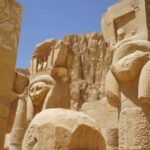
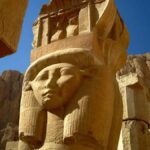
Then comes Temple of Hatshepsut at Deir el Bahari. It’s one of Egypt’s great wonders, built by Queen Hatshepsut. The key with a site like this is context: who built it, why it was built, and how its design supports the story. One of the most useful things I’ve found in guided visits is learning which details are intentional and which are visual tricks meant to guide your eye.
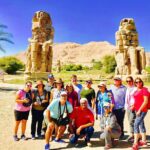
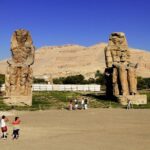
Next you head to Medinat Habu (Medinet Habu/Medinat Habu), another standout temple stop. And after that, you visit the Colossi of Memnon—two massive stone statues of Pharaoh Amenhotep III. These statues are impressive because they’re both monument and atmosphere. You’re standing near the remains of grandeur, and it’s easy to picture the original landscape of the area.
One more practical piece: this is a long day. You’ll be walking between multiple sites, so wear comfortable shoes and keep water handy, even if your main meals are included.
Esna water lock and dinner onboard on the way to Edfu
After the west bank block, you switch gears from land to boat. You’ll continue your southbound journey and sail to Edfu via a water lock in Esna. That’s the kind of small detail that turns travel time into an experience rather than wasted hours.
Then you’ll enjoy dinner onboard. I like this built-in meal moment because it gives you a reset after the morning and afternoon of sites. If you’re the type who gets temple-fatigue (it’s real), this is the pause that lets you re-focus before the next stop.
Also, since entrance fees aren’t included here either, focus your energy on what’s guided and what’s included rather than hunting for ticket desks. You’ll want to keep the day calm and move with the group.

Day 3: Kom Ombo Temple and settling into Aswan
Day 3 centers on Kom Ombo Temple, with the boat ride transitioning you into a new atmosphere. When you arrive, you visit Kom Ombo Temple, dedicated to Sobek (crocodile god) and Horus (falcon-headed god). This dual dedication is one of the reasons Kom Ombo works so well with a guide. You get to see how religious roles and symbols were designed into the architecture.
Then you sail onward toward Aswan, with overnight in Aswan. That overnight stop is important. It means you’re not racing through Aswan like a drive-by; you actually get time to see the city’s temple region and the dam area without feeling squeezed into a single sunset slot.
Lunch and tea time are onboard during the sailing, which is a nice rhythm. It keeps you fueled without forcing you into decision fatigue about food.
Day 4: Aswan High Dam, Philae Temple, and the Unfinished Obelisk
Aswan day is where the cruise becomes more than just ancient sites. You also see how modern Egypt interacts with the river.
You begin with Aswan High Dam, a rockfill dam across the Nile. Even if you’re not a dam-nerd, it helps to understand why the Nile’s behavior matters to Egypt’s agriculture, settlement, and planning. A quick, guided explanation can make that structure feel less like a random stop and more like a part of the Nile story.
Next is Temple of Philae, noted here as an ancient pilgrimage center for the cult of Isis. This is a great match for Aswan because it connects belief systems with the river’s role as a lifeline. You’ll get a guided walk through what Philae meant, not just what it looks like.
Then comes a fascinating contrast: the Unfinished Obelisk at the granite quarry. You’re visiting a quarry with a 42-meter high unfinished obelisk. I love this stop because it shows you process, not only finished monuments. Instead of admiring completed achievements, you see the scale of ambition and the reality of what could go wrong in stonework.
Entrance fees apply here too, so budget ahead.
Day 5: Abu Simbel Temples day trip (the big finale)
Abu Simbel is included, and that’s the reason many people choose this route. It’s not a small add-on. It’s a full-on shift in your mental gears: different architecture, different royal messaging, and an entirely new set of reasons the site matters.
In this experience, the Abu Simbel Temples trip is included with a listed duration of 2 hours. That time window is useful to set expectations. You’ll have time to see the main sights with guidance, but don’t plan on treating it like a slow, self-paced museum wander.
Because the trip is offered within the context of the wider tour, it also depends on conditions. The overall experience requires good weather, and if it’s canceled due to poor weather you’ll be offered a different date or a full refund.
If you’re the kind of traveler who hates feeling rushed, I’d suggest you plan your packing and energy for the last day. Keep the morning light and be ready for a focused finale.
Price and what’s not included: how to budget without guessing
Here’s where you can keep your math clean. Your price covers four nights on the luxury cruise, private transportation, all meals served on board, and the Egyptologist-guided visits. That’s a lot of fixed cost that you don’t have to solve day-by-day.
What’s not included:
- Entrance fees to all the sights visited
- Tipping
- Personal expenses
- Beverages
Since entrance fees are specifically not included, the best way to budget is to treat the $1,500 as the package base and then add tickets and extras on top. The number of major stops is high enough that entrance fees will matter.
Also, tipping and beverages can sneak up if you don’t plan. If you want a smoother trip, set aside a small extra daily budget for those items rather than trying to make decisions every time you’re offered something.
Who this Nile cruise is best for (and who may want another option)
This Nile cruise is a strong match if you want:
- A guided route through Luxor and Aswan with an Egyptologist
- A balance of famous sites and meaningful stops like Kom Ombo and the Unfinished Obelisk
- Fewer meals decisions because breakfast, lunch, and dinner are included onboard
- A small-group feel (up to 10 travelers)
It may be less ideal if you want a fully self-directed pace. With multiple stops across several days, you’ll likely follow a structured schedule rather than roam freely.
It’s also best for travelers who can handle outdoor walking and sun. Even when guides keep things efficient, these sites are still physically real places.
Should you book this Luxor-to-Aswan cruise with EZ Tour Egypt?
I’d book it if your goal is to see the core of Upper Egypt without turning your trip into a logistics project. The mix here is practical: you get professional Egyptologist commentary across the main temples and tomb areas, you enjoy four nights on a luxury cruise, and you don’t have to plan separate meals or transport between stops.
My one caution is budget planning for entrance fees and on-the-go expenses. If you go in ready for that, the rest flows. Also, the small group size and fast guide handoffs make a difference on days like the west bank, where the sites are amazing but the schedule can be full.
FAQ
FAQ
Are entrance fees included for the temples and tombs?
No. Entrance fees for the sights listed in the program are not included. You’ll want to budget extra for tickets at each major site.
What meals are included on the cruise?
Breakfast (4), lunch (4), and dinner (4) are included, served onboard during the cruise.
Is transportation included between Luxor and Aswan?
Yes. Transfers to and from the cruise are included, and the experience also includes private transportation.
Do I get an Egyptologist guide during the visits?
Yes. You visit ancient sights with a professional Egyptologist guide who provides commentary.
Is the Abu Simbel trip included?
Yes. The Abu Simbel Temples trip is included as part of the experience.
Where does the tour start and end?
It starts at the Sofitel Winter Palace Luxor. It ends in Aswan after checkout from your cruise.
How large is the group?
The maximum group size is 10 travelers.
What if the weather is poor?
The experience requires good weather. If it’s canceled due to poor weather, you’ll be offered a different date or a full refund.
Would you like me to also estimate a realistic all-in budget range (package price + entrance fees/tips placeholders), based on how many paid sites you plan to enter?