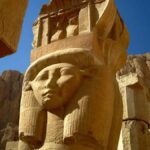
Nile cruising from Luxor to Aswan is a smart way to see Egypt. This private, 5-day trip stacks major sights with guided temple time and the calm of sailing between stops.
Two things I really like: you get expert guidance that makes the temples easier to understand, and you’re not stuck eating on the fly because lunches, dinners, and breakfasts are included throughout. I also like the way the days mix big wow-factor moments with breaks like afternoon tea and onboard downtime.
One consideration: the schedule is full, and some days start early with a lot of walking in the heat, so plan for comfortable shoes and a steady pace.
In This Review
- Key highlights to know before you go
- The real rhythm of a Luxor-to-Aswan Nile cruise plan
- Luxor Temple and Karnak: where the scale finally makes sense
- Valley of the Kings, Colossi of Memnon, and Deir el Bahari
- Edfu’s Temple of Horus and Kom Ombo’s two-god layout
- Aswan High Dam, Philae Temple, and the felucca detour
- Meals, onboard breaks, and why they matter on a packed route
- Price and value: is $850 per person a good deal?
- Practical tips so your days feel easy, not chaotic
- Should you book this Luxor to Aswan private cruise?
- FAQ
- How long is the Luxor to Aswan private Nile cruise?
- How much does the tour cost?
- What does the price include?
- Are pickup and transfers included?
- What about tipping?
- What is the cancellation policy?
Key highlights to know before you go
- Private pickup and a calmer start in Luxor, with meeting options from hotel, airport, or railway station
- Karnak Temple + Luxor Temple with guided structure that helps you read what you’re seeing
- Valley of the Kings morning energy paired with Colossi of Memnon and Deir el Bahari
- Edfu and Kom Ombo temple variety with two gods at the Temple of Kom Ombo
- Aswan essentials with Philae and felucca time plus a ride around Kitchener’s Island and the Agha Khan Mausoleum area
- Included meals and evening entertainment like belly dance and themed parties
The real rhythm of a Luxor-to-Aswan Nile cruise plan
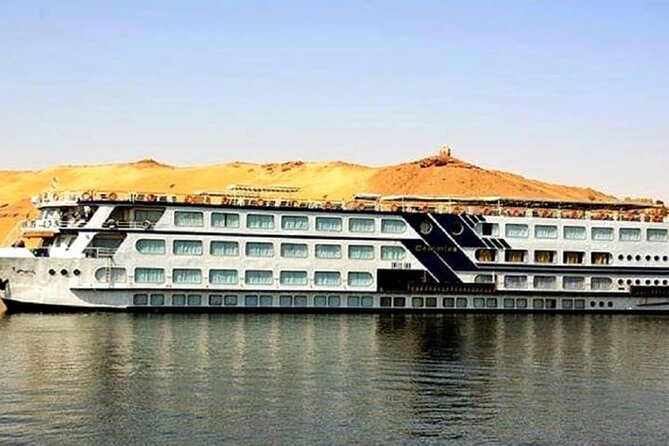
A Nile cruise works best when the logistics feel invisible. This one is set up that way: you’re guided between sights, you eat onboard instead of hunting for food, and you sleep while the boat moves you to the next region. That means less time lost to transport wrangling, especially if you’re trying to do Luxor and Aswan in one trip.
The pace is still active, though. You’ll do temple time in the morning, move to the next site or boat transfer, then fit in lunch and afternoon tea before another evening activity. If you like a travel day that’s clearly structured, this suits you. If you’re dreaming of a slow vacation where you do almost nothing on purpose, you may find the calendar a bit busy.
Also note the timing: the tour lists a 5:00 am start time in the details, while the Luxor-day meeting described for boarding is later in the morning. That usually means your exact pickup time depends on your hotel location and routing. Before you go, confirm your stated arrival and departure times so you’re not surprised by how early the day begins.
You can also read our reviews of more boat tours in Luxor

Luxor Temple and Karnak: where the scale finally makes sense
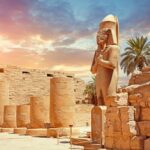
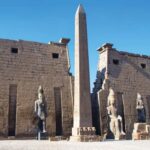
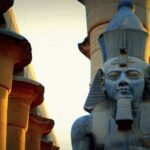
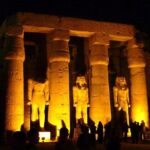
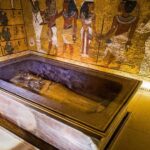
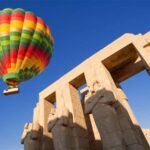
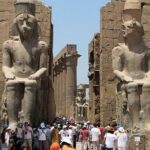
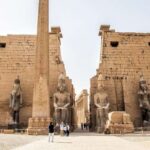
Day 1 is a classic Luxor pairing: Luxor Temple first, then Karnak Temple. The cool part is the order. Luxor Temple gives you a grounded entry point—courtyards and granite statues of Ramses the Great—so you’re not dropped straight into the massive sprawl of Karnak without context.
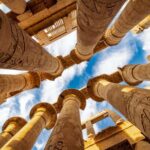
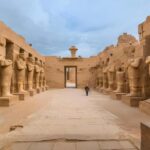
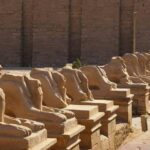
Then Karnak hits you with the sheer “wow” of size. You’ll walk the Avenue of Sphinxes, see the Unfinished Propylon, then move through the Hypostyle Hall with its 134 columns. The stop isn’t just wandering; the tour route is built around notable features, including the obelisks linked to Queen Hatshepsut and Tutmosis III and the sacred lake area. If you’ve ever felt lost in a big temple complex, this kind of guided flow helps you connect the dots faster.
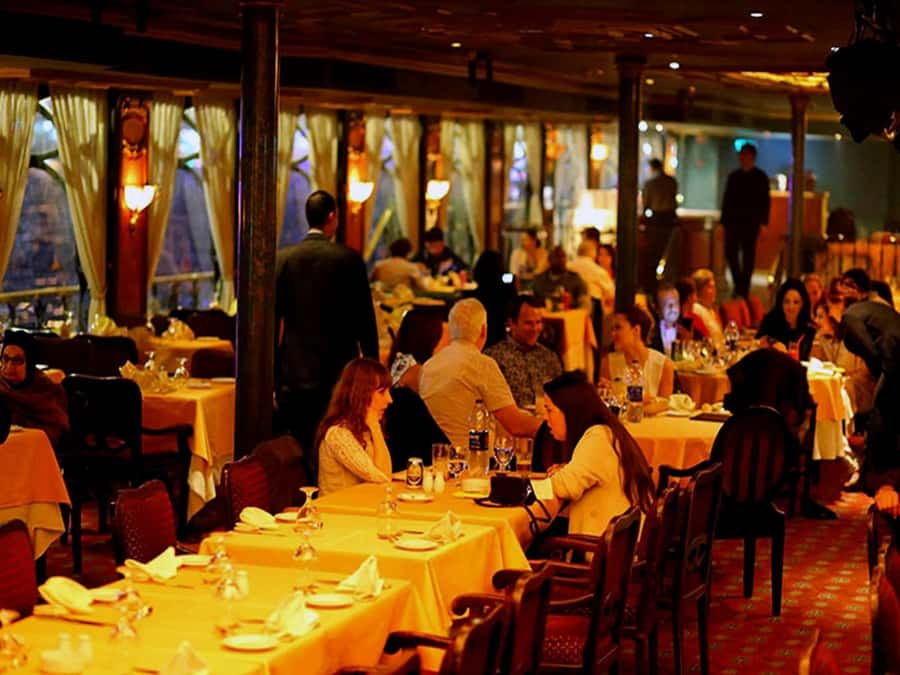
One practical plus: you’ll have time for afternoon tea and an onboard dinner with a belly dance show before overnighting on the boat in Luxor. That’s a nice way to end a big sightseeing day without scrambling for plans. It also lets you settle in before the more intense tomb visits start later.
If you’re the sort of person who likes photos but also wants meaning, this is a good balance: you’ll get both the “look at that” moments and the “why it mattered” explanations.
Valley of the Kings, Colossi of Memnon, and Deir el Bahari
Day 2 leans into some of Upper Egypt’s most famous visual stops.
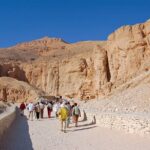
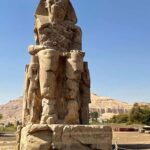
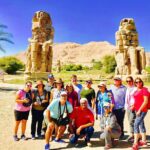
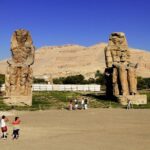
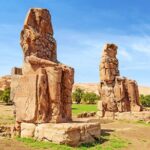
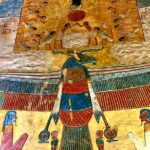
First up is the Valley of the Kings, where you see the brightly colored pharaonic tomb setting. Even if you don’t go deep into tomb interiors, the valley itself helps you understand how ancient rulers wanted their afterlife space to feel—purpose-built and set apart. Then the route continues to the Colossi of Memnon, the huge statues standing at the front of Amenhotep III’s ruined mortuary temple.
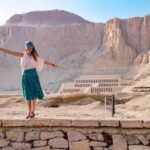
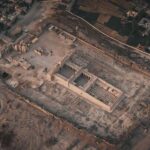
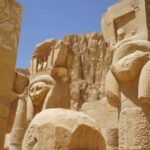
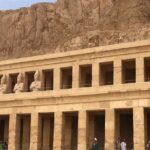
After that, you’ll visit Temple of Hatshepsut at Deir el Bahari, one of Egypt’s best-known architectural masterpieces. The terraces and dramatic placement on the hillside are a big part of why people remember it long after the trip photos. It’s also a good “middle day” stop: it feels visually intense, but it’s not as fast-paced as the tomb hunting mindset of the Valley of the Kings.
Lunch is onboard, then the day shifts toward movement—sailing toward Esna, with afternoon tea and an onboard disco party before overnighting in Edfu. That’s a big part of the value here: you’re not only doing temples, you’re also getting the cruise social rhythm that makes the downtime feel intentional rather than wasted.
Edfu’s Temple of Horus and Kom Ombo’s two-god layout
Day 3 has a rhythm that feels like a good travel rhythm: start with a major temple, sail, then hit another temple with a different personality.
You’ll have breakfast onboard, then visit the Temple of Horus in Edfu. This stop matters because Edfu tends to feel different from Luxor-side sites: it has a more focused, often clearer sense of theme. It’s also a good point in the trip to slow your pace a little and let the visual details—carvings, columns, and doorways—start to feel like a language.
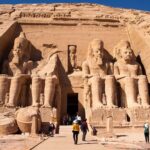
Next comes a sail to Kom Ombo, with lunch onboard. Then you’ll visit the Temple of Kom Ombo, which is shared by the two gods Sobek and Haroeris. That shared dedication is a big deal. It helps you notice how Egyptian temple design could support multiple worship focuses in one complex. If you like noticing how places are planned rather than only seeing what’s famous, this is a standout.
The evening continues the cruise vibe with afternoon tea, dinner onboard, and a galabya party before overnighting in Kom Ombo. The parties aren’t the reason to book the trip, but they do something useful: they give you an easy plan after a full day, and they keep the boat feeling like part of the journey rather than just a floating hotel.
Aswan High Dam, Philae Temple, and the felucca detour
Day 4 is where the trip turns from temple complexes into “Aswan in action.”
You’ll visit Aswan High Dam, described as one of the world’s largest embankment dams. Even if engineering isn’t your thing, it changes how you picture the Nile’s modern era. The dam is part of why the river’s rhythms look the way they do today.
After that you’ll go to Philae Temple, including time related to granite quarries. Then lunch is onboard. What’s especially memorable here is the combo of land history plus water time: you’ll sail on a felucca around Kitchener’s Island and the Agha Khan Mausoleum area. This is the kind of segment that breaks up the “temple-to-temple” intensity. You get moving views of the river, and you’re not forced to interpret carvings every minute.
Aswan evenings are also handled in a relaxed way: afternoon tea, dinner onboard, then overnight in Aswan. When you’re in a route this packed, it helps to have at least one day where your schedule includes scenic time without feeling like sightseeing fatigue.
You can also read our reviews of more private tours in Luxor
Meals, onboard breaks, and why they matter on a packed route
A lot of Egypt tours promise “included meals,” but here you can see the structure: 4 breakfasts, 4 lunches, and 4 dinners are included. That’s not just convenience; it’s risk management. You avoid hunting for food between temples, and you reduce the chance of a day getting derailed because a restaurant situation isn’t ideal.
You also get repeated built-in breaks, including afternoon tea multiple days. If you’ve ever traveled through hot, sunny sites and felt your energy crash, you’ll appreciate small planned pauses. They help you keep going without turning the trip into one long sprint.
Even the evening entertainment has a purpose. A belly dance show on Day 1 and themed parties on later days create a predictable end point for the day. That matters when your sightseeing is full-on. You’re tired; you don’t want to think too hard about what happens after dinner. The boat handles it.
One name that comes up in positive notes is Mr. Mahmoud. I can’t promise who you’ll get, but the fact that people credit specific guides tells you this company leans on explanation, not just moving you from stop to stop. When a guide can explain what you’re seeing clearly, the temples become easier to remember.
Price and value: is $850 per person a good deal?
At $850 per person, this is not a budget-only cruise. But it’s also not priced like an ultra-luxury resort experience either. The best way to judge value is to compare what’s inside the package:
- All fees and taxes are listed as included
- Major meals are covered (breakfast, lunch, dinner across the days)
- Admission tickets are included for key stops through the route
- It’s private, meaning it’s your group only
- You get pickup help in Luxor and transfer out on Day 5 to hotel or airport
For many people, the real cost of an Egypt “DIY” plan is not just money—it’s time spent coordinating transport, ticketing, and the sequencing of sites. This tour trades some freedom for reduced friction. If you’d rather focus on the temples and the river rather than spreadsheets and ticket lines, the price starts to look reasonable.
The main extra you should plan for is tipping. The tour lists tipping around $10 (not included). If you know you’ll tip anyway, set aside the amount so it doesn’t feel like a last-minute surprise.
Practical tips so your days feel easy, not chaotic
Here are the details that matter most for this kind of 5-day route:
- Wear shoes that handle lots of walking. Temple days mean uneven ground, stairs, and long stretches of sun.
- Bring sun protection. You’ll spend meaningful time outdoors from Luxor Temple and Karnak through tomb visits and Aswan sights.
- Plan for heat and pace. Even with breaks like tea, the schedule is active. Take your time in the sites where you want to read details, and don’t try to do everything at maximum speed.
- Confirm your pickup timing. The tour lists a 5:00 am start time, yet meeting/boarding details suggest a later time on Day 1. The exact plan depends on where you’re picked up.
- Use your mobile ticket. The tour includes a mobile ticket, which usually makes check-ins simpler.
- Set expectations for onboard fun. Disco party and galabya party sound energetic, but they’re optional in how much you participate. The bigger win is having an organized, easy ending to each day.
Also, the tour states most travelers can participate, with service animals allowed and the tour being near public transportation. If you have mobility concerns, ask questions before you go so you can align expectations with how much walking is needed at each stop.
Should you book this Luxor to Aswan private cruise?
If you want a guided, private Luxor-to-Aswan experience with meals handled and major temples covered, this is a strong fit. It’s especially good for first-timers who feel overwhelmed by the idea of coordinating multiple days of history sites plus river travel. The repeated structure—morning sight, lunch onboard, afternoon tea, evening entertainment—keeps the trip from feeling like a constant scramble.
I’d be more cautious if your ideal vacation is slow and quiet. The itinerary is full, and some parts start early. You’ll get river scenery and downtime, but you should still prepare to walk and stay engaged.
My simple decision rule: book it if you want the route to do the work for you. Skip it (or look for a more relaxed alternative) if you want your days unstructured and light on commitments.
FAQ
How long is the Luxor to Aswan private Nile cruise?
The tour runs for about 5 days (5 days and 4 nights on the Nile cruise).
How much does the tour cost?
The price is $850.00 per person.
What does the price include?
It includes all fees and taxes, plus 4 breakfasts, 4 lunches, and 4 dinners. Admission tickets are included for the listed sites during the tour.
Are pickup and transfers included?
Yes. Pickup is offered in Luxor (hotel, Luxor airport, or Luxor railway station), and on the last day you’ll be transferred to the Aswan airport or your hotel.
What about tipping?
Tipping is not included. The tour notes tipping around $10.
What is the cancellation policy?
You can cancel for a full refund up to 24 hours before the experience’s start time (local time).