REVIEW · LUXOR
Luxor: Private East and West Banks Tour and Felucca Cruise
Book on GetYourGuide →Operated by Nice Tours · Bookable on GetYourGuide
Eight hours, two ancient worlds, one smooth plan. This private tour links Luxor’s West Bank tombs and East Bank temples into a single day, then slows down with a traditional felucca on the Nile. You’ll see the Valley of the Kings, the terraces of Deir el-Bahari, plus Karnak Temple and Luxor Temple.
I love how the day feels structured without feeling stiff—especially with an English-speaking guide. Guides such as Salma, Shaimaa, and Jackie are repeatedly praised for turning stone-carved facts into clear explanations, and for keeping the pace easy to follow. I also like that you get a proper break in the middle: lunch at a local restaurant before you sail.
One thing to plan for: it’s a long, hot day with walking at multiple sites. Bring extra water and sun protection, and note that pickup is included from East Bank hotels only—West Bank pickup costs extra.
In This Review
- Key things I’d watch for before you book
- Luxor in one day: how this East/West Banks loop works
- Valley of the Kings: the tombs behind the drama
- Queen Hatshepsut at Deir el-Bahari: terraces with a purpose
- Colossi of Memnon and Amenhotep III: connecting faces to monuments
- Lunch in Luxor: a real break before Karnak
- Felucca cruise on the Nile: the best reset in the program
- Karnak Temple: worship as a whole city of stone
- Luxor Temple built by Amenhotep III, finished by Ramses II
- Price and value: where your $115 really goes
- Pickup zones and guide language: the small details that matter
- What to bring: heat, water, and money for the real world
- Who this tour suits best
- Should you book this Luxor Private East/West Banks Tour and Felucca Cruise?
- FAQ
- How long is the Luxor tour?
- What’s included in the price?
- Is hotel pickup available from the West Bank?
- Does the tour include a Nile felucca cruise?
- What languages are available for the guide?
- Is cancellation free?
Key things I’d watch for before you book
- Skip-the-line entry so you lose less time to ticket queues at major sights
- West Bank + East Bank in one day, so you don’t have to split Luxor sightseeing
- Felucca cruise included, giving you a calmer Nile break after temple crowds
- English-speaking guide included, with other languages available as an add-on
- Lunch is included, and it’s a real sit-down meal, not a quick snack
Luxor in one day: how this East/West Banks loop works
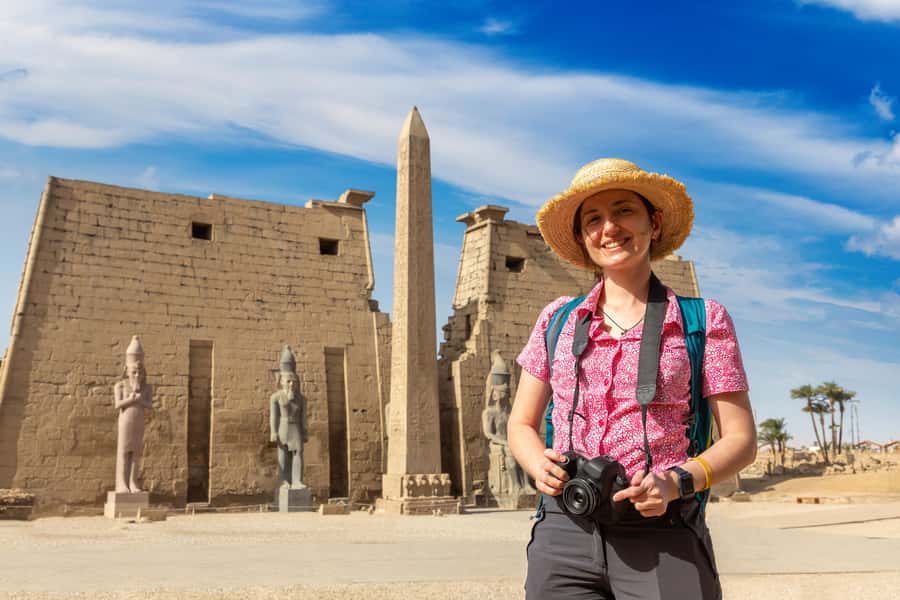
Luxor is famous for scale, but it can also feel like you’re constantly rushing between sites. This private setup helps you avoid the chaotic version of that problem by using one dedicated driver and one guide for the whole circuit. You start with a hotel pickup (from the East Bank), then the day naturally “flows” from West Bank monuments to East Bank temples.
The “value” here is the coverage: Valley of the Kings, Queen Hatshepsut’s Mortuary Temple, Karnak, and Luxor Temple in a single 8-hour window. That’s great when you’re short on time, or when you want the big landmarks with context, not just photos.
The tour is also private, which matters in Egypt. It means you can move at a pace that fits your group—pause for photos, slow down to read details, or ask questions without waiting for a larger group to catch up.
You can also read our reviews of more boat tours in Luxor

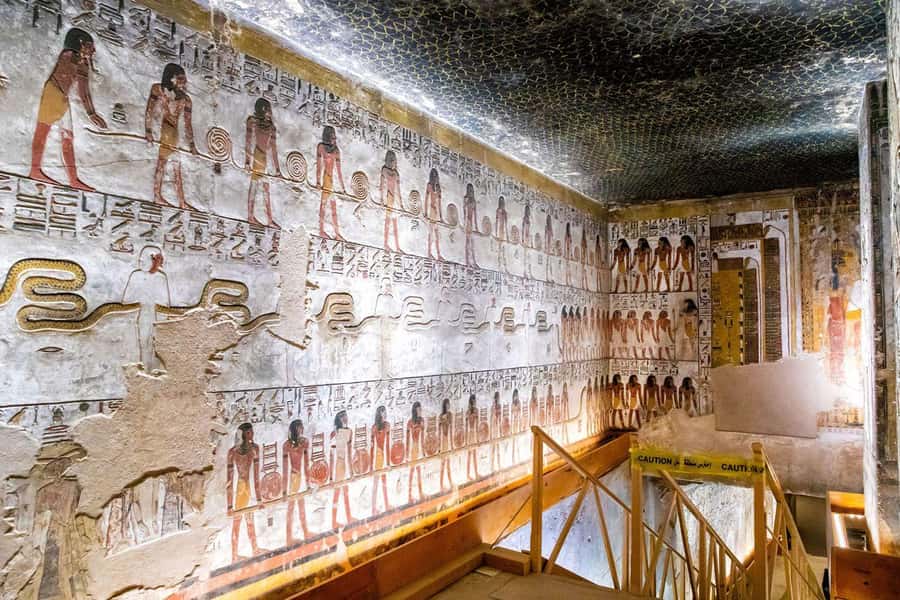
Valley of the Kings: the tombs behind the drama
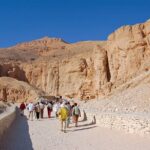
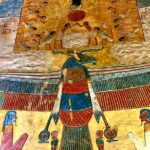
Your West Bank morning starts with the Valley of the Kings, also described as the Valley of the Gates of the Kings. This is the place where royal tombs were carved into the cliffs and sealed, built for long after the reign ended.
What makes this stop work for most people is the way it sets up the rest of the day. Once you understand why these tombs were designed the way they were—symbols, layout, and purpose—the temples later on feel less random. You’re basically learning the language that the Egyptians used in stone.
This is also one of the stops where being on a private schedule helps. You’re more likely to get your bearings fast at the entrance points and inside the sites, especially if you’re sensitive to crowds.
Queen Hatshepsut at Deir el-Bahari: terraces with a purpose
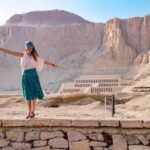
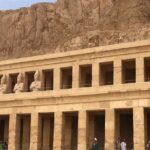
Next comes the Mortuary Temple of Queen Hatshepsut, facing Luxor and rising into the cliffs of Deir el-Bahari. You’ll see the three massive terraces climbing up from the desert floor, which is exactly the kind of Egyptian “architecture as storytelling” you want on a first Luxor trip.
Hatshepsut’s temple is worth your attention because it isn’t just pretty steps. It’s structured to impress, guide your view upward, and reinforce the queen’s power through monumental design. When your guide explains the meaning behind the placement and the visuals, the temple stops being a background sight and becomes a message you can actually read.
A practical note: the stone surfaces and sun exposure can feel intense. Plan your photos with shade whenever possible, and take short breaks between viewing points so you can keep your energy for Karnak later.
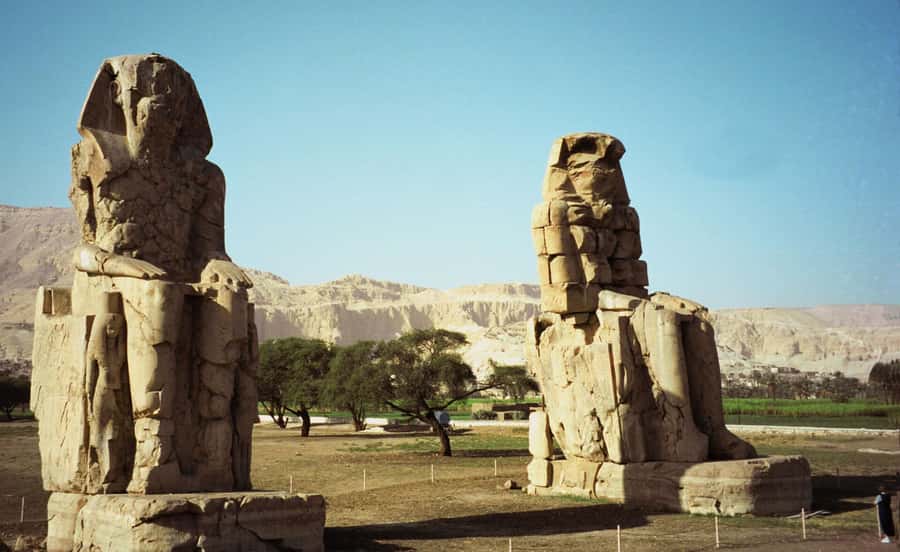
Colossi of Memnon and Amenhotep III: connecting faces to monuments
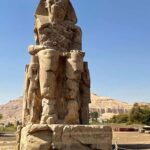
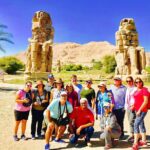
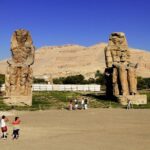
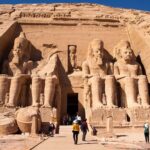
After Hatshepsut’s terraces, the itinerary shifts to the Colossi of Memnon, where you also visit the mortuary temple area linked to Amenhotep III. Even if you don’t know the names yet, seeing these giant statues in person gives you a quick sense of how seriously the Egyptians treated legacy.
This stop often works like a “bridge” in the day: from one ruler’s mortuary vision to another’s. When your guide ties Amenhotep III’s temple purpose to the wider Theban building tradition, the story becomes clearer as you move east toward Karnak.
If you’re short on patience for long explanations, this is still a solid stop. The scale does a lot of the speaking, and the guide can give you the right amount of context without turning it into a lecture.
Lunch in Luxor: a real break before Karnak
Lunch is included, and that matters more than it sounds. After the West Bank heat and walking, you need food that isn’t just a time-filler. The lunch stop is positioned to reset you before the busiest temple zone of the day.
One practical tip: pace your water intake here. Heat in Luxor can sneak up on you, and you’ll feel it most when you’re back outdoors after lunch.
If you’re the type who likes to avoid stomach surprises, keep it simple at lunch. You’ll have temples and a felucca sail afterward, and you don’t want an energy crash mid-afternoon.
You can also read our reviews of more private tours in Luxor
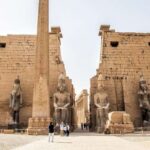
Felucca cruise on the Nile: the best reset in the program
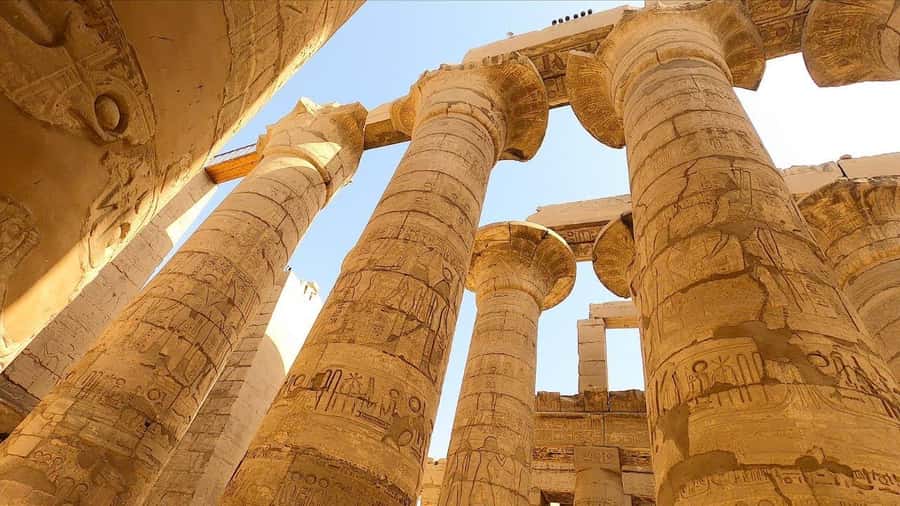
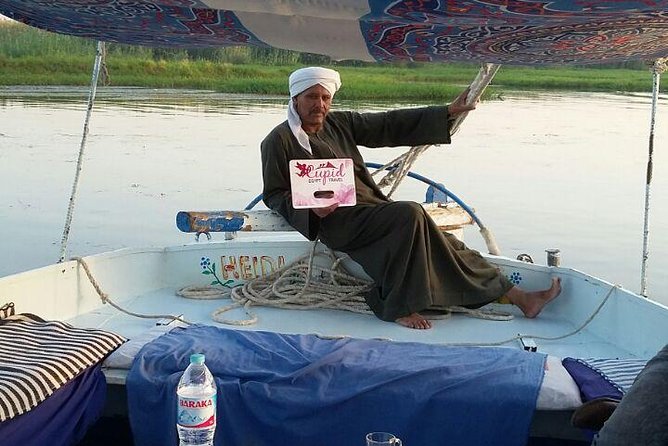
Then you get the felucca ride—a traditional sailing boat on the Nile. This is the “exhale” part of the tour, and it’s smartly placed after the heavier temple learning on the West Bank.
Even a short sail can change how you experience Luxor. You’re still in the same city, but the rhythm becomes slower: you’re watching the river, feeling the movement, and not absorbing information at every turn. It’s also a great moment to reflect on what you just saw, because temples and tombs can start to blur together without a pause.
Bring something light for the ride if you’re sensitive to breeze. And if your travel style leans toward photos, this is where you usually get the best Nile-style shots without forcing it.
Karnak Temple: worship as a whole city of stone
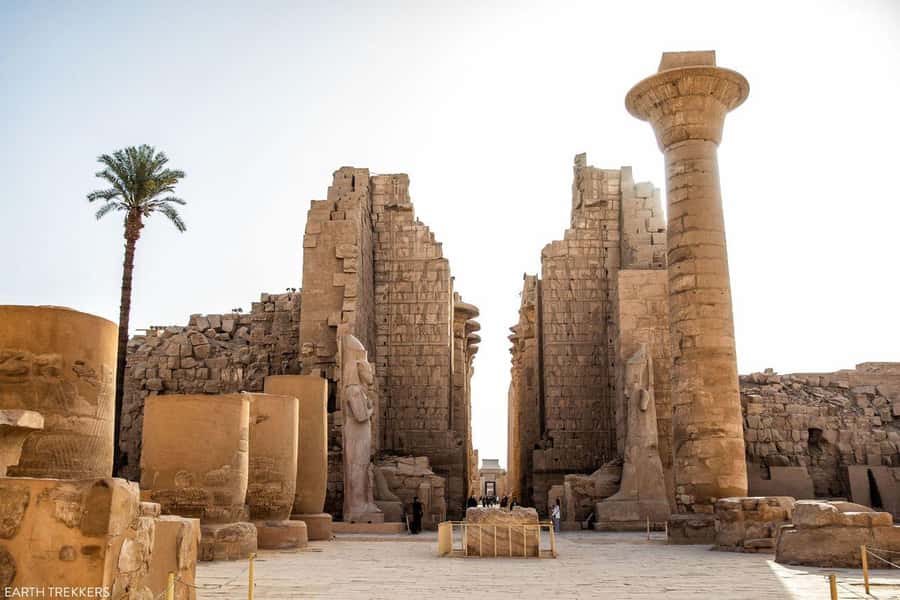
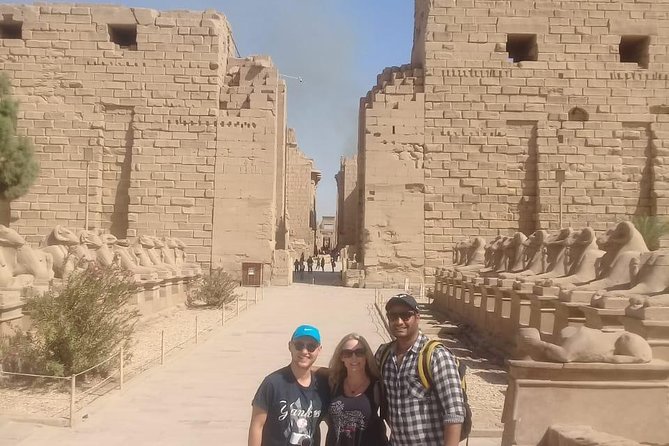
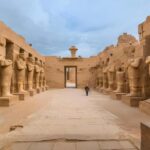
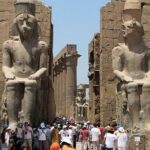
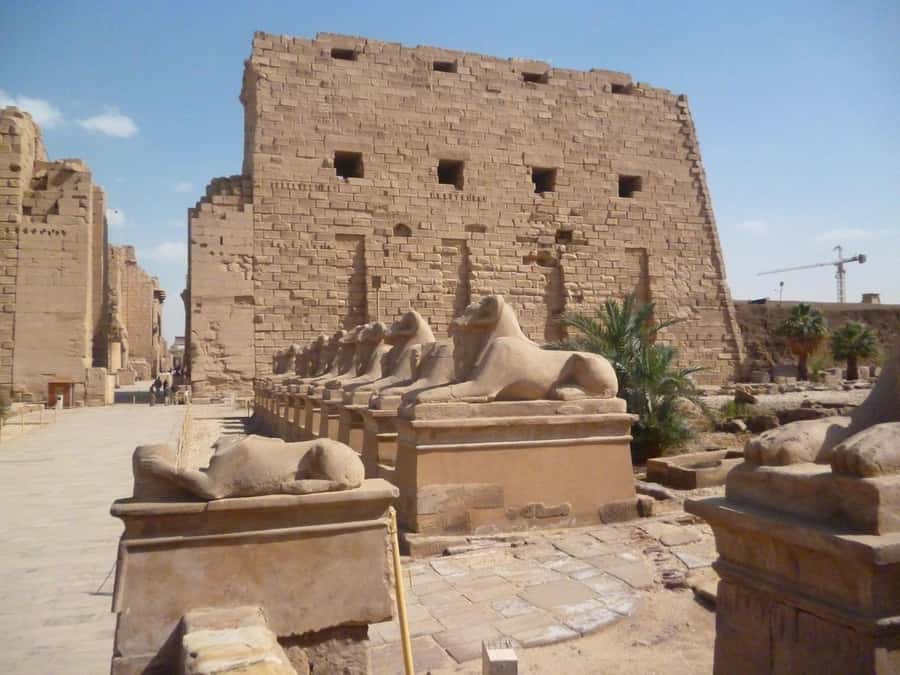
Karnak Temple is one of the greatest examples of worship in history, and you’ll see why once you’re inside its scale. It’s tied to Amun, along with Mut and Khonsu, part of the Theban triad your guide will explain.
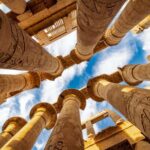
What I like about Karnak in a guided format is that it prevents you from getting lost in details. Without context, Karnak can feel like “more columns.” With context, you start noticing how spaces and features communicate religious ideas, royal authority, and centuries of rebuilding.
Guides like Jackie and Shaimaa are often praised for making the explanations feel calm and clear rather than rushed. If you get someone who stops to highlight what to look for, Karnak becomes a series of checkpoints instead of one overwhelming blur.
Also, consider timing. The tour structure aims to hit major sights without you spending your day stuck in the worst crowds. You’ll still be around other visitors, but a private guide helps you choose what to look at first.
Luxor Temple built by Amenhotep III, finished by Ramses II
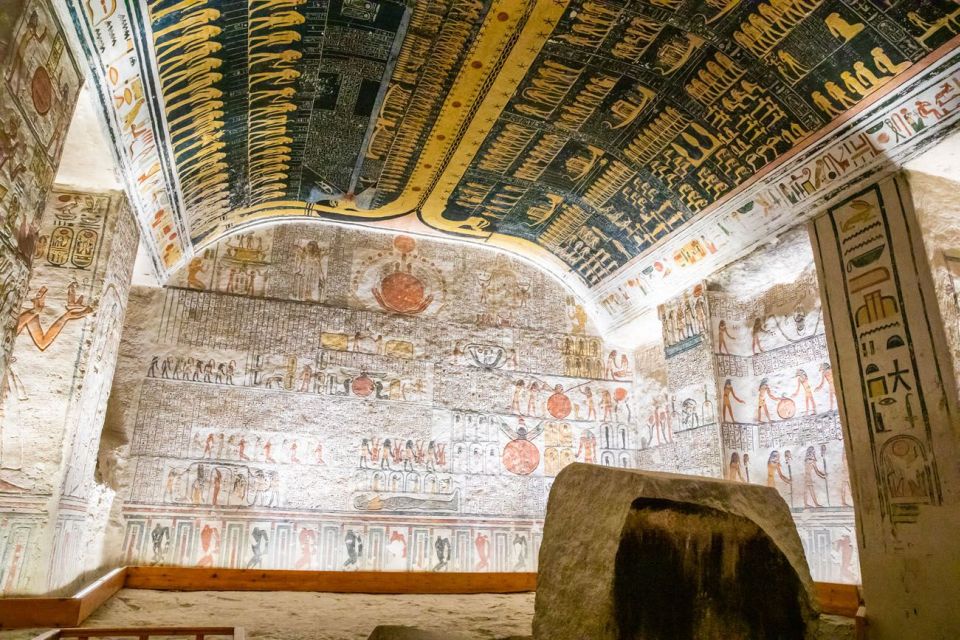
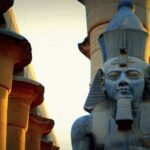
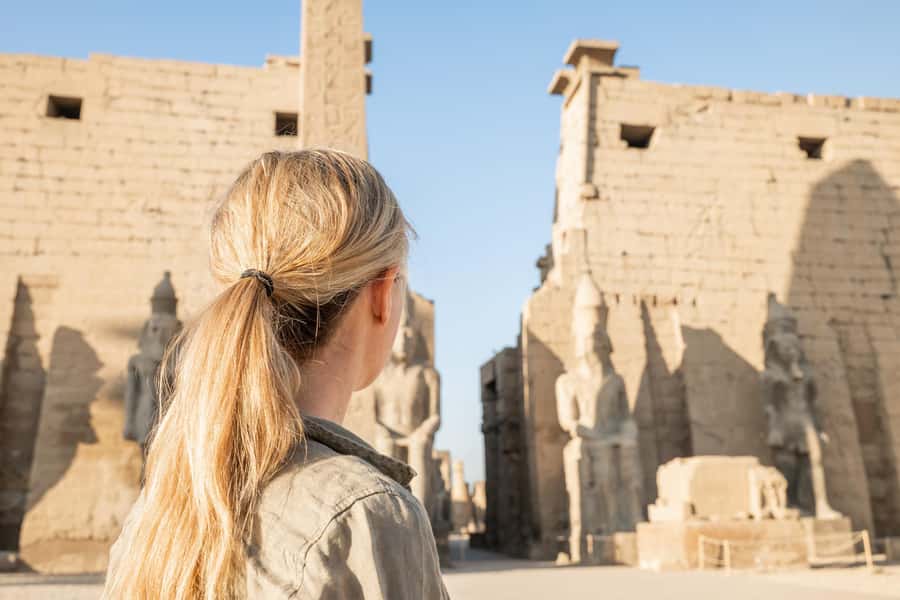
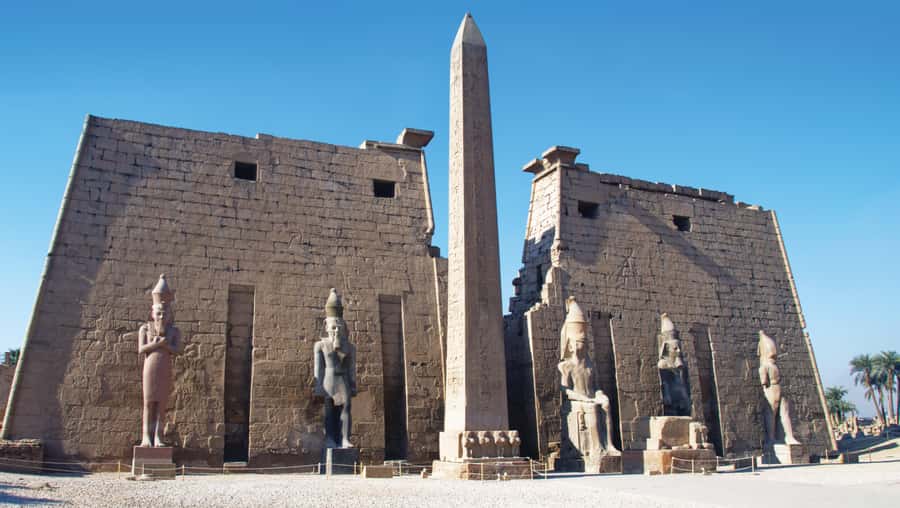
After Karnak, you move to the Luxor Temple, tied to Amenhotep III of the 18th Dynasty, with completion associated with Ramses II. This stop is different from Karnak in feel. Karnak is the huge religious machine; Luxor Temple is a more focused statement in its own right.
When your guide explains the connection between the two sites, it clicks: this is why Luxor mattered so much across dynasties. The Egyptians weren’t just building once. They were adding chapters.
This is a good moment to ask your guide a question you’ve been holding. For example, you might ask how the themes you learned in the tomb valley connect to what you’re seeing here on the temple side. A good guide will connect it without making you feel like you need a degree in ancient Egypt.
Price and value: where your $115 really goes
At $115 per person for an 8-hour private tour, you’re paying for three big buckets: transportation, guide time, and included entry + lunch + felucca. Many cheaper tours shave something off—often the guide, often the included meals, or sometimes the number of sites.
Here, entrance fees are included, and lunch is included, which reduces decision fatigue. Instead of budgeting every step yourself, you can focus on what matters: time and pacing.
A real-world caution: entrance fees and optional extras can add up fast in Luxor if you’re booking piecemeal. One traveler described budgeting separately for entrances, and the cost added up. If you want fewer variables, bundling these core stops into a single private day can feel like buying certainty.
Pickup zones and guide language: the small details that matter
Hotel pickup is included from East Bank hotels. If your hotel is on the West Bank, there’s an added $5 per person for West Bank pickup.
Language is also a practical choice. The tour includes an English-speaking guide, but Arabic, French, German, Spanish are available (Spanish/German/French are add-ons). If you want deeper back-and-forth questions, picking a guide in your strongest language can be a big win.
In the reviews, I noticed names that repeatedly came up for smooth pacing: Salma, Shaimaa, Jackie, Mohamed Rafaie, Madrona, Manal, Esraa, and Nelly. You can’t guarantee who you’ll get, but it’s a strong sign that the guiding team is capable of turning this day into more than a site checklist.
What to bring: heat, water, and money for the real world
This tour is built for outdoor time. Bring sunscreen, a hat, and a way to cool down when you’re between stops. One person specifically called out packing water because it’s a long day, and another noted that one bottle wasn’t enough in summer. Plan for extra water beyond what you expect to receive.
Also bring a bit of cash in small bills if you plan to tip guides or site helpers. Some practical costs in Luxor aren’t always card-friendly. If you want to use toilets, buy small snacks, or handle tips smoothly, small cash saves time.
Finally, if you’re buying souvenirs, ask your guide to help you avoid stress. Several guides are praised for pointing out places where prices are more reasonable.
Who this tour suits best
This is ideal if you’re:
- Short on time and want the major Luxor sights connected in one day
- Traveling with family and want a private setup so you can pause when needed
- Interested in “what you’re looking at” rather than only ticking boxes
- Comfortable doing a full loop with active walking in warm weather
If you’re the kind of traveler who loves slow museum-style pacing and staying longer in fewer places, you might find the schedule a bit tight. But the private nature usually makes it easier to manage than a crowded group tour.
Should you book this Luxor Private East/West Banks Tour and Felucca Cruise?
I’d book it if you want the classic Luxor hits with a guide who can explain the meaning behind the monuments. The combination of Valley of the Kings + Hatshepsut + Karnak + Luxor Temple is powerful, and the felucca ride keeps the day from feeling like non-stop stone.
I’d think twice if your top priority is unlimited time in one site. This is a “see a lot, understand a lot” day, not a lingering day.
If you do book, spend a minute before pickup deciding what you want most: tomb symbolism, royal architecture, or the religious layout of Karnak. Then ask your guide early in the day. With the right conversation, this tour becomes less about moving through rooms and more about building the story of Luxor step by step.
FAQ
How long is the Luxor tour?
The tour duration is 8 hours.
What’s included in the price?
The package includes hotel pickup and drop-off from East Bank hotels, entrance fees, an English-speaking guide, a private driver, the felucca ride, and lunch.
Is hotel pickup available from the West Bank?
Yes, West Bank pickup is available for an additional $5 per person.
Does the tour include a Nile felucca cruise?
Yes. A felucca ride is included as part of the tour.
What languages are available for the guide?
You’ll have an English-speaking guide included. Arabic, English, French, German, and Spanish are available, with Spanish/German/French offered as an add-on.
Is cancellation free?
Yes. You can cancel up to 24 hours in advance for a full refund.