REVIEW · LUXOR
Private Full-Day Luxor Highlights East and West Banks
Book on Viator →Operated by Luxor Travels · Bookable on Viator
Luxor, in one tight day. This private full-day highlights tour strings together the big East Bank temples and the West Bank royal tombs, with a guide who explains what you’re seeing as you go. You’ll start early from your Luxor hotel, then work your way through some of Egypt’s most famous sites without getting lost in the weeds.
I especially like the private Egyptologist-style guidance, because it turns famous names into real scenes and symbols. The second thing I like is the included lunch plus hotel pickup and drop-off, so the day runs on rails instead of you improvising transportation in the heat. One key consideration: entrance fees are not included, and the optional Tomb of Tutankhamun has an extra ticket cost.
In This Review
- Key highlights and why they matter
- How the day flows: 8 hours of tombs and temples (starting at 8:00)
- Valley of the Kings: from Ramses IV’s ceiling to Tut’s mummy (and why the guide helps)
- The optional Tomb of Tutankhamun (and the 300 EGP ticket reality)
- Ramses III (KV 11): the painted ritual texts and the surprising side rooms
- Merenptah (Tomb 8): the structure shift and the Carter connection
- Ramses IV (KV 2): the “book list” ceiling stories and the colors
- Deir el Bahari and the Colossi of Memnon: where the West Bank turns monumental
- Karnak Temple with the Avenue of Sphinxes: how to survive the world’s biggest temple complex in one day
- Luxor Temple: the East Bank finale that keeps the story going
- Price and logistics: what $65 really buys you (and what you must budget separately)
- Small but important comfort and shopping cautions
- Who this tour suits best (and who should look elsewhere)
- Should you book this Luxor East and West Highlights tour?
- FAQ
- Is the tour private?
- What’s included in the price?
- Are entrance fees included?
- Is the Tomb of Tutankhamun included automatically?
- What time does the tour start?
- Can I cancel for a refund?
Key highlights and why they matter
- West Bank tomb time that’s actually useful: you’ll hit multiple royal tombs and get help spotting what makes each one different
- Optional Tutankhamun visit: if you want the face-to-face moment, plan for the extra ticket
- Hatshepsut at Deir el Bahari: a standout story for first-timers, not just another temple stop
- Karnak Temple circuit: Avenue of Sphinxes, Hypostyle Hall, and the best-known features in one day
- A pace with breathing room: many guide plans include time to look around and take photos, not constant lecturing
- Budget-friendly for a private tour: $65 with lunch and a private guide, while you pay site tickets separately
How the day flows: 8 hours of tombs and temples (starting at 8:00)
This is built for a full, efficient day rather than a slow museum crawl. The pickup begins at 8:00 am, and the whole experience runs about 8 hours total, with roughly 7 hours of guided touring time in the middle. You’re in an air-conditioned private vehicle, which matters in Luxor, where the sun can make long outdoor stretches feel longer than they should.
The smart part of the schedule is that it alternates “big wow” stops with shorter tomb visits. For example, you’ll spend focused time at the Valley of the Kings and Deir el Bahari, then make quick, high-impact tomb stops on the West Bank before pivoting to the East Bank’s temple giants. If you hate feeling rushed, choose your priorities before you arrive, especially around the optional Tutankhamun stop.
You can also read our reviews of more private tours in Luxor
Valley of the Kings: from Ramses IV’s ceiling to Tut’s mummy (and why the guide helps)
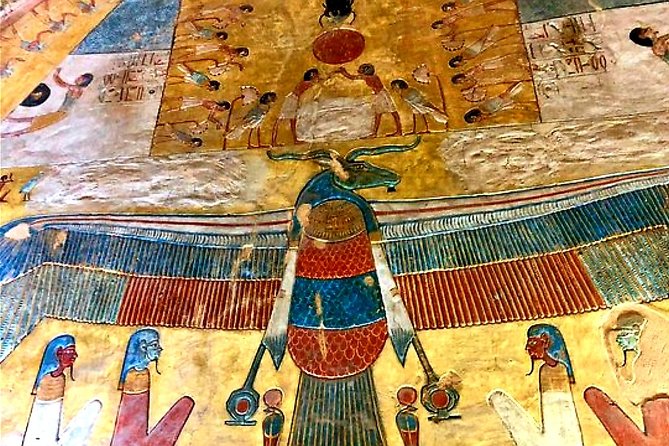
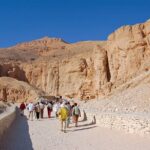
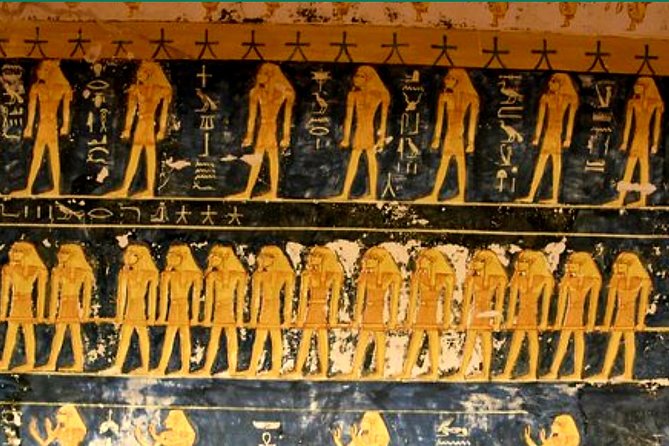
The West Bank starts with the Valley of the Kings, Egypt’s royal necropolis. Here’s the thing: if you only show up to take photos, you miss why people have been studying these paintings for centuries. With a private guide, you get the story behind the scenes, the layout of the tombs, and what the texts and ceilings are trying to do for the afterlife.
The optional Tomb of Tutankhamun (and the 300 EGP ticket reality)
If you want to include Tutankhamun’s tomb, it’s listed as optional with an extra entrance fee of 300 EGP. The time inside is short, about 15 minutes, but it’s still the main event for many first-timers. You’ll learn the key life details: Tutankhamun became king around age 10 and died around age 19. Then you get a chance to see his royal mummy in the tomb.
My practical advice: if your budget is tight, decide in advance whether Tut is your must-do. The rest of the Valley tombs are already stellar, and the guide can still help you understand them deeply without that additional ticket.
Ramses III (KV 11): the painted ritual texts and the surprising side rooms
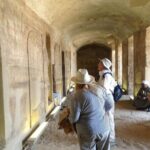
One of the Valley tombs you may visit is Ramses III (KV 11). This tomb is known for its decorated walls, including colorful painted reliefs tied to ritual tradition, with texts like Litany of Ra and the Book of Gates. What makes it fun with a guide is the ability to zoom in on the side areas too.
You’ll also hear about the unusual sections showing secular scenes and foreign tributes, including detailed pottery said to have come from the Aegean. And yes, the tomb’s alternative name comes from a set of figures often described as blind harpists.
Merenptah (Tomb 8): the structure shift and the Carter connection
Another stop is the tomb of Merenptah (Tomb 8). The tour description links it to protective gods and the mythology that surrounds the journey to the West Bank. On the art-and-architecture side, you’re told about a structural shift: fewer lateral rooms and taller corridors and chambers compared with some earlier tomb planning.
A neat historical detail included for context: the tomb was discovered by Howard Carter in 1903. You’ll also hear family context like Merenptah being a son of Ramesses II and Queen Isis-Nofret.
A few more Luxor tours and experiences worth a look

Ramses IV (KV 2): the “book list” ceiling stories and the colors
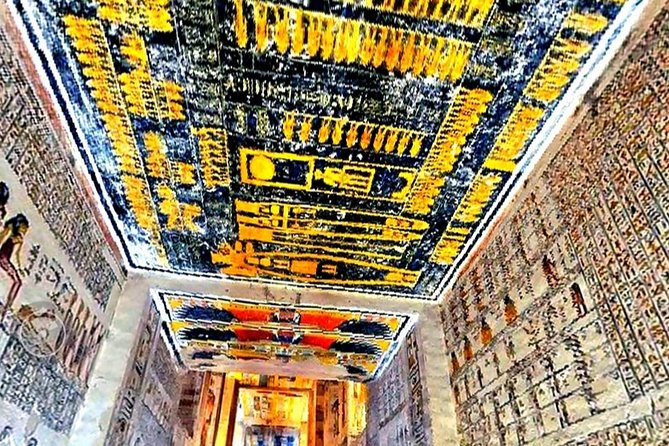
The star tomb for many people is Ramses IV (KV 2). It’s described as different from most others, and it gets special time. You’ll spend around 25 minutes, long enough to actually look closely.
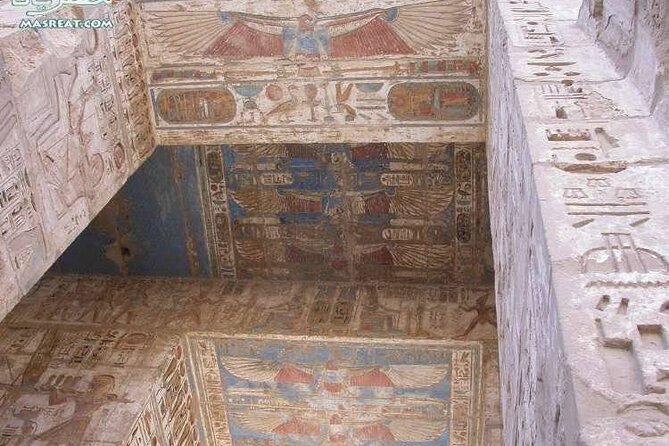
Expect hieroglyphic scenes tied to a long list of afterlife texts, including the Litany of Ra, the Book of the Dead, Book of Caverns, Book of Heavens, Amduat, and the Book of the Night. The tour highlights the blue and white tones inside the burial chamber, the rose-colored granite sarcophagus, and a ceiling scene featuring the goddess Nut swallowing the sun and then giving birth to it.
This is where a guide earns their keep. In a tomb like this, you don’t want to be staring at walls that look the same. You want someone to point you to the right ceiling, the right figure, and the right “why it matters.”
Deir el Bahari and the Colossi of Memnon: where the West Bank turns monumental
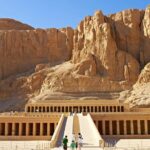
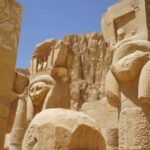
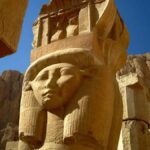
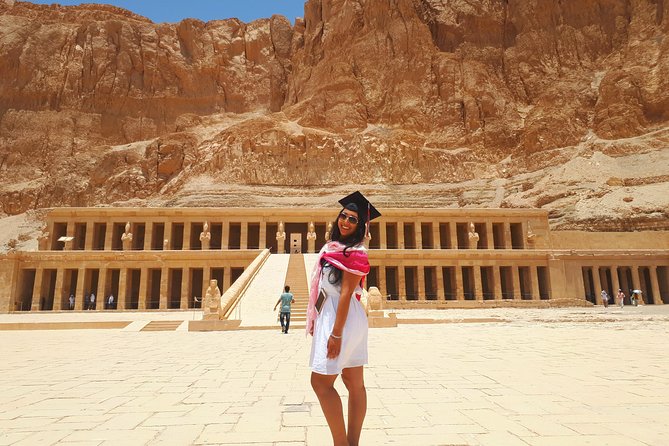
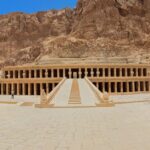
After the tomb circuit, the tour moves to Temple of Hatshepsut at Deir el Bahari. This is a big deal for first-time visitors because it’s not just another temple stop. Hatshepsut is described as the only woman to reign over Egypt as Pharaoh, and the site is tied to her dynasty and to Tutankhamun’s ancestry.
You’ll have about 1 hour here, which is just enough time to catch the terraces, soak in the scale, and understand why the setting is so dramatic. If you’re thinking ahead about photos, go early in the visit window before the crowds and heat build.
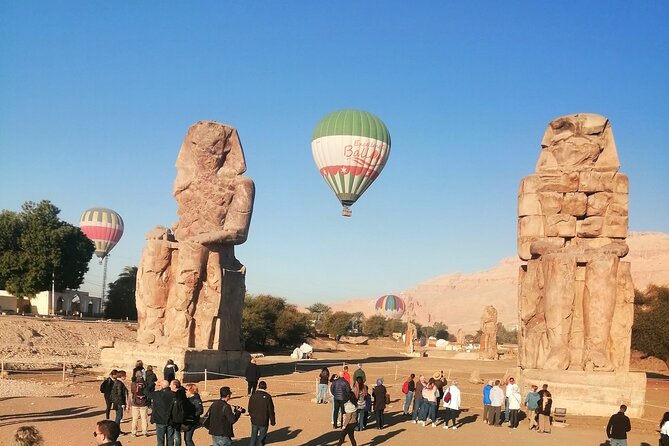
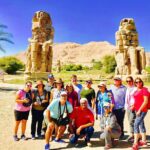
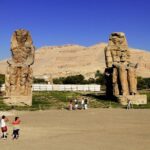
Then you head to the Colossi of Memnon. You’ll see two massive statues dating to the reign of Amenhotep III, with time around 10 minutes. This is a quick stop, but the statues are so large that even a short look feels meaningful. It’s a good pause between tomb interiors and the open-air brightness of the East Bank.
Karnak Temple with the Avenue of Sphinxes: how to survive the world’s biggest temple complex in one day
The East Bank portion starts with Karnak Temple, and it’s where many people’s eyes say wow, while their brain says, wait, where do I look first?
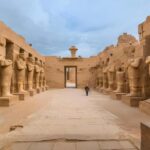
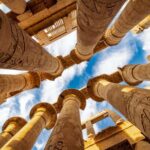
Karnak is presented as a complex of temples built across different reigns. You’ll move through signature features like the Avenue of Sphinxes, the Hypostyle Hall with its 134 columns, and the obelisks associated with Queen Hatshepsut and Tutmoses I. The tour also mentions the Temple of Amon with lotus and papyrus designs and a Sacred Lake, plus other named elements like the Granite Scarabeus of Amenophis III.
The main Karnak visit is given around 2 hours at one point in the day, but other segments also appear as shorter stops. Practically, that means you’ll be “in Karnak” for a long chunk even if some pieces are quick photo pauses. A guide matters here because Karnak can feel like a lot of stone, fast. With private guidance, you can focus on what’s most important to the story you want to understand.
Also, here’s a simple way to make Karnak click: ask your guide to explain the function of the main spaces—how a temple worked, who it was for, and why the Egyptians built in layers over time. When that’s said out loud, you’ll see more than carvings.
Luxor Temple: the East Bank finale that keeps the story going
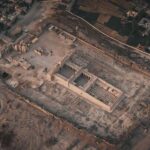
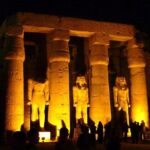
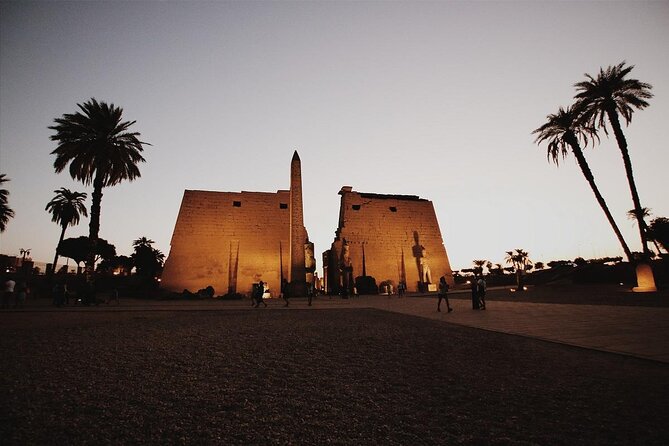
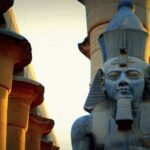
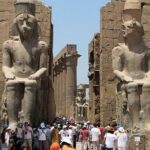
The day doesn’t end at Karnak. You’ll also visit Luxor Temple, dedicated to the Theben Triad of Amun-Ra, Mut, and Khonsu. Expect about 1 hour here, plus the tour mentions granite statues of Ramses the Great.
Luxor Temple is a strong closing act because it feels more connected to the city’s daily rhythm than the tombs do. If you want a calmer finish after the Valley’s darkness, this is your shift from carved interiors to a more “public face” of worship.
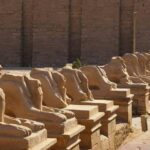
You may also walk by or stop briefly at parts of the Avenue of Sphinxes, which originally stretched from Luxor toward Karnak. The distance is described as about 3 km historically, even though only a few hundred meters are visible today.
Price and logistics: what $65 really buys you (and what you must budget separately)
At $65 per person, this feels like a solid deal for a private full-day with an Egyptologist guide, lunch, and round-trip hotel transfers. The value isn’t that it includes every ticket and every possible add-on. The value is that it includes the time with a guide, plus the convenience of door-to-door pickup and drop-off.
What you should budget separately:
- Entrance fees for sites are not included
- Tutankhamun’s tomb is optional and listed at 300 EGP
- Gratuities are recommended (you should plan for this since guides and drivers do the work)
If you’re the kind of person who wants to see it all and hates decision points, keep in mind that this day includes many major locations. A guide helps you prioritize in the moment, but you’ll still want to decide ahead of time whether Tut is worth the extra ticket cost and time.
Small but important comfort and shopping cautions
Two practical notes from reported experiences that you can use to protect your day:
1) Plan your comfort request early. The tour is described as using an air-conditioned vehicle. Still, if you have preferences (like air vs fresh air), speak up at the start so everyone knows what you need.
2) Watch for a shop stop. One experience described an early stop at a stone figure shop where buying pressure was felt. If you prefer to stay focused on the sites, set your expectation right away with your guide: you’re here for temples and tombs, not forced shopping.
If you want the best day, ask your guide to help you deal with local sellers appropriately. Several guide experiences highlighted advice on where to be firm and how to avoid getting pulled into awkward negotiations.
Who this tour suits best (and who should look elsewhere)
This one is ideal if you:
- want East and West Bank highlights without the hassle of stitching together multiple taxis
- like learning context while you walk, not just taking pictures
- prefer the security of a private guide who can manage ticket help and time
It might be less ideal if you:
- want a very slow day with long museum-style reading time
- dislike any possibility of shop stops
- are extremely strict about comfort, because you’ll be in a vehicle and moving between outdoor and indoor sites all day
Should you book this Luxor East and West Highlights tour?
If you want one day that covers the headline Luxor sites with a private guide, I’d say this is an easy yes. The combination of West Bank tombs, Hatshepsut at Deir el Bahari, and the East Bank’s Karnak and Luxor Temple gives you a full-picture Luxor day without constant planning headaches.
Book it if you’re excited by the idea of understanding what you’re seeing inside the tombs and across Karnak’s major sections. Skip or rethink if you’re trying to keep total costs as low as possible, because entrance fees and optional add-ons (like Tut) will be on top.
FAQ
Is the tour private?
Yes. It’s a private tour, so only your group participates.
What’s included in the price?
You get a qualified Egyptologist guide, lunch, air-conditioned transport, and hotel pickup and drop-off in Luxor.
Are entrance fees included?
No. Entrance fees are not included, and you’ll pay those separately.
Is the Tomb of Tutankhamun included automatically?
It’s optional. The entrance fee for the Tomb of Tutankhamun is listed as 300 EGP.
What time does the tour start?
Pickup starts at 8:00 am.
Can I cancel for a refund?
Yes. You can cancel up to 24 hours in advance for a full refund.