REVIEW · LUXOR
5 Days Dahabiya Nile Cruise from Luxor to Aswan
Book on Viator →Operated by Egypt 24 Tours · Bookable on Viator
Five days on a Dahabiya feels like slow time. On the Sacred Lotus Dahabiya, you get that old-world ship charm with colonial polish, plus a half-shaded sundeck made for watching the Nile slide by. When you’re not out on site, the ship’s cozy lounge and small Nile-and-Egypt history library give you a low-key place to reset with Turkish coffee or Alexandrian wine.
I also like that the tour keeps you moving with an English-speaking guide on board and covers the details that usually eat up your time, including included entrance fees and well-run sightseeing days. The food is often described as delicious and varied, and the lounge and rooms are kept clean and comfortable. One consideration: this is a premium price at $1,999.05 per person, and alcohol plus tipping are on you.
In This Review
- 5 quick things that make this Luxor to Aswan Dahabiya cruise worth it
- Sacred Lotus Dahabiya: what it feels like once you’re on board
- Price and what you get for $1,999.05 per person
- Day 1 in Luxor’s West Bank: Valley of the Kings to Karnak
- Valley of the Kings (about 2 hours)
- Temple of Hatshepsut at Deir el Bahari (about 2 hours)
- Colossi of Memnon (about 30 minutes)
- Karnak Temple Complex (about 2 hours)
- Day 2: Edfu Temple of Horus plus Gebel el Silsila quarry scenery
- Temple of Horus in Edfu (about 3 hours)
- Gebel el Silsila (about 2 hours, admission free)
- Day 3: Kom Ombo’s double temple and why it feels different
- Day 4: Aswan High Dam, Unfinished Obelisk, and Philae’s island setting
- Aswan High Dam (about 1.5 hours)
- Unfinished Obelisk (about 1.5 hours)
- Temple of Philae (about 2 hours)
- Day 5: breakfast, then a transfer out of Aswan
- The feel of the cruise: pacing, guidance, and on-board comfort
- Who this Luxor to Aswan Dahabiya cruise suits best
- Should you book Sacred Lotus for your Luxor to Aswan cruise?
- FAQ
- FAQ
- What route is this cruise?
- When does the journey start?
- Is pickup available?
- Is this a private tour?
- What entrance fees are included?
- Are meals included?
- Are drinks included?
- Is alcohol included?
- Does the ship have Wi‑Fi?
- What is the cancellation window?
5 quick things that make this Luxor to Aswan Dahabiya cruise worth it
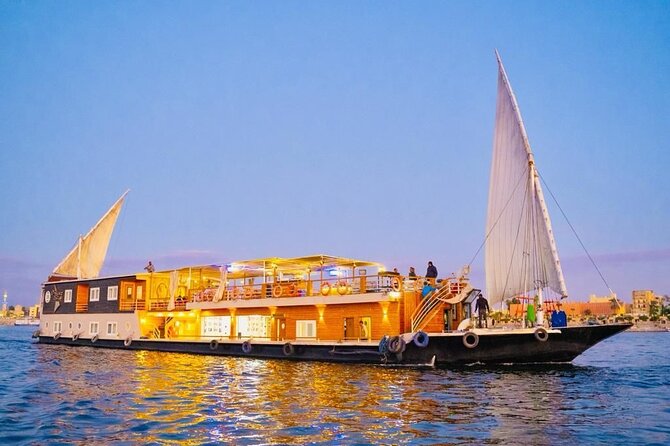
- Half-shaded sundeck with deck chairs for real downtime between temple days
- English-speaking guide service on board so you’re not just “looking at ruins”
- Entrance tickets are included for many major stops, which helps the schedule stay tight
- Meals included for four days (breakfast, lunch, dinner) plus tea, coffee, mineral water, and soft drinks
- Free Wi‑Fi with a fair-use policy so you can stay in touch without living online
Sacred Lotus Dahabiya: what it feels like once you’re on board
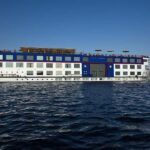
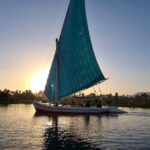
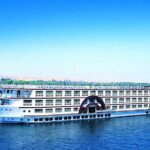
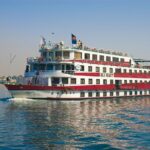
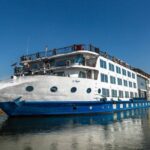
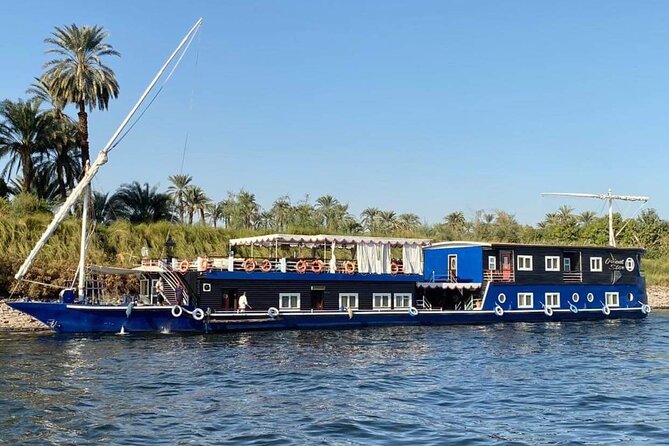
This cruise isn’t trying to be a big, loud floating hotel. The Sacred Lotus Dahabiya is designed around that classic Dahabiya look—think 18th–19th-century wooden-boat elegance—with colonial touches that make it feel polished without feeling stiff.
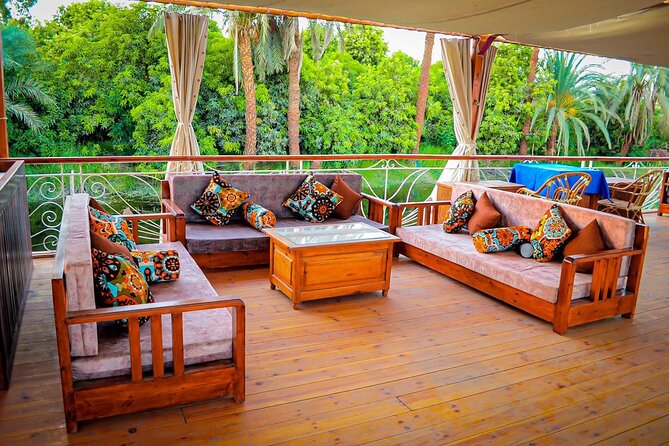
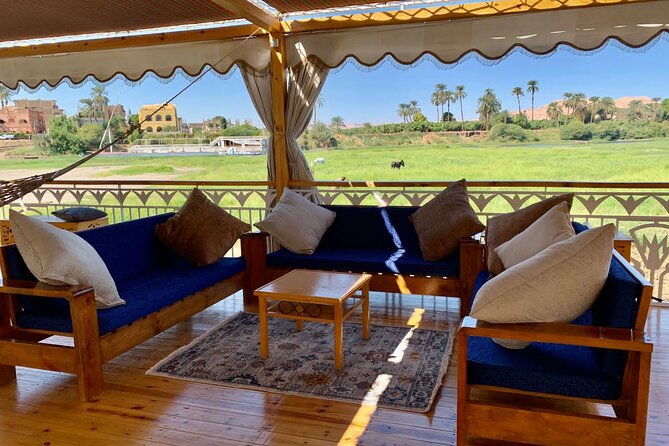
The standout is the sundeck: it’s half-shaded, which matters in Egypt. You can actually sit outside for long stretches without cooking. I like that there are wooden deck chairs built for lingering, not just taking a quick photo and running back inside.
Below, the salon feels like a warm landing spot after a day outdoors. There’s a small library centered on Nile and Egyptian history, which is a nice bonus when you want context (and not just facts shouted through a headset). Many guests also bring the vibe back inside with simple rituals—sharing stories over Turkish coffee or an Alexandrian wine—so the ship becomes part of the experience, not just the ride.
Practical note: the cruise includes wireless internet with a fair usage policy. Expect it to be useful, not magical, and treat it like a tool rather than a streaming service.
You can also read our reviews of more boat tours in Luxor
Price and what you get for $1,999.05 per person
At $1,999.05 per person for the 5-day route, you’re paying for convenience plus guided value. What you’re getting isn’t just transport—it’s a packed-in structure where a lot of the logistics are handled before you ever arrive.
Here’s the core “value math” that matters on the Nile:
- Transfers in Luxor to and from your address (based on the itinerary) remove the hassle of guessing how to get to the boat.
- English-speaking guide services on board means you get explanations during the day, not only after the fact.
- Sightseeing and entrance fees are included for the sites in the program, so you’re not scrambling for tickets at each stop.
- Meals are covered for four days: breakfast (4), lunch (4), dinner (4).
- Drinks are included: tea, coffee, mineral water, and soft drinks throughout the voyage.
What’s not included is part of budgeting: alcoholic beverages and tipping are extra. If you plan to drink frequently, that can change the real cost. If you’re careful about that, the package price starts to look more reasonable because it covers the big-ticket “work” (guide + sites + tickets + meals).
Also, you’ll get group discounts and a mobile ticket, which can make the experience smoother when you’re juggling timings.
Day 1 in Luxor’s West Bank: Valley of the Kings to Karnak
Day 1 is a big hit of New Kingdom grandeur, starting on the West Bank.
Valley of the Kings (about 2 hours)
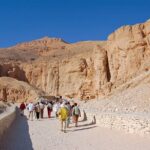
You’ll visit the Valley of the Kings, known as the Valley of the Gates of the Kings. This is where rock-cut tombs were carved for pharaohs and powerful nobles over nearly 500 years, from the 16th to the 11th century BC. The time on-site gives you enough breathing room to see more than just “a tomb entrance” and actually notice how the place works as a landscape of power.
Tip: Go in with comfortable shoes. Stone steps add up fast.
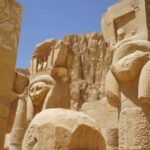
Temple of Hatshepsut at Deir el Bahari (about 2 hours)
Then you move to the Mortuary Temple of Hatshepsut, one of the most striking architectural achievements of the 18th Dynasty. The setting and the layout help the temple feel monumental even before you dig into details. If you like history that’s visible in stone rather than only in dates, this stop delivers.
A few more Luxor tours and experiences worth a look

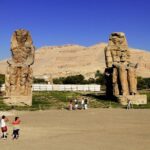
Colossi of Memnon (about 30 minutes)
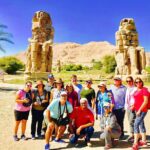
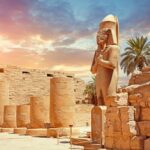
Next are the Colossi of Memnon—two huge stone statues of Pharaoh Amenhotep III. You’re given a shorter window here, so it’s a photo-and-absorb moment. Even in half an hour, these statues land because of sheer scale.
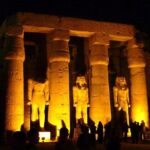
Karnak Temple Complex (about 2 hours)
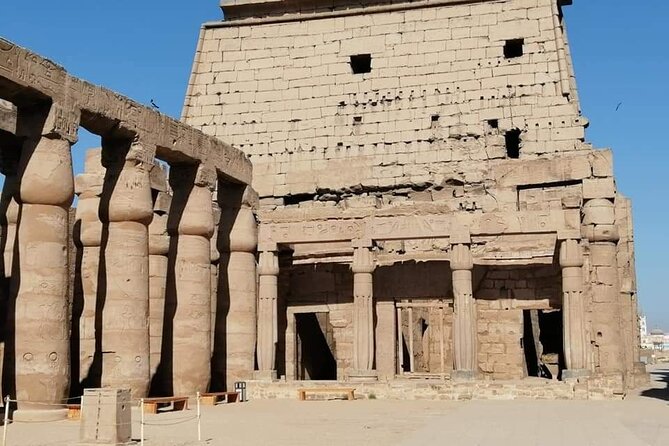
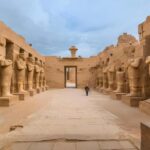
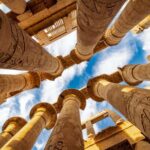
Finally, you reach Karnak, a sprawling temple city dedicated to Amun, Mut, and Khonsu. Karnak is built over more than 2,000 years, and that layering is part of what makes it so absorbing. You’ll likely feel a bit dizzy in the best way—like the site is too large to take in all at once, which is exactly why you need time with a guide.
This day ends with your head full and your feet tired, which is perfect for returning to the calm of the Dahabiya.
Day 2: Edfu Temple of Horus plus Gebel el Silsila quarry scenery
Day 2 shifts from Luxor’s temple density to Edfu’s temple focus, then adds a “how the stones got made” stop.
Temple of Horus in Edfu (about 3 hours)
You’ll visit the Edfu Temple, linked to Horus. Even if you don’t memorize the names, you’ll notice why this temple matters: it’s built for storytelling in stone, with areas designed to work as part of a ritual path.
The program includes context that in the Hellenistic period Edfu was associated with Apollo through interpretatio graeca. That might sound academic, but it actually helps you read the temple’s history as a place that kept changing roles across centuries—not frozen in time.
Gebel el Silsila (about 2 hours, admission free)
Then comes Gebel el Silsila, the Golden Chain of Mountains area. It’s between Edfu and Kom Ombo, about 65 km north of Aswan, and it was also a quarry in the New Kingdom. You’ll learn that the stone supplied major monuments, including Karnak, Luxor Temple, Medinet Habu, and Kom Ombo.
I like that this stop gives you a behind-the-scenes Egypt: not just temples, but the supply chain that made them possible. And since it’s listed as free, it adds value without adding ticket stress.
Practical pacing note: this is a solid day. Plan for sunlight, take small water breaks, and keep your camera ready because the temple-to-quarry contrast is visual.
Day 3: Kom Ombo’s double temple and why it feels different
On Day 3 you’ll spend about 5 hours at the Temple of Kom Ombo.
This is a unique stop: it’s a double temple, built in the Ptolemaic dynasty (between 180 and 47 BC) with later additions in the Roman period. The key difference is the structure itself—two linked halves—which makes it feel like the temple was designed to hold multiple layers of belief in one place.
Because the program gives you a longer window than some of the other sites, you’ll have time to move at a calmer pace. That’s important here. Kom Ombo rewards slow viewing. You’re not just ticking off one famous facade; you’re trying to understand how the site organizes meaning.
If you’re the type who enjoys comparing how different dynasties build, this day is one of the best.
Day 4: Aswan High Dam, Unfinished Obelisk, and Philae’s island setting
Day 4 is where the trip becomes a conversation between ancient Egypt and modern Egypt.
Aswan High Dam (about 1.5 hours)
You’ll visit the Aswan High Dam, described as the world’s largest embankment dam, built between 1960 and 1970. This is one of those stops where the explanation matters as much as the view, because the dam doesn’t just sit on the Nile. It changes what the Nile looks like over time.
Unfinished Obelisk (about 1.5 hours)
Next is the Unfinished Obelisk, from the ancient stone quarries in Aswan. It’s noted as the largest known obelisk from antiquity, and a study by Reginald Engelbach is mentioned (1922). What I like about this stop is the craftsmanship lesson: you get to see ambition and labor on display, not just a finished monument.
If you like engineering, sculpture, or “how things were actually made,” this one hits.
Temple of Philae (about 2 hours)
Finally, you’ll visit Philae. It’s an island in the reservoir formed by the Aswan Low Dam downstream of the modern Aswan High Dam and Lake Nasser. Historically, Philae was near the First Cataract and served as a prominent temple complex.
This is the day where the setting does heavy lifting. When a temple sits in a water-shaped world, it feels like Egypt’s stories have been carried forward—literally—through changing geography.
Day 5: breakfast, then a transfer out of Aswan
Day 5 is your wind-down day. After breakfast, you disembark and your transfer to your chosen destination in Aswan is arranged.
The program lists about 5 hours for the end-of-cruise transfer, and the key point is simple: you’re not left figuring out transport on your last day. It’s the kind of detail that makes the end of a trip feel as smooth as the start.
The feel of the cruise: pacing, guidance, and on-board comfort
The rhythm here works because the day splits into two styles: temples and travel time. You’ll spend mornings and afternoons moving through major sites, and then return to the ship for real recovery—shade, drinks, and quiet.
I also appreciate how much is handled for you:
- Pickup is offered in Luxor depending on your address and the itinerary.
- Your guide is active during sightseeing, and the program states English-speaking guide services on board.
- You get refreshments throughout the voyage, not just during meal times.
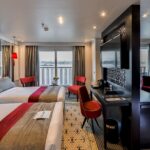
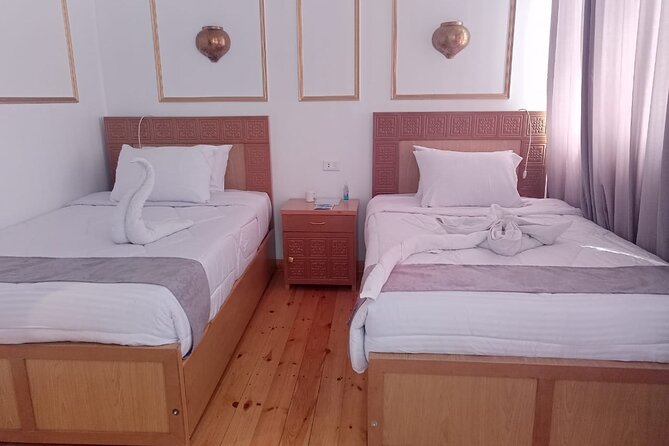
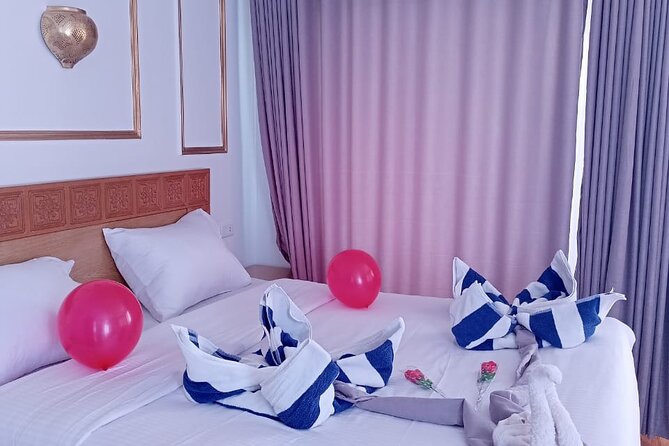
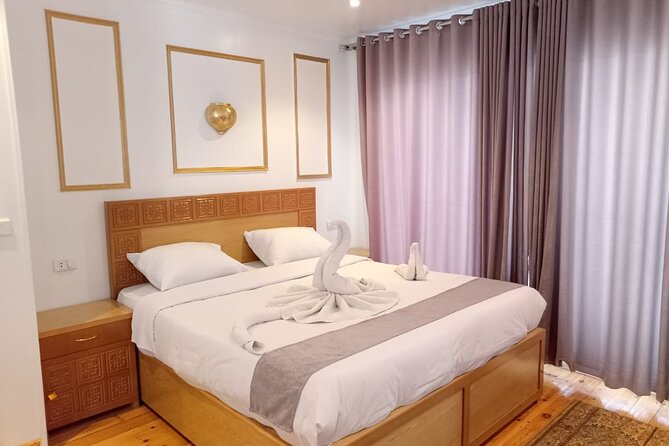
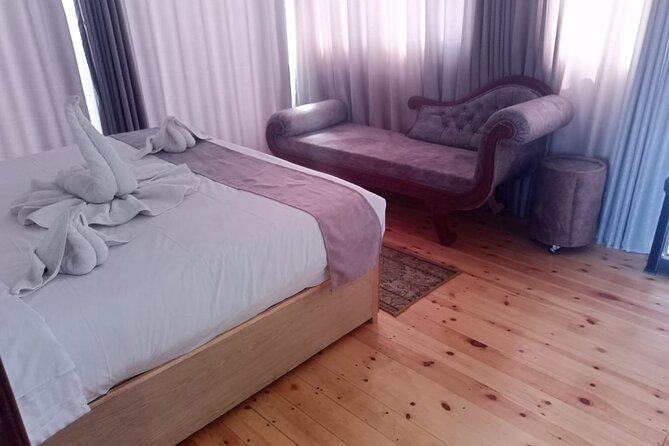
From the on-board experience descriptions, the ship’s lounge tends to be described as clean, and the service as attentive. Rooms are said to be comfortable and well kept, which matters on a cruise. You don’t want to feel like you’re living out of a suitcase.
One more practical point: this schedule uses an 8:00 am start time and a Saturday start. If you’re sensitive to early mornings, prepare for an efficient start rather than a slow breakfast and a leisurely “we’ll go whenever.”
Who this Luxor to Aswan Dahabiya cruise suits best
This cruise makes sense if you want:
- A strong dose of Egypt’s big iconic sites, with explanations included
- A calmer pace than constant day-trips, because you’re staying on the ship
- A comfortable base with shade and downtime between visits
- A group format that still keeps things organized and private to your party
It’s also a good fit if you care about nutrition planning. The program states they can accommodate dietary restrictions such as vegetarian, vegan, and gluten-free.
If you’re traveling with people who need a balance—one person loves museums, another loves sitting outside—the Dahabiya structure helps you both get what you want.
Should you book Sacred Lotus for your Luxor to Aswan cruise?
If you’re choosing between “DIY temple scrambling” and a guided cruise that handles tickets, meals, and transport, this one leans toward the guided, low-stress option. The biggest reasons to book are the practical inclusions: entrance fees, an English-speaking guide on board, and the way the half-shaded sundeck turns the Nile ride into downtime instead of transit.
The only real caution is budget mindset. At $1,999.05 per person, it’s not a casual splurge. If you plan to drink alcohol often or tip generously, your final spend will rise. If you’re okay with the included tea/coffee/water/soft drinks and you’re realistic about tipping, the package feels more like a value.
FAQ
FAQ
What route is this cruise?
It’s a 5-day Dahabiya Nile cruise from Luxor to Aswan.
When does the journey start?
The program starts at 8:00 am, and it begins each Saturday.
Is pickup available?
Yes. Transfers to and from any address in Luxor are offered depending on the itinerary.
Is this a private tour?
Yes. It’s listed as private, so only your group participates.
What entrance fees are included?
Sightseeing and entrance fees are included for the sites on the program, and many of the listed stops include admission tickets.
Are meals included?
Yes. Breakfast, lunch, and dinner are included for four days each (breakfast 4, lunch 4, dinner 4).
Are drinks included?
Tea, coffee, mineral water, and soft drinks are included throughout the voyage.
Is alcohol included?
No. Alcoholic beverages are not included.
Does the ship have Wi‑Fi?
Yes. There is complimentary wireless internet with a fair usage policy.
What is the cancellation window?
Free cancellation is available up to 24 hours in advance for a full refund. Within 24 hours, there’s no refund.