REVIEW · LUXOR
Luxury 5 Days Nile River Cruise from Luxor to Aswan with Private Tour Guide
Book on Viator →Operated by Luxor and Aswan Travel · Bookable on Viator
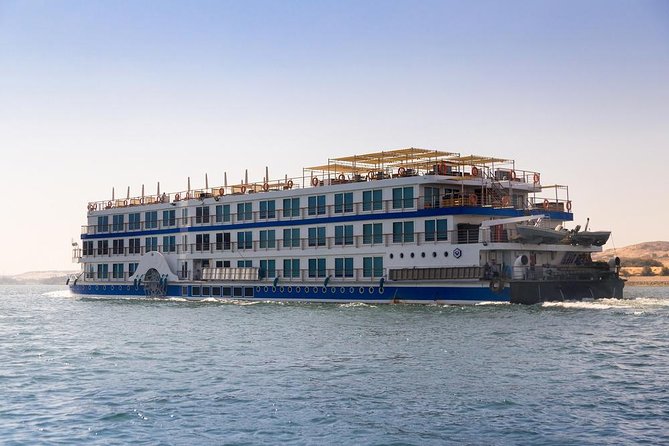
If you want Egypt without the stress, this route works. This is a private, Egyptologist-led luxury Nile cruise from Luxor to Aswan with built-in sightseeing stops that most people would need extra planning for. You’ll move between East and West Bank highlights, then cruise on to Edfu, Kom Ombo, and Aswan, with meals and transfers handled for you.
What I like most is how much the guide adds. When you’re standing in Karnak or looking up at the Valley of the Kings, a good Egyptologist helps you connect the dots fast. I also love the pace: you get temple time in the afternoon or morning, then you’re back on the ship to recover on the sun deck with the Nile passing by.
One drawback to consider: this trip is a nonstop schedule of sightseeing days. You’ll want a moderate fitness level and you should expect long days with walking and stairs around temple sites.
In This Review
- Key Things to Know Before You Go
- Luxor Arrival and East Bank Karnak-Luxor Temple Power Move
- West Bank Valley of the Kings to Hatshepsut: A Timeline in Stone
- Edfu Horus Temple and Kom Ombo: Two Temples, One River Story
- Aswan Day: High Dam, Philae on Agilika Island, and the Unfinished Obelisk
- Luxury on the Nile: What Private Transfers and Included Meals Really Buy You
- Price and Value: Why $1,900 Can Be a Smart Deal
- What’s Included On the Ground (and What You Should Plan For)
- Who This Cruise Fits Best
- Should You Book This Luxor to Aswan Luxury Cruise?
- FAQ
- What route does this cruise cover?
- How long is the trip?
- What meals are included?
- Do I get a private Egyptologist guide?
- Are transfers included?
- What are the key sightseeing stops?
- Can I request a vegetarian option?
- Is the experience refundable if plans change?
Key Things to Know Before You Go
- Private Egyptologist guide: You’re not sharing headphones and hoping for the best. It’s your group, your pace, and your questions.
- Most meals are included: Breakfast, lunch, and dinner are part of the package (listed as four of each day part), so you avoid constant decisions on the road.
- Temple-focused route: The itinerary hits major “can’t miss” sites—Karnak, Hatshepsut, Edfu, Kom Ombo, Philae—so you get value from the cruise itself.
- Transfers are included: Meet-and-assist on arrival and departure, plus round-trip transfers between cruise and hotel/train station.
- Private group only: The experience is designed around your party, not a big mix of strangers.
Luxor Arrival and East Bank Karnak-Luxor Temple Power Move
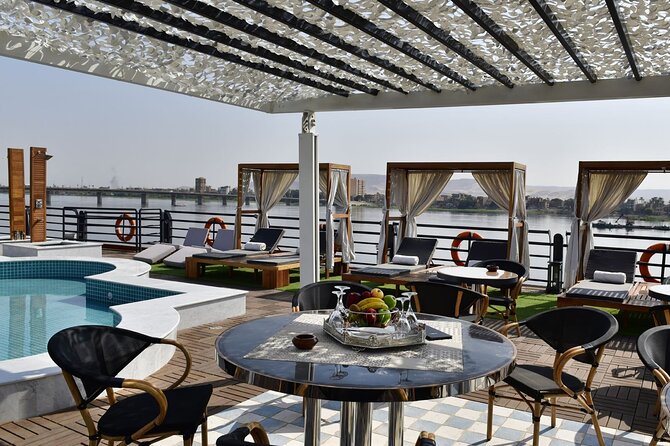
Day 1 starts with an easy handoff: you meet your representative at Luxor Airport (the start time is listed as 9:00 am), then you transfer to the cruise. The plan then shifts to the East Bank of Luxor, which is where Thebes still feels like a city, not a ruin.
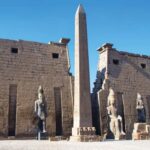
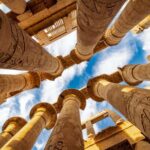
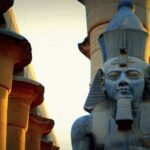
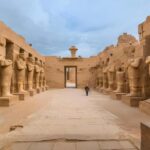
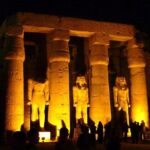
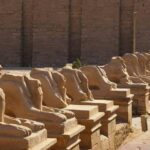
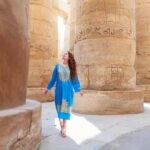
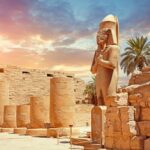
You’ll visit Karnak Temple Complex, the biggest religious complex from ancient Egypt that still blows people’s minds. It’s the kind of place where size alone feels like a statement, but the guide’s job is to translate what you’re seeing: how the main cult area ties into Amun Ra, and why later rulers kept adding their own chapters to the same sacred space. After Karnak, you’ll head to the Temple of Luxor, finished by Ramses II after it was begun in the 12th Dynasty. This pairing makes sense. Karnak shows the long-building ambition; Luxor Temple helps you see how a single temple could still carry royal messaging and state religion.
Practical tip: Karnak and Luxor Temple can involve a lot of walking, sun, and uneven ground. Wear something you can move in, and plan to take water breaks when the guide suggests them.
You can also read our reviews of more boat tours in Luxor


West Bank Valley of the Kings to Hatshepsut: A Timeline in Stone
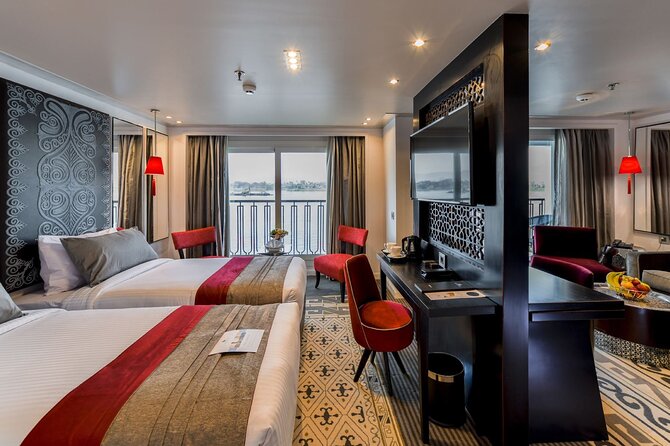
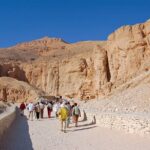
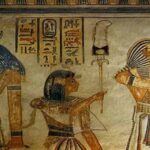
Day 2 is the classic West Bank day, and it’s timed so you get the best contrast between morning energy and afternoon heat. After breakfast onboard, you’ll head to the Valley of the Kings, the royal burial ground for Theban rulers. Even without getting lost in every tomb detail, the setting matters: you’re in the exact landscape that shaped how kings expected to travel in the afterlife.
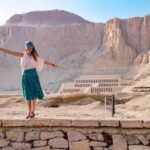
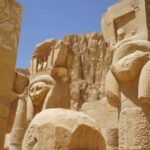
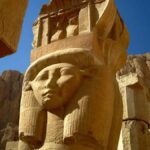
Next up is the Temple of Queen Hatshepsut at Deir el-Bahari. What I like here is the way the day’s narrative turns from royal power to architectural storytelling. This temple is carved into the mountain, so you don’t just look at it—you feel it built into the cliff. The guide will likely connect its design to Hatshepsut’s legitimacy and how rulers used monuments to make a political argument in stone.
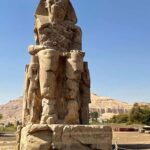
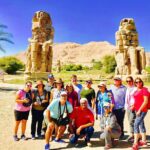
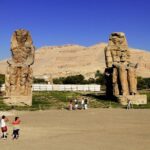
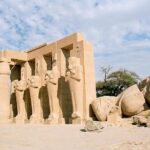
Then you end with the Colossi of Memnon, huge statues tied to Amenhotep III. They’re short stops on paper, but they’re a great way to close the day. You get a quick, dramatic visual anchor after a heavy dose of tomb and temple history.
Practical tip: If you’re sensitive to crowds or heat, start early in the morning like the schedule suggests. Also, keep expectations realistic: you’re visiting major sites, so Egypt’s “organized chaos” factor is part of the experience. The private guide and your included logistics help a lot.
Edfu Horus Temple and Kom Ombo: Two Temples, One River Story
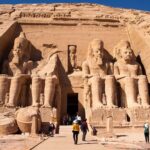
Day 3 shifts you from Luxor to the next chapter: sailing toward Aswan, with temples along the way. After breakfast onboard, you visit Temple of Horus in Edfu—not just a temple stop, but one of the best-preserved ones in Egypt. The big win is clarity. With a strong guide, Edfu is easier to “read” than many sites, because the layout and carvings help you understand what you’re seeing and why.
After Edfu, you return to the ship for lunch onboard while you sail to Kom Ombo. That gap matters. It gives you time to be a passenger again. The cruise part isn’t just transportation; it’s also your recovery time before the next major site.
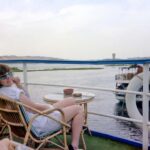
In the afternoon you’ll explore Temple of Kom Ombo, dedicated to Sobek and Haroeris. This is a temple with a different feel than Edfu. It’s not about one god only. It’s about a paired religious focus, and the guide can point out how that structure shows up in the temple’s details. Then you’re back onboard to enjoy the river—sun deck time is real value here, because the Nile is the “fourth character” in this trip.
Practical tip: Bring a hat and sunglasses you trust. Even when the ship is comfortable, temple days are bright.
Aswan Day: High Dam, Philae on Agilika Island, and the Unfinished Obelisk
Day 4 is your Aswan highlight day, and it works because it mixes modern history with ancient sites. After breakfast onboard, you start with the High Dam, erected in 1960 under President Gamal Abdel Nasser. The point isn’t to turn this cruise into a modern lecture. It’s to understand why the Nile looks the way it does today and how humans reshaped the river’s power.
Then you do a motor boat ride to Agilika Island to visit Temple of Philae, dedicated to Isis. The plan places Philae alongside its Greek-Roman period background. That matters because it means you’re not only seeing ancient Egypt in its earliest forms—you’re seeing how older sacred sites stayed important and kept being used in later eras.
After Philae, you visit the Unfinished Obelisk. This stop is a favorite for people who like thinking about the process, not just the result. An unfinished monument shows you the craftsmanship, the risks, and how projects could change midstream. It’s a small stop that can feel unexpectedly human.
Practical tip: This day includes a boat ride, so keep your phone and valuables secure. The cruise staff and your guide will handle the flow, but you’ll still want to move confidently around deck areas.
Luxury on the Nile: What Private Transfers and Included Meals Really Buy You
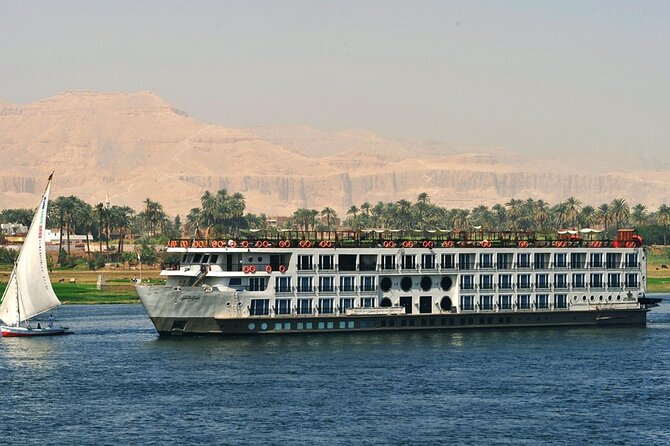
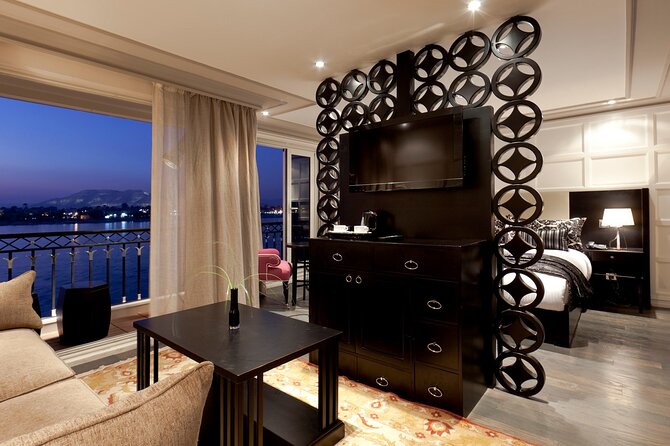
The most useful part of a luxury Nile cruise isn’t just the word luxury—it’s the reduction in daily friction. Here, you get meet-and-assist at arrival and departure, plus round-trip transfers between the cruise and your hotel or train station. That removes the most stressful part of Egypt travel: figuring out what happens next while you’re tired and adjusting to the heat.
Onboard, the plan includes meals: breakfast, lunch, and dinner are listed as four of each. That means you avoid “where should we eat” and “how do we pay for this” problems. You also avoid wasting your sightseeing energy on logistical detours.
And then there’s the private guide. An Egyptologist isn’t just a translator of facts. It’s someone who can help you see patterns: why certain gods dominate certain sites, how royal power is communicated through architecture, and what details matter when everything around you is impressive.
I’ve also noticed a recurring theme in the way guides and operations are described: people mention fast communication and careful handling. Names that came up in this context include Ahmed, Mahmoud, Hasan, Hoda, and Hassan, and the agency manager Hany being responsive (including via WhatsApp). If you end up with someone like Dr. Ashraf Al Raafey, that same communication style can sometimes lead to extra opportunities—like arranging a hot air balloon at short notice in one case—but don’t assume optional add-ons are part of the base plan.
You can also read our reviews of more guided tours in Luxor
Price and Value: Why $1,900 Can Be a Smart Deal
At $1,900 per person, this is not a bargain-basement cruise. But value here comes from stacking what you get:
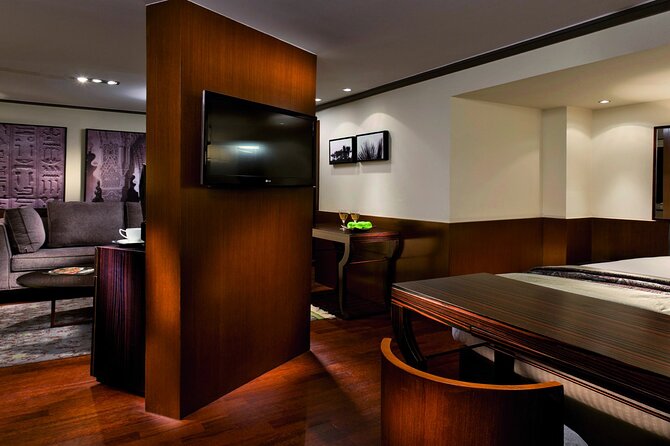
- 4 nights onboard in a luxury setup (per the cruise description)
- All meals included (breakfast, lunch, dinner for the days listed)
- A private Egyptologist guiding you at the major sites
- Transfers taken care of during the trip
The places where this price tends to pay off are exactly what usually burns budgets on independent travel: private transport, guided entrance into the right context, and not having to plan meals every day. You’re also saving time by getting picked up and dropped at the right points without negotiating your way through every handoff.
One thing to think about: tipping is not included. The plan specifically notes tipping for guide, driver, and cruise staff. If you dislike tipping as a concept, factor that into your personal budget early so it doesn’t surprise you at the end.
What’s Included On the Ground (and What You Should Plan For)
The experience is built around guided sightseeing time (each main day is listed around 4 hours per stop block). What that means for you is simple: you won’t be wandering alone for hours trying to figure out what you’re looking at. You’ll follow the schedule, then you’ll have downtime onboard.
Admission is marked as free in the plan for the stops listed in the day-by-day outline. That’s a big deal for value, and it also reduces the amount of paperwork and uncertainty you’d otherwise deal with on the ground.
For logistics, you also have a mobile ticket option and the experience includes a current passport requirement on the travel day. Keep your passport handy and don’t arrive with it missing. The itinerary is also set up for a private group, so it’s not a shared-shuttle type of cruise.
Vegetarian options are listed as available if you tell them at booking. If you have a food requirement beyond vegetarian (like gluten-free), the data doesn’t say. You can ask, but you shouldn’t assume.
Who This Cruise Fits Best
This is a strong match if you want:
- A private guide who can explain what you’re seeing at Karnak, Hatshepsut, Edfu, Kom Ombo, Philae, and Aswan’s key modern and ancient sights
- Fewer planning tasks and more direct transfers
- A balanced mix of intense temple days and onboard downtime
It may be less ideal if you want a lot of freedom to wander independently each day. The itinerary is structured, and the day-by-day touring is part of the design.
Also be realistic about pace. Temple-heavy days plus travel time can feel like a sprint. The plan calls for moderate physical fitness, which usually means you should be comfortable walking and climbing on uneven ground.
Should You Book This Luxor to Aswan Luxury Cruise?
If you like having someone else handle the big decisions—pickup, guides, meal plan, and the main temple route—then yes, this is a smart way to see the Nile. The biggest strength is the combination: private Egyptologist guidance plus a Luxor-to-Aswan itinerary that hits the most meaningful stops without you having to stitch it together yourself.
Before you book, do two quick checks:
- Confirm what ship you’ll be on, since luxury options can vary by departure. People mention boats like Princess Farida, Jaz Viceroy, Steigenberger Legacy, Sonesta Moon Goddess, and IBEROTEL CROWN IMPRESS in similar experiences—so ask what you’re getting for your dates.
- Budget for tips and any optional add-ons, since those are not included in the base package.
If you’re aiming for an Egypt trip where you spend less time managing details and more time understanding what you’re looking at, this itinerary is built for you.
FAQ
What route does this cruise cover?
It’s a Nile River cruise from Luxor to Aswan, with sightseeing stops including Luxor East Bank temples, Valley of the Kings and Deir el-Bahari, Edfu, Kom Ombo, and Aswan sights like Philae.
How long is the trip?
The duration is listed as 5 days (approx.), including four nights onboard.
What meals are included?
The package lists breakfast (4), lunch (4), and dinner (4).
Do I get a private Egyptologist guide?
Yes. The tour includes a private Egyptologist English-speaking tour guide for sightseeing.
Are transfers included?
Yes. You get meet and assist on arrival and departure, plus round-trip transfers between the cruise and your hotel or train station. Day 1 includes transfer from Luxor Airport to the cruise, and Day 5 includes escort to Aswan Airport for your flight to Cairo.
What are the key sightseeing stops?
Major stops include Karnak Temple Complex and Temple of Luxor (Day 1), Valley of the Kings, Temple of Queen Hatshepsut, and Colossi of Memnon (Day 2), Temple of Horus in Edfu and Temple of Kom Ombo (Day 3), and High Dam, Philae Temple (Agilika Island), and the Unfinished Obelisk (Day 4).
Can I request a vegetarian option?
Yes. A vegetarian option is available if you advise at the time of booking.
Is the experience refundable if plans change?
No. It’s listed as non-refundable and cannot be changed for any reason.