REVIEW · LUXOR
8-hours Private Luxor Day Tour to East and West Banks
Book on Viator →Operated by Hesham Egypt tour guide · Bookable on Viator
Luxor tells its story from both banks. This 8-hour private day tour strings together Valley of the Kings, the Mortuary Temple of Queen Hatshepsut, and two of Luxor’s biggest temple sites, with hotel pickup and an air-conditioned vehicle. It’s a tightly packed highlights loop that still gives you time to understand what you’re actually looking at.
I like two things most. First, the order is smart: you start with tombs in the Valley of the Kings, then move to Hatshepsut’s funerary story, and finish with the huge temple complexes on the East Bank. Second, the day usually runs with a real human guide behind it, not just a pass-and-go script—names like Dina, Maret, and Nermeen come up in the kind of feedback that points to clear explanations and good pacing.
One thing to plan for: admission is not included, and some Valley of the Kings tombs cost extra. If you’re on a tight budget, you’ll want to decide ahead of time which “maybe” tombs you’re okay skipping.
In This Review
- Key things to look forward to
- Why this east–west Luxor route works
- Price and what your $35 really covers
- Pickup, timing, and how an 8-hour day feels in real life
- Valley of the Kings: picking your tombs wisely
- Mortuary Temple of Hatshepsut: the female ruler angle that makes it click
- Karnak Temple: Amun, Mut, Khonsu, and how to read the chaos
- Luxor Temple: the avenue of sphinxes and rulers in the back row
- Shopping pressure to watch for (and how to handle it politely)
- The guide makes the difference: Dina, Maret, Nermeen
- Who this tour suits best (and who might want a different plan)
- Should you book this Luxor East and West Banks private day tour?
- FAQ
- What does the tour price include?
- Are admission tickets included for the temples and tombs?
- Which tombs will I visit in the Valley of the Kings?
- How long is the Luxor day tour?
- Is hotel pickup and drop-off provided?
- Is this tour private or shared?
- What’s included for food and drinks?
- Do I need to tip?
- What if I need to cancel or the weather is poor?
Key things to look forward to
- Valley of the Kings tomb lineup: You’ll see multiple royal tombs, with options for additional paid tombs.
- Hatshepsut’s mortuary temple + Colossi of Memnon photo stop: Big drama, plus a quick break for photos.
- Karnak’s Theban triad: Amun, Mut, and Khonsu—so you understand why Karnak is so huge.
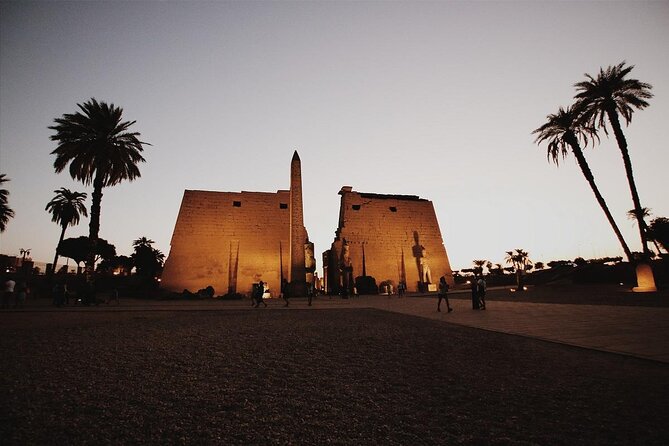
- Luxor Temple connections: You’ll hear how it ties to the avenue of sphinxes and earlier rulers.
- Private guide and vehicle: You get a calmer pace than you would on a large group bus.
Why this east–west Luxor route works
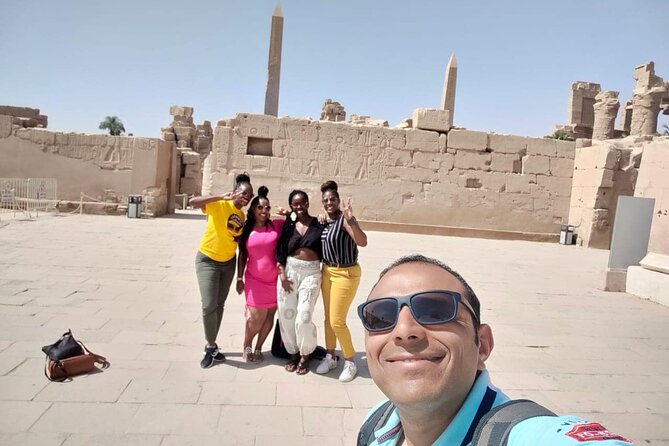
Luxor isn’t just one sight. It’s two halves that explain each other. The West Bank is where you go to understand burial, power, and the New Kingdom rulers’ obsession with the afterlife. The East Bank is where the living connect with the gods through temples and rituals that kept running for centuries.
What I like about this East and West Banks style of tour is that it prevents the usual “I saw a lot of buildings” problem. When you go in the right sequence—tombs first, then funerary architecture, then cult temples—you start to recognize patterns. You also get a cleaner mental map for what’s on each side of the Nile.
The private format matters too. You can ask questions as you walk, and you’re not stuck tuning out because of a packed schedule. When your time is limited, this kind of structure is one of the most efficient ways to feel oriented fast.
You can also read our reviews of more private tours in Luxor
Price and what your $35 really covers
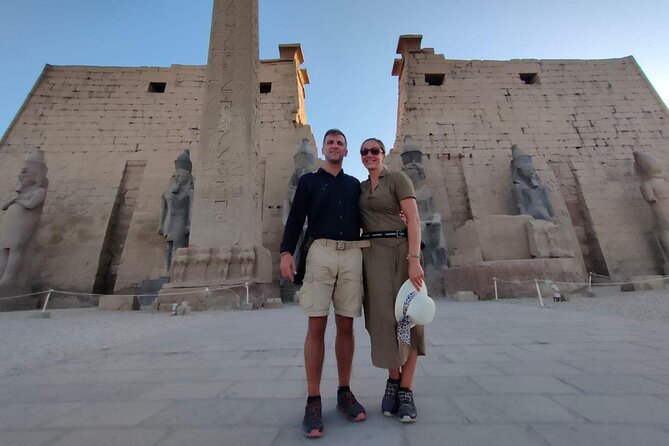
At $35 per person, this is priced like a true value day tour, not a premium “everything included” package. The big thing is that the tour price covers the human and the logistics: hotel pickup/drop-off, a private guide, an air-conditioned vehicle, bottled water, and all fees and taxes tied to the tour itself.
What it does not cover is the site admissions. The Valley of the Kings has an admission component, Karnak and Luxor Temple have admissions, and the additional tomb entries mentioned for certain tombs in the Valley of the Kings are extra. So your final cost depends on how many tomb options you choose once you’re there.
Also note the practical reality: tipping isn’t included. If you want to keep the day smooth, I’d set aside a budget for that before you go. In Luxor, small amounts paid directly to the people doing the work can matter more than you’d expect.
Pickup, timing, and how an 8-hour day feels in real life
This is an 8-hour private tour, so it’s long enough to feel complete, but not so long you’ll be walking until bedtime. You’ll have hotel pickup, then drive between the West Bank and East Bank sites with air-conditioning to knock the heat edge off.
A useful way to think about the pace: each major stop gets a block of time, but the day still moves. Plan to be outdoors for stretches, and plan to follow your guide’s lead on where to stand, where to enter, and how to keep moving. If you’ve ever tried to do Luxor solo, you know that “finding the right entrance and the right line” can eat hours.
One more timing note: one guide named in feedback handled a tight schedule when an arrival was later than planned. That’s the benefit of private guiding. If your day has to flex for a flight, you’ll usually get a more realistic plan than you would on a fixed group route.
Valley of the Kings: picking your tombs wisely
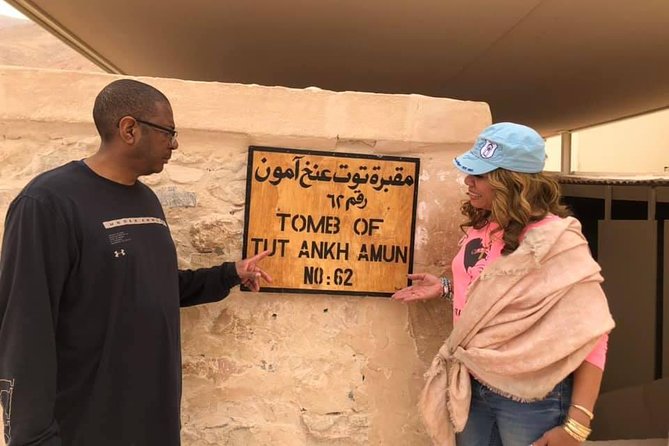
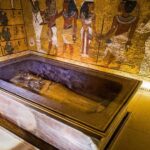
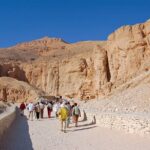
Your West Bank morning starts at the Valley of the Kings, where royal tombs were cut into the mountain for pharaohs of the New Kingdom era. The focus here is on major names, not random stops, and that helps you understand why people traveled here for centuries of storytelling.
You’ll spend about 2 hours at the Valley. Admission is not included in the tour price. With your guide, you’ll visit multiple tombs of famous kings, including Ramses IV, Merenptah, Ramses III, Siptah, Tausert, Sethnakht, and Tutmosis III.
Here’s the part that affects your wallet and your priorities: there’s an additional cost to enter the tombs of boy Pharaoh Tutankhamen and Ramses VI. If those names are your main reason for coming, consider budgeting for them. If you’re more interested in the broader picture of New Kingdom rule and royal burial design, you can often keep your spend under control by choosing the included tomb set only.
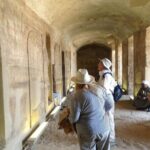
Practical tip: tomb interiors can feel cooler than the outside heat, but you still need sun protection and comfortable shoes. Even in a well-run tour, you’ll spend a chunk of the day moving between outdoor entrances, stairs, and corridors cut into rock.
Mortuary Temple of Hatshepsut: the female ruler angle that makes it click
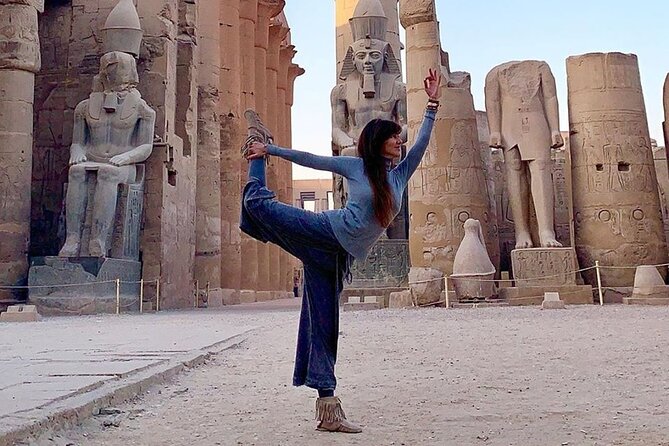
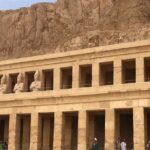
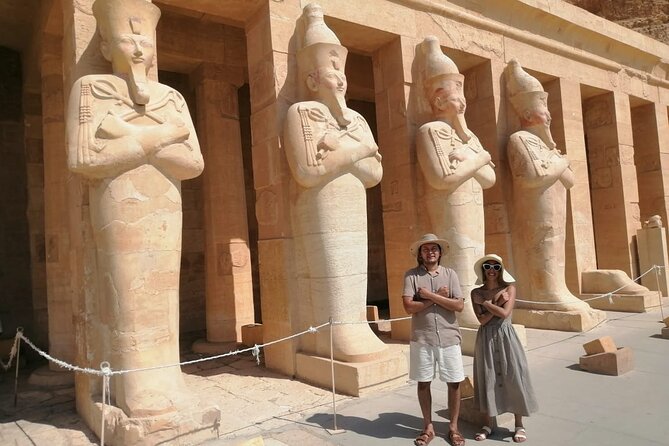
After the Valley, you shift from tombs to funerary architecture at the Mortuary Temple of Hatshepsut. This temple sits at the bottom of the al Qurna mountain cliff, which gives you instant drama when you first look up at the architecture carved into the rock face.
You’ll have about 1 hour here, and again admission isn’t included. The temple is tied to Hatshepsut, the famous female ruler who held power for around two decades and is often depicted as a male to legitimize her reign. When your guide points out the “why” behind the design choices, the temple stops being just impressive stone work and becomes political messaging.
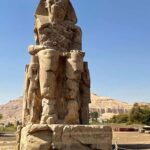
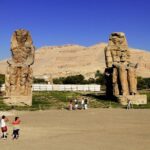
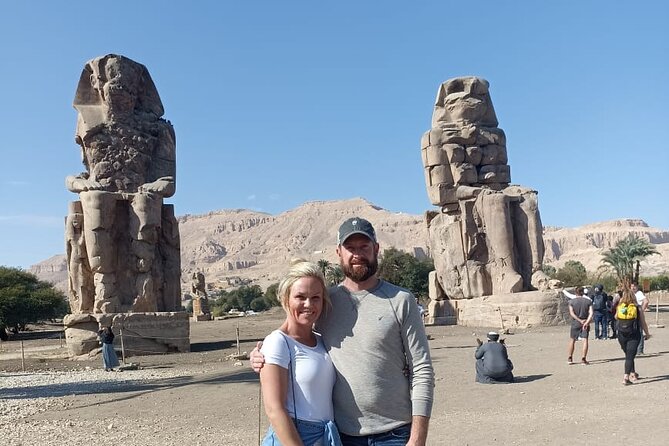
From here, there’s a brief photo stop at the Colossi of Memnon. These huge statues mark the entrance area associated with the funerary temple of Amenhotep III. It’s a short stop, but it’s a valuable one because it connects the story between rulers—how one reign builds onto the next.
Then you’ll take lunch at a local restaurant. That’s one of those small inclusions that saves you time and decision fatigue. Luxor can be busy, and lunch on your own can turn into “where do we go and how long will it take?” A guided meal slot keeps the day from drifting.


Karnak Temple: Amun, Mut, Khonsu, and how to read the chaos
Next up is Karnak Temple, often described as the greatest cult temple in history. You’ll have around 2 hours here, and admission is not included.
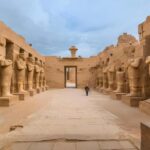
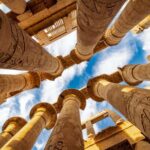
Karnak can overwhelm first-timers because it’s so big and so layered. The best way to make it work is to know what you’re looking for. This tour’s framing helps: Karnak is dedicated to the Theban triad—Amun (head), Mut (his wife), and Khonsu (their son).
When your guide ties symbols and directions back to that triad, you stop seeing random walls and start noticing a logic. You’re not just walking through ruins; you’re moving through a living religious system that was meant to keep functioning across long stretches of time.
Time management matters at Karnak. Since the day is private and you’re not wrestling a group, you can slow down for the details you care about. If you’re focused on photos, ask your guide where to stand for better angles without blocking others. If you just want understanding, ask what to prioritize so you don’t get stuck trying to “see everything.”
Luxor Temple: the avenue of sphinxes and rulers in the back row
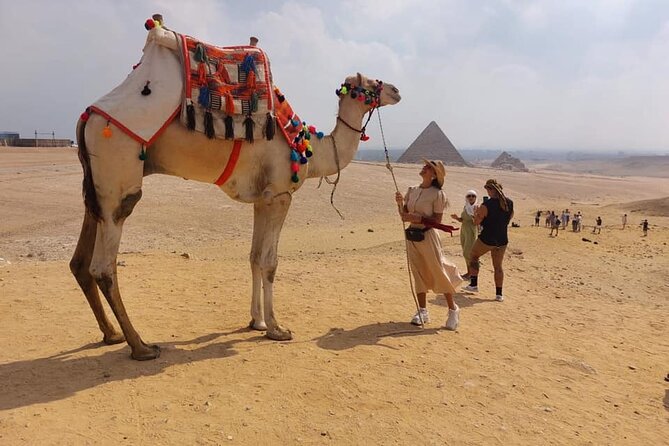
After Karnak, you’ll visit Luxor Temple on the East Bank, also with about 2 hours on site. Admission isn’t included here either.
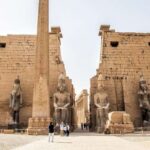
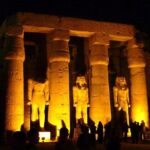
Luxor Temple is tied to the famous avenue of sphinxes that once connected it to Karnak. Even if you don’t walk the full length of the ancient processional way, knowing it existed changes how you read what you see. You start thinking in terms of movement and ceremonies, not just isolated buildings.
This stop also includes layers from different eras. The rear chapels connect to Amenhotep III of the 18th Dynasty and Alexander the Great, and other parts connect to later rulers including Tutankhamun and Rameses II. That range matters. It shows how Luxor’s sacred ground kept being reused and reinterpreted over time.
What I appreciate about finishing here is that it feels like a “home” ending. After the dramatic West Bank tombs and Hatshepsut’s funerary architecture, Luxor Temple gives you a sense of daily devotion and royal legitimacy expressed in temple space.
Shopping pressure to watch for (and how to handle it politely)
One practical reality in Luxor: you may pass places where selling is part of the day’s rhythm. Feedback from past guests points out that some store interactions can include pushy selling.
Here’s how I’d handle that with a private guide in the driver’s seat. Be clear, early, and calm: decide what you want to buy (if anything), set a budget in your head, and don’t feel you have to justify walking away. A good guide will understand that your goal is the monuments, not a detour.
If you want souvenirs, ask your guide to help you choose places that feel fair and time-efficient. If you don’t want shopping, it’s still okay to say so and keep your focus on the temples.
The guide makes the difference: Dina, Maret, Nermeen
With tours like this, the guide is the engine. The best experiences tend to share a few traits: good English, prepared explanations, and an ability to adapt when schedules shift.
In the names connected with this tour, I’ve seen a pattern. Dina is described as having long experience in the Luxor area and keeping families entertained while still teaching real history. Maret is praised for being kind, friendly, and passionate about Egyptian culture and civilization, not just reciting dates. Nermeen appears in accounts where she handled a late landing fast and helped prioritize what must not be missed.
You should take that as a buying signal for your expectations. When you book, look at the kind of guide you’re likely to get and what you want from the day: do you want story-driven explanations, quick photo pointers, or a pace that keeps children comfortable? A private guide can be tailored to you, as long as you speak up.
Who this tour suits best (and who might want a different plan)
This private East and West Bank day tour is a strong fit if you:
- have limited time in Luxor and want the main hits without stress
- want explanations that connect tombs and temples instead of disconnected photo stops
- like a plan that includes both West Bank burial sites and East Bank temple complexes
It may be less ideal if you:
- hate paying extra for admissions and optional tomb entries (Tutankhamen and Ramses VI are specifically mentioned as extra)
- want a slower day with fewer stops and more free time
Also think about your interests. If you’re laser-focused on one superstar tomb, you’ll want to plan your budget for those additional paid entries. If you care more about the big picture—how rulers were remembered and how temples were used—then the included Valley tomb set plus Hatshepsut and the two temple giants will likely feel satisfying.
Should you book this Luxor East and West Banks private day tour?
If you’re trying to build a first Luxor day that feels complete, I’d book this. The value is strong for the structure you get: private guide, air-conditioned transport, hotel pickup/drop-off, bottled water, and a logical sequence from Valley tombs to Hatshepsut to Karnak and Luxor Temple.
Before you confirm, do two quick things:
- Decide what you’ll do about extra tomb entries in the Valley of the Kings (especially Tutankhamen and Ramses VI if that’s your top interest).
- Bring extra cash for admissions, tipping, and any optional costs, since those are not covered in the $35 tour price.
If you match those priorities, you’ll leave with a clearer Luxor map in your head—and a day that links West Bank power to East Bank worship in a way that’s hard to do when you’re rushing alone.
FAQ
What does the tour price include?
The tour includes a private guide, all fees and taxes for the tour, hotel pickup and drop-off, bottled water, an air-conditioned vehicle, and a private tour experience.
Are admission tickets included for the temples and tombs?
No. Admission tickets for the Valley of the Kings, Mortuary Temple of Hatshepsut, Karnak Temple, and Luxor Temple are not included.
Which tombs will I visit in the Valley of the Kings?
You’ll visit tombs of Ramses IV, Merenptah, Ramses III, Siptah, Tausert, Sethnakht, and Tutmosis III. Tutankhamen and Ramses VI tombs are listed as additional cost options.
How long is the Luxor day tour?
It runs for about 8 hours.
Is hotel pickup and drop-off provided?
Yes, the tour includes pickup and drop-off from your hotel in Luxor.
Is this tour private or shared?
It’s a private tour. Only your group will participate.
What’s included for food and drinks?
Bottled water is included. Lunch is included at a local restaurant.
Do I need to tip?
Tipping is not included.
What if I need to cancel or the weather is poor?
Cancellation is free up to 24 hours in advance for a full refund. If it’s canceled due to poor weather, you’ll be offered a different date or a full refund. Changes within 24 hours aren’t accepted.