REVIEW · LUXOR
Full Day Tour to East and West Banks of Luxor
Book on Viator →Operated by Emo Tours Egypt · Bookable on Viator
Luxor’s East and West Banks in a single sweep. I like how this tour keeps things private while still covering the big-name sites: Valley of the Kings, Temple of Hatshepsut, Karnak, and Luxor Temple. I also like the time-saver factor—2-way transfers from your hotel or cruise ship mean you start fast and waste less energy figuring out logistics. The main trade-off is simple: it’s an 8-hour day with lots of walking, so plan for heat and pace yourself.
What makes the experience feel more personalized is that you’re in your own group with an air-conditioned vehicle and bottled water. You can also upgrade to include a licensed guide plus entry fees (and even lunch), which can turn a rushed monument run into a story you actually follow.
One more thing to consider: the tour can include a stop at a local shop/factory (like alabaster), and those add-ons can feel awkward if you’d rather keep the day strictly sightseeing.
In This Review
- Key things to know before you go
- Private Transfers From Your Hotel or Cruise Ship
- Valley of the Kings: Tombs, Legends, and the Tutankhamun Add-On
- Deir el-Bahari and Hatshepsut: Why This Temple Still Feels Surprising
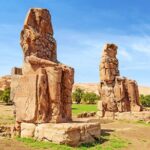
- Colossi of Memnon: Amenhotep III’s Giant Remains
- Luxor Temple: New Kingdom Power on the East Bank
- Karnak Temple: The Massive Worship Complex That Teaches You to Look
- Price and Value: What You Pay for at $15, and What Upgrades Actually Solve
- Heat, Timing, and Walking: How to Keep the Day From Zapping Your Energy
- Shopping Stops: How to Keep Sightseeing the Priority
- Who Should Book This One-Day East and West Banks Tour?
- Should You Book This East-and-West Luxor Day Trip?
- FAQ
- What’s included in the basic tour price?
- How long is the full day tour?
- Are entry fees included?
- Can I add a licensed guide and lunch?
- Do you get pickup from a hotel or cruise ship?
- Is this tour private, or will I join other groups?
- What’s the cancellation policy?
- Is the tour suitable for most travelers?
Key things to know before you go
- Private transfers from your hotel or cruise ship with a modern A/C vehicle
- Valley of the Kings visit includes the option to add the Tutankhamun tomb
- Hatshepsut at Deir el-Bahari and Colossi of Memnon give you a dramatic West Bank contrast
- Karnak + Luxor Temple on the East Bank means you see both “scale” and “sanctuary”
- Upgrade choices (guide, prepaid entries, lunch) can help you avoid lines and decision fatigue
- Shopping stops may happen, so decide in advance how firm you want to be
Private Transfers From Your Hotel or Cruise Ship

This is the part I always appreciate first in Luxor: you’re picked up and dropped off from where you’re actually staying. Instead of meeting points, crowded shuttles, or last-minute confusion, you head into your own private ride—described as a latest-model, air-conditioned vehicle—with bottled water included.
It also matters that this is a private tour/activity, meaning it’s only your group. That changes how the day feels. If you need an extra minute for photos, a bathroom break, or simply to catch your breath, you don’t lose time negotiating with strangers.
You also get a mobile ticket. That’s useful in practice when you want smoother entry windows and fewer paper-print headaches. In a long day like this, those small frictions add up.
A few more Luxor tours and experiences worth a look
Valley of the Kings: Tombs, Legends, and the Tutankhamun Add-On
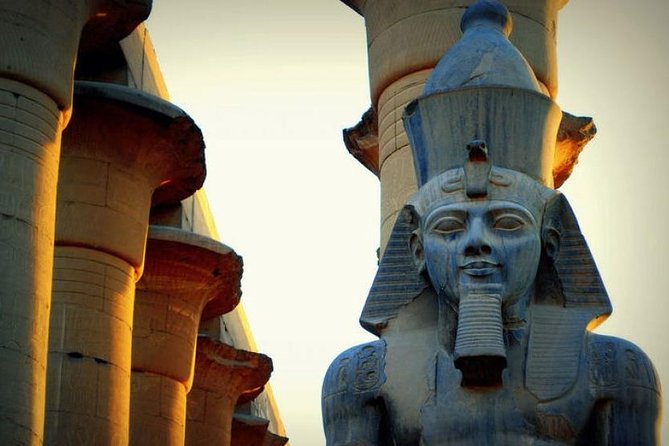
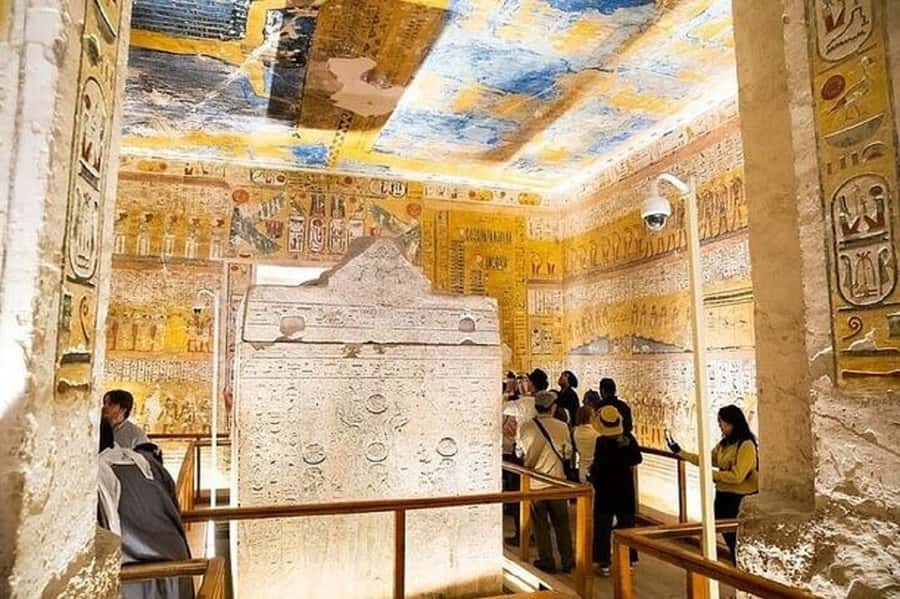
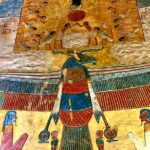
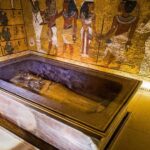
The West Bank starts strong at the Valley of the Kings. This place is famous for a reason: it’s a burial landscape carved into the mountains, filled with dozens of royal tombs. The tour calls out major names—Tutmosis I and III, Tut-Ankh-Amon (Tutankhamun), Ramssess VI, Merenptah, and Amonhotep II—so you’re not just walking in the dark through random chambers. You’re walking through a curated list of royal legacy.
The time here is about 2 hours, and entry for specific tombs depends on the option you choose. If you want the Tutankhamun tomb, you’ll need to add that admission. Even if you skip it, the Valley itself still hits hard. It’s architecture and rock-cut artistry, built for eternity, and you’ll feel why people come from everywhere.
A practical tip: if you’re choosing between buying tickets at the site versus handling prepaid entries (via the upgraded options), I’d lean toward prepaid entry fees for your top priorities. The Valley can get busy, and saving time helps you protect your energy later for Hatshepsut, Luxor Temple, and Karnak.
Deir el-Bahari and Hatshepsut: Why This Temple Still Feels Surprising
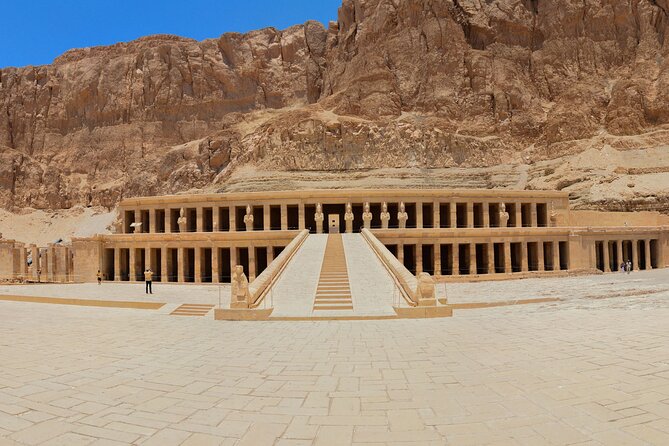
Next comes Temple of Hatshepsut at Deir el-Bahari. This is one of those monuments where the setting is part of the experience. Terraces rise and fall across the landscape, and the temple feels composed and deliberate rather than just “ancient ruins.”
This stop is about 1 hour. It’s also a reminder that Egypt wasn’t just pharaohs you’ve heard of from schoolbooks. Hatshepsut is described as the only female pharaoh and ruled during the 18th Dynasty. That context helps the carvings and layout click into meaning rather than looking like decorative stonework.
The value here is that the East and West Banks show different kinds of power. The Valley of the Kings feels like hidden ambition in stone. Deir el-Bahari feels like visibility and statement-making—built to be seen.
Ticket is not included unless you choose the upgrade with entries. If you’re trying to keep your day smooth, bundle your entries so you aren’t mentally juggling cash, lines, and ticket offices while you’re in the middle of the most intense sightseeing block.
Colossi of Memnon: Amenhotep III’s Giant Remains

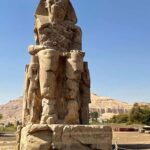
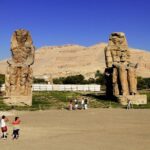
The Colossi of Memnon are the twin towering statues of Amenhotep III. This stop is about 1 hour, and it’s a good breather in the schedule because it’s less about deep tomb interiors and more about encountering scale.
These statues are the remaining parts of Amenhotep III’s mortuary temple. Even in their broken state, they give you a quick lesson in how massive royal projects were. You’ll also likely end up taking more photos here than you expect—because the proportions are that striking, even when they’re only remnants.
One realistic consideration: since this is a short stop compared to Karnak or the Valley, it can feel like you blink and you’re moving on. If you’re the type who wants to linger, I’d ask your guide for the best angle/time for photos and stick to a quick plan: a wide shot, a close look at details, then move on.
Luxor Temple: New Kingdom Power on the East Bank

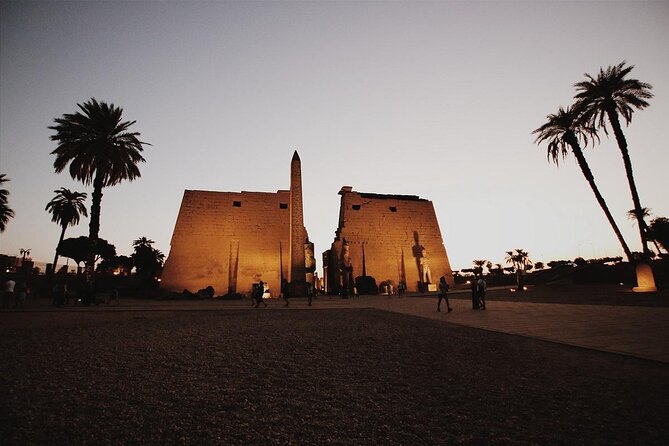
After crossing to the East Bank, Luxor Temple is your next major hit. The tour frames it as a New Kingdom project built by Amenhotep III and completed by Ramses II, which gives the complex an extra layer. You’re not just looking at one reign—you’re seeing how later rulers kept using, extending, and reworking sacred spaces.
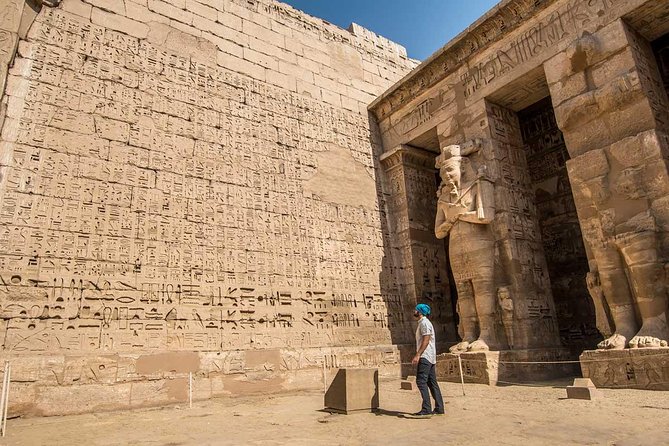
This stop is about 2 hours. Luxor Temple can feel more “human scale” than Karnak, but don’t underestimate it. You’ll still cover ground, and there’s plenty to notice in the layout—pillars, courtyards, and monumental inscriptions that connect the temple’s purpose to the city’s religious rhythm.
The practical win of doing Luxor Temple before Karnak is pacing. Karnak is big enough to swallow your attention. Luxor Temple gives you momentum and understanding first, so Karnak becomes easier to read instead of just feeling like more columns.
Entry fees are not included in the base package unless you select an upgrade. If you’re hoping for a low-stress day, the “prepaid entries” style option can be worth it just to keep the day moving without last-minute ticket decisions.



Karnak Temple: The Massive Worship Complex That Teaches You to Look
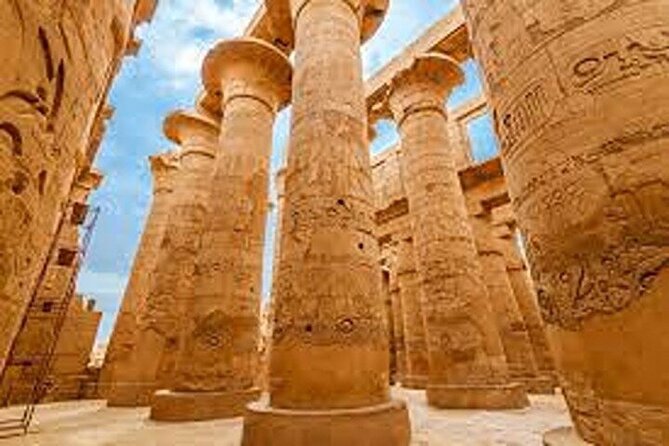
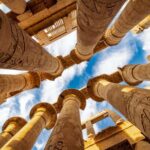
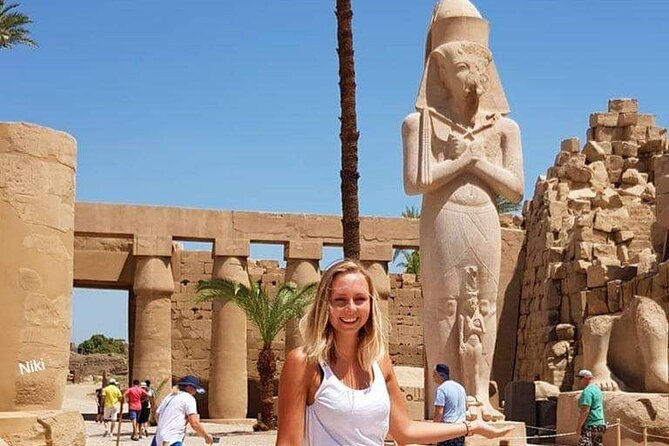
Karnak Temple is the big one. The tour describes it as a major worship complex dedicated to Amon, along with Mut and Khonsu. This matters because Karnak isn’t only impressive because it’s large. It’s impressive because it’s organized around religious function across time.
This stop is about 2 hours, which sounds like enough—until you’re standing there and realizing how much stone and symbolism exists in front of you. A guide can make a big difference here, especially if your aim is understanding what you’re seeing rather than just checking off a list.
English-speaking guides highlighted in past experiences include Salwa, Tuqa Yasser, Mahmoud, Mohamed Hashem, Sam, and Mustafa. Even without naming names as you walk, the pattern is consistent: strong guides help you notice what to look for and how the pieces connect.
My advice for Karnak: don’t try to “finish everything.” Pick a few key areas, learn their story, then give yourself permission to move on. That’s how you enjoy it instead of feeling like you’re being dragged through a museum marathon.
Price and Value: What You Pay for at $15, and What Upgrades Actually Solve
The advertised price is about $15 per person, and that low entry cost is for the essentials: private air-conditioned transfers, bottled water, and pickup/drop-off. That means the base price is mostly about the transport and the private structure.
Where the value becomes real is in the upgrade options. You can add:
- a licensed guide
- entry fees
- lunch (if you want it packaged into the day)
If you’re someone who wants context—who likes to understand why these temples look the way they do—then a guide is usually the difference between seeing monuments and getting them. If you’re mostly there for the visuals, prepaid entry fees can still save you time and decision fatigue, especially at the Valley of the Kings where lines can be an issue.
Lunch is optional, and it’s worth thinking about your travel style. A sit-down break can help you survive the heat and keep your mood steady for Karnak. On the other hand, if you’d rather control your food timing, you can skip the included lunch option and plan your own stop. Either way, build in hydration and a small snack buffer.
Heat, Timing, and Walking: How to Keep the Day From Zapping Your Energy
This is a long day for Luxor. The schedule runs about 8 hours, with multiple major sites and significant walking. One experience noted very hot conditions around 41C, which can drain you fast even if the monuments are stunning.
Here’s how to protect your energy:
- Start early if you can. I’d push for an early pickup; Luxor heat doesn’t negotiate.
- Wear shoes that can handle uneven stone. You’ll be on pathways and steps more than once.
- Use the included bottled water early, not as a last resort.
You may also have restroom breaks during the transfer rhythm. That’s not just comfort—it helps you keep moving instead of pausing at the wrong moment.
If you’re worried you’ll rush through everything, consider this truth: doing East and West Banks in one day is efficient, but it can feel intense. If you have enough time in Luxor, splitting into two days can make each site less stressful. If your schedule won’t allow it, this tour is still a very solid “get it done” framework—just go in with a calm pace.
Shopping Stops: How to Keep Sightseeing the Priority
One caution I’ll give up front: this kind of Luxor day tour can include a shopping stop—often mentioned as an alabaster factory—and sometimes guides also take you past other local purveyors.
Sometimes these stops are quick and interesting. Other times they feel like they’re eating time you’d rather spend inside monuments. I’d handle it like this:
- Decide in your head before pickup whether you want shopping stops at all.
- If you don’t, be clear and firm with your guide early.
- If you do want it, treat it as a short cultural detour—not a requirement to buy.
This is where the best guides shine: they can explain what you’re seeing without making you feel pushed. A few past experiences even mention that guides were flexible—so it’s not hopeless. But don’t assume your whole day will automatically stay monument-only.
Who Should Book This One-Day East and West Banks Tour?
This tour fits best if:
- you want to see the West Bank and East Bank highlights without planning
- you have limited time in Luxor (including cruise stops)
- you like guided context, especially for Karnak and the story of Hatshepsut
- you want private comfort with hotel/cruise transfers
It might not be the best fit if:
- you want a slow, lingering pace at each site
- you dislike shopping stops unless they’re clearly optional
- you’re sensitive to heat and long walking days
If you’re traveling as a couple, small family, or a group of friends, the private structure is a big win. You’ll also likely appreciate the sense of order: you’re not coordinating between sites, tickets, and transport while you’re already tired.
Should You Book This East-and-West Luxor Day Trip?
Yes, I’d book it if your priority is hitting Luxor’s greatest hits with private transfers and a flexible upgrade path. The base price is low enough that it feels accessible, and the optional guide/entry bundle is exactly what you’d want if you care about understanding what you’re seeing.
I’d also book it if you’re the kind of traveler who likes structure: a clear route from the Valley of the Kings to Deir el-Bahari and Colossi of Memnon, then over to Luxor Temple and Karnak. That flow helps the day feel coherent, not random.
My one “hold on” recommendation: if you hate shopping stops or you’re worried about the heat, plan your pace and your boundaries before the day starts. If you do that, this is a strong way to experience East and West Banks in one efficient Luxor day.
FAQ
What’s included in the basic tour price?
The basic package includes all transfers by private air-conditioned vehicle, hotel pickup and drop-off, bottled water, and a private tour.
How long is the full day tour?
The duration is listed as about 8 hours.
Are entry fees included?
No. Entry fees are not included and depend on which option you select.
Can I add a licensed guide and lunch?
Yes. You can upgrade to include a licensed guide, and you can also upgrade to include lunch (both depend on the option you choose).
Do you get pickup from a hotel or cruise ship?
Yes. Pickup is offered with transfers direct from your hotel or cruise ship.
Is this tour private, or will I join other groups?
It’s a private tour/activity. Only your group participates.
What’s the cancellation policy?
Free cancellation is available if you cancel up to 24 hours in advance of the experience start time for a full refund.
Is the tour suitable for most travelers?
The info says most travelers can participate, but it is still a big walking day, so comfortable shoes and heat planning matter.