REVIEW · CAIRO
Tour Giza pyramids,Sphinx,Sakkara Pyramid,Memphis& Pyramid Inside
Book on Viator →Operated by Hesham Egypt tour guide · Bookable on Viator
Eight hours, and ancient Egypt packs in. This is a one-day pyramid sprint that links Giza with Saqqara and the Memphis area, guided by an Egyptologist in an air-conditioned private car with hotel pickup. I like that it keeps the momentum so you’re not just stuck at one famous site.
I especially like the chance to go inside the Great Pyramid of Khufu—short, steep, and very much a real-world workout, but unforgettable once you’re there. The only drawback to plan for: the day can include optional extras (like lunch or shopping), and there’s a lesson here—ask what’s included and question any added costs you’re pressured into paying on the spot.
In This Review
- Key things to know before you go
- How this 8-hour route keeps Cairo traffic from stealing your day
- Giza Plateau: Khufu, Khafre, Menkaure, and the nine-pyramid viewpoint
- Inside Khufu: why the Great Pyramid feels different when you’re in it
- The Sphinx moments: Giza’s iconic face and Memphis’s alabaster look
- Memphis area: Men-nefer ruins and the capital context you’ll actually remember
- Saqqara: from pyramid fields to Teti and the Step Pyramid of Djoser
- Dashur and Sneferu’s Red Pyramid area: why it belongs on a pyramid day
- Tickets, costs, and the real value of a $19 day
- Photo tips and pacing: how to enjoy the day instead of surviving it
- Is a private Egyptologist day worth it for you?
- Should you book this Giza, Sphinx, Saqqara, Memphis & Dashur day?
- FAQ
- What does the tour include?
- How long is the experience?
- Do I need to pay admission tickets?
- Will I get a mobile ticket?
- Are pickups available from all parts of Cairo?
- What if I need to cancel?
Key things to know before you go
- It’s a true “big sites” day: Giza pyramids plus Sphinx, then Saqqara, plus Memphis/Alabaster Sphinx, and Dashur (Sneferu’s Red Pyramid area is part of the concept).
- Private for your group, hotel-to-hotel: round-trip transfers and an air-conditioned private vehicle make the long day feel manageable.
- Your guide is the difference-maker: an Egyptologist-style explanation turns stone monuments into a story you can follow.
- Some stops are marked free; others aren’t included: double-check what you’ll pay for on the day so you’re not surprised.
- There’s room for lunch and shopping: if you want local flavor (or a bazaar browse), the schedule allows for it.
- Mobile ticket is part of the setup: easier entry than digging for paper tickets.
How this 8-hour route keeps Cairo traffic from stealing your day
This tour is built for visitors who want the “greatest hits” without spending multiple days in transit. You start with pickup from your Cairo or Giza hotel, then ride in a private, air-conditioned car. That matters in Cairo, where time gets chewed up fast if you’re trying to piece things together on your own.
The day is laid out around major necropolises and capitals—so you’ll be moving from the Giza plateau world of pharaohs to the Saqqara burial grounds tied to Memphis, then onward to the Dashur region associated with Sneferu. You’re not just seeing pyramids as scenery. You’re getting a timeline feeling for how Egyptian royal funerary building evolved.
One practical note: the timing is tight enough that you’ll want comfortable walking shoes and a calm mindset. Even when each stop is “only” 20 to 45 minutes, the actual time adds up quickly once you factor in moving, photo stops, and entry.
You can also read our reviews of more tours and experiences in Cairo.


Giza Plateau: Khufu, Khafre, Menkaure, and the nine-pyramid viewpoint
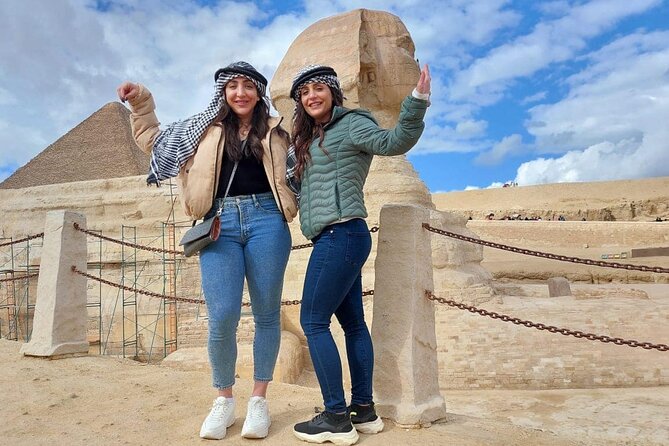
Giza is the headline, and you’ll do it properly. You’ll visit the three main pyramids of the Giza plateau: Khufu’s Great Pyramid, Khafre’s pyramid, and Menkaure’s pyramid. This is the classic lineup people dream about—and seeing them in one organized day is the shortcut to understanding why they mattered.
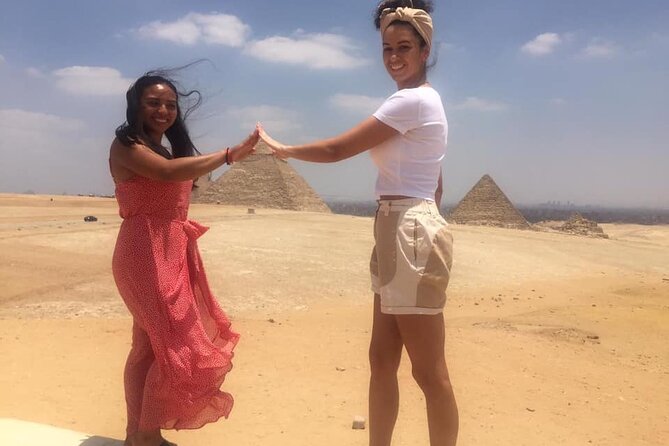
A smart moment in the plan is the panoramic viewpoint. Instead of only looking at one pyramid at a time, you get a view where all nine pyramids of Giza can line up against the desert horizon. That view helps you understand the scale and spacing of the whole royal complex, not just the biggest star.
For the specific stops:
- Great Pyramid of Khufu is designed to be the star. You’ll spend a longer stretch at the site and have a chance to go inside (the highlight for many people).
- Pyramid of Khafre is a shorter stop. Still, it’s worth it because Khafre’s pyramid and its placement help you compare the “look” and construction choices across the three.
- Pyramid of Menkaure is the smallest of the main three. That makes it quick, but it’s also a good palate cleanser after the dramatic scale of Khufu and Khafre.
Admission details can vary by stop. On your schedule, the Great Pyramid of Khufu is listed as free, while other pyramid entries are marked as admission ticket not included. The safest approach: treat tickets as “check before you arrive” items, even if parts of the plan say free.
Inside Khufu: why the Great Pyramid feels different when you’re in it
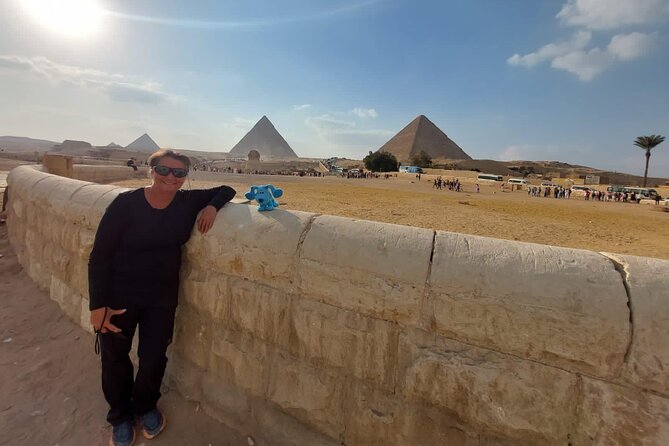
If you can go into the Great Pyramid, take the option. The best part of this tour isn’t just seeing the pyramid from outside. It’s the moment you enter and realize how small your modern expectations can be compared to what builders created thousands of years ago.
The experience inside is physical. It’s not a casual stroll. Many visitors describe it as a workout, and that matches the reality of tight corridors and steep passages. Bring water sense with you (not a heavy bottle situation—just don’t walk in overly dehydrated).
There’s another subtle benefit: being inside shifts your brain from “wow, big pyramid” to “this was engineered for a reason.” Even with an on-the-go visit, the guide’s explanations help you connect the interior experience to the broader context of royal burial and Fourth Dynasty rule.
If you want good photos, aim for a steady rhythm: look first, then shoot. In Egypt, it’s easy to rush because the sites are crowded and everyone wants the same angle. You’ll enjoy the pyramid more if you slow down for 60 seconds at the most meaningful spots.
The Sphinx moments: Giza’s iconic face and Memphis’s alabaster look
The tour gives you Sphinx in two different flavors—useful if you like comparing symbolism and setting.
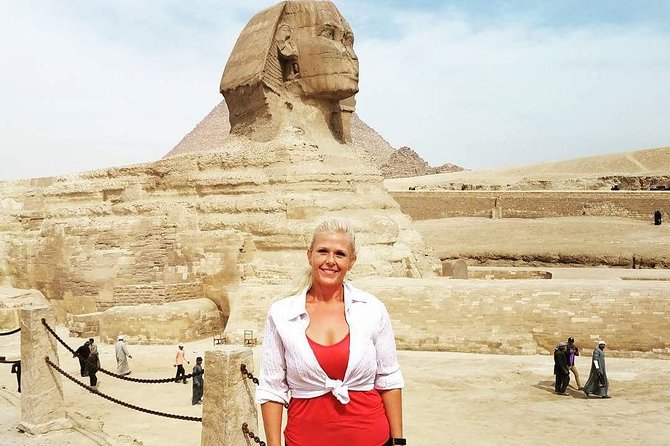
At Giza, you’ll see the Great Sphinx area. The Sphinx is presented as a mythical creature with a human head and lion body in ancient tradition descriptions (Greek accounts also describe variations). Even if your background is light, the guide’s framing helps you understand why it became such a powerful image for Egypt.
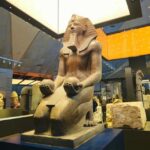
Then later, you’ll head to the Alabaster Sphinx of Memphis, also called the Sphinx of Memphis. This one is tied to the ruins near Mit Rahina, about 20 km south of Giza. The carving is believed to date roughly between 1700 and 1400 BC, which places it in the 18th Dynasty window—plus the tour notes that no inscriptions survive to pin down exactly which pharaoh it honors. Some interpretations connect facial features to figures like Hatshepsut or Amenhotep II.
Why I like this second Sphinx stop: it changes your perspective. At Giza, it’s the famous landmark. At Memphis, it feels more like a piece of a larger story—stone that has survived empire shifts and still sparks debate among historians.
Short Sphinx stops can feel quick, so make your takeaway practical: use the time to learn what the Sphinx represents, not just to take one photo and move on.
Memphis area: Men-nefer ruins and the capital context you’ll actually remember
One stop focuses on Memphis, or Men-nefer, the ancient capital known as the first nome of Lower Egypt. You’ll visit ruins located near Mit Rahina (Greater Cairo), and the guide ties this area to the wider story of Egyptian civilization beyond the plateau pyramids.
This matters because people often treat Egypt’s monuments as separate “attractions.” Memphis helps you connect them. It’s a reminder that the pyramids weren’t only isolated building projects; they sat inside political and cultural systems.
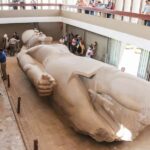
The tour also includes a practical stop at the Memphis/Alabaster Sphinx area. Even if your time inside the ruins is brief, the guide’s explanation helps you understand why this site belongs on a pyramid-and-necropolis day.

Saqqara: from pyramid fields to Teti and the Step Pyramid of Djoser
Saqqara is where the day shifts from the big Giza statement into a burial ground with layers of royal planning. The tour includes Saqqara itself, plus stops connected to the Pyramid of Teti and the Step Pyramid of Djoser.
You’ll see Saqqara described as the necropolis for Memphis. That’s a key mental link: Memphis (capital) and Saqqara (royal burial) function as paired ideas. If you remember only one thing from the Saqqara portion, make it this—royal power needed a permanent “afterlife address,” and Saqqara was one of the places where Egypt built that identity.
Next:
- Pyramid of Teti: listed as a smooth-sided pyramid and notable for being the second known pyramid containing pyramid texts. The tour includes a short stop, but the pyramid texts angle is the kind of detail that turns stone into a readable concept.
- Step Pyramid of Djoser: the earliest colossal stone building in Egypt in this tour’s framing. It’s a 6-tier, 4-sided structure built in the Third Dynasty for Pharaoh Djoser.
That Step Pyramid stop is a standout for many people because it’s not just “more pyramid.” It’s a clear early step toward the later pyramid forms you saw at Giza. Even with limited time, you’ll likely feel the difference between experimental beginnings and perfected royal geometry.
Admission varies by stop on your schedule. The Step Pyramid of Djoser is listed as admission ticket not included, so budget for that possibility and keep your confirmation details close.
Dashur and Sneferu’s Red Pyramid area: why it belongs on a pyramid day
The tour concept includes the Dashur necropolis, associated with Sneferu’s Red Pyramid. That’s a big deal historically because Dashur is often linked with earlier stages of pyramid building evolution.
In a single day, Dashur can be a “time window” stop—meaning you might not get long roaming like you would on a slower itinerary. Still, even a shorter visit can be worth it if you care about seeing how pyramid building matured beyond the famous Giza plateau.
If Dashur is part of your final schedule, treat it like this: use it to answer a simple question. How did Egypt’s builders experiment, change, and then refine? That question makes every stone block more meaningful.
Tickets, costs, and the real value of a $19 day
At $19 per person, the headline value is the structure: hotel pickup and drop-off, a private air-conditioned vehicle, a private setup for your group, bottled water, and included taxes and fees. That’s a lot of the stuff that usually costs extra when you book day tours separately.
The main cost risk isn’t the base price—it’s entry tickets and any optional add-ons. Your schedule shows a mix: some stops are marked free, while many pyramids and at least parts of the Saqqara area are marked as admission ticket not included. So you should plan for potential paid entries depending on your exact confirmations.
Also watch for the optional layer. The tour allows stops for lunch and/or shopping at a local bazaar. Those are genuine cultural choices. Just keep control of your spending:
- Ask what you’ll pay before you buy.
- If you’re asked to cover extra charges, clarify what they’re for and how much.
One more practical thing: the tour offers a mobile ticket. That’s generally smoother than paper, but it also means you should keep your phone charged and ready.
Photo tips and pacing: how to enjoy the day instead of surviving it
This tour is packed. That doesn’t have to mean rushed. You can make it enjoyable with two tactics.
First, decide your priorities in advance:
- If your priority is the Great Pyramid interior, plan to treat the Giza segment as your “main event.”
- If your priority is learning and comparing, slow down at Sphinx and Saqqara so the guide’s explanations land.
Second, build in micro-pauses. Even a 30-second pause at a viewpoint changes how you remember a site later. In Egypt, you’ll get the best photos when you’re calm, not when you’re sprinting.
One review detail that matches this idea: guide Bishoy was praised for taking people to a good picture spot. That’s the kind of on-the-ground judgment that helps you get better photos without wasting time wandering.
Is a private Egyptologist day worth it for you?
This experience fits best if you want:
- A full day centered on Giza + Saqqara + Memphis context, without the hassle of driving and planning.
- An Egyptologist-guided explanation to make the sites coherent, not just a checklist.
- Comfort upgrades like an air-conditioned car and hotel pickup.
It might not be the best match if you hate structured schedules. With about 8 hours and multiple stops, you’ll be moving through sites in short bursts.
It can work well for:
- First-time visitors to Cairo who want the core monuments.
- Couples and small groups who like private logistics.
- Travelers who want to compare pyramid styles across different complexes in one day.
Should you book this Giza, Sphinx, Saqqara, Memphis & Dashur day?
Yes, if your goal is to hit the big pyramid targets in one clean, guided day with hotel pickup and a private setup. The value is strong at $19 when you factor in transfers, vehicle, bottled water, and an Egyptologist-style narrative.
Book with eyes open about entries and optional costs. Double-check what’s included versus admission ticket not included on your final confirmation, and keep a short list of questions ready when you meet your guide.
If you want, I can also help you plan what to prioritize based on your interests—interiors, photography, or the story of how pyramid building evolved.
FAQ
What does the tour include?
The tour includes hotel pickup and drop-off, a private tour for your group, an air-conditioned vehicle, bottled water, and taxes, fees, and handling charges.
How long is the experience?
It runs about 8 hours (approx.).
Do I need to pay admission tickets?
Some stops are marked as admission ticket not included, while the Great Pyramid of Khufu is marked as admission ticket free and other listed stops (like the Great Sphinx and Saqqara) are marked free. Check your confirmation for the exact entry situation on your day.
Will I get a mobile ticket?
Yes, the tour lists a mobile ticket option.
Are pickups available from all parts of Cairo?
Pickup is included from your Cairo/Giza hotel. The tour notes an additional $30 charge for airports and hotels within NASR City, 6th Oct City, and New Settlement area.
What if I need to cancel?
You can cancel for free up to 24 hours in advance for a full refund. If you cancel less than 24 hours before the start time, the amount paid is not refunded.