REVIEW · CAIRO
4 days in Cairo Giza Luxor and Alexandria
Book on Viator →Operated by Tree of Life Day Tours · Bookable on Viator
You get a world-class Egypt overview with zero guesswork. This four-day plan strings together Giza, Luxor, Cairo highlights, and the seaside romance of Alexandria. It’s a fast route, but it’s also smart: hotel pickup, an Egyptologist guide, domestic flights, and ticketed stops.
What I like most is how the itinerary stays focused on the big “must-sees” while still giving you variety. The guide work matters here, from the way guides like Mohamed Goda handle details (including birthday moments for guests) to how guides like Ibrahim and Manar keep the pace workable for a packed schedule.
One thing to consider before you commit: key interiors cost extra. The tour includes many admissions, but not things like the interior of the Giza pyramids, Solar Boat museum, the Royal Mummy Room, or the Tomb of Tut.
In This Review
- Key takeaways before you go
- Cairo, Luxor, and Alexandria in 4 days without the usual drag
- Giza pyramids plus Saqqara and Dahshur: a first day that makes the rest click
- Karnak, Luxor Temple, Valley of the Kings, and Hatshepsut on Day 2
- Cairo’s Citadel, Coptic Cairo, and Khan el-Khalili in a single sweep
- Day 4 Alexandria: Kom el Shoqafa, Pompey’s Pillar, and Fort Qaitbay
- Food, rides, and tickets: what you’re paying for versus what’s extra
- Guides and pacing: when the group feels well-managed
- Price and value: is $1,094.16 a smart deal for this route?
- Practical tips so the schedule feels enjoyable
- Should you book this Cairo, Giza, Luxor, and Alexandria tour?
- FAQ
- What time does the tour start?
- Are pickup and drop-off included?
- Is this a private tour?
- What’s included in the tour price?
- What entrance fees are not included?
- Is there a vegetarian option?
- Is the tour suitable for kids and for what fitness level?
Key takeaways before you go
- Egyptologist-guided days that connect sites from Old Kingdom to New Kingdom to later Egyptian eras
- Domestic flights included (Cairo–Luxor and back) so you’re not stuck in endless road time
- Nile views built in, including a 1-hour felucca ride plus a 30-minute camel ride
- Four lunches included, with vegetarian option available if you ask ahead
- A huge range of tombs, temples, and neighborhoods from Valley of the Kings to Khan el-Khalili and Coptic Cairo
Cairo, Luxor, and Alexandria in 4 days without the usual drag
This tour is designed for people who want the highlights and don’t want to “waste” a vacation day traveling between cities. Instead of doing Cairo to Luxor by road (slow and tiring), you fly Cairo–Luxor and Luxor–Cairo. That alone is a big reason the schedule feels full but not totally reckless.
You’ll also get hotel pickup and drop-off, which is huge in a city like Cairo where traffic and distance can turn a simple outing into a half-day project. The start time is 8:00am, so plan to be showered, dressed, and ready before your coffee fully kicks in.
The tour is described as private, meaning only your group participates. That matters because guides can adjust timing and photo stops when there aren’t constant new people joining and leaving.
A few more Cairo tours and experiences worth a look


Giza pyramids plus Saqqara and Dahshur: a first day that makes the rest click
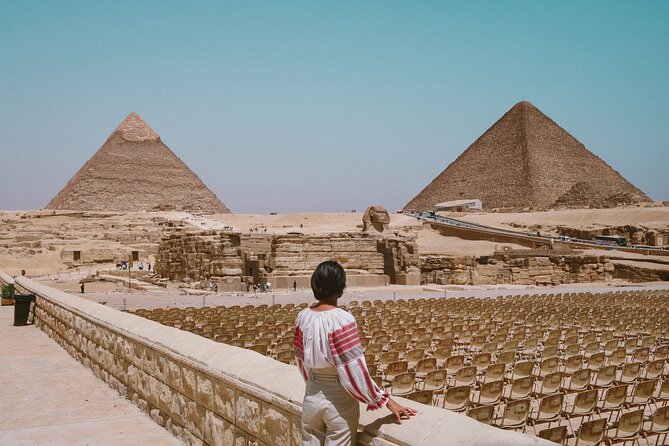
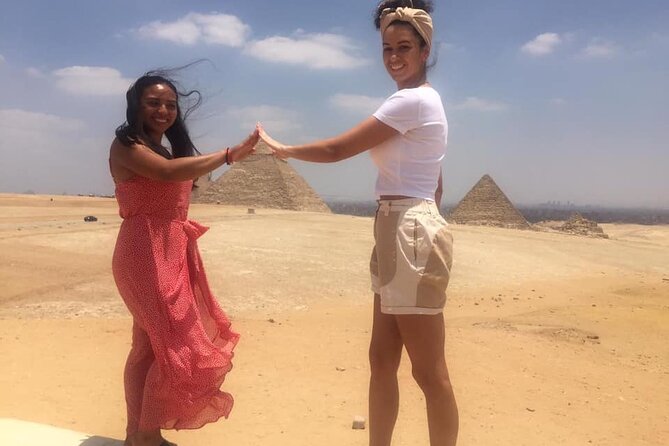
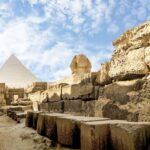
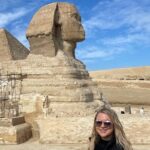
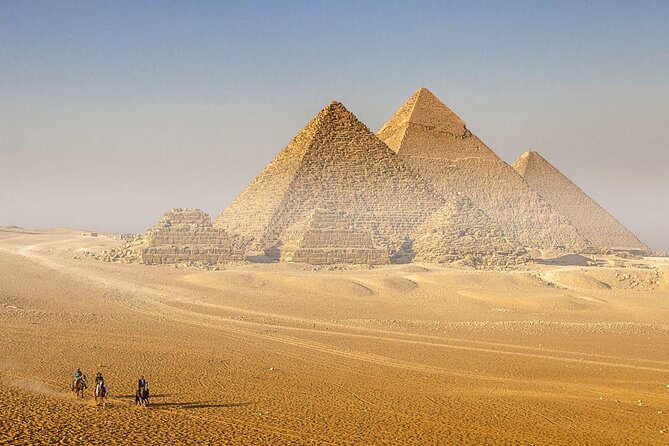
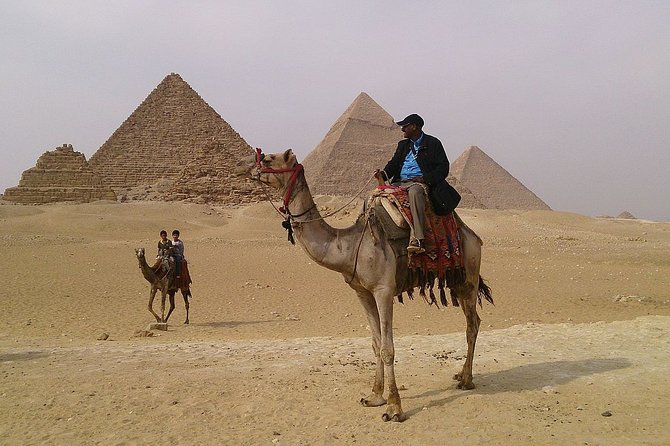
Your first day is all about seeing Egypt’s “big shapes” in multiple moods. You start at the Pyramids of Giza—Cheops, Chephren, and Mycerinus—plus the Sphinx. It’s the iconic lineup, but what makes it worth your time is how you can stand in one spot and visually compare scale and style.
A practical note: the tour includes admission tickets for this day, but some of the most tempting add-ons—like the interior of the pyramids—are not included. If going inside is a top priority for you, budget extra now instead of hoping it works out later.
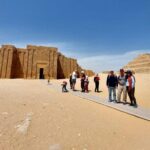
You then shift from Giza to Saqqara, home to the Step Pyramid complex. The tone here changes fast: you go from the famous pyramids everyone recognizes to the earlier step-style thinking that helped shape royal burial architecture. You’ll also see the Pyramid of Teti area and a nobleman’s tomb, which gives a more human scale to the story of ancient elites.
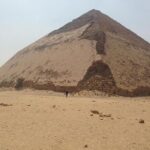
Next comes Dahshour for the Bent Pyramid and the Red Pyramid. It’s a great choice for first-time visitors because it shows how royal engineering evolved—and sometimes stumbled—over time. The drive between sites can feel long, but breaking Giza’s intensity into three distinct zones keeps the day from turning into one long pyramid blur.
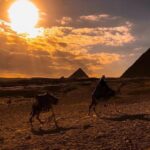
Bonus moment: a 30-minute camel ride is included. It’s short enough that it’s usually tolerable, but it’s also long enough to feel like a real “I’m here” experience rather than a quick photo scam.
Karnak, Luxor Temple, Valley of the Kings, and Hatshepsut on Day 2
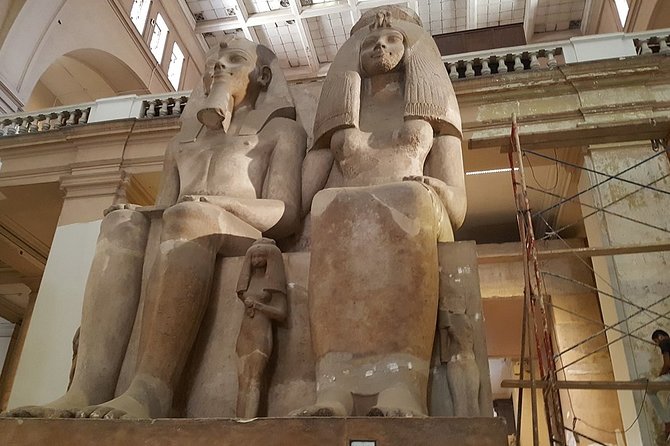
Day 2 is where the tour really leans into temples and tombs. You start at Karnak, described as the biggest temple in the world. Even if you’ve seen photos before, it hits differently in person: columns, open courtyards, and monumental spaces that make you understand why rulers built for eternity.
Then you move to Luxor Temple, which feels more human-sized after Karnak. You’ll have time to walk through key areas and get a clearer sense of how the temples worked as living ceremonial centers, not just ruins.
After that comes the Valley of the Kings, with a plan to visit 3 royal tombs. This is one of those parts of the tour where you’ll be glad you came with an Egyptologist guide. Tombs are dense with symbolism, and a good explanation turns walls of carvings into something you can actually follow.
You end the day at Deir el-Bahari for the Temple of Hatshepsut, with time at the complex and a stop at the main highlights. Hatshepsut’s story is one of the most compelling moments in ancient Egypt—especially if you like learning how political power and religious legitimacy worked together. Seeing it in the same day as the Valley of the Kings gives you a nice balance: royal afterlife fantasies plus royal temple branding.
Finally, you stop at the Colossi of Memnon, the two massive statues tied to Amenhotep III. The visit is shorter, but it’s a strong closer because it gives you a different kind of monument: less inside-the-history, more “stand here and look up.”
Cairo’s Citadel, Coptic Cairo, and Khan el-Khalili in a single sweep
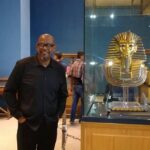
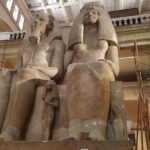
By Day 3, you’re not just chasing ancient royal sites—you’re also getting Cairo’s living layers. The Museum of Egyptian Antiquities comes first. You’ll see one of the biggest artifact collections tied to ancient Egypt, and this stop helps you connect what you’ve seen outside (temples, tombs, pyramids) with what’s been preserved inside.
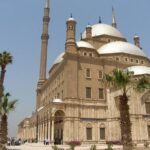
After the museum, you head to the Cairo Citadel and the Alabaster Mosque. The Citadel area is useful because it gives you a historical “commanding view” over Cairo’s geography. You also get a breather from tombs and carvings before you jump into older neighborhoods.
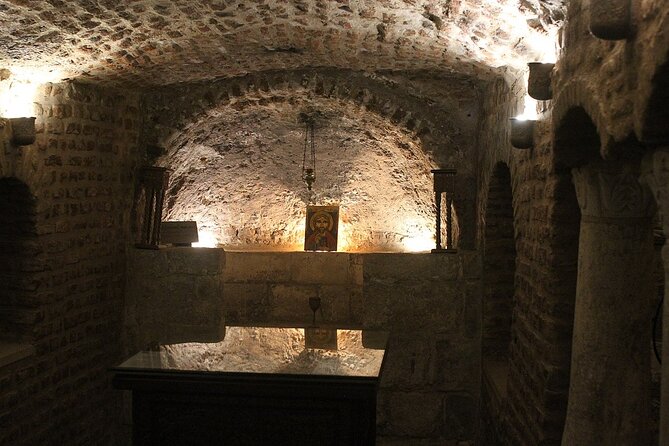
Then you visit Coptic Cairo, including the Hanging Church. This is an important change of pace because it shows Egypt’s religious history beyond pharaoh-era monuments. Even in a short visit window, you get a real sense of continuity—how centuries build on earlier sacred places.
The day finishes at Khan el-Khalili, the classic oriental bazaar. This isn’t only about shopping. It’s about watching everyday Cairo life wrap around historic routes. If you like markets, come with small-bill cash, go slow, and take your time. If you don’t like crowds, go with the mindset that you’re there for atmosphere and one good wander, not a shopping marathon.
Day 4 Alexandria: Kom el Shoqafa, Pompey’s Pillar, and Fort Qaitbay
Alexandria is often described as the city of Alexander, and this tour gives you multiple ways to feel that past. You start at the Catacombs of Kom el Shoqafa, which the tour positions as the biggest catacombs in Egypt. It’s a fascinating stop because it’s not purely “one style” of ancient burial. You’ll likely see the mixing of influences, which makes the site feel less like a single museum display and more like a crossroads.
Next is Pompey’s Pillar and the ruins of the Temple of Serapis. This is a quick, powerful contrast: a lone monumental column and surrounding remnants that help you imagine what the area looked like when it was active.
Then you go to Fort Qaitbay, a massive medieval fort. The visit is short, so you’ll want to use your time to look outward and soak in the coastal setting. This is where Alexandria starts to feel like a real break from Cairo’s inland energy.
You wrap up at the Bibliotheca Alexandrina for about an hour. It’s a modern landmark tied to an older dream of knowledge. Even if your attention shifts quickly to photos, take a minute to look at the scale and purpose of the place. It’s a reminder that history doesn’t just sit still.


Food, rides, and tickets: what you’re paying for versus what’s extra
The tour price includes domestic flights, ground transport, lunch (4), a 30-minute camel ride, and a 1-hour felucca ride. That felucca time on the Nile is the tour’s “breathing space” moment. After pyramids and temples, floating on the water helps your brain stop sprinting and start absorbing.
Tickets are included for the listed main sights each day. Still, some of the most famous add-ons are not included—things like interior access in the pyramids and a few museum rooms tied to major attractions. If you want those specific experiences, treat them as add-on budgeting items.
Vegetarian options are available if you tell the operator ahead of time. Since you’re also moving between neighborhoods and cities, that’s not a small detail. Ask early, and you reduce the chance of last-minute compromises.
Guides and pacing: when the group feels well-managed
The difference between a good tour and a great tour is often the guide’s timing. This itinerary is packed, so the pacing has to stay friendly. Based on guide patterns you might experience—Mohamed Goda, Ibrahim, Manar with driver Hassan, Yasser F, Sarah, and Marbiba—a strong theme is care: watching who needs slower steps, building in photo opportunities, and keeping the logic clear from site to site.
One review highlights that Mohamed Goda arranged a birthday surprise and also paid special attention to a friend with an injured ankle. That tells you something useful: the operator seems to take small group needs seriously, not just run a rigid script.
Another point I’d watch for is communication. One past review flagged communication issues while still calling out a strong Cairo guide. If you’re anxious about logistics, message the provider after booking and confirm your pickup details in writing. It’s a simple move that reduces stress.
Price and value: is $1,094.16 a smart deal for this route?

At $1,094.16 per person for roughly four days, you’re paying for a lot of coordination: hotel pickup, a guiding team, entrance tickets for major stops, multiple lunches, and two domestic flights. Flights alone often eat into the budget on Egypt trips, so having them included is a real value lever.
You’re also getting experiences that add up in cost and time when booked separately. A felucca ride, a camel ride, and the combination of Cairo + Giza + Luxor + Alexandria in a single run would be harder (and usually more expensive) to assemble yourself without spending extra days. And because it’s private for your group, you’re less likely to deal with the “everyone moves at once” chaos that kills enjoyment.
Is it perfect value? It depends on what you care about inside the pyramids and the exact museum add-ons you want. Since several major interior tickets aren’t included, your final “all-in” cost could rise if those are must-do items.
Practical tips so the schedule feels enjoyable
Dress code is smart casual, so keep it simple: breathable top, long pants/shorts you can walk in, and comfortable closed shoes. You’ll be outside a lot and moving between sites, so don’t bring footwear that needs a recovery day.
You should have moderate physical fitness. The days include lots of walking and stairs at temple and tomb sites. If you’re traveling with knee issues or limited mobility, plan to go slower and ask your guide about the most manageable routes.
Start time is 8:00am. That means early mornings, especially in Cairo where traffic can be unpredictable. Build your own buffer: charge your phone the night before, and pack a small water bottle if the day allows.
Also, confirm what “extra entrance fees” means for your priorities. The tour doesn’t include the interior access and certain museum rooms listed as not included, so if those top your wish list, you’ll want to decide early how much you’re willing to add.
Should you book this Cairo, Giza, Luxor, and Alexandria tour?
I’d book it if you want a single, guided plan that hits the headline sites across Cairo, Giza, Luxor, and Alexandria without turning your trip into a logistics exercise. The domestic flights included, the Egyptologist guidance, and the included Nile felucca ride make this a strong value for a short vacation.
I’d think twice if your top priority is going inside every major pyramid or museum room that’s listed as not included. In that case, the base price won’t tell the full story, and you’ll want to budget extra upfront.
If you like structured days, clear explanations, and a pace that keeps moving, this tour will suit you. If you prefer slower travel with lots of downtime, you might find four cities in four days a bit intense.
FAQ
What time does the tour start?
The start time is 8:00am.
Are pickup and drop-off included?
Yes, hotel pickup is offered.
Is this a private tour?
Yes. It’s described as a private tour/activity, so only your group participates.
What’s included in the tour price?
Included items include domestic flights (Cairo–Luxor and Luxor–Cairo), a 30-minute camel ride, a 1-hour felucca ride, lunch (4), and the listed admission tickets for the stops on the itinerary.
What entrance fees are not included?
Extra entrance fees are not included for items such as the interior of Giza pyramids, the Solar Boat museum, the Royal Mummy room, and the tomb of Tut.
Is there a vegetarian option?
Yes, a vegetarian option is available—you should advise at booking.
Is the tour suitable for kids and for what fitness level?
Children must be accompanied by an adult, and travelers should have a moderate physical fitness level.