REVIEW · CAIRO
4 Day Nile Cruise from Cairo to Aswan and Luxor
Book on Viator →Operated by Love Egypt Tours · Bookable on Viator
One word: temples. This 4-day Nile cruise links Cairo, Aswan, and Luxor with an onboard swimming pool and English-speaking Egyptologist-led visits that actually explain what you’re seeing, not just point at it. You’ll move fast between big sites, so the main drawback is the early starts and heat—especially on hot-air balloon and West Bank mornings.
I really like the built-in day rhythm: breakfasts, lunches, dinners, and even afternoon tea on the sundeck, which helps you avoid the usual Egypt hassle of hunting food between tours. I also like the pacing when the guide is good—names like Shimaa and Ahmed Sliem show up in feedback for tailoring the flow to your comfort level, and that matters on long temple days.
In This Review
- Key things you’ll like about this Cairo–Aswan–Luxor cruise
- How the 4-day Nile cruise actually runs (Cairo, domestic flights, and ship nights)
- Day 1 in Aswan: Philae by boat, High Dam views, and the Unfinished Obelisk
- Day 2: Abu Simbel early, then Kom Ombo’s double-temple focus
- Day 3: Edfu’s Horse Carriage ride, Esna Lock, and Luxor Temple at dusk
- Day 4: Hot-air balloon morning, Valley of the Kings, Hatshepsut, and Karnak
- Meals onboard: more than convenience, it’s how you protect your energy
- Egyptologists and guides: why the human factor changes the whole cruise
- Price and value: what you’re paying for, and what to budget extra
- Practical tips so you don’t feel cooked in the sun
- Should you book this 4-day Nile cruise from Cairo to Aswan and Luxor?
- FAQ
- How long is the tour?
- What route does the cruise follow?
- Are meals included on board?
- Are temple entrance fees included?
- Does the itinerary include a hot-air balloon ride?
- What’s the cancellation window?
Key things you’ll like about this Cairo–Aswan–Luxor cruise
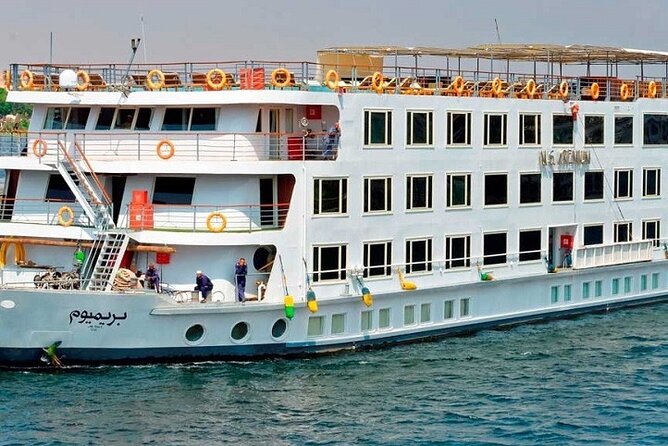
- Pool time plus temple time: a real break between big sightseeing blocks
- Egyptologist-led tours included: guides for Philae, Kom Ombo, Edfu, Luxor, and Karnak
- Meals are handled: breakfast, lunch, dinner, plus afternoon tea on board
- Dawn-and-dusk sightseeing choices: early Abu Simbel and late Luxor Temple timing
- Luxor West Bank morning gets your attention: hot-air balloon early, then Valley of the Kings and more
- Strong guide track record: in feedback, guides like Abdul, George, Shimaa, and Ahmed Sliem are repeatedly praised for clear English, good pacing, and staying on top of details
How the 4-day Nile cruise actually runs (Cairo, domestic flights, and ship nights)
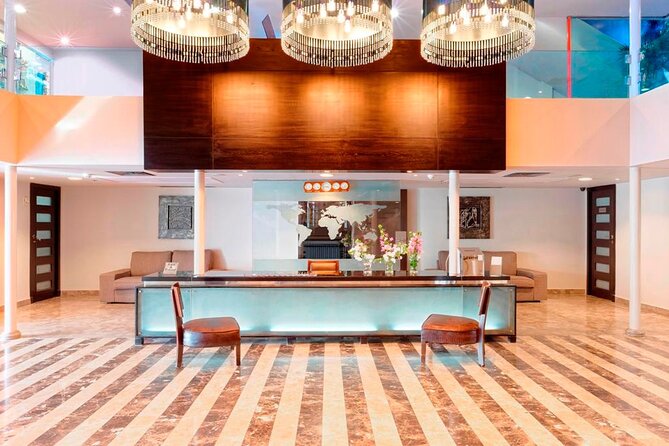
This trip is set up around domestic flights: you fly Cairo → Aswan, start land-and-boat days around Aswan, then sail toward Luxor before transferring back Luxor → Cairo. That’s a big deal. It cuts out the long overland stretches that can drain a short vacation.
Once you’re in the rhythm, the cruise takes care of a lot of the logistics. You’ll get hotel pickup, then private air-conditioned vehicle transfers between key points. Onboard, the ship handles your meals on a full-board basis, so you’re not stuck negotiating lunch plans during temple hours.
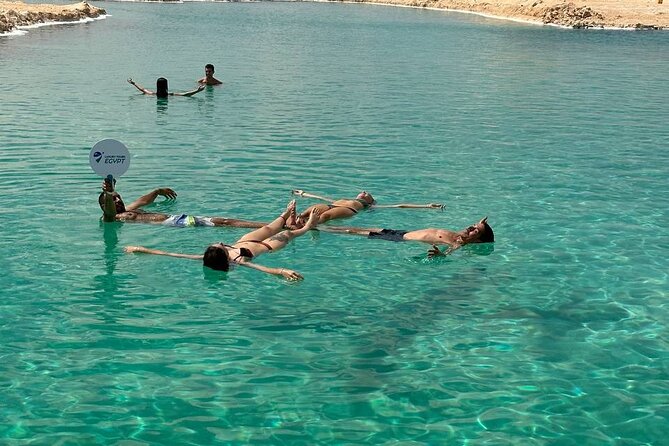
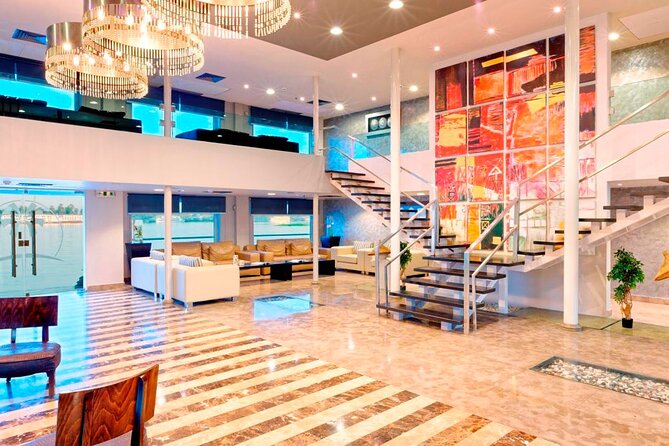
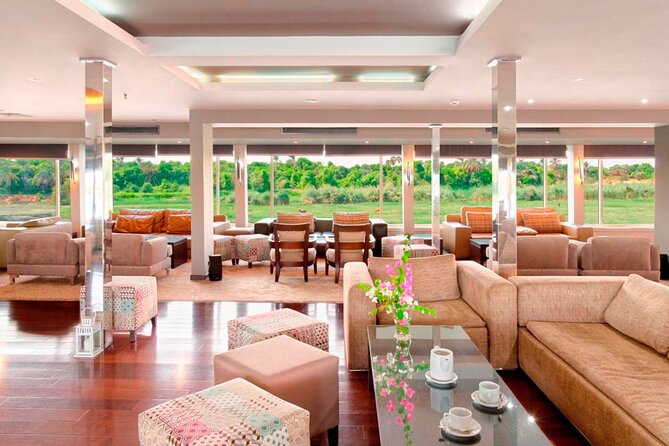
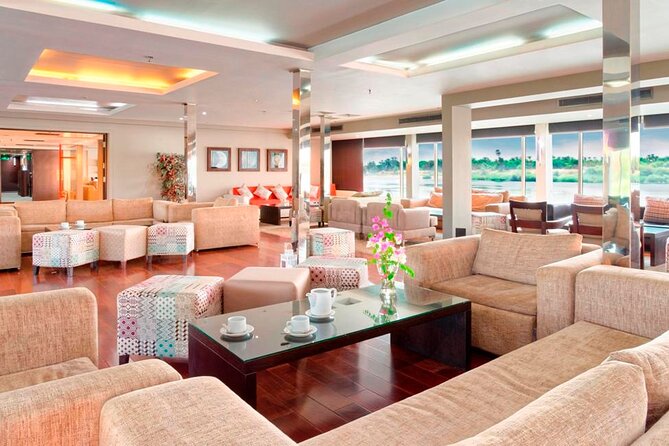
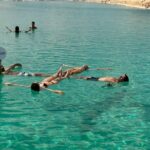
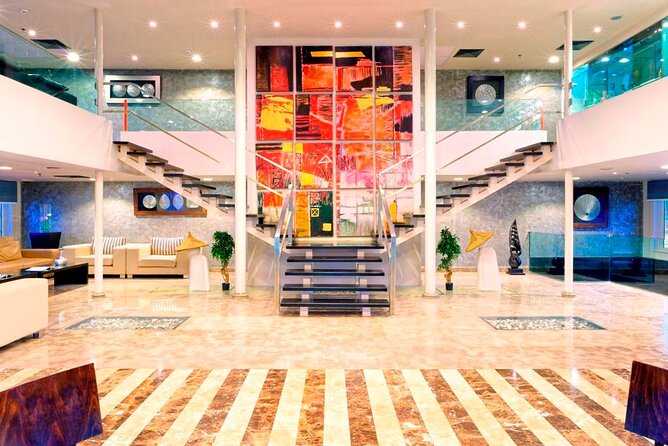
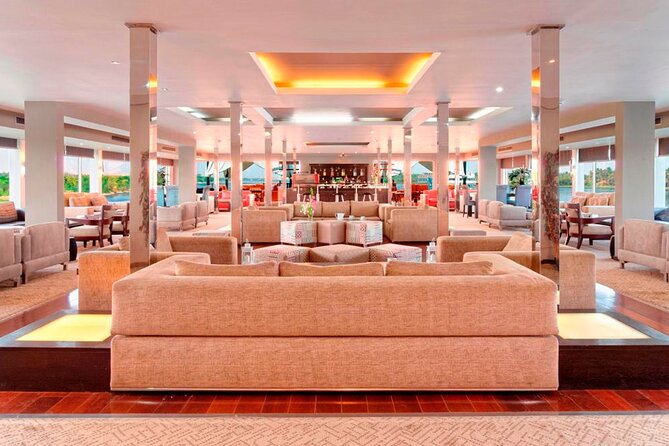
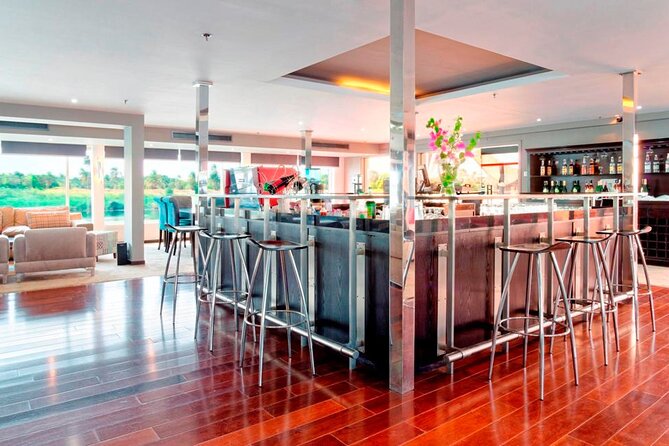
The ship experience is meant to feel like a break, not just a moving hotel. The overview includes an onboard swimming pool, and the itinerary also places moments on the sundeck (like afternoon tea) so you can reset your head between sites.
You can also read our reviews of more boat tours in Cairo



Day 1 in Aswan: Philae by boat, High Dam views, and the Unfinished Obelisk
Your first full day leans into classic Aswan. It starts with pickup from Cairo for travel to Aswan, then a boat ride to Philae Temple. This stop matters because it sets the tone: Egypt doesn’t feel like a museum when you see temples tied to the river and the island setting.
After Philae, you’ll tour the Aswan High Dam. It’s not just a landmark; it’s a story about how modern Egypt reshaped the Nile’s power. The High Dam was built between 1960 and 1970, and when it opened it was described as the tallest earthen dam in the world. Standing there, you understand why the river’s control has always been a big part of Egypt’s history.
Then comes the Unfinished Obelisk, located in Aswan’s stone quarries. This is one of those sites that feels different from the usual “wow, it’s big” temple stops. You’re seeing something closer to process and planning: the obelisk that never got finished, and the fact it was studied in detail by Reginald Engelbach in 1922 adds a real sense of how archaeologists and historians have worked here.
Back on the cruise, you’ll check in, eat lunch onboard, and rest. That rest time is important on day one, because tomorrow you’ll start earlier than most people like.
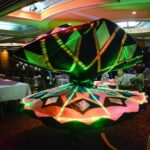
In the evening, cruise staff run a Nubian party, which is a fun way to shift gears after temple walking. It’s also a good reminder that this isn’t only about ancient monuments; it’s about living cultures along the Nile.
Day 2: Abu Simbel early, then Kom Ombo’s double-temple focus
Day 2 is built around two very different experiences: an early royal pilgrimage and a temple that’s unusual in its layout.
You’ll go to Abu Simbel Temple Complex around 5:00 AM. That early departure is worth it. You get the famous sites before the day fully heats up, and you’re also returning to Aswan around 1:00 PM with time left for sailing and another temple stop. The itinerary notes that the Abu Simbel admission ticket is not included, so budget for it separately.
Back on the cruise route, you’ll start sailing toward Kom Ombo, enjoying Nile views and photos along the way. This is the kind of time that turns into your best memories if you keep your expectations realistic: don’t try to do “one more thing” every minute. Sit, watch the river, and let the day slow down.
Kom Ombo Temple is next, and it’s special because it’s a double temple dating to the Ptolemaic dynasty (180–47 BC), with later Roman additions. Even if you’re not a classic Egypt buff, the layout helps you understand that temples weren’t always one single storyline. This one is structured like two perspectives sharing one stone home.
Then the day continues as the cruise sails onward, setting you up for Edfu and Luxor on day three.
Day 3: Edfu’s Horse Carriage ride, Esna Lock, and Luxor Temple at dusk
Day 3 is where the cruise becomes the best kind of Egyptian marathon: still efficient, but with enough breaks that you don’t feel wrecked.
After breakfast, you’ll visit Temple of Horus at Edfu, often described as among the best-preserved Egyptian temples. The itinerary includes a horse carriage ride with your tour guide. It’s not required to enjoy it, but it’s part of the local texture—plus it can make the walk between areas feel less exhausting.
Once you return to the cruise, you relax while sailing. The route includes crossing Esna Lock, which is a practical, real-world moment. Watching the ship move through a lock turns the river into something current, not only ancient.
Lunch is onboard, and the day places afternoon tea on the sundeck. If you’re trying to travel smarter, protect this time. It’s your downtime without losing the cruise experience.
Later, you arrive for Luxor Temple on the East Bank. The itinerary notes that this timing can show ancient, Christian, and Islamic features together, depending on the exact viewing areas and how the site presents them. Late afternoon also gives you softer light for photos.
Dinner on board includes a belly dancing show, and then you overnight in Luxor.
One timing detail you should know: if your Luxor dock arrival is by 3:00 or 3:30 pm, you may get a chance to visit both Karnak and Luxor Temples. If you’re booking this with a hard “must see” list, it’s worth asking the operator how your docking timing affects your Karnak visit.
Day 4: Hot-air balloon morning, Valley of the Kings, Hatshepsut, and Karnak
Day 4 starts extremely early—around 5:30 AM—with a hot-air balloon experience above Luxor. The itinerary frames it like a morning highlight, and the early timing makes sense: calmer air and cooler conditions help the balloon experience. If you’re sensitive to mornings, plan to sleep as soon as you can on day three.
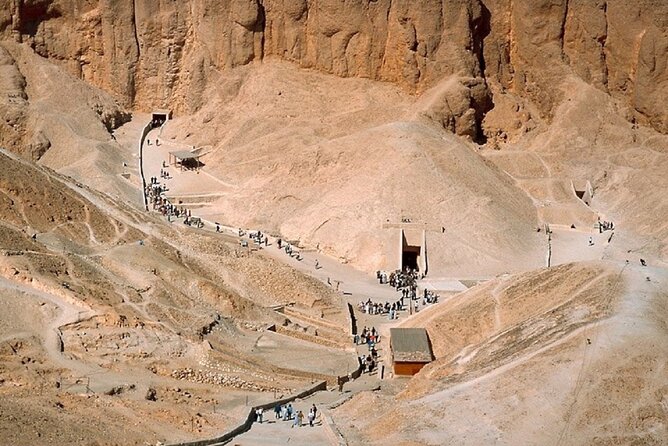
After the balloon, you head to the West Bank. First stop: the Valley of the Kings, the burial ground where the tombs shaped the world’s image of pharaohs. Then you’ll also see Queen Hatshepsut’s temple at Deir el-Bahari and the Colossi of Memnon. Hatshepsut’s temple is often loved for its stepped terraces and dramatic cliff setting, and Colossi of Memnon gives you that unforgettable scale trick: you’re standing face-to-face with statues that once anchored a much larger complex.
Then the tour shifts back to the East Bank for Karnak Temple, described here as the largest temple in the world. The day closes with Luxor Temple, and then you’ll transfer in comfort to your hotel in Luxor, train station, or Luxor Airport.
This is also the day where you should accept that Egypt is not a quick checklist country. It’s a slow-gravity place. If you try to race the sites, you’ll miss the way each temple’s details repeat patterns—gates, columns, ritual scenes—across time.
A few more Cairo tours and experiences worth a look

Meals onboard: more than convenience, it’s how you protect your energy
The full-board setup is a big part of the value here. You’re not just “fed,” you’re scheduled. Breakfast, lunch, and dinner are all included, and the itinerary also calls out afternoon tea on the sundeck.
That matters because temple sightseeing is physical. Even when you’re not rushing, you’re walking in sun, climbing stairs, and stopping for explanations. Having your next meal already planned means you don’t lose hours tracking down food—or paying for convenience every time you get hungry.
My practical advice: treat the onboard meals as your fuel for the day, not a place to chase extra snacks. Also, hydrate. One of the best pieces of advice that pops up in feedback is simple: bring plenty of water, and don’t assume you’ll get enough through the day’s schedule.
Egyptologists and guides: why the human factor changes the whole cruise
On paper, this itinerary lists temples. In real life, the guide is what turns stones into meaning.
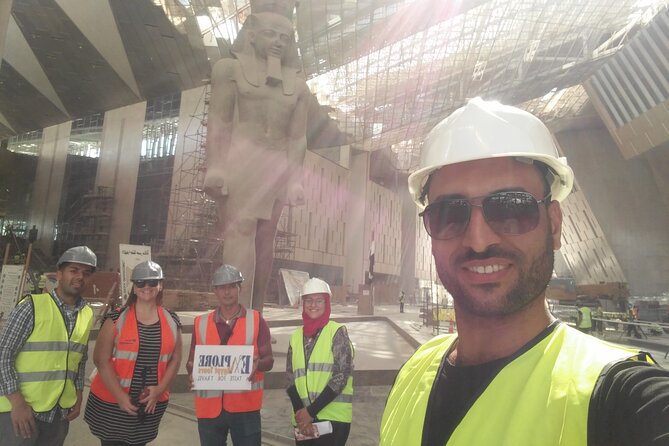
This package includes a private Egyptologist English-speaking tour guide, plus private air-conditioned vehicle transfers and assistance during the stay and excursions. That combination matters because the temple stops are timed. If your guide is good at pacing, you spend less time waiting in lines or overheating while still keeping enough time for explanations.
Names like Shimaa and Ahmed Sliem show up in feedback for tailoring pace to preferences and staying attentive to comfort and safety. Other names you may encounter in this operator’s orbit include Abdul and George, both praised for communication and strong on-the-ground execution.
You’ll also notice a theme in the way these guides are described: prepared, calm under pressure, and willing to answer questions. That’s not just a nice-to-have when you’re standing in the Valley of the Kings at sunrise. It’s what keeps you from feeling lost.
Price and value: what you’re paying for, and what to budget extra
The price is $1,555.22 per person for roughly four days. For most travelers, the value comes from the bundle:
- Domestic flights included (Cairo → Aswan and Luxor → Cairo)
- Onboard accommodation for 3 nights on a full-board meal plan
- Entrance fees included for sights in and between Aswan and Luxor
- Private Egyptologist and English-speaking guide
- Private air-conditioned deluxe vehicle transfers
- Assistance from personnel during your stay and excursions
What’s not included is where you’ll want to plan ahead. Tipping is not included, and optional tours may cost extra. Also, the itinerary explicitly marks Abu Simbel admission as not included, so you’ll want to budget for that separate ticket.
My rule of thumb for choosing this type of cruise: if you want to avoid the mental load of arranging flights, guides, transfers, and ticket logistics, this kind of package can be a fair deal. If you already have separate plans for Cairo and Luxor and only want the ship, you might find other options that are cheaper. But once you price out private transfers, a guided temple day, and a full meal plan, the math usually gets more convincing.
Practical tips so you don’t feel cooked in the sun
Egypt rewards smart prep. This itinerary stacks early starts and outdoor time, so plan like you’re spending most of your day in direct sun.
Bring:
- A hat and sunscreen (they’re repeatedly suggested for Luxor days)
- Plenty of water, and keep it accessible
- A light layer for morning temple stops when air feels cooler but warms quickly
Timing tip: when you’re offered morning tours like Abu Simbel and the balloon, take them seriously. Sleeping in might sound tempting, but these early windows are how you avoid peak heat and get the best light for photos.
And one more thing: don’t pack your day with extra add-ons. The temples here are full days even when you’re moving efficiently. If you want a smoother experience, leave space for rest onboard.
Should you book this 4-day Nile cruise from Cairo to Aswan and Luxor?
I’d book it if you want a well-structured first trip along the Nile where someone handles the big moving parts. The included meals, the Egyptologist-led temple route, the onboard pool, and the realistic sightseeing flow make it a strong value for many visitors.
I’d think twice if you hate early mornings or you know you’ll struggle in heat. This route includes a very early balloon morning and an early Abu Simbel start, so your comfort depends on your stamina and how you pace yourself.
If you’re willing to plan for sun and early starts—and you want the comfort of private transfers plus guided temple explanations—this Cairo to Aswan and Luxor Nile cruise is the kind of trip that leaves you talking about monuments for years.
FAQ
How long is the tour?
It’s scheduled for about 4 days.
What route does the cruise follow?
You travel from Cairo to Aswan, sail from Aswan to Luxor, and then return toward Cairo from Luxor.
Are meals included on board?
Yes. Breakfast, lunch, and dinner are included, and afternoon tea is also part of the experience.
Are temple entrance fees included?
Entrance fees are included for sights in and between Aswan and Luxor, but the Abu Simbel Temple Complex admission ticket is specifically listed as not included.
Does the itinerary include a hot-air balloon ride?
Yes. The plan includes a hot-air balloon experience over Luxor in the early morning.
What’s the cancellation window?
Free cancellation is available if you cancel up to 24 hours in advance of the experience start time.