REVIEW · CAIRO
Luxury Cruise from Aswan to Luxor 4 Days with Abu Simble Temple
Book on Viator →Operated by Vibrant Egypt · Bookable on Viator
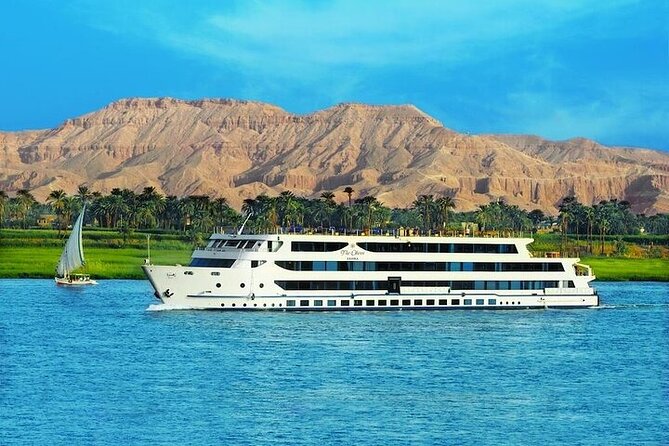
Four days, one river, total time travel. This Aswan-to-Luxor luxury Nile cruise turns the whole trip into a moving hotel base, with days built around major monuments like Abu Simbel and the Luxor temple circuit. I love the Nile-view comfort and the way you’re supported by a private tour guide during the sightseeing.
Your main planning snag is simple: entrance tickets aren’t included, so you’ll want to budget extra once you see what’s required for the stops.
In This Review
- Key Things I’d Watch For (Before You Book)
- A Luxury Nile Cruise That Works Like a Moving Base
- Aswan Arrival and the Temples of the High Dam Area
- High Dam
- Unfinished Obelisk
- Philae Temple
- Abu Simbel: The Biggest “Yes, It’s Worth It” Stop
- Kom Ombo and the Edfu Sailing Stretch
- West Bank Luxor: Valley of the Kings, Hatshepsut, and Colossi
- Valley of the Kings
- Temple of Queen Hatshepsut
- Colossi of Memnon
- East Bank on Departure Day: Karnak and Luxor Temples
- Price and Value: Is $650 a Fair Deal?
- Guides, Organization, and the Human Side of the Trip
- Comfort Details That Matter (Like Air Conditioning and Cabin Setup)
- Smart Planning Tips for Temples and River Days
- Who Should Book This Aswan to Luxor Luxury Cruise?
- Should You Book This Cruise?
- FAQ
- What is included in the cruise price?
- Are entrance tickets included?
- What is the itinerary’s key sightseeing?
- Where do I meet the guide?
- What time does the experience start?
- How many people are on the tour?
Key Things I’d Watch For (Before You Book)
- Abu Simbel is built in, and it’s the moment most people remember first.
- Full board meals keep your day stress low, with breakfast/lunch/dinner handled onboard.
- Private guiding for the sights helps you move faster and understand what you’re seeing.
- A maximum group size of 50 means less crowding than you might expect on busy routes.
- Admission costs need checking, since the program notes tickets in different places while the offer lists entrance tickets as excluded.
- Comfort varies by cabin, so if you’re very sensitive to air-conditioning, it’s worth paying attention.
A Luxury Nile Cruise That Works Like a Moving Base
This isn’t just a boat ride. It’s a floating schedule with meals, transport, and guided stops lined up so you can spend your energy on temples instead of logistics.
The big practical win is full board. Breakfast is on board, you get lunch on board for the days you’re sailing, and dinner is also handled onboard. That matters because Egypt’s temple days can eat hours fast—when meals are included, you don’t have to hunt for food between sites.
You’re also not stuck in a noisy cattle-car setup. The offer promises a private tour guide for the sightseeing, and the cruise is capped at up to 50 travelers. In plain terms: you’re more likely to get your questions answered and keep the day moving without chaos.
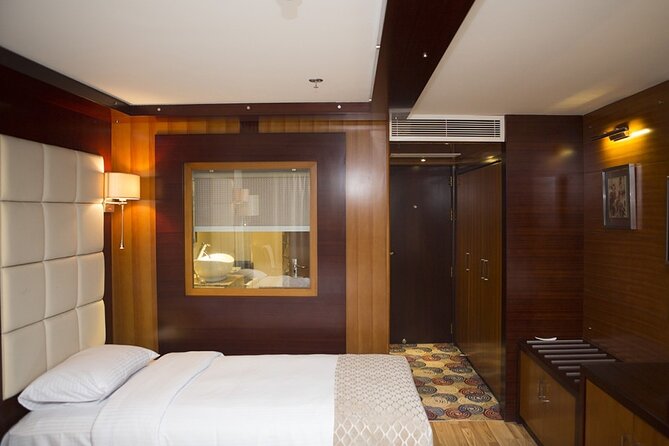
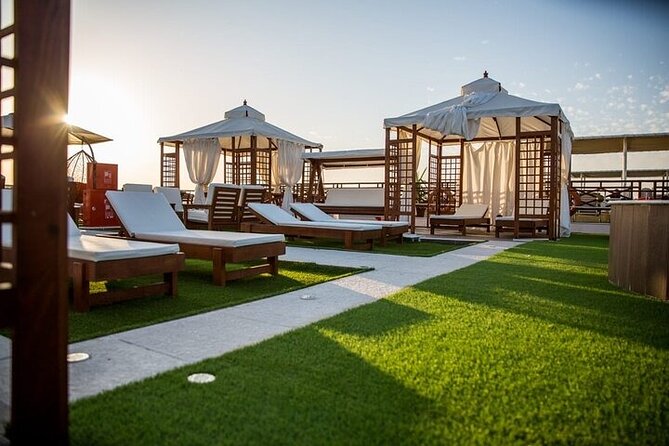
From the reviews, a recurring theme is the cabin experience. People describe spacious, clean rooms and some even mention a direct Nile view. That’s the kind of comfort that makes you want to come back from temples and actually relax instead of just changing and collapsing.
One more note I like: the itinerary starts with meeting your guide at the airport or train station, then you transfer to the cruise before lunch. That reduces the awkward empty time on arrival day.
You can also read our reviews of more boat tours in Cairo


Aswan Arrival and the Temples of the High Dam Area
Day one starts with you meeting your guide at the airport or train station. Then it’s a straightforward transfer to your Nile cruise before lunch—no running around, no guesswork.
Once you’re settled, the sightseeing focuses on the Aswan classics:
High Dam
This is modern Egypt’s power moment—big, strategic, and tied to the Nile’s role in the country’s development. Even if you’re not a policy person, it’s a strong contrast to the ancient sites you’ll see later.
Unfinished Obelisk
This site gives you a rare behind-the-scenes look. The obelisk that never made it tells a story about labor and engineering in ancient Egypt—why certain materials, tools, or logistics might have stopped the project.
Philae Temple
Philae is often the first place people fall in love with the area. The setting near the river feels iconic, and the temple helps you connect the dots between the Nile’s sacred status and Egyptian religion.
Admission tickets are a variable here. The tour materials say entrance tickets aren’t included overall, even though parts of the program show ticket wording as free. My advice: assume you may need to pay on-site and confirm what applies to your exact departure.
After that, you’re back onboard for lunch and dinner, then overnight in Aswan. That matters because Aswan days can be long in the sun; having the ship as your reset point is a real plus.
A few more Cairo tours and experiences worth a look



Abu Simbel: The Biggest “Yes, It’s Worth It” Stop
Abu Simbel is the emotional heavyweight of this route. It’s on the itinerary, and the reviews make it sound like the single strongest reason to choose this cruise.
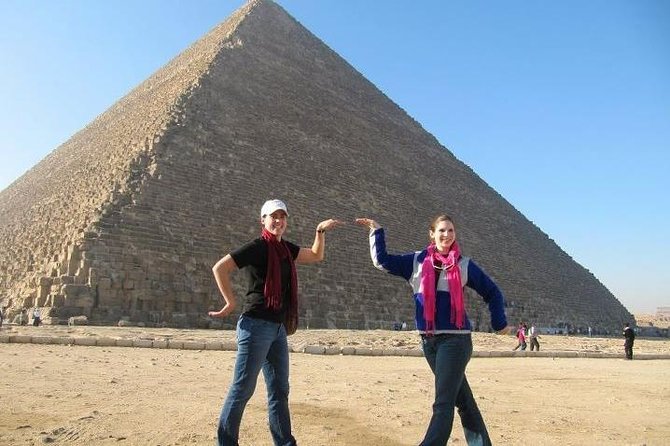
Why does it hit so hard? Because Abu Simbel doesn’t feel like a normal temple visit. It feels like a statement: huge scale, strong visuals, and a sense of Egypt going all-in on monument-making.
In a short itinerary like this, including Abu Simbel is a smart choice. Many cruises skip it due to time. Here, you get it without turning your trip into a full-time scramble.
What to expect on a day like this is straightforward: lots of walking around a major complex, time spent outside, and a crowd level that can vary by hour. The best prep is simple:
- Wear comfortable shoes you can stand in.
- Bring sun protection.
- Keep water handy when you’re out from the ship.
If your goal is a once-in-a-lifetime Egypt highlight, this stop is the one I’d plan around.
Kom Ombo and the Edfu Sailing Stretch
Between Aswan and Luxor, the route includes Kom Ombo and then sails toward Edfu.
Kom Ombo is typically quick and thematic. You’ll get temple time, then back onboard for the sailing rhythm. I like how this break keeps the cruise feeling like a journey, not a nonstop parade of monuments.
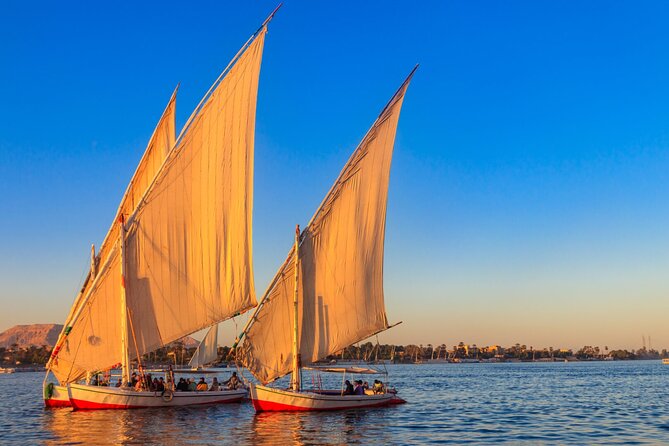
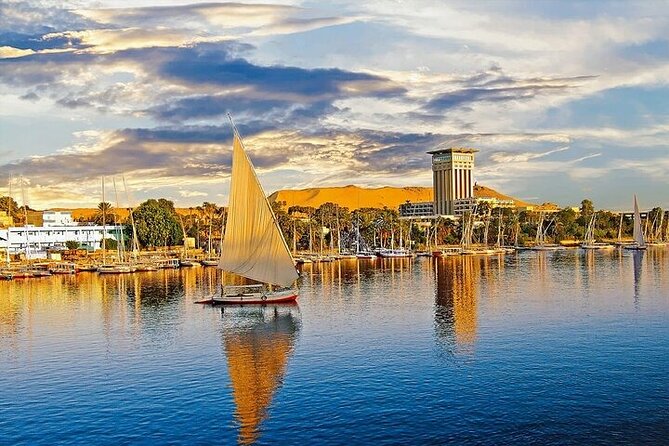
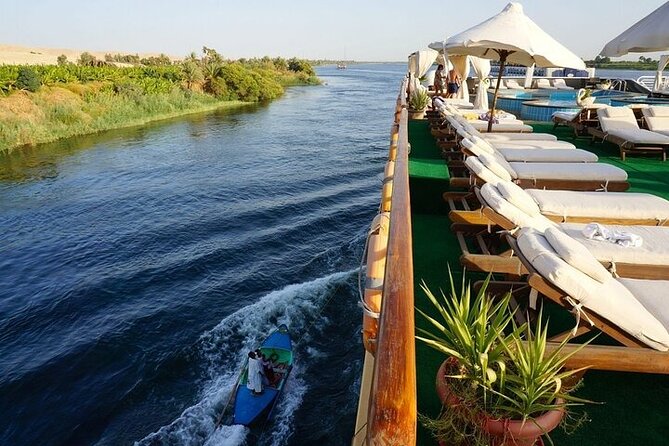
As for Edfu, the itinerary mentions sailing to Edfu. Even when you don’t have a long Edfu land stop spelled out, this sailing segment is one of those “quiet magic” stretches. You’ll get Nile views from the ship and a chance to recharge before Luxor’s heavier temple days.
This section is a good reminder of why cruise itineraries can be easier than point-to-point travel: you’re not burning hours transferring every time you need to see something.
West Bank Luxor: Valley of the Kings, Hatshepsut, and Colossi
Now you’re in Luxor, and the sightseeing turns into the classic West Bank experience.
Valley of the Kings
This is where you feel Egypt’s long obsession with death, memory, and power. The scale of the site and the feeling of stepping into an ancient world is hard to fake.
Because this is a guided stop, you get more out of it than just walking through tomb entrances. A good guide helps you connect the layout, the purpose, and the stories behind the walls.
Temple of Queen Hatshepsut
Hatshepsut’s temple is a strong counterpoint to the king-focused feel of the Valley of the Kings. It’s grand, it’s visually striking, and it adds a layer of gender and leadership history that many first-time visitors don’t expect to see so clearly.
Colossi of Memnon
These statues are famous for a reason. They’re iconic landmarks you can spot even before you fully understand them, and they make great “wrap-up” visuals at the end of a West Bank day.
This day runs with breakfast on board, then sightseeing, then lunch and dinner on board, followed by an overnight in Luxor. That pacing is practical. You see the heavy sights, then you have time to come back to the ship and actually breathe.
East Bank on Departure Day: Karnak and Luxor Temples
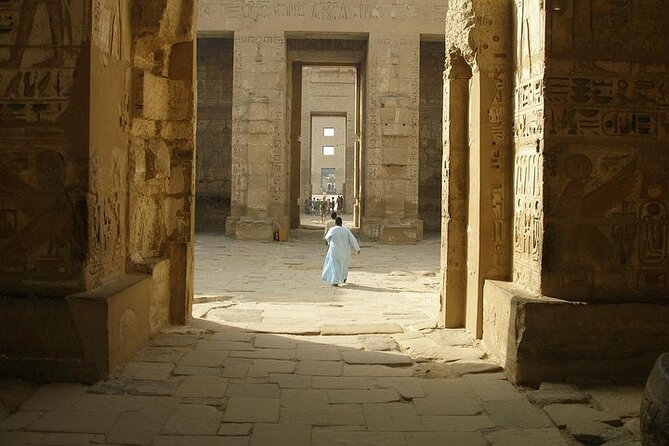
On your final morning, you check out after breakfast and head to the East Bank for Karnak and Luxor Temple, then transfer to the airport or train station.
East Bank touring is a different energy than the West. It’s more daylight and temple grandeur, less “earthy quiet” and tomb mood. Karnak especially is the kind of place where a guide changes everything. Without guidance, you might feel like you’re looking at walls. With guidance, you start understanding why the site is built the way it is.
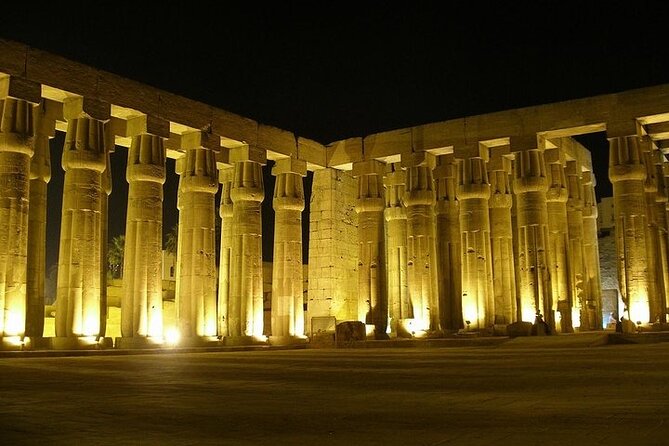
Luxor Temple is a strong finale. It’s a fitting last stop because it feels like an anchor—something you can hold onto after the West Bank contrasts.
Then it’s off to the airport or train station. The benefit of this setup is that you’re not forced to squeeze major monuments into your departure window at the last second.
Price and Value: Is $650 a Fair Deal?
At $650 per person for about 4 days, the value is mainly in what’s included—not the sticker price alone.
Here’s what’s covered:
- Full board meals (breakfast, lunch, dinner on board)
- Air-conditioned vehicle for sightseeing transfers
- Private tour guide
- Sightseeing included as per the program
What’s not included:
- Entrance tickets (also note that the offer lists them as excluded)
- Alcoholic beverages and drinks
So the real question is: how much would you spend on your own to cover a hotel + guided temples + transport + meals? For many first-timers, the biggest cost creep is guide time and logistics, not just the monument entrances.
This cruise also has a cap of 50 travelers, which usually keeps things more manageable than the “big bus” feeling. And the reviews consistently mention organization and smooth handling—exactly what you want when you’re working with limited vacation days.
If you’re the kind of traveler who would normally spend extra to avoid hassles, $650 can feel like a bargain. If you love self-guided travel and want to choose every pace and stop yourself, you might feel boxed in by the schedule.
Guides, Organization, and the Human Side of the Trip
This is one of those trips where the guide really matters. The route includes multiple major temples in a short time. Without someone keeping your day organized, it can turn into a blur.
In the reviews, specific people come up. Mohammed is mentioned in a friendly way by guests who appreciated his approach and how he helped them understand what they were seeing. Khaled is also repeatedly referenced as an operator who gave clear support before and during the trip, helping people with planning and questions.
I also noticed a theme: multiple teams of guides are used on at least some group departures. One review mentions a group having three guides, which fits the idea that big temple days need more than one person managing pacing and explanations.
The practical takeaway for you: you’ll want to show up ready to ask questions. Bring a few curiosity points—like what each temple’s purpose was, or what to look for in the carvings. With a good guide, those answers make the monuments feel personal instead of just old.
Comfort Details That Matter (Like Air Conditioning and Cabin Setup)
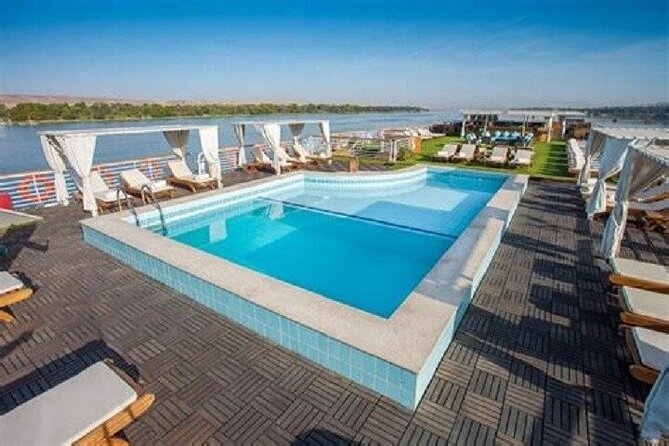
Luxury cruises can vary ship-to-ship, and even cabin-to-cabin. Based on the feedback you have here, most cabins are described as luxurious, clean, and often set up for a relaxing Nile-view experience.
One caution from a guest comment: someone wanted stronger air-conditioning. That doesn’t mean the whole ship has a problem, but it’s a heads-up if you know you’re picky about indoor temperature.
If you book, consider how you’ll handle heat outdoors on temple days versus comfort on board. Egypt in warmer months can be intense, and you’ll want your cabin to feel like a true cooldown zone.
Smart Planning Tips for Temples and River Days
Even with a guided cruise, you’ll enjoy it more if you prepare like a smart guest.
For temple days:
- Wear shoes you can stand in for a while.
- Bring something to cover shoulders or be ready to adjust clothing if needed.
- Keep your phone charged for photos, but pace yourself. Temples are better when you slow down and look.
For the sailing and onboard time:
- Plan to actually use the ship spaces. With full board meals and long temple days, the ship becomes part of the experience, not just a place to sleep.
- If you’re sensitive to motion, you may want to test your comfort early in the sailing stretches.
And for Abu Simbel:
- Pack for sun and heat.
- Expect a long day once you start moving between sites.
Who Should Book This Aswan to Luxor Luxury Cruise?
This cruise is a great fit if:
- You want major Egyptian sights without juggling schedules day-to-day.
- You prefer having transport, meals, and guides organized for you.
- You want luxury comfort onboard, especially after intense sightseeing.
- You’re visiting Egypt for the first time and want a classic route that hits the big names: Abu Simbel, Karnak, Valley of the Kings, and more.
It might be less ideal if:
- You hate guided groups and want total freedom.
- You’re trying to keep costs ultra-low, because entrance tickets and any drinks add up fast.
- You’re very strict about cabin climate (there’s at least one note about air-conditioning performance).
Should You Book This Cruise?
If your priority is comfort plus a well-packed highlights route, I think this one makes sense. The biggest selling point is the balance: temples on land, Nile cruising between, and full meals so your days feel manageable.
The only thing to get right before you book is budgeting for entrances and drinks. If you account for that, you’re buying yourself a smoother experience and less time lost to coordination. And if Abu Simbel is on your must-see list, this itinerary is one of the easiest ways to make it happen without extending your whole trip.
FAQ
What is included in the cruise price?
The package includes full board in the cruise (breakfast, lunch, dinner), an air-conditioned vehicle, a private tour guide, and the sightseeing listed in the program. Alcoholic beverages and drinks are not included.
Are entrance tickets included?
The offer states that the entrance tickets are not included. The program also includes some wording that references admission ticket free for certain blocks, so it’s smart to confirm the exact entrance costs for your dates.
What is the itinerary’s key sightseeing?
You’ll visit Aswan sites including the High Dam, Unfinished Obelisk, and Philae Temple, then Abu Simbel. In Luxor, you’ll see the West Bank highlights like the Valley of the Kings, Temple of Queen Hatshepsut, and the Colossi of Memnon, plus the East Bank sites of Karnak Temple and Luxor Temple.
Where do I meet the guide?
The tour indicates you meet the tour guide at the airport or train station, then you transfer to the Nile cruise.
What time does the experience start?
The start time is listed as 1:00 pm.
How many people are on the tour?
The maximum group size is 50 travelers. Service animals are allowed, and most travelers can participate.