REVIEW · CAIRO
Cairo Shopping tour Private Papyrus Essential oils Bazar Cotton
Book on Viator →Operated by Sofy · Bookable on Viator
Cairo shopping, guided like a story. This private day tour from Cairo or Giza mixes government-style bazaars with hands-on craft stops for papyrus, cotton, and perfume/oil shopping, plus hotel pickup so you’re not stuck figuring out transport. It’s built for people who want souvenirs that feel connected to Egypt’s real trades, not just a quick photo stop.
What I like most is the mix of practical shopping and learning you can use. You’ll see paper made by hand, and you get the chance to order cartouche items where your name can be written in hieroglyphics. I also like that the guide setup is multi-language, and you get local help at each stop without paying extra for language switching.
One possible drawback: shopping can feel pricey, and bargaining may not be easy at every stop. If you’re picky about product quality—like essential oils stored in bright light—or you want the best deal, go in with a budget and ask questions before you buy anything.
In This Review
- Key Things You’ll Notice on This Tour
- A Private Shopping Route That Actually Saves Time
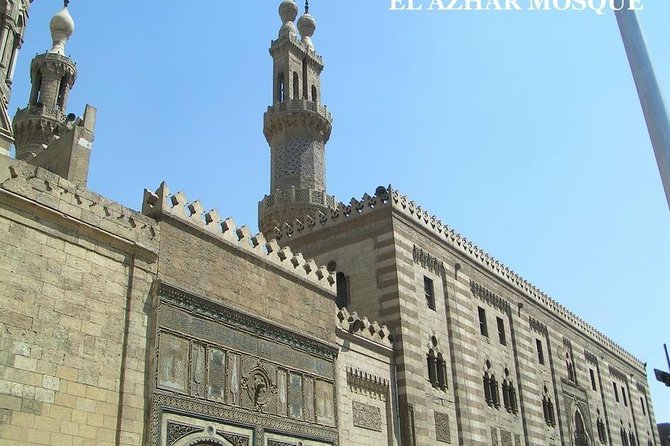
- Entering the Mamluk Jewelry and Bazaar Stop Without Getting Lost
- Papyrus in Cairo: From Hand-Made Sheets to Paintings
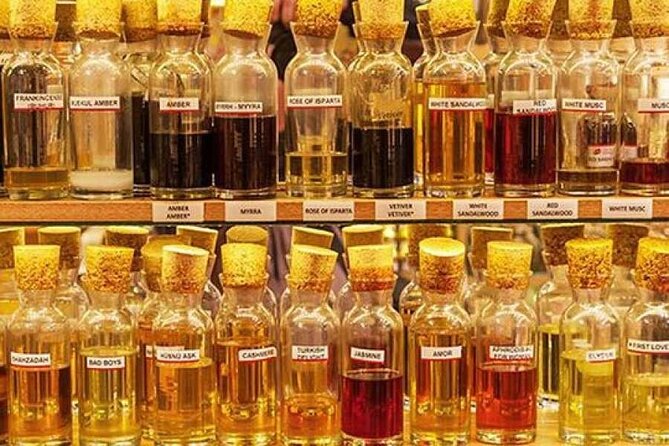
- Bedouin Essential Oils and the Sacred Oils Story
- Egyptian Cotton Shopping Near the Pyramids: Where Souvenirs Multiply
- Perfume Factory Stop: Oils as a Performance, Not Just a Product
- Price and Value: Why $5 Can Be a Great Deal (and When to Be Careful)
- Who This Tour Fits Best (and Who Should Rethink It)
- Should You Book This Cairo Shopping Tour?
- FAQ
- How long is the Cairo Shopping tour?
- Is this tour private?
- What’s included in the tour price?
- What is not included?
- Do I get souvenirs customization like hieroglyphic names?
- Is pickup available everywhere in Cairo and Giza?
- What if I book last minute?
Key Things You’ll Notice on This Tour
- Hotel pickup from Cairo or Giza with private car, so you spend less time commuting
- Handmade papyrus viewing first, then time to buy paintings and papyrus
- Cartouche shopping using silver/gold cartouches and hieroglyph-style naming
- Essential oils and perfume stops tied to the story of seven sacred oils (Kagemni tomb, King Teti era)
- Egyptian cotton shop time with souvenirs like cartouche items, magnets, and statues
- Included admissions, lunch, tea/coffee, and bottled water, but drinks cost extra
A Private Shopping Route That Actually Saves Time
This is a private tour, meaning it’s just your group in the car with a driver and guide. The day runs about 7 hours, and you can usually choose from several departure times. That matters in Cairo because traffic and distance can turn a “quick shopping stop” into an all-day stress test.
Pickup is a big part of the value. If you’re staying in many Cairo or Giza hotels, hostels, or private homes, pickup is included. If you’re farther out—New Cairo, the 6 October area, airport areas, Heliopolis, Nasr City, Alexandria Desert Road, or other remote zones—there may be an extra charge. If you’re unsure, message ahead with your exact address so there are no surprises.
I also like that you get more than one type of stop. Some shopping tours bring you to one souvenir factory and call it a day. This one spreads you across papyrus, cotton, and perfume/oils, so you can compare items and prices while you’re there.
You can also read our reviews of more private tours in Cairo


Entering the Mamluk Jewelry and Bazaar Stop Without Getting Lost
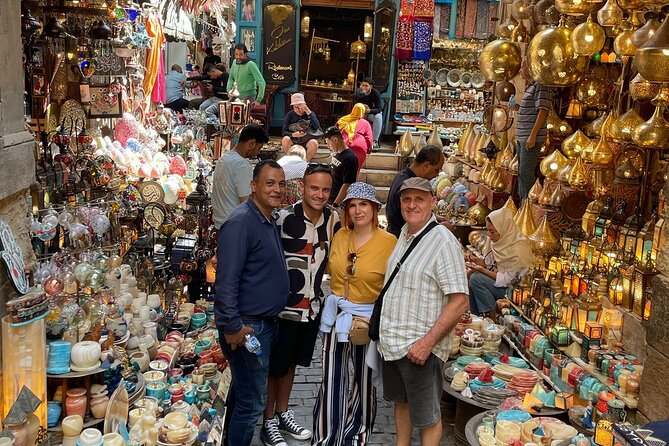
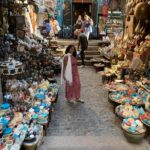
Your first real stop is a bazaar and jewelry-focused area, with time to browse items like souvenirs and jewelry. The pitch here is buying with less hassle at places tied to government/trust-style bazaars, which usually means fewer “random booth” vibes and more structured sales.
Two shopping targets stand out in the way this stop is described:
- Real-looking gold and silver items like cartouches
- Custom cartouche names in hieroglyphs, including silver and golden options
If hieroglyph-style naming matters to you, this is one of the clearest moments in the tour to ask questions and get it done. I’d still treat it like a purchase with options: ask what metal it’s made from, what finish you’re getting, and how customization works (timing and final look).
One more practical detail: the guide setup includes multiple languages (English, Spanish, Italian, German, French, Chinese, Japanese, and others). So if your group isn’t all English-speaking, this can be smoother than many “one-language-only” tours.
Papyrus in Cairo: From Hand-Made Sheets to Paintings
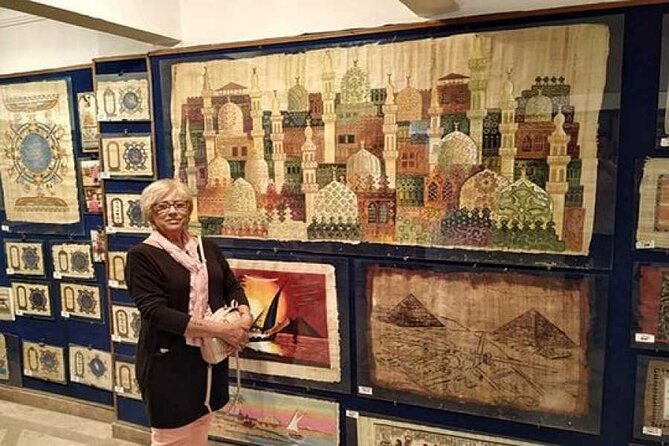
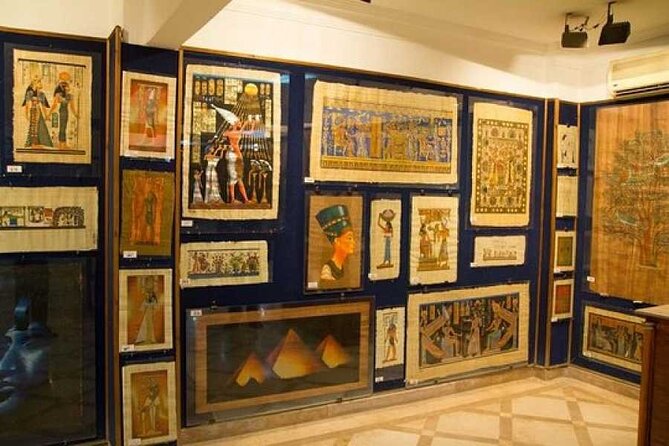
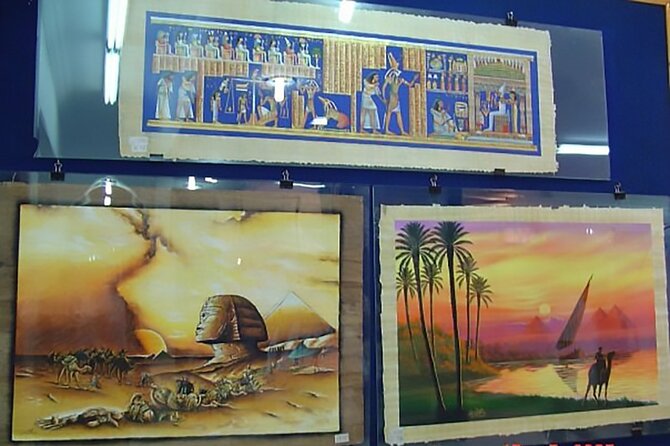
Next you shift to papyrus, and the tour approach is what makes it interesting: you start with the real institute-style stop where you can see how paper is made by hand. Then you get shopping time for handmade papyrus and paintings with color.
This matters because papyrus sold in tourist markets can vary a lot. Seeing how it’s made doesn’t automatically mean it’s always perfect, but it gives you a basic yardstick for what you’re looking at. If you’re buying for décor or for a gift, that small education can keep you from feeling like you bought “Egyptian-themed paper” rather than actual papyrus.
You’ll also get a sensory moment described as tasting/smelling an ancient-Egyptian essence connected to the flower world (lotus/blue lily is mentioned). Even if you don’t buy perfume, that stop is built to feel different from the usual bazaar-and-walk.
A note on what to buy: take your time. If you’re shopping for a specific size, ask whether the paper is thick and flexible, and whether it’s better framed or meant to stay flat. And if your goal is authenticity, be ready to compare prices before you decide—especially if you care about bargaining.
Bedouin Essential Oils and the Sacred Oils Story
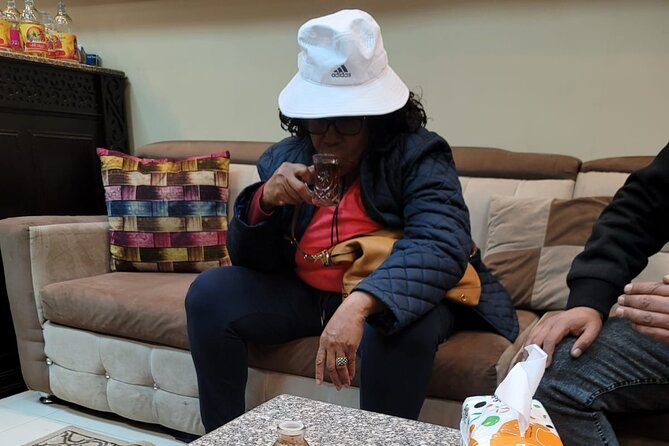
Then the tour turns toward essential oils. You visit a Bedouin family house focused on pure essential oils, with mention of “7 sacred oils” connected to the story of archaeologists finding them inside the Kagemni tomb. The background given is that Kagemni was chief justice and vizier of King Teti, with a date of Old Kingdom Dynasty 6 (around 2330 BC).
Even if you treat the story as part of the sales narrative, it still gives you a framework for what you’re being sold: oils are presented as traditional, linked to ancient use, and offered as pure products.
Here’s the practical part: essential oils are sensitive to storage and light. One concern raised in feedback connected to this kind of stop is that oils are sometimes displayed in transparent jars under light, which could affect quality. If you’re the type who buys oil for actual use (not just for fragrance), ask how they store the oils when they’re not on display. If they can’t explain it clearly, you may want to scale back your purchase.
Also, don’t forget to smell before you commit. Oils can seem similar until you test them on skin or compare scents side by side. Use your nose early, not after the decision has already been made for you.
Egyptian Cotton Shopping Near the Pyramids: Where Souvenirs Multiply
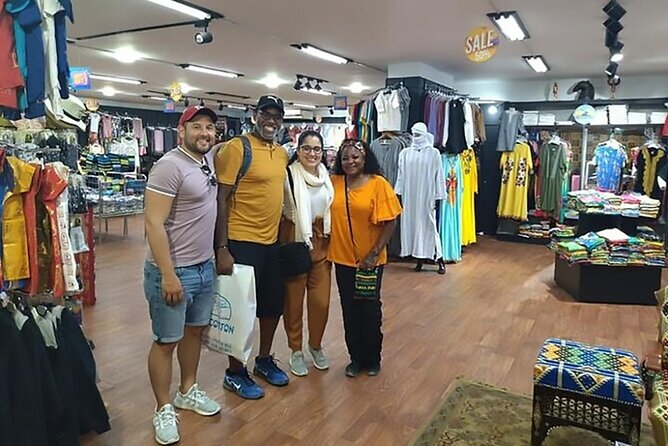
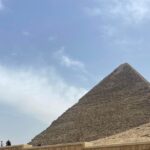
After the papyrus and oils, you head to a cotton-focused store area—described as a stop near the Three Pyramids Bazaar route. This is the part of the day where you’ll likely see more typical “souvenir store” energy, but the focus is still Egypt’s export: Egyptian cotton.
The cotton stop is built around more than fabric. You’ll also see products tied to the same souvenir style you’ll see elsewhere—cartouche pieces (silver or gold), statues, and magnets are mentioned as optional items you can pick up.
If your priorities are:
- a cotton garment,
- a cotton home item,
- or a cartouche-style keepsake,
this is your time block. My tip: decide what you want before you enter. If you walk in “open-ended,” you can end up comparing too many things and losing track of value. Cotton pricing can vary based on thickness, weave, and what’s actually included (e.g., scarf vs. clothing vs. home textiles), so set a target budget.
Also, when the tour includes multiple shopping stops, you can use that structure. Walk, look, and ask a baseline price. If the later stops don’t improve your options, you’ll know you made a reasonable decision early.
You can also read our reviews of more shopping tours in Cairo



Perfume Factory Stop: Oils as a Performance, Not Just a Product
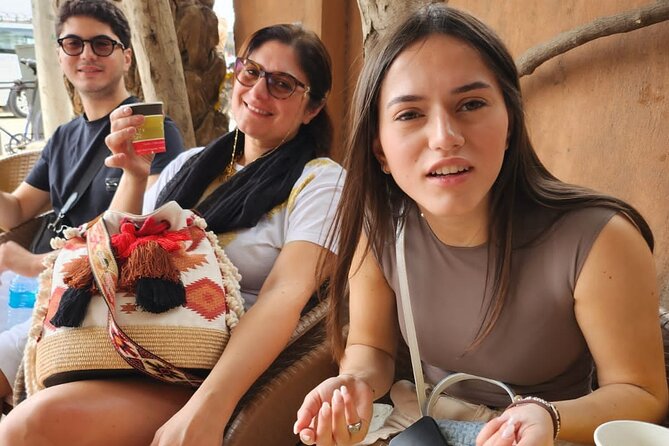
The final named stop is a perfume factory. You’ll spend about 1 hour here, and the theme overlaps with the earlier oils story: how ancient Egyptians made oils from flowers, with the sacred oils connection again linked to Kagemni’s story.
This is often where the tour shifts from “buying souvenirs” to “experiencing a process.” Expect demonstrations and the chance to smell fragrance preparations. But keep your buying head on.
If you want perfume or oils, your best move is to compare what you’re offered with what you already bought earlier. Many people end up with duplicates because the scents are memorable in the moment. Bring your earlier purchase to mind and decide if the final stop is improving the choice, or just adding another item to carry home.
One small strategy: before you buy anything here, ask:
- what exactly you’re purchasing (oil vs. perfume vs. blended fragrance),
- how you use/store it,
- and whether the product is the same type you saw at the earlier oils stop.
Price and Value: Why $5 Can Be a Great Deal (and When to Be Careful)
The listed price is $5 per person, and that’s hard to beat on paper—especially for a day with pickup, a private vehicle, admissions included at stops, lunch, bottled water, and tea/coffee. For many budgets, this is one of the simplest ways to buy your way out of transport confusion and get a full shopping circuit in one go.
But value isn’t only about the headline cost. What can change the feeling of value is the shopping part. If you end up buying fewer items because prices feel high or bargaining is limited, then the tour becomes more about the guided structure than the savings.
The best way to treat this tour is like a “guided shopping curriculum,” not a guarantee of bargain prices. I’d go in with:
- a clear souvenir list,
- a firm spending limit,
- and the willingness to walk away.
If you care about quality—especially for essential oils—prioritize questions over pressure. You can be polite and still be firm: compare, ask about storage, and don’t let the first quote become the final one.
Also, since the tour duration is about 7 hours, plan for real time in stores. If you want the full experience (paper-making view, cotton stop, oils, perfume), don’t schedule another “must-do” thing right after you get dropped off.
Who This Tour Fits Best (and Who Should Rethink It)
This tour is a strong match if you:
- want a private guide to handle shopping navigation,
- like learning while buying (papyrus and oils have a “process” angle),
- want cotton and perfume/oil souvenirs tied to Egypt’s famous industries,
- and don’t want to coordinate taxis between multiple markets.
It may be a weaker fit if you:
- only want street bargains and plan to haggle hard,
- are very price-sensitive and want the cheapest possible deals,
- or are highly specific about quality for oils and fragrances and don’t want to rely on in-store presentation.
If your group has different shopping styles, this tour can still work—because you can focus each person’s attention on what they care about most: papyrus for one, cartouches for another, cotton textiles for someone else.
One more human note: if your guide is someone like Adelle, expect a helpful, friendly tone in how you move through the day—especially when you need clarity on what you’re looking at and how to make decisions without stress.
Should You Book This Cairo Shopping Tour?
Yes, book it if your goal is an organized shopping day with pickup, admissions included, and a structured route through papyrus, cotton, essential oils, and perfume. The price-to-time ratio looks like real value, especially if you’d otherwise spend hours arranging transport and guessing where to go.
Don’t book it expecting the cheapest items in Cairo. Go expecting guided access and a chance to buy from shops that present themselves as trust-style and industry-focused. If you walk in with a budget and ask quality questions—especially for essential oils—you’ll get much more out of the experience.
In short: it’s a practical “learn and shop” day. Just shop like you’re in charge.
FAQ
How long is the Cairo Shopping tour?
It runs for about 7 hours (approx.), with time spent at several stops.
Is this tour private?
Yes. It’s a private tour/activity, and only your group participates.
What’s included in the tour price?
The tour includes hotel pickup and drop-off, transport by private vehicle, a driver who speaks English, bottled water, coffee and/or tea, local lunch (koshari or falafel), and admission tickets at the listed stops. All taxes and fees are included.
What is not included?
Drinks are not included. Any other activities not mentioned are also not included.
Do I get souvenirs customization like hieroglyphic names?
You can see options for cartouches, including silver and golden cartouches where you can write your name in hieroglyphics.
Is pickup available everywhere in Cairo and Giza?
Pickup is offered from many Cairo and Giza areas, including hotels, hostels, and private houses. Pickup from places farther out (such as New Cairo, 6 October area, airport areas, Heliopolis, Nasr City, and Alexandria Desert Road) may have an extra charge.
What if I book last minute?
For last-minute bookings one day before, you should contact the company by WhatsApp number or phone, not by email.