REVIEW · CAIRO
2 Day private guided Cairo tours
Book on Viator →Operated by Egypt Tours Online · Bookable on Viator
Cairo in two days, planned down to the stones. This private, guided whirlwind hits the big-name monuments plus the museum and Islamic Cairo, with hotel pickup and an Egyptologist-style focus so you’re not just staring at ruins. I especially like the private format and the hotel-to-hotel convenience that keeps mornings from turning into chaos.
What I like most is how your day is built around the landmarks people actually travel for: Giza and Dahshur first, then Saqqara and Memphis, and on day two the Egyptian Museum, the Citadel, and Khan al-Khalili. My other favorite part is that lunch is included and you’re traveling in an air-conditioned vehicle for all the in-between stretches.
One thing to consider: the itinerary is packed. You’ll be moving often and spending long hours in the sun and on-site walking, so you’ll want good shoes and a flexible mindset about pace and short stop times.
In This Review
- Key highlights worth planning around
- What $20 really means (and what you’ll budget beyond it)
- A practical money tip that comes up a lot
- Two full days of Cairo icons: how the pace feels in real life
- Day 1: Giza and Dahshur pyramids, plus Sphinx time without guesswork
- The schedule also includes Giza monument time blocks
- Tip for keeping your energy up
- Saqqara and Memphis: why this stops the pyramid story from feeling too one-note
- Day 2 at the Egyptian Museum: Tutankhamun time plus the bigger collection
- The Citadel and Mohamed Ali Mosque: classic Cairo views with a shorter learning curve
- Mosque stop timing note
- Khan al-Khalili: haggling practice and a few smart boundaries
- A real-life tip on shopping pressure
- Hotel upgrades: comfort options for a two-day grind
- Who this tour fits best (and who might want a slower plan)
- The guide factor: ask who you’ll get, and watch for Abdullah mentions
- Should you book this 2-day private Cairo tour?
- FAQ
- What is the cost of the 2 Day private guided Cairo tours?
- Does the tour include hotel pickup and drop-off?
- Are admission tickets included for major sights?
- Is lunch included?
- Do I have a tour guide and Egyptologist support?
- What if weather is poor or I need to cancel?
Key highlights worth planning around
- Private, hotel pickup-and-drop setup so you’re not piecing together taxis all day
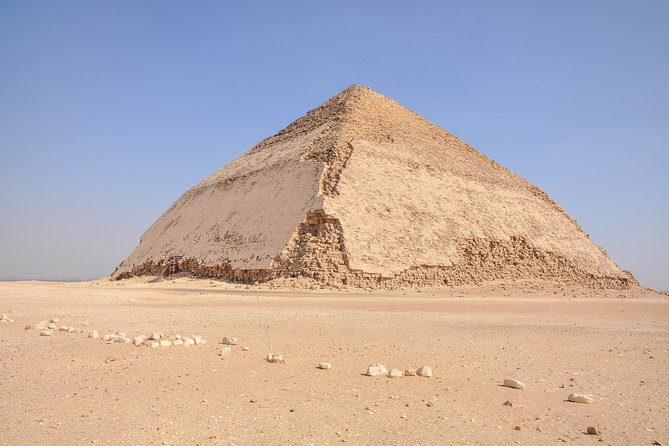
- Giza + Dahshur + Sphinx with included entry for key stops (and time to see the Red and Bent pyramids)
- Saqqara and Memphis pairing that helps you connect pyramids with the wider ancient landscape
- Egyptian Museum focus with a dedicated Tutankhamun highlight and a huge artifact collection
- Citadel and Mohamed Ali Mosque for classic views of modern Cairo from the historic heights
- Khan al-Khalili market time where you can practice haggling and browse without getting rushed
What $20 really means (and what you’ll budget beyond it)
This tour is priced at $20 per person, which is a strong starting point for a two-day private experience with hotel pickup and drop-off and an air-conditioned vehicle. In practice, the value depends on two additions you should plan for: tipping and entry fees.
The tour explicitly lists tipping as not included, and it also notes that entry fees can be optional depending on the package and site. The itinerary itself marks some admissions as included and others as included/free in the schedule, but the safe move is to expect that you may still pay for certain areas or upgrades on the day.
Also, the tour can include a hotel option if you choose it. If you don’t, accommodation isn’t covered. So in your total budget, factor in where you’ll stay, plus the small money pieces that make Egypt touring easier.
You can also read our reviews of more guided tours in Cairo



A practical money tip that comes up a lot
One review-style detail that matters: I’d come with lots of small bills (like 10 bills) for the whole day. Tips happen constantly in Egypt, not just for your guide—so being prepared keeps things smooth.
Two full days of Cairo icons: how the pace feels in real life
This is a private tour, so you won’t be stuck waiting on other groups. But it’s still an itinerary that aims to cover a lot: Giza, Dahshur, Saqqara, Memphis, the Egyptian Museum, the Citadel, Mohamed Ali Mosque, and Khan al-Khalili—plus lunch.
On Day 1, you’re essentially building Cairo’s pyramid story from multiple angles. The morning starts with Giza Plateau and the surrounding monuments, then you shift to Dahshur for the Red and Bent pyramids, and then you move on to Saqqara and Memphis. It’s a smart way to keep the theme consistent: pyramids aren’t only one site, and your guide helps you see how the thinking evolved.
On Day 2, the focus shifts from stone monuments to what museums and neighborhoods explain. You get the Egyptian Museum, then the Citadel of Saladin and Mohamed Ali Mosque, and you finish with time at Khan al-Khalili—with the day ending in a transfer to Cairo International Airport.
Day 1: Giza and Dahshur pyramids, plus Sphinx time without guesswork
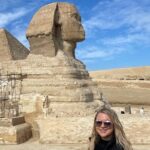
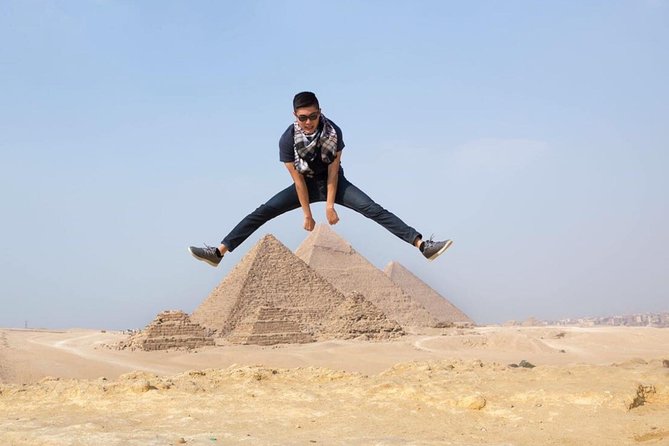
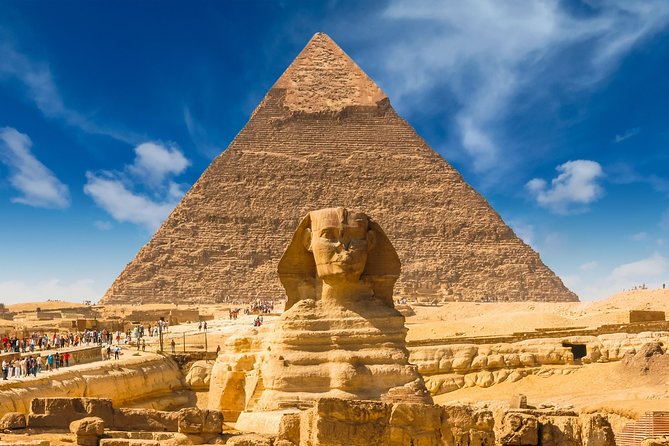
Day 1 is built for first-time Cairo travelers who want the main sights fast, with context. The big opener is the Pyramids of Giza—including the pyramids associated with Cheops (Khufu), Chephren (Khafre), and Mekarenous (Menkaure)—plus time at the mummification temple area and the Great Sphinx.
What makes this setup valuable is the way it reduces decision fatigue. Instead of you trying to map where to stand, your route is organized around the most photographed and most meaningful locations. The Great Sphinx is also treated as a stop, not a quick photo—so you can actually take in scale and location.
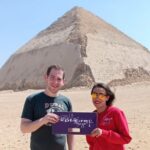
Then the itinerary moves to Dahshur for the Red Pyramid and Bent Pyramid. You’ll have a chance to go inside the Red Pyramid for free, which is a big deal if your goal is more than just views. Going inside changes how you understand these monuments. Even if you’re not the type who loves tomb details, that physical experience tends to make the whole day feel more real.
The schedule also includes Giza monument time blocks
After the Sphinx area, the itinerary lists additional time for the Great Pyramid complex and the Khafre and Menkaure complexes, with shorter segments. Some of these are marked as free/basic in the program, but the practical takeaway is this: you’ll get to cover the major complexes without feeling like you missed the ones people always ask about later.
You can also read our reviews of more private tours in Cairo





Tip for keeping your energy up
This is sun-and-walking heavy. Bring water, protect your head, and wear shoes you trust. Even with private transport, you’ll still spend long stretches on foot.
Saqqara and Memphis: why this stops the pyramid story from feeling too one-note
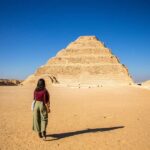
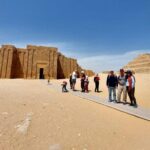
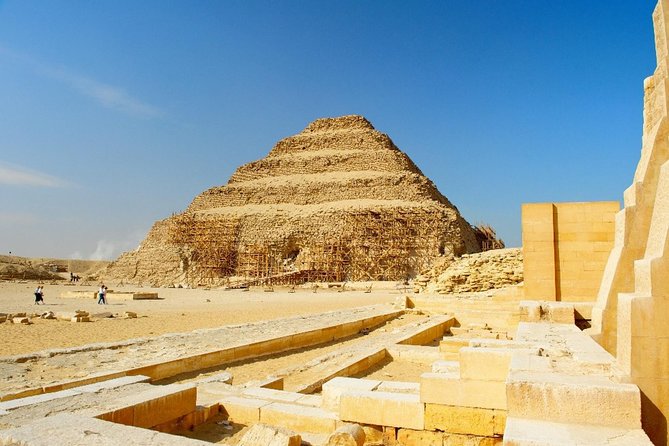
If Giza is the headline, Saqqara and Memphis are the explanation chapters. You’ll hit the Step Pyramid of Djoser in Saqqara, then move into Memphis.
The Saqqara stop matters because the Step Pyramid of Djoser is often where people start to understand the shift toward monumental pyramid building. It’s not just another pyramid stop; it’s a different shape of ambition.
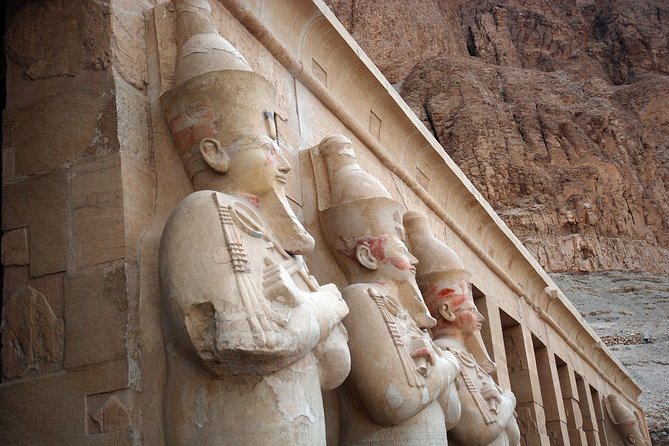
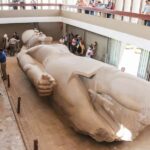
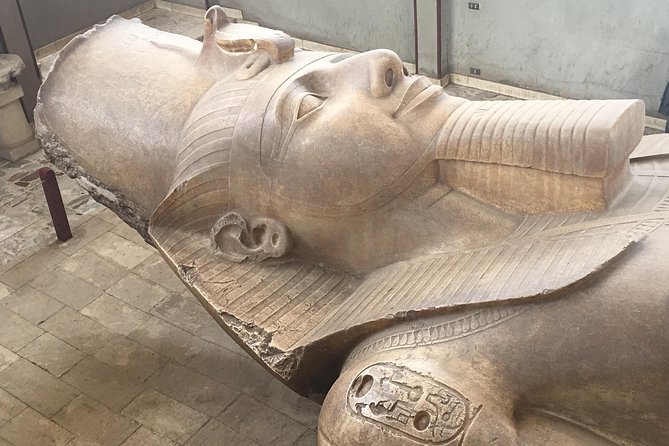
Then Memphis adds the human texture. The itinerary highlights statues and major artifacts connected to rulers—so your guide can connect what you’re seeing to why ancient Egypt built the way it did. In particular, you’ll visit a laying down statue of King Ramses II, described as one limestone piece weighted around 120 tons, and an alabaster statue of the Sphinx listed at about 80 tons. Those weight numbers might sound like trivia, but on-site they help you grasp scale fast.
One more practical benefit: by the time you reach Saqqara and Memphis, you’re less overwhelmed. You’ve already seen the towering masterpieces at Giza. Now you can compare, notice differences, and let the guide explain how the broader landscape fits together.
Day 2 at the Egyptian Museum: Tutankhamun time plus the bigger collection
Day 2 starts with the Egyptian Museum in Cairo. You get about two hours, and the museum time is positioned as the centerpiece.
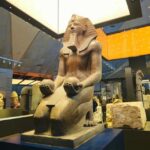
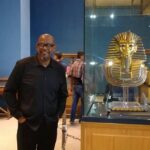
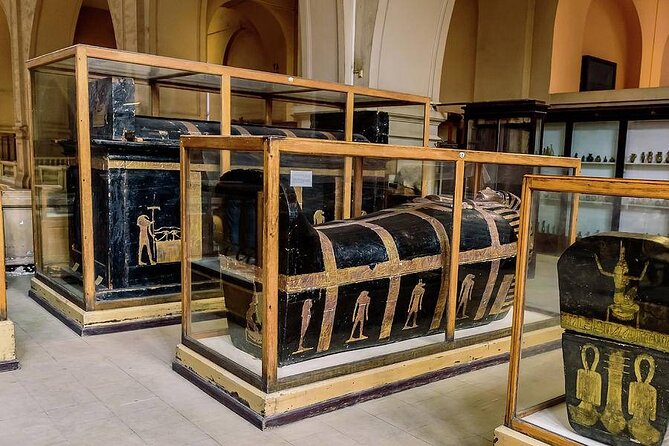
The museum is described as having over 250,000 genuine artifacts dating back around 5,000 years, which is the kind of scale that’s hard to absorb on your first try. With only two hours, you’ll be happy you’re not trying to wander randomly. The tour focuses on the most important highlights, including a dedicated Tutankhamun exhibit with treasures like gold and jewelry that were buried for about 3,500 years and discovered in the 1920s after his tomb was excavated.
This is where a guide pays off. Without context, museums can feel like information overload. With context, the same two hours becomes a structured story instead of a checklist.
The Citadel and Mohamed Ali Mosque: classic Cairo views with a shorter learning curve
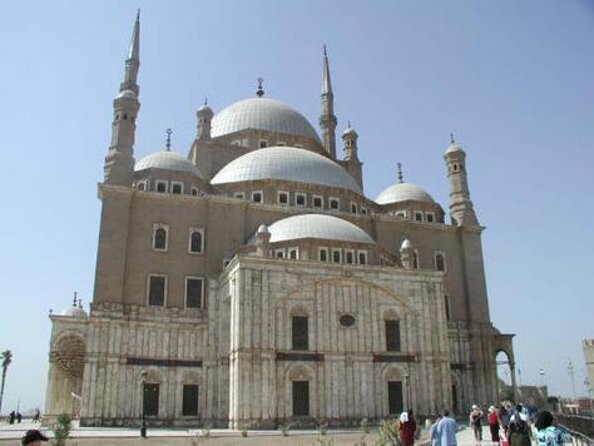
After the museum, you head to the Cairo Citadel of Saladin. The itinerary specifically includes visiting the Mohamed Ali Mosque, also known as the Alabaster Mosque.
You’ll spend about two hours at this stop area, and the tour description compares the mosque’s design to the Blue Mosque in Turkey, noting this one is smaller. Whether or not you’ve been to Istanbul, that comparison helps you know what to look for: the big domes, the interior mood, the way light moves around the space.
This day works well because you’re alternating formats: museum rooms, then open-air heights and historic architecture. If you like photos, this is where you’ll feel like Cairo finally clicks visually beyond the pyramids.
Mosque stop timing note
The itinerary also lists Mosque of Muhammad Ali as a separate stop later on Day 2. Practically, you’ll likely be spending focused time there as part of the Citadel visit plan. Either way, plan for time inside, time outdoors, and some careful clothing rules—Cairo mosques tend to be strict about that.
Khan al-Khalili: haggling practice and a few smart boundaries
You’ll get time at Khan al-Khalili bazaar in Islamic Cairo. This is the part where Cairo goes from monument-focused to people-focused.
The tour description frames the market around crafts and goods: brass ware, copper, perfumes, leather, silver, gold, antiques. That list is useful because it reminds you this isn’t a single street of souvenirs. It’s many kinds of shopping lanes under one umbrella.
A real-life tip on shopping pressure
One small but useful note from experience-style reviews: the tour can include drops at shops not planned in the posted route. The intent is often to show local craft or get you in front of specific artisans. The best way to handle it is simple: you do not need to buy. If you treat it as browsing and conversation, it stays enjoyable instead of stressful.
And yes, haggling is part of the game here. If you’re uncomfortable bargaining, you can still browse and decide later. Just set a mental limit before you step in.
Hotel upgrades: comfort options for a two-day grind
There’s an option to upgrade your package to include accommodation at 3-star, 4-star, or 5-star levels. On paper, that sounds like an easy add-on. In real life, it can be the difference between enjoying Cairo and feeling wrecked by the end of the second day.
Because this itinerary is packed, a better bed and a calmer room can seriously improve your energy. If you’re the kind of traveler who likes to start mornings fresh and handle heat and walking without stress, an upgrade is often worth it.
Who this tour fits best (and who might want a slower plan)
This is a good match if you:
- Want to see the big Cairo icons in two days without organizing transport yourself
- Prefer a private guide-style experience so you can ask questions and move on your schedule
- Are excited to pair Giza with Dahshur and then round it out with Saqqara and Memphis
- Like a mix of monuments plus market time and one key museum block
It may not fit you as well if you:
- Want long, unhurried stays at every site
- Get cranky when a day is heavy on walking and heat
- Want very deep museum time beyond a couple hours of highlights
The guide factor: ask who you’ll get, and watch for Abdullah mentions
A standout in feedback is the name Abdullah. When Abdullah is the guide, the theme is clear: he’s super excellent, very knowledgeable, and highly cooperative, which shows in how smoothly the day flows without feeling strained.
Even if your guide isn’t Abdullah, the key is to confirm your guide is assigned and expect Egyptology-style explanation rather than silent transportation. With so many sites on the schedule, a good guide is what turns “many stops” into “I get it.”
Should you book this 2-day private Cairo tour?
I’d book it if your goal is simple: see the pyramids, understand what you’re looking at, and still have time for the museum, Citadel, and Khan al-Khalili. The private format, hotel pickup/drop-off, and air-conditioned vehicle are the practical reasons this works. The itinerary structure also keeps the theme coherent—pyramids first, then museums and Islamic Cairo.
I wouldn’t book it if you hate fast pacing or you want to spend half the day at only one monument. This tour is built for momentum. You’ll feel Cairo’s range in 48 hours, but you’ll need to meet it halfway with comfortable shoes and realistic expectations.
FAQ
What is the cost of the 2 Day private guided Cairo tours?
The price is $20.00 per person.
Does the tour include hotel pickup and drop-off?
Yes. Hotel pickup and drop-off are included.
Are admission tickets included for major sights?
Admission tickets are described as included for some stops in the itinerary (and some stops are listed as included/free). Entry fees are also listed as not included in the general package notes, so it’s smart to confirm what’s covered in your chosen option.
Is lunch included?
Yes. Meals include breakfast & lunch at a local restaurant.
Do I have a tour guide and Egyptologist support?
The tour description says the tours are led by Egyptologist guides, but the details also list “Tour Guide” as optional. Confirm what your selected option includes.
What if weather is poor or I need to cancel?
The experience requires good weather. If it’s canceled due to poor weather, you’ll be offered a different date or a full refund. Cancellation is free up to 24 hours before the experience start time.
If you tell me your travel month and whether you’re starting from Giza or central Cairo, I can help you decide if this pacing fits your style and what to plan for on-the-ground.