REVIEW · LUXOR
Luxor: Private Full-Day Luxor Highlights Tour with Pickup
Book on GetYourGuide →Operated by Emo Tours Egypt · Bookable on GetYourGuide
One Nile, two unforgettable sides. This private full-day Luxor highlight tour strings together the Valley of the Kings and Karnak Temple with a guide who explains how these monuments connect. You also get the West Bank icons like Queen Hatshepsut’s El Dir El Bahari and the East Bank power center of Luxor Temple.
The main thing to plan for is comfort: it’s a long day, and West Bank tombs and temples mean walking in heat. That’s fine if you pace yourself and wear good shoes, but it is not a sit-behind-the-window kind of outing.
In This Review
- Key Highlights Worth Marking on Your Map
- How This Luxor Private Tour Runs Without Feeling Like a Rush
- West Bank Transfer: The Easy Way to Start Your Day in Luxor
- Valley of the Kings: Where the Afterlife Became Architecture
- Queen Hatshepsut at El Dir El Bahari: Terraces, Power, and a Rare Story
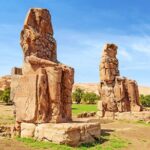
- Colossi of Memnon: Amenhotep III’s Mortuary Temple, Reduced to Giants
- East Bank Switch: Karnak Temple’s Amun Complex and Its Big, Serious Scale
- Luxor Temple: The Smoother Finish, Built Across Reigns
- Lunch in Luxor: Included, and Usually the Real Relief
- Price and Value: Why $105 Can Make Sense for a Private Day
- Guides and Pace: The Not-So-Secret Sauce
- Who This Luxor Full-Day Tour Best Fits
- Should You Book This Tour?
- FAQ
- How long is the Luxor highlights tour?
- Where do you get picked up?
- Is the tour private or shared?
- What’s included in the price?
- What languages are offered for the live guide?
- Is there free cancellation?
Key Highlights Worth Marking on Your Map
- Private pickup and A/C vehicle for a smoother start-to-finish day
- Valley of the Kings focus with the big names: Tutmosis I, Tutmosis III, Tut-Ankh-Amon, Ramssess VI, Mrenptah, and Amonhotep II
- El Dir El Bahari (Hatshepsut) terraces and the story of Egypt’s only pharaonic woman reign
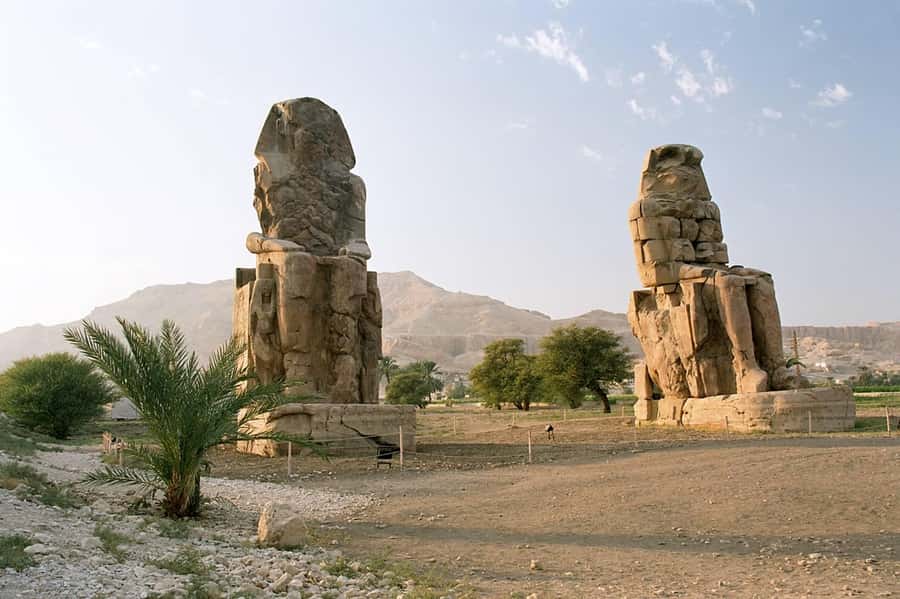
- Colossi of Memnon as surviving pieces of Amenhotep III’s mortuary temple
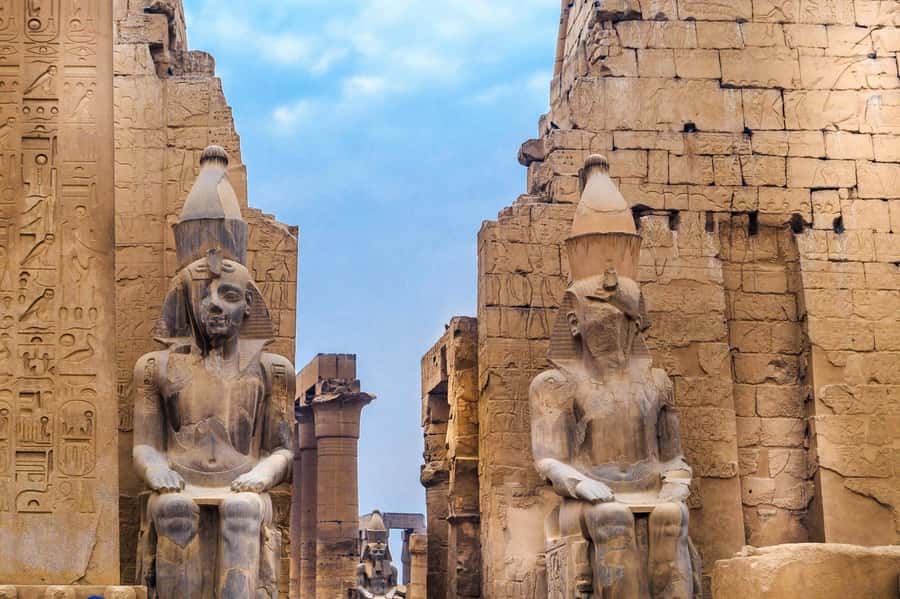
- Karnak + Luxor Temple pairing: Amun’s worship center, then Luxor Temple built by Amenhotep III and completed by Ramses II
How This Luxor Private Tour Runs Without Feeling Like a Rush
I like tours that do one thing well, and this one is built around a simple idea: see the West Bank first, then switch to the East Bank. That flow helps you compare burial monuments (West) with living-and-worship monuments (East) in the same day.
You’ll start with pickup from your hotel or Nile cruise in Luxor, and in some cases even Luxor airport. Then you slide across the river in a private A/C vehicle with a guide in English, Spanish, Arabic, or German. The day is organized so you’re not wrestling a crowd-control schedule every hour—most importantly, you’re in control of your pace at the sites.
One more practical win: entry fees, lunch, and bottled water are included. When those are handled for you, you spend less time figuring out logistics and more time looking at carvings that actually matter.
You can also read our reviews of more private tours in Luxor
West Bank Transfer: The Easy Way to Start Your Day in Luxor
Your day begins on the West Bank side, where Luxor’s story turns toward the afterlife. This matters because it sets your brain in the right mode. Instead of thinking of monuments as one-off ruins, you start seeing them as part of a burial landscape.
I also think the private format is the difference between a day that feels exhausting and a day that feels manageable. A/C makes a real difference when the sun is up. And because it’s private, your guide can steer you through the sites with fewer interruptions.
Plan for a big chunk of time outdoors. Even with air-conditioned driving, you’ll still be outside at temples and at the Valley of the Kings approach. Wear shoes you don’t mind dusting off at the end of the day.
Valley of the Kings: Where the Afterlife Became Architecture
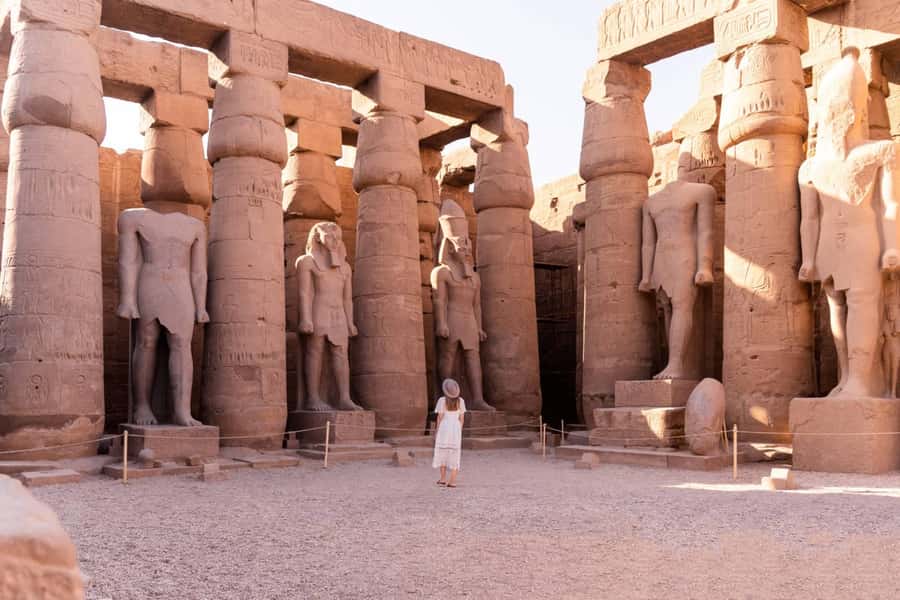
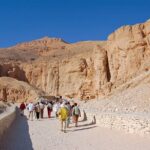
If I had to pick one stop that makes this tour worth doing, it’s the Valley of the Kings. It’s not just famous; it’s spectacular in a very specific way. The scale of the ambition is right there in the planning—this was burial architecture made to last, built for kings who were meant to be remembered beyond ordinary life.
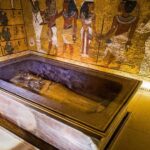
Your guide will connect the site to a lineup of major tombs. You’ll hear names like Tutmosis I, Tutmosis III, Tut-Ankh-Amon, Ramssess VI, Mrenptah, and Amonhotep II. Even when you’re not inside every tomb, hearing how each reign relates to the overall system helps you read the valley instead of just sightseeing it.
Here’s what you should do while you’re there:
- Look for how the valley is organized, not just the tomb entrances.
- Ask your guide what a burial temple’s role was—it changes how you see everything you’re walking past.
- Keep expectations realistic about pace. Tomb areas can involve steps and uneven walking, so go slow and let your eyes land.
A small caution: tomb exploration can feel like sensory overload—bright sun, stone, carvings, and heat. Take short breaks and hydrate. You’re not doing this for a sprint photo; you’re doing it to understand what you’re seeing.
Queen Hatshepsut at El Dir El Bahari: Terraces, Power, and a Rare Story
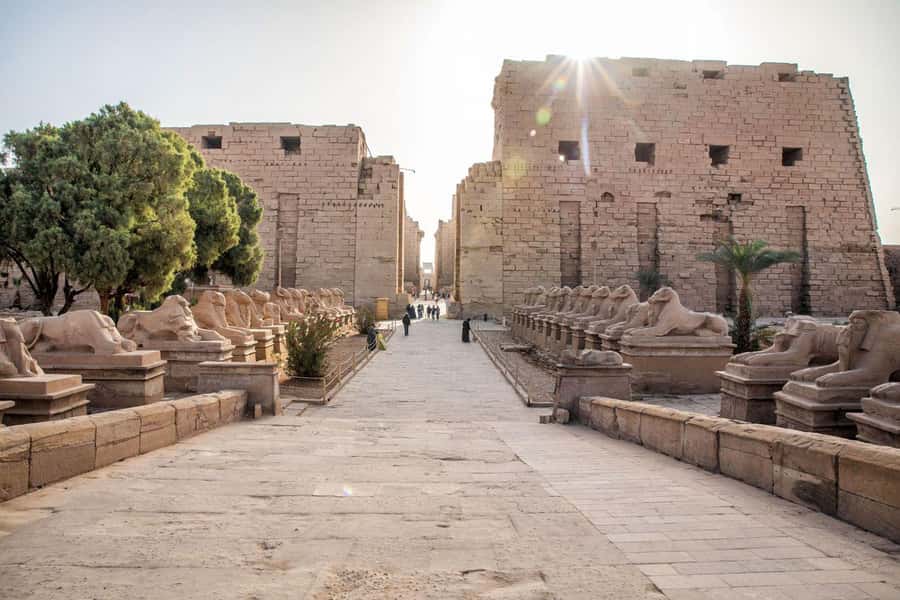
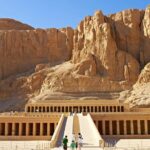
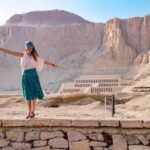
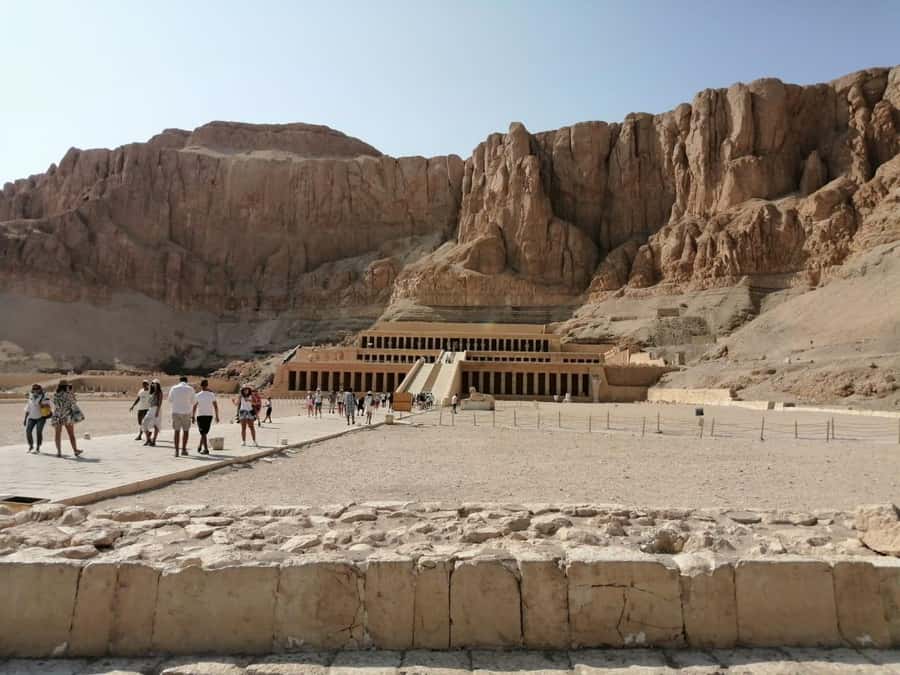
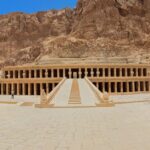
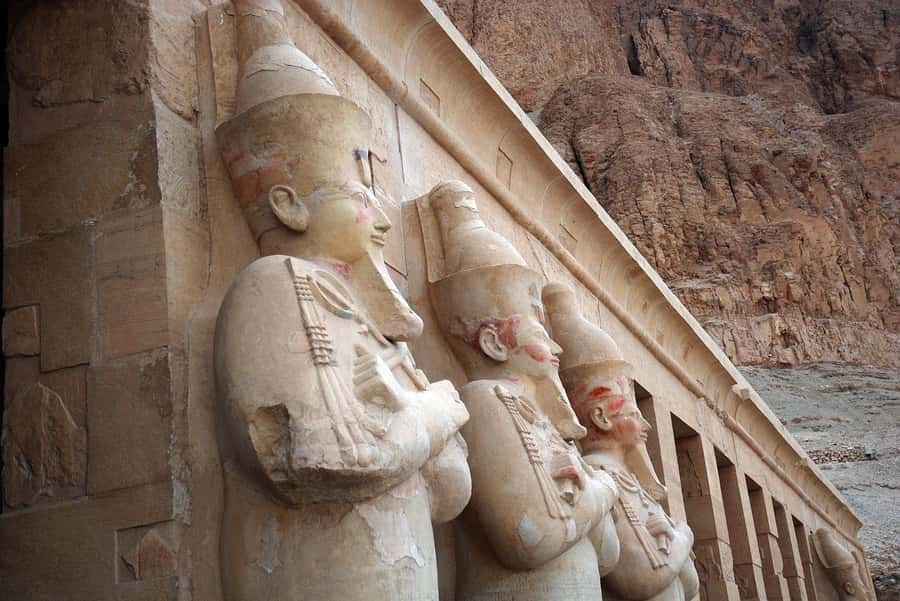
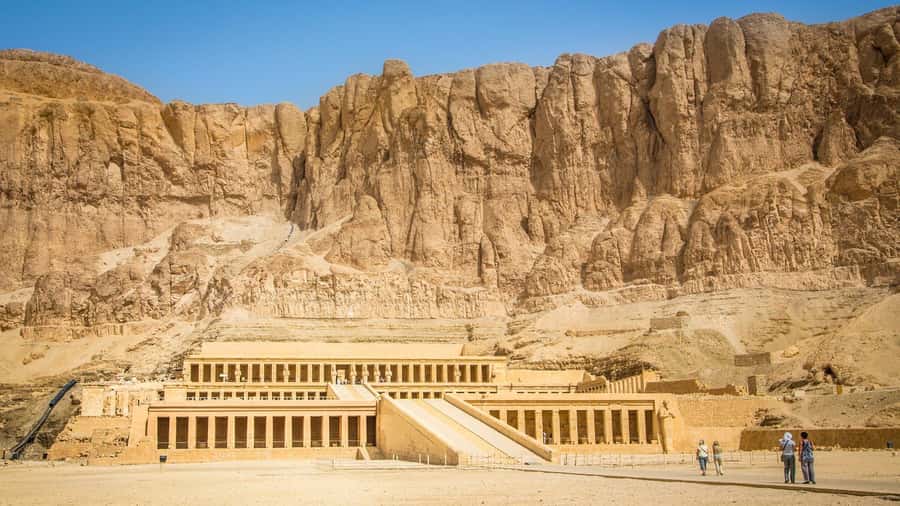
Next comes Queen Hatshepsut’s Temple, also called El Dir El Bahari. This stop is special because it brings a female ruler into focus in a way most visitors don’t expect. Hatshepsut was the daughter of Thutmosis I, she ruled for about 20 years during the 18th Dynasty, and she’s remembered as the only pharaonic woman who reigned.
What I love about El Dir El Bahari is the layout. The terraces and temple design feel like they were meant to impress you gradually, guiding you from one viewpoint to the next. Your guide should help you connect the artistry to the message: this wasn’t just a place of worship; it was political and symbolic.
Practical tip: this is often a “stand back and look” site as much as a “walk close” one. If you only rush through photos, you miss why it feels so cinematic.
Colossi of Memnon: Amenhotep III’s Mortuary Temple, Reduced to Giants
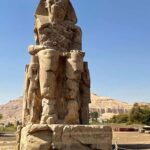
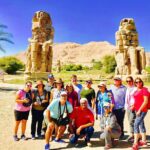
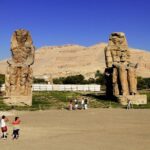
Then you hit the Colossi of Memnon, which are the surviving remains of Amenhotep III’s mortuary temple. These giant statues don’t need a lot of explanation to feel dramatic. They already do the work for you—scale, weathering, and the strange calm of stone in a modern day.
Your guide’s job here is to add context: what the mortuary temple was for, why Amenhotep III built on this scale, and how monuments like this fit into the broader West Bank picture of kingship and legacy.
If you’re visiting in strong midday sun, expect the area to be bright. Bring sunglasses and protect your camera. And give yourself a minute or two to just stand there. These statues look different from different angles, especially as the light shifts.
A few more Luxor tours and experiences worth a look

East Bank Switch: Karnak Temple’s Amun Complex and Its Big, Serious Scale
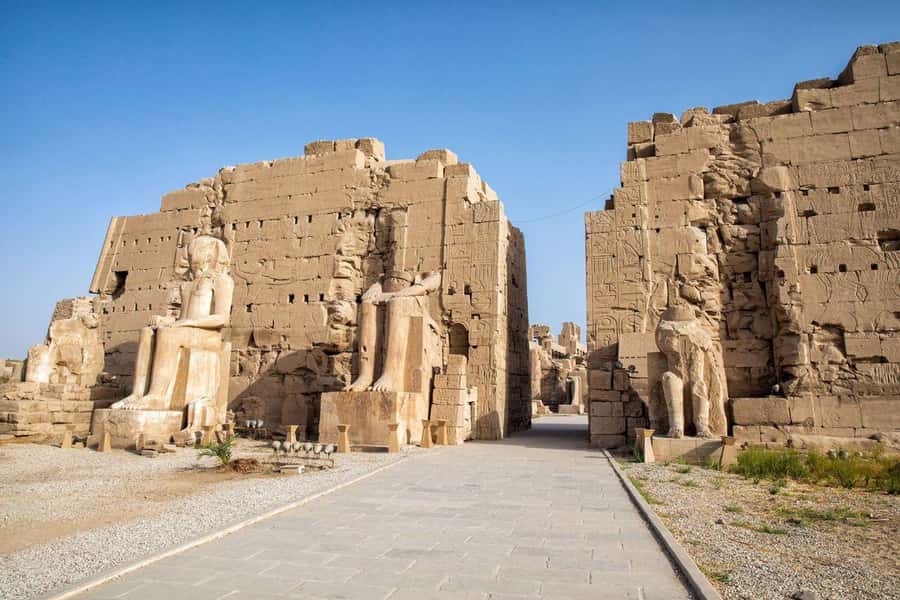
After lunch or shortly after the West Bank segment (depending on timing), you move to the East Bank to shift gears. Now it’s about worship and daily religious life—especially at Karnak Temple.
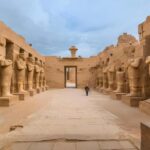
Karnak is presented in a clear, grounded way: it’s the greatest example of worship in the history and it’s dedicated to the God Amon, along with Mut and their son Khonsu. Even if you’re not a hardcore Egyptology fan, you’ll feel the scale instantly. It’s one of those places where your eyes keep asking: how did they build this?
This stop is often where the best guides really shine. In recent private tours, guides like Ahmed, Salwa, and Mahmoud were praised for pacing the day, answering questions, and using simple explanations that made the temple layout click fast. If your guide uses drawings or points out relationships between figures and spaces, lean into it.
What to do at Karnak:
- Ask what you’re looking at before you walk past it.
- Don’t try to “see everything.” See the parts your guide can explain.
- If you want photos, take them in bursts. Karnak crowds and bright sun can make you want to rush.
Luxor Temple: The Smoother Finish, Built Across Reigns
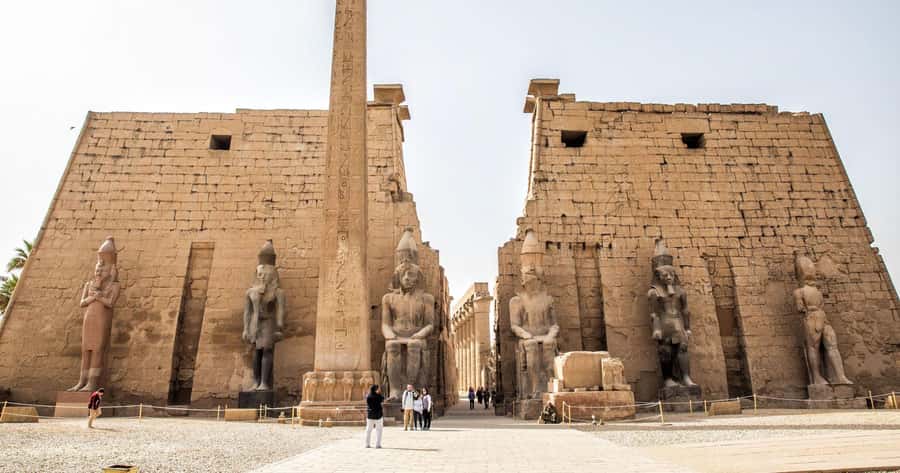
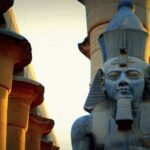
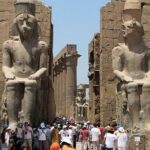
To wrap the East Bank portion, you’ll visit the Temple of Luxor. This one brings the New Kingdom story forward: it was built by Amunhotep III in the 18th Dynasty and completed by Ramses II during the 19th Dynasty.
That detail matters. It’s not just a pretty temple. It’s a snapshot of how Egyptian monumental building worked across generations. You’re seeing a long arc of power—who started the work and who finished it.
I find Luxor Temple is a great capstone because it’s easier to absorb after the mind-bending sprawl of Karnak. You can shift into a calmer mode and reflect on the day you’ve had.
Lunch in Luxor: Included, and Usually the Real Relief
This tour includes lunch and bottled water. In practical terms, that’s one of the best cost-value perks of the package: you’re not hunting for food while your energy tanks.
Some guests noted the lunch felt traditional and that it was a nice break from resort-style meals. Others mentioned vegetarian requests being accommodated. Either way, treat lunch as a chance to reset your body. Eat something filling but not heavy, then get back to the sites hydrated.
Heat can be sneaky in Luxor. Even when you’re not drenched, you’re losing water.
Price and Value: Why $105 Can Make Sense for a Private Day
At $105 per person for an 8-hour private highlights route, the value comes from a stack of included items that add up fast:
- Private A/C vehicle and transfers
- Tour guide
- Entry fees
- Lunch + bottled water
A cheaper mass-coach tour can look appealing on paper. But when you add up the time wasted on group logistics, the friction of crowded schedules, and the stress of trying to manage tickets and timing yourself, private starts to look smarter. And multiple reviews specifically praised how the tour felt relaxed, with time to explore at your own pace.
Also, private format helps with small but real things: your guide can answer questions on the spot and adjust how long you stay at each stop. That’s not a luxury detail. It’s the difference between feeling like you rushed through stones and feeling like you understood what you saw.
Guides and Pace: The Not-So-Secret Sauce
Across many private Luxor tours, the standout pattern is consistent: the best days come down to the guide. This tour offers live guiding in Spanish, English, Arabic, and German, and the reviews highlight guides who were friendly, patient, and funny.
Names that popped up in recent bookings include Ash, Salwa, Mahmoud, Carlos, Shareem, Ayad, Mohamed, Khaled, and Nevein. That’s a good sign for you because it suggests a focus on human delivery, not just a script.
Here’s how to get the most out of your guide during the day:
- Ask for the one-line takeaway first. Then ask your deeper questions.
- If you’re interested in symbols or specific pharaohs, say so early.
- If you want fewer hassles, tell your guide you prefer minimal stops between sites and more time in the monuments.
One more smart note from reviews: some guides proactively help visitors avoid scams around souvenir pressure. I’d rather hear advice and stay calm than get blindsided later.
Who This Luxor Full-Day Tour Best Fits
This is a strong match if you:
- Want East and West Bank highlights without juggling separate tickets and transfers
- Prefer a private group pacing (no feeling pushed along)
- Enjoy learning as you walk—especially at Valley of the Kings, Hatshepsut, Karnak, and Luxor Temple
- Like the idea of a guide who can answer questions and help you make sense of what you’re seeing
It may not be ideal if you hate walking in the heat or you only want a light, passive experience. This is a sightseeing day with actual temple legs.
Should You Book This Tour?
Yes—if you want the core Luxor story in one day, this private format is a practical way to do it. You get the must-see monuments across both Nile banks, and you’re not paying extra for every little piece of the puzzle because lunch, entry fees, and transfers are included.
Book it especially if you’re short on time in Luxor and you want your day to feel organized, not chaotic. If you’re celebrating something (birthdays came up in reviews), even better—some guides go the extra mile for personal moments.
Just go in with the right mindset: bring water, wear sturdy shoes, and expect a long day in the sun. Do that, and Luxor will reward you.
FAQ
How long is the Luxor highlights tour?
It runs for 8 hours.
Where do you get picked up?
Pickup is available from your hotel or Nile cruise in Luxor, and it can also start from Luxor airport.
Is the tour private or shared?
It’s a private group.
What’s included in the price?
The package includes private air-conditioned transfers, a private transportation setup, entry fees, a tour guide, lunch, and bottled water.
What languages are offered for the live guide?
Guiding is available in Spanish, English, Arabic, and German.
Is there free cancellation?
Free cancellation is available up to 24 hours in advance for a full refund.
Provider: Emo Tours Egypt