REVIEW · CAIRO
Pyramids of Egypt full day tour: Great Pyramids of Giza, Saqqara & Memphis
Book on Viator →Operated by Sharm Club · Bookable on Viator
Three ancient sites, one long day. This private guided trip strings together Giza, Saqqara, and Memphis so you see the big icons and the supporting monuments without the Cairo maze. It’s built for people who want more than a quick drive-by and for anyone who’d rather spend time at the sites than negotiating transport.
I love the mix of moments you get here: walking the Giza pyramids and Valley Temple, getting close to the Great Sphinx, and then moving on to Saqqara’s Step Pyramid of Djoser and public tombs. I also like the practical way the day is run—an air-conditioned car, lunch included, and a guide who stays focused on your schedule and photos, including memorable help from guides like Sherif/Sharif and drivers such as Mustafa and Waleed.
One possible drawback: entrances inside the pyramids and paid tombs aren’t included, so you’ll need extra cash for the specific sites that are open on the day—plus it’s hot, with limited shade while you’re out in the open.
In This Review
- Key highlights you’ll actually care about
- A Private Day Linking Giza, Saqqara, and Memphis
- Pickup, air-conditioned comfort, and what lunch covers
- Giza pyramids, Sphinx, and Valley Temple: the photos start early
- Imhotep Museum before Saqqara: a smart warm-up
- Saqqara’s Step Pyramid and the tombs you can actually enter
- Memphis open-air museum and Ramses II Colossus
- Tickets, extra entrance fees, and the heat you should plan for
- Why the guide can make or break the day
- Value for about $150: what you’re really paying for
- Should you book this Cairo Pyramids full-day tour?
- FAQ
- FAQ
- What time does the full-day tour start?
- How long is the tour?
- Is lunch included?
- Are the entrance fees to pyramids and tombs included?
- Can I enter one of the pyramids at Giza?
- Is this a private tour?
Key highlights you’ll actually care about
- Private guide, just your group, with time to ask questions and move at your pace
- Giza pyramid access: you can enter one of the main pyramids (entry is at your own expense)
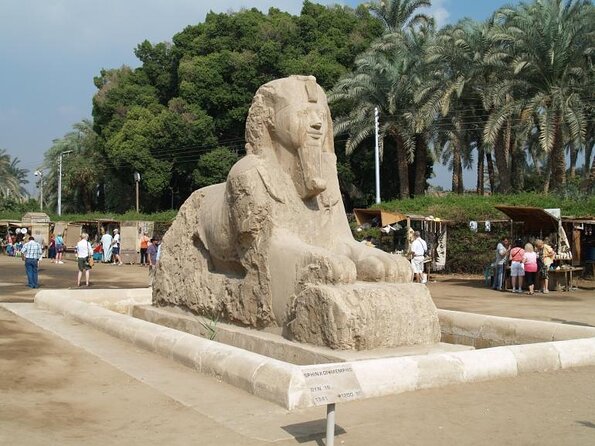
- Saqqara lineup: Imhotep Museum, Step Pyramid of Djoser, and tombs of the nobles that are open to the public
- Memphis stop is focused: you’ll see the open-air sculptures and the Colossus of Ramses II
- Hotel or airport pickup and drop-off, so you skip the stress of figuring out logistics in Cairo
- Lunch is included, but drinks and water during lunch are not
A Private Day Linking Giza, Saqqara, and Memphis
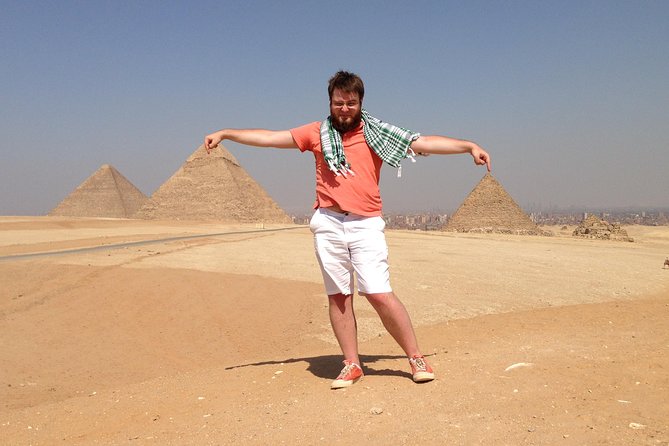
If your dream is to see Cairo’s three headline ancient sites in one go, this full-day private tour is a solid way to do it. You’re not just doing the checklist. You’re getting the connecting tissue—how the pyramids at Giza fit into the wider story, how Saqqara’s royal world feels different, and what Memphis adds when you shift from pyramid architecture to monumental statuary.
This kind of private format matters here because the big sites can get overwhelming fast. You’ll want someone to help you get oriented—where to stand for the best angles, how long to linger, and what to look for once you’re there. Multiple day-bye-day visitors in feedback also highlighted how guides like Sherif/Sharif helped keep the day smooth and photo-friendly, including making sure you got the key viewpoints.
This is also a long day. It’s usually around 10 hours, starting at 9:30 am, so you’re committing to an outdoors-heavy experience. If you’re traveling with anyone who gets easily exhausted in heat, plan for breaks and sun protection.
A few more Cairo tours and experiences worth a look
Pickup, air-conditioned comfort, and what lunch covers
One reason I like this tour concept is the two-way transfers. You can be picked up from your hotel or from the airport, and you’ll get dropped back afterward. That alone can save a lot of time and headaches, especially if you’re arriving by air or you don’t want to deal with Cairo traffic before you’ve even started seeing sights.
Transport is handled in an air-conditioned vehicle, which matters because you’re moving between three major areas. When the day’s mostly walking and waiting outside, that drive time can be the difference between staying fresh and feeling wiped out.
Lunch is included, and that’s a big value point for a day like this. The only caveat: soft drinks and water during lunch aren’t included, so I’d budget for water separately if you’re someone who drinks a lot. And since you’re outside in the sun before and after the meal, bring a plan for staying hydrated.
You’ll also get a mobile ticket, which helps if you’re trying to keep things organized on the day.
Giza pyramids, Sphinx, and Valley Temple: the photos start early
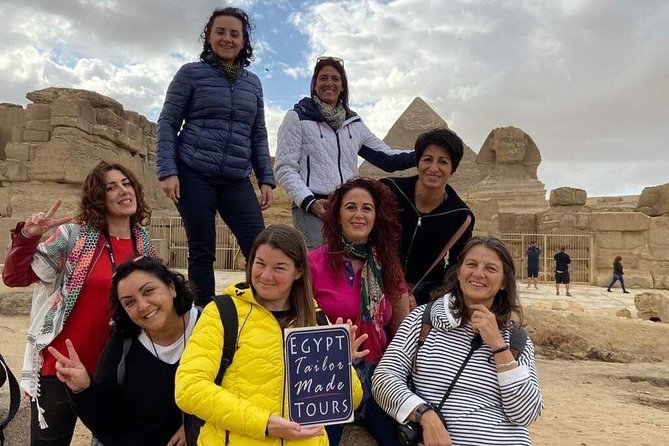
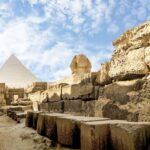
Giza is where the day becomes real. You start with the Pyramids of Giza, and you’ll have about two hours to see all three pyramids. This isn’t just strolling for a few minutes; you’ll walk around, get time at viewpoints, and you may even get the chance to climb on one of them, depending on how the area is operating that day.
Then comes the big-ticket experience: entering one of the main pyramids. The tour lets you enter, but the entrance itself is at your own expense. The practical takeaway? You’ll want to arrive ready with cash or payment method for that extra cost. Also, which pyramid you can enter may depend on what’s open that day, so think of it as a best-available access moment rather than a guarantee for a specific pyramid.
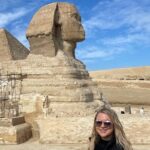
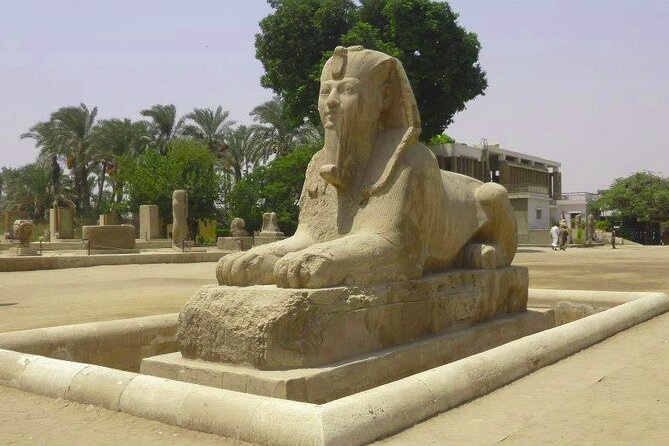
Next up is the Great Sphinx. You get around 40 minutes here, plus walking time at its Valley Temple. This is a great pairing because the Sphinx works better when you’re not just looking from one spot. Walking gives you better perspective on its placement and scale, and you’ll have more natural angles for photos.
A small, real-world tip: don’t overpack your mental checklist at Giza. The sites are crowded with visual information—pyramids on every side, stair-step perspective, and constant camera comparisons. Your guide should help you focus on what’s worth your time, and it’s worth going with that flow so you don’t burn time chasing the perfect shot and then running low on daylight.
Imhotep Museum before Saqqara: a smart warm-up
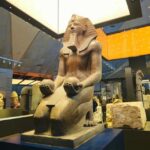
Between Giza and Saqqara, there’s a stop that often makes the whole day feel more coherent: the Imhotep Museum. You’ll spend about 40 minutes here.
The value is in how it helps you interpret what you’re about to see on the Saqqara plateau. When you’re standing near the Step Pyramid of Djoser, it helps to have some context for who Imhotep was and what the finds from excavations at Saqqara are trying to explain. Instead of wandering through Saqqara like you’re reading random chapters, you start to connect the dots.
This museum stop is also practical. It’s indoors (at least compared with the outdoor plateau), which can give you a breather from the sun. If your day plan is mostly outdoors, that little reset matters.
Saqqara’s Step Pyramid and the tombs you can actually enter
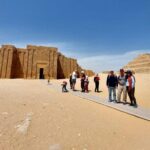
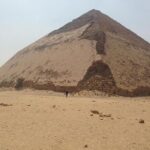
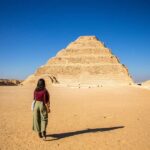
Saqqara is where the tour shifts from the iconic skyline of Giza into a more nuanced experience. Here you’re visiting the Step Pyramid of Djoser, plus the surrounding Valley Temple, and you’ll also see tombs that are open to the public.
You’ll get about two hours on this part. That’s enough time to walk the area without feeling like you’re being herded. The Step Pyramid is the headline, but the surroundings help explain how Saqqara functioned as a royal and religious landscape.
One thing I appreciate is that the day isn’t only about the big monument. When you get tombs that are open to the public, it changes the texture of your visit. It’s one thing to see monumental stone from outside. It’s another to understand how people used those spaces and how Egyptian funerary design evolved. And because you’re not doing this alone, your guide can point out what’s easy to miss if you’re just looking at stone shapes.
There is, however, an extra-cost reality you should plan for: some tombs are paid, and entrance fees for those aren’t included. So when you arrive, treat those costs as part of the day’s budget—not as surprise expenses.


Memphis open-air museum and Ramses II Colossus
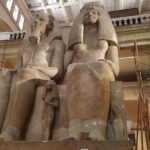
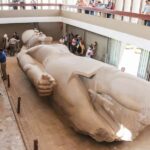
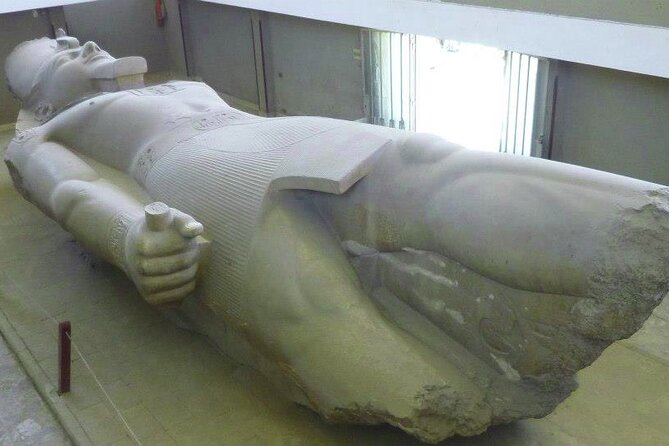
After Saqqara, you shift gears again. Memphis gives you that “now we’re talking about sculpture and power” feeling. You’ll spend around one hour at an open-air museum area, seeing important statues and then focusing on the main attraction: the Colossus of Ramses II.
The best part of this stop is how it anchors the day after the pyramid world. Saqqara and Giza focus on royal architecture and monumental building. Memphis adds the visual language of kingship—how rulers wanted to be seen, remembered, and encountered in public space.
It’s a shorter visit than the earlier stops, and that’s okay. At this point in the day, you’ve already spent significant time outside. Memphis works as a strong final chapter without forcing you to keep going until you’re fried.
Tickets, extra entrance fees, and the heat you should plan for
Let’s talk about the part that most people only realize once they’re on the ground: entrances. The tour includes entry related to the stops on the schedule, but entrance fees inside pyramids and paid tombs aren’t included. That means your total day cost can be slightly higher than you expect.
The good news is that the tour is structured around those moments. You’re not paying extra to fill time—you’re paying for the experiences you actually came for, like entering a main pyramid and accessing public tombs.
The second reality is the environment. Multiple bits of feedback stress how hot it can be and that there’s limited shade in key areas. Even if the day is organized well, you’ll still be outdoors for long stretches at Giza and Saqqara.
So I’d plan like this:
- bring a hat or cap and sunscreen
- carry water separately (since lunch drinks aren’t included)
- wear breathable clothing that still covers you well
- consider light layers so you’re not stuck with sweat-soaked clothes on the late part of the day
If you come prepared, the heat becomes a manageable challenge. If you come unprepared, it can turn your “once in a lifetime” day into a constant annoyance.
Why the guide can make or break the day
This is one of those tours where your guide changes your experience from good to great. Feedback repeatedly calls out guides such as Sherif/Sharif for staying engaged, answering questions, and helping with photos throughout the day. In a crowded environment, that matters more than people think.
I also love the tone that comes through in feedback: the guides didn’t just rattle off facts and move on. They helped people slow down where needed, kept the day relaxed, and made sure you got the classic angles without spending the entire day arguing about where to go next.
Some feedback also mentions drivers acting as extra protection from hassle—like Mustafa keeping people away from aggressive attention in some areas. Even if your guide handles most of the coordination, it helps to know that the day has a team built around keeping you comfortable.
Bottom line: if you can request your guide or mention you want someone great with photos and pacing, that’s worth doing. On a day like this, a strong guide is basically an extra “feature.”
Value for about $150: what you’re really paying for
At $150 per person, this tour isn’t just cheap—it’s trying to be efficient value for a high-demand route. Here’s what you’re getting for that price:
- a private guided day covering Giza + Sphinx + Valley Temple, Imhotep Museum, Saqqara (Step Pyramid area + tombs), and Memphis
- air-conditioned vehicle with transport included
- lunch included
- “all fees and taxes” covered for the parts that are included
- pickup and drop-off from hotel or airport
The value equation really comes down to how much effort you’d spend on your own. For first-timers, getting between these sites without wasting half a day on transport planning can cost more than the tour if you end up paying for multiple separate arrangements. This itinerary is designed to bundle it into one smooth day.
The main financial add-ons are entrances inside pyramids and paid tombs. If you’re the type who wants maximum access—entering a pyramid and touring tombs—your additional spending is likely aligned with your goals.
So my take: it’s good value if you want a guided plan with transport and lunch handled. If you’re trying to keep spending extremely tight and don’t care about entering anything inside, you might be able to build a cheaper self-guided approach. But you’ll be trading off time, guidance, and comfort.
Should you book this Cairo Pyramids full-day tour?
I’d book it if you want:
- a private guide for the day
- a schedule that connects Giza, Saqqara, and Memphis into one story
- time for key experiences like walking the Valley Temple and accessing public tombs
- pickup and drop-off so you’re not stuck figuring out logistics
I’d pause and think twice if:
- you’re not comfortable paying extra for pyramid entry and paid tombs
- you struggle with long, hot outdoor walking
- you want a very relaxed day with lots of downtime (this is more “see a lot” than “slow and lazy”)
If you’re willing to plan for the heat and budget for entrances inside monuments, this is the kind of day that turns Cairo from distant photos into real scale—pyramids you can stand close to, a Sphinx you can walk around, and Saqqara and Memphis that fill in the broader ancient picture.
FAQ
FAQ
What time does the full-day tour start?
The tour starts at 9:30 am.
How long is the tour?
The duration is about 10 hours.
Is lunch included?
Yes, lunch is included. Soft drinks and water during lunch time are not included.
Are the entrance fees to pyramids and tombs included?
Entrance fees inside the pyramids and paid tombs are not included. You’ll pay for those separately.
Can I enter one of the pyramids at Giza?
Yes. The tour includes the chance to enter one of the main pyramids, but the entrance is at your own expense.
Is this a private tour?
Yes. It’s a private tour/activity, so only your group will participate.