REVIEW · LUXOR
Private Tour Valley of the Kings and Queens and Hatshepsut Temple
Book on Viator →Operated by Luxor Travels · Bookable on Viator
Luxor hits hard before 9 a.m. This private sweep is a smart first-timer route through Valley of the Kings, the Valley of the Queens, and Hatshepsut’s temple, guided by an Egyptologist with real context as you walk. I especially like the hotel pickup and drop-off and the air-conditioned private car, which matters a lot in Luxor’s heat and sun.
The only real catch is cost creep: the tour price is $60 per person, but tomb and temple entrance fees are not included (and some entries are optional and priced separately). If you’re watching your budget, plan for those tickets before you go.
In This Review
- Key points before you go
- How a 5-hour Luxor route earns its keep
- Ramses III (KV11): the painted tomb with surprising side-room stories
- Valley of the Kings: Tut, Merenptah, Horemheb, and the other New Kingdom heavyweights
- Tomb hopping done right: how to handle short entry times
- Deir el Bahari and the Temple of Hatshepsut: the only woman-pharaoh site
- Valley of the Queens (Wadi el Malakat): where royal wives and children were buried
- Colossi of Memnon: Amenhotep III’s stone giants and the Tut connection
- Price and what you’re really paying: $60 plus entrance fees
- Who this private tour fits best
- Should you book this Luxor private tour?
- FAQ
- What’s the start time and duration of the tour?
- Is pickup included?
- Are entrance fees included in the tour price?
- How many people are on the tour?
- How far in advance should I book?
- Can I cancel for a full refund?
Key points before you go
- A private Egyptologist guide on a tight schedule, so you get meaning with the sights
- Air-conditioned pickup and transport between the West Bank sites and valleys
- Tombs with different “vibes,” from Ramses III’s unusual scenes to King Tut’s face-to-face moment
- Valley of the Queens time that’s actually worth it, including Queen Nefertari as the standout option
- Colossi of Memnon as a perfect bookend, connecting Amenhotep III to the Tut family story
How a 5-hour Luxor route earns its keep
This tour starts at 8:00 am and runs about 5 hours 35 minutes, which is a good length for seeing a lot without feeling like you’ve been dragged all day. You’re focused on the West Bank big hitters: the royal tomb world, Hatshepsut at Deir el Bahari, then the Queens valley and Colossi.
The value is in the pacing. Instead of spending your time figuring out logistics and ticket lines, you’re moving seat-to-seat in a private, climate-controlled vehicle and using your guide’s explanations to make the carvings and layouts click. You also get short, efficient stops—usually 10 to 30 minutes—which is exactly how tomb visits work best (your brain stays fresh, and you don’t overcook the day).
This is especially good for first-time Luxor visitors who want an “I get it now” day. It’s less ideal if you prefer slow wandering and want lots of time for one tomb to the point you memorize every wall.
You can also read our reviews of more private tours in Luxor
Ramses III (KV11): the painted tomb with surprising side-room stories
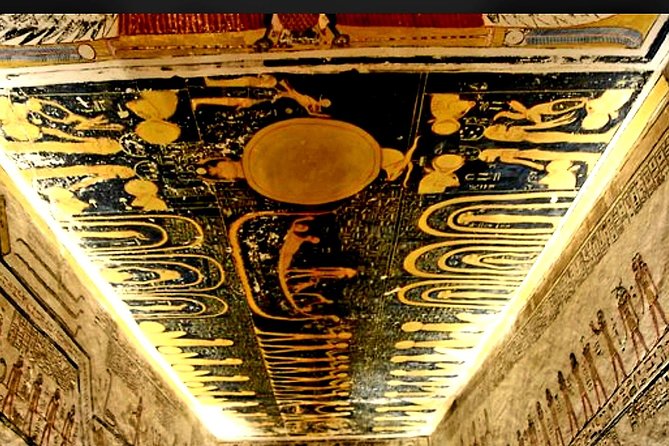
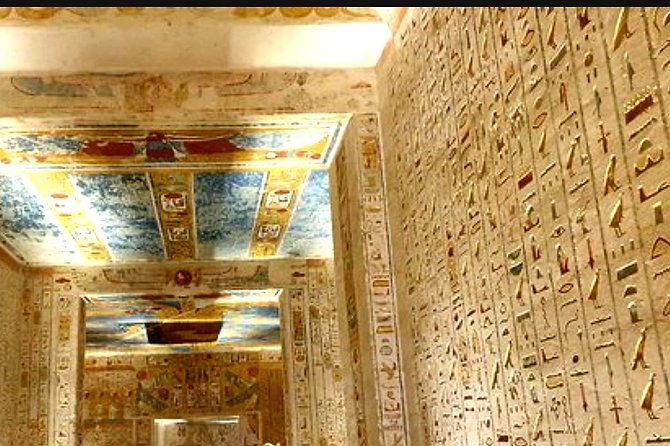
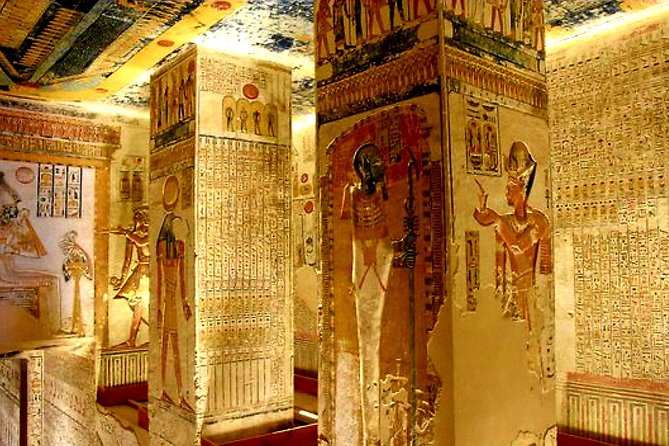
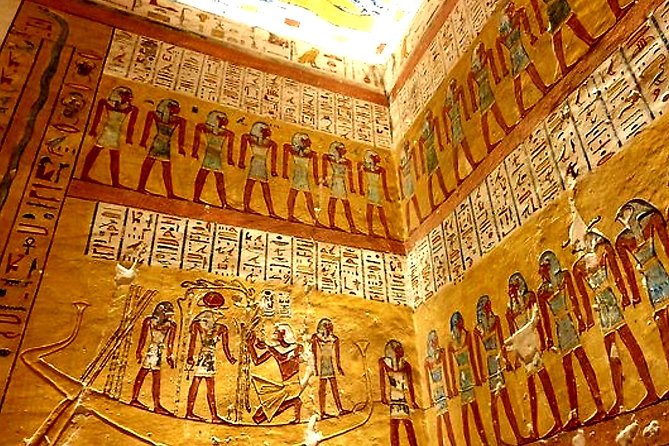
Your first major stop is the Tomb of Ramses III (KV11) in the Valley of the Kings. This one is famous not just for size, but for how busy the decoration feels. You’ll see colorful painted reliefs with traditional religious material, including ritual texts like the Litany of Ra and the Book of Gates, plus scenes of Ramses before the gods.
What I like here is the contrast in tone. KV11 includes unusual secular scenes in side rooms—foreign tributes and details such as imported pottery from the Aegean, royal armor, boats, and even the blind harpists, which is why the tomb is sometimes nicknamed the Tomb of the Harpers. It’s a reminder that these tombs weren’t just generic afterlife boxes. They were built to reflect who ran the kingdom and what the world looked like at the time.
Practical tip: tomb interiors can feel cooler than the sun outside, but breathing spaces and lighting vary. Wear comfortable shoes and expect a bit of uneven ground as you move from corridor to corridor.
Valley of the Kings: Tut, Merenptah, Horemheb, and the other New Kingdom heavyweights
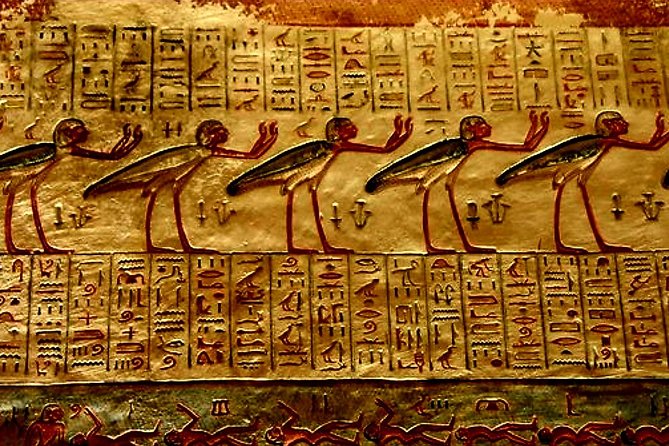
The day’s main event is the Valley of the Kings, the royal necropolis on Luxor’s West Bank. This is where you go to understand the New Kingdom idea of the afterlife—painted corridors, protective spells, and pharaohs positioned as the center of cosmic order.
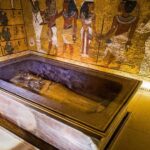
On this private itinerary, you’ll visit multiple royal tombs, including the ones that tend to define a Luxor trip: Tutankhamun, Merenptah, and Horemheb are named among the key tombs, plus other royal burials during your time in the valley. Tut’s tomb is the one people recognize because it was discovered in a near-intact state in 1922 by Howard Carter—and the chance to see the young king’s royal mummy in his tomb is the “check this off” moment many people come for.
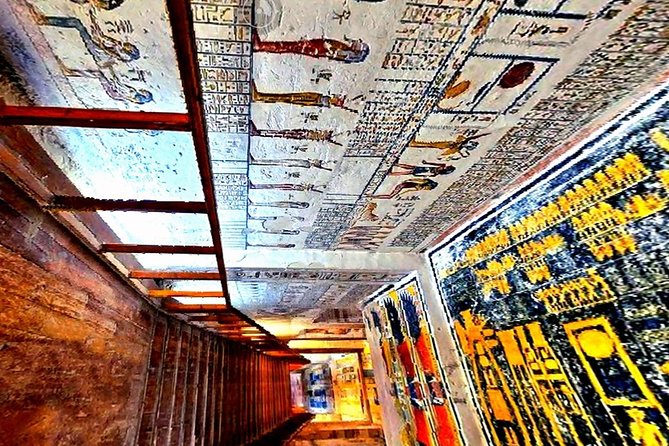
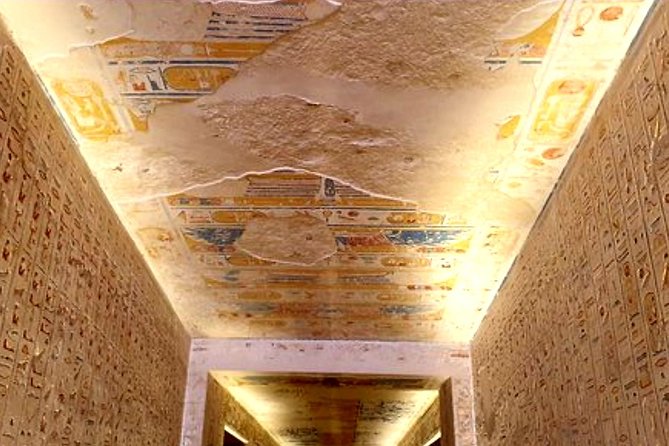
Even if you’re already Egypt-curious, you’ll notice that each tomb feels different. In Ramesses IX’s burial space, the ceilings above the sarcophagi include the goddess Nut stretching across the space, and the sarcophagus is described as one of the largest in the valley, even though some paintings have deteriorated. It’s a good reminder that damage over time doesn’t erase meaning—it just changes what you’re seeing.
Then there’s Merenptah’s tomb (also identified as Tomb 8 in the valley). This area is tied to religious protection concepts, linking the dead with protective deities and the architecture itself. The tomb is also noted as having been discovered by Howard Carter in 1903, which gives you another layer of the story beyond the ancient world.
What to watch for: some tombs can be closed on the day you go, and your schedule may adjust. A strong guide helps you adapt without making the day feel chaotic.
Tomb hopping done right: how to handle short entry times
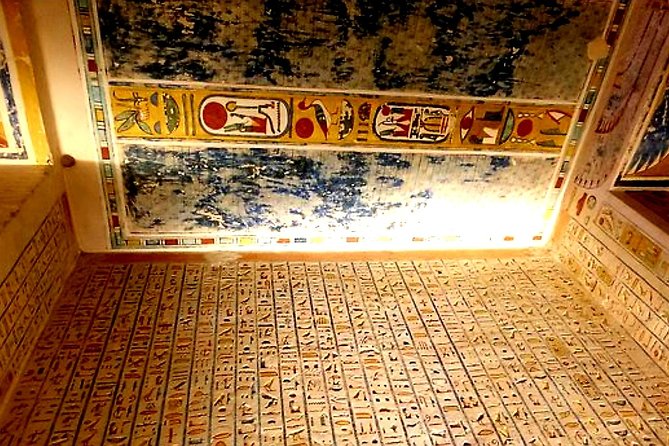
A theme of this tour is short, concentrated tomb visits, with stop times often around 10–25 minutes for individual entries. That can sound rushed until you remember: tombs are enclosed, lighting is uneven, and you’re moving through a set sequence. The goal becomes quality viewing, not marathon staring.
Here’s how to make the most of those short visits:
- Go in with one question in your head, like What does this scene protect? or Who is being shown and why?
- Look first at the layout (how the corridor leads you), then at the artwork details.
- Take photos only after you locate the main figures—don’t spend your whole time trying to get the perfect shot in dim light.
Also, keep an eye on practical distractions. In Luxor, tomb visits often come with nearby selling points. If you’re not into shopping pressure, bring sunglasses and use that as your boundary. I’d treat gift-shop stops like optional stops on the edge of your trip, not part of the experience itself.
Deir el Bahari and the Temple of Hatshepsut: the only woman-pharaoh site
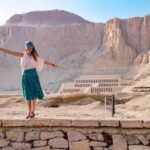
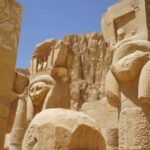
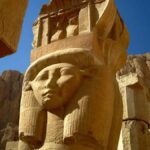
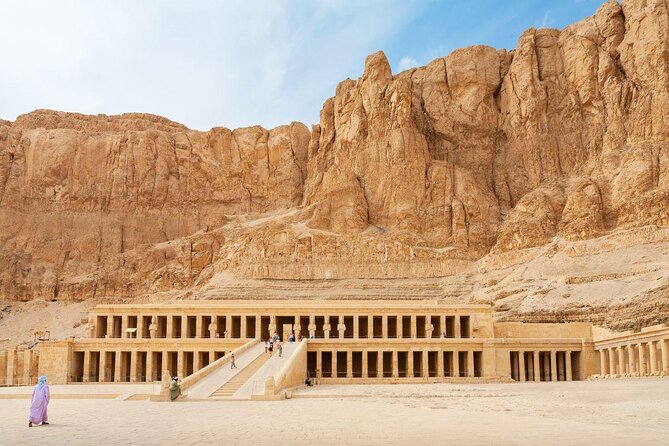
After the valley tombs, you head to the Temple of Queen Hatshepsut at Deir el Bahari. This temple is tied to the story of the only woman ever to reign as Pharaoh, and it also connects into the dynasty chain—she’s described as an ancestor of King Tutankhamun.
What makes this stop feel different from the tombs is the scale of the setting. Instead of sealed corridors, you’re in a monumental temple space where the architecture carries the message out toward the living. The tour gives you about one hour here, which is enough to see the key parts without turning it into an all-day architectural class.
Hatshepsut’s temple works especially well for travelers who want a break from tomb painting and want to see how power was expressed in sunlight, walls, and public space. You’ll come away with a clearer sense of why her reign mattered—both politically and symbolically.
Tip: this temple is a sun-and-stone kind of visit. Keep water handy and don’t skip the sunscreen just because you’re moving between shaded zones.


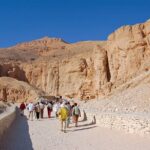
Valley of the Queens (Wadi el Malakat): where royal wives and children were buried
Next comes the Valley of the Queens, also called Wadi el Malakat. The name is explained as Ta Set Neferu in ancient times, meaning something like the Place of Beauty or the Place of Royal Children and Wives. That wording matters because this valley isn’t trying to impress you with the same “pharaoh-only” message. It’s a different family story told in limestone.
You’ll see a small, curving valley with rugged limestone cliffs and dramatic geological layers. It’s a more intimate feeling than the Valley of the Kings, even though it’s still carved into dramatic rock.
This itinerary includes specific tomb options, including Queen Titi and Queen Nefertari. Queen Nefertari is singled out as the big one—described as one of the most famous queens of ancient times, with her tomb tied to Ramses the Great’s love. The pricing note in the plan also signals how special this entry is: Nefertari’s tomb has an optional entrance fee listed at 1400 EGP.
Who should prioritize Nefertari? If your “only one tomb” instinct points you toward something to remember for years, this is the choice that tends to deliver. If you’re budget-tight, you can still enjoy the valley setting without the extra entry.
Colossi of Memnon: Amenhotep III’s stone giants and the Tut connection
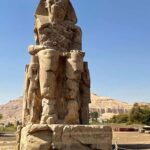
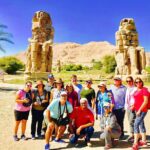
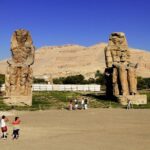
After the Queens valley, you’ll go to the Colossi of Memnon. These are the two largest ancient statues in Egypt, dating to the era of King Amenhotep III. The guide connection in your route is clear: Amenhotep III is described as the father of Akhenaten and the grandfather of Tutankhamun.
So the statues do more than pose for photos. They act like a visual bridge between generations. You get the feeling that Luxor’s West Bank isn’t random tombs spread out across time—it’s a family timeline written in stone and sand.
You’ll have about 30 minutes for the surrounding area and viewing time on this part of the day. It’s long enough to walk the perimeter, find your photo angles, and take in how massive these figures are even with erosion and age.
Price and what you’re really paying: $60 plus entrance fees
At $60 per person, this tour is priced like a “guided route” rather than a “buy everything ticket-included” deal. The key inclusions are what you’d otherwise spend time and energy arranging:
- Qualified Egyptologist guide
- Hotel pickup and drop-off
- Transport in an air-conditioned private vehicle
Entrance fees are not included, and the tour’s plan specifically lists optional fees for some entries, including:
- Tomb of Tutankhamun: 300 EGP (optional)
- Tomb of Queen Nefertari: 1400 EGP (optional)
In other words, your $60 buys the brains and the comfort. The rest is the cost of doing the actual tomb entries. If you’re budgeting, treat it as two parts: the tour service, then the site tickets you choose to enter.
My value advice: if you know you want Tut and/or Nefertari, add those fees into your total before you decide. If you’re not sure, you can still choose the route and let your guide help you prioritize once you’re there.
Who this private tour fits best
This is a strong match if you:
- Are in Luxor for a short time and want maximum major sights without crowd chaos
- Like your monuments explained, not just photographed
- Want private comfort in a car that’s air-conditioned and built for moving between sites
It’s also a good choice if you tend to get overwhelmed by the scale of history. The route keeps you moving through the main clusters—Kings valley tombs, Hatshepsut temple, Queens valley tombs—so you leave with a framework, not just a pile of names.
If you prefer lingering in one tomb for a long time, or you hate the idea of moving on after 10 to 25 minutes, you might want a slower plan instead.
Should you book this Luxor private tour?
I’d book it if your priority is a first solid day in Luxor: tombs plus Hatshepsut, with a guide who helps you connect the dots fast. The private setup and air-conditioned transfers are a big deal for comfort, and the route hits the sights most people come for—especially Tut’s tomb and the Queen-focused valley stop.
Skip it only if budget uncertainty would stress you out. Entrance fees are a real add-on, and some tomb choices are optional with separate costs. If you go in knowing that, you’ll feel in control rather than surprised.
FAQ
What’s the start time and duration of the tour?
The tour starts at 8:00 am and lasts about 5 hours 35 minutes.
Is pickup included?
Yes. Hotel pickup and drop-off are included, and transport is by an air-conditioned private vehicle.
Are entrance fees included in the tour price?
No. Entrance fees are not included. The plan lists optional fees for specific tombs, including Tomb of Tutankhamun (300 EGP) and Tomb of Queen Nefertari (1400 EGP).
How many people are on the tour?
It’s a private tour/activity, so only your group participates.
How far in advance should I book?
On average, this is booked about 24 days in advance.
Can I cancel for a full refund?
Yes. You can cancel up to 24 hours in advance for a full refund. If you cancel less than 24 hours before the start time, the amount paid is not refunded.