REVIEW · CAIRO
2 Nights 3 Days at Siwa Oases camp from Cairo
Book on GetYourGuide →Operated by ValleraTours · Bookable on GetYourGuide
Siwa makes you slow down fast. This 2 nights, 3 days camp-style escape is built around one big idea: you get desert thrills, then cool off in mineral springs and salty lakes, all under dark-sky stars.
I especially like how the trip balances action with local context. You’re guided by pros such as Youssef (and drivers like Abdo), and you may also get standout explanations from guides named Hadi or Mohamad that make places like the Temple of Amun feel real, not just scenic.
One thing to think about: it’s a long ride from Cairo (about 8 hours each way), and depending on your vehicle and timing you can feel uncomfortable—one group reported a cold cabin when the AC wasn’t working.
In This Review
- Key things I’d plan around
- Why Siwa feels different from the rest of Egypt
- Cairo to Siwa: the 8-hour ride that sets expectations
- Day 1: Cold Lake, Hot Spring camp night, sandboarding and stargazing
- Day 2: Shali Fortress, Temple of Amun history, and the salt-lake swims
- The “Magic lakes” moment: Cleopatra Spring and the Salt Lakes combo
- Overnight stays: hot-spring camp vs eco lodge (Ghaliet or similar)
- Food under the stars: the simple reason this trip lands
- Price and value: what $400 covers for a remote oasis trip
- Practical stuff that makes the trip smoother
- What to bring
- What not to bring
- Who this trip fits
- Should you book this Siwa 2 Nights 3 Days camp trip?
- FAQ
- What’s the duration of the Siwa trip from Cairo?
- Where do you get picked up in Cairo?
- What happens on the drive to Siwa?
- What are the main activities in Siwa?
- Are swimming stops included?
- What’s included in the price?
- What should I bring for the trip?
- Is there an age or mobility limit?
Key things I’d plan around
- 4WD desert safari + sandboarding in the Great Sand Sea zone—more fun than you expect for a history-heavy trip
- Cold Lake and Hot Spring swimming with built-in photo stops and camp timing for golden-hour views
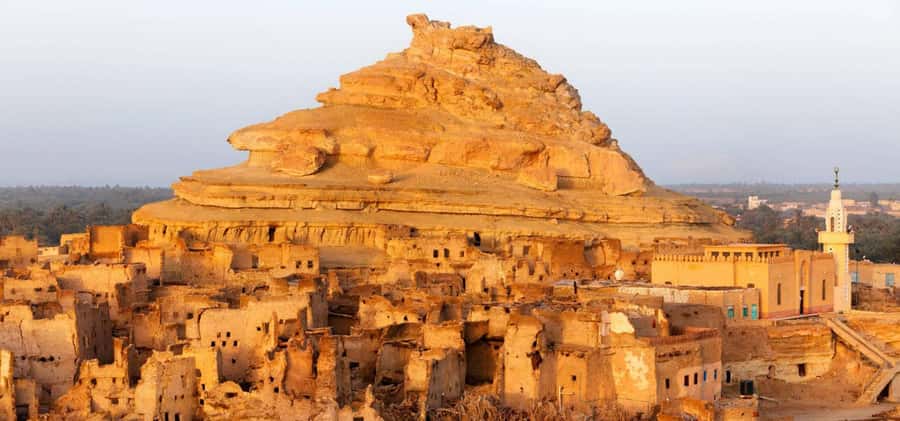
- Shali Fortress and Temple of Amun give you the why behind Siwa, not only the where
- Salt lakes, Cleopatra Spring, and the Oracle-area sites stack classic Siwa scenery with short, efficient stops
- Food under the stars and practical meal pacing, so you’re not “touring” nonstop
- Overnight stays that vary: a hot-spring camp night plus an eco lodge (Ghaliet or similar), which may be more rugged than western hotel standards
Why Siwa feels different from the rest of Egypt
Siwa isn’t just another stop on a big-country map. It’s its own pocket of Egypt—where you’re surrounded by desert, yet the water is the whole story. That’s what makes this kind of trip work so well: you’re not only seeing ruins, you’re also using the springs and salt lakes that shaped how people lived here.
In Siwa, the day has natural rhythms. Mornings tend to be about moving from site to site; afternoons turn into swimming and rest breaks; evenings shift into sunsets, dinner, and camp-time calm. If you like travel days that have a flow instead of a checklist, you’ll feel it.
And the names you’ll hear—Shali, the Oracle Temple area, Dakrur Mountain, Amun Temple—are more than labels. With the right guide, the stories connect geology, water, and ancient belief in a way that makes sense even if you’re not a museum person.
A few more Cairo tours and experiences worth a look
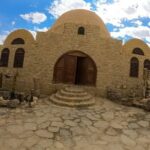
Cairo to Siwa: the 8-hour ride that sets expectations
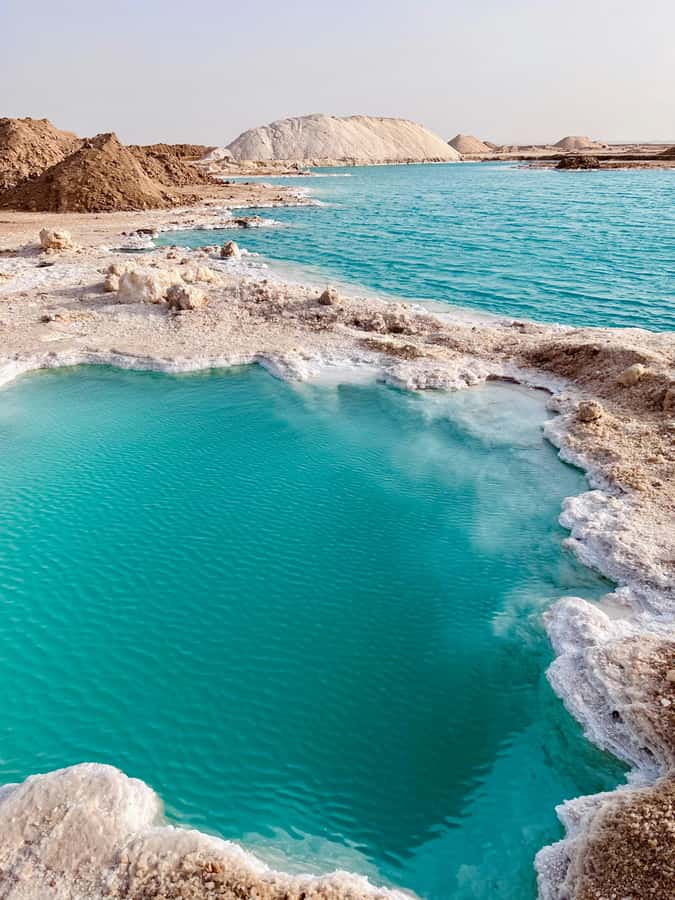
This trip starts early. One common flow is pick-up around 5:00 AM from your Cairo-area hotel (Giza District is one option), then you drive toward Siwa with a lunch break along the way.
Why the long drive matters: it shapes your day. You don’t waste the morning trying to do things at home—you settle into the road, then arrive with energy left for swimming, sand play, and sunset. It also means you should pack like a “road trip first” traveler: sun protection, water awareness, and something comfortable for the ride.
Practical note: one booking described a vehicle with broken AC, making the cabin cold on the drive. You can’t control that, but you can prepare—bring a light layer that won’t take up space.
Day 1: Cold Lake, Hot Spring camp night, sandboarding and stargazing
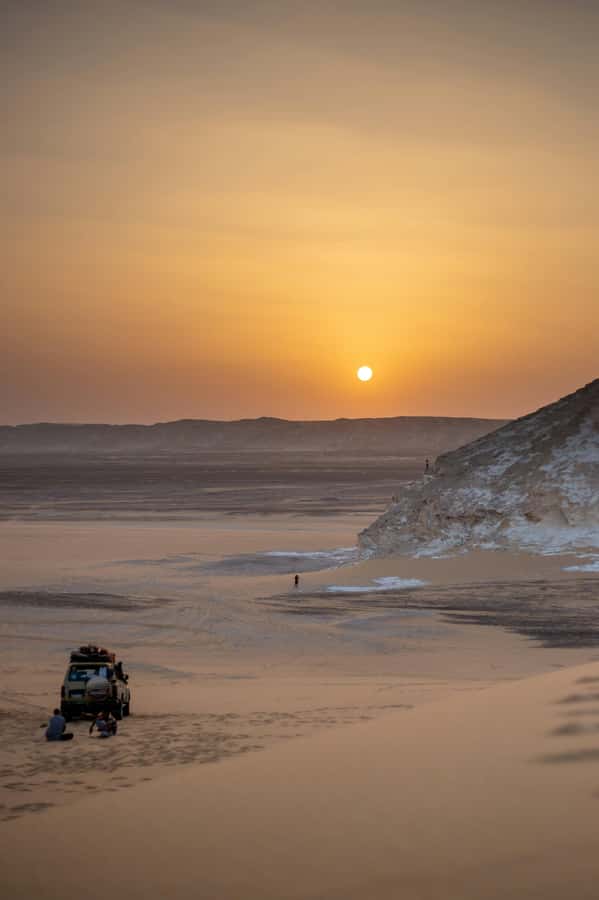
Your first afternoon in Siwa is action-packed, without feeling chaotic.
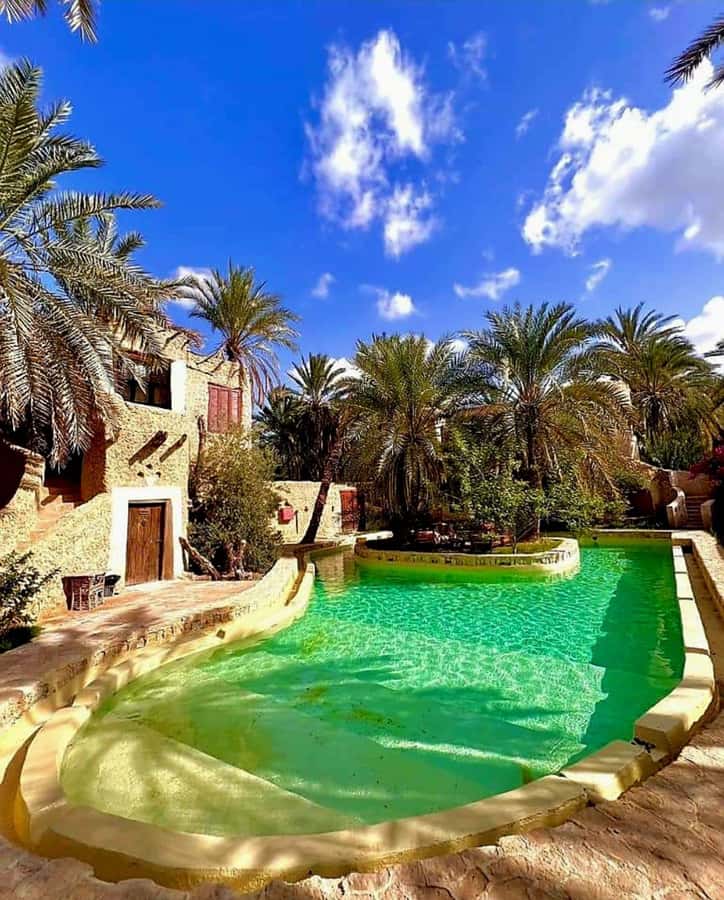
You’ll hit the highlights right away: a desert jeep safari, stops at Cold Lake and the Hot Spring, then swimming at the hot water area. Cold Lake is the “photogenic cool-off” moment, while the hot spring is the “soak and reset” moment. Together, they give you an instant taste of why Siwa is famous for mineral water.
Then comes the desert play.
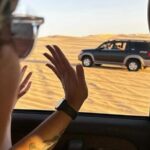
You get sandboarding (usually around an hour), and this is one of those activities that feels more exciting once you’re actually in the sand. It’s not about tricks—it’s about the feeling of sliding, laughing, and learning how the terrain changes from one stretch to the next.
As the day drops into sunset time, you’ll pause for views, then enjoy dinner under the stars plus camp activities. Sleeping at the hot spring camp (for one night) is part of the charm, but it also means you should be mentally ready for “camp mode,” not resort mode. One important tip from real experience: ask what bedding and shower setup will be like for your exact camp option.
You’re doing a lot on Day 1, but it’s all Siwa-specific—water, desert, sunset, stars—so it doesn’t feel like you’re rushing through someone else’s itinerary.
Day 2: Shali Fortress, Temple of Amun history, and the salt-lake swims
Day 2 starts with breakfast at the camp, then you transition from “desert fun” into “Siwa meaning.”
You’ll visit major landmarks around the oasis and surrounding rock formations, including:
- Shali Fortress, the iconic old town structure
- Gebel al-Mawta (Mountain of the Dead)
- Temple of Amun, Siwa
- Oracle Temple area
- Dakrur Mountain
Here’s why I like this mix: Siwa’s ancient sites sit in a landscape that helps you understand why this place mattered. The desert isn’t just scenery; it’s part of the story. With a strong guide, the Temple of Amun stop doesn’t become a quick photo—it becomes a lesson in how ancient people used beliefs, water, and place.
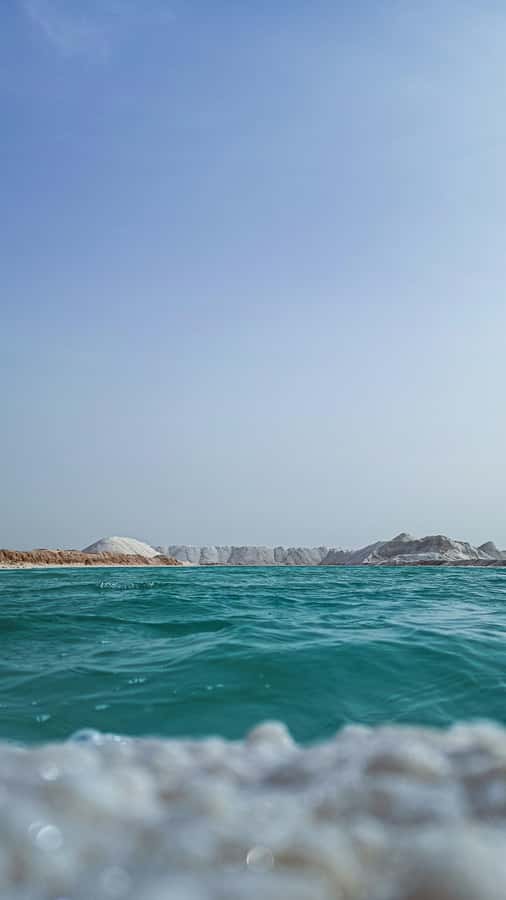
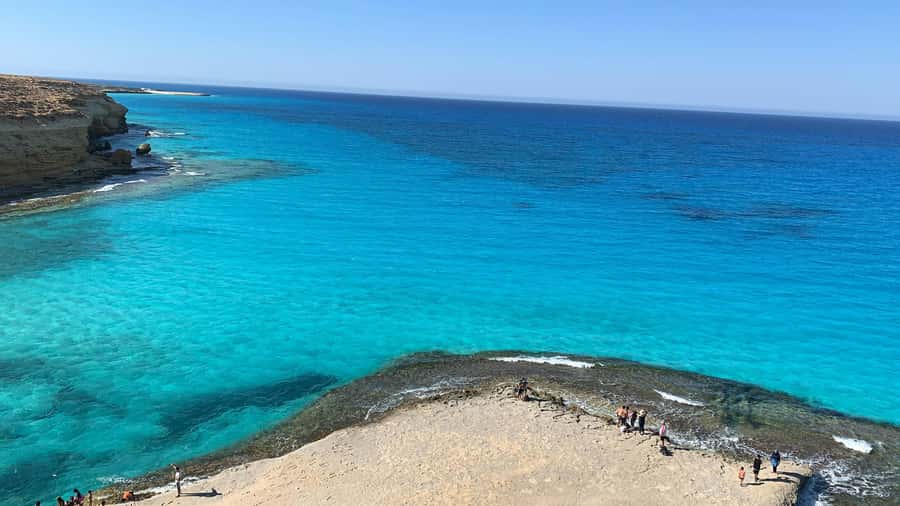
After the history stops, you shift back to water—because Siwa won’t let you forget it. You’ll have swimming time at the Salt Lakes and Cleopatra Spring. These waters can look unreal in photos, but the real magic happens when you’re in them. You feel how the water behaves, and you understand why people keep coming back for the same simple experience: float, cool down, and watch the light change.
You’ll also do the scenic viewpoint rhythm:
- a sunset view from Fitnas Island
- a traditional Siwa house visit with time to see how locals live and what the home style feels like in person
- dinner at a local restaurant, then an overnight stay at Eco lodge Ghaliet or similar
If you care about “authentic” travel, the house visit and local meal timing are a big part of why this tour works. You’re not only collecting sights; you’re interacting with the living side of Siwa.
The “Magic lakes” moment: Cleopatra Spring and the Salt Lakes combo
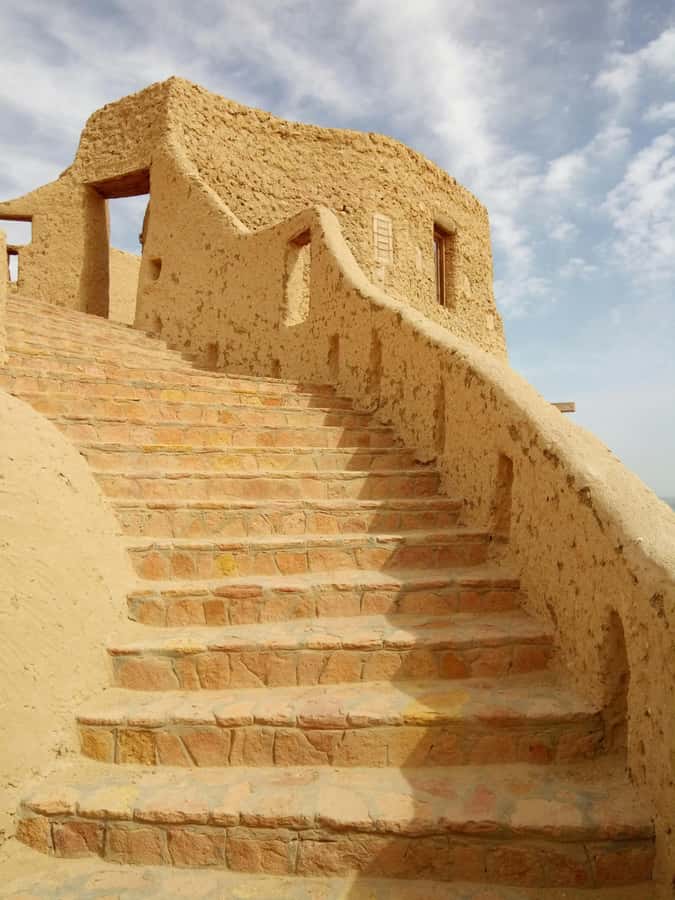
The swimming sequence is one of the most praised parts of this experience, and it’s easy to see why. You’re doing two different water moods:
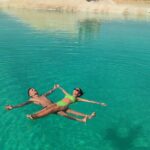
- Cleopatra Spring for the relaxing, clear-water vibe and the chance to swim with classic Siwa scenery
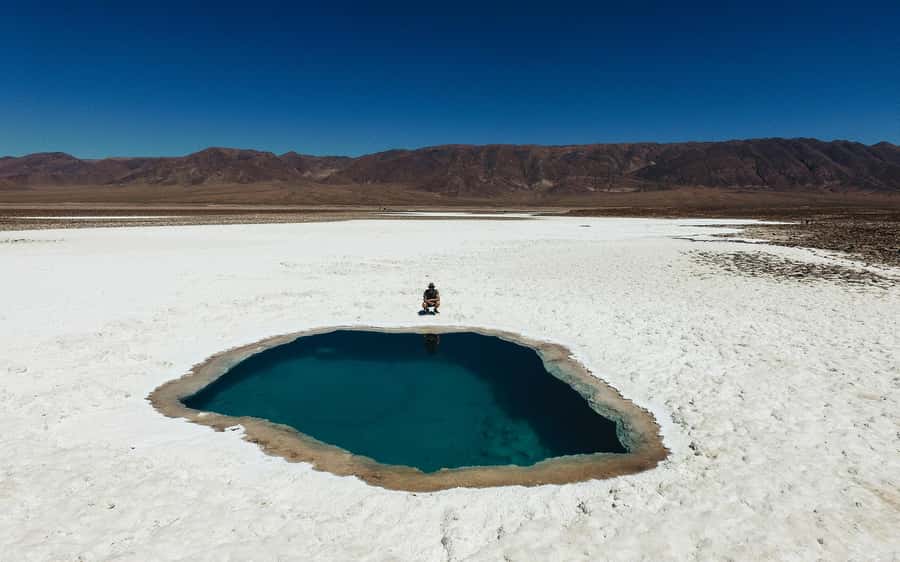
- Salt Lakes for the floaty, strange-in-a-good-way feel that makes you go slow and just enjoy being in water that doesn’t behave like a pool
This is where you should take your time, not just rush for photos. If you try to do the “swim for 10 minutes and run” version, you’ll miss the best part: the shift from day heat to that calm mineral-water experience.
Bring your swimwear and a towel. Even with water included during the trip, you’ll still want your own basics so you’re not improvising.

Overnight stays: hot-spring camp vs eco lodge (Ghaliet or similar)
This is the part that can surprise people, mostly because “camp” can mean different things depending on the season and which exact setup you get.
You’ll sleep one night at the hot spring camp after Day 1’s activities. That usually means you’re closer to the action and the water area, and it’s part of the stars-and-sand experience.
Then on Day 2, you’ll stay at eco lodge Ghaliet or similar. Most people enjoy it for being comfortable enough to recover from the day, but it’s not always the same standard as a typical western hotel room. One practical lesson from real experiences: be ready that your second-night lodging could be different from photos, and your shower setup might be more basic than you expect.
My advice: if comfort is your top priority, write down what’s most important to you (mattress, towels availability, cleanliness expectations) and confirm it before you go.
Food under the stars: the simple reason this trip lands
This tour isn’t only about water and ruins—it feeds you in ways that match the day’s pace. You’ll have meals as listed, including breakfast, lunch, and dinner. Day 1 includes dinner under the stars, which turns an ordinary meal into an event.
What’s great here is timing. You eat when you need energy, not when the group needs to rush. And because Siwa’s day can be sun-heavy, good meal pacing makes the difference between feeling good at sunset and feeling wiped out early.
Also, Siwa is known for dates, and it’s the kind of place where you’ll likely want to bring back a stash. Even if you’re not a souvenir person, you’ll probably end up at least sampling local date options.
Price and value: what $400 covers for a remote oasis trip
At about $400 per person for 3 days, the value comes from how much is bundled. You’re paying for:
- round-trip air-conditioned transport from Cairo
- pickup/drop-off from your hotel
- guides at the sites
- enter tickets
- meals (breakfast, lunch, dinner as mentioned)
- water during the trip
- swimming time built into the day and the necessary stops for activities
For a place like Siwa, the big cost driver is distance. Cairo to Siwa is long, and your time there is limited—so having transport and a guide package saves you the stress of planning across multiple disconnected stops.
Is it budget travel? No. But it’s not just paying for a ride. You’re paying for organization in a remote location, a packed two-day sightseeing/water schedule, and guided explanations that make stops like Amun Temple more meaningful than quick photo stops.
Practical stuff that makes the trip smoother
What to bring
- Sunglasses
- Swimwear
- Towel
What not to bring
- Drones
- Pets
- drinks in the vehicle
Also note: military-style clothing isn’t allowed.
Who this trip fits
This experience is best for you if you want a mix of desert adventure plus water play, and you don’t mind a busy day schedule with short transitions.
It may not fit if:
- you need wheelchair access (not suitable)
- you’re traveling with kids under 2 years
- you’ve had trouble with altitude sickness (not suitable)
- you’re over 70 years old
One more “comfort reality” item: the drive is long. Even with AC, plan for a road day.
Should you book this Siwa 2 Nights 3 Days camp trip?
I think you should book if you want Siwa the way it’s meant to be experienced: 4WD desert time, sandboarding, multiple swimming stops (Cold Lake, Hot Spring, salt lakes, Cleopatra Spring), and ancient sites like Shali Fortress and Temple of Amun guided with real explanation.
I’d hesitate if you’re picky about lodging consistency or you hate camp-style sleeping. Also, if you can’t handle long vehicle rides, this may feel like too much.
If you do book, you’ll get the most out of it by coming prepared for water and sun, packing for the possibility of a cold cabin on the drive, and treating swimming and sunset breaks as part of the itinerary—not downtime you can skip.
FAQ
What’s the duration of the Siwa trip from Cairo?
It’s a 3-day trip with 2 nights in total.
Where do you get picked up in Cairo?
Pick-up is available from the Giza District, Cairo area. (You choose your option when booking.)
What happens on the drive to Siwa?
You’ll travel by air-conditioned van/car for about 8 hours, with a lunch stop around the way to Siwa.
What are the main activities in Siwa?
You can expect desert jeep safari time, visits around Shali and the Temple of Amun area, sandboarding, and swimming at places including Cleopatra Spring and the salt lakes.
Are swimming stops included?
Yes. The schedule includes swimming/photo stops at Cold Lake, Hot Spring, salt lakes, and Cleopatra Spring, with set time for swimming.
What’s included in the price?
Transportation (air-conditioned van/car), hotel pickup and drop-off, accommodation for 2 nights, meals as mentioned (breakfast, lunch, dinner), water during the trip, a tour guide at the sights, enter tickets, and all taxes/service charges.
What should I bring for the trip?
Bring sunglasses, swimwear, and a towel.
Is there an age or mobility limit?
The trip is not suitable for children under 2, wheelchair users, people with altitude sickness, and people over 70.