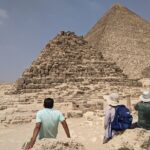
Pyramids, museum, and bazaar in one day. What makes this tour work is the tight mix of Giza highlights plus a guided stop through Cairo’s Egyptian Museum, then a guided walk in Khan El-Khalili. It’s built for people who want the big sights without getting lost in logistics, and it runs with an air-conditioned vehicle and an Egyptologist guide.
I especially like the way you get face-time with the Great Sphinx and the pyramid complex, not just a quick photo stop. And the museum time focuses on the objects that make ancient Egypt feel real, including the famous Tutankhamun treasures and items that show daily life, not only royal nameplates. In at least one standout case, the guide Wael is praised for being clear, energetic, and great with kids, so the day doesn’t turn into a long lecture.
The main drawback is that it’s a full 8 hours with real walking in the sun. Even with included water, you’ll want proper shoes and sunscreen, because the schedule doesn’t slow down for heat, lines, or traffic.
In This Review
- Key things to know before you go
- Meeting the day at 8:00am: pickup and how it flows
- Giza Plateau and the Great Pyramids: what your ticket gets you
- Khafre’s Pyramid and the Great Sphinx: photo time and facts that stick
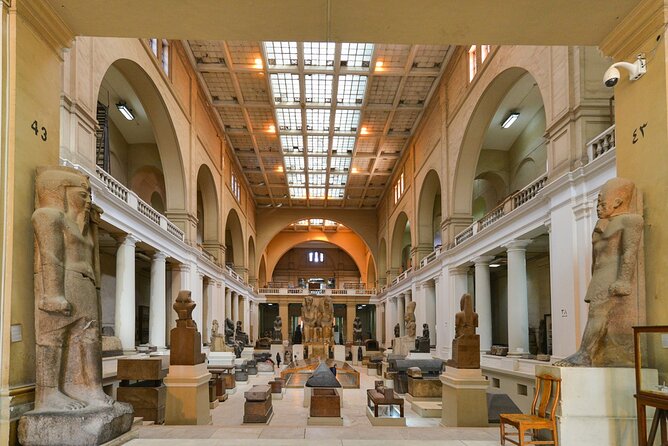
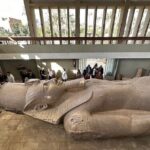
- Egyptian Museum in Cairo: Tutankhamun plus everyday artifacts
- Liberation Square (Midan Tahrir): a quick orientation stop that helps
- Khan El-Khalili bazaar time: shopping with a guide’s help
- Time, comfort, and what to pack for an 8-hour mix
- Value for $60: what’s included and what you handle
- Who this private tour fits best
- Should you book this Giza Pyramids, Museum & Khan El Khalili Tour?
- FAQ
- How long is the tour?
- What time does the tour start?
- Where does the tour start and end?
- Is pickup offered?
- Are tickets included for the sites?
- What’s included in the price?
- Are gratuities included?
- What is the cancellation policy?
- Is it a private tour?
Key things to know before you go
- Private group tour: only your group participates, so questions and pacing are easier to manage.
- Tickets and access are included: you won’t have to sort out entry fees for the sites on the route.
- Egyptologist guidance throughout: expect context and identification help, not just “see that pyramid.”
- Two pyramid-world views: you get time on the plateau plus an extra panoramic view slot.
- Museum focus in downtown Cairo: plan for a real look at Tutankhamun items and everyday artifacts.
- Khan El-Khalili with a guide: helpful for finding your bearings and shopping smart.
Meeting the day at 8:00am: pickup and how it flows
Your day starts early, with a start time of 8:00am. Pickup is offered from your hotel in Cairo or Giza, then the tour begins around the Giza Necropolis Al Haram meeting area. The day is designed as a loop, and it ends back at the meeting point.
Expect a schedule that moves from one major “anchor” sight to the next. That’s the only way you can cover pyramids, the Egyptian Museum in downtown Cairo, and Khan El-Khalili in one outing. The upside is convenience: you’re not coordinating separate rides, tickets, and guides. The downside is that you’ll feel the pace, especially if you dislike long days.
Also, because it’s a private tour, you don’t have to wedge yourself into a big bus group to make it happen. That often makes the experience smoother—more time listening to your guide and less time waiting for the slowest person in the group.
You can also read our reviews of more guided tours in Giza
Giza Plateau and the Great Pyramids: what your ticket gets you
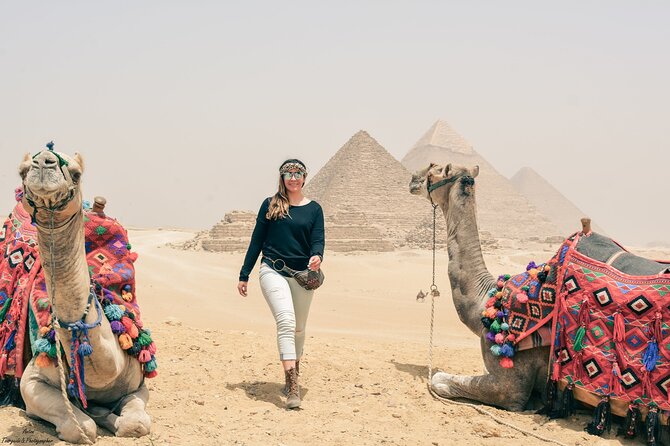
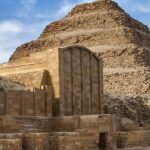
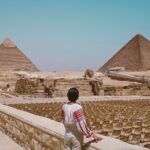
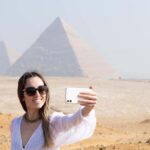
The heart of the day is the Pyramids of Giza on the Giza Plateau. You’ll get around two hours here, which is enough to approach the plateau, see the pyramids clearly from the right angles, and have time for guided explanations. The plateau itself is the real star: limestone ground, desert air, and a view that keeps getting bigger as you get closer.
A major value point is that the admission ticket for the area is included. That means less hassle at entry points and more time spent looking up. Your guide will connect the scale you see—over 4,500 years old—with what the pyramids represented for pharaohs and religious practice. If you like understanding why ancient Egyptians built the way they did, this part pays off.
One practical note: this is a walking day. Wear shoes you trust on uneven surfaces, and bring sun protection. The tour guidance specifically calls out comfortable clothes, proper footwear, and sun gear. You’ll also want to drink water often, because the desert doesn’t care about your schedule.
Khafre’s Pyramid and the Great Sphinx: photo time and facts that stick
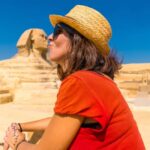
After your plateau time, you’ll move through the Giza area again to focus on Khafre’s Pyramid and the Great Sphinx. This is where the visual storytelling matters most: the pyramids are geometry, but the Sphinx is presence.
The Sphinx is described as the legendary guardian with a lion body and a king’s head, and your guide will help you place it in context with the nearby funeral complex. With a guide, you’re less likely to just take a distant shot and move on. You’ll get cues about what to look for so the details make sense while you’re standing there.
There’s also a built-in 30-minute panoramic view stop. That matters because even if you’ve already seen pyramids from ground level, the broader overview angle helps your brain “map” the whole site. It’s also a good time for photos that look less like you were sprinting between corners.
If you’re traveling with kids, this is another place where a strong guide can help. The praise for Wael specifically mentions he’s great with children, which usually means short, clear explanations and more interaction, not long waiting.
Egyptian Museum in Cairo: Tutankhamun plus everyday artifacts
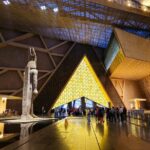
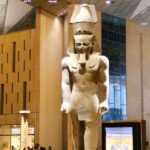
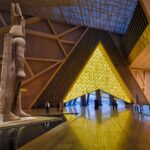
Downtown Cairo gets the spotlight next with time at the Egyptian Museum on the north side of Midan Tahrir. The museum visit is where you shift from outdoor monuments to artifacts—things you can actually hold in your mind when you picture ancient people living their lives.
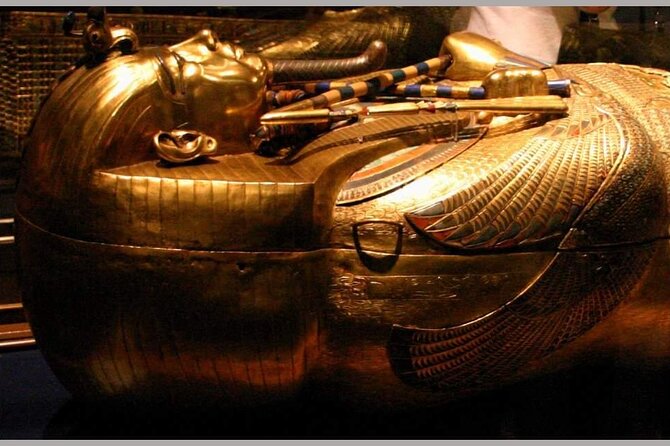
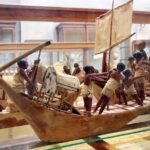
Key items include the treasures associated with King Tutankhamun. But the museum time isn’t only about the famous faces. Your guide will point out objects connected to daily life—jewelry, pottery, tools, and even items like papyrus scrolls. That mix is important. Pyramids tell you what rulers wanted to be remembered for. Artifacts show you what ordinary rhythms looked like: what people wore, used, and kept.
The schedule includes museum time in Cairo that’s broken into separate blocks. That can be a good thing if your guide uses each block differently—for example, one focus on the headline exhibits, and another for the broader collections.
One caution: the museum is inside, but the day around it isn’t. You’re switching between desert heat and indoor crowds, and your energy will decide how much you really absorb. Pace yourself, take short rests, and don’t try to read everything. Let your guide pick the best points so you get value from each minute.
Liberation Square (Midan Tahrir): a quick orientation stop that helps
Between major sights, the tour passes Liberation Square (Midan El-Tahreer), made globally known during the early 2011 protests. On a normal day, it’s described as a giant traffic circle where major roads meet. On this day, it’s mainly a context stop—part of using the city streets to understand where the museum sits and how Cairo connects big history to present-day movement.
This isn’t a long stop—about 30 minutes—and it’s free. Think of it as a way to break up the long museum-and-market rhythm. It also gives you a visual pause so you don’t feel like you’re bouncing from one indoor location to another without a reset.
If you’re the type who likes to understand the city as you travel through it, this short stop is useful. If you hate standing around, keep it simple: use it to regroup, grab water if needed, and get ready for Old Cairo.
You can also read our reviews of more museum experiences in Giza

Khan El-Khalili bazaar time: shopping with a guide’s help
Then it’s Khan El-Khalili, Old Cairo’s historic market district. The tour places this in the 14th-century context and treats it as more than a shopping stop. With a guide, it’s easier to understand why the area became a trading hub and how it connects to the wider Islamic Cairo area.
You’ll have about an hour here. That’s enough time to wander, compare prices, and try to spot craftsmanship—without turning the day into a shopping marathon. Khan El-Khalili can feel intense, especially if you’re not used to negotiating or dense crowds, so having your guide beside you helps you get your bearings fast.
A smart way to use your hour: decide ahead of time what you actually want. The market sells everything from souvenirs to handmade items, so wandering aimlessly can cost time. I also like using a guide to ask what’s worth buying and what’s easy to find elsewhere, since the goal here is getting real value for your money, not collecting clutter.
Time, comfort, and what to pack for an 8-hour mix
This is a full-day outing, and the tour guidance is clear about the conditions: the day involves quite a bit of walking. The sun is the most obvious factor, but the other one is simple fatigue. Two hours on the plateau, time in Cairo, then market wandering adds up.
Here’s what you should plan for:
- Wear proper footwear you can walk in for hours
- Bring sunscreen, sunglasses, and a hat
- Keep water handy (bottled water is included)
If you get motion sick, keep that in mind too. You’ll be in an air-conditioned vehicle between stops, but you’ll still be in traffic at times. Also, keep your phone charged. The day is built for photos, including a dedicated panoramic view slot.
Value for $60: what’s included and what you handle
At $60 per person, the value is all about what’s packed into that price. This isn’t just “transport to the pyramids.” Your day includes:
- Air-conditioned vehicle
- Lunch
- Bottled water
- Qualified Egyptologist guide
- All fees and taxes
- Tickets to the whole area to be visited
That combination can save you time and money compared to piecing it together yourself—especially the museum entry and site access, plus a guide who can explain what you’re seeing while you’re actually there.
What you handle separately is mainly gratuities. The tour doesn’t include tips for the guide and driver, so budget for that. If you’re trying to travel with a set budget, it’s smart to plan tips early so you don’t end up scrambling at the end of the day.
Who this private tour fits best
This tour is a strong fit if you want:
- Major Giza landmarks plus a museum visit in one shot
- Expert explanations while you’re standing at the objects
- A more controlled pace than a DIY day with multiple tickets
It’s also a good option for families, based on the praise for Wael’s ability to connect with children and keep them engaged. If your group includes mixed ages, an Egyptologist guide often helps by translating big ideas into something everyone can follow.
If you’re someone who hates busy days or needs lots of quiet time, you might find the schedule demanding. The stops are timed, and the day moves.
Should you book this Giza Pyramids, Museum & Khan El Khalili Tour?
I think this is worth booking if you want a high-value day where guide expertise does the heavy lifting. The mix is practical: pyramid time for the big wow factor, museum time for deeper context, and Khan El-Khalili for local culture right after.
Book it especially if you’re short on days in Egypt or you don’t want to manage separate entrances, transport, and guiding across Cairo and Giza. It’s also a smart choice if you like learning but you don’t want to spend hours reading before you go—this tour gives you explanations right where they count.
If your priority is a slow, photo-only pyramid day with lots of wandering at your own pace, then you may prefer a more flexible plan. But for most people trying to see the essentials with confidence, this one-day package is a solid value.
FAQ
How long is the tour?
The tour runs for about 8 hours.
What time does the tour start?
It starts at 8:00am.
Where does the tour start and end?
It starts at Giza Necropolis Al Haram, Giza Governorate 3512201, Egypt and ends back at the same meeting point.
Is pickup offered?
Yes. Pickup is offered from your hotel in Cairo or Giza.
Are tickets included for the sites?
Yes. Tickets to the whole area to be visited are included.
What’s included in the price?
The tour includes lunch, bottled water, an air-conditioned vehicle, an Egyptologist guide, and all fees and taxes.
Are gratuities included?
No. Gratuities (for the tour guide and driver) are not included.
What is the cancellation policy?
You can cancel for a full refund if you cancel at least 24 hours before the experience starts. Free cancellation is available, and changes within 24 hours are not accepted.
Is it a private tour?
Yes. It’s private, meaning only your group participates.