REVIEW · GIZA
From Hurghada: Pyramids and Egyptian Museum Tour & Boat Ride
Book on GetYourGuide →Operated by Nice Tours · Bookable on GetYourGuide
Cairo in one long, unforgettable day. If you want the Pyramids of Giza and the Egyptian Museum without piecing it together yourself, this 16-hour guided tour is built for exactly that. The mix of monuments, artifacts, and a short Nile cruise makes the long travel feel more worthwhile.
What I like most is the chance to see the big-ticket sights with a professional Egyptologist guide—so you’re not just walking around wondering what you’re looking at. I also like that your day includes a 30-minute Nile boat ride and BBQ lunch, not just nonstop sightseeing.
The main drawback to plan for is simple: it’s a very long day with an out-and-back road trip from Hurghada, so comfortable rest matters. Also, there are shopping stops, so go in with a plan for how you’ll handle offers.
In This Review
- Quick hits before you go
- Price and logistics: does $100 a person really make sense?
- The long drive from Hurghada: how to survive 6–7 hours each way
- Tahrir Square and the Egyptian Museum: where your guide really earns the day
- The 30-minute Nile boat ride: a small break that changes the mood
- BBQ lunch in Cairo: fuel matters for Giza walking
- Giza Plateau: Pyramids of Giza, mortuary temples, and real perspective
- The Great Sphinx and Valley Temple: the part you’ll remember at sunset-light
- Optional camel or horse ride: do it for the moment, not the bragging rights
- Shopping stops and perfume/papyrus offers: how to handle it with confidence
- Guide quality is the real upgrade on this tour
- What this is best for (and what it isn’t)
- What to bring: the “do this now” packing list
- Should you book this Hurghada to Pyramids and Museum day trip?
- FAQ
- How long is the tour from Hurghada to Cairo and Giza?
- What does the tour include besides the pyramids?
- Is the camel or horse ride included?
- Where do you visit in Cairo?
- What languages are available for the live guide?
- What should I bring on the day trip?
Quick hits before you go
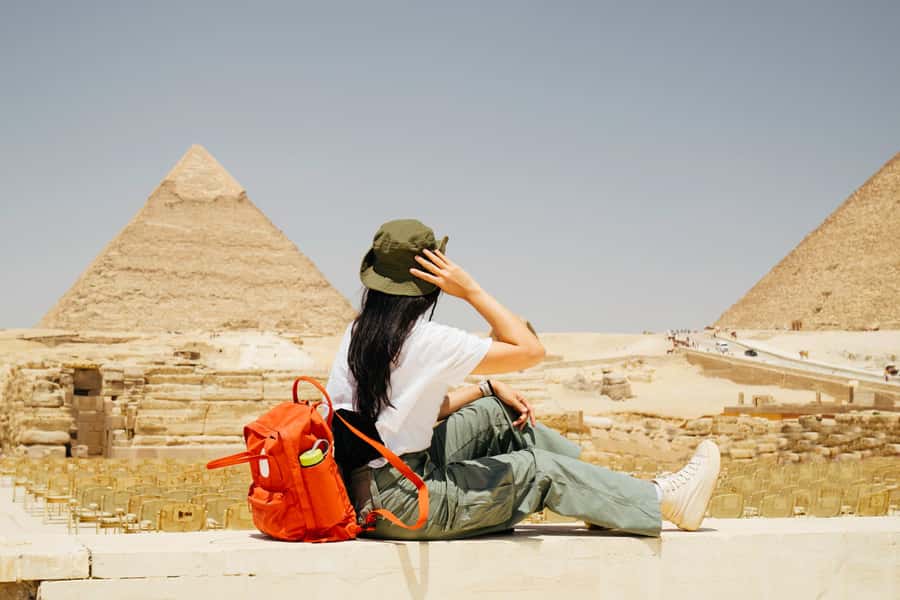
- Pyramids + Sphinx + Valley Temple in one day with an Egyptologist guide
- Skip the ticket line and keep more time for the sights
- Egyptian Museum at Tahrir Square with mummies and iconic artifacts
- 30-minute Nile cruise to reset your brain between major stops
- Lunch + snacks/soft drinks/water included so you’re not hunting food all day
- Camel/horse add-on available if you want a closer moment near the Giza Plateau
Price and logistics: does $100 a person really make sense?
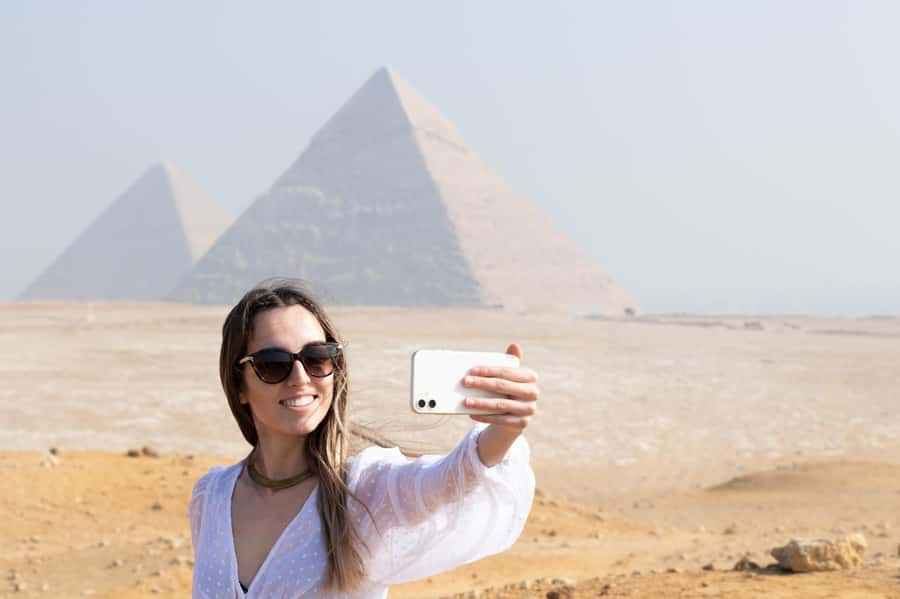
At about $100 per person for a 16-hour day, the value depends on what you’d otherwise pay to replicate it. Here, you’re getting round-trip Hurghada-to-Cairo transport by A/C vehicle, a professional English Egyptologist guide, entry fees, BBQ lunch, and a 30-minute Nile boat ride—plus snacks, soft drinks, and water.
If you try to book these separately, the costs add up fast: transport from the coast, timed tickets, museum access, and a guide who can explain what you’re seeing. This tour is basically paying for time and coordination, not just a ticket.
You can also read our reviews of more boat tours in Giza

The long drive from Hurghada: how to survive 6–7 hours each way
Most people feel the distance on this itinerary, and the road trip is the first reality check. Plan on roughly 6–7 hours each way depending on traffic and where you’re picked up. That means you’ll want to treat the bus or minivan ride like a part of the experience, not something to power through.
One of the easiest upgrades you can make is comfort: wear shoes you can walk in all day, and bring something that helps you rest. If you’re someone who gets stiff on long rides, a small pillow can make a noticeable difference since a pillow is specifically suggested.
You also get A/C, and the driver and transport crew are part of what makes the day run smoothly. In the best runs, guides keep the group together and the whole plan on track, which you’ll appreciate when you’re working across multiple Cairo/Giza checkpoints.
Tahrir Square and the Egyptian Museum: where your guide really earns the day
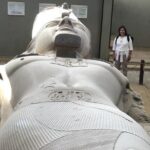
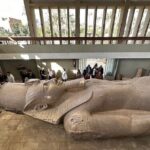
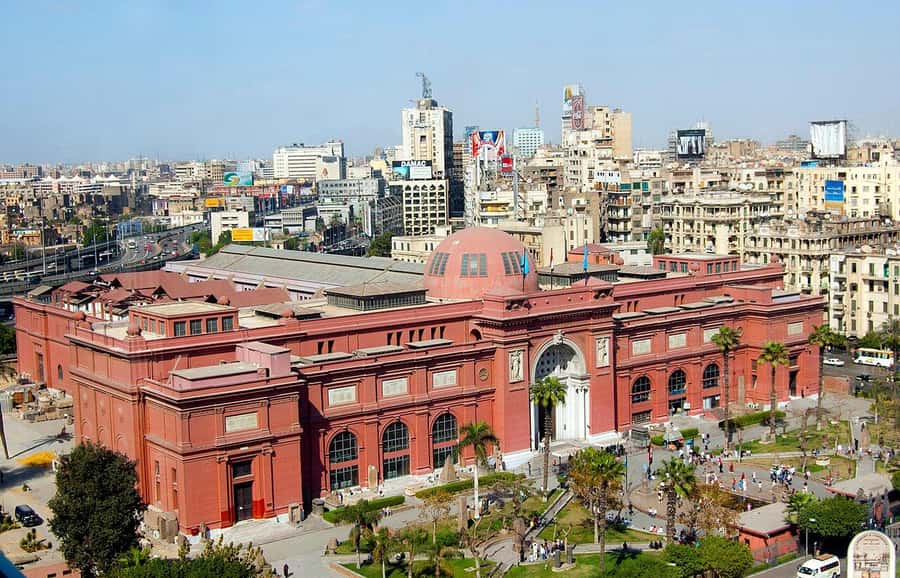
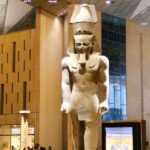
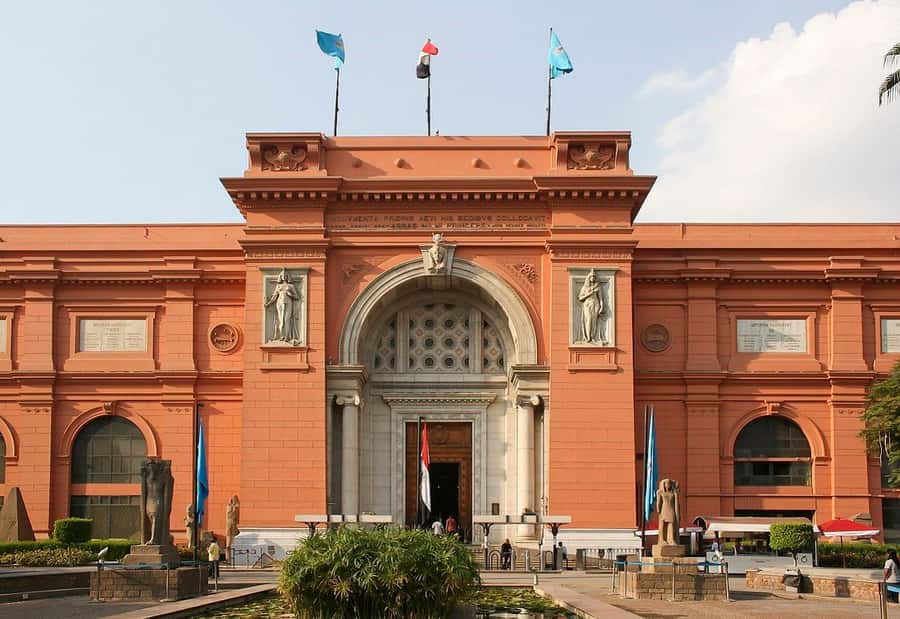
Once you reach Cairo, you meet your guide and head to Tahrir Square for the Egyptian Museum. The museum is known for holding one of the world’s largest collections of Egyptian antiquities, including famous mummies and major artifacts.
Here’s why the guided piece matters: the museum can feel like a lot of rooms and labels. A strong guide helps you decide what to prioritize so you walk away with more than just photos. If you’re traveling for a first look at ancient Egypt, this stop turns your later views of the pyramids from random monuments into part of a bigger story.
This tour also includes skip-the-ticket-line, which is one less stress point in Cairo. That said, do pay attention to which museum access you’re getting. One downside that showed up in the overall feedback is that the museum experience can be marketed in ways that confuse people about what’s included, so confirm the exact museum offering when you book.
The 30-minute Nile boat ride: a small break that changes the mood
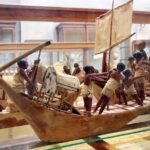
After the museum, you get a 30-minute cruise on the Nile River. It’s not a full-day river experience, but that’s exactly why it works. Between Cairo’s museum time and Giza’s sun-heavy stone walking, the cruise gives you a chance to sit, breathe, and reset your eyes.
I like this kind of break because it turns the day into segments instead of one long grind. You’ll still get plenty of photos, but you’re also giving your body a pause before the Giza Plateau.
BBQ lunch in Cairo: fuel matters for Giza walking
Lunch is included as BBQ at a local restaurant. You’re on the go all day, so the practical win here is energy management. If you end up low on fuel after museum time and the Nile cruise, you’ll feel it more once you’re on the Giza Plateau.
It’s also the spot where the day’s pace becomes more human. Instead of rushing from one timed stop to another, you get a real break to regroup, use the restroom, and drink water before the next leg.
You can also read our reviews of more museum experiences in Giza

Giza Plateau: Pyramids of Giza, mortuary temples, and real perspective
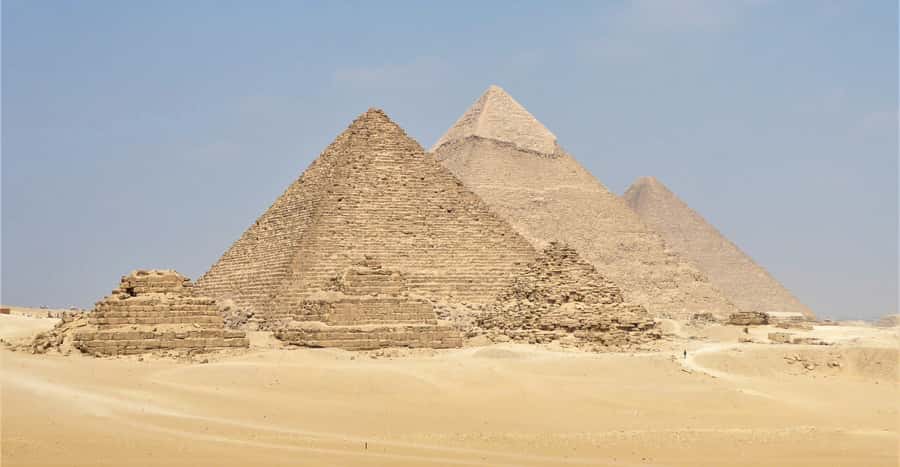
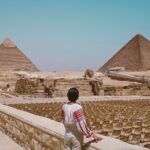
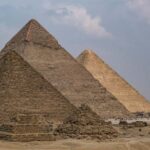
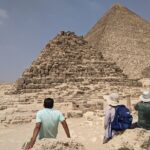
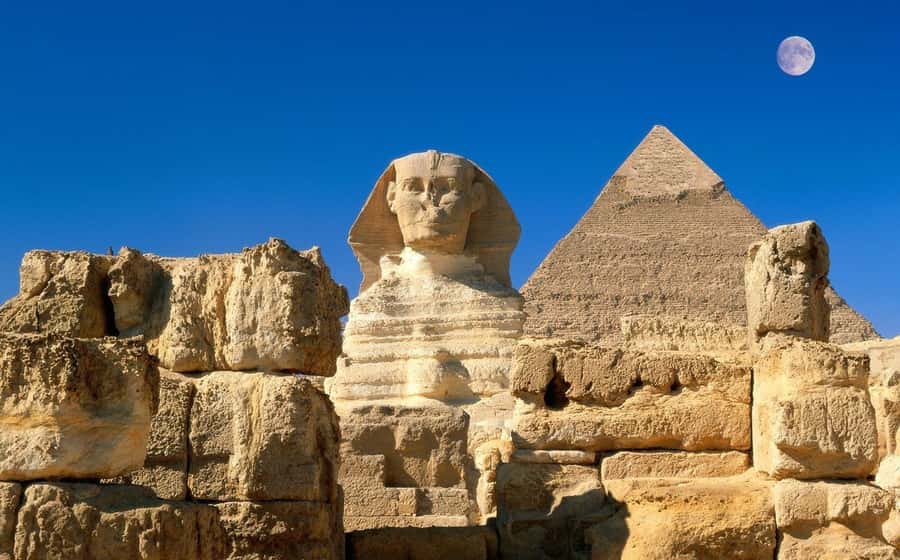
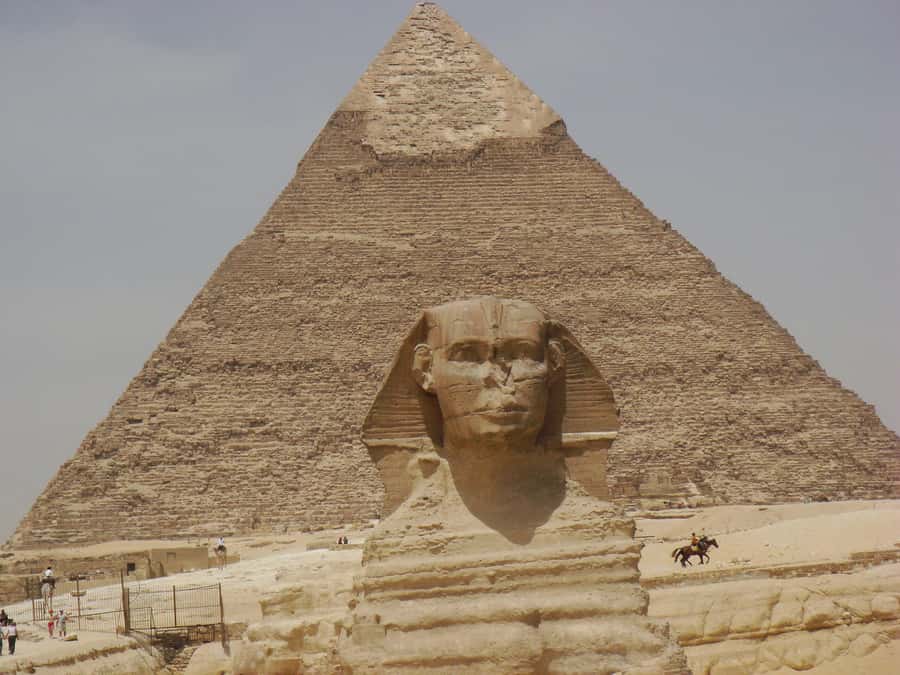
After lunch, the tour heads to the Giza Plateau for the core experience: the Pyramids of Giza, the Great Sphinx, and Valley Temple. This is your chance to see the pyramids up close, including the three main mortuary temples associated with Cheops, Chephren, and Mykerinus.
One of the smartest parts of a guided approach here is how your guide connects names to shape. When someone points out which pyramid is which and explains the legends and construction ideas you hear about them, the site stops being only a view and becomes a set of recognizable landmarks. That matters because from far away, the plateau can look similar—close up, it’s all details.
You’ll also likely spend time learning the context of each pyramid’s role, not just the dramatic exterior. This is where an Egyptologist-style guide helps you understand why these monuments were built where they were built and how they were meant to function within ancient Egyptian beliefs.
The Great Sphinx and Valley Temple: the part you’ll remember at sunset-light
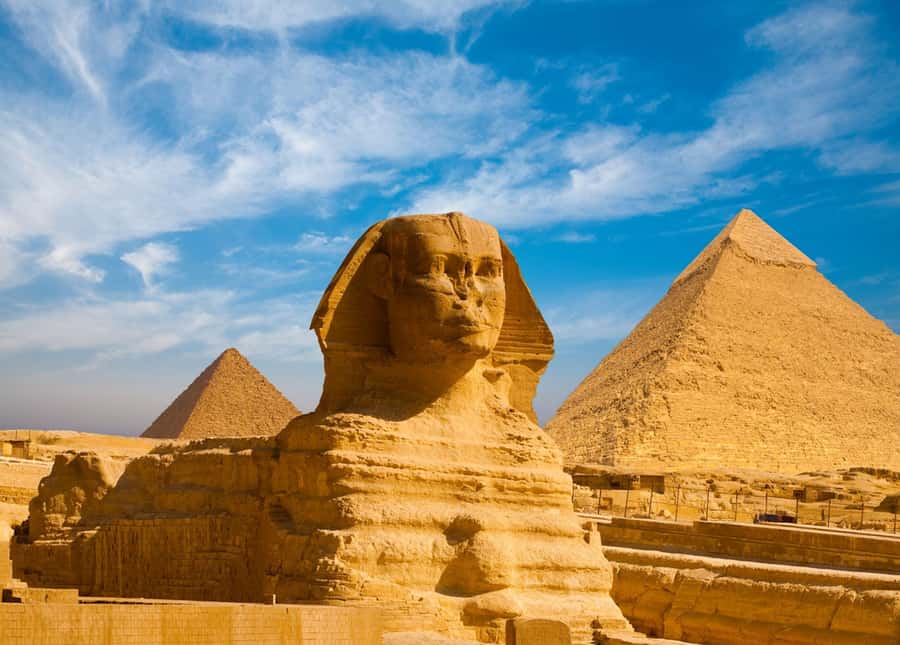
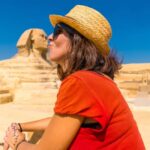
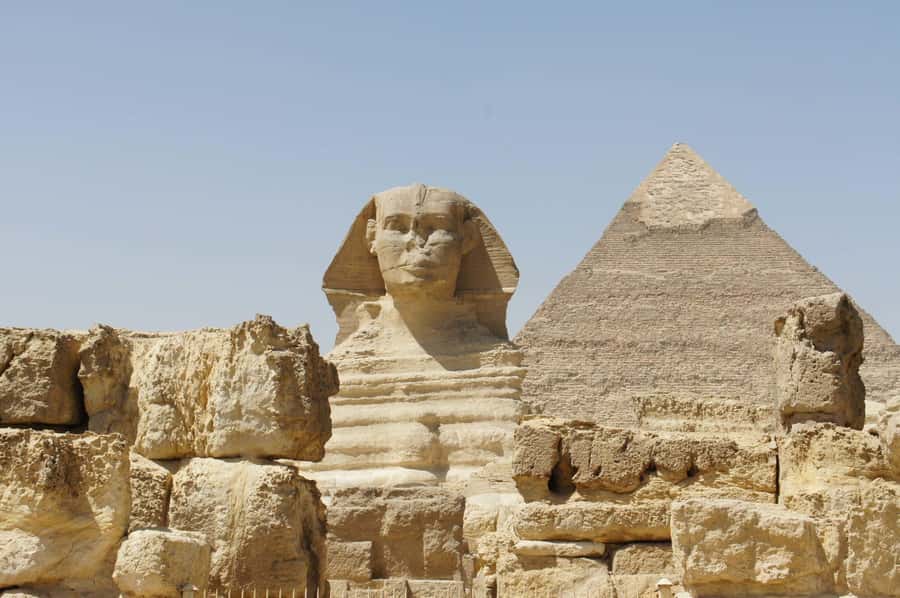
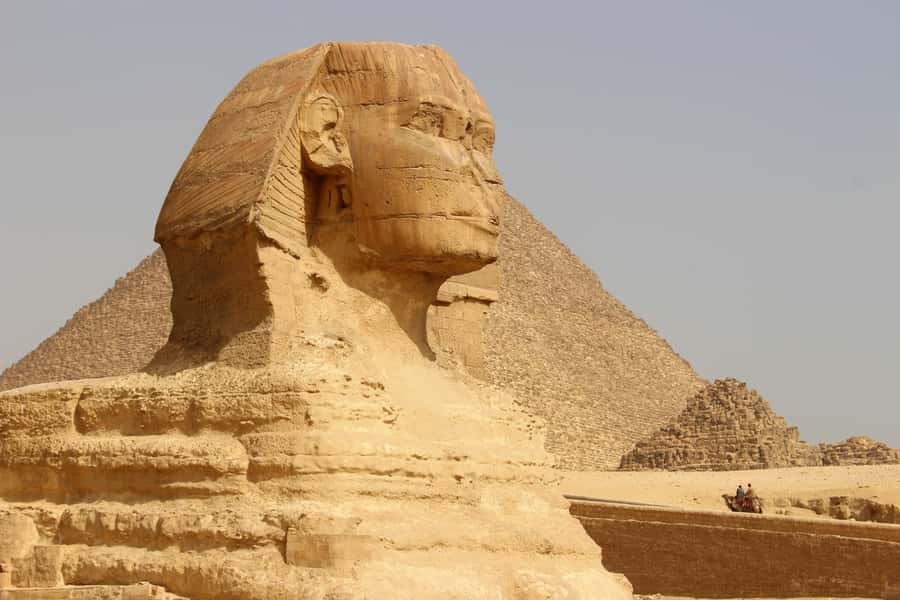
Next comes the Great Sphinx, one of the most iconic faces in world history. The guide will talk about its “mysteries,” but even without getting lost in speculation, the real value is learning how ancient builders engineered and organized this whole sacred complex.
Then you move on to the Valley Temple, attributed to Pharaoh Khafre. Even if you’ve seen photos before, standing near these stone structures changes your sense of scale and craftsmanship. The Valley Temple stop is less famous than the pyramids themselves, but it’s exactly the kind of detail that turns a basic sightseeing day into something you carry with you.
Optional camel or horse ride: do it for the moment, not the bragging rights
Camel or horse rides are available as an add-on. If you do it, treat it as a short experience near the pyramids rather than the main event. The reason: your day already has a lot of walking and standing, and adding ride time can affect your energy level.
Also, because it’s optional, you can choose based on what you’ll enjoy most. If you like animals and want a closer feel of the plateau, it can be worth it. If you’re sensitive to heat, dust, or longer physical time outside, you might skip and put that energy into photos and a slower look at the stonework.
Shopping stops and perfume/papyrus offers: how to handle it with confidence
There’s also a shopping stop built into the schedule. Some stops are harmless and can be a fun way to see how products are made or sold, but you should go in mentally prepared. In the feedback, one type of shop that gets mentioned often is the perfume shop, where people found the sales approach pushier than they expected.
My advice is simple: decide your budget and your comfort level before you arrive, and be willing to say no without explaining your life story. If you want a relaxed visit, look for shopping as a quick cultural stop, not a negotiation marathon.
Guide quality is the real upgrade on this tour
The tour runs on a simple equation: long day + multiple stops = you need a guide who can manage details. The strongest feedback points to guides who keep the group together, answer questions, and make sure you feel safe—especially when Cairo/Giza crowds and traffic can make things feel chaotic.
You might meet guides such as Ragab, Mostafa Salah, Gamil Hassan, Noura, Tamer, Ahmed Rabea, or others whose names appear in the tour’s successful days. The common thread is that the guide isn’t just reciting facts; they’re also helpful with timing and photos. Some guides are especially noted for taking pictures for you, which is a real benefit because you’ll want clear shots without juggling a camera while listening.
What this is best for (and what it isn’t)
This tour is a strong fit if:
- You’re visiting Egypt for the first time and want major sights covered in one day
- You like having a guide connect the museum artifacts to what you see on the plateau
- You want included basics like lunch, entry fees, and the Nile cruise instead of piecing it together
It might be less ideal if:
- You’re not comfortable with a long road trip and lots of standing/walking
- You dislike shopping stops or sales pressure, even if they’re optional in spirit
- You’re hoping for a slow, quiet visit with minimal movement
If you’re traveling as a family, this one can work well because guides help manage the group and keep you on schedule. Just plan for the day to be long no matter what.
What to bring: the “do this now” packing list
The tour suggests a straightforward list, and I agree with it:
- Comfortable shoes (Giza walking is real)
- Sunglasses and sun hat
- Sunscreen
- Passport or ID card (a copy is accepted)
- Credit card (useful for add-ons or purchases)
- Pillow (for the long ride)
- Comfortable clothes
If you’re prone to getting dry or headachy on road trips, extra water habits help. Snacks and water are included, but you’re still outside and in heat for parts of the day.
Should you book this Hurghada to Pyramids and Museum day trip?
If you have limited time in Egypt and you want Pyramids + Sphinx + Egyptian Museum + Nile cruise handled for you, I’d book it. The value isn’t only the $100 price tag—it’s the fact that you get transport, guides, entry fees, lunch, and that river break in one organized package.
I’d only hesitate if you know you can’t handle long days or you hate shopping stops. If that’s you, consider adjusting your plan so you can enjoy Cairo and Giza at a slower pace.
For most people, though, this is one of the best ways to see the big names of ancient Egypt without turning the trip into a logistics project.
FAQ
How long is the tour from Hurghada to Cairo and Giza?
The total duration is 16 hours.
What does the tour include besides the pyramids?
It includes hotel pickup and drop-off in Hurghada, a professional English Egyptologist guide, Egyptian Museum entry fees, a 30-minute Nile boat ride, BBQ lunch, and snacks, soft drinks, and water.
Is the camel or horse ride included?
No. The camel or horse ride is listed as an add-on.
Where do you visit in Cairo?
You visit the Egyptian Museum at Tahrir Square, and you also have a 30-minute Nile cruise after the museum.
What languages are available for the live guide?
You can get a live guide in Arabic, English, French, German, or Spanish. French/German/Spanish guides are available as add-ons.
What should I bring on the day trip?
Bring comfortable shoes, sunglasses, a sun hat, sunscreen, comfortable clothes, and your passport or ID card (a copy is accepted). A credit card and a pillow are also suggested.