REVIEW · GIZA
Private Half-Day Tour To Giza Pyramids And Sphinx
Book on GetYourGuide →Operated by Egypt Nile Felucca · Bookable on GetYourGuide
Pyramids in four hours can work. This private tour is built around an efficient morning run to the Giza Plateau, then a focused walk through the big monuments—before you’re back at your hotel. I especially like the comfort of private A/C transfers and the fact that your guide will take professional photos, not just point and hope. One possible drawback: you may be pushed toward shopping stops afterward, like perfume or a papyrus-style store, and that can feel awkward if you’re not in buying mode.
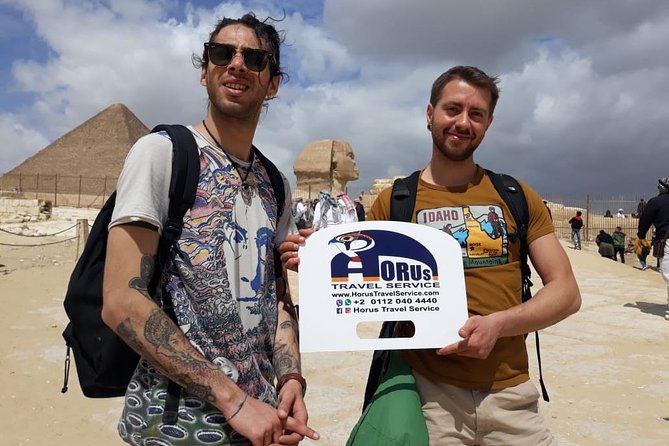
You start at 8:00 am from a Cairo or Giza hotel, meet your guide holding a sign with your name, then head straight to Giza. The plan gives you enough time to see the Pyramid complexes tied to Cheops, Chephren, and Mykerinos, and to finish at the Great Sphinx with a proper guided narrative.
At $55 per person for a private group, the value mainly comes from what’s bundled: hotel pickup and drop-off, entry fees, bottled water, and a guide who can translate the site into something you actually understand while you walk. If you hate being rushed or you want to linger for hours at every angle, this half-day format may feel tight.
In This Review
- Key highlights worth planning around
- Private A/C pickup from Cairo or Giza at 8:00
- Giza Plateau routing: what you’ll learn around Cheops, Chephren, and Mykerinos
- Khufu complex (Cheops)
- Khafre complex (Chephren) and the Sphinx connection
- Menkaure complex (Mykerinos)
- Entering the Great Sphinx: what to notice beyond the postcard
- Time reality check: fitting Giza into four hours without feeling rushed
- What’s included in the price, and why it’s good value at $55
- Smooth logistics, clean car, and the difference between a ride and a tour
- Shopping stops after the pyramids: how to stay in control
- Who this private Giza half-day tour is best for
- Should you book this tour or not?
- FAQ
- How long is the private half-day tour?
- Where do pickups happen?
- What are the main sites included?
- Are entry fees included?
- What language is the live tour guide?
- Is lunch included?
- What are the cancellation terms?
Key highlights worth planning around
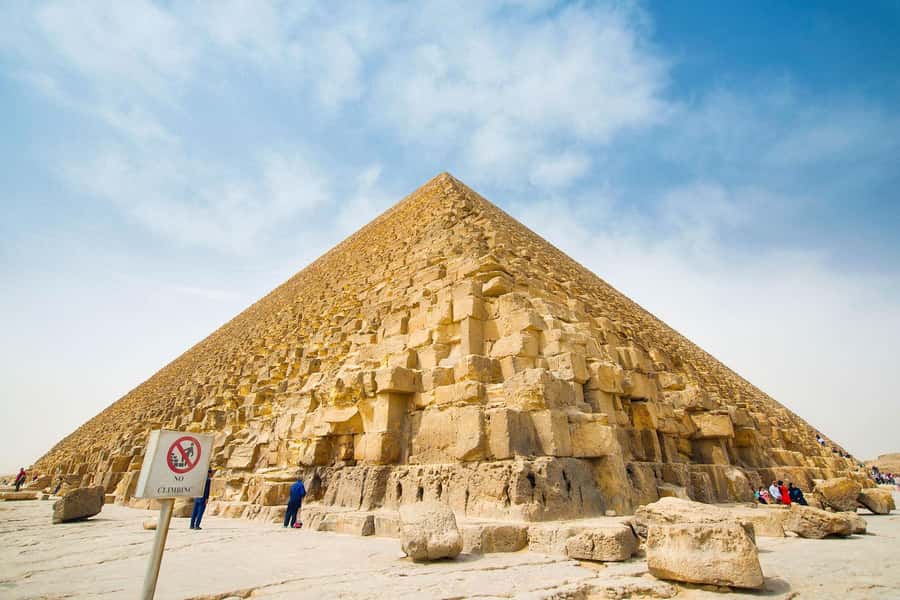
- 8:00 am hotel pickup from Cairo or Al Giza to start with daylight and fewer crowds
- Private A/C newest-model vehicle door-to-door comfort in a small group setting
- Three hours at the pyramids with a guided walk focused on the main complexes
- Cheops, Chephren, and Mykerinos coverage, not just the one famous pyramid
- Great Sphinx finish with orientation on the west-to-east layout and the pharaoh connection
- Professional photos taken by the guide for standout shots without hunting for perfect timing
Private A/C pickup from Cairo or Giza at 8:00
This is the kind of tour that starts with less stress. At 8:00 am, you get hotel pickup in Cairo or in the Al Giza area. Your guide meets you holding a sign showing your name, so you’re not doing the frantic matching game at the lobby. Then you ride in a private, air-conditioned car described as a newest model, which matters in Egypt when the sun and traffic can drain your energy fast.
I like this setup because it reduces decision fatigue. When you book a private tour like this, you’re outsourcing the logistics: getting to Giza, getting inside, and getting you back before the day gets hot and chaotic. One driver-and-guide combo can make a big difference, and the pattern you’ll see in the feedback is punctual pickup plus careful, professional driving.
Language also helps here. Your live tour guide can speak Arabic, English, or Spanish, so you’re not stuck with vague gestures while you’re standing ten feet from a 4,500-year-old monument.
You can also read our reviews of more private tours in Giza

Giza Plateau routing: what you’ll learn around Cheops, Chephren, and Mykerinos
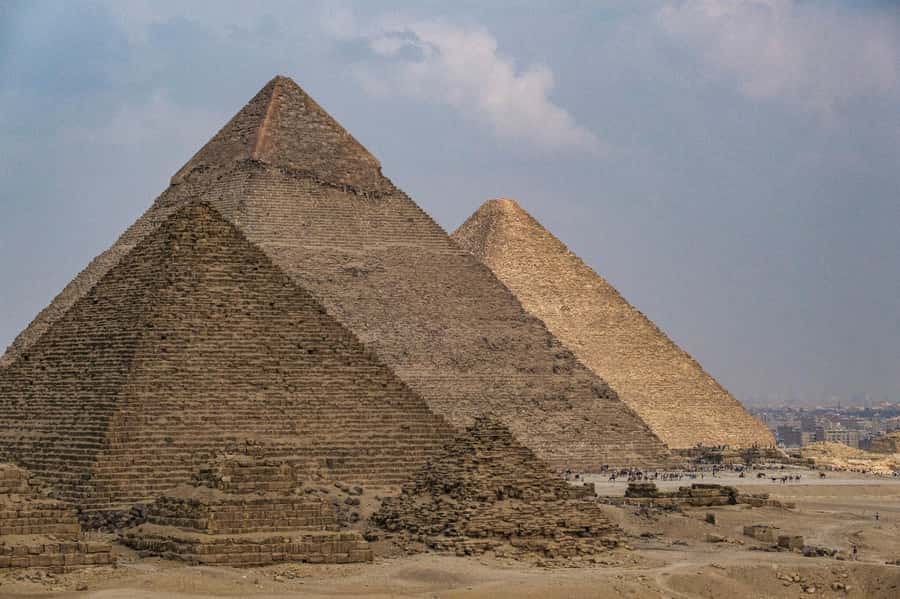
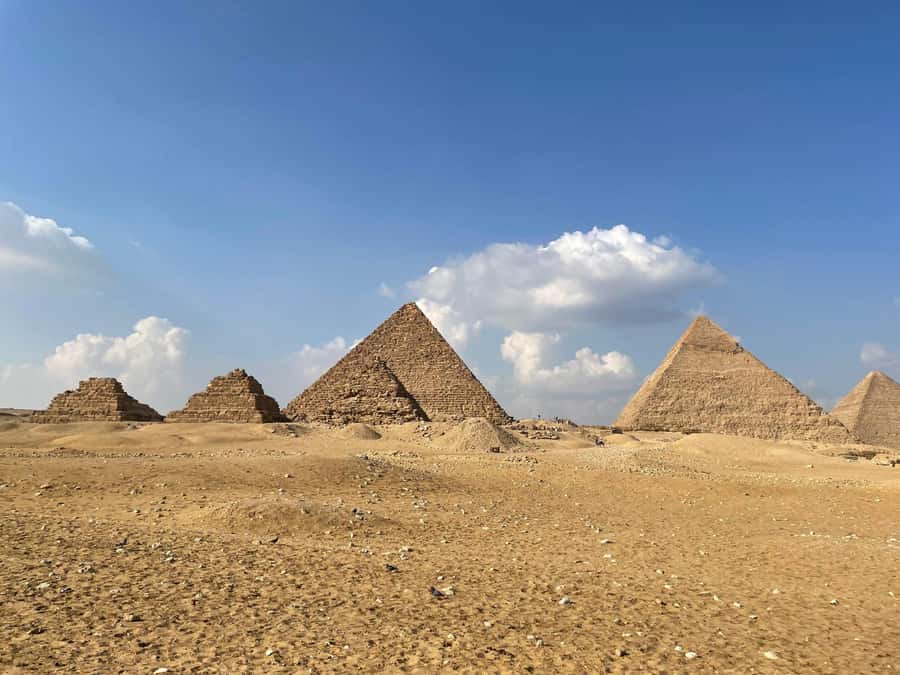
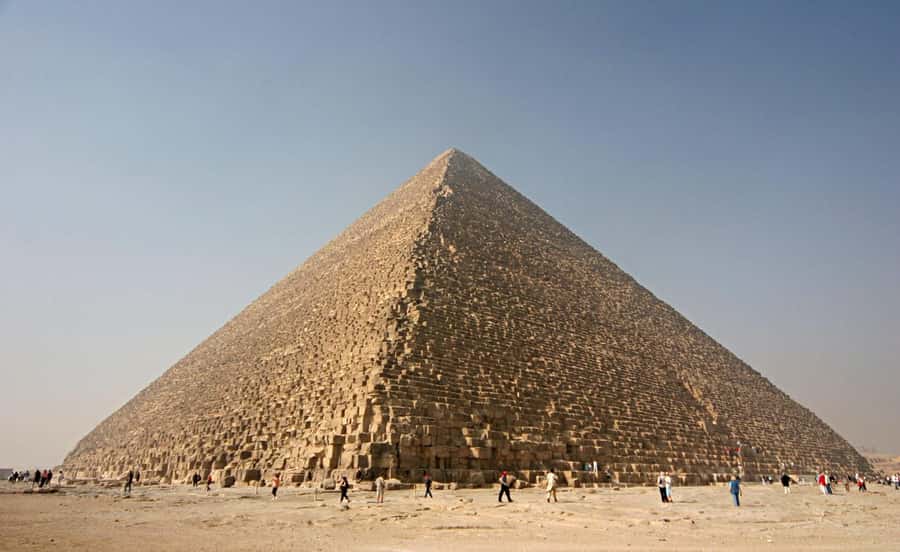
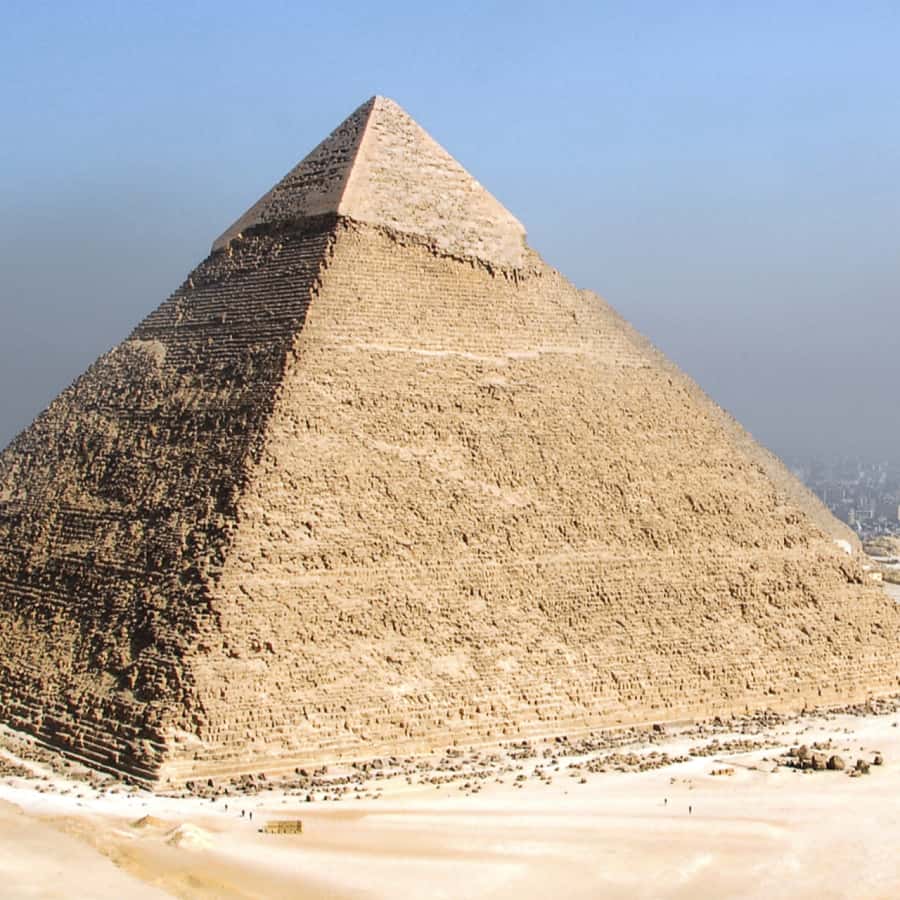
The heart of the tour is your time on the Giza Plateau. You’ll spend about three hours walking and touring the major pyramid complexes tied to three rulers: Cheops (Khufu), Chephren (Khafre), and Mykerinos (Menkaure). That is the best way to experience Giza in a half day: you don’t just admire shapes, you learn how each complex works as a system.
Here’s the useful context your guide can bring to the walk:
Khufu complex (Cheops)
Khufu’s pyramid complex includes a valley temple that is now buried beneath the village of Nazlet el-Samman. You might also hear about paving made of diabase and limestone walls made of nummulitic limestone. The key takeaway is that Giza wasn’t built as a single monument sitting alone; it was a planned set of spaces leading toward the pyramid.
Khafre complex (Chephren) and the Sphinx connection
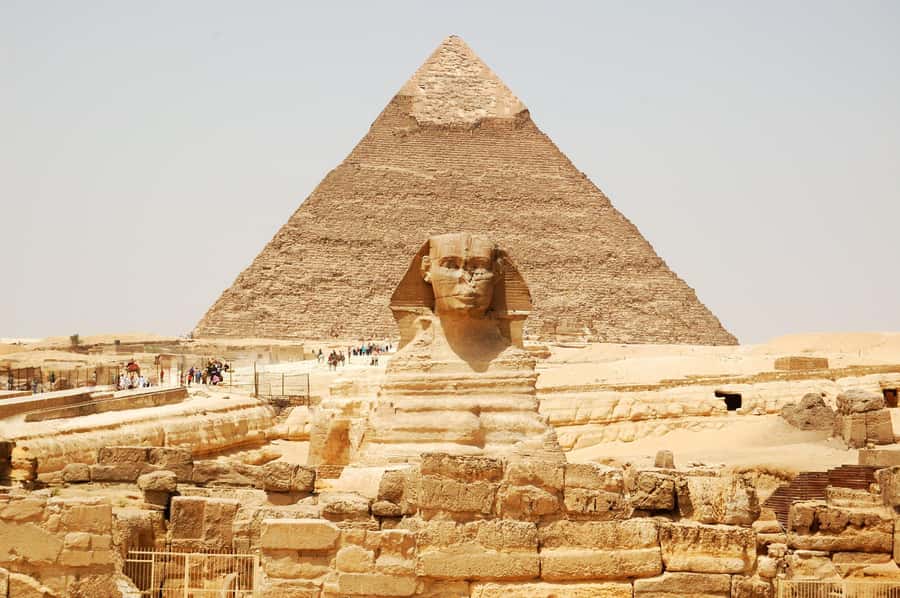
Khafre’s complex is often easier to understand because it ties more visibly into what you’ll see next. It includes a valley temple, the Sphinx temple, a causeway, a mortuary temple, and the king’s pyramid. Your guide can point out that the valley temple yielded statues of Khafre over time, including finds made in and around the well area in the temple floor.
This is also where the Sphinx theme starts to click. The Sphinx temple is part of the broader Khafre setup, so when you later reach the statue, you’re not viewing it as a random roadside icon. You’re seeing it as part of a royal landscape.
Menkaure complex (Mykerinos)
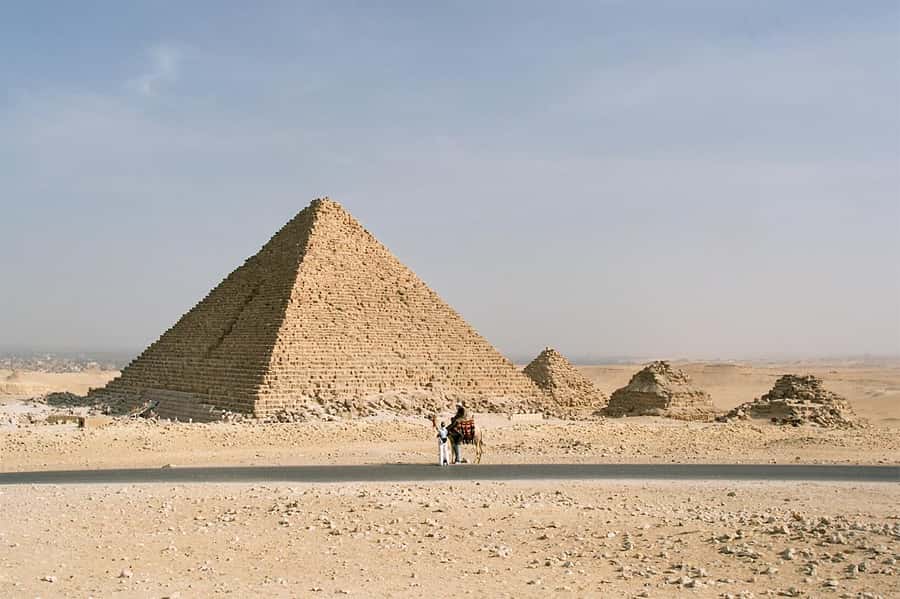
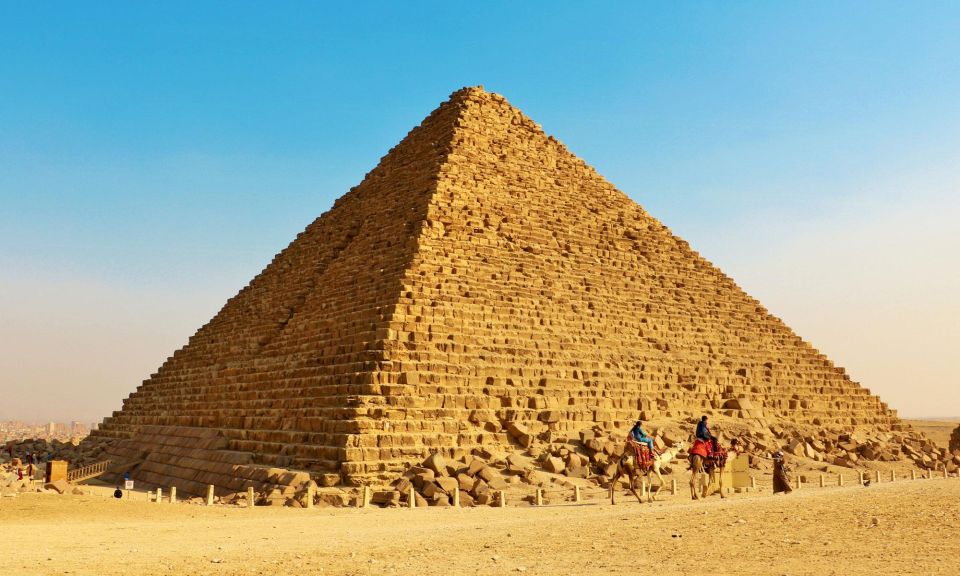
Menkaure’s pyramid complex includes a valley temple, a causeway, a mortuary temple, and the king’s pyramid. The valley temple once held statues of Menkaure. A notable detail you might hear is that during the 5th Dynasty, a smaller ante-temple was added onto the valley temple. In plain terms: the site evolved, even after the initial plan.
Walking the complexes like this helps you avoid the most common first-timer mistake: treating the pyramids like three separate attractions. A good guide helps you see the pattern.
A few more Giza tours and experiences worth a look


Entering the Great Sphinx: what to notice beyond the postcard
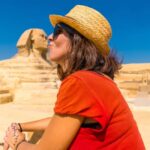
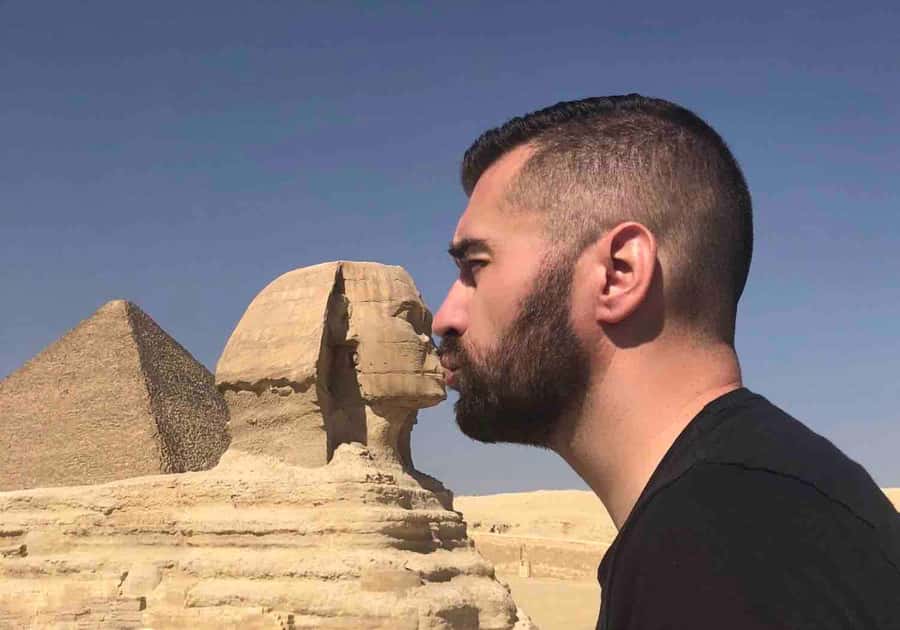
You end the tour at the Great Sphinx. It’s a limestone statue of a reclining sphinx—a mythical creature—set on the Giza Plateau on the west bank of the Nile. One detail your guide can use to help you orient fast is that it faces directly west to east. That direction is a big clue for how the site was organized.
The Sphinx’s face is commonly associated with the pharaoh Khafre. Even if you’ve seen the Sphinx a hundred times in photos, standing in front of it is different because the scale and erosion make it feel strangely close to real life. Your guide’s job here is to slow you down just enough to notice things you would skip: the setting, the alignment, and the way the Sphinx fits into the broader complex narrative you heard around Khafre’s pyramid.
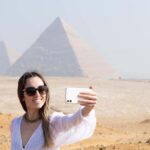
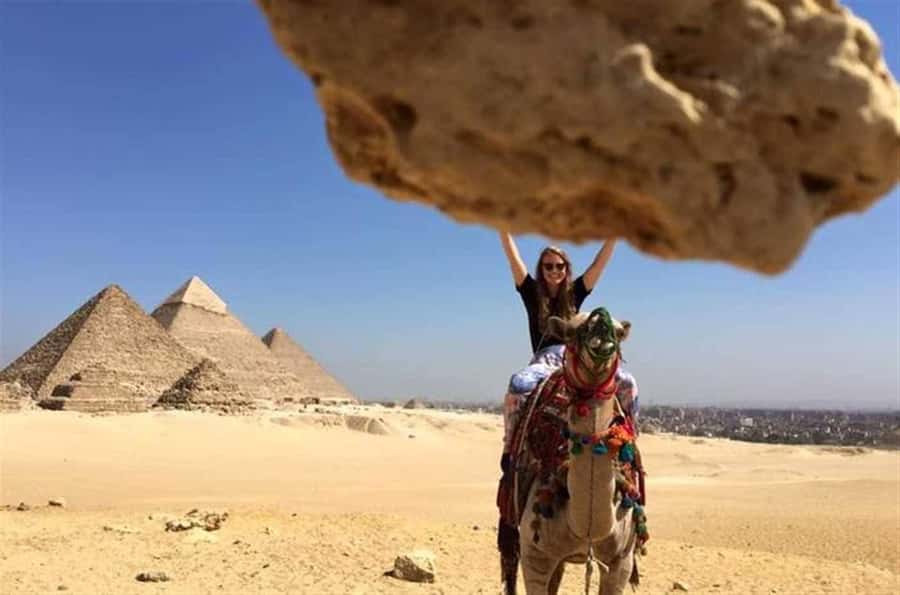
And yes, this is also where the tour’s photo advantage shows up. Since your guide takes professional photos, you can spend less time posing awkwardly and more time watching where you’re standing and what you’re learning. If you’ve ever spent your “pyramid minutes” doing selfies instead of listening, this is the fix.
Time reality check: fitting Giza into four hours without feeling rushed
The tour is listed as 4 hours total. In real-world terms, that includes pickup and drop-off, plus the walk inside the Giza area. The sightseeing portion is roughly three hours walking/touring, so you’re getting a solid overview—but not an all-day deep crawl of every corridor, museum corner, and viewpoint.
That matters because Giza is one of those places where crowds, heat, and walking pace can stretch time. One smart tip that came up in the field is simple: start early to cut down on crowds. Your 8:00 am departure is your built-in advantage here.
If you want the experience to feel relaxed, treat it like a highlight reel. Ask your guide for the best angles for photos, pick one camel-free viewing zone if you prefer staying grounded, and keep a steady pace. This is the kind of tour where the guide’s guidance helps you avoid backtracking.
Also, remember that “half day” in Giza usually means you’ll walk more than you expect. Comfortable shoes are not optional. A bottle of water is included, but you’ll still want to plan for heat, sun, and the fact that you’ll be outdoors for a while.
What’s included in the price, and why it’s good value at $55
At $55 per person for a private group, this tour looks inexpensive—until you check what’s actually bundled. You get:
- Hotel pickup and drop-off
- Entry fees
- A tour guide
- Bottled water
- Private transfers by an air-conditioned newest-model vehicle
- Professional photos taken by the guide
That list is the real reason this price can feel like a bargain. When entry fees and transport are included, you don’t get the annoying add-ons that make “cheap” tours turn into expensive ones mid-trip. And because it’s private, you’re not waiting on a slower group or stuck with a fixed pace that doesn’t match your interests.
A second value point: the guide is what transforms the monuments from shapes into meaning. One theme you’ll hear again and again from excellent guides is pointing out specific details you’d otherwise miss. In the guide style you might encounter, some are also strong photographers—names you could run into include guides such as Aladdin and Achmed, and photo-friendly guide types like Omar, Hazem, Josef, and Rania Khairy have shown up as standouts in the feedback. You should still communicate your preferences, but it’s a good sign that this tour attracts guide talent, not just drivers with headsets.
Smooth logistics, clean car, and the difference between a ride and a tour
There’s a difference between getting transported and getting looked after. Here you get both: private pickup, a driver, and a guide who leads the experience.
From the feedback style you’ll see, the best guides and drivers do two things well:
- They stay on time. Pickup precision matters because your window in the morning is your best time for photos and calm attention.
- They keep the car experience comfortable. Clean, newer air-conditioned vehicles show up repeatedly, and on a half-day schedule, that comfort helps you stay sharp when you arrive.
You’ll also appreciate the meeting setup. A guide waiting with a name sign means less waiting around, less confusion, and less time wasted before you even reach Giza.
Shopping stops after the pyramids: how to stay in control
One downside that crops up in the real world: you might be offered shopping add-ons after the main tour. Examples mentioned include perfume shops and papyrus-style stores. Sometimes these stops are brief. Sometimes they feel pushy.
Here’s how I’d handle it:
- Decide in advance if you want any shopping at all.
- If you don’t, tell the guide you’re not interested before you get pulled into conversation.
- If you are curious, treat it like a stop—not a requirement.
If you’re on a tight schedule, remember your time is about monuments, not retail. The guide is there for history and logistics; you’re allowed to guide the pace of the day.
Who this private Giza half-day tour is best for
This is a good fit if you want:
- A private experience rather than a loud group shuffle
- Hotel pickup and drop-off without planning transport
- A guide to connect the pyramids and Sphinx into one story
- Professional photos without spending the whole day trying to frame shots
It’s also a smart choice for first-timers to Egypt who want the highlights but still want explanations. And because the guide can work in Arabic, English, or Spanish, it’s easy to match your comfort level.
Who might want something else: if you’re the type who wants long stays, extra stops beyond Giza, or you hate being outside for long stretches. This tour does the core monuments with focus, not with slow roaming.
Should you book this tour or not?
If you’re deciding, here’s the quick logic I’d use:
Book it if you want an efficient 8:00 am private run to the big three pyramid complexes plus the Great Sphinx, with entry fees covered and guide-taken professional photos. The $55 price only looks good because the essentials are included and the schedule is tight.
Skip or choose a different format if shopping add-ons after the tour would stress you out. Also skip if you personally need more than three hours on-site to feel satisfied. This is a half-day highlight plan, not an all-day archaeological expedition.
If you book, go in with one clear goal: use the guide’s time. Ask questions while you walk, let them point out the details around Khufu, Khafre, and Menkaure, and finish strong at the Sphinx with photos that you don’t have to manage yourself.
FAQ
How long is the private half-day tour?
It lasts 4 hours total.
Where do pickups happen?
You can be picked up from a hotel in Cairo or from a hotel in Al Giza.
What are the main sites included?
The tour covers the Giza Pyramids (Cheops, Chephren, and Mykerinos) and ends at the Great Sphinx.
Are entry fees included?
Yes, entry fees are included.
What language is the live tour guide?
The guide is available in Arabic, English, and Spanish.
Is lunch included?
No, lunch is not included.
What are the cancellation terms?
Free cancellation is available up to 24 hours in advance for a full refund.