REVIEW · GIZA
Private Day Tour to the Monasteries of Wadi El-Natrun from Cairo
Book on Viator →Operated by Deluxe Travel · Bookable on Viator
Wadi El-Natrun feels like another chapter. One and a half hours from Cairo, you get taken to a valley that helped shape Egyptian Christianity, where only four monasteries still stand out of what used to be around 50. You’ll visit them with a private guide, and the day is timed to keep the focus on the sites, not on traffic.
I like that the tour is built around door-to-door pickup and a comfortable air-conditioned van. I also like that you can plan around real-life monastery visits: you’ll be walking, asking questions, and seeing places where monks live and work today—not just ruins from a distance.
One big consideration: the dress code is strict. You must cover knees and shoulders (no shorts or sleeveless tops). If you show up unprepared, entry can be refused.
In This Review
- Key things you’ll notice on this Wadi El-Natrun day tour
- Why Wadi El-Natrun is a different kind of day from Cairo
- The 7:30 am start, the ride out, and how the timing works
- Deir al-Baramus (Paromeos): the oldest stop and the feeling of being far from it all
- Deir Anba Bishoi (St. Pishoy): what it means when the body is still there
- Deir Abu Maqar / Anba Makaryus (St. Macarius the Great): the valley’s busiest monastery
- Finishing at the Syrian Monastery: completing the four surviving houses
- Dress code and site etiquette: how to avoid being turned away
- Price and value: is $62.10 a good deal?
- Should you expect a truly private experience?
- Who this tour suits best (and who should think twice)
- Should you book the Private Day Tour to Wadi El-Natrun?
- FAQ
- How long is the Private Day Tour to the Monasteries of Wadi El-Natrun?
- What time does the tour start?
- Where do you get picked up?
- Which monasteries are visited?
- What is included in the tour price?
- Is admission ticket included?
- Is food and drinks included?
- What dress code do I need to follow?
- Is the tour truly private?
- FAQ
- Is there free cancellation?
Key things you’ll notice on this Wadi El-Natrun day tour
- A true monastic route across the valley’s surviving four monasteries, not a rushed photo drive
- Deir al-Baramus (Paromeos) as the oldest and most isolated stop, where priests introduce the site
- Deir Anba Bishoi (St. Pishoy) with the body still in the monastery, making the visit feel personal and present
- Deir Abu Maqar / Anba Makaryus (St. Macarius the Great) as the busiest monastery in the valley, with over 100 monks and 600 workers
- A structured 8-hour schedule that includes transport and guiding, while keeping you out of the self-drive headache
Why Wadi El-Natrun is a different kind of day from Cairo
Cairo can be loud, crowded, and fast. Wadi El-Natrun slows everything down. This valley is known as a birthplace area for Egyptian monasticism, when Christian seekers chose a life set apart—away from cities, away from noise, and closer to prayer and work.
What makes the day special is the scale shift. The valley once held about 50 monasteries, but today only four surviving houses remain. That bottleneck matters: you’re not bouncing between dozens of stops. Instead, you see how a small number of active monasteries kept traditions alive through centuries of change.
You’re also not going just for the buildings. The tour is designed so you can talk with priests and monks about daily life and beliefs. That’s the difference between collecting “sights” and actually understanding what monastic life looks like in practice—quiet routines, spiritual focus, and community living.
You can also read our reviews of more private tours in Giza

The 7:30 am start, the ride out, and how the timing works
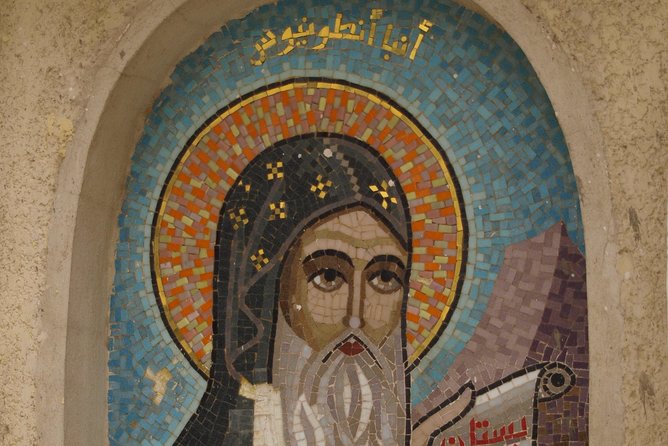
Start time is 7:30 am, and pickup is from your hotel in Cairo or Giza. Plan on roughly 1.5 hours each way in a modern air-conditioned vehicle/van. That early start is smart. You’ll reach the valley before the day gets too hot, and you’ll have time to see more than one monastery without feeling squeezed.
The tour lasts about 8 hours total, and transport plus guidance is included. The “time savings” here isn’t just convenience. It’s also peace of mind. Driving out yourself means navigation stress, traffic risk, and more time spent figuring out logistics than learning what you actually came for.
One small practical note: because food and drinks are not included, you’ll want to plan what you’ll eat during the day. Even if the monasteries are calm, you still need energy for walking and waiting for access in worship settings.
Deir al-Baramus (Paromeos): the oldest stop and the feeling of being far from it all
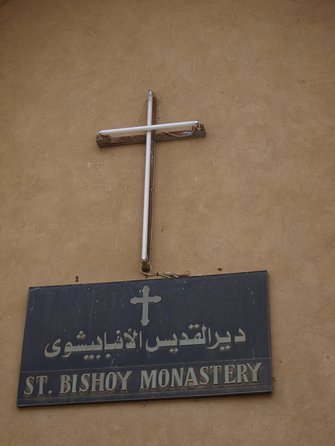
Your day begins with Deir al-Baramus, the oldest of the surviving monasteries. The standout here is the sense of isolation. Even after you’re in the valley, this stop can feel removed from everything familiar, like the place is holding its own rhythm.
You’ll have the chance to meet Egyptian priests who introduce the site and share a lot of information. That matters, because Deir al-Baramus isn’t only about what it looks like. It’s about how the monastery functions, how people interpret its role, and why this location became important in the story of Egyptian monasticism.
Also, remember that this is a worship site as well as a visitor site. You’ll be walking through areas connected to the spiritual life of the monastery, so your best mindset is respectful and quiet. Ask questions when you can, but keep your expectations simple: this is not a museum where every corner is staged for visitors. It’s a living place.
Deir Anba Bishoi (St. Pishoy): what it means when the body is still there
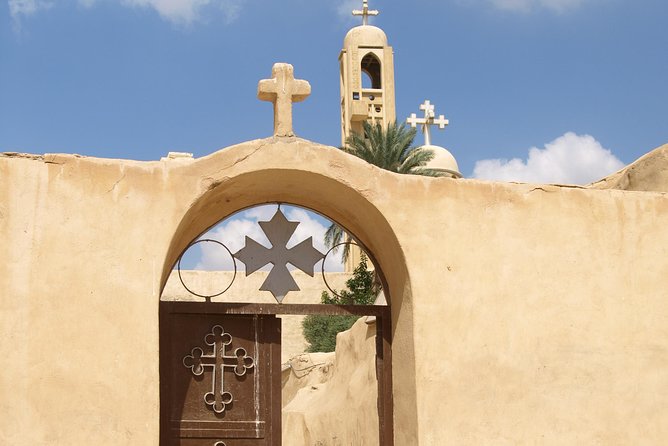
Next up is Deir Anba Bishoi, also associated with St. Pishoy. Here, the big detail is that the body is still kept in the monastery. That single fact changes the emotional tone of the visit.
Instead of viewing sacred history as distant, you’re confronted with something that’s still part of daily religious meaning. The monastery becomes a place where memory, faith, and ongoing practice meet. If you’re the type who likes to understand how belief becomes real-world behavior, this stop tends to land well.
You’ll also benefit from having a guide who can help connect what you’re seeing to why it matters. The physical layout and the religious focus won’t automatically explain themselves. With the right context, the visit feels less like watching stone and more like reading a living tradition.
Practical tip: give yourself mental room here. If you expect a quick and casual stop, you might miss the “why” behind the experience.
Deir Abu Maqar / Anba Makaryus (St. Macarius the Great): the valley’s busiest monastery
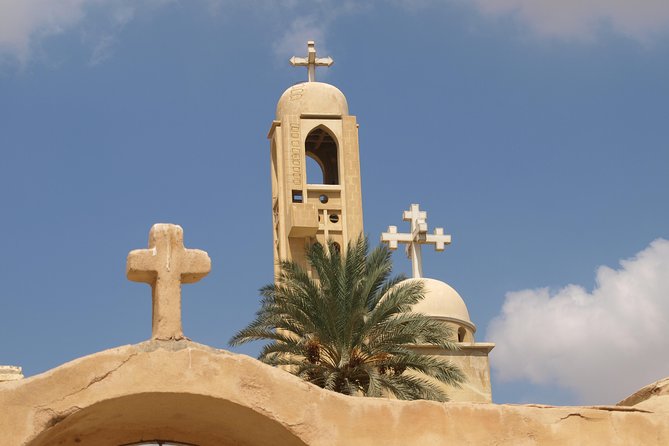
The third stop is Deir Abu Maqar, also called Anba Makaryus Monastery—linked to St. Macarius the Great. This is the richest monastery now in Wadi El-Natrun, and the numbers help you understand why.
The site has more than 100 monks and around 600 workers. That’s not just impressive; it explains the atmosphere you’ll likely notice. When a monastery has that kind of human scale, it’s more than a quiet retreat. It’s also a working community with roles, routines, and daily responsibilities that keep the monastery alive.
If you’re curious how religious life blends with labor—farming, maintenance, crafts, administration—this stop is where the day starts to feel very grounded. It also fits the tour highlight about talking with priests and monks about daily lives. You’re visiting a place that can show you how faith turns into work.
The potential drawback: because there’s more going on at a larger monastery, you might spend a bit more time coordinating entry and moving through active areas. That’s normal. It’s also why the private guide helps you keep your day on track.
Finishing at the Syrian Monastery: completing the four surviving houses
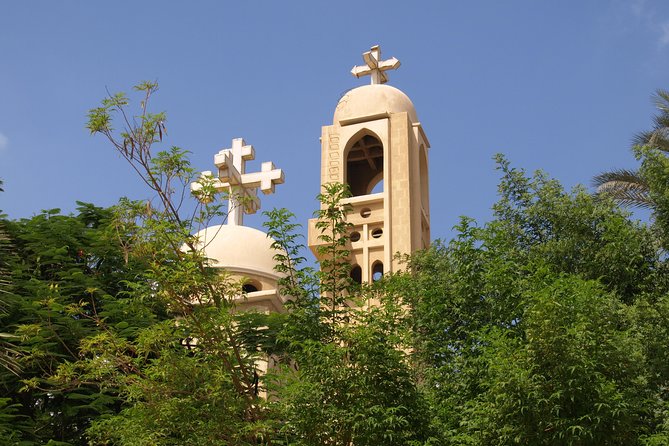
Wadi El-Natrun today is defined by four surviving monasteries: Paromeos, St. Pishoy, St. Macarius the Great, and the Syrian Monastery. After the first three, the tour completes the circle with the Syrian Monastery.
This last stop is often the one that makes the day click. Once you’ve seen three monasteries with distinct characters—oldest/most isolated, relic-centered, and community-scale—you’re ready to compare how monastic life expresses itself across traditions and worship styles.
Even if you only take away a few big impressions, you’ll leave with something rare: a sense of continuity. This isn’t “Christian history in general.” It’s Christianity in a specific valley, with specific communities still practicing and still receiving visitors.
If you’re into photography, keep it respectful. Focus on details that tell a story—doorways, textures, areas where daily life happens—rather than trying to catch a single perfect angle.
Dress code and site etiquette: how to avoid being turned away
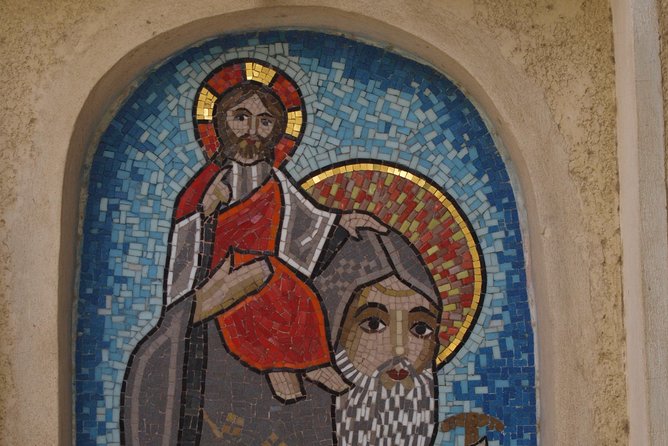
This is the one part of the day you don’t want to wing. There’s a dress code for entering places of worship and selected museums: no shorts and no sleeveless tops. Knees and shoulders must be covered for both men and women.
What I’d do if I were packing for this day: bring a light long-sleeve shirt or a shawl/scarf that can quickly cover shoulders, plus pants or knee-length trousers. If you tend to travel in quick-change outfits, make this one a “cover-first” day.
A little humor helps, because it’s easy to underestimate: the monastery doesn’t care that your shirt is comfortable. It cares that it meets the rule. Follow that, and the day stays smooth. Ignore it, and you risk refusal of entry.
Also plan for a more quiet environment than you might expect. Monasteries don’t reward loudness. Keep your voice down, move steadily, and let your questions come through calm curiosity.
Price and value: is $62.10 a good deal?
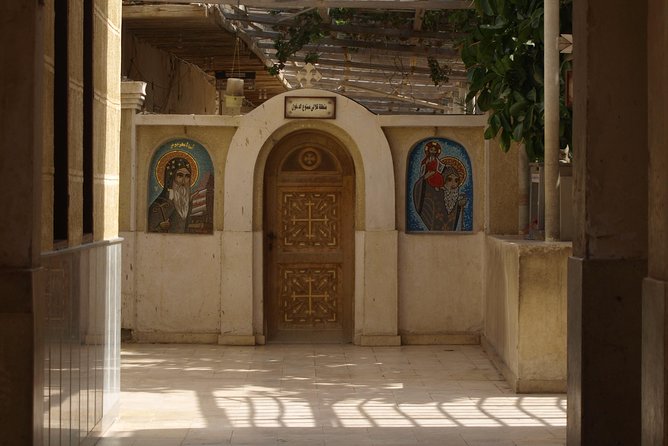
At $62.10 per person, this day tour lands in the practical “worth it” zone, mainly because the included costs are the parts that usually add up fast.
You’re getting:
- hotel pickup and drop-off
- transport by air-conditioned minivan
- a professional guide
- all taxes, fees, and handling charges
You’re also getting the monastery admission situation handled well. The tour info indicates the admission ticket is free, which matters because it reduces hidden add-ons and keeps your total cost predictable.
Where you should add your own budget: food and drinks are not included. That’s usually the only category you’ll control day-of. If you plan ahead with water and a simple snack plan, the tour stays great value.
This is also the type of day that benefits from being private. You’re not competing for guide time, and you’re not waiting for the slowest person in the group to decide where to stand.
If you care about comfort and context, $62.10 doesn’t feel like you’re paying for “chauffeur service.” You’re paying to skip hassle and spend your time learning at the monasteries.
Should you expect a truly private experience?
The tour is labeled private, and the format says only your group participates. That usually means you won’t be doing the day with random strangers hanging around your guide.
Still, monasteries are active religious sites. Entry flow, timing, and the limits of movement inside worship areas are real-world factors. Your best move is simple: treat this as a private guided route through four monasteries, not a guaranteed VIP-only bubble where no one else exists anywhere.
If your top priority is privacy, ask what the day looks like if the monasteries have busy moments. But don’t be shocked by shared walkways or brief overlaps that happen naturally on a religious visit.
Who this tour suits best (and who should think twice)
This is a strong fit if you:
- want Coptic Christian sites without the stress of self-driving
- like guided context more than wandering on your own
- enjoy respectful visits where you can ask questions and understand daily monastic life
- are pairing this with a longer Ancient Egypt trip and want one more very human chapter
You might think twice if you:
- need a fast-paced, purely “top sights” day with frequent breaks for cafes (food is not included)
- don’t want to follow a strict cover-knees-and-shoulders rule
- are uncomfortable with quiet, sacred spaces where photography and movement can feel more controlled
The early start also helps most people, but if you’re a late-riser, build that into your planning.
Should you book the Private Day Tour to Wadi El-Natrun?
I’d book it if you want a focused day that connects Egyptian Christianity to places that are still alive with monastic routines. The combination of pickup, an air-conditioned van, and a guide means you can spend your energy on the monasteries instead of logistics.
It also makes sense for value. You’re paying for transport and guidance, and the admission ticket is indicated as free, which keeps the price easier to swallow. Just don’t forget the dress code. That one detail can make or break your day.
One last practical tip: because you’re going early and food isn’t included, plan your hydration and snacks. Your comfort outside will affect how much you enjoy the quiet, thoughtful time inside.
FAQ
How long is the Private Day Tour to the Monasteries of Wadi El-Natrun?
It lasts about 8 hours.
What time does the tour start?
The start time is 7:30 am.
Where do you get picked up?
Pickup is from your hotel in Cairo or Giza.
Which monasteries are visited?
You visit four surviving monasteries: Paromeos Monastery, the Monastery of St. Pishoy, the Monastery of St. Macarius the Great, and the Syrian Monastery.
What is included in the tour price?
The price includes hotel pickup and drop-off, transport by air-conditioned minivan, a professional guide, and all taxes, fees, and handling charges.
Is admission ticket included?
The tour information indicates the admission ticket is free.
Is food and drinks included?
No. Food and drinks are not included.
What dress code do I need to follow?
You must cover knees and shoulders. No shorts or sleeveless tops are allowed for both men and women.
Is the tour truly private?
Yes. It’s a private tour/activity, and only your group participates.
FAQ
Is there free cancellation?
Yes, you can cancel for a full refund up to 24 hours before the experience’s start time.