REVIEW · GIZA
Private Day Tour Pyramids Giza, Sakkara and Memphis City
Book on Viator →Operated by Ibis Travel · Bookable on Viator
Pyramids feel bigger when it is quiet. This private day trip pairs private Egyptologist guidance with door-to-door transport, so you can see the Great Pyramid, Khafre Pyramid, and Menkaure Pyramid at a comfortable pace—then get the Sphinx story without feeling herded.
I also like the added stops in Sakkara and Memphis, which helps you connect the dots between the Old Kingdom’s early stone building and the first capital’s surviving monuments. The main thing to watch is that entrance fees are described in two different ways (some site admissions are noted in the schedule, but entrances are also listed as not included), so you’ll want to confirm what’s covered before you go—and plan for optional tipping.
In This Review
- Key things that make this private day tour work
- A quiet way to do Giza, Sakkara, and Memphis
- Price and logistics: what $39 buys you
- Stop 1 in Giza: smooth pickup and a calm start
- Stop 2: the Pyramids of Giza and the Sphinx story
- Stop 3: Sakkara’s Step Pyramid and Old Kingdom tomb scenes
- Memphis: an open-air museum feel with Ramses II and an alabaster sphinx
- Food, water, and the real value of a private driver
- Your Egyptologist guide: how to get more from the day
- Timing, walking, and how to dress for success
- Who this tour fits best
- Should you book this private Giza–Sakkara–Memphis day tour?
- FAQ
- How much does the private day tour cost?
- How long is the tour?
- Do you get pickup and drop-off?
- Is this tour private or shared?
- Will I have an English-speaking guide?
- Is bottled water included?
- Is lunch included?
- Are entrance fees included?
- Can I request a vegetarian option?
- Is free cancellation available?
Key things that make this private day tour work
- Door-to-door pickup in Cairo or Giza in a private air-conditioned vehicle, so you start fresh instead of scrambling.
- A private Egyptologist guide who can slow down for your questions (and yes, some guides like Bassam and Essam are praised for making hieroglyphs and pyramid facts click).
- More than just Giza: Sakkara’s Step Pyramid and Memphis’ open-air artifacts give you context beyond the headline monuments.
- Water on board plus a lunch break at a local restaurant (depending on your selected option).
- Mobile ticket and group discounts can make the logistics simpler if you’re booking as a small group.
A quiet way to do Giza, Sakkara, and Memphis
Egypt’s big-name sights can be loud in the wrong way: buses full of people, guide voices competing over traffic, and cameras snapping at the same time. This tour is built to avoid that. You’re traveling as a private group with your own driver and an Egyptologist guiding you through the day, not around it.
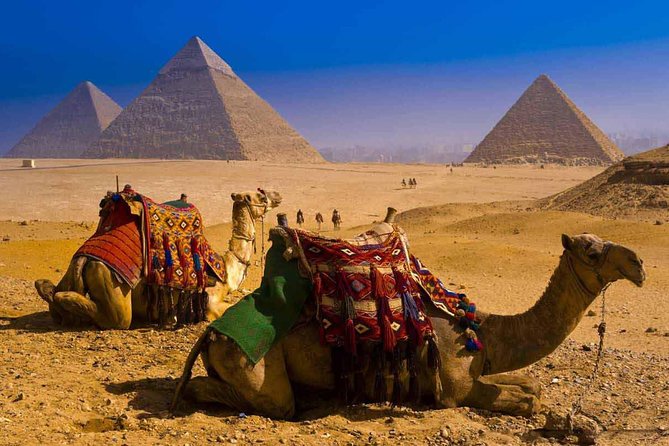
The payoff is how the monuments land when you have time. At Giza, the pyramids don’t just look huge; they look engineered. You get to stand where the Great Pyramid of Khufu, the Pyramid of Khafre, and the Pyramid of Menkaure dominate your view, and you can actually follow the story your guide tells instead of only catching fragments while moving.
What makes this tour feel especially practical is the second half of the day. Sakkara and Memphis aren’t as famous as the pyramids, but they explain how Egypt got there. You start to see the “early steps” of power and belief, then you finish with monuments in an open-air museum setting that ties the Old Kingdom to what came later.
You can also read our reviews of more city tours in Giza


Price and logistics: what $39 buys you
At $39 per person, the big value isn’t the sticker price. It’s the structure: you’re paying for private transport, an Egyptology guide, and a full day that doesn’t waste time circling pickup points.
Here’s what you can count on from the tour details:
- Private, air-conditioned transfers with hotel pickup and drop-off in Cairo or Giza
- Bottled water during the tour
- An Egyptologist guide in English (private guide, not a shared narration)
- A planned lunch meal at a local restaurant depending on your selected option
What’s not crystal-clear from the details is entrance fees. The schedule notes admissions at certain stops, but the “not included” section also says entrance fees to the mentioned sites aren’t included. Since those two statements don’t match perfectly, treat this as a “confirm before you arrive” moment. It’s an easy way to avoid last-minute stress at the gate.
Also, tipping is optional. That’s normal for private guiding, but keep a little cash set aside so you can tip without scrambling.
Stop 1 in Giza: smooth pickup and a calm start
Your day begins with pickup from your Cairo or Giza hotel in a private, air-conditioned vehicle. Instead of meeting strangers at a distant meeting point, you’re taken directly toward the Giza Plateau. This is the kind of simple benefit that matters in Egypt: traffic and waiting can eat hours if your plan is sloppy.
This early part of the day is also where your Egyptologist sets the tone. You’ll get a quick run-through of what you’ll see, and that helps the next stops feel less like a checklist and more like a story with a beginning.
The schedule gives a short block of time here. It’s not meant to be a sightseeing marathon. It’s meant to get you positioned and ready.
Stop 2: the Pyramids of Giza and the Sphinx story
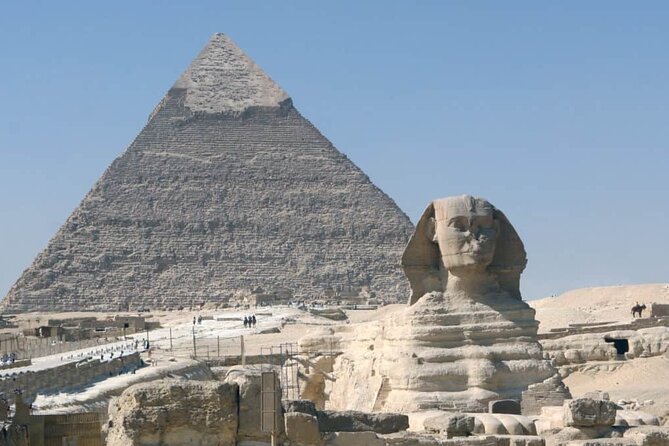
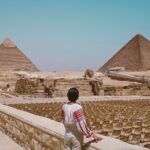
This is the headline stop, and it deserves it. You’ll spend about two hours at the Giza Plateau around the Great Pyramid of Khufu, the Pyramid of Khafre, and the Pyramid of Menkaure.
Even if you’ve seen photos before, standing close is different. The scale hits you physically. The limestone setting, the geometry, and the sheer “why does this still make sense?” feeling all come together. And unlike a fast group schedule, you don’t have to sprint between viewpoints.
Your guide brings the place to life in a way that’s more useful than memorizing names. You’ll hear the “myths, theories, and facts” that people have attached to these monuments over the centuries. That doesn’t mean you’ll leave with a single perfect answer. It means you’ll understand why the pyramids have sparked obsession and debate for so long.
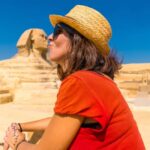
Then there’s the Sphinx: lion’s body, human face, carved from stone. You’ll get the key ideas behind what it represents and why people keep looking at it as if it’s watching back.
Practical tip: in a place like Giza, the temptation is to keep taking photos. But the best moment often comes when you stop framing and just watch the angles of the pyramids change with the light.
Stop 3: Sakkara’s Step Pyramid and Old Kingdom tomb scenes
After Giza, you head to Sakkara, about two hours of time there. This is where the tour earns its “more complete picture” promise.
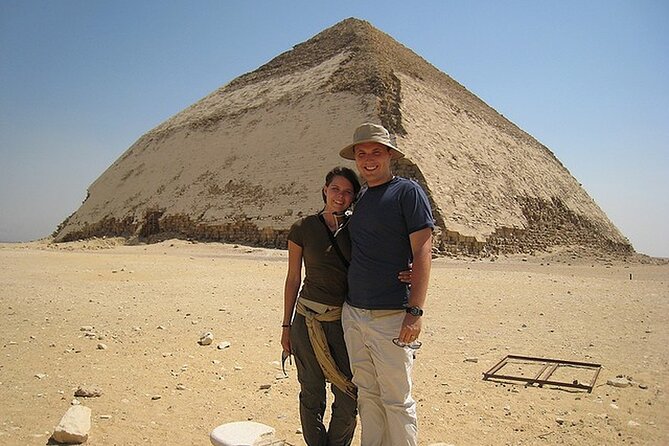
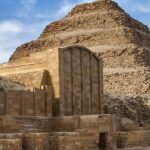
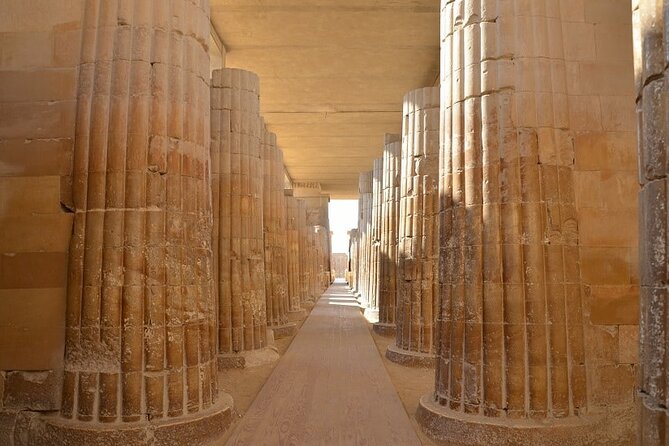
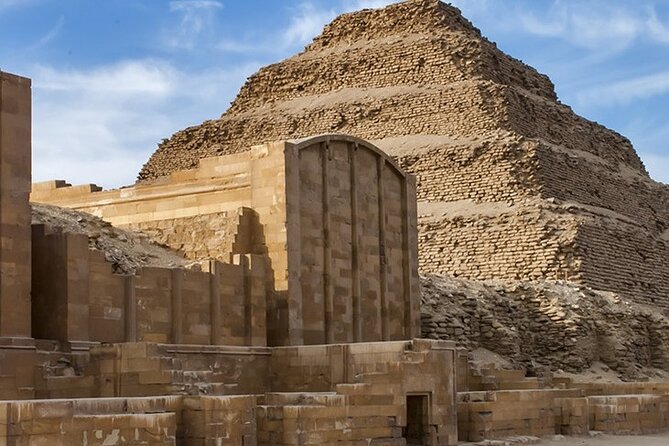
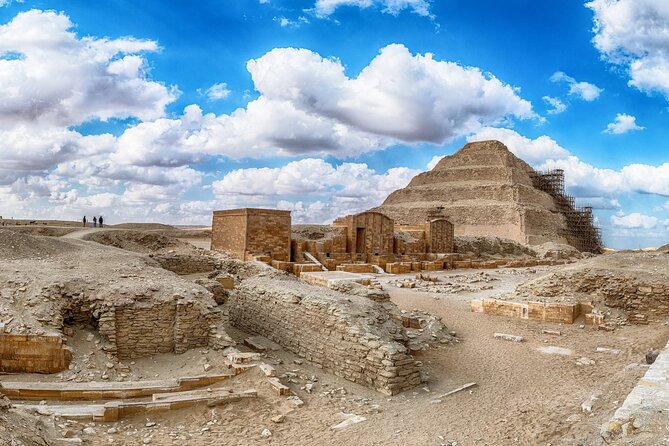
Sakkara’s star is the Step Pyramid of Djoser. It’s often described as the earliest large-scale stone structure of its kind, and that matters. It shows a civilization in transition—from earlier forms to the monumental stone architecture people associate with Egypt later on. Seeing it after the Giza pyramids makes the “growth story” easier to understand.
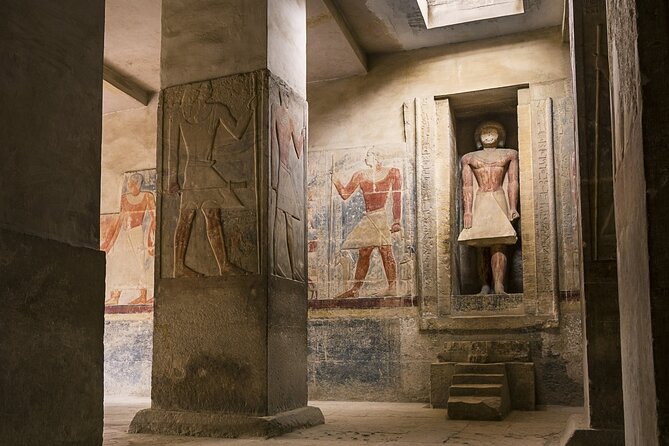
Sakkara also includes tomb areas with wall carvings and scenes tied to everyday life. That’s a big deal because it shifts your attention away from kings-only storytelling. You get glimpses of how people lived: work, rituals, and the visual language used to explain the world.
What I like about this part of the day is that it rewards curiosity. If you ask questions, your guide can connect how tomb art supports the larger idea of the afterlife and social order in the Old Kingdom.
A small caution: Sakkara can involve walking across uneven surfaces. Comfortable shoes are not optional.
You can also read our reviews of more private tours in Giza


Memphis: an open-air museum feel with Ramses II and an alabaster sphinx
Next you head to Memphis, the first capital of ancient Egypt. Memphis won’t feel like a single intact city you can wander through like a modern place. Instead, it feels like an open-air collection of powerful remnants.
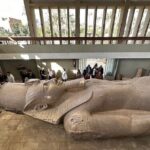
Here, the tour focuses on big, dramatic pieces, including the massive fallen statue of Ramses II and an alabaster sphinx. Those objects give you something concrete: a sense of scale, craftsmanship, and the way later dynasties layered themselves onto older traditions.
Finishing at Memphis also changes the mood. Giza and Sakkara can feel like you’re standing at the edge of “ancient time.” Memphis feels more like you’re standing in the middle of a long timeline, where what survived becomes your evidence.
If you’re the kind of person who likes seeing how different periods connect, this is a strong ending.
Food, water, and the real value of a private driver
A lot of “cheap” tours cut the comfort corners: no water, no real lunch break, and too much time lost in transit. This one aims to be more thoughtful.
You get bottled water on board, which sounds small until the day is hot and your schedule is packed. You also have a planned lunch meal at a local restaurant (the details say it depends on the selected option). Either way, the structure matters. Instead of grabbing a snack whenever hunger hits, you get a break built into the route.
If you’re traveling with kids or anyone who needs predictable pacing, private transport helps a lot. You don’t have to coordinate everyone’s bathroom breaks and meet-up times in a crowded setting.
Your Egyptologist guide: how to get more from the day
A guide can turn pyramids from “cool rocks” into a meaningful experience. The names floating through the tour feedback—Bassam, Essam, Ashraf, Muhammed—show a consistent theme: people remember the person, not just the monuments.
Here’s how to make that happen:
- Ask about the differences among the three Giza pyramids, not just their names.
- Use the Sphinx stop to question symbolism. You don’t need a perfect answer; you need the logic behind the ideas.
- At Sakkara, pay attention to what the carvings show about daily life. That’s often where the story becomes human.
Even small questions help. Why is the Step Pyramid shaped the way it is? How do tomb scenes connect to beliefs? What does an open-air museum like Memphis preserve best?
When your guide tailors explanations to your interests, the day feels less like a script.
Timing, walking, and how to dress for success
This is a 4 to 8 hour tour (approx.), and the actual timing can shift depending on the day’s pace and how questions flow. So think of it as a “big sights + enough time to breathe” kind of schedule, not a “blink and you miss it” sprint.
You’ll be doing:
- Walking around major outdoor sites
- Standing for views and photos
- Moving between Giza and the southern stops
Dress like you’re going to be outside for hours. Light layers help if the weather shifts. Bring sun protection. And keep water in mind even if you have bottled water on board.
Photography note: you’ll want photos, but prioritize one or two “anchor” viewpoints where you spend extra time looking. It makes the rest of the images mean more later.
Who this tour fits best
This private tour works especially well if you:
- Want a no-rush experience at Giza with a private Egyptologist
- Care about connecting the dots from early monumental stone building to later capital-era remnants
- Prefer private comfort over bus-group logistics
- Like learning the story behind what you see, including myths and theories (handled in a guided way)
It’s also a good pick for people who don’t want the day to feel like a checklist. With the Sakkara and Memphis stops, you get variety—pyramids, tomb scenes, and major artifacts—without losing the thread.
Should you book this private Giza–Sakkara–Memphis day tour?
If you want the pyramids but you also want context, I’d lean toward yes. The tour’s strongest value is how it combines a classic must-see day with a smarter follow-up: Sakkara explains early monumental ambition, and Memphis gives you physical remnants that make the broader story feel real.
Book it if:
- You’ll appreciate a private Egyptologist and tailored explanations
- You’re comfortable confirming entrance coverage details ahead of time
- You like a full day that balances big sights with meaningful supporting stops
Hold off or double-check if:
- You need a guaranteed, all-in entrance-fee total in advance (because the details on entrances conflict and you’ll want clarity)
- You’re sensitive to uneven outdoor walking and heat (bring good shoes and sun protection)
Bottom line: this is a solid value choice when you care about comfort, pacing, and getting more than just pyramid photos.
FAQ
How much does the private day tour cost?
It’s listed at $39.00 per person.
How long is the tour?
The duration is approximately 4 to 8 hours.
Do you get pickup and drop-off?
Yes. Pickup and return are offered from your hotel in Cairo or Giza, with private transport.
Is this tour private or shared?
This is a private tour/activity. Only your group participates.
Will I have an English-speaking guide?
Yes. The tour includes a private English language Egyptology guide (depending on the selected tour option).
Is bottled water included?
Yes. Bottled water is included on board the vehicle.
Is lunch included?
Lunch is included as a meal at a local restaurant depending on the selected tour option.
Are entrance fees included?
The info provided says entrance fees to the mentioned sites are not included, but the schedule also notes admissions included for some stops. Confirm what entrance fees your booking covers before you go.
Can I request a vegetarian option?
Yes, a vegetarian option is available. Let the operator know at the time of booking.
Is free cancellation available?
Yes. Free cancellation is available up to 24 hours in advance for a full refund.