REVIEW · GIZA
Giza day Tour to Pyramids, Memphis City, Sakkara and Camels
Book on Viator →Operated by KEMET TOURS · Bookable on Viator
Giza is one of those places that stops time. This day tour hits the Giza Plateau, then continues to Memphis and Saqqara so you see more than just a single photo spot. I like that it’s built around real guidance and practical pacing, not a rushed bus crawl.
What I like most is how well-organized the day feels, from hotel pickup to smooth site-to-site timing, and how much context you get while standing in front of the monuments. A highlight is the way the guide connects the Old Kingdom story across sites, and I’ve seen this approach praised—especially by guides like Mohamed for clear explanations. You’ll also have a simple add-on option for a camel ride around sunset, when included.
One thing to keep in mind: the schedule is action-packed, with relatively short stops at several points, and the plan lists pyramid entry for Khufu/Khafre/Menkaure as not included—so if you want to go inside, you should confirm what’s covered when you book.
In This Review
- Key things I’d notice on this tour
- Price and value: why $25 can still make sense
- Getting moving: hotel pickup, mobile ticket, and bottled water
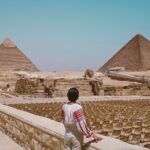
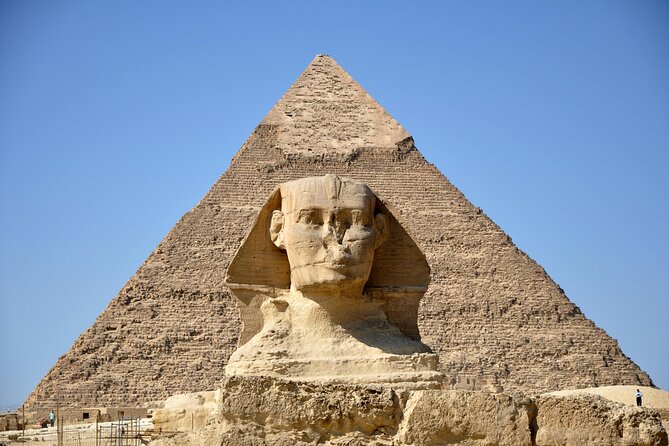
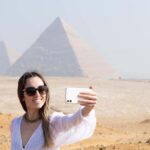
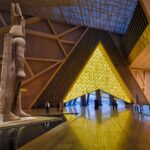
- Giza Plateau: Great Pyramid views, Khafre’s complex, and the Sphinx area
- Great Pyramid of Khufu area (and how to think about “short time”)
- Khafre’s pyramid and Menkaure’s pyramid: why exteriors still matter
- The Great Sphinx: your best photo moment is usually the last one
- Memphis stops: Ramses II and the Alabaster Sphinx vibe
- Saqqara’s necropolis: Step Pyramid territory (and what to watch for)
- Extra time for viewpoints, Unas replica, and the Pyramid of Teti
- Camels at sunset: fun when included, not the main event
- What the pacing means for you (and how to make it work)
- Should you book KEMET TOURS for this Giza–Memphis–Saqqara day?
- FAQ
- Does the tour include hotel pickup and drop-off?
- How long is the tour?
- Is bottled water included?
- What’s included with the tour price?
- Are entries to the pyramids inside included?
- Is lunch included?
- Does the tour include a camel ride?
- Is the tour refundable if plans change?
Key things I’d notice on this tour
- Private transport with hotel pickup and drop-off in Cairo or Giza, so you’re not stuck figuring out logistics.
- Giza to Saqqara in one day, which is the best way to get more than one angle of ancient Egypt.
- Quick, photo-friendly timing at major landmarks (often around 30 minutes per stop).
- A Memphis stop that includes major sights like the Ramses II statue and the Alabaster Sphinx.
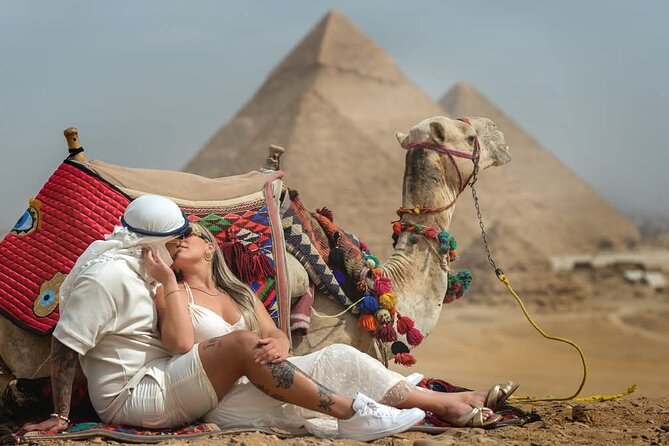
- Some departures include a camel ride at sunset with pyramids in the background.
Price and value: why $25 can still make sense
At $25 per person, this is priced in the “budget-but-thinkful” range for a private, all-day-style tour. The value comes from the structure: hotel pickup, a guide/Egyptologist, site access components, and bottled water are all part of the package basics you’d otherwise pay for one by one.
That said, the details matter. The tour info says entries/fees are included overall, but it also separately lists Great Pyramid of Khufu, Khafre, and Menkaure entry as not included. Translation for you: you’ll likely spend most of the day on the grounds and viewpoints, and you may not get interior access unless you add it. If pyramids inside are a must, ask the provider to spell out what you can enter on your exact date.
You can also read our reviews of more city tours in Giza
Getting moving: hotel pickup, mobile ticket, and bottled water
You start with pickup from your hotel in Cairo or Giza, then move directly toward the Giza Plateau. The tour uses a mobile ticket, which is handy if you want to keep your phone ready instead of hunting for paper confirmations.
Bottled water is included. That sounds small, but in Giza and Saqqara heat it becomes one of those “you’ll thank yourself later” items. Also, because it’s a private tour for your group, you won’t be waiting for strangers to finish every photo. The whole point is a cleaner, calmer day—even if the sights are crowded outside the vehicle.
Giza Plateau: Great Pyramid views, Khafre’s complex, and the Sphinx area
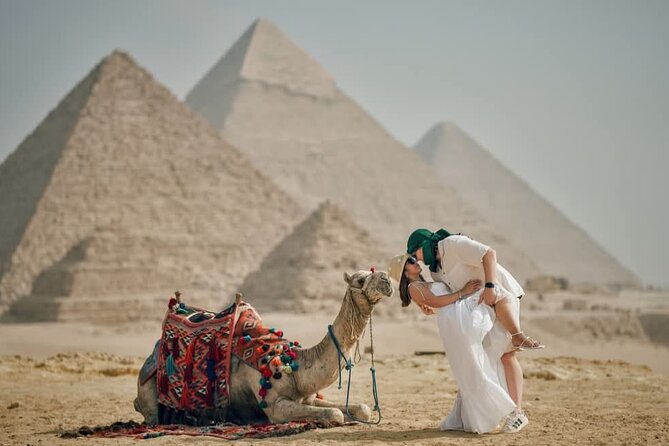
This is the heart of the day. The Giza necropolis sits on the edge of the Western Desert, around 9 km west of the Nile, and it’s packed with layers: pyramids, pyramid complexes, cemeteries, and evidence of a workers’ village.
Great Pyramid of Khufu area (and how to think about “short time”)
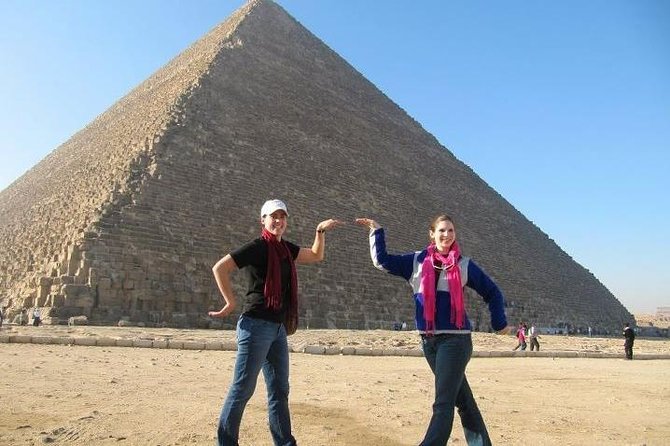
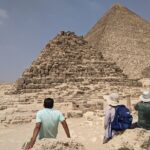
You’ll spend about 30 minutes at the Great Pyramid area. If you don’t plan to enter the pyramid, you can use this time for the two most important things:
- Get your bearings fast—choose one strong viewpoint first.
- Then walk to a second angle so you see how the monument sits on the plateau.
One useful detail is that the Khufu complex includes a valley temple (linked historically to the river-facing side of the pyramid story). Even if you don’t see excavated depth, the complex layout helps you understand what you’re looking at: this wasn’t one building, it was a whole system.
Khafre’s pyramid and Menkaure’s pyramid: why exteriors still matter
Khafre’s complex is known for its connections—valley temple, mortuary temple, and the causeway. Menkaure’s complex is similar in structure, including valley and mortuary temples plus the king’s pyramid.
You’re not getting long museum time here, but you are getting the “compare and notice” experience. You’ll likely see how different pyramid massing looks from slightly different spots, and it becomes easier to understand why Giza looks like a single skyline even though each ruler’s complex has its own character.

The Great Sphinx: your best photo moment is usually the last one
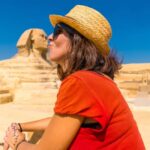
The Great Sphinx is the monument that turns the area from impressive to unforgettable. You’ll get a short stop here—about 30 minutes—so don’t plan on mastering perfect angles in one try.
Instead, treat it like this:
1) First look: take in scale.
2) Second look: align with the horizon line and the paws/face.
3) Third look: grab the shot with softer light if your guide’s timing makes it possible.
Memphis stops: Ramses II and the Alabaster Sphinx vibe
After Giza, the tour shifts to Memphis, the ancient capital of Egypt. This is where the day adds a different flavor: less pyramid symmetry, more monumental statuary and what feels like a living archaeological story.
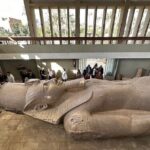
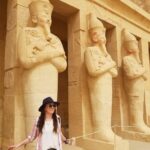
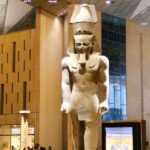
One of the promised highlights is seeing Ramses II’s statue and the Alabaster Sphinx. That pairing is a good reminder that Egyptian history didn’t stop at the pyramids. You’re moving into later royal Egypt, while still standing in the orbit of Memphis, near modern Mit Rahina.
Time here is brief, but if you keep your focus on one thing—statues and their placement—you’ll come away with a clearer sense of what an ancient capital looked like beyond tombs.
Saqqara’s necropolis: Step Pyramid territory (and what to watch for)
Saqqara is a major burial ground for the kings and royals tied to Memphis. It’s about 30 km south of modern Cairo and sprawls across roughly 7 by 1.5 km. The big reason to include it is the Step Pyramid of Djoser, often called the Step Tomb, which marks a major moment in how Egyptian monumental building evolved.
You’ll spend about 30 minutes in the Saqqara zone. In that time, I’d aim for two things:
- First, find Djoser’s Step Pyramid and get a clean overview shot.
- Second, turn your attention to the tomb styles around it (especially mastaba-style structures), so the area feels like a real necropolis rather than just one famous pyramid.
Short stops can be a drawback, but Saqqara rewards quick attention if you’re looking for patterns: how the ground plan of tombs and royal burials creates a “city of the dead” feel.
Extra time for viewpoints, Unas replica, and the Pyramid of Teti
The tour also includes additional stops tied to viewpoints and more Old Kingdom names—like a panoramic view of the pyramids, plus a stop described around a Pyramid of Unas replica. That Unas portion is worth interpreting for your expectations: based on the wording, it can feel more like a display or product-focused stop than a pure archaeology-only moment.
Then there’s the Pyramid of Teti, listed as part of the Saqqara visits. Teti’s pyramid is presented as a strong Old Kingdom landmark, with time allocated to walk through chambers and corridors. If you like architectural interiors, this is the one stop in the day that can give you that “inside the story” feeling—assuming the site access aligns with what’s included on your date.
Net effect: these added points help you keep the day varied. You’re not only doing the big headline pyramids; you’re also getting the sense that Saqqara is a cluster of royal projects layered over time.
Camels at sunset: fun when included, not the main event
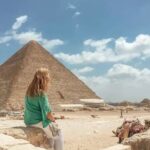
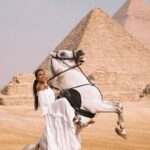
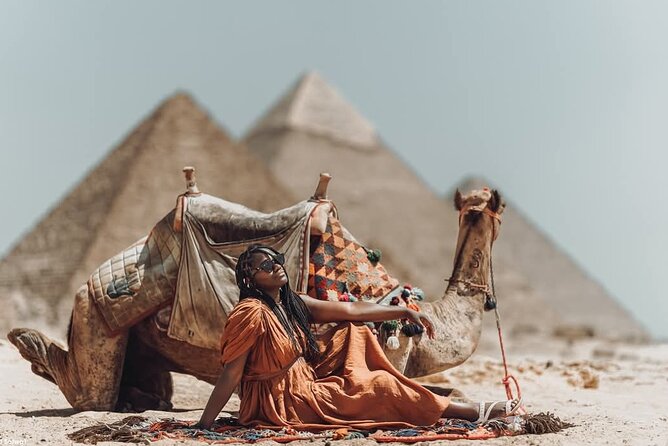
The title includes camels, and one of the standout moments in the feedback I saw was riding camels in the desert around sunset with the pyramids visible. That’s a great match for why Giza feels different at the end of the day: the light softens, shadows stretch, and the desert stops being just “sand” and becomes part of the scene.
Two practical notes for you:
- Ask whether the camel ride is guaranteed on your departure or optional, since the core itinerary doesn’t show it as a timed main stop.
- Wear closed-toe shoes and expect sand. Bring sunglasses if you’re sensitive to glare.
Even if the camel ride isn’t the focus, it can make the day feel like more than a set of checkpoints.
What the pacing means for you (and how to make it work)
This tour runs about 7 to 8 hours, with short visits—often around 30 minutes—at multiple locations. That style works well if you:
- Want breadth: Giza + Memphis + Saqqara in one day.
- Like the “see it, then move on” rhythm.
- Appreciate a guide who explains what you’re looking at while you’re standing there.
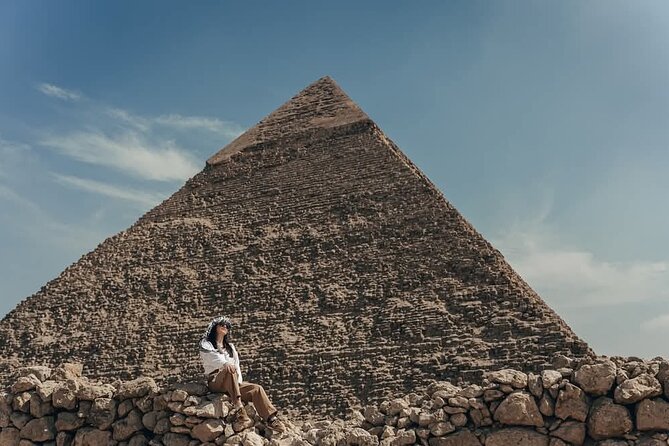
It can feel less ideal if you’re the type who wants long, slow wandering with lots of time inside buildings. Since pyramid interior access is specifically called out as not included for Khufu/Khafre/Menkaure, you should treat the main time as exterior and area-focused unless you add upgrades.
My practical photo advice: plan your “must-have” shots first (Sphinx face, pyramid skyline, Step Pyramid overview). Then use the remaining minutes for smaller details—causeways, temple layouts, and tomb shapes at Saqqara.
Should you book KEMET TOURS for this Giza–Memphis–Saqqara day?
If you want maximum ancient Egypt in a single day without the headache of arranging transport, this is a strong fit. I’d especially recommend it if you care about:
- Organization (hotel pickup, smooth transitions, clear guidance)
- Seeing multiple sites that are usually done separately
- A guide with real explanations, including people who name guides like Mohamed for strong context
Don’t book it if you’re chasing long stays at one monument or you’re set on going inside the pyramids themselves (unless you confirm add-on access). For many visitors, though, the mix of scale at Giza, the capital feel at Memphis, and the burial-ground depth at Saqqara is exactly the kind of value-packed day that makes Egypt stick.
FAQ
Does the tour include hotel pickup and drop-off?
Yes. Pickup and drop-off are included from your hotel in Cairo or Giza.
How long is the tour?
It’s listed as about 7 to 8 hours.
Is bottled water included?
Yes, bottled water is included.
What’s included with the tour price?
Included items are a tour guide, private transportation (and private tour), all fees and taxes as listed, and bottled water.
Are entries to the pyramids inside included?
The information lists Great Pyramid of Khufu entry, Khafre entry, and Menkaure entry as not included. You should confirm exactly what is covered on your date.
Is lunch included?
Lunch at a local restaurant is optional.
Does the tour include a camel ride?
Camels are included in the experience title, and camel riding around sunset appears in the feedback. Still, the camel ride isn’t shown as a timed stop in the schedule, so confirm whether it’s guaranteed for your departure.
Is the tour refundable if plans change?
Yes, free cancellation is offered up to 24 hours in advance for a full refund.