REVIEW · GIZA
Full-Day Guided Private Tour to Pyramids of Giza Dahshur Sakkara and Memphis
Book on Viator →Operated by Special trips · Bookable on Viator
Pyramids in one day means smart choices. This private, 8-hour outing is built to hit the headline sites near Cairo with an Egyptologist guide who can explain what you’re seeing as you go. I really like the door-to-door pickup/drop-off plus modern A/C transport, and I also love how the day connects older “world-changing” tomb-building ideas (Saqqara and Dahshur) to the famous skyline of Giza. One possible drawback: entrance fees for the sites aren’t included, so you’ll need to budget for tickets on top of the tour price.
Because it’s private, you’re not stuck in a cattle line. You’ll start around 8:00 am from your hotel, get bottled water, have lunch, and still keep time to see each stop properly with your guide’s commentary. If your schedule is tight—business trip, cruise stop, or just a first visit—this type of day trip is a practical way to get the essentials without feeling rushed in every single photo stop.
In This Review
- Key Highlights Worth Your Time
- A Private 8-Hour Pyramid Day That Feels Like More Than a Checklist
- Price and Logistics: What $68 Buys You (and What It Doesn’t)
- Starting at 8:00: Pickup, Air-Conditioned Comfort, and a Day That Stays Organized
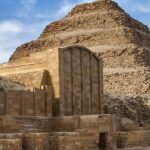
- Saqqara’s Step Pyramid: Where Stone Tomb Culture Starts to Look Familiar
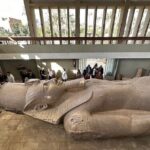
- Memphis After Saqqara: Egypt’s First Capital in Real-Life Pieces
- Dahshur’s Red Pyramid: Seeing the “First Pyramid” Chapter
- Giza with a Guide: Great Pyramid Viewpoints and the Sphinx
- Lunch, Water, and the Small Stuff That Saves Your Day
- Who This Tour Fits Best (and Who Might Want a Different Format)
- Should You Book This Private Day Trip?
- FAQ
- How long is the tour?
- What time does the tour start?
- Does the tour include hotel pickup and drop-off?
- Is entrance fees included?
- Is lunch included?
- Is there a camel ride?
- What if my hotel is on the West Bank side?
- What’s the cancellation policy?
Key Highlights Worth Your Time
- Saqqara’s Step Pyramid of King Zoser plus the surrounding complex where you can feel early stone architecture taking shape.
- Pyramid Texts inside the pyramid of Teti, with a guide to translate what’s going on.
- Memphis ruins and museum visit to connect the pyramids to Egypt’s first major capital.
- Dahshur’s Red Pyramid—often called the first pyramid—so you understand the “how it evolved” story.
- Giza’s Great Pyramid and Sphinx viewing with commentary that makes the scale easier to grasp.
- 30-minute camel ride included, built into the day without forcing you to hunt for extras.
A Private 8-Hour Pyramid Day That Feels Like More Than a Checklist
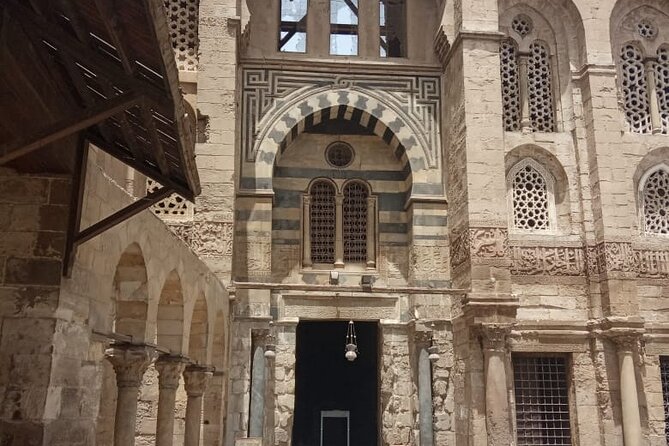
This tour works because it’s designed for flow. You don’t just see monuments; you see how they connect. Starting from Cairo/Giza with pickup at 8:00 am, you head out with a qualified Egyptologist guide and modern A/C transport, which matters a lot when your day is packed.
You also get a comfort baseline: bottled water, lunch, and the fact that you’re moving as one group with private transfers. That reduces the usual friction—waiting around, negotiating with random touts, and losing time just figuring out where to go next. The “private” part is a real value here because pyramid sites can be confusing fast, especially if you’re aiming to understand rather than just photograph.
The pacing is the main question you should ask yourself. An 8-hour day across Giza, Dahshur, Saqqara, and Memphis is ambitious, so you’ll want to accept that you’re seeing key highlights rather than lingering for hours at every corner. For many first-timers, that’s exactly what you want.
You can also read our reviews of more guided tours in Giza
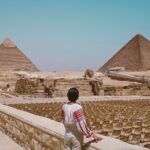
Price and Logistics: What $68 Buys You (and What It Doesn’t)
At $68 per person, you’re paying for organization more than just sight-seeing access. The tour includes hotel pickup and drop-off, fuel surcharge, taxes and charges, lunch, bottled water, a qualified Egyptologist guide, and “all the sites” listed in the plan.
What’s not included is entrance fees. That’s normal for many guided tours in Egypt, but you should plan for it so there are no surprises at the ticket window. Even if you’re traveling on a budget, guided access plus a structured day usually saves more time than you’d think—especially at places where you’d otherwise need to piece together tickets, routes, and explanations.
There’s also a small location note worth taking seriously. If your hotel is on the West Bank side, there’s an extra $15 transfer cost. If you’re staying in that area, factor that in when you compare options.
Starting at 8:00: Pickup, Air-Conditioned Comfort, and a Day That Stays Organized
The best part of this tour, before you even reach the pyramids, is that you start with momentum. Pickup is arranged from your hotel in Cairo or Giza, with door-to-door transfers. You’re placed in a private, modern A/C vehicle with your Egyptologist, so you’re not fighting traffic chaos without support.
You also get a mobile ticket. That’s a small detail, but it matters on travel days when you’re managing phone battery, bags, and paperwork. Confirmation is received at booking, which helps you plan your morning without last-minute stress.
One practical tip: wear comfortable shoes. You’ll be walking through temple and tomb-adjacent areas, and “I’ll just wear sandals for photos” can turn into a long afternoon if you’re not used to uneven ground.
Saqqara’s Step Pyramid: Where Stone Tomb Culture Starts to Look Familiar
Saqqara is where the story begins to make sense. You’ll head there early for the Step Pyramid of King Zoser and its complex. This isn’t just a famous silhouette. It’s tied to a specific person and a specific turning point: the pyramid was built for King Zoser around 2700 B.C., and Imhotep—described here as the first architect in history—played a key role.
Standing in the presence of the Step Pyramid helps you grasp a big concept: the pyramids at Giza weren’t dropped from the sky fully formed. They came from an earlier wave of stone construction, royal ambition, and experimentation. A guide makes this clearer by pointing out the logic behind the design and the royal context.
After the main pyramid area, you’ll also visit smaller highlights within the complex:
- the tomb of Kagemni
- the pyramid of Teti, where you can see the Pyramid Texts
The Pyramid Texts are a major value-add because they’re the kind of thing you’d completely miss on your own. A guide can explain why they matter, what they’re referring to, and how this kind of written religious material fits into the purpose of royal tombs.
A potential drawback of Saqqara is visibility and comfort. Depending on the season and heat level, you may want to bring sunglasses and sun protection, even if your tour includes water. This day is still outdoors for long stretches.
Memphis After Saqqara: Egypt’s First Capital in Real-Life Pieces
Once you’ve seen the monumental development at Saqqara, Memphis gives you the political and cultural anchor. You’ll go to the site of Memphis, described as the first capital of ancient Egypt (around 3200 B.C.).
This is one of those stops where you can either feel like you’re looking at fragments—or you can feel like you’re watching the outlines of a whole city history. The difference is having the guide. With commentary, the ruins and the museum visit start to connect to what the pyramids represent: not just royal engineering, but a civilization with institutions, administration, and religious ideas.
The plan includes the Memphis museum, where you’ll see a colossal statue on display. Even without naming every object, museum time is valuable because it lets you slow down. Instead of only looking at scattered ruins, you get context that helps you interpret what you’re seeing.
If you want one takeaway from Memphis, it’s this: Egypt’s pyramid story isn’t separate from daily state life. Capital cities drove power, religion, and resources. Memphis is a practical way to remember that the pyramids were part of a functioning world—not just isolated wonders.
You can also read our reviews of more private tours in Giza


Dahshur’s Red Pyramid: Seeing the “First Pyramid” Chapter
Dahshur is where your brain gets a helpful timeline. You’ll visit the Red Pyramid, described as the first pyramid, and that single fact can change how you see the later giants.
When you understand Dahshur’s role, Giza becomes more than a skyline. It becomes the end point of a progression: early royal builders trying, learning, adjusting, and scaling up. A good guide will help you notice contrasts in structure and intent without turning it into a lecture.
The Red Pyramid stop is also a reminder that Egypt’s big famous sites still sit next to less-visited chapters. If you only ever see Giza, you miss half the lesson. Dahshur helps fill that gap, and it does it in a way that’s still fun because you’re not just reading—your guide ties the meaning to what you’re standing next to.
As with Saqqara, expect outdoor time. Bring sunscreen, and keep an eye on hydration since your day is long.
Giza with a Guide: Great Pyramid Viewpoints and the Sphinx
Giza is the obvious draw, and the tour includes time to see the Great Pyramid of Giza and the Sphinx. The Great Pyramid is big in every way—visually, historically, and emotionally. But what makes the day worth it is the explanation of what you’re looking at as your eyes adjust to the scale.
The Sphinx especially benefits from a guide. Up close, it’s easy to just see stone and weathering. With commentary, you can connect the Sphinx to the broader royal landscape around it and understand why it’s positioned where it is.
This is the part of the day where your guide’s pacing matters. If you move too fast, Giza just becomes a photo stop. Move at a human pace, and you start noticing the geometry and the relationship between monuments—where sightlines lead and how the whole zone works as a planned complex.
One practical add-on: the tour includes a 30-minute camel ride. A camel ride can be a fun, classic experience, but treat it like an actual ride, not a casual stroll. Wear closed-toe shoes and keep your expectations realistic: you’re out there for a limited time, on a schedule, and comfort can vary with conditions.
Lunch, Water, and the Small Stuff That Saves Your Day
This tour includes lunch and bottled water, which is more important than it sounds. A pyramid day without food planning can spiral fast. Instead, you get fuel so you can keep listening and looking, rather than counting minutes until the next snack.
The bottled water also helps you focus. When you’re walking in heat and standing around stone monuments, thirst and fatigue can reduce what you actually absorb. Having water built in means you’re not stuck guessing where to buy it.
Private transport plus lunch also makes this better for people who don’t want to negotiate their way through a long day. You get a plan, and you can spend your energy on the history rather than the logistics.
Who This Tour Fits Best (and Who Might Want a Different Format)
This private day trip is a strong fit if:
- it’s your first time in the Cairo area and you want the major landmarks in a single run
- you’re short on time and prefer structure over self-planning
- you want an Egyptologist’s explanations rather than just wandering
It might be less ideal if:
- you want deep, unhurried time inside museums and tombs with lots of breaks
- you’re the type who loves getting lost for hours without a schedule
- you hate long outdoor stretches, even with water and lunch provided
The “most travelers can participate” line is helpful, but you should still assume it’s a walking-and-visibility day. If mobility is an issue, ask before booking about practical pacing for each site.
Should You Book This Private Day Trip?
I’d book this if your priority is value for time and you want the pyramids plus the “why it developed” chapters. The combination of Saqqara, Dahshur, and Memphis is smart because it turns Giza from an isolated must-see into part of a broader story. You’re also getting real structure: pickup, A/C transport, lunch, bottled water, and a private Egyptologist guiding you through the key monuments.
I’d hesitate only if you’re hoping for a slow museum-heavy itinerary or you’re very price-sensitive once you add entrance fees. Since entrances aren’t included, do a quick total estimate before you commit.
If you’re on a first visit and you want to leave with a clearer mental map of Egypt’s pyramid era, this is a practical, satisfying choice.
FAQ
How long is the tour?
The tour lasts about 8 hours.
What time does the tour start?
It starts at 8:00 am.
Does the tour include hotel pickup and drop-off?
Yes. The tour includes door-to-door transfers from your hotel in Cairo or Giza.
Is entrance fees included?
No. Entrance fees are not included.
Is lunch included?
Yes. Lunch is included.
Is there a camel ride?
Yes. A 30-minute camel ride is included.
What if my hotel is on the West Bank side?
If your hotel is on the West Bank side, there is an extra $15 transfer cost.
What’s the cancellation policy?
You can cancel for a full refund up to 24 hours before the experience’s start time. Canceling less than 24 hours before the start time isn’t refundable.