REVIEW · GIZA
Giza Pyramids, Sphinx, Egyptian Museum day tour with a guide
Book on Viator →Operated by Egypt Tours Express · Bookable on Viator
One day, three icons of Egypt. This private Giza to Tahrir Square day lines up the pyramids, Sphinx, and Egyptian Museum with an Egyptologist guide who explains what you’re looking at like a local. You’ll also get help positioning for better photos, not just brisk sightseeing.
I especially love the no-rush pace and the way the day is organized to avoid that painful ticket-chaos feeling. I also like that entrance fees are handled and included, so you spend more time at monuments and less time negotiating. The main drawback to plan around: it’s a long 6–7 hour outing, and traffic plus optional stops can stretch things a bit.
In This Review
- Key highlights at a glance
- Why Giza, Sphinx, and the Egyptian Museum fit together
- What the $60 price really buys (and where you’ll spend extra)
- Morning start at the Giza plateau: Khufu and the solar barques point
- Switching to Kefren: queens, panoramic views, and the valley temple setting
- The Great Sphinx stop: closest viewing plus the angles that actually help
- The quick Menkaure stop: why you’ll want at least 15 minutes
- Egyptian Museum in Tahrir Square: Tut, Nefertiti, and your 45-minute breathing room
- The guide factor: what makes this day tour feel smooth
- Timing, traffic, and how to keep the day from feeling rushed
- Who should book this day tour (and who might not love it)
- Should you book it?
- FAQ
- How long is the Giza pyramids, Sphinx, and Egyptian Museum day tour?
- Is pickup included?
- Is this tour private?
- Are entrance fees included?
- What is included in the price?
- What should I pay for separately?
- Can I cancel for a full refund?
- Is there anything optional during the tour?
Key highlights at a glance
- Admissions and entrance fees included so the day feels simple and predictable
- Egyptologist-style guidance that makes Khufu, Kefren, and the Sphinx make sense
- Great photo angles built into the route, including panoramic viewpoints
- A focused Egyptian Museum visit with a free window inside for slower looking
- Family-friendly flexibility, with guides who can pause when needed
Why Giza, Sphinx, and the Egyptian Museum fit together
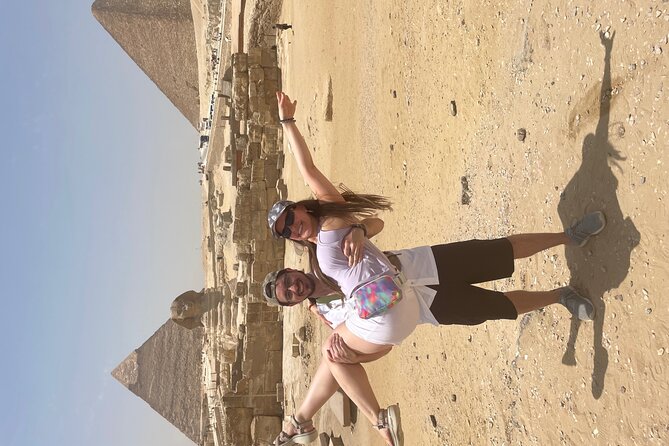
If you only do the pyramids, you can still enjoy the views. But they don’t always answer the big questions right away. This tour links the outdoor monuments with the museum collections that explain how the Egyptians thought, built, and preserved power.
I like the order because it keeps your brain in “context mode.” You start at the Giza plateau, then move to the Sphinx and valley temple setting, then shift indoors to the Egyptian Museum where names like Tutankhamun and Nefertiti come into focus.
Also, it’s a true private tour. It’s just your group, so you’re not stuck with a speed-walker ahead of you and a “hold up” behind you. That matters at Giza, where timing and movement can get awkward fast.
You can also read our reviews of more guided tours in Giza
What the $60 price really buys (and where you’ll spend extra)
At $60 per person for a 6–7 hour private day, the real value is that it’s not just a car ride plus a ticket. You’re paying for a guide who escorts you through the big sites and handles the on-site flow. Entrance tickets and fees are included, which removes one of the most annoying travel tasks of all: figuring out the right lines and the right payments mid-day.
Pickup is offered, but if your hotel is near the airport area, transportation from there costs extra (listed as $10 per transfer). Also plan for tipping, since it’s not included.
One practical note: if you’re the type who wants to go inside Khufu’s pyramid, you’ll need to be ready to follow local rules and timing on the day. The tour says entry is optional, but it also suggests budgeting extra minutes for the choice.
Morning start at the Giza plateau: Khufu and the solar barques point
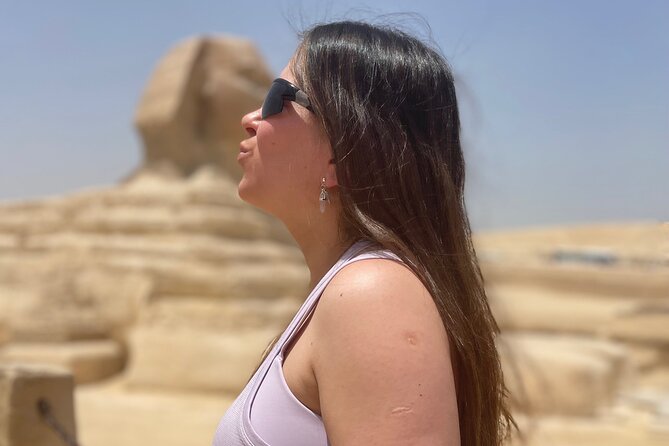
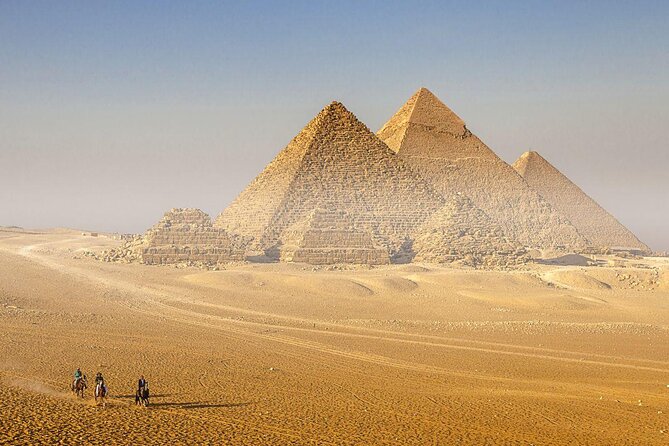
You begin with the pyramid of King Khufu (Cheops), and the guide explains how the pyramid was built and why it became such a construction “miracle” in the ancient world. This is the moment where the pyramids shift from shapes in a postcard to real engineering.
What I like is that you don’t just look straight at the big one. After the explanation, you can walk around and see the smaller pyramids for queens. You’ll also hear about the location of the solar barques, which helps you understand the plateau as a planned complex, not just three isolated monuments.
You have the option to go inside Khufu’s pyramid. Even if you skip it, the guide’s focus on the construction story makes the exterior feel more precise. If you do go in, take it slow. It’s a tighter experience and you’ll want to stay steady and careful while moving in and out.
Switching to Kefren: queens, panoramic views, and the valley temple setting
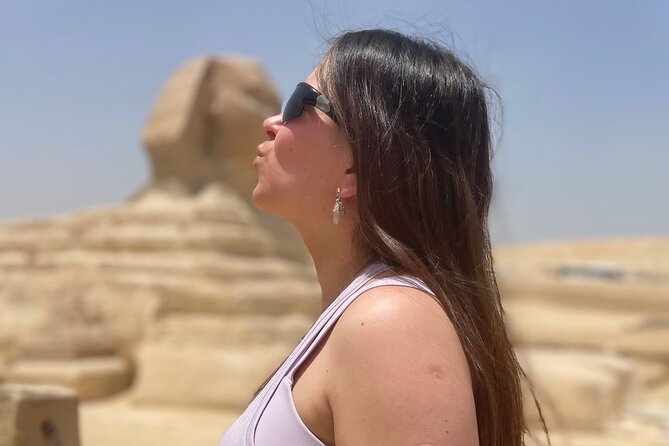
Next comes King Kefren (Khefren) and a change in perspective that’s worth the move. Kefren’s pyramid sits in a way that often feels more “towering” on the plateau, and the route is designed to get you to multiple viewpoints, not just the first obvious photo spot.
The day includes a panoramic view where you can see the three main pyramids together, plus the queens’ pyramids. This is the part that usually makes people say, wow, because the scale clicks when you’re not standing too close to one monument alone.
Then the focus shifts to the valley temple of King Kefren. This is one of those settings where the atmosphere matters. Standing in that valley-temple context helps you understand why these sites weren’t built to be random. They were placed for processional movement and ritual space.
From there, you’ll also reach the closest point for viewing the Great Sphinx. That’s important. If you’re chasing “best angles,” you want to be close enough to see details in the face and body, not just a distant shape that becomes background.
The Great Sphinx stop: closest viewing plus the angles that actually help
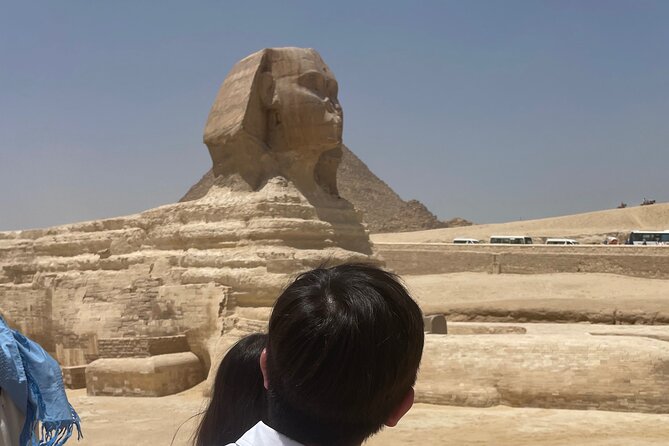
The Sphinx is famous, but it’s still a bit of a trick on arrival. Up close, you notice how weathering and scale change what you expect from photos. This tour handles the “what am I looking at?” problem by pairing the Sphinx with the surrounding Giza explanations.
You’ll get the facts tied to the myth-like feel of the monument: the legendary lion body with the face of a king. And you’ll also move through smaller sections that connect Sphinx viewing with the broader pyramid area, including the three smaller pyramids behind the grand pyramid.
You get time for photos from different angles. I find that the “different angles” part is the best safeguard against disappointment. If you get one decent photo but miss the lighting or distance for another, the whole day can feel uneven. Here, you’re given multiple chances to make it work.
The stop time listed is about 30 minutes for the Sphinx portion, so the guide can keep things flowing without turning it into a waiting game.
You can also read our reviews of more museum experiences in Giza



The quick Menkaure stop: why you’ll want at least 15 minutes
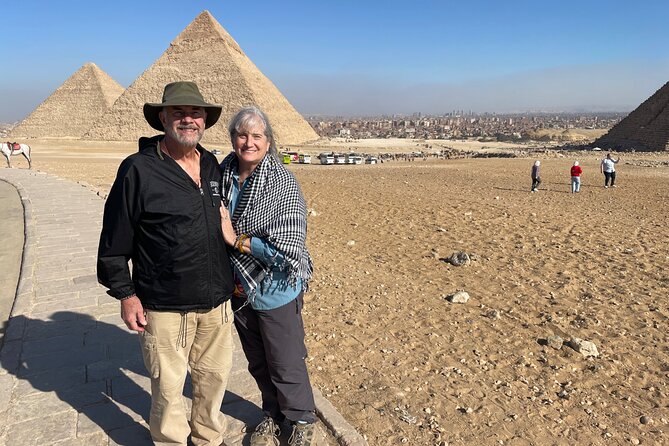
Then there’s Menkaure’s pyramid, the smallest of the three main pyramids in the complex. It’s only a brief 15 minutes, but that short slot has a purpose: it rounds out the full triangle of the main Giza monuments so your mental map stays complete.
Menkaure is often the one people overlook because they’re already locked onto Khufu and Kefren. But standing there for a moment helps you understand the plateau as a set of tomb choices made by different kings across the same era. Even if you’re not spending forever here, the payoff is in what it adds to the bigger picture.
If you’re someone who likes to photograph details, use this stop efficiently. Watch how the slope and proportion differ from the larger pyramids, and you’ll feel less “tourist-rushed” when you move onward.
Egyptian Museum in Tahrir Square: Tut, Nefertiti, and your 45-minute breathing room
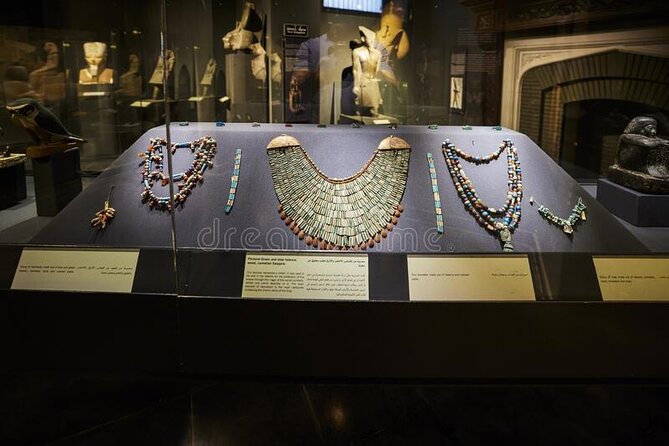
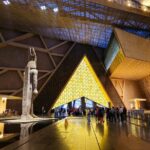
The Egyptian Museum part of the day is where you shift from location-based wonders to object-based history. This museum is described as Egypt’s first museum for antiquities and it’s been around for more than 120 years. That alone makes it a time capsule.
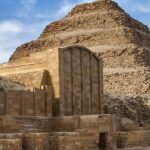
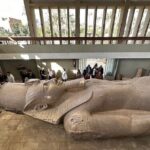
Your guide escorts you through key highlights. The tour description specifically calls out items and themes such as a Rosette stone, Zoser statue, and the Narmer palette, plus Old Kingdom and Middle Kingdom monuments and statue development. You’ll also see the head of Queen Nefertiti, along with massive statues tied to King Amenhotep and Queen Ti.
Then you land in New Kingdom artifacts, including King Tutankhamun’s treasures. This is typically where the emotional impact hits because you’re not just seeing symbolism in stone outside—you’re seeing objects tied to real people and real periods.
You’ll also have 45 minutes for a freer walk inside the museum. I like that break because it lets you decide what to focus on after the guide’s orientation. If you’ve got a thing for portraits, statues, or gold-toned artifacts, this window is where you can actually follow your curiosity for a bit.
The listed museum time is about 2 hours total, so you’ll want to pace yourself. With so much to see, you’ll get more enjoyment by choosing a few targets instead of trying to read everything.
The guide factor: what makes this day tour feel smooth
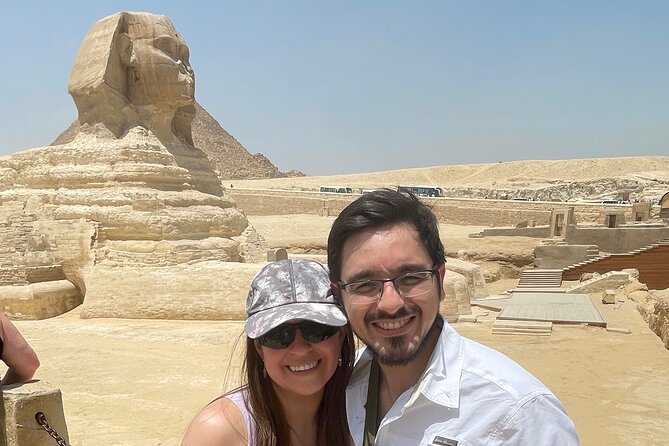
The biggest repeat theme in guide-focused comments is how the explanations land in a clear, natural way. Guides named in recent experiences include Mohammed Sobhy, Hussein, and Ahmed. That range matters because it suggests you’re not stuck with a script; the guide style can be personable and responsive.
A standout detail from past experiences: the guide worked around a group with a 21-month baby, stopping to take care of the child and keeping the visit on track. That kind of flexibility is gold at Giza, where constant movement can wear people down fast.
You’ll also benefit if you care about photography. The tour description and feedback both point to the guide helping you get pictures from good angles. Practical help like this is worth more than most people think, because the best photo spot can change depending on sun, crowding, and where you started.
Finally, guides also coordinated additional Egypt plans for some groups. Even if you don’t book more on the spot, it’s useful to get context about what to see next while your day-to-day timing is still fresh.
Timing, traffic, and how to keep the day from feeling rushed
This tour runs about 6 to 7 hours, and it notes that the duration might extend due to restaurant time, shopping, or traffic. That’s not a failure; it’s reality in Cairo. The key is that the tour aims for a good pace and explicitly avoids long ticket and entrance-fee queues.
Still, you should plan your energy. Giza means walking over uneven ground and managing sun exposure. The Egyptian Museum is easier to move inside, but it’s still a lot of visual input in a short window.
If you’re sensitive to heat, dress with breathable layers. Bring water. And protect your phone camera setup if you’re using it for lots of photos in bright daylight.
One other practical heads-up from real experiences: currency can get a little messy when payments mix US dollars and Egyptian pounds. I’d come prepared with small bills and some local currency so you’re not stressed when you’re tired.
Who should book this day tour (and who might not love it)
This tour is a great fit if you want the “best of Giza” without spending mental energy on logistics. It also works well if you like structured explanations. The guide focus on building methods, historical background, and the meaning of locations helps turn the day into something you can remember clearly later.
It’s also a good choice for families, since the tour style can pause when needed. The group size is your group only, which usually makes pacing easier.
You might want a different option if you’re the type who prefers totally unstructured wandering. This tour has a clear order and defined stop times, like 15 minutes at Menkaure and set museum time.
Should you book it?
I think this is a strong choice for most first-timers who want a single, guided day that covers Giza pyramids, the Sphinx area, and the Egyptian Museum without the stress of figuring out every line and ticket.
Book it if you care about getting the stories behind Khufu, Kefren, and the Sphinx, and if you’d rather spend your energy on photos and viewpoint changes than on logistics. I’d especially recommend it if you’re traveling with family or anyone who needs a guide to keep the day smooth.
If you only want one pyramid experience and you’re comfortable building your own day around timings and entrances, you could save money with a self-guided approach. But for the included admissions, guided flow, and a museum finish that ties it all together, this one looks like it gives solid value for a single-day plan.
FAQ
How long is the Giza pyramids, Sphinx, and Egyptian Museum day tour?
The tour is listed as about 6 to 7 hours.
Is pickup included?
Pickup is offered.
Is this tour private?
Yes. It’s described as a private tour/activity, with only your group participating.
Are entrance fees included?
Yes. Admission tickets and entrance fees are included for the listed stops.
What is included in the price?
All fees and taxes are included.
What should I pay for separately?
Tipping is not included. Also, transportation from a hotel in the airport area costs extra ($10 per transfer).
Can I cancel for a full refund?
Yes. Free cancellation is available up to 24 hours in advance for a full refund.
Is there anything optional during the tour?
Yes. You can choose whether to go inside the pyramid of Khufu if you wish.