REVIEW · GIZA
8-Day Giza, Cairo, Luxor and Aswan Tour from Cairo
Book on Viator →Operated by Great Pyramid Travel · Bookable on Viator
Egypt hits fast on this route. You start with Giza and the Egyptian Museum, then continue south toward Luxor and Aswan. A Great Pyramid Travel representative meets you at Cairo International Airport, escorts you by air-conditioned vehicle to your hotel, and helps you lock in pick-up times so day one feels controlled instead of chaotic.
Next comes Upper Egypt by air to Luxor and a Nile cruise that handles your overnight stays. I like the way the days are structured around big moments—Karnak, Luxor Temple, Hatshepsut’s complex, and the temple circuit through Edfu, Kom Ombo, and Philae—so you get variety without constantly repacking.
One possible drawback: the schedule is full. You’ll cover a lot in 8 days, with early starts around major sites and at least one internal flight segment, so it’s not the gentlest option if you dislike long days. Also note extra costs like the optional King Tut tomb ticket and typical tipping.
In This Review
- Quick hits before you go
- Cairo first: getting oriented without wasting your energy
- Giza Plateau with a guide: the pyramids are the easy part
- Egyptian Museum treasures and Coptic Cairo stops that add texture
- Flying to Luxor and boarding the Nile: the pace shifts gears
- Karnak Open Air Museum and Luxor Temple: where scale becomes understandable
- Valley of the Kings, Hatshepsut’s temple, and Colossi of Memnon
- Edfu and Kom Ombo: two temples, two gods, and more Nile time
- Aswan’s High Dam, Unfinished Obelisk, and Philae Temple
- Meals onboard: why it matters on a packed cultural route
- Is the $636 price good value for Cairo, Luxor, and Aswan?
- Who this tour fits best (and who might want a different style)
- Should you book this Cairo to Aswan tour?
- FAQ
- How long is the tour?
- What does the tour cover?
- What are the main highlights included?
- Are meals included?
- Is hotel pickup available?
- Is a Nile cruise included?
- Are admission tickets included for all sights?
- How large is the group?
- Is a mobile ticket provided?
- What is the cancellation policy?
Quick hits before you go
- Airport meet-and-transfer in Cairo: you’re met at Cairo International Airport and taken to your hotel by air-conditioned vehicle.
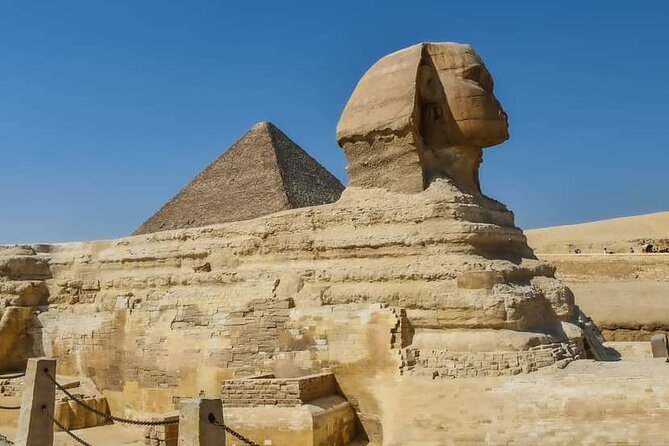
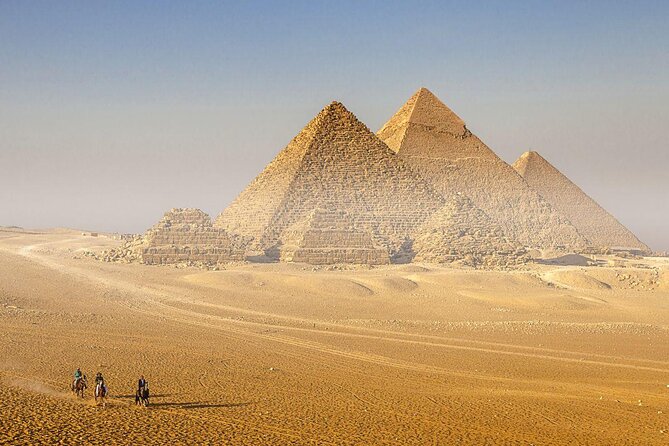
- Guided Giza circuit: Cheops, Chephren, Mykerinus, plus the Sphinx and Valley Temple.
- Egyptian Museum focus: a major highlights route through Pharaonic-period treasures and famous collections.
- Luxor-to-Aswan Nile cruising: your lodging moves with you for multiple nights, with onboard meals included.
- Temple pair-ups: Edfu (Horus) and Kom Ombo (Sobek) in the same cruise flow.
- Aswan’s big-hitter combo: High Dam, Unfinished Obelisk, and Philae Temple devoted to Isis and Hathor.
Cairo first: getting oriented without wasting your energy
Your tour begins in Cairo with an airport meet-up and an air-conditioned ride to the hotel. That may sound basic, but in a place where traffic can be wild, having someone waiting for you and confirming pick-up times helps a lot. You also get a clear plan for what comes next—useful when your brain is still adjusting to Egypt.
On day one you’re mostly in settle-in mode: you’ll start the package, confirm the timing for each day’s tours, and then get an overnight in Cairo. If you’re arriving from abroad, this is the right kind of start. You’re not thrown into a marathon schedule immediately.
My practical tip: on arrival day, keep your first-day essentials easy to grab—passport, a layer for cool air-conditioned vehicles, sunscreen, and a small snack or water bottle if you’re the type who gets hungry fast.
You can also read our reviews of more tours and experiences in Giza.


Giza Plateau with a guide: the pyramids are the easy part
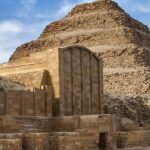
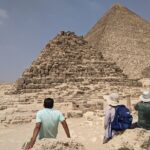
Giza is the main event, and it’s set up for maximum impact. After breakfast, you’re taken to the Giza Plateau for the Great Pyramids of Cheops, Chephren, and Mykerinus. You’ll also visit the Sphinx and the Valley Temple facing the great statue. This is the part of Egypt where photos are everywhere—yet the real payoff is how the site is explained and paced.
A guided visit matters here because Giza is huge and full of small details that you’d otherwise miss. With a guide, you can connect what you’re seeing to the bigger story of the pyramids and royal burials. It also helps you move efficiently through the area and not lose half the morning negotiating your way into the right spots.
Then comes lunch at a good quality restaurant before the day pivots to the Egyptian Museum. That sequencing is smart: pyramids first, context second. If you do it the other way around, the Museum can feel like a history lesson with no anchor in place.
What to watch for: the plateau can be bright and hot. Wear comfortable shoes and plan to use sunscreen more than once. If you can, bring something to cover your shoulders and protect your neck in sun-heavy spots.
Egyptian Museum treasures and Coptic Cairo stops that add texture
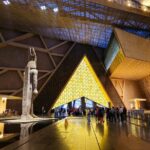
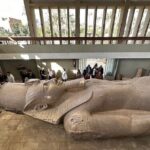
After Giza, you head to the Egyptian Museum. This is where the “wow” shifts from scale to objects—artifacts and treasures that make ancient life feel more tangible. The museum is described as holding a rare collection of 5,000 years of art, with an overwhelming number of artifacts on display, including gold and jewelry connected to royal tomb discoveries in the 1920s.
That’s the headline. The real value is how this museum visit complements what you saw at the pyramids. Once you’ve stared at the monumental architecture, seeing artifacts carved, crafted, and buried for thousands of years gives you a more complete picture of what mattered to ancient Egyptians—belief, status, and preservation.
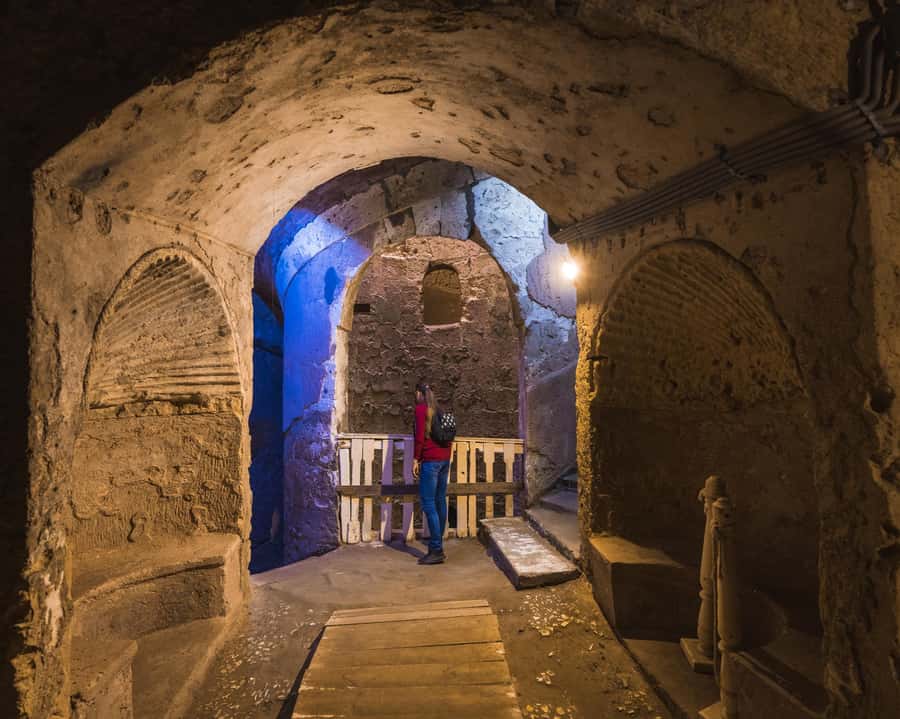
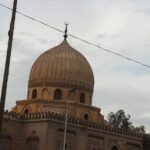
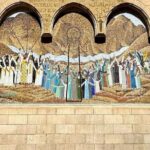
Later, you move to Coptic Cairo for religious landmarks, including the Hanging Church and Ben Ezra Sy—an area that adds a different layer of Egypt beyond the Pharaonic sites. You go from pyramid scale to living history.
Why this balance works: not every Egypt tour includes time in Coptic Cairo after the big “ancient” stops. Adding it makes your Cairo day feel less like a checklist and more like a city you can understand.
Flying to Luxor and boarding the Nile: the pace shifts gears
Day three is where the trip truly becomes a journey. You check out, then transfer to Cairo Airport for the flight to Luxor. Once you arrive, you’re met by your guide and taken by air-conditioned vehicle to board your Egypt Nile cruise.
Boarding day is important because it sets your rhythm for the rest of the trip. You have time after lunch onboard, then you head out for evening temple highlights like Karnak and Luxor Temple. That means you get the river experience plus an instant dose of Upper Egypt’s sacred architecture.
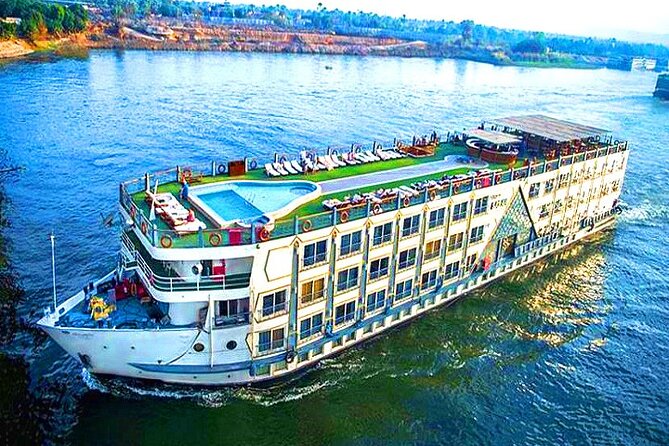
Also, the cruise setup is one of the reasons this format works for many people. Instead of changing hotels repeatedly, you sleep onboard while the scenery gradually shifts. It’s less exhausting than it sounds, especially when your days are packed with sights.
A quick mental note: early mornings and long travel days are part of this kind of route. If you’re sensitive to schedule changes, keep your evening routine simple—so you recover quickly onboard.
Karnak Open Air Museum and Luxor Temple: where scale becomes understandable
In Luxor, the visit to Karnak Open Air Museum plus Luxor Temple gives you two different vibes. Karnak is about vastness and density—rooms, columns, and walls that make you feel like you’re walking through layers of royal ambition. Luxor Temple feels more intimate in comparison, while still carrying monumental energy.
These stops are especially rewarding when the guide is actively explaining what you’re seeing. Karnak isn’t just one temple—it’s a whole sacred complex, and it can blur together if you’re left to wander without context. With a guide, you can follow the story of how these spaces were built and used.
Your dinner and overnight happen onboard the cruise, so you don’t have to organize transportation late at night. That’s an underrated quality-of-life perk, and it’s one reason people tend to love this route.


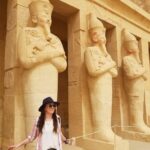
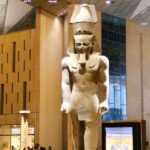
Valley of the Kings, Hatshepsut’s temple, and Colossi of Memnon
The next major day focuses on the west bank power centers of ancient Thebes. You’ll start with the royal cemetery for 62 pharaohs and then move to the Valley of the Kings. After that, you tour the Temple of Queen Hatshepsut, built by the architects associated with Pharaoh Hatshepsut in the 15th century BC. You’ll also visit the Colossi of Memnon.
That trio—royal cemetery, kings’ valley, and Hatshepsut—gives you a strong theme: death, legacy, and the ways rulers tried to outlast time. Hatshepsut’s temple is particularly memorable because it’s not just a tomb-adjacent site. It’s a monumental statement of authority and design, tied to a specific ruler.
Then there’s the practical side: after a big day of walking and viewing, you can return to the cruise for lunch and later sail to Edfu. The day ends with dinner onboard and another overnight.
Consideration: this is one of the longer, more intense sight days. Comfortable shoes matter. If you want photos, also plan for time to pause, look up, and catch the lighting—without rushing.
Edfu and Kom Ombo: two temples, two gods, and more Nile time
As the cruise continues, your next temple day splits into Edfu and Kom Ombo. You visit the well-preserved Ptolemaic Temple at Edfu, connected to Horus the falcon-headed god. Then you sail to Kom Ombo to see the unique Temple of Sobek, the crocodile god.
This is a great pairing because it keeps you mentally awake. You’re not seeing the same style of temple twice. Even if you love ancient Egypt for the big names, the difference between these sacred spaces helps you keep track of what you’re learning.
Lunch happens onboard, and then you continue sailing toward Aswan. Dinner and overnight are onboard again, so you get more river time and less “waiting around for logistics.”
Why this stage feels good: after earlier days loaded with Giza and Luxor highlights, Edfu and Kom Ombo add variety while still sticking to the main theme—temples along the Nile’s journey.
Aswan’s High Dam, Unfinished Obelisk, and Philae Temple
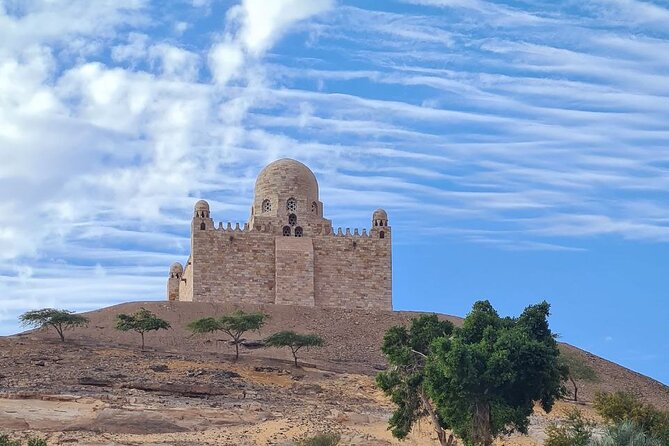
When you reach Aswan, you get a full day tour in addition to your cruise experience. You’ll visit the High Dam and the Unfinished Obelisk, located in the northern region of the stone quarries of ancient Egypt. This stop has a different emotional tone than a completed temple. It’s about process—what was planned, what was stopped, and what survives as evidence.
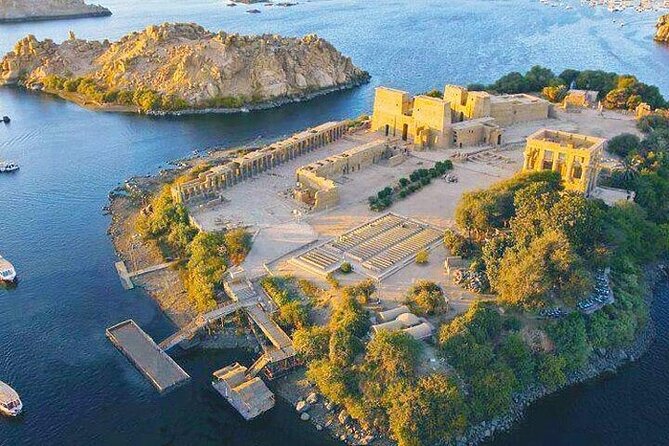
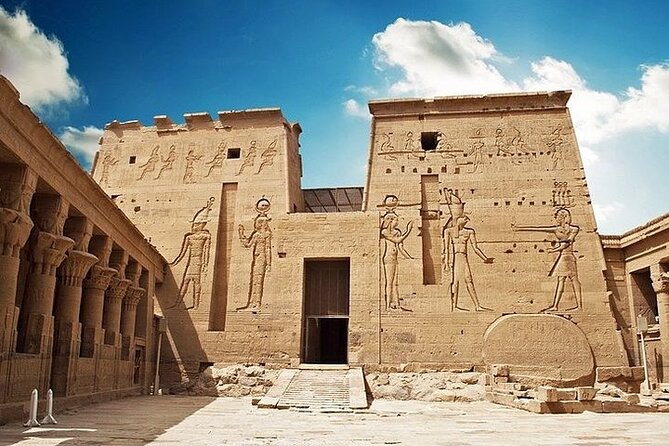
Then you go to the beautiful Temple of Philae, devoted to Isis and Hathor. Philae is one of those places where the setting and the carvings together do the storytelling. It’s not just about seeing walls; it’s about seeing how belief became built environment.
You’ll return onboard for dinner and overnight, keeping the energy balanced: big sights in the day, comfortable recovery at night.
Tip for Philae-type visits: bring water and take breaks. Even if the walking isn’t the longest, the sun and the intensity of ruins can wear you out faster than expected.
Meals onboard: why it matters on a packed cultural route
Meals aren’t just a checkbox here. The schedule includes breakfast (8), lunch (5), and dinner (4), with dinners and overnights often happening onboard during the Nile cruise days. That structure matters because it reduces decision fatigue.
Instead of hunting for food between temple stops, you know where to be and when. That helps you focus on the sights. It also means you’re more likely to pace yourself—take the time you need, then eat, then move on.
Practical angle: if you’re picky about food, you should still be fine with onboard meals on most cruises, but it’s wise to pack a couple of non-messy snacks in case you get hungry between stops during high-walking days.
Is the $636 price good value for Cairo, Luxor, and Aswan?
At $636 for an 8-day Cairo-to-Aswan experience, you’re paying for a lot more than sightseeing tickets. You’re buying:
- Guided tours across major sites in Giza, Luxor, and Aswan
- A Nile cruise segment (with multiple onboard overnights)
- Meals built into the schedule (breakfast, lunch, and dinner counts are provided)
- Airport meet-and-transfer help in Cairo
- A group format with a maximum of 40 travelers, plus group discounts and a mobile ticket
So the value isn’t just the destination—it’s the reduction in travel friction. When your days include flying from Cairo to Luxor and moving between key cities, organized transfers and scheduled timing can easily save you hours of stress.
The main places you might spend extra are also fairly clear: the King Tut tomb entry ticket inside is listed as not included (300 LE), and tipping is not included. If you plan around those, the core trip feels like a strong package deal for seeing a huge slice of Upper Egypt.
Who gets the best value: first-timers to Egypt, history lovers, and anyone who wants the Nile cruise experience without building a DIY route across multiple cities.
Who this tour fits best (and who might want a different style)
This tour is a good fit if:
- You want the classic lineup: Giza pyramids, Egyptian Museum, Luxor temples, and Aswan highlights
- You like guided context rather than wandering alone
- You prefer a structured schedule with onboard lodging while the river handles the transit
- You’re traveling in a small group setup (maximum 40) and want the social energy without massive crowds
You might consider a different approach if:
- You dislike packed days and early starts
- You want a slower pace with more downtime in each city
- You get frustrated by extra small add-ons like optional tomb entries and tipping expectations
Should you book this Cairo to Aswan tour?
If your goal is to see Egypt’s top ancient landmarks in a clean, organized way, this is a solid booking. The strongest reason to choose it is the combination of guided big-name sites plus a Nile cruise format that keeps your sleeping arrangements moving south. It’s also the kind of trip that’s easy to recommend: the core experience is clear, the route is focused, and the day structure does a lot of the hard work for you.
If you like to travel at your own pace or want lots of free time between monuments, this schedule may feel intense. But for most history-first travelers, it’s an efficient way to hit Cairo, Luxor, and Aswan with a lot of meaning packed into 8 days.
FAQ
How long is the tour?
The tour lasts about 8 days.
What does the tour cover?
It covers Giza and Cairo sights, then flies to Luxor for a Nile cruise, and finishes with Aswan before returning to Cairo for departure.
What are the main highlights included?
You’ll visit the Pyramids of Giza and the Egyptian Museum, explore Luxor and Karnak, see Hatshepsut’s temple, and visit Edfu, Kom Ombo, and Philae in Aswan.
Are meals included?
Yes. Breakfast is included 8 times, lunch is included 5 times, and dinner is included 4 times.
Is hotel pickup available?
Pickup is offered, and in Cairo you’re met at Cairo International Airport and escorted to your hotel.
Is a Nile cruise included?
Yes. The tour includes boarding a Nile cruise for the Luxor to Aswan portion.
Are admission tickets included for all sights?
Some admissions are included in the schedule, while at least one extra ticket is noted: entry inside the King Tut tomb is not included (300 LE).
How large is the group?
The tour has a maximum of 40 travelers.
Is a mobile ticket provided?
Yes, a mobile ticket is included.
What is the cancellation policy?
Free cancellation is available up to 24 hours in advance for a full refund. If you cancel less than 24 hours before the start time, the amount paid is not refunded.