REVIEW · GIZA
Private 2Day tours in Cairo Pyramids Saqqara Islamic and Coptic
Book on Viator →Operated by HorizonTravel · Bookable on Viator
Pyramids plus Cairo churches in two days. This private tour stitches together Giza, Saqqara, and some of Cairo’s most meaningful Islamic and Coptic landmarks, with pickup from Marriott Mena House. You also get an air-conditioned ride and an expert guide to turn big monuments into real stories you can actually repeat.
My favorite part is the sense of order. I like the prompt pickup and communication, and I especially appreciate how the guide’s enthusiasm makes the day feel guided rather than rushed sightseeing. Mr. Amr’s passion and clear explanations really help you connect the dots—fast.
One consideration: entry fees aren’t included (tipping also isn’t), so you should budget for tickets on top of the $65 price. That said, a lot of stops do have free entry, so it’s not a blank check.
In This Review
- Key points to know before you go
- Price and logistics for this 2-day Cairo experience
- Why the private format matters in Cairo (and how it helps first-timers)
- Day 1: Pyramids of Giza—what you’re really looking at
- The Great Sphinx: “mystery” meets your first real clues
- Saqqara’s Step Pyramid complex: where monumental Egypt begins
- Day 2: Cairo Citadel Hill and the Mosque of Muhammad Ali
- Sultan Hassan Mosque: Mamluk architecture you can see up close
- Coptic Cairo first: Hanging Church and its flood-protection story
- Mosque of Amr Ibn Al-As: a very early Islamic Cairo landmark
- What to watch for during the two-day pace
- Who this tour suits best (and who might want a different plan)
- Tips to make the most of it (without adding extra hassle)
- Should you book this 2-day Cairo and Giza private tour?
- FAQ
- Is this tour private?
- Is pickup offered, and where does it start?
- How long is the tour?
- What’s included in the price?
- Are entry fees included?
- Are there any stops with free admission?
- How does cancellation work?
- What days is the tour available?
Key points to know before you go

- Private pickup from Marriott Mena House with an air-conditioned vehicle for the whole itinerary
- Mr. Amr’s guide style: friendly, approachable, and strong on explanations
- Day 1 focuses on Old Kingdom icons at Giza and Saqqara’s Step Pyramid complex
- Day 2 blends Islamic Cairo and Coptic Cairo with major mosques and early churches
- Some sites are free to enter, but not all—plan for entry fees
- Ends back at the meeting point, so you don’t have to figure out last-day logistics
Price and logistics for this 2-day Cairo experience
At $65 per person for about two days, the value comes from what’s included: an expert guide, a private air-conditioned vehicle, and private transportation. In Cairo, that matters. You’re not just buying access to sights—you’re buying someone to help you move efficiently and understand what you’re seeing once you’re there.
The tradeoff is simple: entry fees aren’t included, and tipping isn’t included either. Some stops list admission as free, but others don’t. So your real budget is the tour price plus expected tickets.
There’s also a practical detail that tends to reduce stress: you start at Marriott Mena House and the tour ends back at the same meeting point. That makes the day feel contained, even when Cairo traffic and crowds can be… Cairo-ish.
And yes, it’s a private tour. That means only your group participates. For couples, families, and solo travelers, that’s a big quality-of-life upgrade.
You can also read our reviews of more private tours in Giza

Why the private format matters in Cairo (and how it helps first-timers)
Cairo can be a lot all at once: scale, traffic, and a strong sense that everyone has their own plan. In a private setup, you get a rhythm. Your guide can adjust the pace, explain as you go, and help you make sense of what looks similar at first glance—like major mosques that all have different architectural signatures.
From the feedback you can expect on this kind of service, the big win is reliability. People highlight prompt pickup and communication, and that’s not a small detail when you’re trying to stack two major days of sights. One solo mature traveler also noted feeling safe at all times, which lines up with the basic logic of a private car plus a guide who knows the routine.
Day 1: Pyramids of Giza—what you’re really looking at
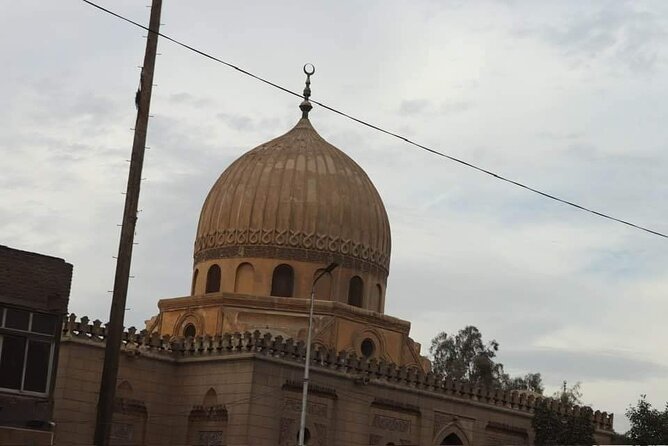
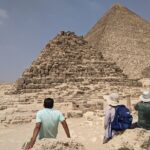
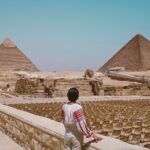
The day opens on the Pyramids of Giza, the Fourth Dynasty monuments that have shaped how people imagine ancient Egypt for over 4,500 years. Even if you’ve seen photos a hundred times, being there is different. The scale isn’t “bigger”—it’s unfair. You’ll feel it in your body before you even finish reading a plaque.
You’ll have time at the site (listed as about 3 hours), and the focus is on the key pyramids: the Great Pyramid of Khufu, the Pyramid of Khafre, and the Pyramid of Menkaure. The Great Pyramid is around 146 meters tall and made of over 2 million limestone blocks—and the alignment with celestial bodies is the kind of detail you can’t fully appreciate unless someone points out what to notice.
A practical note: the Great Pyramid admission is listed as not included here. So treat time at the pyramids as a mix of exterior viewing plus any ticketed experiences you choose on site.
The Great Sphinx: “mystery” meets your first real clues
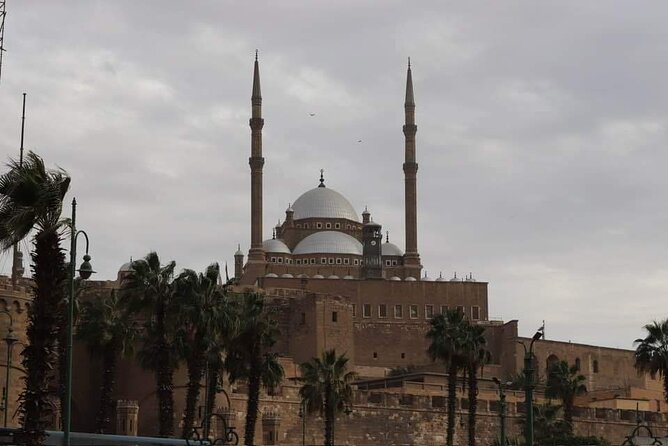
After the pyramids, you move to the Great Sphinx, a monumental limestone statue on the plateau. It’s carved around 2500 BC, and the classic description is lion’s body plus a human head—often connected with the pharaoh Khafre.
The Sphinx is listed for about 1 hour, and the good news for planning is that it shows admission is free. The “missing nose and beard” details aren’t just trivia. They’re part of why the Sphinx keeps pulling people in—because you’re staring at a damaged icon that has survived constant interpretation for centuries.
If you only have time for one quick lesson here, make it this: use your guide to sort legend from likely history. That’s where a good private guide earns their fee. You want to leave understanding what people know, what people guess, and what’s just storytelling.
Saqqara’s Step Pyramid complex: where monumental Egypt begins
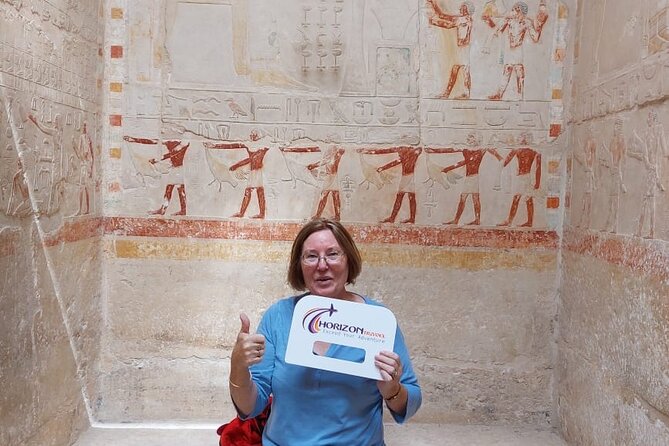
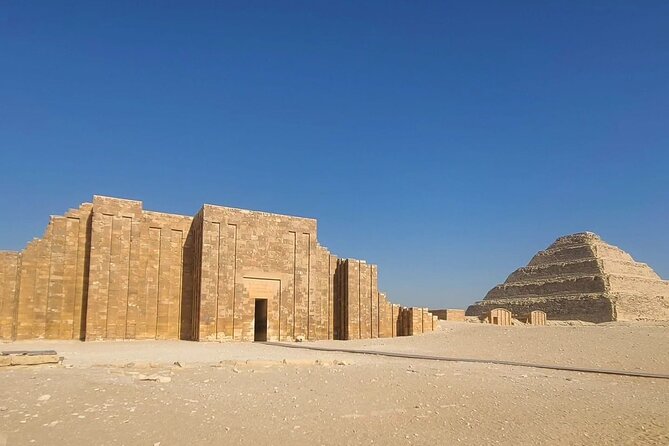
Day 1 continues at Saqqara (Sakkara), near Memphis. This is where the story of pyramid-building starts to make more sense. You’re not just looking at the final product; you’re seeing an earlier step in the evolution of monumental burial architecture.
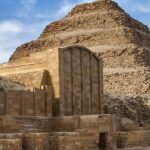
The highlight is the Step Pyramid of Djoser, built in the Third Dynasty under Imhotep. The complex also includes surrounding temples, courtyards, and smaller pyramids—plus hieroglyphs and reliefs that show daily life and religious rituals.
You’ll have about 3 hours here, and admission is listed as not included, so again, tickets may add to your day’s total. Still, this is a great place to appreciate how Egyptian religion connected to architecture: the Step Pyramid complex wasn’t built for a quick visit. It served as a necropolis for ages.
If the pyramids at Giza feel like a final exam, Saqqara feels like the study notes.
A few more Giza tours and experiences worth a look




Day 2: Cairo Citadel Hill and the Mosque of Muhammad Ali
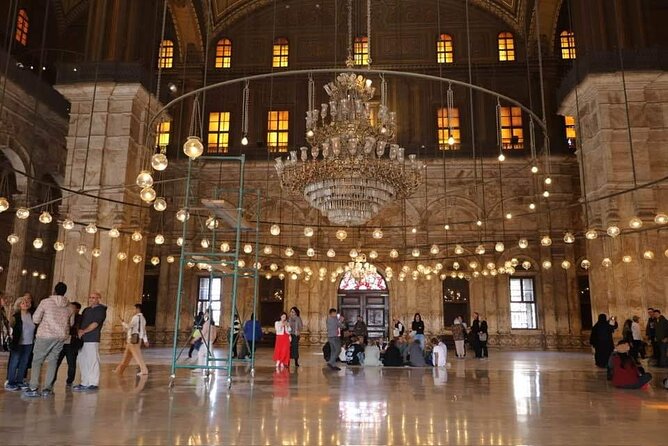
Day 2 shifts from Old Kingdom monuments to Cairo’s later power and faith. You start at the Citadel of Salah al-Din, on Mokattam Hill. The fortress was constructed between 1176 and 1183, originally as a defensive bastion against crusader attacks, and later a seat of Egyptian power.
You’ll get about 1 hour at the Citadel, and admission is listed as not included. Even so, the views are a big part of why it’s worth your time. The Citadel sits high enough that Cairo opens up around you, and the setting helps you understand why rulers built here.
Inside the Citadel complex you also visit the Mosque of Muhammad Ali, known as the Alabaster Mosque. It was built between 1830 and 1848 and is famous for Ottoman-style design: domes, minarets, and ornate marble and alabaster decoration. The tour lists about 2 hours for this stop.
You’ll likely notice the contrast between the mosque’s theatrical interior design and its more fortress-like setting. It’s a reminder that Cairo history isn’t one chapter—it’s layer after layer of power.
Sultan Hassan Mosque: Mamluk architecture you can see up close

Next comes the Mosque and Madrasa of Sultan Hassan. Built between 1356 and 1363, it’s a major example of Mamluk architecture. The listing calls out that it functions as both a mosque and a madrasa (religious school), which matters because it explains why the building is so monumental.
You’ll have about 2 hours here, and admission is listed as not included. Once you’re inside, focus on the things you’ll remember later: the grand prayer hall, marble columns, arabesque designs, and the craftsmanship details around the mihrab and minbar.
The practical takeaway: this is one of those places where a guide really helps. Without commentary, you see a beautiful structure. With commentary, you start recognizing how styles signpost specific periods in Cairo’s history.
Coptic Cairo first: Hanging Church and its flood-protection story
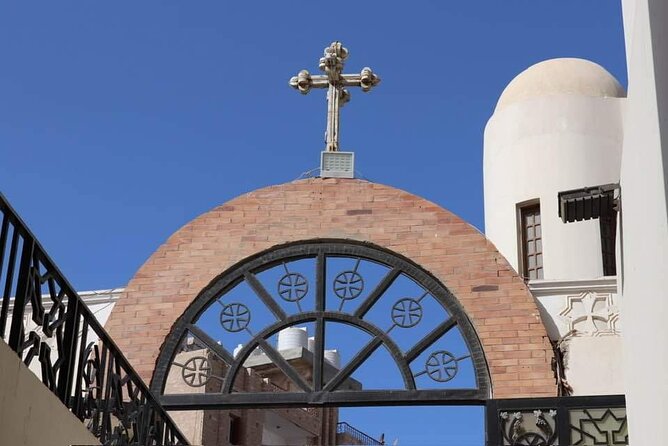
Then you shift from Islamic architecture to Coptic Christian heritage with the Hanging Church (Church of the Virgin Mary). The building dates back to the 3rd century AD, and it’s famous for its “hanging” design—where the nave sits suspended above ground.
This stop is listed at about 2 hours, and it shows admission is free. One of the most interesting details linked to the church’s location is the idea that it was built on the southern gate of the Roman fortress of Babylon, likely to protect the church from Nile floods.
Inside, renovations over centuries blend Coptic, Byzantine, and Islamic influences. You’ll see elements like woodwork and marble columns, plus ancient manuscripts and relics.
Even if you’re not a religious-history specialist, this stop connects dots in a big way: Cairo isn’t just one story. It’s many faith communities sharing a complicated physical space over time.
Mosque of Amr Ibn Al-As: a very early Islamic Cairo landmark
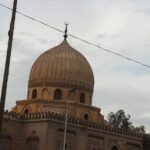
Your last major stop is the Mosque of Amr Ibn Al-As, built in 642 AD by Amr ibn al-As. It’s often described as one of the oldest mosques globally and the first on the African continent.
This stop is about 1 hour and shows admission is free. Expect a more early-architecture feel than the Ottoman-style mosque from Day 2’s Citadel visit. The layout includes a prayer hall, courtyard, and a minaret, with Quranic inscriptions throughout.
This is a good “closing note” for the day. After seeing medieval Mamluk architecture and Ottoman-era design, the early mosque helps you see continuity—how later Cairo adds layers, instead of replacing everything from scratch.
What to watch for during the two-day pace
This itinerary stacks a lot of big names in two days: Giza, the Sphinx, Saqqara, then multiple Cairo religious and historic sites. That’s not a bad thing—just be realistic.
You’ll want to treat each stop like a chapter, not a checklist. If you spread your attention well, you’ll remember details instead of feeling like you just got transported from one photo spot to the next. A private guide helps because they can point you to what to notice in each place.
Also, since entry fees aren’t included, do a quick budget check before you arrive. If you’re trying to keep costs predictable, ask your guide at pickup what you should expect to pay at each stop where admission is listed as not included.
Who this tour suits best (and who might want a different plan)
This is a strong match if you want:
- A first-timer-friendly hit of Giza + Saqqara plus key Cairo monuments
- A mix of Islamic and Coptic sites in one guided package
- A private car and an expert guide for clarity and smoother movement
It’s also a good fit if you’re traveling alone. One solo mature traveler specifically said they felt safe at all times, and that kind of comfort is hard to quantify until you’re actually in the day.
If you already know the history well and want slower, deeper museum time, you might feel the two-day structure is a fast survey. But if your goal is “see the essentials with context,” this format works.
Tips to make the most of it (without adding extra hassle)
Here are a few practical habits that match the way this tour is set up:
- Bring a plan for entry fees since they’re not included, and some stops are free while others aren’t
- Wear shoes you trust for the time you’ll spend on sites around Giza and Saqqara
- Keep your questions ready. The best part of a guided visit is using the guide to sort what you see into a story you understand
- Use the mobile ticket provided, so you’re not scrambling for paper in a busy day
And if you get a guide like Mr. Amr (from the feedback), lean into the explanations. That’s where the tour turns from sightseeing into comprehension.
Should you book this 2-day Cairo and Giza private tour?
I’d book it if you want a well-paced private package that mixes the headline pyramids with Cairo’s major Islamic and early Christian landmarks. The value is strongest because you’re not just paying for transportation—you’re paying for an expert guide and a smooth handoff between sites.
Do book with one expectation: plan for entry fees beyond the $65 price, and bring some patience for a full two-day schedule with multiple major locations. If you handle that, you’ll leave with a clearer sense of how ancient Egypt, medieval Cairo, and Coptic Christian heritage all sit in the same city today.
If your travel style is organized, guided, and focused on “I can explain what I saw,” this tour fits nicely.
FAQ
Is this tour private?
Yes. It’s a private tour/activity, so only your group participates.
Is pickup offered, and where does it start?
Pickup is offered, and the meeting point is Marriott Mena House, Cairo (6 Pyramids Road, Kafr Nassar, Al Haram, Giza Governorate).
How long is the tour?
The duration is listed as approximately 2 days.
What’s included in the price?
The tour includes an expert guide, an air-conditioned vehicle, and private transportation. A mobile ticket is also included.
Are entry fees included?
No. Entry fees for the sights are not included.
Are there any stops with free admission?
Yes. The Great Sphinx is listed as free, the Hanging Church is listed as free, and the Mosque of Amr Ibn Al-As is listed as free.
How does cancellation work?
Free cancellation is available. You can cancel up to 24 hours in advance for a full refund.
What days is the tour available?
It lists operating hours from Monday through Sunday, 12:00 AM to 11:59 PM.