Long day, big monuments. This private full-day trip links Marsa Alam with Luxor’s top sacred sites, using an air-conditioned ride and an Egyptologist guide so you’re not stuck with a loud, pushing crowd.
I especially like the private setup: it’s only your group, and your guide stays focused on you. I also like that the day is built around major stops people travel for, with bottled water and hotel pickup/return included.
One thing to consider: it’s about a 14-hour day, and entrance fees aren’t uniform. Valley of the Kings, Temple of Hatshepsut, and Karnak are listed as not included, so budget for a few separate ticket purchases (and remember tipping is extra).
In This Review
- Key highlights at a glance
- How the Marsa Alam to Luxor ride shapes your day
- Valley of the Kings: what you see and what the guide can’t do
- Temple of Hatshepsut at Deir el Bahari: why the setting feels so dramatic
- Colossi of Memnon: huge statues, simple stop, excellent photos
- Karnak Open Air Museum: the temple complex that teaches you how to look
- Logistics that make (or break) a one-day Luxor trip
- Price and value: why $110 can work for the right traveler
- Who this tour fits best
- Book or skip: my practical take
- FAQ
- FAQ
- How long is the Private Full Day Tour from Marsa Alam to Luxor?
- Is hotel pickup and return included?
- Do I get an Egyptologist guide?
- What’s included in the tour price?
- Are entrance fees included for every site?
- Is tipping included?
- Is the tour really private?
- Do I receive a mobile ticket?
- Can I change the itinerary during the day?
- What is the cancellation policy for a full refund?
Key highlights at a glance
- Private car and pickup/return: you go from your starting point and come back the same way.
- Dedicated Egyptologist guide: focused explanations for your small group.
- Valley of the Kings with context: 63 tombs, royal mythology, and clear guidance on what you’ll see.
- Deir el Bahari views at Hatshepsut’s temple: the setting matters as much as the carvings.
- Colossi of Memnon photo stop: twin quartzite-sandstone statues tied to an Amenhotep memorial site.
- Karnak at temple scale: massive columns, courtyards, plus Amun-Ra themes and inscriptions.
How the Marsa Alam to Luxor ride shapes your day
This tour is designed for people who want Luxor’s highlights without giving up an entire week. You’re leaving Marsa Alam early enough to fit multiple famous sites, then you’re back at your hotel by about 9:00 pm, which is key if you still want an evening with your own plans.
The transportation is air-conditioned with bottled water, so you’re not trying to solve comfort while you’re also trying to see monuments. It also helps that the guide can handle changes, like swapping Luxor Temple in place of Karnak if that makes more sense for your interests and photo goals.
Because the day is long, I recommend you pack smart: light layers for temple shade changes, a hat, and shoes you trust on uneven stone. You’ll be standing more than you expect at major sites, especially around Karnak’s temple grounds.
You can also read our reviews of more private tours in Marsa Alam

Valley of the Kings: what you see and what the guide can’t do
The Valley of the Kings is the kind of place where the details matter, not just the postcard view. You’ll be walking through a landscape with 63 tombs, and it’s the royal tombs and their Egyptian mythology that explain why people in the period believed the dead could be reborn.
You’ll also get the big names placed into context. King Tutankhamun is the most famous burial associated with the valley, but the real value of going with an Egyptologist guide is understanding how the tombs fit together as a worldview, not just a list of sites.
One practical catch: guides are not permitted to enter the tombs. That means your time inside is on your own, but the guide explains what to look for before you go in. So if you want to maximize your visit, listen closely during the pre-tomb briefing, then take your time once you’re inside.
If you’re sensitive to crowds, this is still a working site during visiting hours. A private format helps because you can pause for photos and move at your pace rather than matching someone else’s schedule.
Temple of Hatshepsut at Deir el Bahari: why the setting feels so dramatic
After the valley, you’ll head to Temple of Hatshepsut at Deir el Bahari, a site where you feel the geography as much as the sculpture. It’s not just a temple building; it’s a composition built into the landscape, so your photos will look better if you slow down and let your eyes adjust.
Hatshepsut’s temple is closely tied to the story of a powerful woman ruler, and the tone here is different from tomb interiors. If you’ve mostly been thinking about death and the afterlife, this stop helps balance the day with a stronger sense of rule, legitimacy, and monumental ambition.
The listing notes that admission tickets here are not included, so plan for that moment in your budgeting. Also, if you’re hoping to time the best light for photos, give yourself a little margin. Temple areas can look very different depending on cloud cover and the angle of the sun.
Colossi of Memnon: huge statues, simple stop, excellent photos
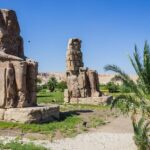
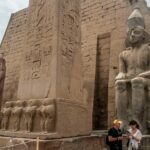
The Colossi of Memnon are easy to understand from the first glance: they’re enormous twin statues made from quartzite sandstone. They’re the kind of landmark that makes you feel the scale of ancient Egypt in your bones.
You’ll learn the story behind them, including the idea that the statues were thought to be guarding the entrance to the Amenhotep memorial temple area. Even if you don’t obsess over every historical detail, it’s a satisfying stop because the site is visually clear. These aren’t faint carvings or distant ruins; you’re close enough to spot texture and the way the stone survived time.
This is also one of those rare places where a quick stop can still feel like a real highlight. The notes indicate this stop includes free admission and also flags it as one of the best photo locations. If you’re traveling with a phone camera or want a couple of serious shots, you’ll be glad you paused here instead of rushing through.
Karnak Open Air Museum: the temple complex that teaches you how to look
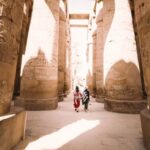
Then comes Karnak Temple, the largest and most important temple complex in Egypt. This is where many people finally understand that Egyptian religion was designed for motion: processions, ceremonies, festivals, and long sightlines.
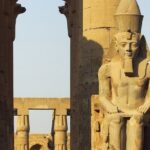
Expect monumental rows of columns, expansive courtyards, and a layout that makes you feel like the temple is built to overwhelm. Karnak also connects you to themes of political power through Amun-Ra, statues, and inscriptions that reflect how pharaohs presented authority.
The listing notes that Karnak admission is not included, so it’s another ticket you’ll likely buy at the site or through the operator’s arrangements. If you’re trying to keep your day smooth, keep a small buffer in your mind for those purchases and for any waiting time.
I’d also treat Karnak like a choose-your-own experience stop. If you love architecture and inscriptions, slow down. If you’re more about big visuals, focus on the main axis and columns first, then circle back to smaller details only if you still have energy.
A few more Marsa Alam tours and experiences worth a look


Logistics that make (or break) a one-day Luxor trip
For a trip that runs about 14 hours, comfort and timing aren’t small details. This tour includes hotel pickup/return via a private air-conditioned vehicle, plus bottled water, plus service charges and taxes, so you’re not hit with lots of add-ons during the day.
You’ll also have a mobile ticket, which can reduce stress on arrival. That matters in Egypt where lines and checkpoints can vary by day and season. The more smooth your handoff is, the more relaxed you’ll be when you get to the first major site.
Another point: the tour is private, so you don’t need to squeeze into someone else’s pace. In plain terms, if you want time for photos at Memnon or you want a slower walk through Karnak, you can do it. This is also useful if your group has different energy levels.
Still, remember the drawback of private tours: you’re responsible for your group’s pacing. If you all want to sprint, the guide can’t magically stretch time. If you all want to linger, you’ll still get through the core stops, but you should accept that the day is full and not a leisurely stroll.
Price and value: why $110 can work for the right traveler
At $110 per person, this isn’t a cheap Luxor trip, but it can be good value because the price covers the hard parts. You get a private car with pickup/return, an Egyptologist guide for the day, bottled water, and service charges and taxes.
Where the value shows up is in what it saves you: planning time, transport headaches, and figuring out how to structure a one-day visit from Marsa Alam. Going DIY means coordinating a driver, managing entrance tickets across multiple sites, and trying to stay oriented in a place where you really benefit from expert context.
Two cost notes to keep you realistic:
- Some entrance fees are not included (like Valley of the Kings and Karnak, plus Temple of Hatshepsut). So your total day cost is usually more than the headline price.
- Tipping isn’t included, so you should set aside extra for the people providing your on-the-ground help.
If you’re traveling as a small group, private-format tours can feel less expensive per person than you expect, especially when you compare it to multiple taxi legs plus the guide time. If you’re solo, it’s still worth considering if you want an organized, low-stress day with someone answering your questions on the spot.
Who this tour fits best
This is a strong match if you want Luxor’s top sites in one day and you dislike the friction of group schedules. You’ll likely appreciate the dedicated guide attention, especially at the Valley of the Kings where understanding what you’re looking at makes the tombs more meaningful.
It’s also a good choice if you like flexibility. The guide can accommodate itinerary changes such as visiting Luxor Temple instead of Karnak. That’s helpful if you’ve already visited Karnak or if you’re more interested in a different temple experience.
If you’re the type who loves details, this format works because you’re not stuck waiting while someone else takes ten minutes to decide where to stand. If you’re more visual and want quick orientation, the guide explanations before tomb entry and at temple complexes give you the right mental picture without forcing a long lecture.
Book or skip: my practical take
I’d book this if you want a stress-light Luxor day with a private guide, and you’re okay with paying some extra admission fees during the day. The biggest payoff is that you get to see the major monuments and understand what they mean, without turning your trip into a logistics puzzle.
I’d hesitate if you’re extremely budget-sensitive or if you hate long travel days. Also, if your travel plans are fragile, confirm refund expectations in writing, because one past booking issue involved a cancelled trip and reimbursement confusion. When it comes to Egypt tours, it’s smart to ask now instead of hoping everything sorts itself out later.
FAQ
FAQ
How long is the Private Full Day Tour from Marsa Alam to Luxor?
The tour duration is about 14 hours.
Is hotel pickup and return included?
Yes. Pickup is offered, and the tour includes pickup from your starting point and return.
Do I get an Egyptologist guide?
Yes. An Egyptologist tour guide is included during the tour.
What’s included in the tour price?
Included items are pickup and return, an air-conditioned vehicle, the Egyptologist guide, bottled water, and all service charges and taxes.
Are entrance fees included for every site?
Not for every stop. Valley of the Kings, Temple of Hatshepsut, and Karnak are listed as admission ticket not included, while some other points are listed as free.
Is tipping included?
No. Tipping is not included.
Is the tour really private?
Yes. It’s a private tour/activity, and only your group will participate.
Do I receive a mobile ticket?
Yes. Mobile ticket is included.
Can I change the itinerary during the day?
Your private guide can accommodate changes, such as visiting Luxor Temple instead of Karnak.
What is the cancellation policy for a full refund?
You can cancel up to 24 hours in advance for a full refund. If you cancel less than 24 hours before the experience’s start time, the amount paid is not refunded.