REVIEW · MARSA ALAM
Luxor Private tour from Marsa alam by private car
Book on Viator →Operated by Marsa Alam Tours · Bookable on Viator
Big temples, big mornings, zero self-driving. This Luxor private day tour from Marsa Alam gives you private air-conditioned car pickup at 5:00 am, a guide at every major stop, and enough room to explore on your own. I love the stress-free logistics (no renting a car, no map panic) and the fact that lunch is handled at a local restaurant. The one possible drawback: it is a long travel day, and the schedule can feel a little brisk once you are in Luxor.
One reason I’d put this at the top of your short list is the guide factor. In past groups, you may be paired with guides like Hany, Mustafa, Hoda, Naama, Ahmed, Monsoor, Khalil, or Youmna, and they tend to focus on clear explanations and real answers, not just reciting dates. You can also expect some flexibility so you can adjust your pace at the sites, including free time to roam.
In This Review
- Key highlights to focus on
- The long drive that makes Luxor possible from Marsa Alam
- Valley of the Kings: 3 tombs plus a smart optional add-on
- Colossi of Memnon: the giants that survived
- Lunch in Luxor: local food and a reset before Karnak
- Deir el Bahari and the Temple of Hatshepsut
- Karnak Temple Complex: how to make the biggest site manageable
- Horse carriage and optional felucca: choosing your pace on the Nile
- What $129 actually delivers (and what to budget for)
- How the timing feels once you’re on the ground
- Who should book this Luxor private day trip
- Should you book this Luxor private day trip from Marsa Alam?
- FAQ
- What time does the Luxor tour start from Marsa Alam?
- How long is the day trip to Luxor?
- Which main sights are included in the day?
- Is lunch included?
- Is the Tomb of Tutankhamun included?
- Is admission included for the temples and tombs?
- Do I pay extra for a felucca on the Nile?
- Is this tour private?
Key highlights to focus on
- Valley of the Kings tombs (3 tombs included) with an option to upgrade to Tutankhamun for extra cost
- Deir el Bahari / Temple of Hatshepsut with its dramatic three-level terraces and ramps
- Karnak Temple Complex time plus admission covered (and a lot to see in a single afternoon)
- Local lunch in Luxor and mineral water to keep the day manageable
- Horse carriage city tour plus an optional late-afternoon felucca if you want it
The long drive that makes Luxor possible from Marsa Alam
This is a true “drive-and-see” day. You start early—pickup from your Marsa Alam hotel at 5:00 am—and you do the long road first, so you arrive in Luxor ready to sightsee instead of burning your first hours wandering around.
The payoff is that you’re not squeezed into a big group tour. Since it’s private transport, your driver can keep the day efficient: smooth hotel pickup, a direct trip to Luxor, and a return pickup in the late afternoon (around 5:30 pm) to bring you back to Marsa Alam. Expect the road to take roughly 4–6 hours each way depending on conditions and checkpoints, so plan your day with a “long but worth it” mindset.
Practical tip: pack for heat and early morning. Even if you spend most of the day indoors, Luxor’s sun hits hard when you’re walking between sites.
You can also read our reviews of more private tours in Marsa Alam
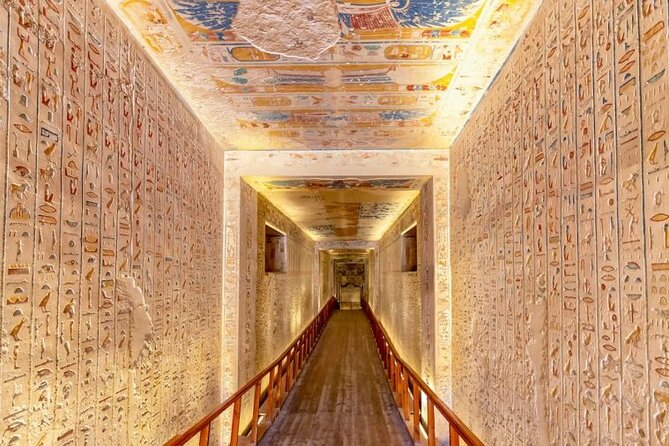
Valley of the Kings: 3 tombs plus a smart optional add-on
Your first real wow moment is the West Bank. You’ll cross the Nile and head to the Valley of the Kings, one of Egypt’s most famous sets of tombs carved into the desert hills.
Here’s the big win: your tour includes entry for three tombs, and you get a private guide with you for context. That matters. With a guide, the tombs stop being random rooms with paintings and turn into a story about royal burials, beliefs about the afterlife, and how the layout reflects power.
You should also know how the upgrade works. If you specifically want the Tomb of the young pharaoh Tutankhamun, it costs 200 Egyptian pounds extra. If Tutankhamun is a must for you, it is a good idea to budget the extra money ahead of time rather than deciding on the spot.
How long do you get? The schedule lists about 3 hours for this stop, with admission included. That is enough time to see three tombs properly, read key details, and still take short breaks when the lighting gets bright or the crowds thin out.
Possible drawback: the Valley can be physically tiring (steps, uneven ground, and changing light). Comfortable shoes are not optional here.
Colossi of Memnon: the giants that survived
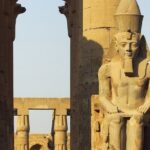
Next up are the Colossi of Memnon, two massive stone statues of Amenhotep III. They’re famous for being the only major remains of what used to be a much larger mortuary temple complex on the West Bank.
What I like about this stop is the contrast. After the enclosed feel of tombs, you get open-air scale. The statues rise about 18 meters from the plain, and they feel oddly silent—like time slowed down around them.
The tour description includes a cool detail: the statues were made from quartzite sandstone blocks that existed in Cairo and were moved roughly 700 km to Luxor. Whether you enjoy that kind of construction trivia or not, it helps you understand why these monuments look the way they do: they are engineered on a grand scale.
Lunch in Luxor: local food and a reset before Karnak
Around noon, you’ll have lunch at a local restaurant in Luxor. The tour includes lunch, plus mineral water, which is a real comfort when you’re doing a long day in warm weather.
This is also your practical reset. You’ll go from tombs and sunlit walks into a meal that gives you energy for Karnak later, when you’ll probably want your brain turned on again for architectural details and symbolism.
A second practical note: the tour description also includes shopping through famous bazaars. Don’t treat that as a random extra stop. It can be useful if you want to pick up small souvenirs without hunting them down on your own after you are tired.
Deir el Bahari and the Temple of Hatshepsut
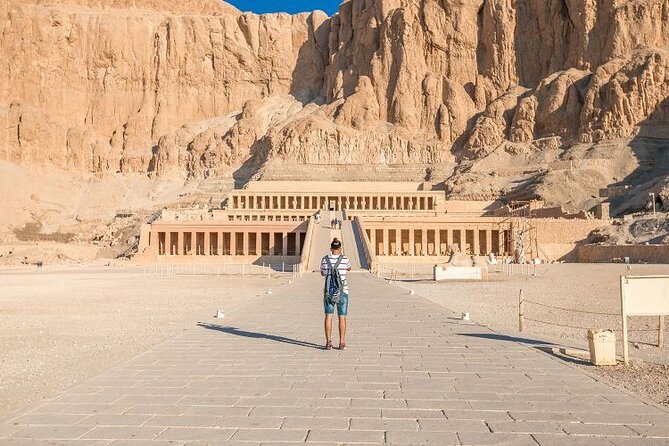
If Karnak is about scale, Deir el Bahari is about beauty and drama. The Temple of Hatshepsut is described as one of the best-preserved temples of Ancient Egypt, built on three levels with wide ramps that connect the terraces.
This is a stop you’ll likely remember even if you visit Luxor before or after other Egyptian sites, because it looks like the desert is part of the design. The temple rises out of the plain and merges visually with sheer limestone cliffs, almost as if nature did half the work.
Your schedule lists about 1 hour here with admission included. That time works well if you want to take photos, walk the terrace lines, and absorb the overall geometry without rushing.
Possible drawback: this stop can feel like “one more hill.” If you’re traveling with mobility limits, you might want to move slowly and ask your guide where to take breaks. Since it’s private, you can usually adapt the pace more easily than on a group bus.
A few more Marsa Alam tours and experiences worth a look
Karnak Temple Complex: how to make the biggest site manageable
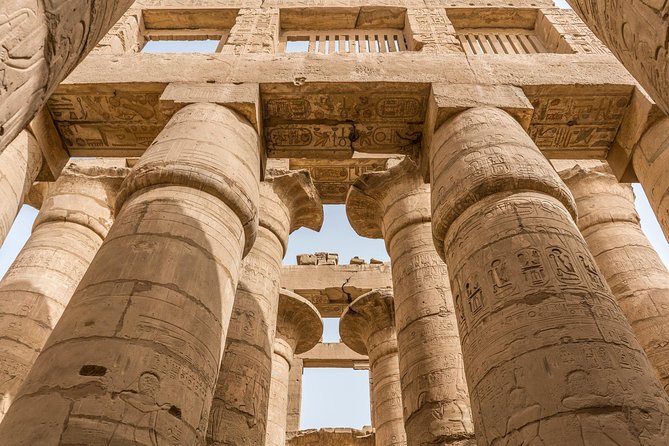
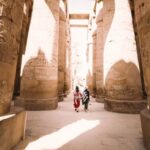
Karnak is the big name in Luxor, and it lives up to it. The tour describes it as the largest ancient religious site known anywhere in the world, and that’s not just marketing language—it genuinely feels like the city of temples.
Your day includes Karnak, with the tour listing admission covered (and a time window noted in the schedule). The tour structure also suggests a “city tour in Luxor with horse carriage” so you can get a quick look at real street life without spending the whole day on foot.
Here’s the smart way to approach Karnak when you’re short on time: focus on the parts your guide highlights. Karnak is huge enough that “seeing everything” is unrealistic for a one-day visit. With a guide, you can prioritize major spaces, understand what you are looking at, and still have time to wander briefly when you feel like it.
If you’re the type who wants to go slow, Karnak might leave you thinking you could use one more hour. That is normal. The tour’s value is that you get the essentials in one day from Marsa Alam, not that you see every corner of the complex.
Horse carriage and optional felucca: choosing your pace on the Nile
After Karnak, the day can include two very different “wind-down” options:
1) Horse carriage city tour
This is meant to give you a taste of everyday Luxor life. It also helps break up the intense temple walking so your legs can catch up.
2) Optional felucca trip on the Nile
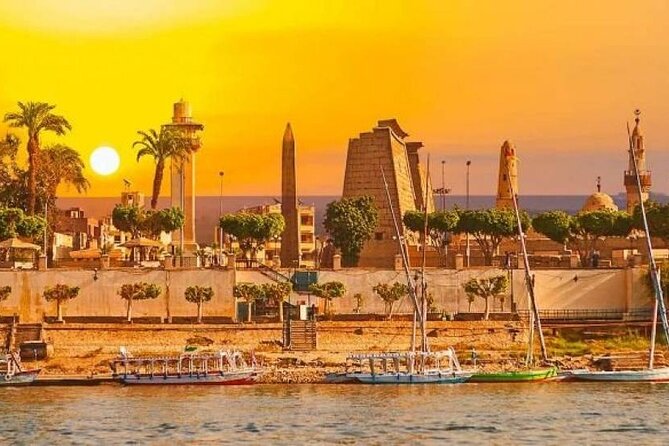
The cost is 20 Euro extra. If you like sunset water views and a slower mood, this is a great way to end the day. If you’re wiped out from the early start and long drive, skipping it is completely reasonable.
If you finish early, the plan allows for a little extra time for shopping in Luxor’s souq or wandering central Luxor before the return pickup.
What $129 actually delivers (and what to budget for)
At $129, this tour is trying to hit a sweet spot: it’s private, it’s long-distance transport from Marsa Alam, and it includes major sites plus lunch. For many visitors, that is the key value point—buying convenience and guided time in one package.
Included highlights that matter:
- Pickup and return from your Marsa Alam hotel
- Private tour guide for the main stops
- Mineral water
- Lunch at a local restaurant
- Admission included for key stops like the Valley of the Kings tombs and the Temple of Hatshepsut, with Karnak admission also covered
- Shopping through famous bazaars
Not included (so plan ahead):
- Tipping
- Any extras beyond what’s listed
- Tutankhamun tomb upgrade (200 Egyptian pounds extra)
- Felucca trip (20 Euro extra)
One fair caution: Egypt tours can include optional upgrades and add-ons, sometimes in a way that feels confusing when you’re tired. Before you pay for any extra ticket, ask your guide to clearly confirm what’s already covered in your package.
How the timing feels once you’re on the ground
This is the part people usually underestimate: the day starts at 5:00 am, and you’ll be doing site time in the middle of the day before heading back around 5:30 pm.
Some tour operators keep these schedules tight because there are time limits. In practical terms, that can mean you cannot linger for long at every wall painting or corner. You’ll still get guided time, but you may feel the “let’s move” rhythm, especially around the biggest sites.
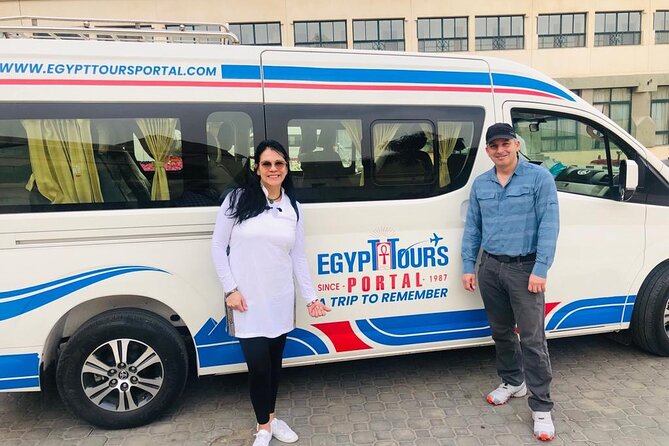
The upside is that the private format helps you avoid the worst kind of rushing. In past trips, the transport has been described as comfortable and air-conditioned, with enough space to nap on the drive. If you take naps seriously, bring something to make that possible (eye mask, light hoodie, neck pillow).
Who should book this Luxor private day trip
This tour fits best if:
- You want private transport and a guide, not a crowded bus day
- You want to hit West Bank highlights without worrying about driving yourself
- You like the idea of a structured day but still having room for short breaks and independent wandering
- You’re traveling with family and want smoother logistics (the tour format has worked for families including babies in the past)
It may not be the best fit if:
- You want a slow, unhurried photo safari through Luxor
- You don’t handle early mornings well and hate long driving days
- You dislike schedules with fewer than perfect “free time” chunks
Should you book this Luxor private day trip from Marsa Alam?
If you’re deciding between doing Luxor on your own versus booking a guided private day, I’d lean toward booking this kind of tour. You’re paying for transport, admission coverage for major stops, and a private guide to make the monuments make sense. From Marsa Alam, that convenience is a big part of the value.
Book it if Tutankhamun is a priority, but confirm the 200 Egyptian pounds upgrade early so there are no surprises. If you love slow Nile sunsets, add the felucca option. If you’re not sure you’ll have the energy, you can skip it and still end the day with the horse carriage city glimpse and some shopping time.
Overall, this is a solid choice when you want Luxor’s headline sites—Valley of the Kings, Hatshepsut, and Karnak—in one day, without the stress.
FAQ
What time does the Luxor tour start from Marsa Alam?
The tour starts with pickup at 5:00 am from your Marsa Alam hotel area.
How long is the day trip to Luxor?
The total duration is listed at about 18 hours.
Which main sights are included in the day?
You visit the Valley of the Kings (with 3 tombs), the Colossi of Memnon, Temple of Hatshepsut at Deir el Bahari, and Karnak Temple.
Is lunch included?
Yes. You have lunch at a local restaurant in Luxor, and mineral water is included.
Is the Tomb of Tutankhamun included?
The Valley of the Kings stop includes 3 tombs. If you want the Tomb of Tutankhamun, it costs 200 Egyptian pounds extra.
Is admission included for the temples and tombs?
Admission is included for the Valley of the Kings tombs and Temple of Hatshepsut. Karnak admission is indicated as free/included in the itinerary details.
Do I pay extra for a felucca on the Nile?
Yes. An optional felucca trip costs 20 Euro extra, and it is not included in the base price.
Is this tour private?
Yes. It’s a private tour/activity, so only your group participates.