REVIEW · MARSA ALAM
From Marsa Alam: Private 2-Day Tour to Aswan & Abu Simbel
Book on GetYourGuide →Operated by Nice Tours · Bookable on GetYourGuide
Most trips to Aswan feel like a checklist. This one mixes boat views, major monuments, and real time with an Egyptologist.
I especially like the pairing of Philae Temple (reached by motorboat with Nile views) and the big, jaw-dropping scale of Abu Simbel the next day. One possible drawback: it’s a fast, long-distance private ride, so it’s best if you’re comfortable with early mornings and a packed schedule.
The other thing to keep in mind is that accommodation isn’t included, so you’ll need at least one night in Aswan to make the second day work. If you’re doing everything by the book, this plan is smooth. If you hate tight timing, you may feel the pace.
In This Review
- Key highlights I’d plan around
- Private transport from Marsa Alam: what it really buys you
- Day 1 on the Nile: Philae Temple by motorboat
- Unfinished Obelisk (tekhen): why a project stops mid-sentence
- High Dam in a day plan: modern engineering with numbers that stick
- Day 2 to Abu Simbel: four colossi and real time inside the complex
- Food, pacing, and what to pack for a two-day sprint
- Price and value: is $430 per person a fair deal?
- Who this tour suits best (and who should reconsider)
- Should you book this Marsa Alam to Aswan & Abu Simbel private tour?
- FAQ
- What’s included in the tour price?
- Is hotel accommodation included?
- How long is the tour?
- What places will I visit?
- Do I need to buy entrance tickets?
- What languages are available for the guide?
Key highlights I’d plan around
- Private door-to-door transport from Marsa Alam to Aswan and onward to Abu Simbel
- Philae Temple by motorboat, so you start with a Nile-front perspective
- Egyptologist-led history, with stops that explain why each site looks the way it does
- Unfinished Obelisk (tekhen), a story about stone, skill, and plans that changed
- High Dam as a modern contrast, with exact dimensions that make it feel real
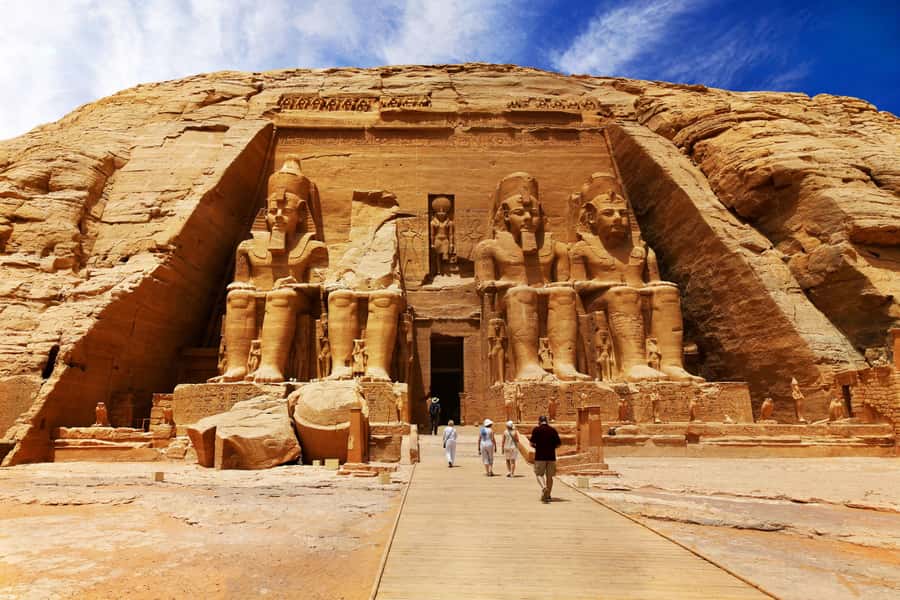
- Enough time at Abu Simbel to actually see the façade statues and explore
Private transport from Marsa Alam: what it really buys you
This is a private two-day plan built for one key goal: getting you from Marsa Alam to Aswan and Abu Simbel without stitching together multiple schedules on your own. The logistics matter here. You’re traveling by air-conditioned private car, and the tour handles hotel pickup and drop-off each day.
The practical value is simple: when you’re this far from the sites, transport can eat your energy and your time. With this tour, you’re not playing taxi math or chasing ticket windows. You’re also not stuck bargaining or waiting around while you figure out which boat to take for Philae.
Because it’s private, you can also move at the pace that suits your group. That helps at sites where photos and details take longer than you expect. And with an English professional tour guide included, you’re less likely to miss the story behind the stones.
The trade-off is the schedule is intense. Early starts are part of the deal, especially for Abu Simbel. If you’re the type who likes to sleep in and wander slowly, you may want to think twice—or at least choose a recovery-focused plan for your Aswan night.
You can also read our reviews of more private tours in Marsa Alam
Day 1 on the Nile: Philae Temple by motorboat
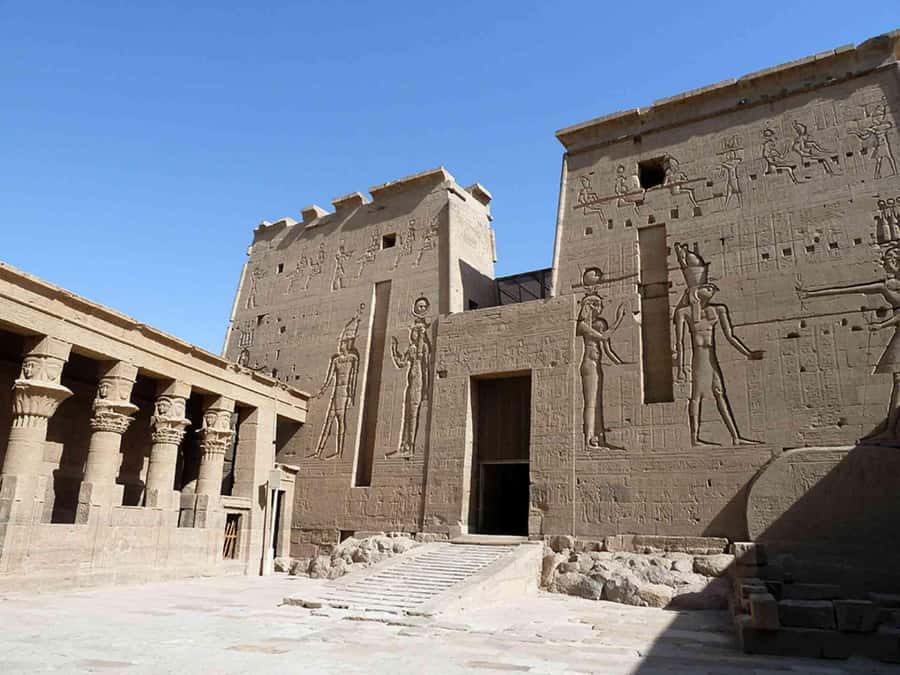
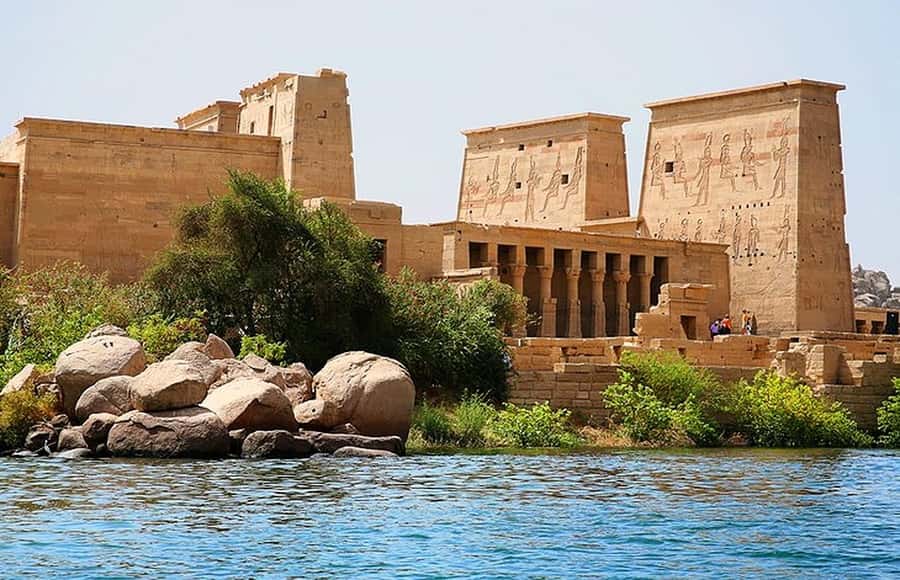
Day 1 starts early with pickup from your Marsa Alam hotel and a transfer to Aswan in an air-conditioned private car. Once you arrive, you meet your guide and head straight to Philae—using a motorboat ride first, with a special view of the Nile.
That boat segment isn’t just scenic. It sets expectations for the temple complex. When you’re approaching from the water, Philae’s layout and river setting make more sense right away. And since the plan includes entrance fees, you can focus on the experience instead of paperwork.
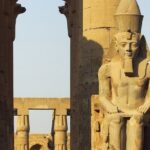
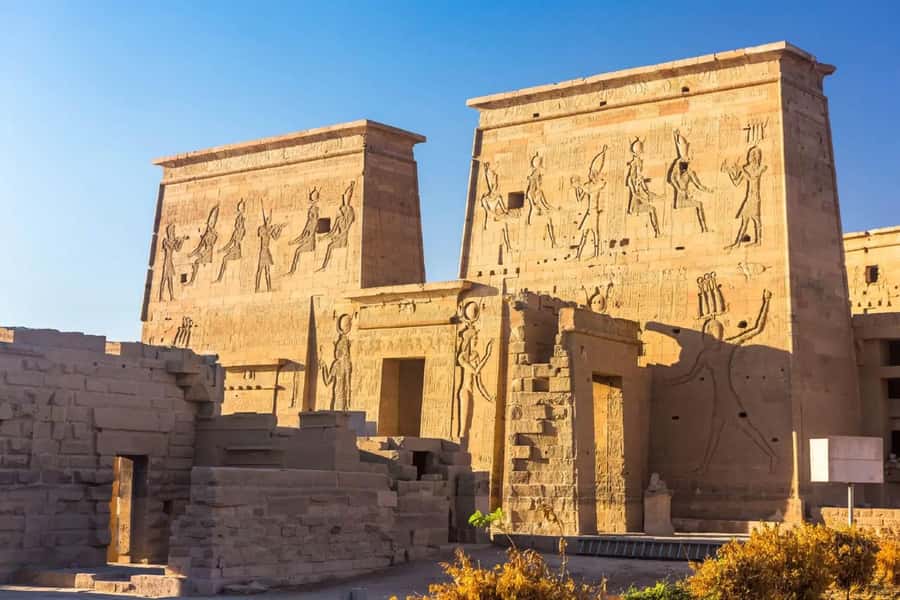
Philae Temple is one of Egypt’s most beautiful temple settings, and the tour frames it around its key historical role: the Temple of Isis was among the last Egyptian temples to remain active, functioning until the reign of Byzantine Emperor Justinian I (527–565 AD). That’s an important detail because it links ancient architecture to a much later chapter of Mediterranean history. You’re not only looking at statues; you’re seeing a place that survived cultural change.
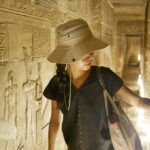
You’ll also want to pay attention to guide explanations here. With a good Egyptologist in your corner, you can connect the carved themes to what the site meant to people over time. It’s the kind of stop where context turns impressive into memorable.
Unfinished Obelisk (tekhen): why a project stops mid-sentence
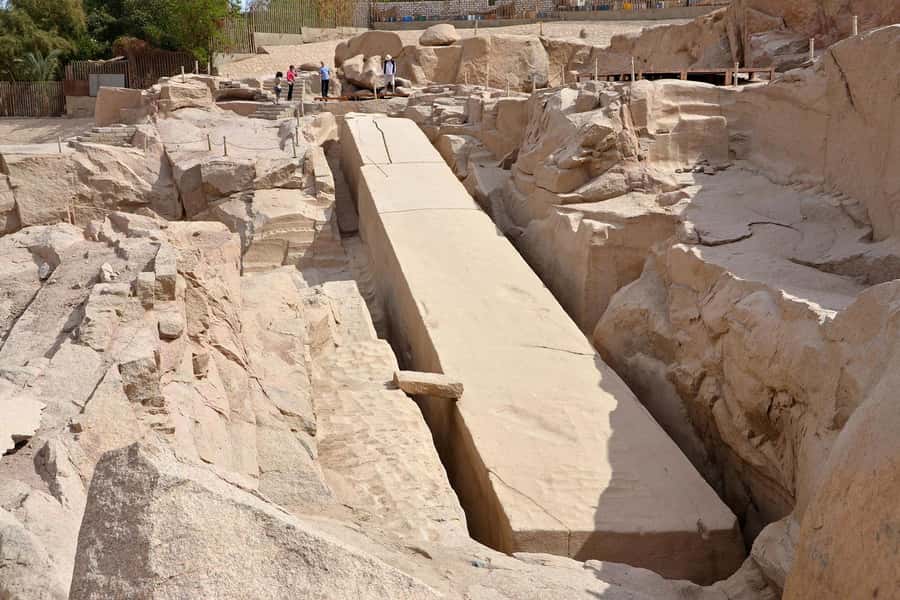
After Philae, the tour moves to the Unfinished Obelisk, often connected in Ancient Egyptian language to the name tekhen. This stop is for people who like the craft side of history. Instead of a completed monument, you get the evidence of work in progress.
That makes the experience different. You’re seeing stone selection and cutting, and you’re learning why this obelisk was never finished. The tour also highlights the idea that the quarry was known for supplying hard and high-quality stone. Even if you’re not a stone-nerd, that detail helps you picture the logistics of building in ancient Egypt: resources, precision, and the sheer difficulty of shaping the material.
This is also one of those sites where timing matters. If you arrive ready to look closely, you’ll get more out of it. If you arrive tired, it can feel like just another ruin. With this private schedule, you at least have a guide to point you to the “wait, look at that” parts.
So here’s my practical take: keep your eyes open for signs of the attempted work, and let your guide do the explaining. It’s exactly the sort of location where having an Egyptologist makes the difference between seeing a photo and understanding why the scene exists at all.
High Dam in a day plan: modern engineering with numbers that stick
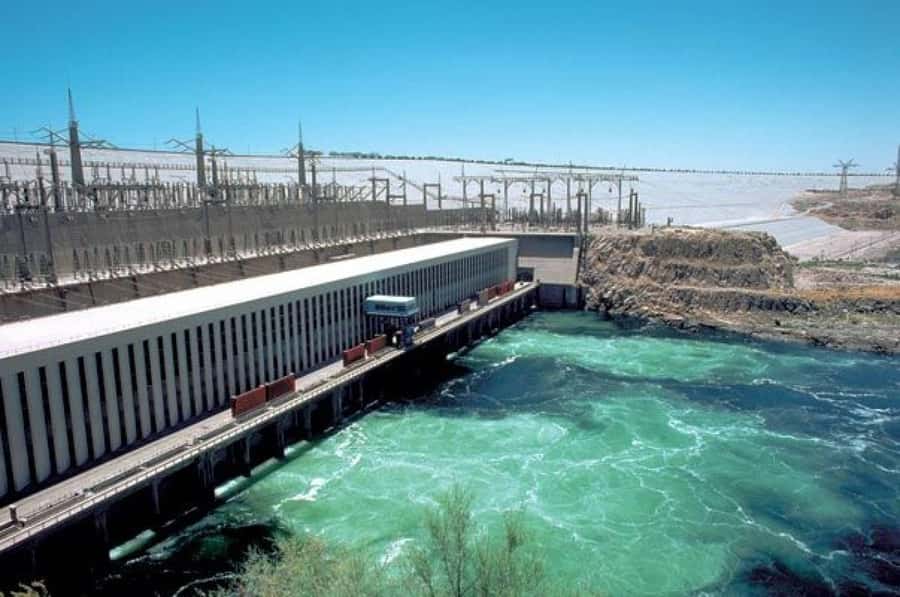
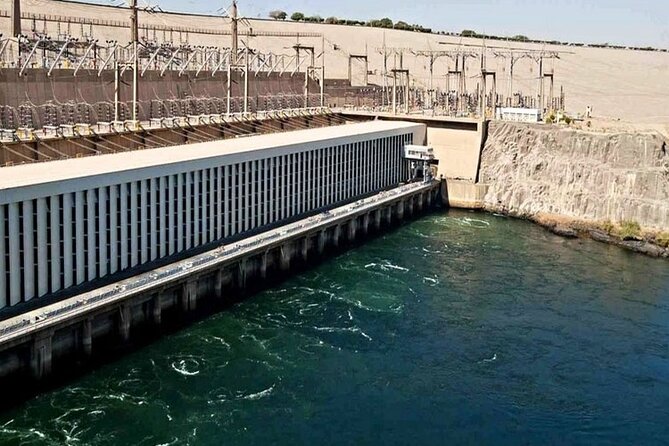
Next comes the High Dam, a very different kind of landmark after temple ruins and ancient stonework. This stop works because it gives you a modern contrast: the same Nile that shaped ancient Egypt also became the center of large-scale 20th-century engineering.
The tour provides concrete measurements, which is a nice change from vague “it’s big” descriptions. The dam is listed as 3,600 meters long, 980 meters thick at the base, and 111 meters tall. Those specifics do something useful: they help your brain scale the structure, even if you’re standing on solid ground and trying to picture the mass.
In a two-day itinerary, this is also a smart pacing stop. You’ve spent the morning with history and stone. High Dam gives you a break while keeping you on the Egypt story track—showing how Egypt builds and reshapes the Nile environment.
One consideration: if you’re only interested in ancient monuments and you’ve got limited attention for modern infrastructure, this might feel like a detour. But if you enjoy understanding how Egypt functions today, it’s a worthwhile stop. It’s modern, yes, but it connects directly to the river that runs through every other highlight.
Lunch on Day 1 is included, and it’s a practical benefit. It keeps you from scrambling for food between sites. Just remember that drinks are not included, so you may want to budget for bottled water on the go.
At the end of Day 1, you’re dropped back at your hotel. Accommodation is not included, so plan your Aswan overnight accordingly.
Day 2 to Abu Simbel: four colossi and real time inside the complex
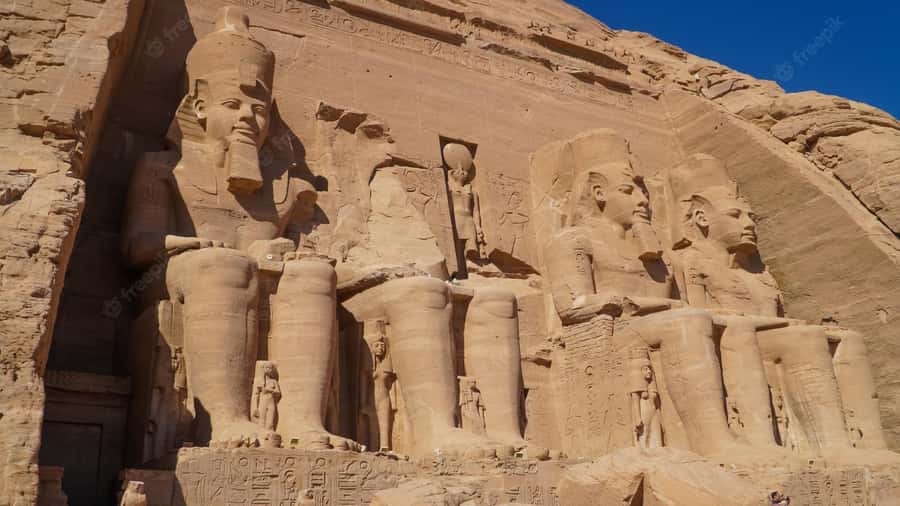
Day 2 starts with pickup again, transferring you from your Aswan-area hotel back by air-conditioned private car to Abu Simbel Temple. You meet your guide on arrival and then get time to explore.
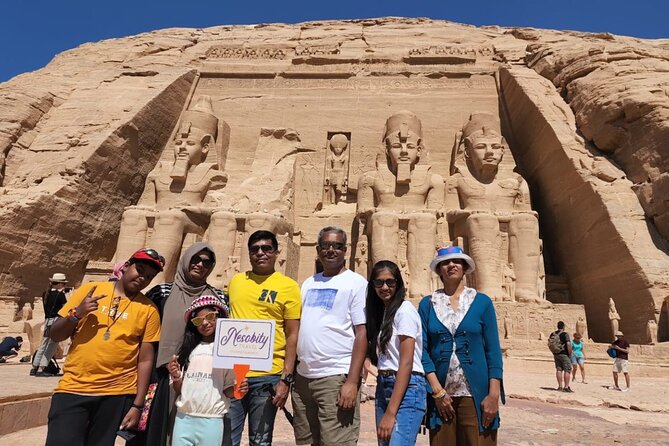
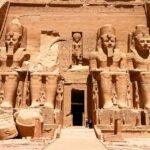
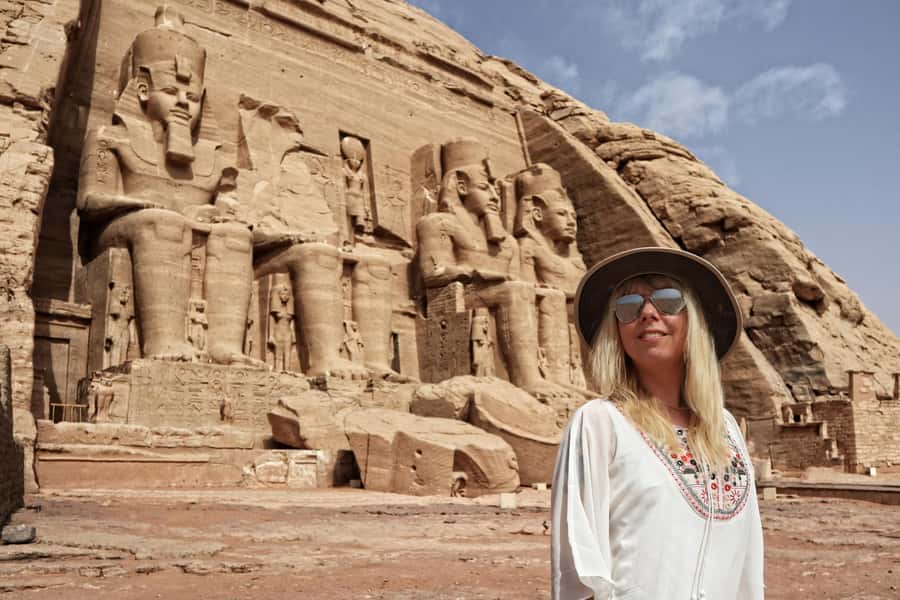
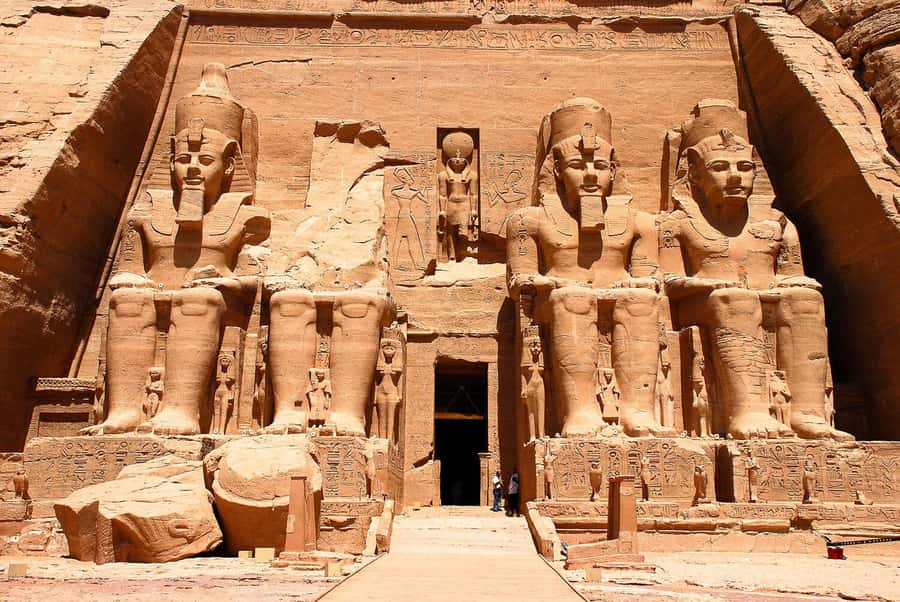
Abu Simbel is famous for a reason: the façade has four huge seated statues. The tour gives you enough time to go beyond the front view. That matters because the place rewards patience. If you rush, it turns into photos and dust. If you slow down even a little, you can actually take in the scale and the symbolism packed into the design.
This stop is also flagged as a UNESCO site, which is useful if you want a quick credibility marker for the importance of what you’re seeing. But the day’s value is more than prestige. It’s that feeling of stepping into a monument planned for impact, where every element is meant to be seen from far away.
Here’s where the guide can make a big difference. In one account of this tour, Abu Simbel was led by Ahmed Achraf, who was described as excellent and able to explain the full history of the place. The point for you: this is a place where interpretation helps. You’ll get more out of it if your guide talks you through what you’re looking at instead of just pointing.
Lunch in Aswan is included on Day 2, and after Abu Simbel you’re transferred back to your Marsa Alam hotel. Drinks are still not included, so plan accordingly.
If you’re the type who likes photos, you’ll probably enjoy it. And if you’re the type who cares about timing for the best light, you’ll likely like having the schedule handled rather than trying to guess on your own.
A few more Marsa Alam tours and experiences worth a look
Food, pacing, and what to pack for a two-day sprint
The itinerary includes lunch on Day 1 and Day 2, which is a major comfort factor in a two-day run. You’re not hunting for restaurants between sites, and it keeps the day’s timing steady.
Still, there’s a practical reality: this is a packed plan with early mornings and long drives. That means you should treat hydration and comfort seriously. Since drinks including water are not included, bring water with you when possible, or budget to buy it during stops.
What about dietary needs? One guest specifically noted that the team helped cater to vegan preferences. That’s a good sign, but don’t assume anything will be automatic. If you have dietary requirements, tell the tour team ahead of time so they can plan lunch appropriately.
Packing wise, I’d keep it simple:
- A hat or cap and sunglasses (outdoor exposure is part of these sites)
- Comfortable shoes for walking in temple areas
- A light layer for early starts
- Your own water if you don’t want to buy it at each stop
Also, be mentally ready for the “history density.” Day 1 covers Philae, an unfinished quarry story, and the High Dam. Day 2 is Abu Simbel. You’ll see a lot, so take a few minutes between stops to reset.
Price and value: is $430 per person a fair deal?
At $430 per person for a two-day private tour, it’s not a budget impulse buy. But in this region and at this distance, it can still be strong value when you look at what you get.
Here’s what’s included:
- Hotel pickup and drop-off from Marsa Alam
- Private transportation in an air-conditioned car
- English professional tour guide
- All entrance fees
- Private tour
- Lunches on both days
- Philae motorboat
- Ticket line skipping
What you don’t get:
- Hotel accommodation
- Drinks including water
- A Spanish/German/French guide (those are listed as available at an extra cost)
So the “value math” isn’t just the sites. It’s the total package: transport across long distances plus guide time plus entrances plus the boat ride. If you tried to build this yourself, you’d still pay for transport and access, and you’d spend extra effort coordinating guides and tickets.
For me, the biggest value driver is that everything is handled privately, and you have an Egyptologist guiding the meaning of the monuments instead of letting you wander through them on your own. When you’re paying for a private plan, you want to feel that difference—and this itinerary is designed so you do.
And because the tour notes reserve now & pay later and free cancellation up to 24 hours in advance, you can book while keeping some flexibility. That doesn’t change the value, but it reduces stress if your dates shift.
Who this tour suits best (and who should reconsider)
This tour fits best if you want a clear, high-impact route with minimal planning. You like the idea of seeing Philae Temple, the Unfinished Obelisk (tekhen), the High Dam, and Abu Simbel in one efficient private package.
It’s also a good match if you value guide support. In one account, the guide Waleed was described as knowledgeable and personable, with attention to photos and a feeling of trust during the trip. Another guest highlighted the coordinator Demiana as helpful for adjusting schedules and handling drivers. And the driver Mostafa was praised for safety and comfort.
That doesn’t mean every tour runs with the same people, but it does tell you the provider focuses on organization and responsiveness—exactly what you want when you’re doing long-distance day travel.
Who might reconsider? If you’re traveling with very young kids, if you dislike early mornings, or if you need lots of downtime between stops, the schedule could feel intense. In that case, you might prefer a slower Aswan-based plan with fewer sites.
Should you book this Marsa Alam to Aswan & Abu Simbel private tour?
I’d book if your priority is real access: a private guide, entrances covered, and boat transport to Philae, plus a strong Abu Simbel day with time to explore. It’s also a solid choice if you want your logistics handled from Marsa Alam and you’d rather spend effort on seeing the monuments instead of planning transport.
I’d pause if you’re not comfortable with a fast pace, or if you haven’t yet sorted your Aswan overnight. Accommodation isn’t included, and you’ll need to line that up for the second day.
If you’re flexible, tell the team about any dietary needs and your preferred language. With a private tour, those details matter. And with the way this plan is structured, you’ll walk away feeling like you truly connected Aswan’s Nile setting to the monument that stops time at Abu Simbel.
FAQ
What’s included in the tour price?
Hotel pickup and drop-off from Marsa Alam, a professional English tour guide, private transportation, all entrance fees, lunch on both days, the Philae motorboat, and the tour itself as private. Ticket line skipping is also included.
Is hotel accommodation included?
No. Accommodation is not included, so you’ll need to arrange at least one night in Aswan for the two-day schedule.
How long is the tour?
The tour lasts 2 days.
What places will I visit?
You’ll visit Philae Temple (with a motorboat ride), the Unfinished Obelisk (tekhen), the High Dam, and Abu Simbel Temple.
Do I need to buy entrance tickets?
No. Entrance fees are included, and the tour also offers ticket line skipping.
What languages are available for the guide?
Arabic and English are available, and French, German, and Spanish guides are available at an extra cost.