REVIEW · LUXOR
5 Days 4 Nights Nile Cruise from Luxor, Aswan & Abu simbel
Book on GetYourGuide →Operated by Mody Egypt Tours · Bookable on GetYourGuide
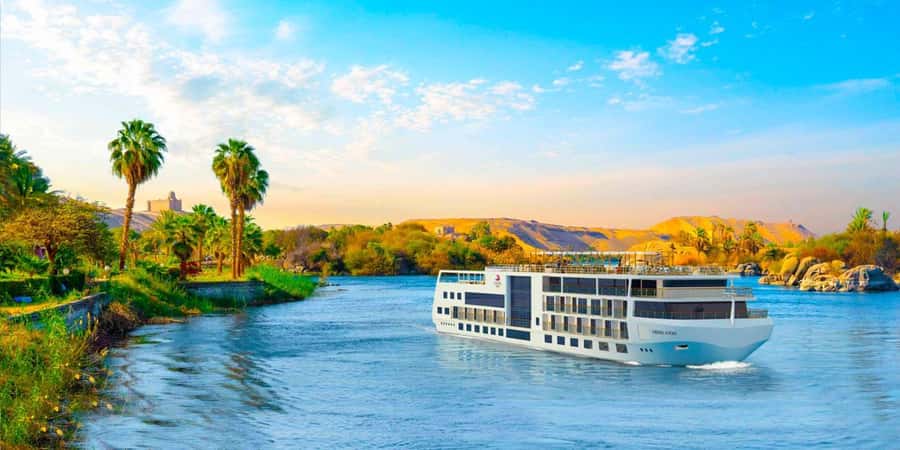
Nile sunsets hit different when you sail. I love the Luxor temple circuit and the hot-air balloon flight, and you’ll see real daily Egypt from the river deck. One heads-up: some days can feel rushed at the top sites, so timing and visibility can be hit-or-miss if you’re not comfortable with crowds.
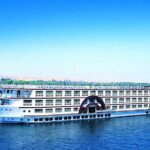
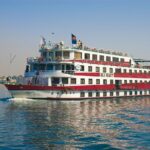
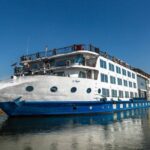
This tour works best when you treat it like a well-run “see the big stuff, then breathe” format. The onboard base is air-conditioned, meals are included (4 breakfasts, 4 lunches, 4 dinners), and you can get a break between land days. The slight drawback is that pre-trip communication and meeting points can be late, which matters most on the long Abu Simbel day.
For the $850 price, you’re paying for fewer planning headaches: guides, transfers, and most major sightseeing are included. Entrance fees are not included, so your final cost can creep up at ticket time. If you want slow travel or zero early mornings, you’ll need a different style of trip.
In This Review
- Key highlights worth prioritizing
- The Luxor-to-Aswan rhythm: what this cruise is really like
- Day 1: Luxor East Bank, Karnak scale, and settling in before dinner
- Karnak Temple: the one that changes your scale sense
- Luxor Temple: history with overlaps
- Evening: dinner onboard
- Day 2: Balloon flight, West Bank crossings, and the Theban Necropolis
- Hot-air balloon: the ticket to perspective
- Valley of the Kings: New Kingdom tombs built to hide
- Hatshepsut at El Deir El Bahari: drama and scale
- Memnon photo stop: the quick hit
- Noon return + sailing + Esna Lock crossing
- Day 3: Edfu and Kom Ombo temple duos with sailing in between
- Edfu Temple of Horus
- Sailing to Kom Ombo, then Kom Ombo Temple
- A day that’s less brutal than it sounds
- Day 4: Abu Simbel from Aswan—one of Egypt’s most intense day trips
- Rock-cut temples of Ramses II and Nefertari
- Time pressure can happen
- Day 5: Aswan High Dam, Philae Temple by motorboat, and a Nubian story
- High Dam: why this is more than a wall
- Philae Temple: Isis on the water
- Nubian immigration story
- Ship life: cabins, meals, and small comfort details that matter
- Food is usually fine, but plan for “tour ship” quirks
- Pool time can be a win
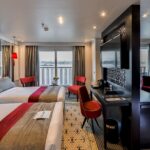
- Cabin expectations: ask the right questions
- Price and logistics: where the $850 feels worth it
- Where costs can rise
- The timing risk to understand
- Who this Nile cruise suits best
- Should you book this Nile cruise?
- FAQ
- How many days and nights is this Nile cruise?
- What route does the tour cover?
- Is the hot-air balloon included?
- How is Abu Simbel visited?
- Are entrance fees included for the sights?
- What meals are included during the tour?
Key highlights worth prioritizing
- Hot-air balloon in Luxor early enough to feel like a real adventure, not a late-day photo stop
- All the classic Luxor sights on both the East and West Banks
- Edfu + Kom Ombo in one guided rhythm while the cruise keeps moving
- Abu Simbel as a small-group day trip from Aswan, with very early pickup
- Aswan in two iconic hits: High Dam and Philae Temple by motorboat
- Meals and transfers are built in (lunch day 1 through breakfast day 5), so you spend less time figuring things out
The Luxor-to-Aswan rhythm: what this cruise is really like
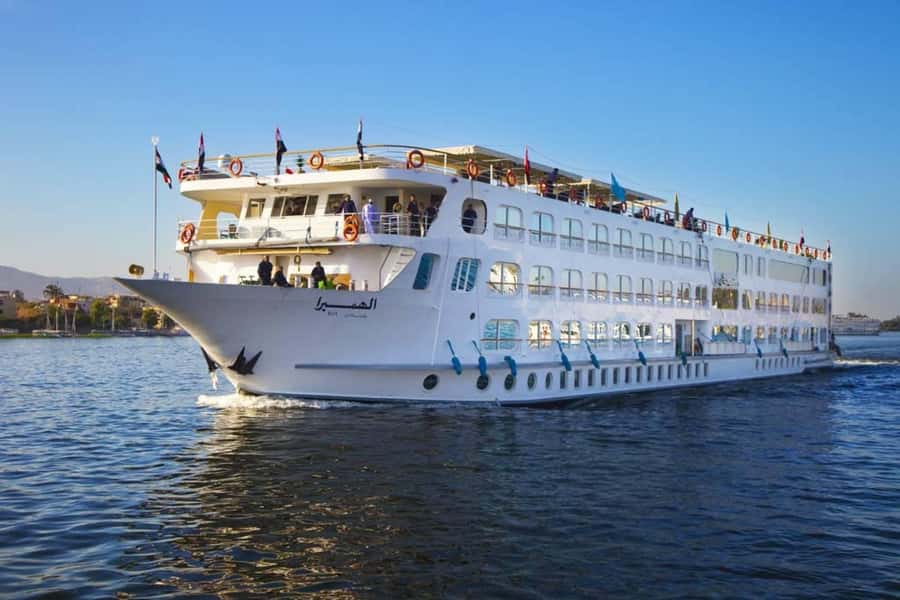
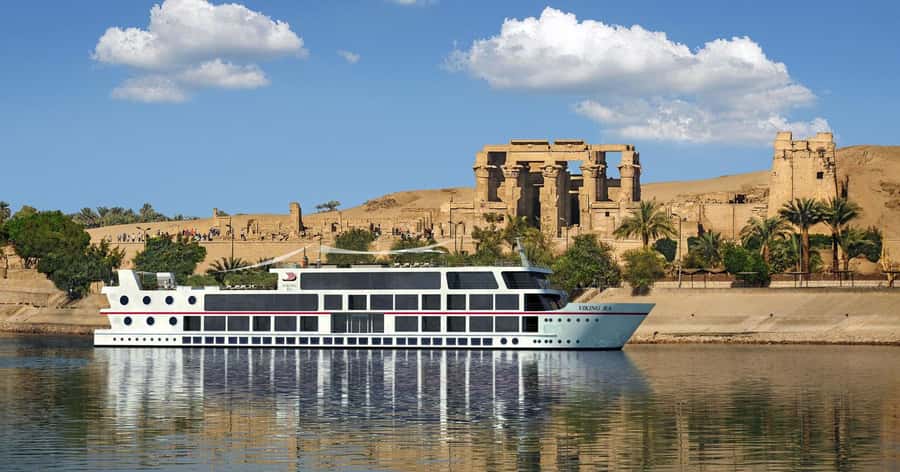
This is a “temples + transit” itinerary, and that’s the point. You’re moving along the Nile between major concentration zones of ancient Egypt. The ship gives you a comfortable pause between busy days. Then the coach, boats, and walking tours do what they’re designed to do: compress the must-see history into 5 days.
I like that the plan doesn’t treat the river like dead time. You cross river bits by boat, you sail segments between sites, and you get at least one proper “sightseeing day” that’s all about temples. It’s also why the included meals are useful: on a schedule like this, deciding what to eat can turn into a second job.
The biggest thing to be mentally ready for is the intensity. Luxor alone includes multiple major stops, and Abu Simbel adds an extra-long day. If you’re the type who needs lots of unstructured time, you’ll feel the pace.
You can also read our reviews of more boat tours in Luxor
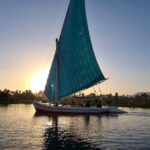
Day 1: Luxor East Bank, Karnak scale, and settling in before dinner
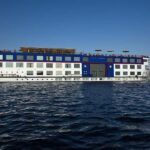
Your day starts with pickup at Luxor Airport, railway station, or your hotel, then an air-conditioned transfer to the 5-star Nile cruise. You check in before lunch, eat onboard, and then dive into the East Bank.
Karnak Temple: the one that changes your scale sense
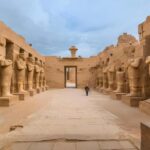
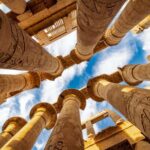
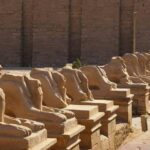
Karnak is the first stop, and it’s the right way to begin. It’s described as the largest temple ever, built over about 2,000 years, spreading across roughly 63 acres. That scope isn’t just impressive on paper—it’s disorienting in person, in a good way. You don’t “walk through” Karnak so much as you move through layers of space and carvings.
A good licensed Egyptology guide helps here. Without context, you end up taking photos of walls. With context, you start noticing symbols, axes, and how parts of the complex link together.
Luxor Temple: history with overlaps
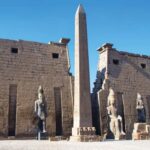
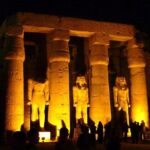
Next comes Luxor Temple, where ancient Egyptian, Christian, and Islamic features appear together. That mix makes Luxor Temple feel more lived-in than many other sites. You’ll see obelisks and statues, and you’ll get a sense of how Egyptian monuments were reused and reinterpreted across centuries.
Evening: dinner onboard
After the sightseeing, you return for dinner on board. This is one of the underrated advantages of a cruise format: you end your first day without hunting down a restaurant after hours of walking.
A few more Luxor tours and experiences worth a look
Day 2: Balloon flight, West Bank crossings, and the Theban Necropolis
Day 2 is the standout energy day. It starts early with pickup and a ride to the marine to board a motorboat to the West Bank of Luxor. That “river to ruins” switch is part of the magic. You’re not just traveling—you’re arriving.
Hot-air balloon: the ticket to perspective
The hot-air balloon experience is included, and it’s scheduled as an early activity. This matters, because ballooning is all about light and calm winds. Even if you’re not obsessed with photography, balloon time changes how you read the Theban area. From above, the mountains and tomb locations make visual sense.
Practical tip: wear layers and expect it to feel cooler at early morning altitude. You’ll want comfort for both the flight and the wait around it.
Valley of the Kings: New Kingdom tombs built to hide
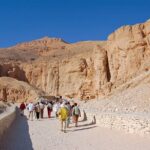
After the balloon, you visit the West Bank sights, beginning with the Valley of the Kings. This is where pharaohs from the New Kingdom had tombs carved into the mountains, aiming to protect mummies and treasure.
Even with a guide, I recommend keeping your expectations flexible. Some tomb interiors can be cramped or crowded depending on timing. What you’re really learning is the logic: why this valley, why these entrances, and what these choices say about fear, protection, and status.
Hatshepsut at El Deir El Bahari: drama and scale
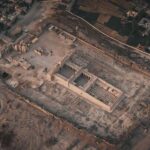
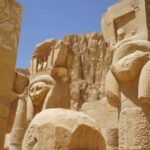
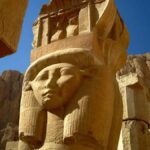
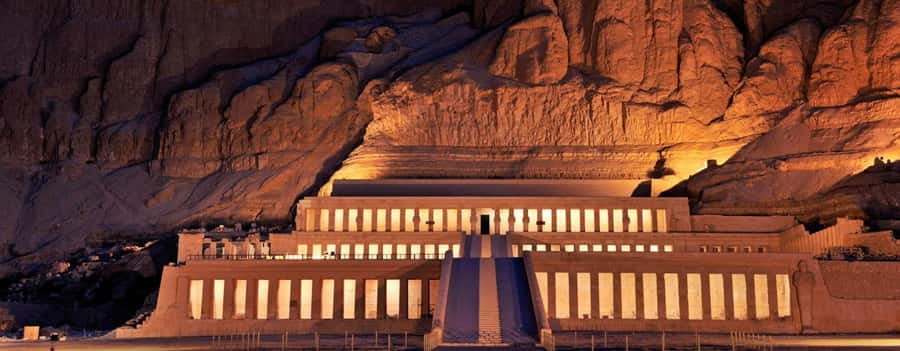
Then it’s the mortuary temple of Queen Hatshepsut at El Deir El Bahari. This stop is special because it looks like theater carved into rock. The guide’s explanations help you move beyond “cool ruins” into understanding why this location reads as both sacred and political.
Memnon photo stop: the quick hit
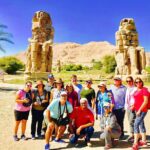
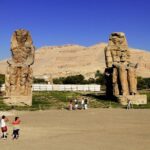
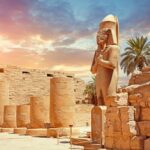
You end the West Bank portion with a photo stop in front of the gigantic statues of Memnon. Even if it’s brief, it’s a fun way to close a heavy history day. Think of it like a visual bookmark.
Noon return + sailing + Esna Lock crossing
You return to the cruise by noon for lunch, then the sailing continues down the Nile, including a crossing of the Esna Lock. You don’t need to be an engineer to enjoy a lock crossing—it’s simply a different rhythm on the water, and a clear reminder you’re traveling in real time.
Day 3: Edfu and Kom Ombo temple duos with sailing in between
Day 3 keeps the momentum but swaps the West Bank’s mountains for the river’s temple towns.
Edfu Temple of Horus
After breakfast, your guide picks you up when the cruise lands. The main stop is the Temple of Horus in Edfu. This temple is known for its scale and for how much it feels like a complete world of symbols.
A strong guide matters again. The carvings and layouts can blur if you’re just wandering. With explanations, you start noticing the “who” (Horus) and the “why” behind certain scenes.
Sailing to Kom Ombo, then Kom Ombo Temple
After Edfu, you get transferred back to the cruise and sail to Kom Ombo. Lunch is onboard, then you visit the Kom Ombo Temple.
This temple is shared by the two gods Sobek and Haroeies (the listing spells the second name this way). The big takeaway is that this is a temple with a built-in dual identity. You’ll see how that shows up in the design and the focus of scenes.
A day that’s less brutal than it sounds
Compared to the Luxor days, Day 3 can feel smoother because the blocks are clearer: breakfast → Edfu → Kom Ombo → back onboard. If your body is adjusting to the walking, this is one of the easier days to manage.
Day 4: Abu Simbel from Aswan—one of Egypt’s most intense day trips
This is the big one. Around 4:30, your guide picks you up for Abu Simbel in a shared small-group format with an English-speaking guide. The drive and schedule start early because Abu Simbel is far and the day is timed to get you on and off efficiently.
Rock-cut temples of Ramses II and Nefertari
You visit the rock-cut temples of Abu Simbel, built for King Ramses II and his beloved Queen Nefertari. The setting alone makes these feel dramatic—massive stone carved with precision, built to endure.
From a practical standpoint, this is the day where you’ll feel the value of a guide. Abu Simbel isn’t just “look at buildings.” It’s a place where orientation, symbols, and design choices make sense when someone points them out.
Time pressure can happen
Here’s the one caution I’d take seriously: because this day depends on shared pickups, traffic, and coordination, your on-site time can shrink if delays stack up. Plan emotionally for a tight visit. Pack patience. If you’re hoping for a slow, lingering temple marathon, this might not be the day to expect that.
You return to the cruise by noon, have lunch onboard, and then get a free afternoon. That free time is important. Use it to rest your feet, refill your photos, and regroup.
Day 5: Aswan High Dam, Philae Temple by motorboat, and a Nubian story
After breakfast, you check out and continue with an Aswan tour guided in English.
High Dam: why this is more than a wall
First stop is the High Dam, achieved in 1960 to protect Egypt from flooding and generate electricity. The guide’s framing helps you understand why this modern engineering story sits next to ancient monuments. It’s not just infrastructure; it’s another kind of Egypt-wide transformation.
Philae Temple: Isis on the water
Next is Philae Temple dedicated to goddess Isis. You get there by small motorboat. That boat transfer adds a little sensory payoff to the visit—you hear the water, you see the approach, and the temple reads differently once you’re actually “arriving” by water.
Nubian immigration story
The tour also includes the story of Nubian immigration. This is valuable because it adds human scale to the geography you’ve been traveling through. The river isn’t only ancient. It’s also home to living communities and changing histories.
After the tour, you’re transferred to your Aswan hotel or to the airport/railway station.
Ship life: cabins, meals, and small comfort details that matter
The cabin is listed with facilities, and the cruise includes meals from lunch on day 1 through breakfast on day 5. You get breakfast (4), lunch (4), and dinner (4) onboard—buffet style is used for meals in some descriptions you may encounter in practice.
Food is usually fine, but plan for “tour ship” quirks
The food is generally described as okay, not gourmet. That matches how cruises often work: consistent, filling meals that keep you on schedule. I’d treat dinner as fuel, not a dining destination.
One small note: onboard music can sometimes feel annoying. If you’re sensitive to background noise, bring earplugs or headphones.
Pool time can be a win
There’s at least one mention of a pool on the top deck, which makes sense when the ship isn’t tied to constant port time. If you end up with a lighter afternoon, this is a nice way to cool off and reset.
Cabin expectations: ask the right questions
One caution from real-world experience is that cabin conditions and reception quality can vary, especially for families. If you care about room layout, water pressure, or quiet sleeping, confirm your cabin type and any specific needs before you commit.
Price and logistics: where the $850 feels worth it
At $850 per person, this tour is trying to be “high structure for the money.” You’re not only buying boat nights. You’re also buying:
- Licensed Egyptology guidance
- Air-conditioned coach transport
- Hot-air balloon
- Motorboat transfers
- Sightseeing cruise elements
- Meals across the 5 days
That’s the value side.
Where costs can rise
Entrance fees aren’t included. Tipping and personal expenses aren’t included either. So the true final number depends on how much you pay at ticket points. If you budget loosely, you might feel surprised at the end.
The timing risk to understand
The only consistent operational friction in itineraries like this is timing on the long days. When a day trip has shared pickups (especially Abu Simbel), delays can shave your time on site. Your best defense is practical: be early to every meeting point, keep your phone charged, and don’t disappear when you hear the group is boarding.
Who this Nile cruise suits best
This is a great fit if you want:
- A guided, structured itinerary across Luxor, Edfu/Kom Ombo, and Aswan
- The major “wow” experiences like Karnak + Valley of the Kings + hot-air balloon
- Fewer decisions: meals, transfers, and sightseeing are built in
It might be a worse fit if you:
- Hate early starts (Day 4 begins around 4:30)
- Need long, quiet breaks
- Expect a relaxed pace with no schedule pressure
Should you book this Nile cruise?
I’d book it if you want to see the biggest ancient sites without doing the logistics yourself. The inclusion of hot-air balloon, guided temple circuits, and the long Abu Simbel day makes this feel like a “do it once, do it right” style trip.
I’d think twice if you’re extremely time-sensitive or you dislike shared-day trips. On a route this famous, coordination matters, and a small delay can change how much temple time you get.
If you do book, show up early, keep expectations realistic for the busiest stops, and plan to rest when the cruise gives you free afternoon time. That’s how you turn a packed schedule into a memorable Nile week.
FAQ
How many days and nights is this Nile cruise?
It’s a 5-day trip with 4 nights on the cruise.
What route does the tour cover?
The tour runs from Luxor to Aswan, with sightseeing stops along the Nile, including Edfu and Kom Ombo.
Is the hot-air balloon included?
Yes. The experience includes a hot air balloon ride in the Luxor portion of the itinerary.
How is Abu Simbel visited?
You’re picked up around 4:30 for a small group shared tour with an English-speaking guide, then you return to the cruise by noon.
Are entrance fees included for the sights?
No. Entrance fees to the mentioned sightseeing are not included.
What meals are included during the tour?
Meals are included starting with lunch on day 1 and ending with breakfast on day 5, including 4 breakfasts, 4 lunches, and 4 dinners.