REVIEW · LUXOR
From Luxor: 5 Days 4 Nights Nile Cruise to Aswan
Book on Viator →Operated by Reflections Travel · Bookable on Viator
Nile days, museum nights, and real sailing. This Luxor-to-Aswan cruise strings together Karnak Temple and the best-known Luxor–Aswan monuments, with an Egyptologist guide plus meals and entrance fees handled. You’ll watch the Nile pass by between major stops, then jump back into the history on shore.
Two things I really like: the Egyptologist-guided temple visits (you’re not just looking at walls), and the onboard experience people praise—good food and a crew that tends to stay helpful. One drawback to consider: the cruise ship and cabin details can vary, and a few past guests flagged issues like noise from engines, cleanliness, or air-conditioning problems when they didn’t get the vessel they expected.
In This Review
- Key highlights to notice before you go
- Luxor to Aswan in 5 Days: what you’re really buying
- Day 1 Karnak and Luxor Temple, then straight to the boat
- The West Bank game plan: Valley of the Kings, Hatshepsut, Colossi of Memnon
- Edfu’s Horus Temple and Kom Ombo’s dual-god setup
- Aswan’s High Dam, Unfinished Obelisk, and Philae Temple
- Onboard life: food, comfort, and what to pack mentally
- Price and value: where the money goes (and why it can be worth it)
- Good to know for a smoother experience
- Who this Luxor-to-Aswan cruise suits best
- Should you book this Luxor-to-Aswan Nile cruise?
- FAQ
- How long is the cruise?
- Where does the tour start and end?
- What’s included in the price?
- Are entrance fees included for temples and other sites?
- Do I have an Egyptologist guide during the excursions?
- Are meals included onboard?
- What about optional tours on the last day?
- Is pickup included?
- Is tipping included?
- Can I cancel for a full refund?
Key highlights to notice before you go
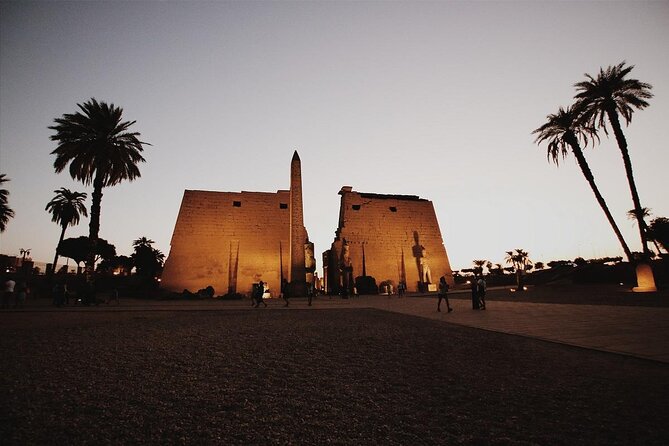
- East Bank and West Bank balance: Karnak and Luxor Temple in the day, then royal tomb territory on the West Bank
- A proper temple route: Edfu’s Horus Temple and Kom Ombo’s dual-god layout are very different from Luxor
- Aswan’s “how they built it” stops: Unfinished Obelisk and the High Dam make the story feel practical
- Included meals and admissions: breakfast (4), lunch (4), dinner (4), and site entry fees are covered
- Onboard service can be a standout: crew assistance is a frequent bright spot in guest feedback
Luxor to Aswan in 5 Days: what you’re really buying
This is a classic Nile-running itinerary: 4 nights on the river, moving south from Luxor to Aswan. What you’re paying for is the full “package day” setup—private A/C transfers, an Egyptologist for your excursions, admission tickets, and your meals while you’re onboard. That matters in Egypt, because the cost and hassle of coordinating transport and ticket lines can pile up fast if you do it on your own.
You also get a structured flow. Day 1 focuses on Luxor’s big temple presence. Day 2 jumps to the West Bank’s royal-tomb zone. Day 3 adds two key stops around Edfu and Kom Ombo. Day 4 is Aswan’s mix of modern engineering and older sacred sites. Day 5 is mostly departure time with optional add-ons.
One note: the tour is described as private in the sense that it’s only your group participating. That’s a nice comfort factor—less shoulder-to-shoulder than some mass departures—but you still share the cruise vessel with other passengers. So think of it as private excursions, shared ship.
At around $1,000.83 per person, value hinges on the included items. If you’d otherwise pay separately for a guide, entrance fees across multiple temples, and transfers, the arithmetic often starts to look fair.
You can also read our reviews of more boat tours in Luxor

Day 1 Karnak and Luxor Temple, then straight to the boat
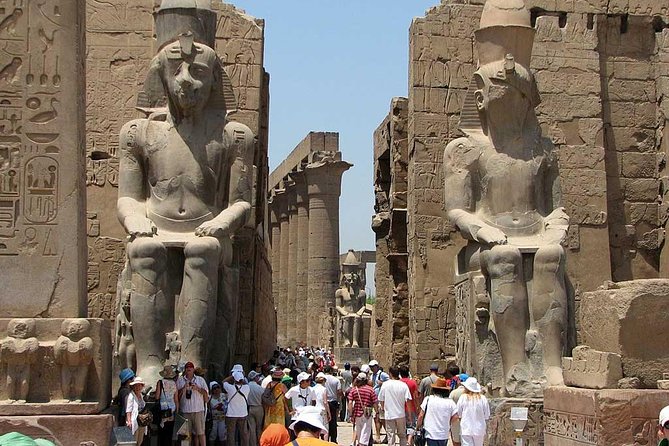
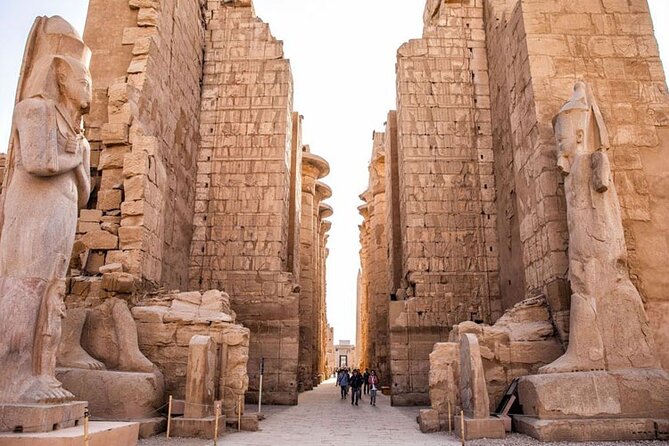
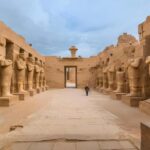
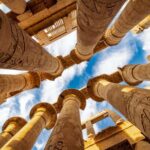
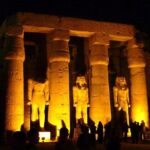
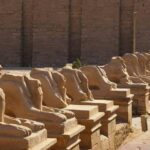
Your day starts with a hotel/airport meeting in Luxor and then a guided visit to Karnak Temple, dedicated to Amun and his wife Mut. Karnak is the kind of place where scale hits you first and meaning follows fast. The guide angle is the point here: you’re not just walking from hall to hall, you’re connecting the gods and royal messages to what you see.
There’s also a fascinating detail baked into the story your guide shares: an early version of an international peace treaty is mentioned as being preserved on a wall in the Amun section. Even if you’re not the type to remember every inscription, it’s a helpful reminder that temples weren’t only about worship—they were also places for state messaging.
After Karnak, you head to Luxor Temple, built in the 18th Dynasty under Amunhotep III and later finished during the 19th Dynasty by Ramesses II. You’ll see the Obelisk associated with Ramesses II in front of the First Pylon. Luxor Temple feels more intimate than Karnak, and the mix of eras (and the names you recognize) tends to make it easier to “place” Egypt in your head.
By late afternoon you transfer to check into the Nile cruise. That transition is practical: you’re not trying to solve logistics after a full day of walking.
The West Bank game plan: Valley of the Kings, Hatshepsut, Colossi of Memnon
Day 2 is where the itinerary earns its “Luxor to Aswan” credibility, because it doesn’t just skim the famous spots—it hits the West Bank in a logical order.
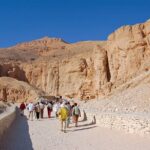
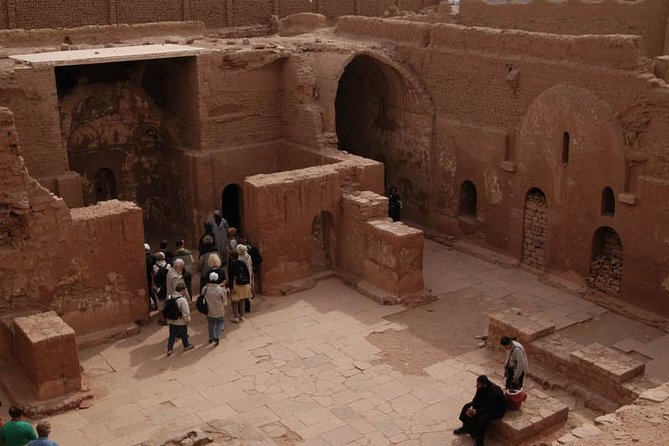
First comes the Valley of the Kings. The focus here is royal tombs, including the legends around Tutankhamun and the tombs associated with Ramesses V, Tutmosis, and Amonhotep II. Even if you don’t go inside every tomb, the valley’s layout and purpose land quickly: this is where power and afterlife planning got built into stone.
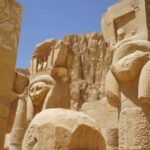
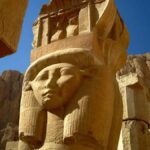
Next you move to Temple of Hatshepsut at Deir el-Bahari. Hatshepsut is known as Egypt’s first pharaoh-female ruler, and your guide frames the temple in that context. You’ll also hear the trading-route angle—so the site isn’t only religion and carvings, it’s also about how leadership worked.
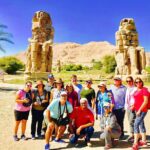
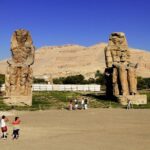
Then it’s on to the Colossi of Memnon—the twin statues of Amenhotep III facing the Nile. One of the more memorable stories is the claim that an earthquake shattered the northern statue, and that after the break it reportedly “sang” near sunrise. Whether or not you treat every version of the story as literal, it’s the kind of detail that makes the stone feel alive.
By the end of Day 2, you head back to the cruise, and then the boat sails onward toward Edfu. That sail time matters: it gives you a chance to cool down, eat, and reset before the next temple blitz.
Edfu’s Horus Temple and Kom Ombo’s dual-god setup
Day 3 turns from Luxor’s world to two temples that feel very “Egyptian” in different ways.
Start with Temple of Horus in Edfu. Your guide connects scenes and inscriptions to the sacred drama about Horus versus Seth. Edfu is a great stop if you like your mythology explained, not just displayed. The difference between seeing a temple from a tour bus window and having it explained line-by-line is huge. You’ll often leave with at least one storyline you can point to in the carvings.
Then you sail to Kom Ombo for the next stop. Here the layout is the surprise: this temple is shared by Sobek and Horus. Sobek is tied to the crocodile and to Nile life, army, and fertility, while Horus is connected with sky and kingship. When you stand in the right areas, that dual structure tends to click fast—you can feel why the temple had to be built to hold two divine roles at once.
After Kom Ombo, you return to the cruise and sail onto Aswan. It’s a good rhythm: temples on land, travel time on water, food onboard, repeat.
Aswan’s High Dam, Unfinished Obelisk, and Philae Temple
Aswan Day 4 mixes modern engineering with ancient craftsmanship—an odd pairing on paper, but it works well in practice.
First is the Aswan High Dam, with a guided visit framed around water control. You’ll hear that it stores a large amount of Nile water and that it helps manage how water reaches Egypt. It’s also a helpful context for why Aswan became such a big point on the map for decades: the Nile isn’t static, it’s engineered.
Next you visit the Unfinished Obelisk. This is one of those sites that gives you a “builder’s view” of ancient Egypt. The obelisk in the quarry is said to weigh 1,168 tons if completed, compared to a target of 1,200 tons. The detail that casing stones for the pyramids at Giza came from this quarry is a useful link between famous monuments—suddenly the quarry isn’t just a pit, it’s part of a supply chain.
Finally, you go to Philae Temple, dedicated to the goddess Isis and associated with health, marriage, and wisdom. The Philae stop tends to feel more like a sacred place you can slow down in, after the more industrial-feeling dam and quarry.
From there, you transfer back to the cruise. Day 4 is a full one, but you finish strong with a temple that feels “complete” and atmospheric in the standard Egypt-tour way.
A few more Luxor tours and experiences worth a look


Onboard life: food, comfort, and what to pack mentally
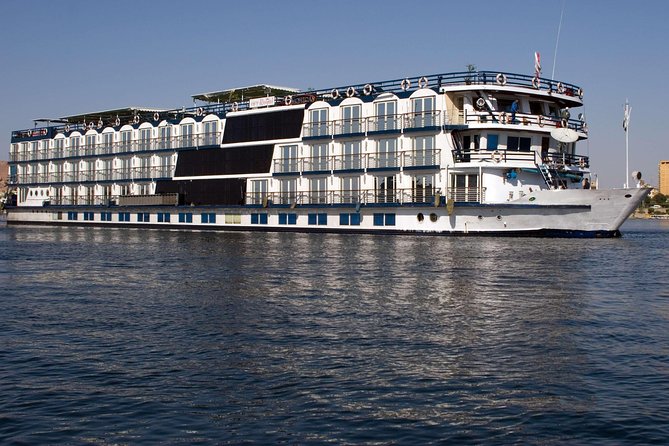
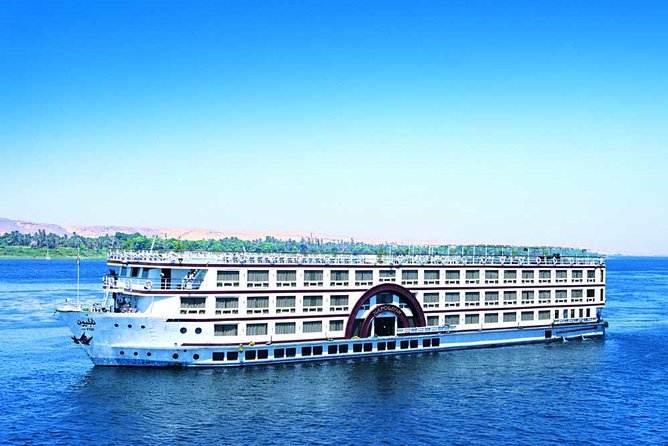
This experience is sold as a 5-star Nile cruise, and many parts of the onboard experience show up as positive: comfortable boat rides, good food, and attentive service. In particular, crew care is something people mention again and again—helpful staff who keep things moving.
That said, I want you to be realistic about one risk: ship assignment and cabin location. Some guests reported that they ended up on a different vessel than expected, and others complained about cabins close to the engines (diesel smell and noise), along with issues like cleanliness, hot water, or air conditioning. Those aren’t “small” issues in Egypt heat.
What can you do with that information? Plan like this:
- When you arrive, treat cabin time as a check-in priority. If something feels wrong (air flow, noise, cleanliness), flag it right away while you’re still onboard with the staff.
- Bring earplugs if you’re a light sleeper.
- Pack a small plan for showering and daily comfort: toiletries and a way to manage hot-weather sweat, especially if you’re sensitive to temperature fluctuations.
On the positive side, even when people complained about cabin or ship condition, many still praised the food and the way the crew handled service. So the “human factor” seems to be a strength of this operation.
Price and value: where the money goes (and why it can be worth it)
Let’s talk value because the sticker price is the first thing you’ll notice.
You’re paying for:
- 4 nights accommodation onboard on a full board basis
- All transfers by private A/C vehicle
- Egyptologist guide for your excursions
- Entrance fees to Karnak, Luxor Temple, Valley of the Kings, Hatshepsut, Edfu (Horus Temple), Kom Ombo, Aswan High Dam, Unfinished Obelisk, and Philae
- Meals: breakfast (4), lunch (4), dinner (4)
- Bottled water during tours
- Service charges and taxes
If you priced those separately—hotel nights plus a daily guide plus tickets plus local transport—this itinerary often stops looking expensive and starts looking like you bought time and reduced decision stress.
At the same time, value depends on the condition of your assigned ship and cabin. When the vessel is comfortable and clean, this is a strong buy. When it’s not, the “5-star” label can feel thin. So I’d treat the price as fair when your expectations match the reality of how cruise assignments can change.
Good to know for a smoother experience
A few practical points based on how this kind of Nile trip runs in real life:
1) Confirm pickup points and timing in Luxor.
The guide meeting is arranged in Luxor at your hotel, railway station, or airport. That helps, but you still want to be sure you know where you’re going and when your guide is meeting you.
2) Wear shoes that survive temple steps.
Temple stone can be uneven and sometimes slippery. You’ll do multiple major sites in a short window, with transfers in between.
3) Plan for a long day, then a reset.
The route is temple-heavy. You’ll likely feel it in your legs, then feel grateful for onboard downtime while the boat sails onward.
4) Budget tipping and optional tours.
Tipping isn’t included, and Day 5 explicitly offers optional add-ons like Abu Simbel or a Nubian Village visit. If you want those, decide before you’re standing in Aswan looking at the opportunity.
5) Choose your cabin priorities.
If you’re sensitive to diesel smell, engine noise, or heat/cooling issues, that’s where you can feel the biggest difference between a great trip and a frustrating one.
Who this Luxor-to-Aswan cruise suits best
This tour fits you if you want:
- A structured way to see the big-name Nile temples without juggling logistics
- Guided context from an Egyptologist, especially for myth and royal tombs
- A mix of Luxor’s East/West Bank and Aswan’s modern + ancient story
It might be less ideal if:
- You’re extremely picky about cabin location or you require consistently quiet rooms
- You’re the type who hates surprises with accommodation assignments
- You want lots of free time. This one is packed with guided sightseeing.
If you want a comfort-first cruise with flexible touring and you’re okay being adaptable about ship details, this can be a good match.
Should you book this Luxor-to-Aswan Nile cruise?
I’d say book it if you’re mainly after the sights and guidance: Karnak, Luxor Temple, the Valley of the Kings area, Hatshepsut, Edfu, Kom Ombo, High Dam, Unfinished Obelisk, and Philae are a strong lineup for one southbound trip. The included admissions, meals, and private A/C transfers also make it a solid value compared to piecing it together.
But I’d only feel great recommending it if you go in with one mindset: ask questions about your cabin assignment early, and don’t assume every “5-star cruise” room will feel identical. If you can live with that and you want a guided, time-saving Nile route, this is the kind of trip that leaves you with photos and stories you can actually explain.
FAQ
How long is the cruise?
The experience runs for about 5 days, with 4 nights onboard.
Where does the tour start and end?
It starts in Luxor and ends in Aswan.
What’s included in the price?
Accommodation for 4 nights on board (full board), all transfers by private A/C vehicle, Egyptologist-guided excursions as listed, bottled water during tours, admission tickets for the sites named in the itinerary, and meals (4 breakfasts, 4 lunches, 4 dinners).
Are entrance fees included for temples and other sites?
Yes. Admission is included for Karnak Temple, Luxor Temple, Valley of the Kings, Hatshepsut Temple, Edfu Temple, Kom Ombo Temple, Aswan High Dam, Unfinished Obelisk, and Philae Temple.
Do I have an Egyptologist guide during the excursions?
Yes. An Egyptologist guide is included during the excursions listed in the itinerary.
Are meals included onboard?
Yes. The package includes breakfast (4), lunch (4), and dinner (4).
What about optional tours on the last day?
Optional tours are not included. On Day 5, you’ll have optional choices such as Abu Simbel or a Nubian Village visit, or free time to enjoy Aswan.
Is pickup included?
Pickup is offered, and a meet-and-greet service is included by your representative, with the guide meeting you in Luxor at your hotel, railway station, or airport.
Is tipping included?
No. Tipping is not included.
Can I cancel for a full refund?
Yes. You can cancel up to 24 hours in advance for a full refund.