REVIEW · LUXOR
West Bank Wonders at Kings Valley and Hatshepsut Temple
Book on Viator →Operated by Ocean Tours Egypt · Bookable on Viator
The West Bank feels different at 7:00 am. I like how this tour pairs early access-style timing with a guide like Shaimaa, who turns tomb walls into readable stories. I also love the practical flow: you hit the Valley of the Kings and then walk the dramatic terraces of Hatshepsut’s Temple with clear explanations.
One thing to plan for: admission tickets aren’t included, so you’ll pay Valley of the Kings (750 LE) and Hatshepsut’s Temple (440 LE) on top of the $97 tour price.
If you want your Luxor day to feel organized, comfortable, and actually understandable—not just “look and move”—this is a strong pick.
In This Review
- Key highlights (what matters most)
- Morning Pickup and the West Bank Route You’ll Actually Enjoy
- Valley of the Kings: Tomb Art, Not Just Big Names
- What to watch for while you’re inside
- A quick drawback to accept
- Hatshepsut’s Temple at Deir el-Bahari: Terraces With a Real Story Behind Them
- What your guide should help you notice
- The practical consideration
- Colossi of Memnon: A 10-Minute Pause That Still Feels Monumental
- Price and Value: What $97 Covers (and What It Doesn’t)
- Why the value can still be strong
- The Big Win: A Guide Who Turns Stone Into Meaning
- Timing, Tickets, and How to Make the Day Feel Easy
- Who This Tour Best Fits
- Should You Book West Bank Wonders at Kings Valley and Hatshepsut Temple?
- FAQ
- What time does the tour start?
- Where does pickup happen?
- How long is the tour?
- Is admission included in the price?
- Is the Colossi of Memnon admission included?
- What’s included in the tour price?
- Is this a private tour?
- Can I cancel for a full refund?
Key highlights (what matters most)
- 7:00 am pickup and an air-conditioned vehicle to start your West Bank route before the day heats up
- Professional Egyptologist guide plus an in-person guide available in multiple languages
- Valley of the Kings tombs explained with specific attention to tomb art and carved scenes
- Hatshepsut’s Temple at Deir el-Bahari with terrace views and the story of Egypt’s famous female pharaoh
- Colossi of Memnon for iconic photos and a quick hit of Amenhotep III’s scale
- Mobile ticket and a private group setup so the day feels controlled and not chaotic
Morning Pickup and the West Bank Route You’ll Actually Enjoy
This starts early: 7:00 am, with pickup from your Luxor hotel area. That matters, because the Valley of the Kings day can get slow if you’re stuck waiting around. With the schedule and transportation handled, you spend your energy looking at stone, not standing in lines.
You’ll ride in an air-conditioned vehicle, which is a simple comfort upgrade in Luxor. The tour runs about 5 hours, and it’s built to keep momentum—Valley of the Kings first, then Deir el-Bahari, then a quick stop at the Colossi.
This is also a private tour/activity for your group only. That tends to make a difference when you want time to ask questions, stop for photos, or linger near a carved wall without rushing others.
You can also read our reviews of more tours and experiences in Luxor.
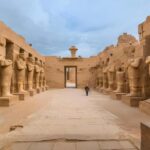

Valley of the Kings: Tomb Art, Not Just Big Names
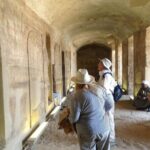
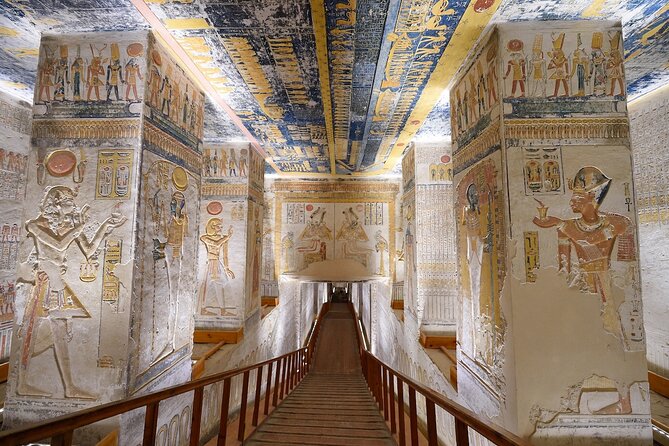
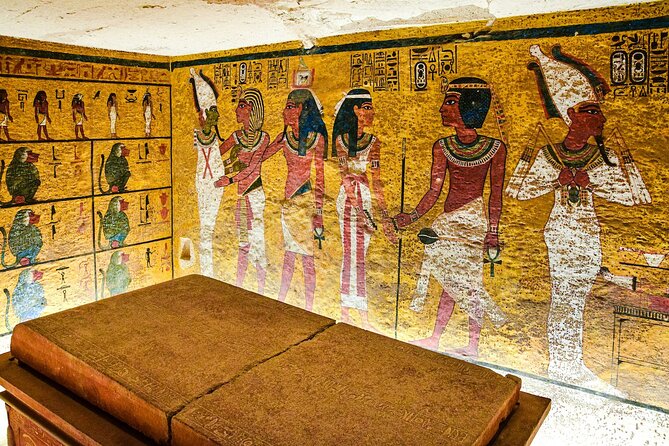
The Valley of the Kings is where you’ll feel the whole New Kingdom burial idea in your bones. This is the legendary West Bank valley where pharaohs chose tombs—so you’re not just visiting a site, you’re stepping into a large-scale plan for the afterlife.
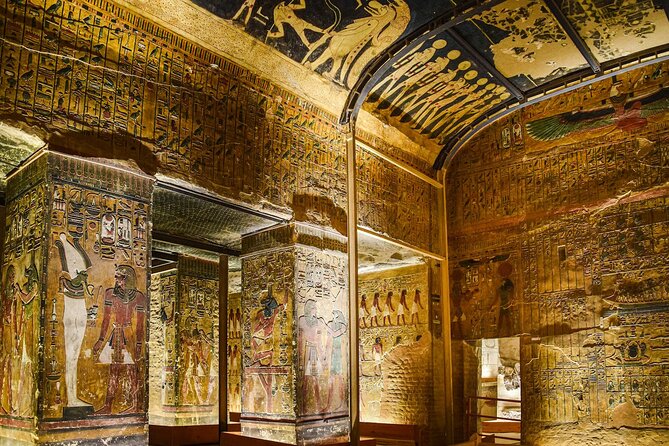
Your guided time here runs about 3 hours. That’s enough to do more than stare at the outside entrances. With a strong guide (including Shaimaa, who’s repeatedly praised for translating hieroglyphs and explaining what you’re seeing), you’ll understand why the tombs look the way they do and what the scenes are trying to say.
What to watch for while you’re inside
Even with a limited time window, you can spot patterns fast when you know what to look at:
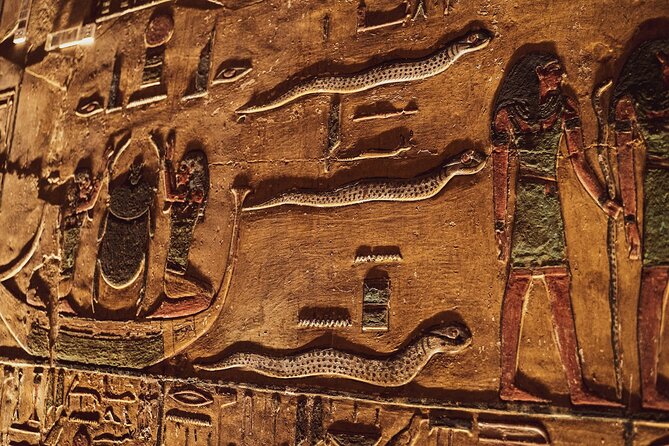
- Carvings and hieroglyphics: ask your guide what to focus on, not just which tomb is famous
- Scene themes: the afterlife journey shows up again and again, but each tomb arranges it differently
- Tomb individuality: some tombs feel more detailed or more “story-like” than others, depending on the ruler and decoration choices
You’ll hear specific references to well-known burials such as Tutankhamun and Ramses VI. The payoff is that the names become context, not trivia.
A quick drawback to accept
The tombs can feel dim inside, and you’ll be walking from chamber to chamber. If you’re expecting a slow museum-style pace, plan for a bit of walking and concentrating. Also, since admission is not included, budget for the 750 LE ticket so you aren’t scrambling at the gate.
Hatshepsut’s Temple at Deir el-Bahari: Terraces With a Real Story Behind Them
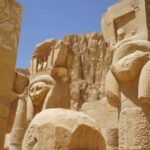
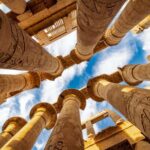
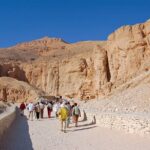
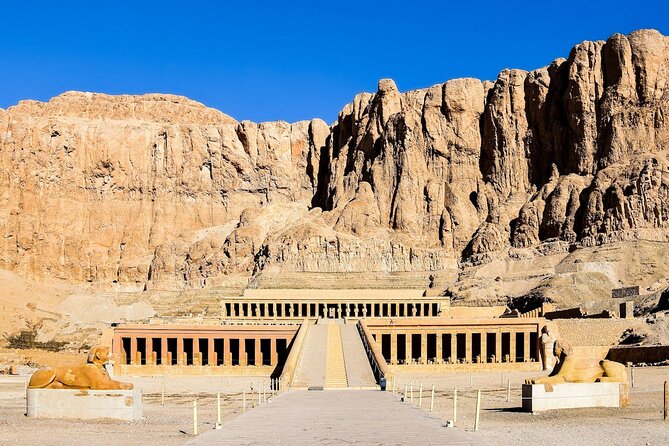
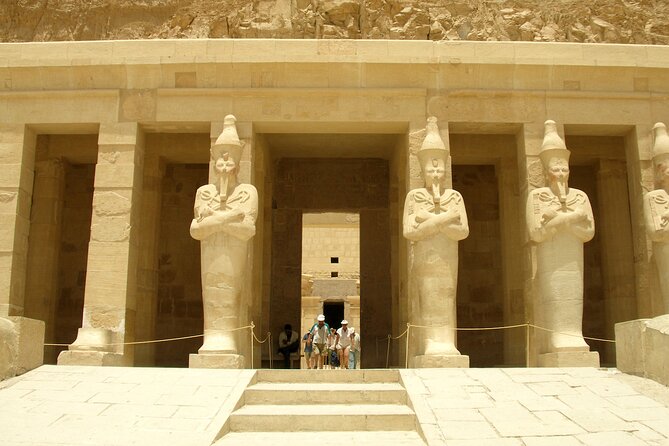
After the tombs, the tone changes fast. Hatshepsut’s Temple sits against the cliffs at Deir el-Bahari, and the whole place is designed to impress you with order and spectacle. The big point here isn’t just architecture—it’s the message of a reign.
You’ll spend about 1 hour 30 minutes at the temple. That time works well because you can move through the terraces and still stop where your guide is focusing attention. Hatshepsut is remembered as one of Egypt’s most successful female pharaohs, and this temple is part of how her power was presented to the world.

What your guide should help you notice
The most useful explanations usually connect three things:
- Divine birth story elements: why the temple frames Hatshepsut’s legitimacy in religious terms
- Terrace design: how the structure guides your movement and sightlines
- Expedition references: links to the Land of Punt and Egypt’s reach
Your guide should make those symbols feel more concrete. In reviews, Shaimaa and other guides are praised for answering questions and pointing out details without making it a lecture you can’t keep up with.
The practical consideration
Again, the admission ticket isn’t included here either—plan for 440 LE. Also, it’s a popular, open-air site, so bring whatever you rely on for sun protection (water, hat, sunscreen). The temple is worth it; you just don’t want to feel wrecked by the weather before the best views.
Colossi of Memnon: A 10-Minute Pause That Still Feels Monumental
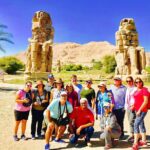
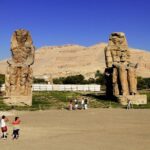
Then you get one final icon: the Colossi of Memnon. These two huge statues of Pharaoh Amenhotep III have been guarding the Theban Necropolis for thousands of years. Each one is about 720 tons, which is the kind of fact that makes you look up even if you’re not trying.
You’ll have only about 10 minutes here, so treat it like a photo-and-scale stop. The “singing” phenomenon is part of the legend that intrigued ancient visitors, and your guide can add color without turning it into folklore-only talk.
This stop is easy to remember for one reason: the size hits you instantly. Even if you’re getting temple fatigue, these statues re-center the day back to awe and scale.
Because admission is free for this stop, it’s also a low-pressure moment. You can focus on getting a good angle and moving on when you still feel fresh.
Price and Value: What $97 Covers (and What It Doesn’t)
The tour price is $97 per person for about 5 hours with hotel pickup, an air-conditioned vehicle, and an in-person guide. On paper, that’s a fair package because you’re not just getting “tickets plus transport.” You’re also paying for interpretation—especially at places where carvings are hard to read without help.
The missing piece is admissions. You’ll still need to pay:
- Valley of the Kings: 750 LE
- Hatshepsut’s Temple: 440 LE
That means your real spend is the tour price plus those entry fees, plus tips. Tips aren’t included, and local tipping norms vary, but the tour explicitly lists tipping as your responsibility.
Why the value can still be strong
If your guide is translating hieroglyphs and connecting scenes to the people behind the names (and the reviews strongly point to that), you’re buying something more durable than a photo. A tomb visit without interpretation can feel like you saw a hallway. With interpretation, you understand what you’re seeing.
In other words: the tour price buys time, timing, and a guide who helps you work the site, not just pass through it.
The Big Win: A Guide Who Turns Stone Into Meaning
This is the part that shows up again and again in the feedback: the guide makes the day click. Guides named Shaimaa (and also mentions of Chaimae / Shaimma) are consistently described as patient, kind, and focused on real explanations—especially pointing out artwork and carvings.
One detail I love from the reviews is the attention to hieroglyphics. When a guide can translate what you’re looking at, the Valley of the Kings stops being a blur of entrances and becomes a set of readable messages. That’s exactly what you want on a short morning.
You’ll also appreciate guides who help you ask better questions. The best moments tend to be the ones that start with you noticing something small—then realizing it’s not small at all. That’s where the guide’s pacing matters.
Also, the safety and comfort notes matter in a place where you’re mixing walking, uneven surfaces, and crowds. A guide who keeps the flow under control is worth real money.
Timing, Tickets, and How to Make the Day Feel Easy
This tour starts at 7:00 am, so plan your morning around that. If your hotel pickup is tight, don’t aim for a late breakfast. The schedule works best when you arrive ready to go—water bottle in hand, sunscreen ready, and comfortable shoes on.
Here are a few smart, practical habits for this specific route:
- Wear shoes you trust on uneven paths. You’ll walk more than you might expect.
- Bring a light layer. Tomb interiors and early mornings can feel cooler.
- Expect sun at the open-air temple. Use sun protection early, not as an emergency plan.
- Save your questions for the guide at the best points. If you ask too early, you might miss the context that makes the answer useful.
You’ll receive a mobile ticket, which helps reduce last-minute stress. And with the tour being private to your group, you’re less likely to feel like you’re being hurried through the good parts.
Who This Tour Best Fits
This tour fits best if you want:
- A focused West Bank morning without managing logistics
- A guide-led experience where monuments make sense
- A mix of tombs and a major temple so your Luxor day feels varied
It also works well if you’ve been to Egypt before but want the missing link. Several review comments point out that seeing these places with a guide changes how much you get out of them.
If you’re traveling solo, couples, or a small group, the private setup adds comfort. If you’re a family, the pacing might work well as long as everyone can handle walking and indoor tomb conditions.
Should You Book West Bank Wonders at Kings Valley and Hatshepsut Temple?
Yes—if you care about understanding what you’re looking at and you value a smooth, early start. The big reason to book is the guide quality, especially the strong emphasis on explaining tomb art and hieroglyphics and keeping the day organized from pickup to finish.
The main “no” reason is simple: if you hate paying separate admission fees on top of the tour price, this might annoy you. But if you’re okay with that and you want a well-timed West Bank hit—Valley of the Kings, Hatshepsut’s terraces, and the Colossi stop—this is a solid choice.
FAQ
What time does the tour start?
The start time is 7:00 am.
Where does pickup happen?
Pickup is offered from your Luxor hotel.
How long is the tour?
The tour duration is approximately 5 hours.
Is admission included in the price?
No. Valley of the Kings (750 LE) and Hatshepsut’s Temple (440 LE) are not included.
Is the Colossi of Memnon admission included?
Admission for the Colossi of Memnon is free.
What’s included in the tour price?
Included are an air-conditioned vehicle, a professional Egyptologist tour guide, and an in-person guide in English, Spanish, French, German, or Italian.
Is this a private tour?
Yes. It’s private, meaning only your group participates.
Can I cancel for a full refund?
Free cancellation is allowed if you cancel up to 24 hours in advance of the experience start time.