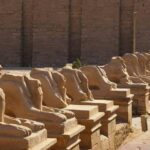
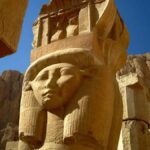
Wake up above ancient Egypt. This 9-day package blends a 6-night Nile cruise with a hot air balloon ride over Luxor’s temples and desert, then finishes with Cairo’s pyramid area and Sphinx. You’ll also get guided visits along the way, with a mix of boat days and land stops that keep the schedule moving without feeling chaotic.
I particularly like the way the trip stitches together the East Bank and West Bank big hitters—Luxor Temple, Karnak, then the Valley of the Kings, Hatshepsut, and the Colossi of Memnon. I also appreciate the human side of planning: guides such as Rasha, Ahmed, and Essam show up in people’s accounts as the reason the days feel clear and safe, not just crowded and rushed.
One thing to consider: entrance fees and tipping are not included, and drinks are extra too. If you hate surprises, budget for those up front, and you’ll glide through the whole trip.
In This Review
- Key Highlights You’ll Actually Feel
- First Day in Luxor: Cabin by 11:00, Then East Bank Classics
- Sunrise Balloon Over Luxor: Views That Make the Temples Click
- West Bank Morning: Valley of the Kings, Hatshepsut, and the Colossi
- Edfu Temple Day: Horse Carriage Ride Meets a Major Site
- Kom Ombo and Aswan Territory: Temples That Feel Different on the Nile
- Aswan’s Big Three: Philae, the High Dam, and the Unfinished Obelisk
- Abu Simbel Early Morning: Two Temples, One Huge Impact
- One Day to Rest on the Way Back to Luxor
- Hurghada Break: 5-Star Hotel Time and Bedouin Desert Air
- Cairo Morning Rush: Pyramids, Sphinx, Saqqara, Memphis, Then Off at 5:00 am
- Price and What You’re Really Paying For
- Small Costs to Budget: Entrance Fees, Tips, and Drinks
- Guides, Drivers, and the Safety Factor You Can Feel
- Who This Trip Fits Best (and Who Might Prefer Something Else)
- Should You Book This 9-Day Nile Cruise + Balloon Package?
- FAQ
- How many nights are included on the Nile cruise?
- What main sites are visited during the cruise portion?
- Is the hot air balloon ride included?
- Are entrance fees included in the package price?
- What transport is included between destinations?
- What time does the experience start?
Key Highlights You’ll Actually Feel
- Hot-air balloon over Luxor at dawn, with views of temples, desert, and the river
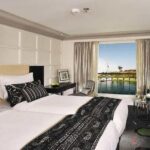
- 6 nights on a 5-star Nile cruise, with meals included (no drinks) and guided temple time
- Horse carriage to Edfu Temple, one of those fun, old-school ways to arrive at the site
- Abu Simbel early morning, including both main temples and a guide to explain what you’re seeing
- Hurghada hotel stop plus Bedouin desert safari time for a change of pace
- Cairo add-on with pyramids, Sphinx, and the Saqqara/Memphis area before an early airport departure
First Day in Luxor: Cabin by 11:00, Then East Bank Classics
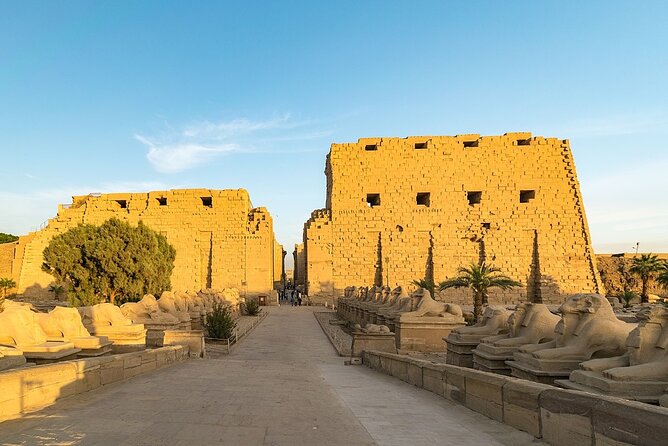
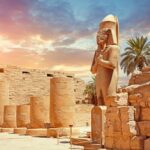
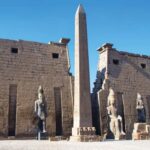
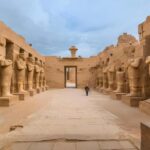
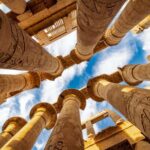
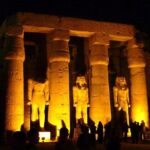
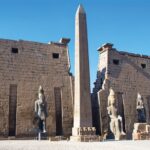
Your day starts with a reception and transfer to the boat area in Luxor, with your cabin allocated by 11:00 am. After lunch on board, you shift straight into sightseeing on the East Bank, starting with Luxor Temple and then Karnak Temple.
This is a smart first setup because you’re fresh enough to handle temples right away. Karnak is huge and easy to feel overwhelmed by if you’re wandering alone, but on a guided day you get the map of what matters—so your photos look like a story, not a random pile of stone.
By evening, you’re back on the Nile for dinner and overnight. That rhythm matters on cruise trips: you’ll likely spend most mornings and late afternoons on land, then reset your body when you’re back aboard.
You can also read our reviews of more boat tours in Luxor
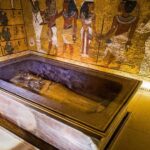
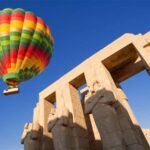

Sunrise Balloon Over Luxor: Views That Make the Temples Click
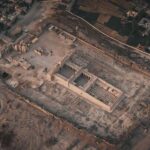
The next morning begins early, right after breakfast, with the hot air balloon ride. This balloon experience is one of the headline reasons people book this route because it gives you a perspective you can’t fake: temples look different when you can see how they sit in the grid of the Nile Valley.
You also get a nice flow to the day. The balloon takes you over desert and the river, then your guide brings you into the West Bank sites so the land and the monuments connect in your mind.
Practical note: balloon mornings are usually cool and windy compared to midday heat, so dress in layers you can peel on the fly. The ride itself is the emotional payoff—then the temples become more understandable instead of just impressive.
West Bank Morning: Valley of the Kings, Hatshepsut, and the Colossi
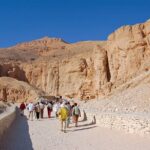
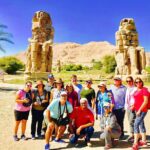
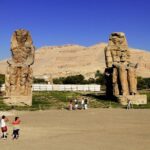
After the balloon, you head to the West Bank with your company guide. You’ll visit the Valley of the Kings, the Temple of Hatshepsut, and the Colossi of Memnon.
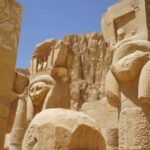
This trio gives you a strong “Egypt in three moods” feeling. The Valley of the Kings is the power-and-mystery part—kings built their afterlife plans into the rock. Hatshepsut is about ambition and architecture, with a ruler who clearly wanted to be remembered on a monumental scale.
Then the Colossi of Memnon adds a haunting, oversized moment. Two huge statues standing guard is one of those scenes that feels cinematic in person, especially after your balloon view sets the scale.
One small consideration: West Bank days can involve more walking on uneven ground. Wear shoes you can trust, and don’t plan to sprint from one viewpoint to the next. Go steady, and you’ll enjoy it more.
Edfu Temple Day: Horse Carriage Ride Meets a Major Site
Later on the sailing loop, you’ll reach Edfu, and the highlight here is visiting Edfu Temple by horse carriage. It’s an included activity, and it’s also a fun change from the boat routine.
The carriage arrival isn’t just a novelty. It slows you down. You’re moving at a human pace toward a site you’ll want to look at thoughtfully, not just check off.
Once you’re finished, you return to the boat for sailing onward. This pattern—sightseeing, then sailing—keeps the days from turning into endless transit.
Kom Ombo and Aswan Territory: Temples That Feel Different on the Nile
As you cruise further, you stop at Kom Ombo with a guided visit to its temple. Kom Ombo tends to feel more like a “temple you study” than a “temple you photograph quickly,” which is a good thing. It helps you slow down and actually read the symbolism through the explanations.
Then you continue sailing toward Aswan, where the itinerary leans into the big infrastructure landmarks and classic temple viewing.
This stretch of the cruise is a nice reminder that the Nile isn’t only ancient monuments—it’s also the modern lifeline of Egypt. That contrast can make the old carvings feel even more grounded.
You can also read our reviews of more evening experiences in Luxor



Aswan’s Big Three: Philae, the High Dam, and the Unfinished Obelisk
In Aswan, you’ll visit Philae Temple, see the High Dam, and also stop at the unfinished obelisk. That combination works well because it covers three angles of Egypt in one day: sacred sites, engineering scale, and the process behind monumental building.
Philae Temple can feel like a “where history grew roots” kind of place. The High Dam is the opposite mood—modern Egypt shaping the river system. The unfinished obelisk sits right in the middle emotionally because it shows you the work, tools, and intent behind the final objects.
If you like understanding how things get made, this day will land well. If you only want the most famous photos, you’ll still get them, but you’ll also get extra context that makes the monuments more meaningful.
Abu Simbel Early Morning: Two Temples, One Huge Impact
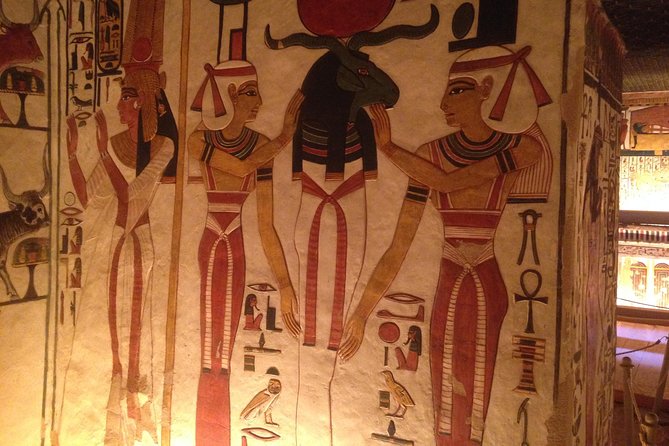
On another early start, you visit Abu Simbel, including both temples. You’ll see the larger temple and the smaller temple dedicated to Hathor, tied to Nefertari, and your guide explains the story behind the site.
Abu Simbel is special for a very practical reason: it demands your full attention. It’s hard to be casual about it. The scale hits fast, and having a friendly guide makes the carvings feel less like decoration and more like deliberate messaging.
A consideration here is stamina. Early morning visits mean you’ll likely be up before you’re totally ready to be awake. If you tolerate mornings okay, this day is a highlight. If you’re grumpy before caffeine, pack patience.
One Day to Rest on the Way Back to Luxor
There’s a quieter day built in, a rest day without visits, before you reach Luxor again. This matters more than it sounds. Cruise days can be intense, and a breathing space keeps you from turning your trip into a blur.
Use it to recover, take photos slowly, and simply watch the river move. Even if you think you’ll “relax later,” this break is the kind of scheduled down time that prevents later burnout.
Hurghada Break: 5-Star Hotel Time and Bedouin Desert Air
After the cruise portion ends, you head by car from Luxor to Hurghada and check into a five-star hotel. The trip then shifts from temples and carvings to coastal downtime and desert time.
The next day includes the fun of a Bedouin desert safari, described as natural desert calm and fresh air. Even though it’s a different setting, it still fits the theme of Egypt’s variety: you go from stone ages to sand, then back to the city.
Keep in mind that desert activities often mean dust and heat. Bring a scarf or something similar to protect your neck and keep your comfort up, especially if your plan is to take photos after the safari.
Cairo Morning Rush: Pyramids, Sphinx, Saqqara, Memphis, Then Off at 5:00 am
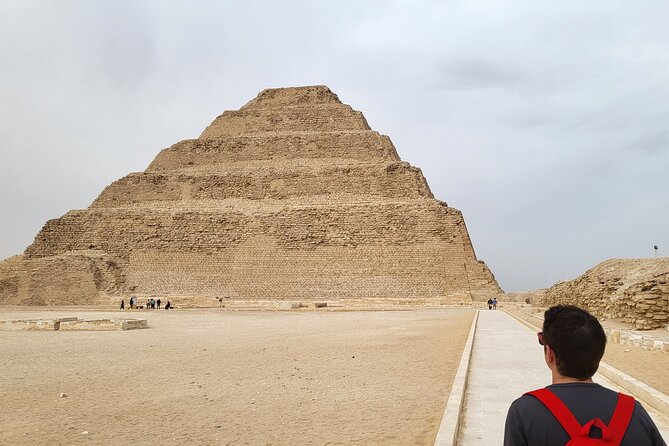
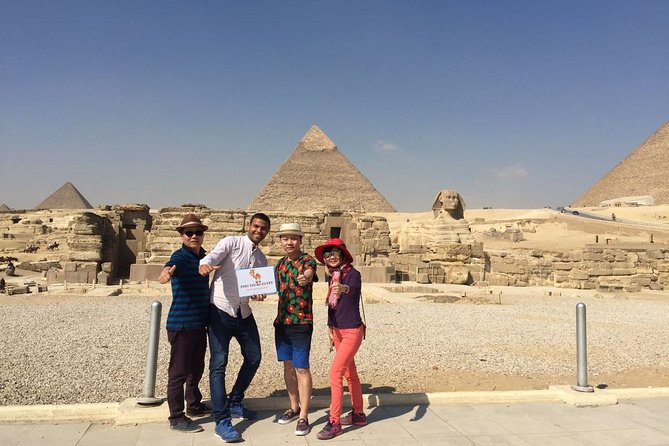
The final day is packed in the best possible way. You travel from Hurghada to Cairo, and then you visit the Giza Pyramids, the Sphinx, and the Saqqara area, including Memfes.
This is classic Egypt “greatest hits” territory, but with one advantage: you’re not doing it alone. A guide helps you orient quickly so the time doesn’t melt away into confusion.
Then you move to your hotel, pick up your bags, and head to the airport with a 5:00 am departure. That early timing is the one part you’ll feel most strongly, so plan sleep carefully the night before.
If you’re the kind of person who likes to squeeze in a last-minute snack or coffee, build in that mental buffer now. Cairo mornings come fast.
Price and What You’re Really Paying For
The price is $1,346.16 per person, and the value depends on how you weigh “all the moving parts” you’re not booking separately.
What you get that usually costs real money when booked alone:
- A 6-night Nile cruise on a 5-star boat with breakfast, lunch, and dinner included (but no drinks)
- A hot air balloon ride (often one of the most expensive single experiences)
- A professional guide across major stops
- Transfers, including reception and airport help
- Cairo and Hurghada lodging: 1 night in Cairo and 1 night in Hurghada
- The flight from Hurghada to Cairo
- A private car transfer from Luxor to Hurghada
- Horse carriage for the Edfu temple visit
What’s not included matters too, but it’s easier to plan for: you’re not paying entrance fees and you’re not paying tips from the package.
In other words, you’re paying for convenience and a structured route through a huge chunk of southern and northern Egypt. If that appeals to you, the price feels fair. If you prefer a do-it-yourself pace with your own driver and flexible timing, this package might feel too scheduled.
Small Costs to Budget: Entrance Fees, Tips, and Drinks
Even with a lot included, a few things can add up fast if you don’t prep.
- Entrance fees for tourist attractions are not included.
- Tipping is not included.
- Drinks are not included with your meals.
You’ll also want to keep some extra cash or card capacity for those on-the-ground items, especially in Egypt where day-to-day spending can vary by what you decide to purchase.
This is also where your guide can help you manage choices. Many people in the feedback you’ll read emphasize the way guides like Ahmed communicate clearly and keep things organized, including being available when questions pop up.
Guides, Drivers, and the Safety Factor You Can Feel
One of the best parts of this kind of package is not the monuments—it’s how the days flow. The feedback highlights guides such as Ms. Mirna for helpful follow-up and staying in contact day to day, plus guides like Rasha, Ahmed, and Essam for staying engaged and answering questions.
That practical attention is what makes the logistics feel calmer. When someone is checking the schedule with you and your driver is on time, you spend less mental energy worrying and more energy looking.
It’s also a good sign if you’re traveling with someone you want to feel safe and supported, since the tour includes guided sites and transport by air-conditioned cars where sightseeing happens.
Who This Trip Fits Best (and Who Might Prefer Something Else)
This package is ideal if you want:
- A single structured route through Luxor, Esna, Edfu, Kom Ombo, Aswan, Abu Simbel, then Cairo
- The emotional wow-factor of a hot air balloon and the size of Abu Simbel
- Guided context at major sites so you understand what you’re seeing instead of just scanning carvings
It may not be ideal if you hate early wake-ups. Both the balloon and Abu Simbel are scheduled early, and Cairo ends with that very early airport departure.
Also, if you want ultra-free time to wander, the “guided + included tickets + set transfers” style means your day is planned.
Should You Book This 9-Day Nile Cruise + Balloon Package?
I’d book it if you want the core Egypt highlights covered with a guided rhythm and minimal planning stress. The mix of Nile cruise days, a true dawn balloon experience, and the final pyramids/Saqqara/Memphis sweep is a strong use of limited vacation time.
I’d think twice if you dislike mornings and prefer to pay less for fewer included extras. The entrance fees, tips, and drinks add costs, and the schedule doesn’t pretend to be relaxed.
If your travel style is “teach me, guide me, then let me enjoy the wow moments,” this package fits well.
FAQ
How many nights are included on the Nile cruise?
You get a 6-night Nile cruise on the boat, plus 1 night in Cairo and 1 night in Hurghada.
What main sites are visited during the cruise portion?
On the cruise days, you’ll visit Luxor Temple and Karnak, the Valley of the Kings, Temple of Hatshepsut, Colossi of Memnon, Edfu Temple (by horse carriage), Kom Ombo, Philae Temple, the High Dam, the unfinished obelisk, and Abu Simbel.
Is the hot air balloon ride included?
Yes. The hot air balloon trip is included.
Are entrance fees included in the package price?
No. Entrance fees for all tourist attractions are not included.
What transport is included between destinations?
Transfers include air-conditioned cars for sightseeing, a private car from Luxor to Hurghada, and flight tickets from Hurghada to Cairo.
What time does the experience start?
The start time is 11:00 am.