REVIEW · LUXOR
Historia Hotel Nile Cruise, Mon. from Luxor 4 nts inc. Excursions
Book on Viator →Operated by Historia · Bookable on Viator
I love the modern, spotless ship and the high-end dining that keeps showing up day after day. This Luxor to Aswan cruise is interesting because you pair big-name ancient sites with a comfortable floating hotel that handles the details. The one drawback to keep in mind: onboard internet can be unreliable, so don’t plan on always being reachable.
You’ll start in Luxor and move through the East Bank temples to the West Bank tomb country, then head south to Edfu, Kom Ombo, and the Aswan-area must-sees. Pickup is offered, excursions include admission tickets, and the schedule is paced with about two hours per main stop. With a maximum of 2 travelers for this activity, the trip can feel calmer than you’d expect from a cruise tour.
In This Review
- Key points at a glance
- Historia Nile Cruise: Luxor to Aswan in Modern Comfort
- Getting Started in Luxor: Pickup, Start Time, and Transfers
- Onboard Life: Cabins, Cleanliness, and the Top Deck Factor
- The Real Star: Food and Service (with Names You Can Remember)
- Day 1 in Luxor: Karnak Temple and Luxor Temple Without Guesswork
- Day 2 West Bank Power: Valley of the Kings and Hatshepsut
- Day 3 Southward Temples: Kom Ombo and Edfu’s Horus
- Day 4 Aswan Area Stops: Philae and the Unfinished Obelisk
- Day 5 in Aswan: Time for Views Before You Leave
- What’s Included: Meals, Tickets, and the Transfers That Matter
- Price and Value: Is $3,498 Fair for This Setup?
- The One Real Weak Spot: Internet and Being Reachable
- Who This Cruise Fits Best
- Should You Book Historia? My Decision Rule
- FAQ
- How long is the Historia Nile Cruise from Luxor to Aswan?
- What does the price of $3,498 per person include?
- Where does the cruise start and end?
- Are temple and tomb admission tickets included?
- Is pickup included?
- What happens if the tour can’t run due to weather or minimum traveler requirements?
Key points at a glance
- Modern boutique feel on the Historia: guests highlight a clean, new-looking ship and spacious rooms with Nile views.
- Chef-led dining, not just meals: frequent praise for fresh food, strong presentation, and attentive service.
- Guided ancient sites with tickets included: Karnak, Luxor Temple, Valley of the Kings, Hatshepsut, Kom Ombo, Edfu, Philae, and the Unfinished Obelisk.
- Real staff personalities: specific mentions include executive chef Mahmoud, guide Mohammed, and team members such as Khaled, Hussein El Omada, and Tarek.
- Plan for spotty connectivity: if you need constant online access, treat it as a weak point.
Historia Nile Cruise: Luxor to Aswan in Modern Comfort
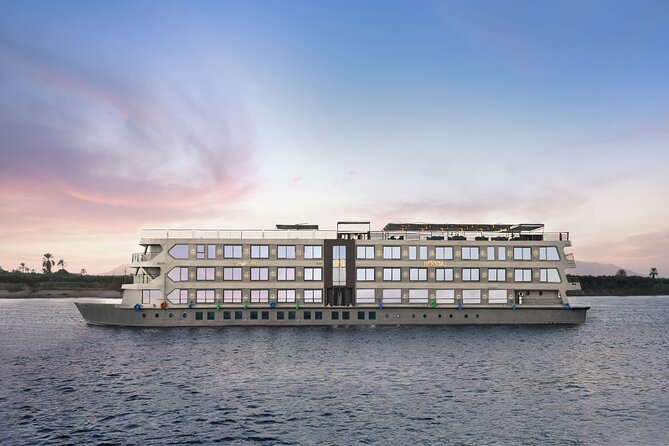
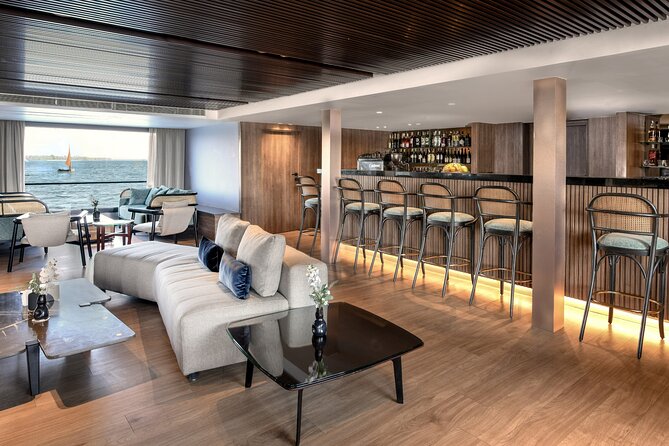
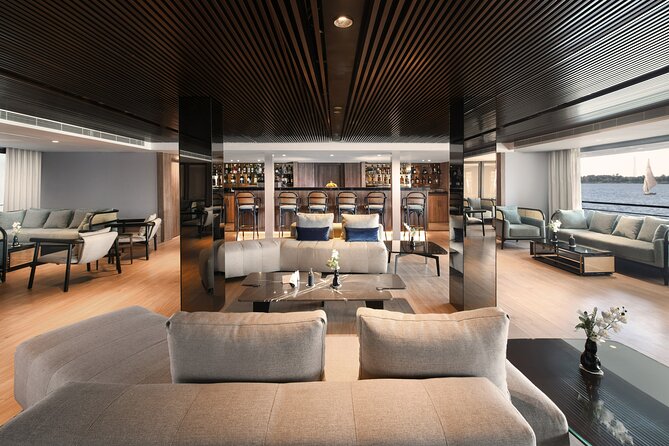
This is the kind of Nile cruise where the “hotel part” feels like the main event, not just a ride to the next temple. The Historia positions itself as a boutique-style luxury cruise, with a Seneb spa, comfortable cabins, and social space on the top deck for Nile watching.
The big appeal is that you’re not stuck doing everything on your own. Transfers are handled in a modern, air-conditioned deluxe vehicle, and the major sightseeing stops come with admissions included. You also get a clear structure: full-board meals on board and a set of timed archaeological hits across several days.
The price is steep at $3,498 per person, but you’re not paying for just the boat. You’re also paying for included taxes/fees, meals, admissions, and the heavy lifting of moving you between Luxor and Aswan while you focus on seeing sites.
You can also read our reviews of more boat tours in Luxor

Getting Started in Luxor: Pickup, Start Time, and Transfers
Your program starts at Luxor Airport, with a start time of 12:00 pm. End point is in Aswan city at the Nile Cornish Street cruise port.
One practical thing I like here is that the transfer piece is mostly built in. The package includes all transfers by a modern air-conditioned deluxe vehicle, and it includes assistance from personnel during your stay and excursions. That matters in Egypt, where sorting transport on your own can turn into a time sink.
There’s one catch to watch: “pickup offered” is listed, yet the package also says transportation fees from and to Historia Nile Cruise are not included. In plain terms, you may still need to handle some parts of getting to the meeting point and then onward from the end point. If you’re planning flights, build extra slack so you’re not stressed about the connection to your program start.
Onboard Life: Cabins, Cleanliness, and the Top Deck Factor
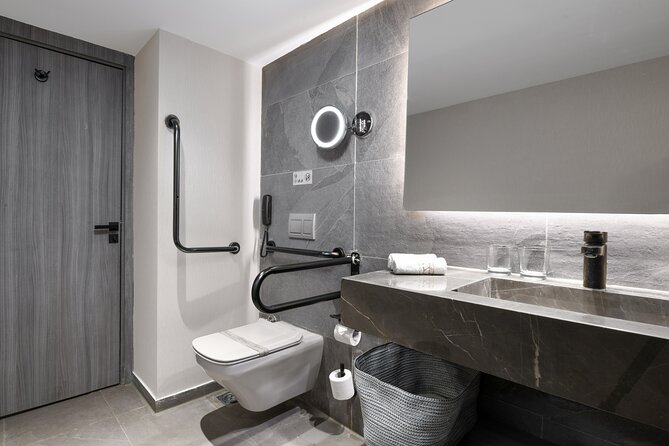
The most consistent praise centers on the boat itself. People call the ship modern, clean, and “immaculate,” with cabins that feel spacious and comfortable. Nile view rooms are repeatedly mentioned, which makes morning and late evening feel special even when you’ve already packed in a day of monuments.
Small details add up. Strong shower performance comes up, and so does housekeeping that keeps cabins looking fresh instead of worn. There’s also a top deck, and that’s where a lot of the “this is why I’m on a Nile cruise” moments happen—especially around sunset when the river light softens.
On entertainment: guests mention nightly programming, and one highlighted event was an Egyptian buffet night. That’s not just a fun extra; it helps you enjoy the cruise as a complete experience, not only as transportation between stops.
The Real Star: Food and Service (with Names You Can Remember)
If you like to eat well while traveling, this cruise is built for you. Reviews repeatedly call out the food as exceptional—fresh, flavorful, and beautifully presented. It’s also not treated like a one-note buffet situation. Guests describe variety, quality, and even special handling for dietary restrictions.
A few staff names come up again and again, which is a good sign of real consistency:
- Executive Chef Mahmoud gets direct praise for the quality of meals and the way the kitchen team supports guests.
- Khaled is mentioned as warm and welcoming.
- Hussein El Omada stands out for going beyond expectations.
- Guide Mohammed is specifically praised for being attentive.
- Tarek is named in connection with guided touring experiences.
This matters because on a cruise, “service” isn’t abstract. It’s whether your questions get answered quickly, whether meals match what you need, and whether the staff can read the room when you’re tired after temples. That’s where Historia’s reputation looks strongest.
Day 1 in Luxor: Karnak Temple and Luxor Temple Without Guesswork
Day 1 gives you two classic East Bank stops, with admission tickets included and about two hours at each location.
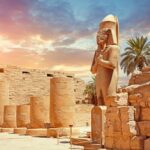
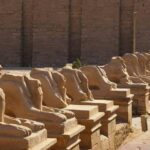
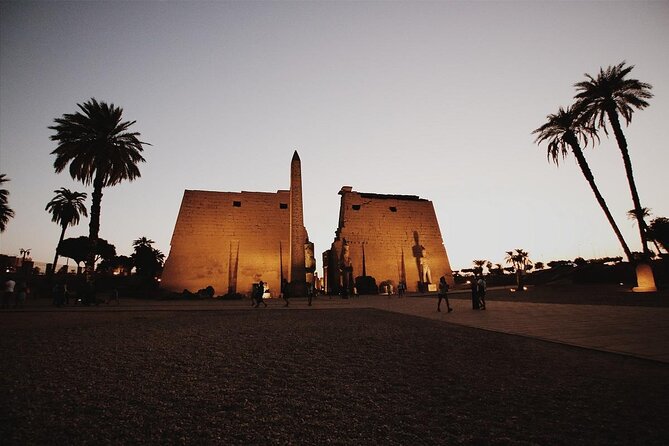
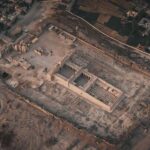
Karnak Temple is the centerpiece: described as the largest religious building ever constructed (around 2000 BC), dedicated to Amun, Nut, and Khonsu. One detail I’d keep in mind is the ancient name for the area—Ipet-isut, meaning The Most Selected Places—and the fact it was a prime worship site in the 18th Dynasty. When you’re inside Karnak, it helps to remember you’re walking through centuries of additions, not one single build.
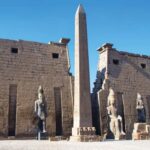
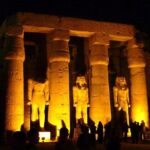
Then comes Luxor Temple, built around 1400 BC. What makes it different is the focus: historians describe it as tied to the rejuvenation of kingship rather than being dedicated to a single god or king in the usual way. It’s also linked to coronation traditions—where legendary names like Alexander the Great have been associated in popular accounts.
The practical upside of this day: two major temples, both ticketed, both timed. You avoid the common headache of trying to piece together your own entry logistics.

Day 2 West Bank Power: Valley of the Kings and Hatshepsut
Day 2 is where Egypt starts hitting harder emotionally, because you’re moving to the West Bank burial landscape—the area where the most famous pharaonic tomb stories live.
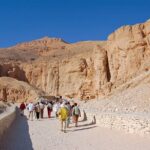
First is the Valley of the Kings. The key facts matter here: 63 tombs have been unearthed, and the valley is a UNESCO World Heritage Site (since 1979). People connect it most to names like Ramses II, Tutankhamen, and Seti I, but the scale is the bigger story. The description includes tomb complexity ranging from simpler rooms to long, winding spaces.
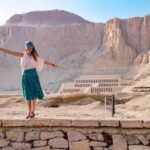
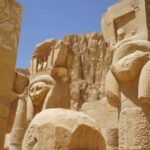
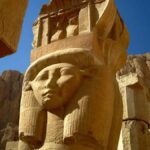
Next, Temple of Hatshepsut at Deir el-Bahari (also called Djeser-Djeseru). This mortuary temple is carved into cliffs on the Nile’s west bank. Hatshepsut is a powerful theme because the reliefs recite the story of her divine birth, and she’s presented here as a first-of-its-kind female pharaoh. That adds a layer beyond “pretty architecture”—you’re looking at political legitimacy told through sculpture.
The consideration for this day is pacing. Two major sites plus transit means you’ll want good energy management. If you’re sensitive to long days, you may prefer to keep your evenings light and let the boat’s calm restore you.
Day 3 Southward Temples: Kom Ombo and Edfu’s Horus
Day 3 shifts you into the southward temple rhythm, and you get two stops that contrast well with each other.
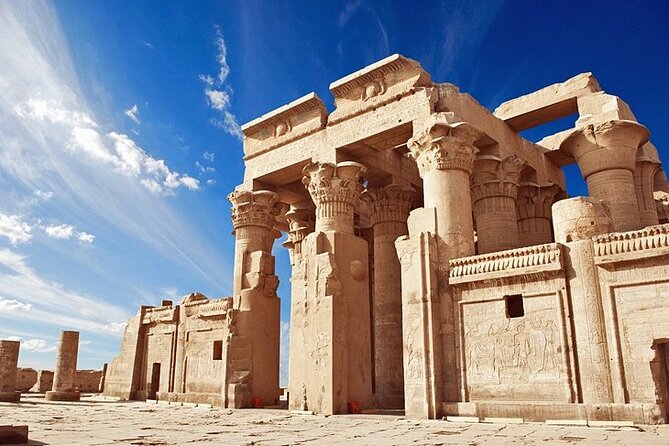
At Kom Ombo, you’re going to a rare structure: a double temple built during the Ptolemaic dynasty, designed symmetrically for two gods. One half is dedicated to Sobek, the crocodile god, and the other to Horoeris (Horus the elder). That symmetry is what makes this stop memorable—you can literally see the temple’s logic in how it’s laid out.
Then you move to Edfu Temple, also called the Temple of Horus. The key detail is preservation. Built between 237 BC and 57 BC from sandstone blocks, it’s often considered one of the best-preserved temple ruins. The walls also carry inscriptions that reveal insights into myth, religion, and language.
This day tends to work well for people who like variety. You get one “unusual temple design” (Kom Ombo’s duplication) and one “exceptionally intact” temple (Edfu’s preservation).
Day 4 Aswan Area Stops: Philae and the Unfinished Obelisk
Day 4 is built around Aswan’s dramatic river geography and the stonework genius of ancient Egypt.
Temple of Philae is described with real measurement details—about 1200 meters from north to south and 400 meters at its widest point. You’ll also see references to the Elephantine Island area downstream of the First Cataract. That trading context matters: the name Elephantine is tied to both elephant and ivory, reflecting the island’s role in ivory trade. Even without turning it into a trivia contest, it helps you understand why this region mattered to commerce and power.
Next is the Unfinished Obelisk of Queen Hatshepsut. This stop has big, specific facts: it’s more than 3,500 years old, it was abandoned in an Aswan stone quarry, and it was nearly one-third bigger than any ancient Egyptian obelisk. If completed, it would have weighed around 1,090 tons and reached almost 42 meters high. The reason for abandonment is also part of the story: cracks appeared in the granite as carving began. That gives you a behind-the-scenes look at stone-working techniques rather than only the final museum-ready result.
If you like seeing how projects failed or changed, this is the kind of stop that makes the ancient world feel real.
Day 5 in Aswan: Time for Views Before You Leave
Day 5 is lighter on site pressure. You get time to enjoy Aswan views before checking out, with two hours noted and admission listed as free for this portion.
This is a smart way to end. When your last day isn’t another marathon of temples, you get to absorb what you’ve just seen from a calmer angle—literally from the river setting you’ve been sailing through.
What’s Included: Meals, Tickets, and the Transfers That Matter
Here’s what the package covers in practical terms:
- All fees and taxes
- Sightseeing fees
- Admissions for the listed temple/tomb stops (Karnak, Luxor Temple, Valley of the Kings, Hatshepsut, Kom Ombo, Edfu, Philae, Unfinished Obelisk)
- All transfers by a modern air-conditioned deluxe vehicle
- Accommodation on full board basis
- Breakfast (4), Lunch (4), Dinner (4) on board
- Excursions described as sharing the Nile cruise group for the listed stops
That last line is important. If you’re imagining private touring for every stop, the data here points to group-style excursions for the included program. At the same time, the cruise overview says there’s an option for private car and an in-person guide if you book a sightseeing package through them. If you want that extra flexibility, ask about it early so it’s organized around your exact days.
Price and Value: Is $3,498 Fair for This Setup?
At $3,498 per person, this isn’t a bargain cruise. But the value argument isn’t just “luxury.” It’s the bundle:
- multiple major sites with admissions included
- full-board meals
- organized transfers
- a modern, clean ship experience with strong service
So the question becomes: do you value your time and comfort? If you hate logistics, hate negotiating transport, and want your sightseeing time to be guided and ticketed, the price can start to make sense. If you mainly want the cheapest way to ride the Nile, you can find lower-cost cruises, but you’ll usually trade away some combination of comfort, included admissions, and meal quality.
The other value signal: an excellent rating (4.9) and a 98% recommendation rate suggests the main experience drivers—staff, food, cleanliness—hold up for most people.
The One Real Weak Spot: Internet and Being Reachable
A caution that came up clearly: internet can be unreliable. One comment also mentioned that using WhatsApp didn’t feel secure in practice. Even if you’re not constantly online, this affects plans like coordinating with other parts of your Egypt trip.
My practical advice is simple: treat the cruise’s internet as a bonus, not a guarantee. If you need stable access for work or must coordinate tightly, plan a backup method (offline maps and screenshots of key info).
Who This Cruise Fits Best
This works especially well if you:
- want a modern, clean boutique-style boat and strong service
- care about food quality and not just sightseeing checklists
- want guided access to Egypt’s biggest named sites, including UNESCO-level locations
- prefer group-format excursions that still keep things organized
It may be less ideal if you need constant online connectivity or if you expect fully private touring for every stop without asking about the sightseeing package option.
Should You Book Historia? My Decision Rule
Book it if your priority is a comfort-first Nile cruise with well-managed temple days, excellent dining, and staff you can rely on. The emphasis on modern cleanliness, attentive service, and named strengths like Chef Mahmoud makes it a strong pick for people who don’t want their vacation interrupted by small logistics problems.
Skip it—or at least plan around limitations—if internet reliability is mission-critical for you. Also double-check what level of private guiding you want. The included program is described as sharing the cruise group, while private car and an in-person guide may be possible through a sightseeing package.
FAQ
How long is the Historia Nile Cruise from Luxor to Aswan?
The duration is listed as about 5 days, which fits a 4-night cruise style (with Day 1 through Day 5 activities).
What does the price of $3,498 per person include?
It includes all fees and taxes, sightseeing fees, listed sightseeing admissions, accommodation on a full-board basis, meals (4 breakfasts, 4 lunches, 4 dinners), and all transfers by a modern air-conditioned deluxe vehicle during the program.
Where does the cruise start and end?
It starts at Luxor Airport (start time 12:00 pm) and ends in Aswan city at the Nile Cornish Street cruise port.
Are temple and tomb admission tickets included?
Yes. The listed major stops include admission tickets included for Karnak, Luxor Temple, Valley of the Kings, Hatshepsut, Kom Ombo, Edfu (Temple of Horus), Philae, and the Unfinished Obelisk.
Is pickup included?
Pickup is offered, and the package includes transfers by a modern air-conditioned deluxe vehicle. However, transportation fees from and to Historia Nile Cruise are listed as not included.
What happens if the tour can’t run due to weather or minimum traveler requirements?
The experience requires good weather and a minimum number of travelers. If it’s canceled due to poor weather, you’ll be offered a different date or a full refund. If it’s canceled because the minimum isn’t met, you’ll be offered a different date/experience or a full refund. The experience itself is non-refundable and cannot be changed once booked.