REVIEW · LUXOR
Luxor: Private West Bank Tour with Karnak Sound & Light Show
Book on GetYourGuide →Operated by Nice Tours · Bookable on GetYourGuide
Luxor’s West Bank hits different. This private day blends major tombs and temples with a nighttime visit to Karnak for the Sound & Light Show, so you get the story in daylight and after dark. It runs as one smooth loop with a guide and driver handling the hard parts, while you focus on walking, looking, and asking questions.
I really like the two-part rhythm here: first Valley of the Kings + Deir el-Bahari + Memnon, then Karnak when the temple grounds are lit up and the history is told with multimedia. You also get what matters most in Egypt: a private Egyptologist who can explain the beliefs and symbolism in plain language. The only real consideration is that this is a long, full 8-hour day, and you’ll also want to budget for any add-on tomb entry fees you decide to take (King Tut’s tomb is not included).
In This Review
- Key things to know before you go
- The flow of this Luxor day: tombs first, then Karnak at night
- Valley of the Kings: painted tombs and afterlife meaning
- Temple of Queen Hatshepsut: the terraces that rise from the desert
- Colossi of Memnon and Amenhotep III: facing the Nile’s old world
- Lunch in Luxor: a real break, not a fast snack
- Karnak Temple Sound & Light Show: how the night changes the story
- What makes the private guide worth paying for
- Price and what to budget beyond the $122
- Timing and duration: an 8-hour day that needs stamina
- Who this tour suits best (and who might prefer a lighter plan)
- Should you book this Luxor private West Bank tour with Karnak Sound & Light?
- FAQ
- How long is the Luxor private West Bank tour with Karnak Sound & Light Show?
- Where does the tour pick up and drop off?
- What’s included in the price?
- Is entry to King Tutankhamun’s tomb included?
- What languages are available for the tour guide?
- Can I cancel if my plans change?
Key things to know before you go
- Private Egyptologist attention so you can ask why things were built, not just what you’re looking at
- Valley of the Kings walking time for painted tomb ceilings and afterlife explanations
- Hatshepsut’s terraced design at Deir el-Bahari, a real architectural highlight
- Colossi of Memnon + Amenhotep III context, with the Nile-facing viewpoint
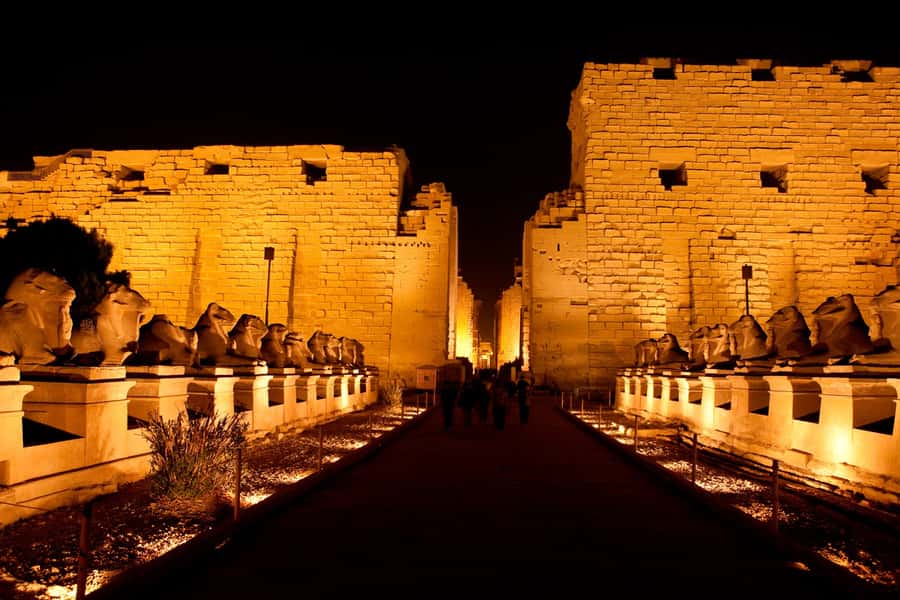
- Karnak Sound & Light Show at night to finish the day with a big-picture story
The flow of this Luxor day: tombs first, then Karnak at night
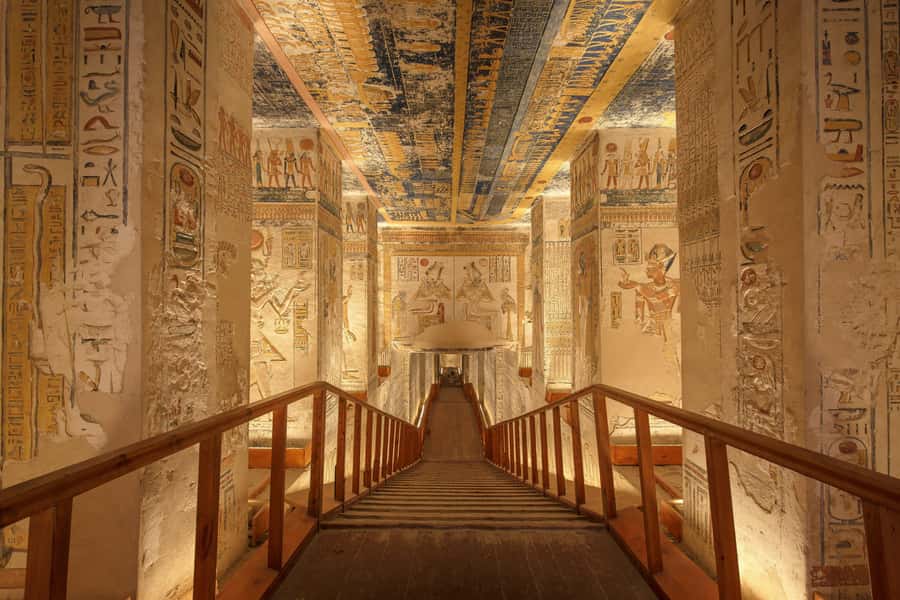
This tour is built around how Luxor makes sense. You start on the West Bank, where the ancient story of death, burial, and the afterlife was acted out with tombs and temples carved into the desert. Then you shift eastward in time, finishing with Karnak after dark when the temple complex is staged with light and sound.
The private format is practical. You’re not stuck timing your pace to a bus group. If you want a few extra minutes to study a doorway, a statue detail, or a terrace line, you can usually work that into the day.
One more thing: the day covers a lot of sacred ground, so wear shoes you can walk in for hours. Your future self will thank you before the heat and sand do their thing.
You can also read our reviews of more private tours in Luxor
Valley of the Kings: painted tombs and afterlife meaning
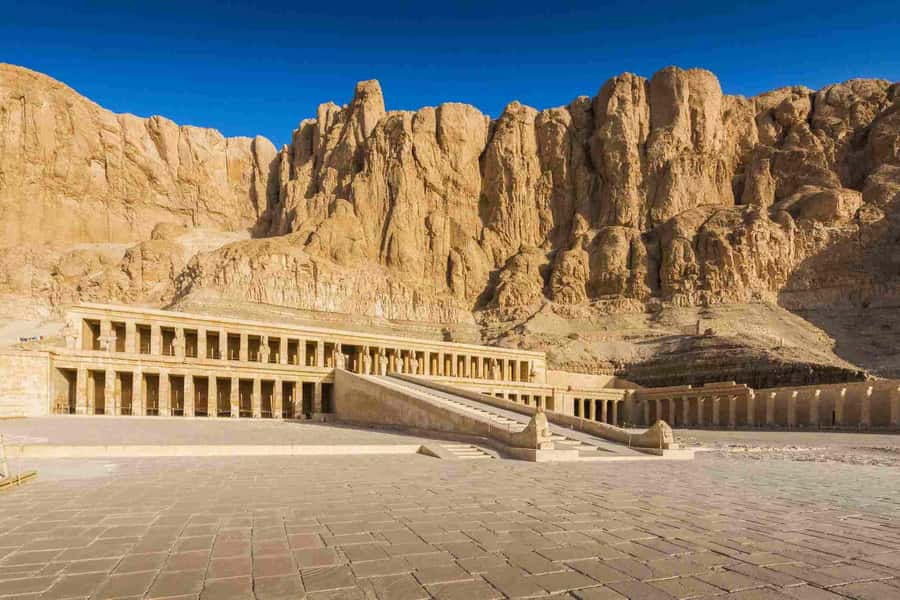
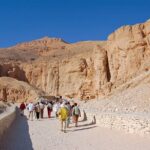
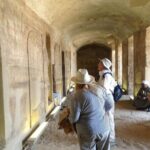
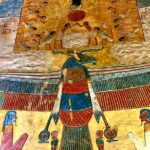
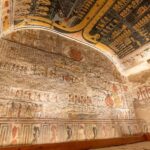
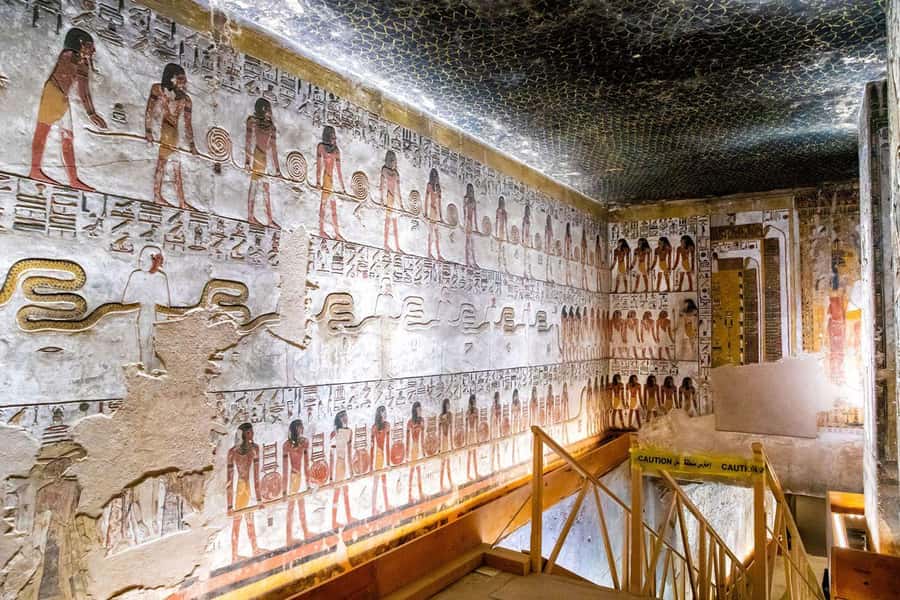
The Valley of the Kings is the main event for a reason. You’ll walk through a selection of royal tombs, and your Egyptologist guide will connect what you see to the ancient Egyptian beliefs about what happens after death.
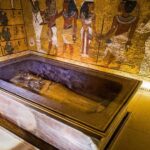
What I like about this stop is that it’s not only about scale. Even though the tombs are long emptied of treasures, the carved walls and ceilings are still the point. You may also see examples where original paint remains on parts of the decorated surfaces, which helps the chambers feel less like museum blanks and more like places made for a living ritual.
Your guide’s job here is hugely valuable. This is where questions naturally pop up: Why did they design these corridors and ceilings this way? What did the elaborate burial chambers mean to the people who commissioned them? With the right guide, those answers turn your walk into something you remember, not just photos you scroll past later.
Temple of Queen Hatshepsut: the terraces that rise from the desert
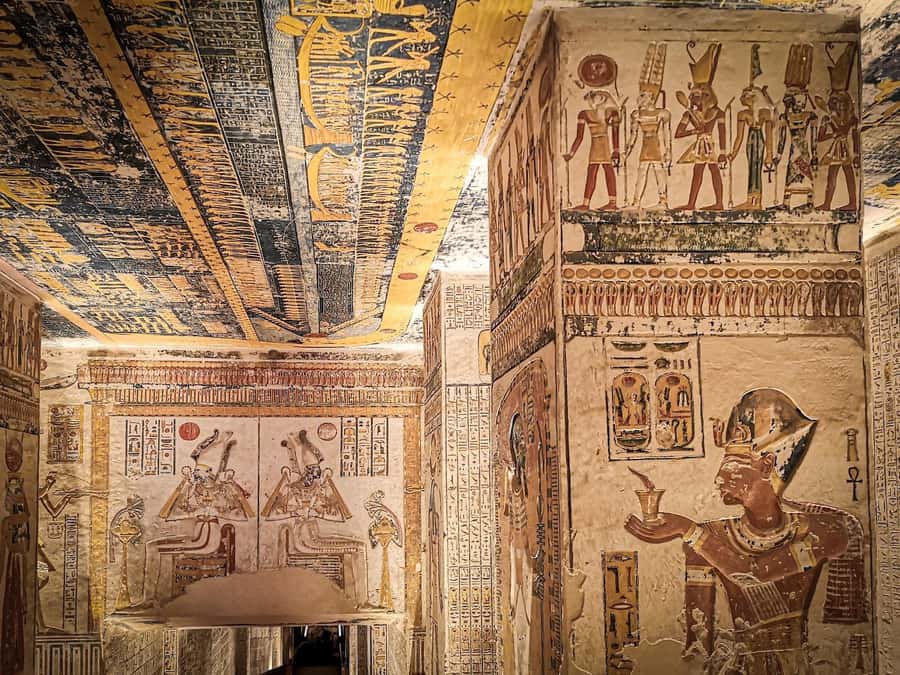
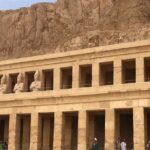
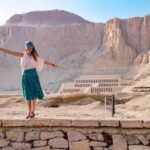
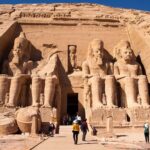
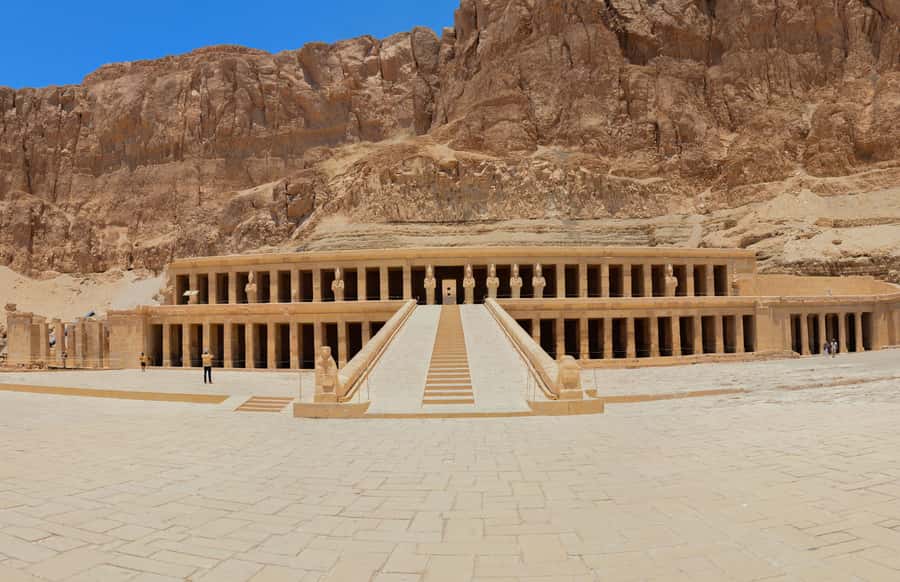
Next comes the Temple of Queen Hatshepsut, tucked into the dramatic cliffs area of Deir el-Bahari. Even if you know the basics about Hatshepsut, seeing her mortuary temple in person lands differently because the architecture does the storytelling.
Hatshepsut’s temple is known for its massive terraces—levels that step up like a slow procession rising from the desert floor into the cliffs. It’s one of those sights where the design makes you pause, because the layout isn’t random. It directs your view and helps you understand the temple’s role in the larger plan of the West Bank.
This is also a great stop for a private guide, because it’s easy to miss nuance if you’re rushing. With time (and the ability to slow down), you can notice how the terraces frame sightlines and how the temple sits against the surrounding stone.
Colossi of Memnon and Amenhotep III: facing the Nile’s old world
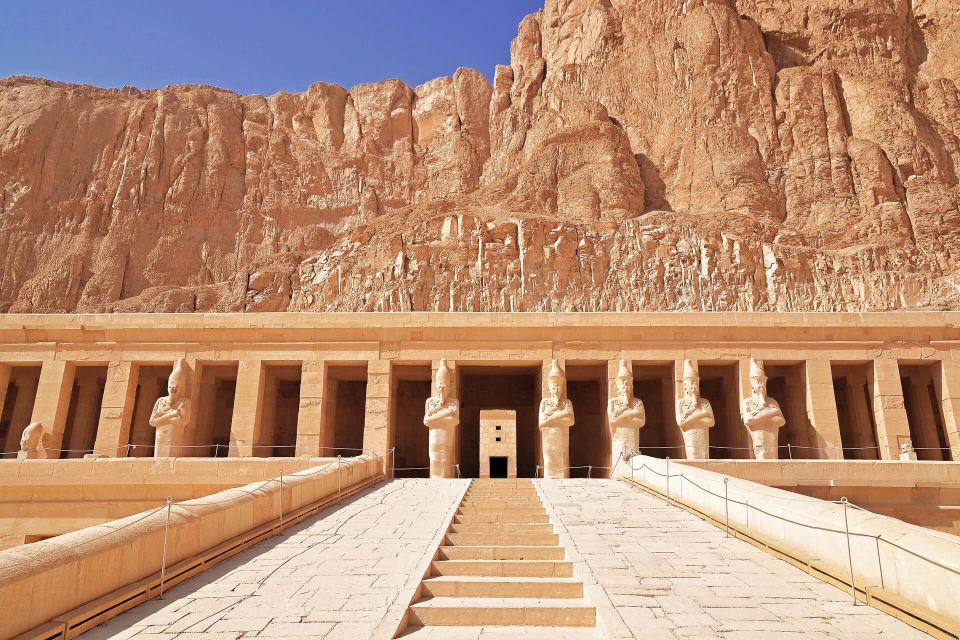
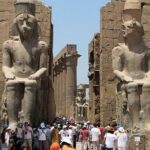
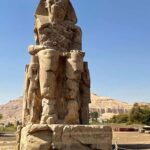
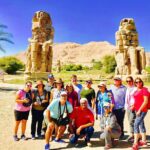
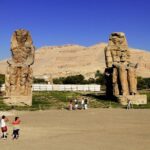
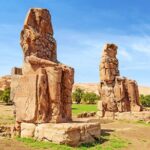
Then you reach the Colossi of Memnon, the towering sandstone statues tied to Amenhotep III. These aren’t small “stop for a quick photo” monuments. They’re big, blunt, and oddly watchful, with that heavy sense of permanence only ancient stone can pull off.
Your guide will connect the statues to the mortuary temple of Amenhotep III, which helps the Colossi feel less like isolated giants and more like part of a functioning sacred space. One of the standout details is the viewpoint: these monuments look across the Nile toward the East Bank, where the ancient city of Thebes once stood. That east-west relationship is the whole Luxor thing, and this stop makes it click.
A smart tip: expect some standing around here while you take in scale. It’s worth it, but plan for it. Heat + lingering + stone all add up.
Lunch in Luxor: a real break, not a fast snack
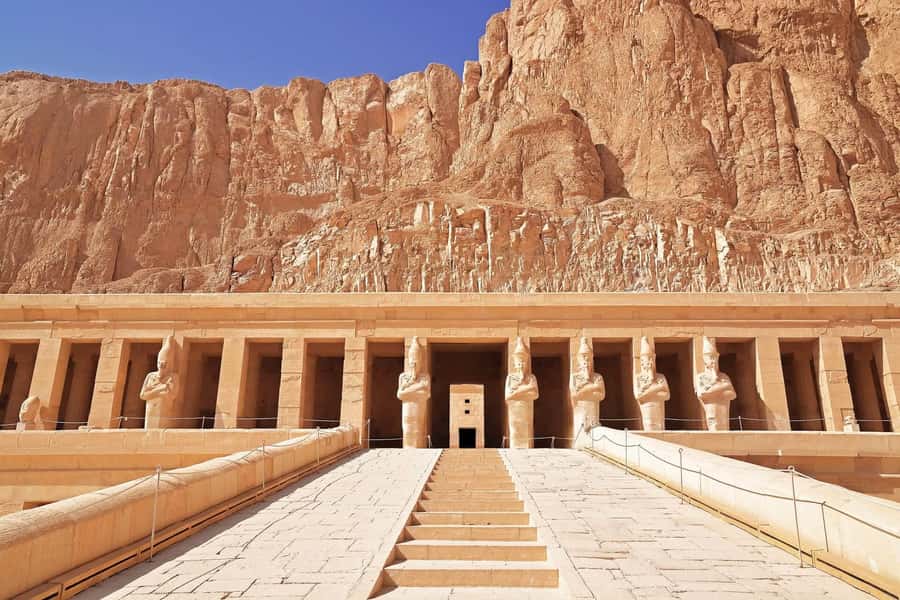
Between monuments, you’ll stop for lunch at a local restaurant. It’s included, so you don’t have to budget for a full meal mid-day, and you get a proper chance to reset.
This is also where I’d encourage you to eat like a traveler and not like a schedule. Take the time to hydrate, try a local tea if it’s offered, and give your feet a breather. In Luxor, that pause can be the difference between enjoying the afternoon and just surviving it.
A few more Luxor tours and experiences worth a look
Karnak Temple Sound & Light Show: how the night changes the story
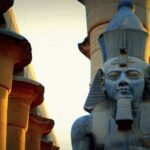
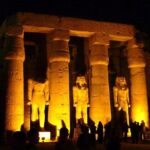
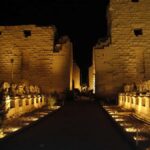
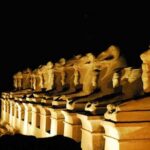
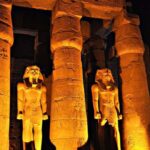
After lunch and some downtime, you’ll return in the evening for the Karnak Temple Sound & Light Show. This part is valuable even if you’ve seen Karnak sights before, because the show flips the experience from walking and reading to listening and watching.
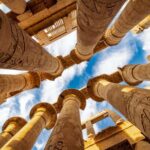
The format is multimedia and designed to take you on a journey through the history of Karnak Temple. You’ll see the temple grounds lit up at night, which turns familiar stone blocks into a stage set. It’s a different way to absorb the place, and it helps you connect the day’s West Bank focus back to the broader religious world of Thebes.
If you’re the type who wants context as you go, this show plays nicely after a day with a guide. Your brain gets to replay the themes—power, worship, legacy—without having to hunt for them in hieroglyphs right then and there.
What makes the private guide worth paying for
The biggest value here isn’t just “private.” It’s the quality and approach of your Egyptologist.
In the real world, the difference shows up fast. You’ll notice it in how your guide explains afterlife beliefs at the Valley of the Kings, how they connect Hatshepsut’s story to the design of the terraces, and how they frame Amenhotep III and the Colossi so the monuments feel related instead of separate.
Some guide styles also include practical pacing. For example, guides such as Jackie and Mina are praised for detailed explanations and for making room for your own time—like giving you space to explore at your pace and take photos without rushing. Another name you might hear is Khaled Galal, described as exceptionally knowledgeable and patient, alongside a helpful driver. On the flip side, there’s at least one cautionary example of an overly pushy upsell style, and a guide who didn’t prioritize walking the sites with the group. That’s not the norm you should want—so treat it as a reminder to clarify expectations early.
Here’s my advice for getting the best version of private:
- Ask your guide how the day will be paced before you start walking each site.
- If you want more site time or fewer side stops, say it upfront.
- If anything feels off, communicate early—don’t wait until you’re stuck in the wrong rhythm.
Price and what to budget beyond the $122
At $122 per person, this tour is aiming at “major sites without logistics stress.” You’re paying for a private car, an English-speaking guide, lunch, and hotel pickup and drop-off in the East Bank. That combination matters. In Luxor, travel time and coordination can drain a day if you’re piecing things together yourself.
That said, don’t assume every fee is fully covered. Entrance fees are included only if the option is selected, and King Tutankhamun’s tomb entry fee is not included. If you want to add that tomb, you’ll need to pay that extra.
Also note the pickup structure. You get pickup and drop-off in the East Bank. If you’re staying in a place that requires West Bank pickup and drop-off, it’s available as an extra cost of $5 per person. That sounds small, but it can decide whether this tour is the cleanest fit for your hotel location.
Dinner isn’t included either. So plan on eating either back near your hotel afterward or continuing with your own plans for the night.
Timing and duration: an 8-hour day that needs stamina
This experience runs about 8 hours, and it includes the evening Sound & Light Show. That means you’re not just visiting monuments; you’re stacking a full schedule across daylight heat and nighttime viewing.
A good strategy is to travel light and keep your day-use essentials easy to reach. You don’t want to dig for sunscreen or your water bottle while standing near priceless stone.
Bring the basics:
- Comfortable shoes
- Sunglasses
- Sun hat
- Comfortable clothes
If you’re someone who hates long sitting breaks, be ready for a day where you’ll move fairly continuously between stops, with a meal and some natural gaps.
Who this tour suits best (and who might prefer a lighter plan)
This tour is a strong match if you:
- Want West Bank highlights in one day with an expert guide
- Like understanding the meaning behind sites, not just collecting images
- Prefer private pacing, with time to ask questions and slow down when something catches your eye
- Want a clean handoff from tombs/temples to a major nighttime experience at Karnak
It may feel like too much if you:
- Get exhausted easily by heat and lots of walking
- Want a very short day or lots of free time away from the itinerary
- Are mainly focused on one single tomb or one single temple and not the full “big picture” arc
Should you book this Luxor private West Bank tour with Karnak Sound & Light?
If you want a high-value, low-stress day that covers the classic West Bank lineup plus a memorable Karnak night show, I’d say it’s a smart booking. The private guide format is what turns the day from sightseeing into real understanding, especially at places like the Valley of the Kings and the Hatshepsut temple.
Book it if you can handle an 8-hour schedule and you’re open to walking and standing in a hot, ancient setting. If you care about adding King Tutankhamun’s tomb, budget for that extra entry fee ahead of time. And if you’re picky about guide behavior, set expectations early so you get the walking time and thoughtful explanations you’re paying for.
FAQ
How long is the Luxor private West Bank tour with Karnak Sound & Light Show?
The total duration is 8 hours.
Where does the tour pick up and drop off?
It includes hotel pickup and drop-off in the East Bank. West Bank pickup and drop-off is available for an extra $5 per person.
What’s included in the price?
You get an English-speaking guide, a private driver, lunch, and hotel pickup/drop-off in the East Bank. Entrance fees are included if the option is selected.
Is entry to King Tutankhamun’s tomb included?
No. The entry fee to King Tutankhamun’s tomb is not included.
What languages are available for the tour guide?
English is available, and Spanish, German, or French guide options are offered as add-ons.
Can I cancel if my plans change?
Yes. You can cancel up to 24 hours in advance for a full refund.