REVIEW · LUXOR
Luxor: All-Inclusive West Bank Tour, Sound & Light Show
Book on GetYourGuide →Operated by Nice Tours · Bookable on GetYourGuide
Luxor is a lot in one day. This 12-hour West Bank tour strings together the big names, from the Valley of the Kings to the Karnak Sound and Light show, with hotel pickup, a private guide, lunch, and a Nile felucca ride that helps reset your brain between tombs and temples.
I really like two things: first, walking into decorated royal tombs with a private Egyptologist guide makes the afterlife scenes make sense instead of just looking impressive. Second, the mix of monumental sites and more personal tombs in the Valley of the Nobles gives you a fuller picture of how elite Egyptians lived and planned for eternity.
One consideration: the day is packed, so if you’re hoping for lots of free time or a long, slow Nile sail, manage expectations. Also, confirm what is included regarding optional tomb choices and the Sound and Light entry, because that’s where people can feel burned if costs or tickets weren’t clear.
In This Review
- Key things to know before you go
- A 12-hour Luxor West Bank day with East Bank hotel pickup
- Valley of the Kings tombs: the afterlife scenes you’ll understand
- Hatshepsut’s Temple: a cliff-carved story of Egypt’s female pharaoh
- Medinet Habu and the Valley of the Nobles: temples of power and quieter lives
- Lunch, then a felucca ride that’s more scenic than long
- Karnak Sound and Light Show: the best way to end a stone-heavy day
- Private guide quality is the whole point (and you can feel it)
- Price and value: $130 that earns its keep when it’s truly all-inclusive
- Common snags to plan around: tomb add-ons and the felucca reality
- Who this Luxor West Bank tour suits best
- Should you book this Luxor West Bank tour?
- FAQ
- How long is the Luxor All-Inclusive West Bank Tour?
- What sites are included on the West Bank?
- Is Luxor Temple included?
- Do I get a guide, and what languages are available?
- Is a French, German, or Spanish guide an extra cost?
- What’s included for meals?
- Does the price include hotel pickup and drop-off?
- Is a felucca ride included?
- What is the cancellation policy?
Key things to know before you go
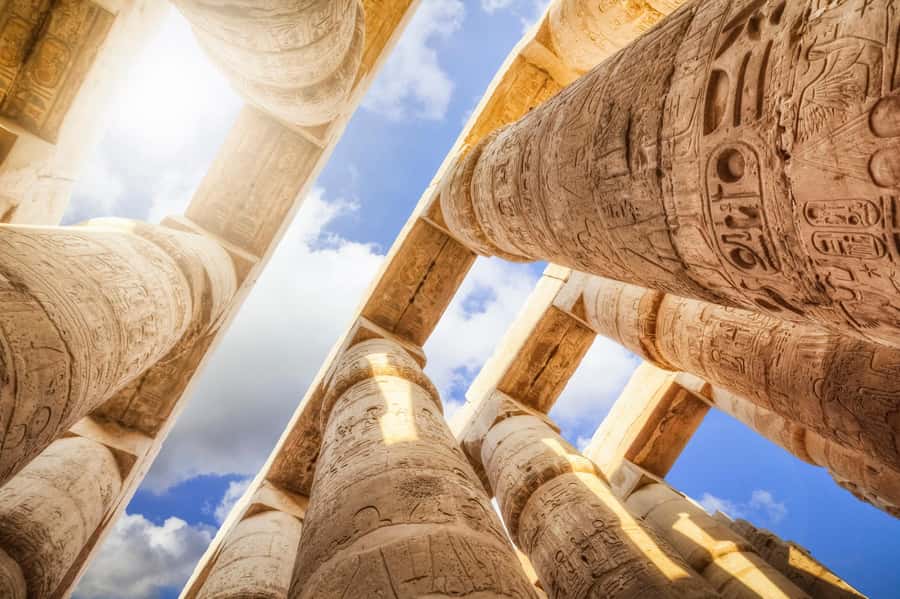
- Private Egyptologist: A guide who can explain what you’re seeing, not just escort you from gate to gate
- Skip the ticket line: Less waiting means more time inside tombs and temples
- Valley of the Nobles: Often more colorful and intimate than the royal burial ground
- Hatshepsut’s mortuary temple: A dramatic cliffside monument tied to Egypt’s most powerful queen
- Felucca ride expectations: Plan for a short scenic sail, not a long cruise
- Karnak Sound and Light: Ruins storytelling with music and narration to close the day
A 12-hour Luxor West Bank day with East Bank hotel pickup
The rhythm here is simple: you’re picked up from your East Bank hotel, cross to Luxor’s West Bank, and keep moving through major sites until the evening show at Karnak. Because it’s a private, air-conditioned vehicle with a dedicated guide, you’re not spending time hunting for taxis or timing your own connections.
This is also a practical tour length. Twelve hours gives you enough time to cover the headliners (royal tombs, Hatshepsut, Medinet Habu) and still fit in the Karnak Sound and Light show that many people treat as the must-do nightcap.
If you happen to be staying on the West Bank, you can request West Bank pickup, but it’s listed as an extra add-on. It’s one of those small details that can save you a headache if you’re not on the East Bank.
A few more Luxor tours and experiences worth a look
Valley of the Kings tombs: the afterlife scenes you’ll understand
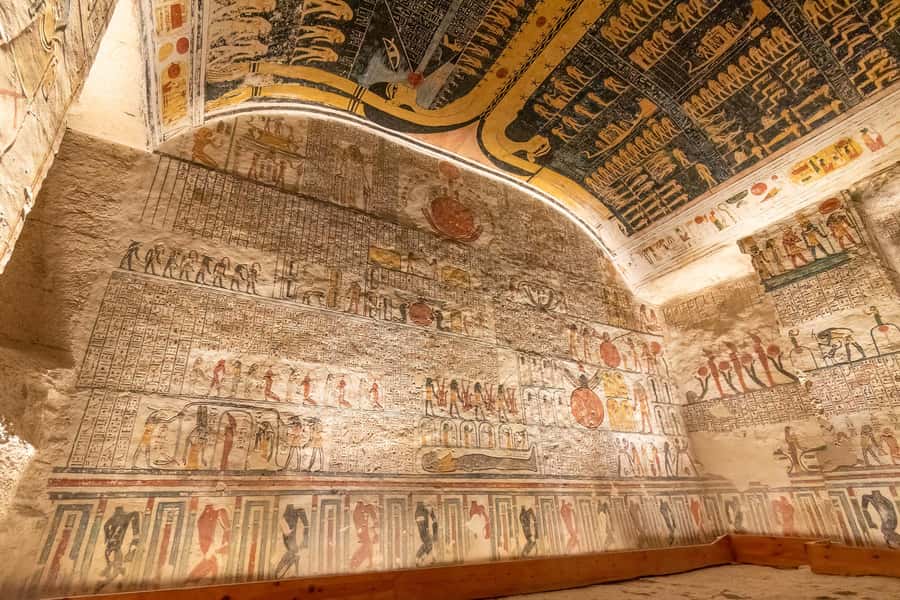
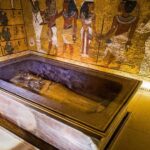
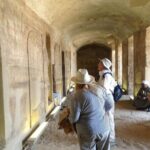
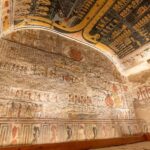
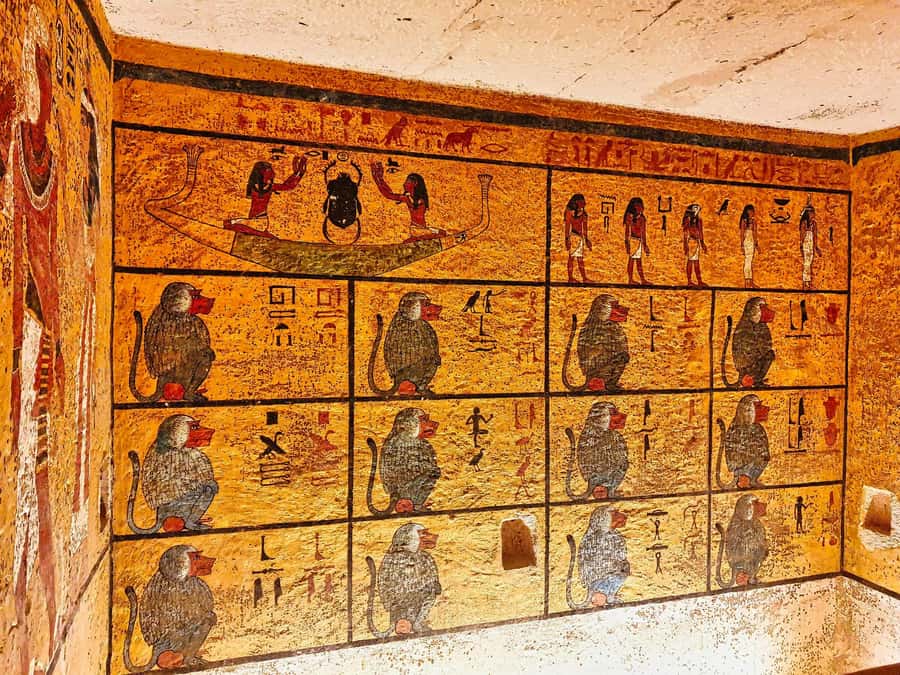
You start at the Valley of the Kings, the royal burial ground for New Kingdom pharaohs. What makes this part work is not just the location, it’s the fact that you actually step inside a selection of elaborately decorated tombs rather than stopping at viewpoints.
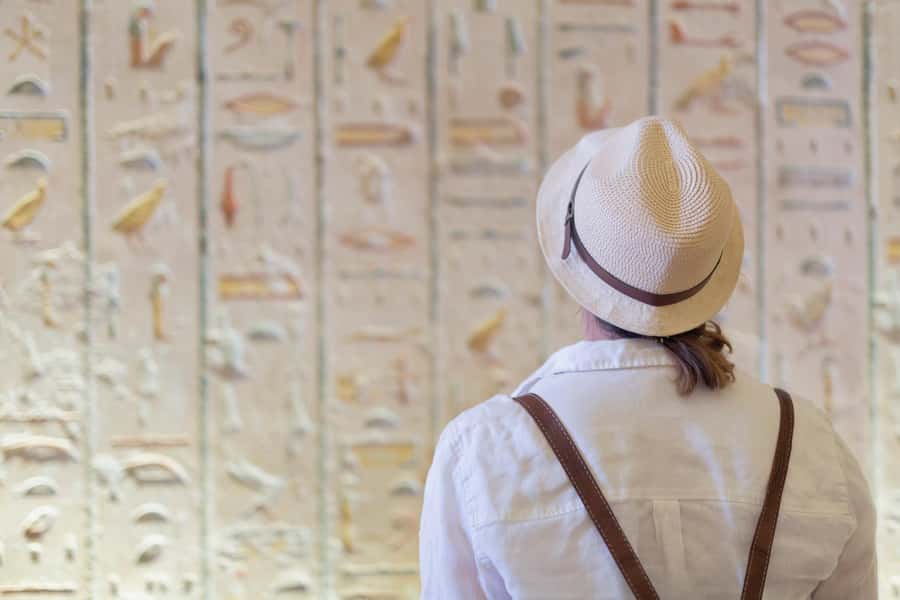
Inside, your guide’s job is huge: you learn how the Egyptians imagined the afterlife, and why the wall scenes and ritual beliefs mattered. Without that context, you’d still see stunning paintings and carved details, but you’d miss the logic of the decoration—what was meant to protect the king, what the scenes were doing, and how the story was laid out.
A quick reality check: these tombs are not built for long lounging. They’re tight, and the lighting can be dim. If you’re the type who loves taking your time with photos, build in a little patience and let your guide steer you toward what’s most meaningful in each tomb.
Hatshepsut’s Temple: a cliff-carved story of Egypt’s female pharaoh
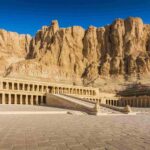
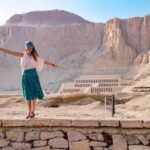
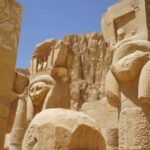
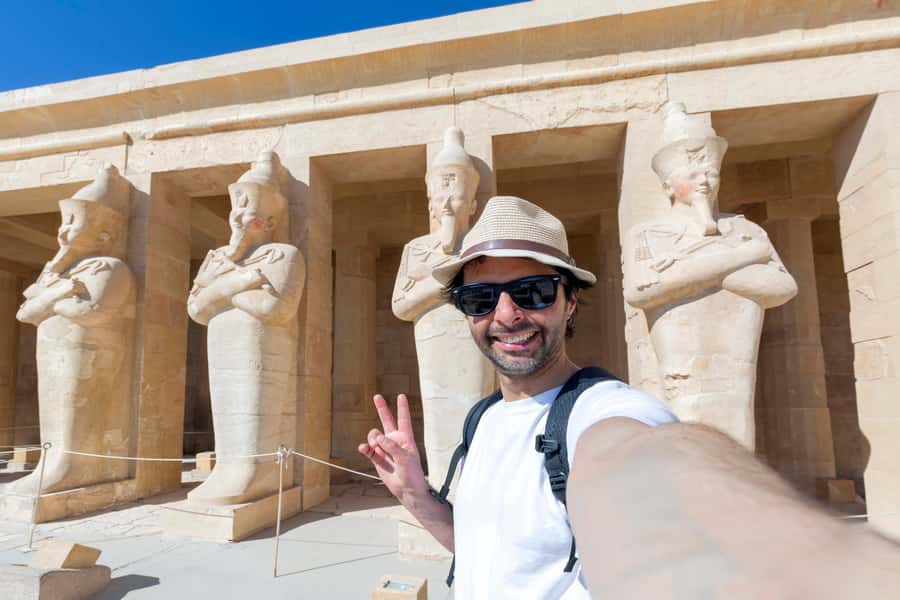
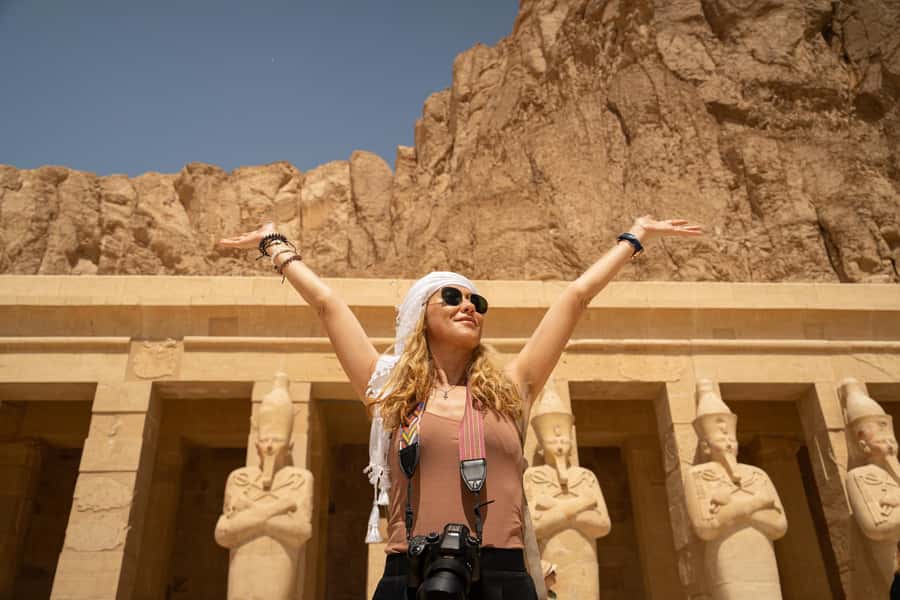
Next is the Mortuary Temple of Queen Hatshepsut, carved into the cliffs of Deir el-Bahari. This stop feels different from the Valley of the Kings because it’s open-air and architectural—less “inside the earth,” more “this ruler wanted her monument to be seen.”
The temple is tied to the story of Egypt’s most powerful female pharaoh, and that narrative is what keeps it engaging. You’re not just admiring stonework; you’re connecting the design to the message behind it, right down to how the temple sits in the landscape.
If you like places that look dramatic from a distance and then reward you up close, this is one of those stops. The carvings and the cliffside setting make it easy to see why it’s one of Luxor’s signature sights.
Medinet Habu and the Valley of the Nobles: temples of power and quieter lives
After Hatshepsut, you move to Medinet Habu, Ramses III’s fortress-like mortuary temple. The feel changes here again: towering entrances and carved walls that tell stories of battle victories and divine power. It’s the kind of temple where you can sense the need to project authority.
Then comes a shift that I really appreciate: the Valley of the Nobles. This is where elite officials and nobles are buried, and the tomb paintings can feel more intimate and colorful than what you see in the royal tombs. In other words, you get personal lives and daily scenes alongside the bigger state propaganda.
This contrast is the secret sauce of the West Bank. It’s not only pharaohs and grand myths. You also see what high-status people planned for, how they wanted to be remembered, and what kinds of scenes mattered to them.
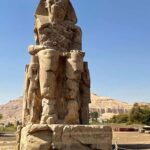
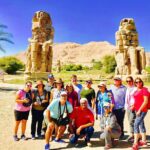
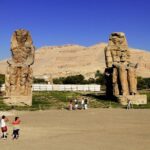
The tour also includes the Colossi of Memnon, two huge statues of Pharaoh Amenhotep III. They’ve stood for more than 3,000 years, and that longevity is hard to ignore when you’re standing in front of them. You’ll also hear about the mortuary temple that once stood behind them, which helps you understand why these two statues survived while the larger complex didn’t.
Lunch, then a felucca ride that’s more scenic than long
You get a break for lunch at a local Egyptian restaurant. It’s scheduled after the major temple-and-tomb sequence, which matters because the day can get physically tiring even if you’re moving in short bursts.
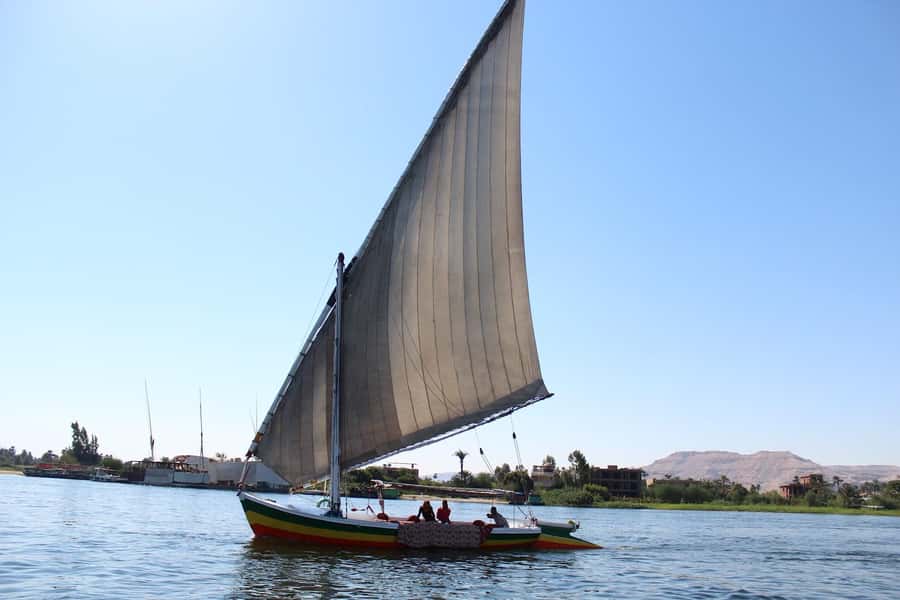
Then you head to the Nile for a traditional felucca ride. Here’s where you should set expectations: the ride can feel more like a short scenic hop than a full-on, hours-long sail. If you’re imagining a classic slow drift with lots of time on the water, plan for something briefer—just enough breeze and river views to reset the mood.
Still, it works. After hours of carved stone and painted walls, the open air and the river pace feel like a breather. If you’re traveling in warm months, that small cooling moment can genuinely make the evening more enjoyable.

Karnak Sound and Light Show: the best way to end a stone-heavy day
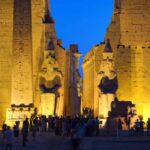
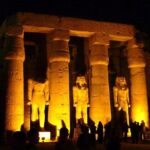
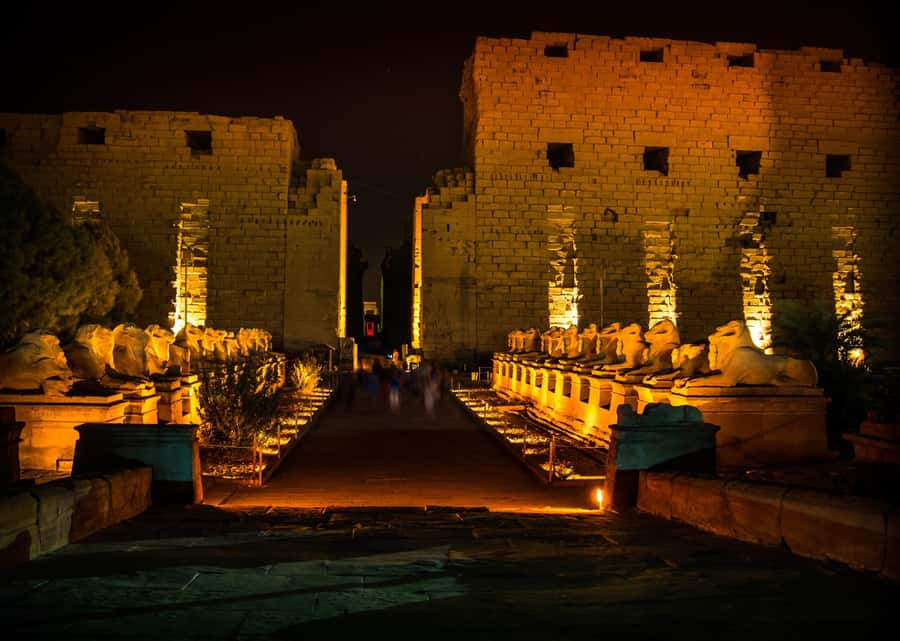
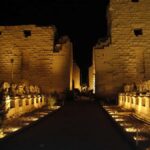
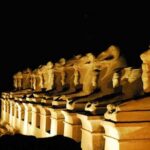
When the sun gets lower, you return in the evening and head to the Karnak Sound and Light Show. The ruins at Karnak are already impressive in daylight, but this version layers music, lighting, and narration to tell the story of ancient Thebes.
I like shows like this for a specific reason: they connect dates, names, and themes into a simple storyline when your brain is already full. After the West Bank’s focus on tombs and temples, the Karnak narration gives you a wider view of how Thebes fits into Egypt’s bigger picture.
One practical note: if you want to avoid any last-minute stress, make sure your show entry is sorted with your tour provider ahead of time. The tour description includes entrance fees, and the show is part of the day’s plan, but it’s smart to confirm what you’re physically holding in hand when you arrive.
Private guide quality is the whole point (and you can feel it)
A private English-speaking Egyptologist guide is included, and that makes this tour much more than a route. When you have someone who can explain what you’re looking at—like the beliefs around afterlife rituals in royal tombs—it changes your whole experience.
The guide names that show up in feedback matter because they hint at the tour’s typical guide style. People have praised guides like Hamdy, Manal, Summer Hilmy, Aladdin, Beshoy, Majed Hassan, and Isa for being helpful, clear, and confident in how they run the day. You don’t need a performance; you need someone who can keep you oriented and explain the why behind the stone.
If you care about history but don’t want to study every artifact before you go, a good guide like this is your shortcut.
Price and value: $130 that earns its keep when it’s truly all-inclusive
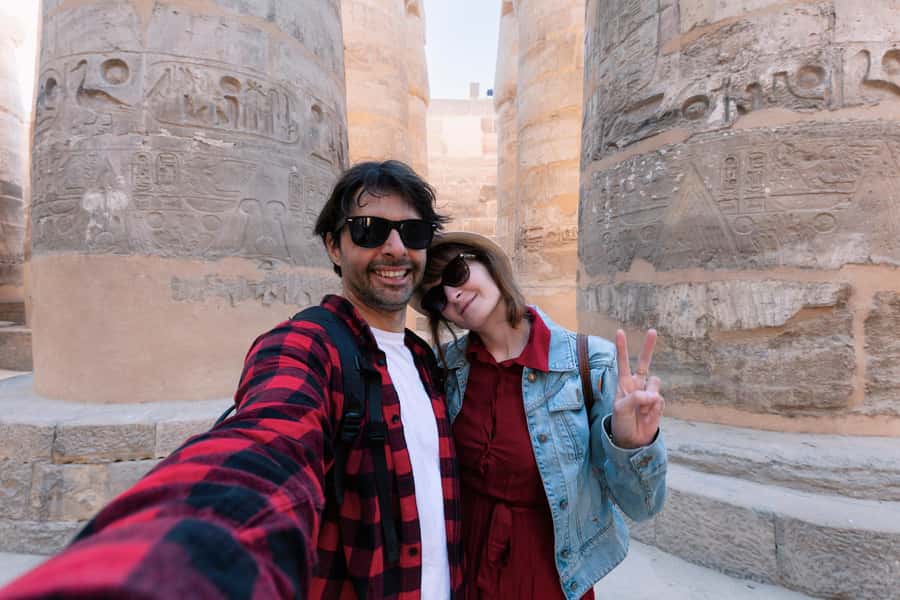
At $130 per person, this isn’t a cheap add-on, but it does cover the parts that usually cost extra on their own. You’re getting private transfers in an air-conditioned vehicle, entrance fees, lunch, hotel pickup and drop-off on the East Bank, the felucca ride, and a professional private guide.
That’s what makes it feel “all-inclusive” in practice: the usual hassle factors—finding tickets, coordinating transport, figuring out timing—are handled. For many people, that value is strongest when they only have one day to cover the West Bank without turning it into a logistics project.
You do want to watch for the add-ons that can change the final bill. The tour lists an extra $65 for a French, German, or Spanish guide option. Also, West Bank hotel pickup is listed as $5 per person if you need it. If you want a smooth day, build those possibilities into your planning before you pay.
Common snags to plan around: tomb add-ons and the felucca reality
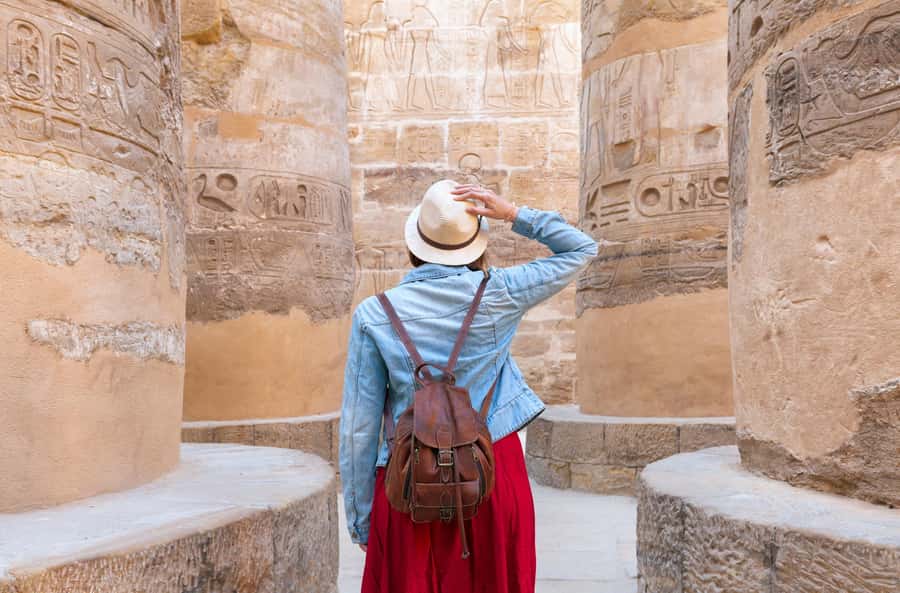
This is the part I’d tell a friend to be ready for. First, some tours allow choosing additional tombs or upgrades once you’re already there. If you see options for extra tombs, ask upfront what’s included and what costs extra, before you commit.
Second, keep in mind that the felucca ride may not match the fantasy of a long, authentic sail. If your goal is a quick Nile break with views and photos, it can be a pleasant stop. If your goal is hours on the water, you’ll likely feel short-changed if you don’t adjust expectations.
Finally, confirm your Sound and Light arrangements. The evening program is a key part of the day, and you don’t want any uncertainty about entry when you’re already tired from a long day of monuments.
Who this Luxor West Bank tour suits best
This tour fits best if you want a structured day on the West Bank and you’re happy to be on the move. It’s ideal for people who want the major sites—Valley of the Kings, Hatshepsut, Medinet Habu, Valley of the Nobles—and also want the Karnak night finale in one package.
It’s also a great match if you like the contrast between monumental pharaonic power and the more human scenes in elite tombs. And if you care about understanding what you see, the private guide component is the real advantage.
If you’re a slow traveler who wants lots of unstructured time, you might find the pace intense. You’ll still get great sights, but the day is designed to cover a lot, not to linger.
Should you book this Luxor West Bank tour?
Yes, I’d recommend it when your priority is a guided, one-day sweep of the West Bank with a strong evening closer. For many people, it’s the most efficient way to see the royal tombs, Hatshepsut, Medinet Habu, and the Valley of the Nobles without building a route yourself.
Book it with two small cautions: confirm upfront whether any tomb choices or upgrades affect price, and make sure your Karnak Sound and Light entry is handled clearly. If you do that, you’ll end the day with the kind of Luxor contrast that’s hard to recreate any other way.
FAQ
How long is the Luxor All-Inclusive West Bank Tour?
It’s listed as 12 hours.
What sites are included on the West Bank?
You visit the Valley of the Kings, Hatshepsut’s Mortuary Temple, Medinet Habu, the Valley of the Nobles, and the Colossi of Memnon. The day also ends with the Karnak Sound and Light Show.
Is Luxor Temple included?
Luxor Temple is not listed as part of the included stops.
Do I get a guide, and what languages are available?
A professional private Egyptologist English-speaking guide is included. The live guide languages listed are Arabic, English, French, German, and Spanish.
Is a French, German, or Spanish guide an extra cost?
Yes. A guide in French, German, or Spanish is listed as $65 extra.
What’s included for meals?
You get lunch at a local restaurant.
Does the price include hotel pickup and drop-off?
Yes, hotel pickup and drop-off in the East Bank are included.
Is a felucca ride included?
Yes. A felucca ride is included.
What is the cancellation policy?
You can cancel up to 24 hours in advance for a full refund.