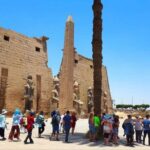
REVIEW · LUXOR
Valley of the Kings Full Day tour in Luxor
Book on GetYourGuide →Operated by Emo Tours Egypt · Bookable on GetYourGuide
Eight hours across both sides of the Nile. That’s what makes this Valley of the Kings full-day tour so appealing: you see the major Luxor hits without feeling like you’re doing a rushed hop-and-skip. I especially like the focused guided time at the Valley of the Kings and Hatshepsut, because it helps you connect what you’re looking at to what it actually was for. The big consideration is simple: it’s a full day, so you’ll spend a decent amount of time traveling between sites even with a private vehicle.
What helps a lot is the people. Guides like Omar, Marawan, Mohamed Hashem, Sam, Adin, and Khaled show up in past groups, and the patterns are consistent: clear explanations, flexibility about stops (including souvenir shopping if you want it), plus help with photos and pacing. One more detail to plan around: you’ll want to keep your expectations realistic for time inside tombs and temples, because the whole day is built around fitting several major landmarks together.
In This Review
- Key things I’d watch for on this Luxor full-day plan
- Why an East-and-West Nile day makes sense in Luxor
- Pickup in Luxor: private vehicle time is your hidden value
- Valley of the Kings: how to make that 1 hour feel like more
- Hatshepsut’s mortuary temple: a royal story told in stone
- Colossi of Memnon: short stop, big visual impact
- Karnak Temple: the scale that needs a guide
- Luxor Temple at day’s end: calmer, more grounded
- Price and value: what $105 is buying you
- Who should book this tour, and who might want a different plan
- Should you book the Valley of the Kings full day East and West tour?
- FAQ
- How long is the Valley of the Kings full day tour?
- What’s included in the price?
- Which sites do you visit?
- Are tips included?
- What languages is the tour guide available in?
- Is this tour wheelchair accessible and private?
Key things I’d watch for on this Luxor full-day plan
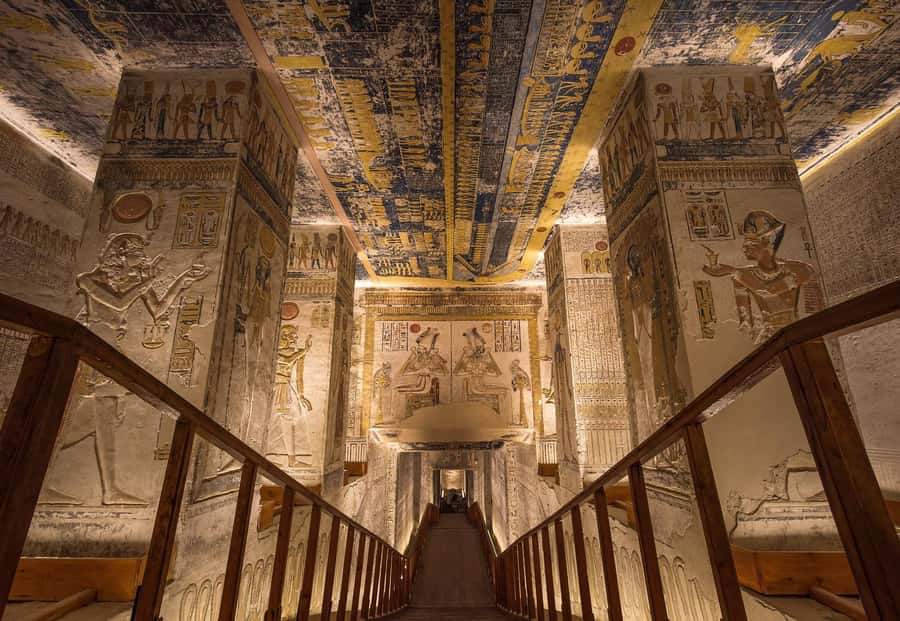
- Valley of the Kings with a guided 1-hour visit so you don’t just wander tomb rooms.
- Mortuary Temple of Hatshepsut (guided 1 hour) for a very different kind of royal story than the tombs.
- Colossi of Memnon (30 minutes) as a quick, striking photo-and-impressions stop.
- Karnak Temple (2 hours guided) to make the massive scale feel understandable, not chaotic.
- Luxor Temple (1.5 hours guided) to close your day with a calmer, more city-centered feel.
- Private transfers plus entry fees and lunch included, so you’re not doing math all day.
Why an East-and-West Nile day makes sense in Luxor
Luxor is unusual in the best way. You get to see two worlds in one town: the “city” side with temples and daily rituals, and the “other side” where royal power was tied to burial and the afterlife. Doing East and West Nile banks on the same day saves you the headache of splitting time across multiple days, which matters when your Luxor window is tight.
I like how this tour is built around contrast. You start with the Valley of the Kings on the West Bank, then shift to temples on both banks, including Karnak and Luxor Temple. That sequence helps you notice how the Egyptians used architecture for different purposes: tomb spaces for eternity, temple spaces for living worship and kingship, and statue monuments that act like long-lasting checkpoints for memory.
The rhythm is also practical. You’re not trying to squeeze in five temples with zero guidance. Instead, you get guided time at the big-ticket sites, which is what turns ancient stone from scenery into a story you can follow. If you’ve ever felt lost in a temple maze, this kind of structure is exactly what fixes that.
A few more Luxor tours and experiences worth a look
Pickup in Luxor: private vehicle time is your hidden value
This tour includes all transfers by a private air-conditioned vehicle and private transportation. That’s not a small detail in Luxor. Heat and time matter, and a comfortable ride helps you stay functional when the day gets busy.
Also, because it’s a private group, you’re not fighting a crowd for the guide’s attention. That usually means you can ask questions without shouting. In past groups, guides have been described as patient and willing to help with timing and photos, which you’ll feel most during transfers and at the less predictable moments, like getting everyone to regroup smoothly.
One more advantage: the tour includes skip-the-ticket-line access. You still plan for site security checks and general waiting, but skipping the long ticket crush means more time where it counts. If you’re traveling with limited daylight, every hour you don’t lose to queues is an hour you can spend looking closely.
Finally, there’s lunch and a bottle of water included. That sounds basic, but in a day like this it’s a real comfort. It helps you avoid the trap of spending the middle of your sightseeing day hunting for food and then rushing through stops because you’re hungry and tired.
Valley of the Kings: how to make that 1 hour feel like more
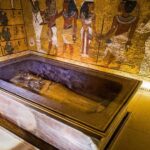
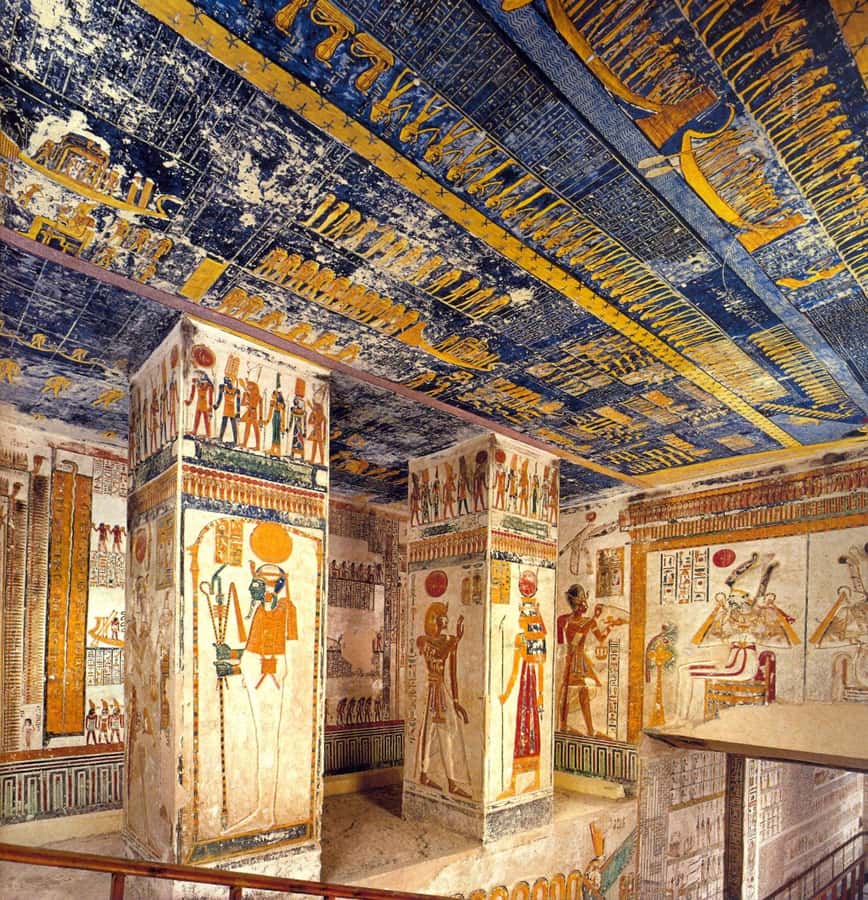
The Valley of the Kings is the headline stop for a reason. Even if you know the names of pharaohs, the experience hits differently when you’re standing in the place the tombs were meant for. The key here is that you get a guided tour for 1 hour, not a quick walk-by.
With guidance, you’ll get the context that keeps everything from blending together. In Egypt, wall paintings, architecture, and burial symbolism can feel like visual clutter if you don’t know what you’re looking at. A good guide helps you focus on the themes that matter, and you start recognizing patterns instead of just counting rooms.
You’ll also want to plan for the practical side. Tomb visits can be physically tight and cooler inside, so wearing comfortable shoes is a must. Bring a light layer, especially if you’re sensitive to temperature changes. The Valley stop is only about an hour, so if you tend to like lingering at every detail, you’ll need to be selective and trust the guide’s pacing.
One thing I love about how this day is structured: it doesn’t overstuff the Valley with extra stops right after. You move onward to Hatshepsut and then the Colossi, which prevents the classic problem of ending your “big moment” and feeling like you’re already too tired to enjoy the next thing.
Hatshepsut’s mortuary temple: a royal story told in stone
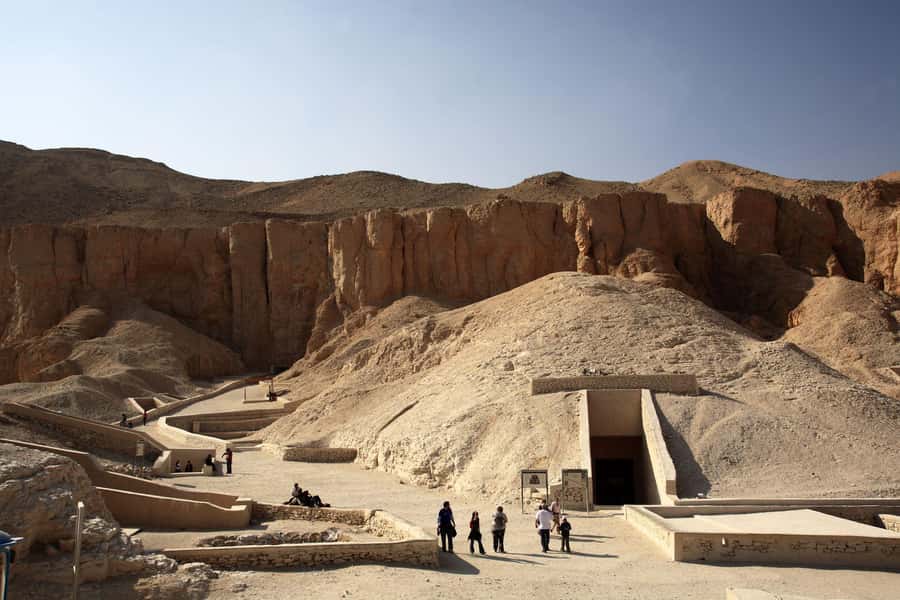
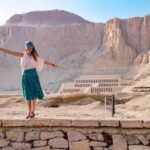
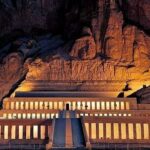
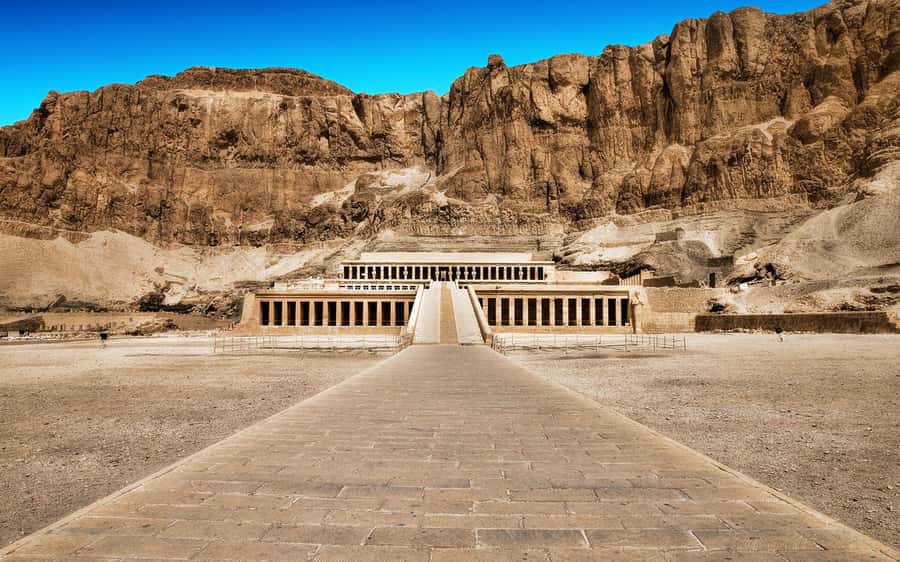
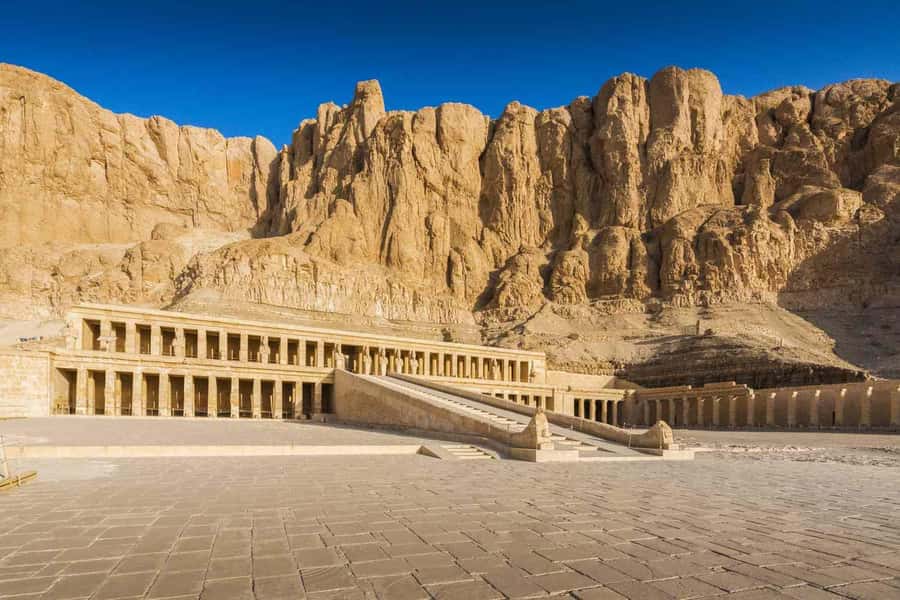
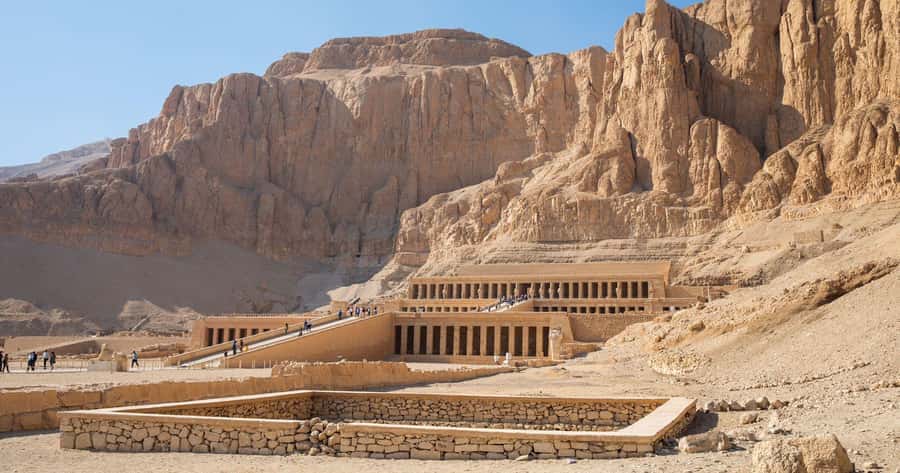
Next up is the Mortuary Temple of Hatshepsut, with a guided visit for about 1 hour. This is a smart pairing with the Valley of the Kings because it shifts the mood. Instead of focusing on burial interiors, you get a monumental setting tied to a ruler’s legacy and worship.
Hatshepsut’s story is often what people remember after Luxor. Even if you only catch the basics, the architecture is designed to communicate power and legitimacy. With a guide, you can connect the dots between royal messaging and the way the temple is laid out, so it doesn’t feel like you’re just viewing impressive structures.
This is also one of the best times to ask questions. If your guide is the kind who explains the sacred ideas behind kings and gods, this is where the explanations usually start clicking. In past groups, Sam was praised for helping guests understand Egyptian sacred gods and kings, and that kind of narration really works well at a temple like this.
Potential drawback? Timing. Because this is a full-day itinerary, you’re getting about an hour here. If you’re the type who loves slow wandering, you might want an extra trip back later. But for most people, guided time is the sweet spot: enough to understand, not enough to burn your whole day.
Colossi of Memnon: short stop, big visual impact
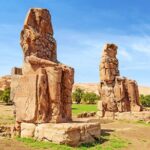
After Hatshepsut, you’ll hit the Colossi of Memnon for around 30 minutes. This is one of those stops that’s brief but memorable. Two giant statues can look almost surreal in person, especially when you realize they were built to last and to represent royal authority across time.
Because the time is limited, treat it like a photo-and-impressions checkpoint. Don’t over-plan. Wear your walking shoes, get your best angles early, and let the guide’s context fill in the why behind the what.
Also, this is a good place to reset. By the time you reach this stop, you’ve already started your day with the Valley. A shorter stop here helps you avoid the burnout that can happen when every location is “must-see” for hours.
If you like taking photos, pay attention to how your guide handles it. Mohamed Hashem was specifically mentioned for taking wonderful photos and for being proactive about the group’s preferences. That sort of help makes a difference when you’re trying to get shots without blocking other visitors.


Karnak Temple: the scale that needs a guide
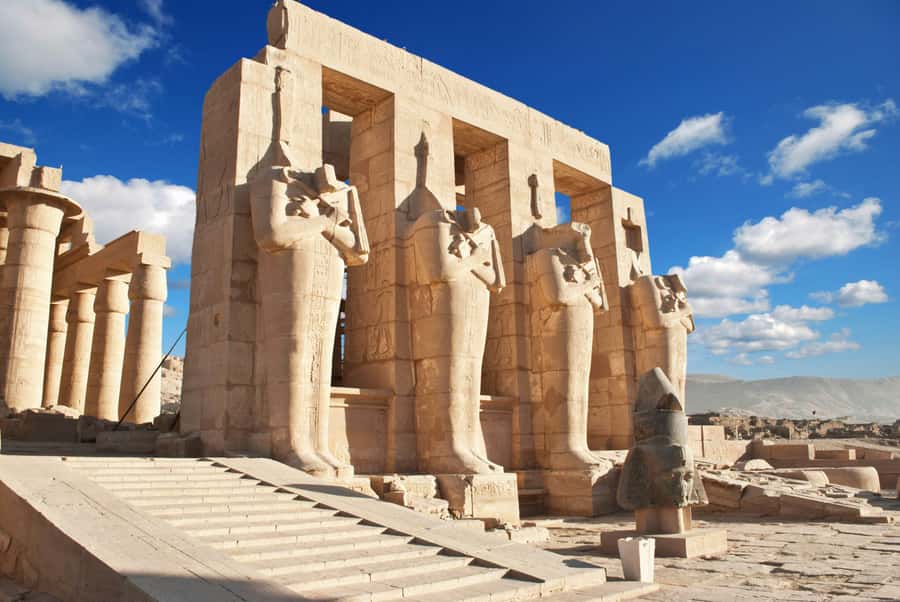
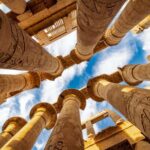
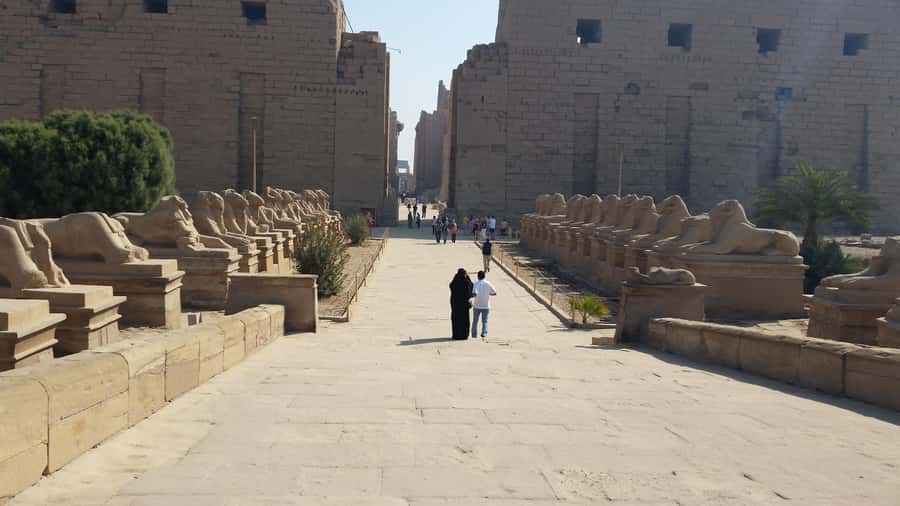
Then comes Karnak Temple, where you’ll spend about 2 hours on a guided visit. Karnak is where scale can overwhelm you. You walk into a complex that feels like it keeps going, and without guidance it’s easy to end up mentally lost.
With a guide, you can turn that chaos into a clear route. You’ll learn what to look for first, how different sections relate to different eras or worship purposes, and what the overall layout is trying to communicate. That’s why I think Karnak is one of the best uses of guided time in the whole schedule.
This is also one of the best moments to lean into questions. If your guide explains the roles of kings and sacred beliefs, Karnak is a great place to connect those ideas to physical spaces. You’ll often walk away understanding not only what the temple is, but why it was built the way it was.
One small practical note: even with a guide, Karnak is a lot of walking. Bring water (you get a bottle included) and plan a slow pace. The guide can help you time rest breaks and keep the visit moving without rushing your understanding.
Luxor Temple at day’s end: calmer, more grounded
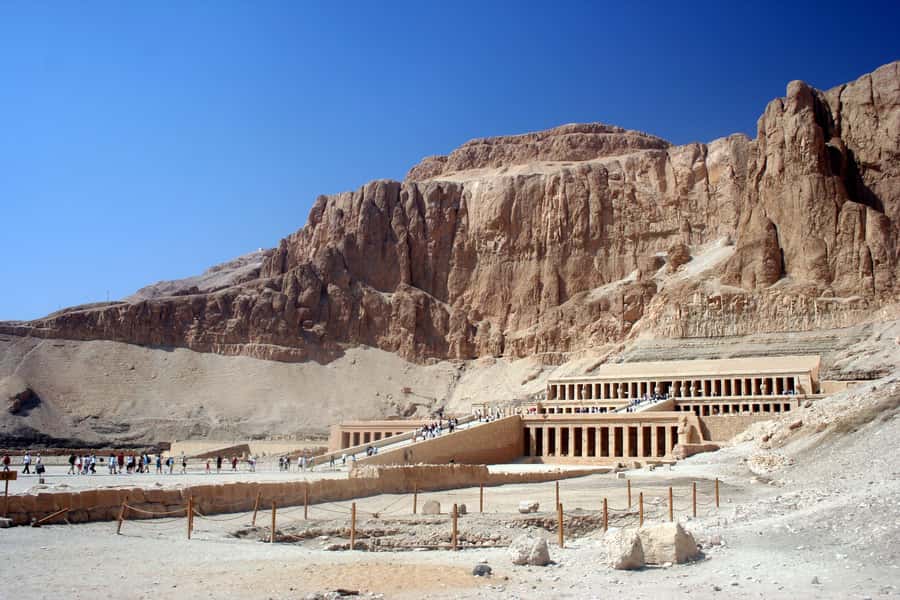
Finally, you’ll visit Luxor Temple with about 1.5 hours guided. This stop is a nice close to the day because it’s more city-centered than the West Bank tomb experience. It gives you a sense of Luxor as a living place that hosted worship and ceremonies, not only burial.
By the time you arrive here, you’ll likely be tired in the normal sightseeing way. The good news is that Luxor Temple’s atmosphere helps you slow down a bit. You can use this last portion to focus on observations: how the temple reads as a complete space, how it contrasts with Karnak, and what themes repeat from stop to stop.
In past experiences shared with this tour style, guides have been willing to coordinate small preferences, like whether to stop for souvenirs. So if you’re the type who wants to shop at the end rather than interrupt earlier momentum, plan to ask at this stage. It’s often easier when everyone’s already wrapped up the major monuments.
Price and value: what $105 is buying you
At $105 per person for an 8-hour day, the value mainly comes from the package structure. You’re not just paying for entry. You’re paying for:
- Entry fees for the sites included
- A tour guide (English, Spanish, German, Arabic)
- Lunch plus a bottle of water
- Private air-conditioned transfers and transportation
- Skip-the-ticket-line access
- Pickup and return within Luxor
When you add up how long these visits take, paying a single rate can be easier than trying to self-plan your own route across East and West banks with separate tickets, separate guides, and more time spent coordinating. You also reduce the stress of timing, because the day has a clear flow and durations for major stops.
One thing to budget for: tipping is not included. That doesn’t mean you have to tip huge amounts. It just means you should plan to carry a little extra cash so you’re not scrambling at the end.
Who should book this tour, and who might want a different plan
I think this works best for people who want a structured “greatest hits” day with real guidance. If you’re seeing Luxor for the first time, or if you only have one day to allocate to temples and the Valley of the Kings, this is a strong match. The private group setup also suits people who don’t want to feel like they’re part of a moving herd.
It may be less ideal if you prefer ultra-slow museum-style pacing. The Valley gets about an hour, Hatshepsut about an hour, Karnak two hours, and Luxor Temple about 1.5. That’s excellent for most people, but if you tend to linger a lot longer than average, you’ll feel the compression of time.
If you love photography, you’ll probably appreciate how guides in past groups helped with pictures, including Mohamed Hashem’s focus on photo-taking and safe, steady driving. If you’re traveling with someone who needs flexibility, a private guide can also help adjust pacing when it’s needed.
Should you book the Valley of the Kings full day East and West tour?
If your goal is to see Valley of the Kings, Hatshepsut, Colossi of Memnon, Karnak, and Luxor Temple in one day without organizing transport, entry fees, and a guide yourself, I’d say yes. The value is in the full package: private air-conditioned transfers, entry included, lunch included, and guided time at the biggest sites.
But if you’re easily tired by packed schedules, or you know you want long, quiet wandering with no pressure, you might consider a slower alternative with fewer stops. For everyone else, this is a solid Luxor day: efficient, guided where it matters, and built to help you leave with more than just photos.
FAQ
How long is the Valley of the Kings full day tour?
The tour duration is 8 hours.
What’s included in the price?
Transfers by a private air-conditioned vehicle, private transportation, entry fees, a tour guide, lunch, and a bottle of water are included.
Which sites do you visit?
You visit the Valley of the Kings, Mortuary Temple of Hatshepsut, Colossi of Memnon, Karnak Temple, and Luxor Temple.
Are tips included?
No, tipping is not included.
What languages is the tour guide available in?
The live tour guide is available in English, Spanish, German, and Arabic.
Is this tour wheelchair accessible and private?
Yes. It is wheelchair accessible and it’s offered as a private group.