REVIEW · LUXOR
5-Day Nile Cruise From Luxor to Aswan with Hot Air Balloon
Book on Viator →Operated by Egypt 24 Tours · Bookable on Viator
Start with the Nile, then fly over it. This Luxor-to-Aswan cruise blends big ancient sites with a sunrise hot air balloon over Luxor, plus calm deck time for real downtime. I also like that the trip uses an English-speaking guide on excursions, so the temples make sense instead of turning into random piles of stone.
I especially appreciate the pacing: you get key East Bank and West Bank sights early in the journey, then work your way down the river to Edfu and Kom Om Ombo, and finally hit the long-day highlights around Aswan. On top of that, the onboard routine is built around full board, with breakfast, lunch, and dinner included across multiple days, plus comfortable cabins.
One thing to consider: the big sightseeing days mean long museum-style walking and a very early start for the balloon. If you hate early mornings or you’re prone to fatigue, plan to keep your expectations realistic and save extra energy for the evening deck.
In This Review
- Key highlights worth planning around
- Why this Nile cruise route feels easier than bouncing city to city
- Hot air balloon over Luxor at sunrise: the start that sets the tone
- Luxor East Bank: Karnak, Luxor Temple, and papyrus craft at the Papyrus Institute
- West Bank tomb country: Valley of the Kings, Hatshepsut at Deir el Bahari, and Colossi of Memnon
- Edfu and Kom Ombo temples: where guided stories really pay off
- Abu Simbel plus Aswan High Dam and Philae: the long southern push
- Nubian Village and Aswan Botanical Garden: a softer ending on the river
- Boat comfort, food, and deck time on the Nile
- Price and value: what $799.33 buys in real-world terms
- Logistics you should know before you go
- Who should book this cruise (and who should pause)
- Should you book? My call
- FAQ
- What’s the start time for this tour?
- How long is the cruise, and how many nights are you onboard?
- Are pickup and transfers included?
- What’s included in the price?
- Are entrance fees included for all the stops?
- Is this tour private or shared?
- Do I need to tip the guide or driver?
- What if I want a single room?
- What’s the cancellation window for a full refund?
Key highlights worth planning around
- Sunrise hot air balloon over Luxor for that first, awe-filled view from above
- East Bank temples in Luxor with Karnak and Luxor Temple plus papyrus know-how at the Papyrus Institute
- West Bank classics: Valley of the Kings, Hatshepsut at Deir el Bahari, and the Colossi of Memnon
- Edfu and Kom Ombo temples with standout carvings and stories from your guide
- Abu Simbel day plus Aswan High Dam and Philae Temple on the river’s southern end
- Nubian Village color and Aswan Botanical Garden for a slower, more local finish
Why this Nile cruise route feels easier than bouncing city to city
Doing southern Egypt as a river cruise is basically the travel “life hack” for people who want the wow without the chaos. Instead of checking into hotels and swapping taxis all day, you stay on the Nile. The days are structured around tours, then you return to the boat for meals and rest.
I like that this route focuses on the sights people actually come for: Luxor’s temple complexes, the West Bank tomb zone, Edfu and Kom Ombo, and then the Aswan area with Abu Simbel plus Philae. The result is a trip where you can connect the dots between eras, not just snap photos and move on.
And yes, the deck time matters. More than one part of this experience is designed around those Nile moments when you can exhale. Even simple pleasures like sitting outside with a drink while the light changes across the water can feel like a real reward after a long day of temples.
You can also read our reviews of more boat tours in Luxor

Hot air balloon over Luxor at sunrise: the start that sets the tone
The balloon ride is the headliner in the itinerary name, and the vibe around it is very clear: this is your early-morning “wow” moment. You go up at sunrise, looking down on Luxor’s landmarks while the day is still cool enough to feel good.
If you’re thinking about whether it’s worth the effort, I’d say yes, because it changes how you understand the whole trip. From above, Luxor’s geography makes more sense: temple clusters, the river bend, and the way the city spreads out between water and desert. It’s the kind of view that turns later visits into a kind of visual scavenger hunt.
Practical note: balloon mornings usually mean you’ll be up and ready before most people’s breakfast. Bring water, protect your skin from the sun once you land, and don’t plan on sleeping in right afterward.
Luxor East Bank: Karnak, Luxor Temple, and papyrus craft at the Papyrus Institute
Day 1 centers on Luxor’s East Bank, where the ancient rulers built for power, worship, and spectacle. The East Bank tour starts with pickup in Luxor from wherever you’re staying, then lunch, then your temple time.
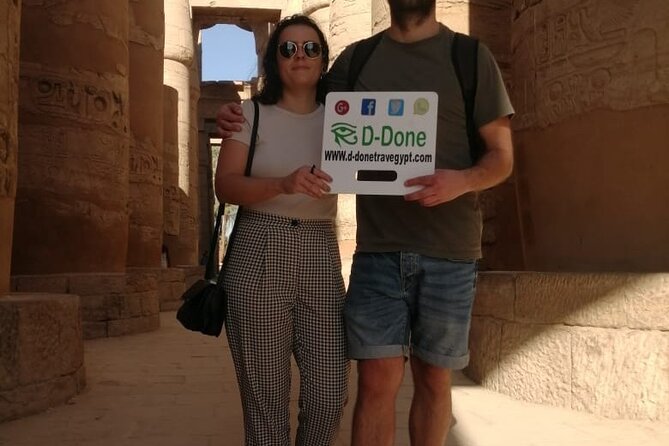
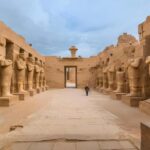
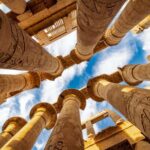
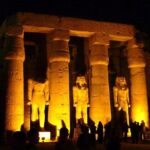
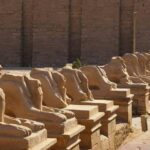
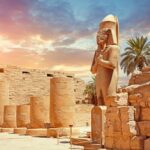
Karnak Temple Complex is the main event. It’s not one building; it’s a whole network of pylons, chapels, and temple spaces that feel like you’re stepping into a history lesson written in stone. You’ll get guided context, which is crucial here because Karnak can feel overwhelming if you’re trying to read it alone.
Then you’ll visit Luxor Temple, another anchor site in town. Together, Karnak and Luxor Temple give you a “before and after” feel for Egyptian temple design and layout. You start to see patterns: processional routes, sacred spaces, and how symbolism was built into the architecture.
The Papyrus Institute visit adds a hands-on cultural angle. Papyrus isn’t just a trivia fact; it’s part of how Egypt recorded and shared knowledge. You learn about the plant that produced ancient paper and what goes into the artistry behind it. It’s the kind of stop that breaks up the nonstop stone-and-column routine, and it’s also just a nice change of pace.
Back on the cruise, you’ll transition into overnight stay in Luxor, setting you up for the West Bank day next.
West Bank tomb country: Valley of the Kings, Hatshepsut at Deir el Bahari, and Colossi of Memnon
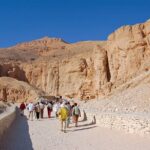
Day 2 takes you to the West Bank, the place where tombs and mortuary temples turned burial into a long-lasting statement. The first stop is the Valley of the Kings, a rock-cut tomb area used for generations of pharaohs and elite nobles. Even with just a guided tour, you’ll start to understand why this site mattered so much. It’s not random digging; it’s a planned landscape of commemoration.
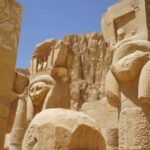
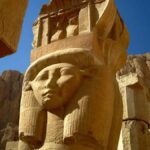
After that, you visit the mortuary temple of Hatshepsut at Deir el Bahari. This is one of those sites where your guide’s explanations make the architecture click. It’s a masterpiece of design from the reign of Hatshepsut, and the temple’s positioning across from Luxor helps you feel the “riverside-to-ritual” connection.
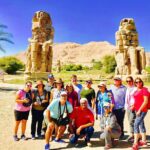
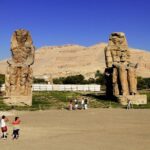
Then the Colossi of Memnon provide a different kind of impact: two colossal stone statues that once belonged to a larger mortuary complex. Even if you don’t know the full backstory, the sheer size does the talking. They’re a strong visual break from the tomb focus, and they help you reset your brain for whatever comes next.
This West Bank day is a lot of walking, plus heat. Pace yourself. Drink water. And don’t pack your day with extra shopping goals right after tours, because your feet will vote on that for you.
Edfu and Kom Ombo temples: where guided stories really pay off
Day 3 brings you to the Temple of Horus at Edfu, a major Egyptian temple on the Nile’s west side of the river in Edfu. What I like about this stop is the combination of time and guidance. A temple like this rewards patience, and your English-speaking guide helps you connect symbols and carvings to the bigger religious story.
Then you continue to Kom Ombo, famous for its unusual double-temple concept: parts of the complex connect to different deities. It’s a site you feel in two ways. First, it’s visually distinctive. Second, it’s intellectually satisfying because you’re not just looking at one narrative.
The timing also matters. After a day like the West Bank, the Edfu and Kom Ombo day keeps the momentum without repeating the exact same “type” of sightseeing. It’s still temples, but the feeling is different, and the guide can shift the interpretation from royal tomb world to temple world.
By the time you’re back onboard, you’ll likely appreciate the quieter rhythm again: meals, deck time, and the slow movement of the Nile.
A few more Luxor tours and experiences worth a look


Abu Simbel plus Aswan High Dam and Philae: the long southern push
Day 4 is the kind of day you remember because it feels big from start to finish. The schedule includes a long transfer time to Abu Simbel, about 230 km southwest of Aswan and near the border with Sudan. Abu Simbel is made of two massive rock-cut temples, and the scale hits fast.
This is also your “mark it on the map” moment. When you look at the Nile route across Egypt, Abu Simbel feels like the far edge of what you thought was possible. It’s not just a detour; it’s a centerpiece.
After Abu Simbel, you move into Aswan’s modern-meets-ancient conversation with the Aswan High Dam. This isn’t a temple stop, but it’s still part of the story of Egypt’s relationship with the river. The High Dam was built between 1960 and 1970, and when it was completed it was the tallest earthen dam in the world. You’ll see how big infrastructure shaped what’s possible along the Nile.
Then you go to Temple of Philae, an island-based temple complex downstream of the High Dam and Lake Nasser, in the reservoir connected to the Aswan Low Dam. It’s a visually interesting contrast to Abu Simbel: a different site feel, but still strongly tied to water and power.
If you’re sensitive to long days, this is the one to watch. It’s a lot of driving and a lot of standing. Bring a light layer for air-conditioned vehicles, and save your shopping and extra stops for another day.
Nubian Village and Aswan Botanical Garden: a softer ending on the river
Day 5 slows down in a good way. You start with time in the Aswan area around Nubian Village. Nubian communities are known for distinct traditions and languages, and this stop is meant to give you a sense of how people live beyond the big monuments. You’ll see the bright colors and learn how the villages developed historically around farming along the Nile.
Next comes the Aswan Botanical Garden, maintained on Kitchener’s Island as a garden after a period when it was used as a place for rest. It’s a calmer stop, and it can be a relief after days of structured tours and heat.
This last day is a nice “breather” before you head back home. It also makes a difference emotionally: you’re not ending on another large ticket site. You’re ending with people and a quiet place to stroll.
Boat comfort, food, and deck time on the Nile
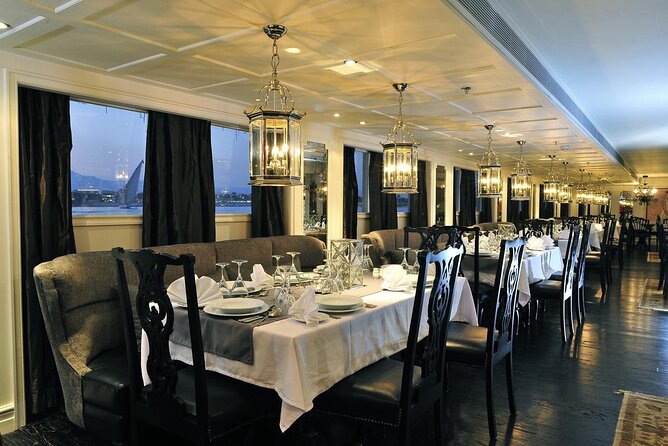
The cruise includes four nights of onboard accommodation and full board on a FB basis. That means you’re not constantly finding meals or worrying about budgeting every day. You’ll have breakfast, lunch, and dinner included across multiple days, with breakfast (4), lunch (4), and dinner (4) listed.
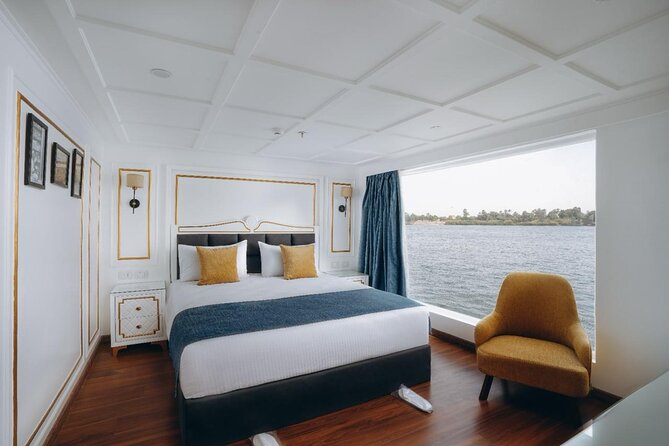
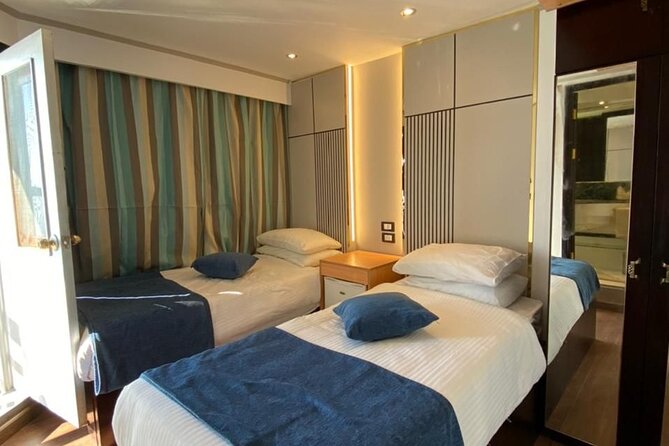
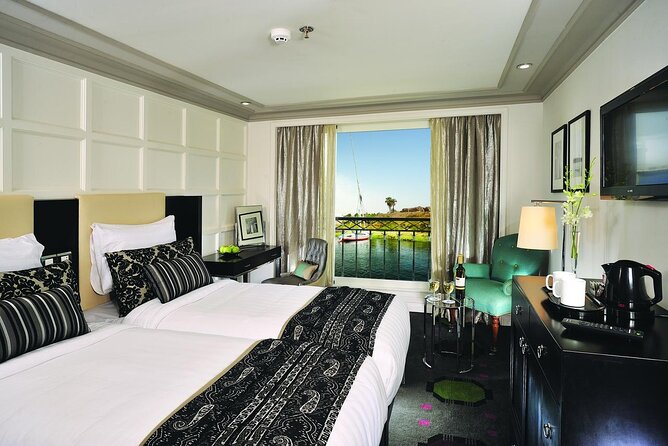
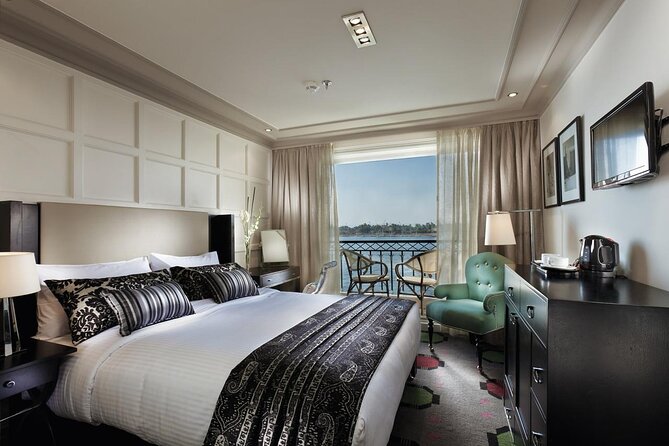
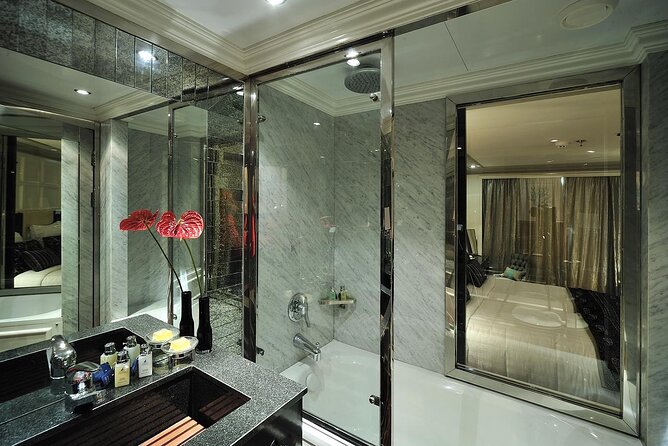
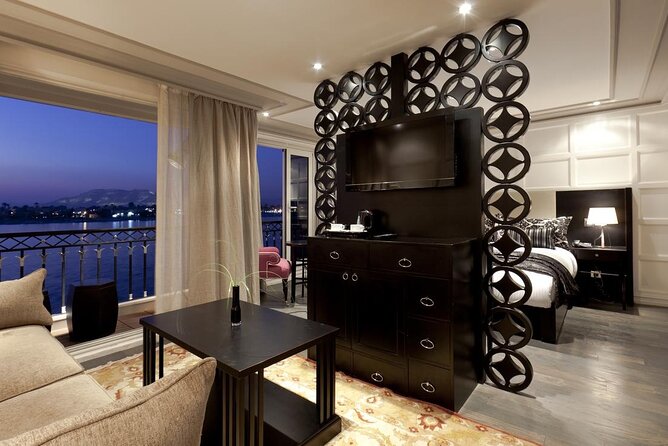
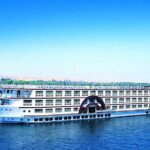
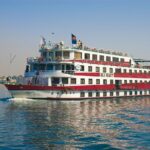
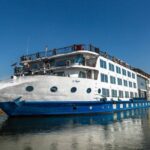
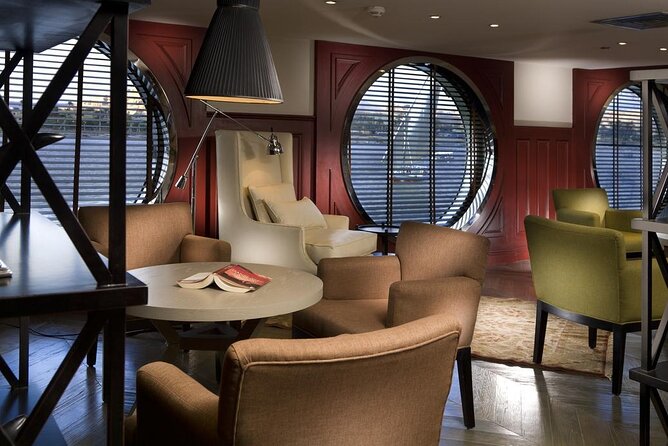
On the comfort side, the cabins are described as well-appointed and comfortable, with staff service that people often praise as attentive. This matters because Egypt temple days can wear you down. A good cabin and a staff that handles details quickly can turn a “busy sightseeing week” into a “vacation.”
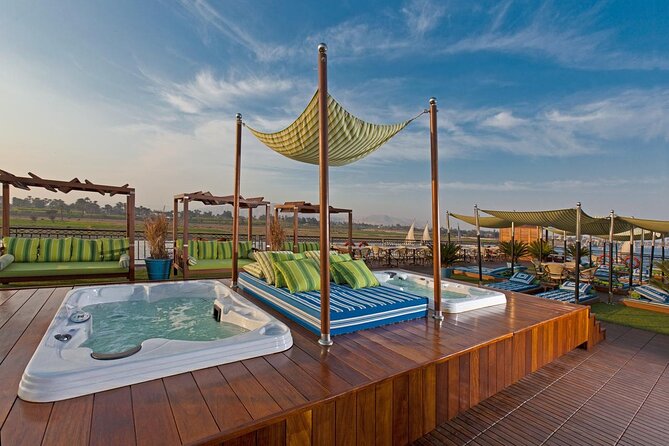
One of the most loved moments is the evening deck atmosphere. The Nile at sunset has a way of calming everyone down, and this cruise schedule gives you time to enjoy that. Some people specifically mention magical sunset views from the deck, along with simple comforts like tea while watching the sky shift.
There may also be occasional onboard cultural moments like local music and dance performances, and some schedules include a sunset felucca ride. The exact extras can vary day to day, but the cruise environment clearly supports those relaxed, memorable add-ons.
Price and value: what $799.33 buys in real-world terms
At $799.33 per person for a 5-day Luxor to Aswan cruise (about 4 nights onboard) with a hot air balloon, this price can make sense if you compare it to the cost of trying to do the same route as a self-guided trip.
Here’s why the value feels stronger than it first looks:
- Entrance fees are listed as included for the sights in and between Luxor and Aswan, which removes a lot of annoying line-item budgeting.
- You get an English-speaking tour guide during excursions, which is the difference between reading temple walls like a tourist and understanding what you’re seeing.
- You also get transfers by modern air-conditioned deluxe vehicle with qualified drivers, plus meet-and-assist support.
- Full board covers your daily meals, so you’re not constantly stopping for food.
One cost to remember is that tipping to guide and driver isn’t included. That’s normal, but it’s still something to budget for so you don’t feel surprised at the end.
Overall, if you want the big-ticket sites plus organization, this is the kind of package that can save time and mental energy. If you hate guided schedules or you plan to spend most of your day solo, you might prefer a more flexible arrangement.
Logistics you should know before you go
This is a private tour/activity, meaning only your group participates. That’s a big deal if you like not being shuffled around with strangers.
Pickup is offered from anywhere in Luxor. The starting point notes 12:00 pm, so you’re not beginning at dawn. Still, your hot air balloon sunrise will require an early start on the correct day.
You’ll also have a mobile ticket, which is convenient if you prefer keeping everything on your phone.
If you’re traveling with others:
- If you’re traveling in a group of 3 people, you’ll enjoy one triple room.
- If you want your own room, you’ll need to book for a single person separately.
If you want a human touch: one guide named Mohammed Al Dahesh has been praised for making the trip feel like more than just monuments, including cultural enrichment on board. Not every departure will have the same guide, but it’s a good sign that the guiding team can bring more than basic facts to the table.
Who should book this cruise (and who should pause)
This trip is a great fit if you:
- Want the classic southern Egypt route without the hassle of constantly changing hotels
- Love temple sites and don’t mind structured days
- Want a true “big moment” start with Luxor hot air balloon
You might pause if you:
- Dislike early mornings (the balloon requires it)
- Prefer very free-form travel with no set excursion structure
- Struggle with long travel days, especially the day that includes Abu Simbel
Should you book? My call
If you’re planning a first-time southern Egypt trip and you want the major sights handled for you, this is a strong option. The combination of a sunrise balloon, guided temple days, and the comfort of staying onboard for four nights is the kind of formula that keeps your energy from getting chewed up.
Book it if you like clear planning and you want fewer decisions. Pass if you’re looking for total freedom or you know you get cranky with early starts.
FAQ
What’s the start time for this tour?
The experience start time is listed as 12:00 pm, with a meet-and-assist approach for pickups and transfers.
How long is the cruise, and how many nights are you onboard?
It’s listed as 5 days (approx.), with 4 nights accommodation on board the Nile cruise.
Are pickup and transfers included?
Yes. Pickup is offered in Luxor, and transfers are included by modern air-conditioned deluxe vehicle with qualified drivers.
What’s included in the price?
Included items list 4 breakfasts, 4 lunches, 4 dinners, onboard accommodation for 4 nights, meet-and-assist support, English-speaking guide during excursions, and entrance fees to sights in and between Luxor and Aswan.
Are entrance fees included for all the stops?
Entrance fees to sights in and between Luxor and Aswan are listed as included. Tipping is not included.
Is this tour private or shared?
It’s described as private, with only your group participating.
Do I need to tip the guide or driver?
Yes. Tipping to the guide, driver, and others is listed as not included.
What if I want a single room?
If you want your own room, you’ll need to book for a single person. For a group of 3, one triple room is used.
What’s the cancellation window for a full refund?
Free cancellation is available, and you can cancel up to 24 hours in advance for a full refund. Canceling within 24 hours won’t be refunded.