REVIEW · CAIRO
Cairo, Giza and Alexandria 3 day tours
Book on Viator →Operated by Cairo Top Tours · Bookable on Viator
Three days, three cities, zero downtime. This Cairo, Giza, and Alexandria package is built for hotel-based day trips, with round-trip pickup so you’re not wasting time figuring out transport. I especially like the tight pairing of major icons (Giza pyramids and Sphinx) with the less-obvious context (Old Cairo churches and Roman-era sites). The other big win for me is the guide-led rhythm, so you get explanations instead of just standing in front of stone.
One heads-up: the schedule is full. You’ll start around 8:00 am, with long days (about 8 hours on Days 1–2 and about 11 hours on Day 3 in Alexandria). If you prefer slow mornings and lots of free time, this plan may feel like a sprint.
In This Review
- Key moments that make this tour worth it
- Cairo Hotel Base: Why This 3-Day Setup Feels Easier
- Day 1 at Giza: Pyramids, Sphinx, Valley Temple, and a Camel-Photo Option
- The Pyramids and Sphinx route
- Photo plateau and the 30-minute camel ride
- Lunch on the way
- Day 2 in Cairo: Egyptian Museum, Salah El Din Citadel, Alabaster Mosque, and Old Cairo Churches
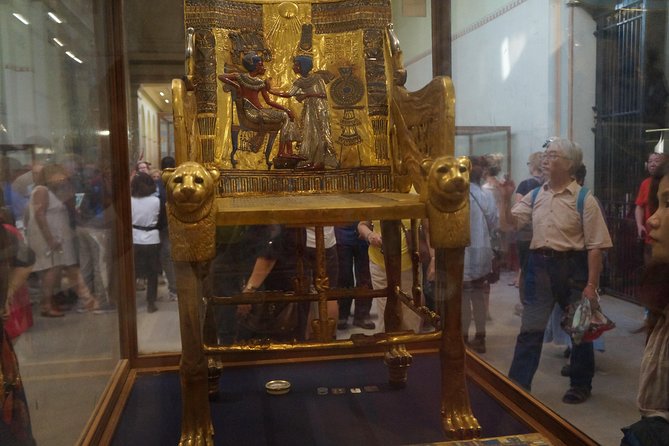
- Egyptian Museum: King Tut’s treasures with set time
- Salah El Din Citadel and the Alabaster Mosque
- Old Cairo: Roman fortification Babylon and the Hanging Church
- Day 3 Alexandria: A Long Day That Packs in Pompey’s Pillar, Qaitbay, and Catacombs
- First stop: Pompey’s Pillar and the Serapeum ruins area
- Qaitbay Citadel: maritime finds and Napoleon-era artifacts
- Kom El Shoqafa catacombs
- Lunch, Tickets, and Private A/C Transport: The Real Value Math
- What You’ll Enjoy Most (and Who Should Choose This)
- Quick, Practical Tips Before You Go
- Should You Book This Cairo, Giza and Alexandria 3-Day Tour?
- FAQ
- What time does the tour start?
- How long is the tour total?
- Is pickup from my hotel included?
- Is this a private tour or a group tour?
- Are lunch and meals included?
- Is a camel ride included in Day 1?
- How much time is spent at the Egyptian Museum?
- How do you travel from Cairo to Alexandria on Day 3?
- Are entrance fees included?
- What is the cancellation policy?
Key moments that make this tour worth it
- Hotel pickup + private A/C vehicle: smooth door-to-door logistics for three separate days
- Giza photo plateau + Valley Temple: more than just the headline pyramids
- Egyptian Museum focus on King Tut’s treasures: time set aside for the artifacts people actually come for
- Old Cairo includes Roman Babylon + the Hanging Church: a strong mix of layers of faith and empire
- Alexandria stops in one run: Pompey’s Pillar, Qaitbay Citadel, then Kom El Shoqafa catacombs
- Lunch included all three days: no guessing for mid-day food after sightseeing
Cairo Hotel Base: Why This 3-Day Setup Feels Easier
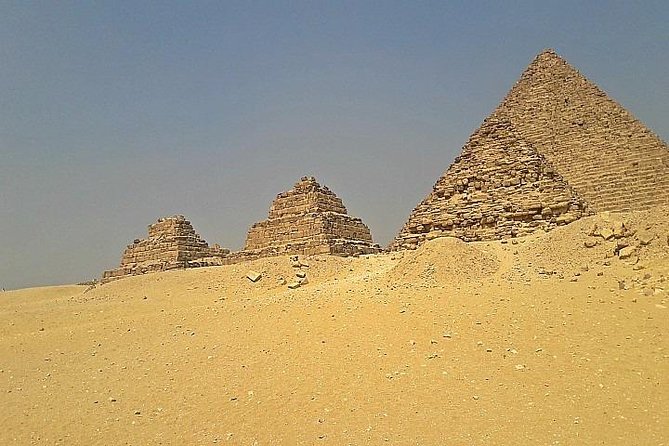
This package works best if you want to stay in Cairo and treat Giza and Alexandria as day trips. Your guide meets you at your hotel each morning, and you’re brought back afterward—so you’re not changing hotels or losing a day to transfers. That matters in Egypt, where travel time can eat your energy fast.
I also like the tone of the plan: it’s structured, but it’s still your trip. You can plan dinner around your own preferences because lunch is handled, while evenings are mostly left open. The package also includes a mobile ticket, which is one less thing to worry about once you’re in motion.
Finally, the tour is private, meaning your group stays together and your guide can pace the day to your questions. In the reviews, a guide named Muhammad gets called out for doing exactly that—turning monuments into something you can actually understand, not just photograph.
A few more Cairo tours and experiences worth a look


Day 1 at Giza: Pyramids, Sphinx, Valley Temple, and a Camel-Photo Option
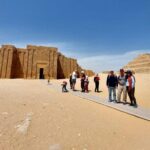
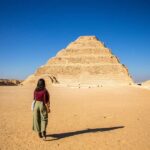
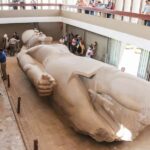
Day 1 is all about the Giza Plateau’s big three: the pyramids, the Sphinx, and the story around them. Your day starts with pickup at your hotel, then a guided route through Giza along with Memphis and Sakkara. Even if you’ve seen photos before, it helps to have names and context laid out in front of you as you move.
The Pyramids and Sphinx route
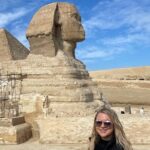
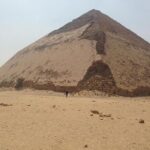
You’ll visit the Great Pyramid built by King Cheops, plus the second pyramid linked to King Chephren. The plan also includes the third pyramid in the Giza complex for King Mycerinus. After that, you go to the Great Sphinx and the Valley Temple.
A useful way to think about this stop: you’re not just touring one monument. You’re seeing how the site is arranged and how the different rulers’ projects sit within the same landscape. That makes your photos more meaningful, because you’ll know what you’re actually looking at.
Photo plateau and the 30-minute camel ride
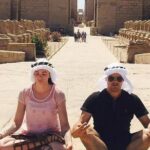
Before you call it a day, you’ll be transferred to the panoramic plateau in Giza for photos. This is the practical part of the day: a designated spot for views, not random photo stops. There’s also an optional 30-minute camel riding add-on at the Giza Plateau, timed for those memorable pyramid-and-camel moments.
If you’re deciding whether to ride, ask yourself two things. One: do you want an experience, or just photos? Two: do you enjoy animal interactions, or do you prefer staying purely on foot? The ride is optional, so you’re not forced into it.
Lunch on the way
Lunch is included, and the format helps. You’re not left hunting for food right after major sites; you’re given a local restaurant meal and then you keep moving. If your goal is to see a lot without chaos, this kind of mid-day structure is a win.


Day 2 in Cairo: Egyptian Museum, Salah El Din Citadel, Alabaster Mosque, and Old Cairo Churches
Day 2 is where Cairo shifts from monumental scenery to objects and religious layers. It’s one of the best days if you love details: the day spends serious time on the Egyptian Museum and then moves through historic Cairo by visiting major sites in the citadel area and Old Cairo.
Egyptian Museum: King Tut’s treasures with set time
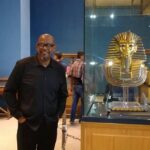
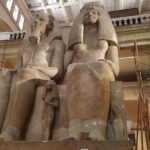
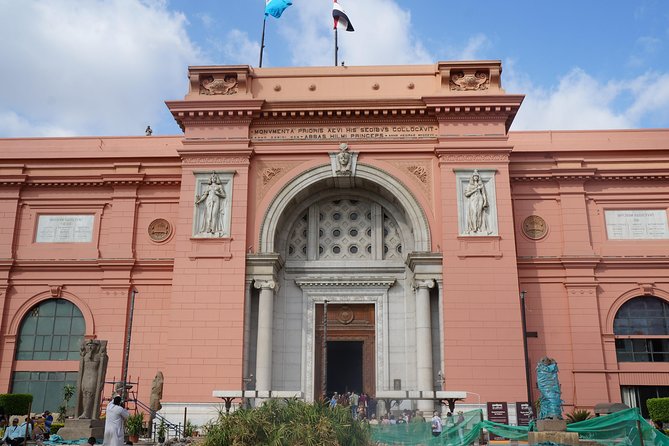
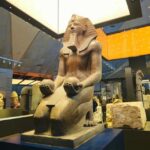
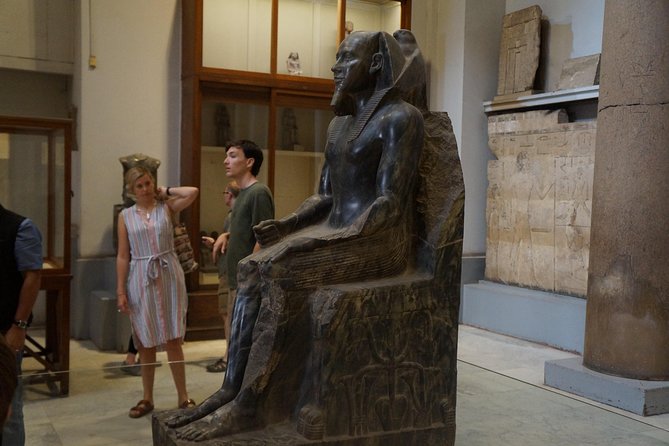
You’ll get a private vehicle and a guide, then enjoy about two hours at the Egyptian Museum. The focus is on the treasures of King Tutankhamen, specifically described as the royal treasure found intact, with a huge collection of gold and jewelry.
Two hours sounds short, but it’s actually a good match for a museum like this. You’re not wandering aimlessly. You’ll have a guide explaining what’s important and what to look for, which saves your legs and prevents museum fatigue.
A practical tip: wear comfortable shoes. Even with a plan, you’ll still be moving through galleries and crowds.
Salah El Din Citadel and the Alabaster Mosque
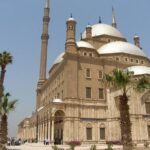
After lunch, you head to the Citadel of Salah El Din and then the Alabaster Mosque of Mohamed Ali. This mosque is specifically noted for representing a unique model of Ottoman architecture in Cairo. That matters because it helps you see the citadel not just as a stop, but as a viewpoint and a symbol of power over different eras.
If you like architecture, this is a strong pairing: you’re moving from museum objects to large-scale history you can see with your own eyes.
Old Cairo: Roman fortification Babylon and the Hanging Church
The day continues with Old Cairo’s churches tour, including the ancient Roman fortification of Babylon and the Hanging Church. This part gives you a different kind of Egypt—less about royal tombs and more about how later communities kept building faith on earlier foundations.
This is also where I think the private guide pays off. The names mean more when you understand the layers. You’re seeing how Egypt’s history is layered in one city, not packed into a single era.
Day 3 Alexandria: A Long Day That Packs in Pompey’s Pillar, Qaitbay, and Catacombs
Day 3 is the longest day, around 11 hours, and that’s exactly why it’s worth doing as a guided package. You’ll transfer from Cairo to Alexandria by A/C vehicle for about 2 hours 30 minutes, with stops along the way so the travel doesn’t feel empty.
First stop: Pompey’s Pillar and the Serapeum ruins area
Your Alexandria day starts with Pompey’s Pillar, described as the only remaining pillar from a Roman temple on a rocky plateau in the surrounding ruins of the Serapeum. It’s a great first stop because you immediately get a sense of Roman presence and how ruins can stay visible even when the rest is gone.
Qaitbay Citadel: maritime finds and Napoleon-era artifacts
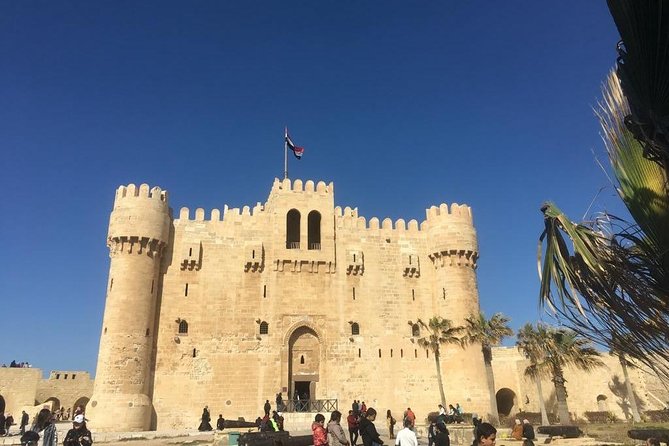
Next is the medieval Citadel of Qaitbay. The package notes that you’ll see artifacts and maritime finds, including objects that belonged to Napoleon’s fleet which sank in Alexandria in 1798, with Admiral Nelson tied to the 1798 events.
Even if you don’t memorize dates on a vacation, the takeaway is solid: Alexandria isn’t just ancient in a vague way. It’s ancient, colonial-era, and maritime—across centuries. A citadel is a smart place to learn that, because it was built for control and defense, then becomes a museum-like container for the past.
Kom El Shoqafa catacombs
Finally, you’ll visit the Catacombs of Kom El Shoqafa. Catacombs are exactly the kind of site that changes your perspective. You can look at tombs and think they’re all the same—but with guided context, you’ll notice the style and the blend of influences that these kinds of burial places can reflect.
Because the day is long, pace matters. This is where I’d lean into the guide’s timing. If you’re offered a short break or photo windows, take them—your later stops will feel easier.
Lunch, Tickets, and Private A/C Transport: The Real Value Math
The price for this 3-day package is $499.43 per person. In Egypt, that cost tends to make sense when you compare what you’re actually getting: door-to-door transportation, private guiding, and lunch included three times.
Here’s what you’re paying for that’s hard to replicate cheaply on your own:
- Round-trip transport from your hotel each day (including Alexandria day trip)
- Private tour format, so you’re not squeezed into a big group schedule
- All fees and taxes included
- Air-conditioned vehicle for the drives
Also important: admission is described as ticket-free in the daily schedule and the package includes fees and taxes. That usually means you won’t get hit with a bunch of separate “pay here” moments mid-trip, which keeps the day calmer.
What’s not included is also clear: personal expenses and tipping. Plan on setting aside a little cash for gratuities and any snacks or drinks you might want outside the included lunch.
What You’ll Enjoy Most (and Who Should Choose This)
This tour fits people who want iconic Egypt with structure. If you’re a first-time visitor to Cairo and you don’t want to build your own day-trip logistics, this works smoothly.
It’s especially good if you care about meaning. In the reviews, the guide Muhammad gets praised for bringing history to life, including how different groups influenced Egypt’s art, architecture, and culture over the centuries. That’s the kind of guiding that turns a monument into a story you can repeat later.
It may feel less ideal if you want:
- lots of unscheduled time
- slow, wandering museum days
- a low-effort pace
The schedule is full by design. The upside is you cover Giza, core Cairo sights, and Alexandria within three days. The downside is you’ll be walking and moving every day.
Quick, Practical Tips Before You Go
You’ll have the best experience if you prepare for long days and lots of walking.
- Bring comfortable shoes. Even when a route is planned, you’ll cover ground.
- Keep water handy for the days you’re outside for long stretches.
- If you’re doing the camel ride, decide ahead of time so you don’t lose time in the moment.
- Use the guide time well. If you’re curious about why something looks the way it does, ask. This package is set up for explanations.
Should You Book This Cairo, Giza and Alexandria 3-Day Tour?
I’d book it if you want a smart Cairo base and hate the stress of arranging three separate outings yourself. The private format, hotel pickup, and lunch included all three days add up to real convenience. The itinerary also makes sense for first-timers: major Giza icons on Day 1, museum and historic Cairo on Day 2, then Alexandria’s Roman-to-Napoleon timeline on Day 3.
I’d skip or swap to a different option if you’re the type who needs downtime daily. Day 3 in particular is long, and you’ll be most comfortable if you’re okay with a full schedule.
If your goal is to see the headline Egypt plus the context that makes it click, this is a strong choice for three days.
FAQ
What time does the tour start?
The experience starts at 8:00 am.
How long is the tour total?
The package runs for 3 days, with each day’s time shown as about 8 hours for Days 1 and 2, and about 11 hours for Day 3.
Is pickup from my hotel included?
Yes. Pickup is offered, and round-trip transportation is included from your hotel.
Is this a private tour or a group tour?
It’s a private tour. Only your group participates.
Are lunch and meals included?
Lunch is included on all three days.
Is a camel ride included in Day 1?
A camel ride is optional on Day 1 at the Giza Plateau, for about 30 minutes.
How much time is spent at the Egyptian Museum?
You get about two hours at the Egyptian Museum.
How do you travel from Cairo to Alexandria on Day 3?
You travel by modern A/C vehicle for about two and a half hours, with stops along the way.
Are entrance fees included?
All fees and taxes are included, and the schedule shows admission ticket free for the listed days.
What is the cancellation policy?
You can cancel for a full refund if you do so up to 24 hours before the experience’s start time. Free cancellation is available, with no refund if you cancel less than 24 hours in advance.