REVIEW · DAHAB
3-Day Expedition in the Sinai Desert Climb Seek and Find
Book on Viator →Operated by Insights Seekers · Bookable on Viator
Trade the desk for granite.
This intimate 3-day Sinai Desert rock climbing expedition from Dahab mixes real climbing practice with a slow, starry rhythm that feels far from the modern world, using three sites and a capped group size. You’ll start with basics, then move through increasingly challenging routes around Wadi Gnai, so the days build on each other instead of throwing you in cold.
What I like most is the way the coaching is structured for safety and confidence: you’re taught fundamentals up front, then you keep repeating key movements on new routes across Day 1 to Day 3. I also like that you get the full support package—food, water, gear, and camping—so you can focus on the climb, not logistics. One thing to consider: this isn’t a walk-up-and-go activity, and it needs moderate physical fitness plus good weather, since the desert plan depends on conditions.
In This Review
- Key Things to Know Before You Go
- Sinai Desert Climbing From Dahab: What Makes This Trip Different
- Price and Value: What $361 Buys You in the Sinai
- The Mobile-Ticket Day Plan: Start Time, Where You Meet, What to Expect
- Day 1 in Wadi Gnai: Basics, First Routes, and Getting Comfortable
- Day 2 in Wadi Gnai: Technique Builds With Different Routes
- Day 3 Advanced Climb: Using What You Learned
- Camping Under the Stars and Bedouin-Style Meals
- Guides Like Belal and Abanoub: Coaching, Safety, and Mindset
- Gear, Helmets, and What You Still Should Bring
- Who This Sinai Desert Climb Is Best For (and Who Should Think Twice)
- Should You Book This Sinai Desert Climb? My Decision Guide
- FAQ
- Where does the 3-day Sinai Desert climbing expedition start?
- What time does the tour start?
- How many people are in the group?
- Is this experience suitable for beginners?
- Where do you climb during the trip?
- What is included in the price?
- Are there helmets provided?
- What happens if the weather is poor?
- Can I get a refund if I cancel?
Key Things to Know Before You Go
- Small group (max 8): you get more attention per person and a calmer pace.
- Three climbing locations, two days in Wadi Gnai: you build technique and confidence in stages.
- Basics-first instruction: step-by-step guidance helps first-timers feel comfortable and safe.
- Guides and gear included: you’re not piecing together equipment or guessing at what you need.
- Two nights camping under the stars: the trip is as much about the off-grid rhythm as the climbing.
- Bedouin-style food and plenty of water: you’ll be fed and fueled for two long desert days.
Sinai Desert Climbing From Dahab: What Makes This Trip Different
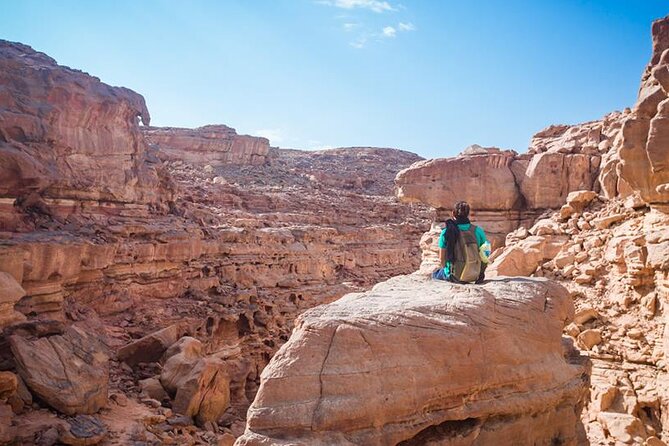
Dahab sits in a spot where you can swap city noise for serious stone. This expedition leans into that. It’s not just about reaching a top point on a wall. The structure is about learning movement, then testing it, then testing it again—until the climb starts to feel like yours instead of something you’re surviving.
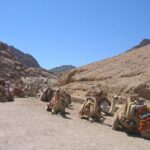
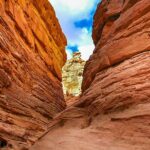
The setting also changes your mindset. Wadi Gnai is dramatic: rock faces, volcanic-looking mountains, and big open desert skies. That kind of scenery does two things. It keeps you present, and it makes progress feel real. When you’ve got something physical in front of you and the horizon looks endless behind it, you tend to stop overthinking and start acting.
If you like a trip that has a gentle “reset” feel, this one fits. The group stays small, the days are built around climbing and recovery, and you end each day in camp under the stars instead of rushing back to a hotel scene.
You can also read our reviews of more tours and experiences in Dahab.
Price and Value: What $361 Buys You in the Sinai
At $361 for about 3 days, you’re paying for more than climbing time. You’re getting the whole expedition framework: guiding, climbing gear, food, water, and two nights of camping. That matters because in the real world, those are the cost categories that usually creep up when you plan on your own.
Here’s the practical angle: you’re not just renting equipment and hoping you brought everything. Your guides manage the climbing basics and the safety setup, and you’re fed in a way that matches the day’s physical effort. Even the small details mentioned in past experiences—like helmets being available for everyone and equipment being in good condition—help justify the package value.
If your goal is to try outdoor climbing in a place that feels genuinely remote and special, the value is in the guidance and the “everything handled” structure.
The Mobile-Ticket Day Plan: Start Time, Where You Meet, What to Expect
You’ll meet at Blue Beach Road in Dahab at 8:00 am. The trip ends back at the same meeting point. It’s also described as near public transportation, which makes it easier to get to the starting area if you’re already based in Dahab.
What you should expect is a full day rhythm built around climbing sessions and moving between locations. There aren’t long breaks scheduled for sightseeing detours. This is a climbing expedition that also gives you the desert experience through camp time, night skies, and healthy meals.
Also note the timing style: the itinerary is described in day blocks (Day 1 to Day 3) with climbing at each stop. That usually means you’ll start your day early and then follow the guide’s schedule in real time, depending on conditions and the climbing plan.
Day 1 in Wadi Gnai: Basics, First Routes, and Getting Comfortable
Day 1 is your on-ramp. You head toward Wadi Gnai, where you’ll meet the crew, get a briefing, and begin climbing after covering rock climbing basics.
This first day is where the trip can make or break a newbie. The good news: past climbers highlight that the guides explain things in detail, make sure you feel safe and comfortable, and keep instruction friendly rather than intimidating. If it’s your first time on real rock, that matters more than people think. The desert is unforgiving in weather and exposure, so you want to understand what you’re doing before you’re trying to do it.
You’ll also start to learn how to “read” the wall. Even before you’re tackling harder routes, you begin building body habits: how you move your feet, how you use holds, and how you manage balance when the rock is rough and uneven.
And yes, there’s a mental side to Day 1. Many past experiences describe facing fear close up—like realizing you can handle the nerves when you have support right beside you.
What to watch for on Day 1: if you’re the type who worries a lot, Day 1 will probably feel intense at first. The upside is that the trip is designed to teach you how to focus through it.
Day 2 in Wadi Gnai: Technique Builds With Different Routes
Day 2 keeps you in Wadi Gnai, but the plan shifts. You move to the next climbing location within the wadi, and you tackle different routes meant to introduce you to different climbing techniques.
This is where the trip earns its “three days” name. You aren’t just repeating the same climb until you’re tired. You’re practicing how to adapt—different angles, different movement patterns, and different ways of using your arms and legs.
That technique-focused approach is exactly why beginners often feel like they progress fast. When you get coached properly, you learn how to translate instruction into movement. Reviews also point out that the team remains supportive, and that climbing with them feels like encouragement with structure—not chaos.
Day 2 is also a sweet spot for the desert experience. You’ll likely feel more settled by now. The place is still big and wild, but you’re no longer processing “what is happening?” You’re processing “how do I solve this route?”
Possible drawback on Day 2: fatigue can creep in. You’ve been active the day before, and you’re likely climbing hard enough to feel it in your forearms and legs. Bring a mindset that expects effort, not perfection.

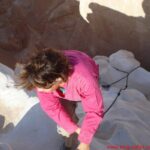


Day 3 Advanced Climb: Using What You Learned
Day 3 is the payoff. You climb at the last, more advanced spot, building directly on the practice from the first two days.
This is where the expedition feel becomes clear: the trip doesn’t treat the advanced climb as a surprise. It’s the planned result of what you worked on earlier. By the final day, you should have a better sense of:
- how to approach a route without panicking
- what your body can do with the right foot placements
- how to stay calm when the climb gets steeper or more demanding
You’ll also appreciate the emotional side if you’re open to it. A number of past experiences talk about self-discovery: learning what you can handle, facing weaknesses, and realizing strength comes from both technique and mindset. Even if you don’t want the “spiritual journey” framing, the mental shift is still real. Climbing is one of the clearest ways to test your fears with real feedback.
On Day 3, aim for steady. You don’t need to race. The best climbs often happen when you slow down, place feet carefully, and trust your breathing.
Camping Under the Stars and Bedouin-Style Meals
Between climbing sessions, the trip turns into camp life. You get two nights camping under the stars, which is the part many people remember most once they’re back home.
This isn’t a luxury camping pitch with a long list of extras. It’s practical desert camping tied to the expedition rhythm. The value is in the simplicity: you’re outside, you’re resting, and you get real dark skies after a full day of effort.
Food is included, and it’s described as Bedouin-style with plenty of it. That matters because outdoor climbing makes you hungry in a hurry. You also need hydration and carbs to recover. Past feedback mentions lashings of healthy Bedouin food and the availability of water throughout, and that’s the kind of support that helps you keep climbing instead of fading early.
Guides Like Belal and Abanoub: Coaching, Safety, and Mindset
Guide names show up in the stories, and that’s a good sign. Belal is repeatedly mentioned, and Abanoub comes up as an instructor who’s both skilled and motivating.
What stands out is the coaching tone: guides are patient, explain clearly, and help people climb without feeling lost. Many past experiences also underline safety—things like having helmets for everyone and using gear in good condition.
There’s also a mindful element described in the experiences: it’s not only about going up. The guides encourage self-reflection and facing challenges honestly, while still keeping the climb grounded and practical.
If you’re worried you’ll be the slow one in the group, this matters. In a group capped at eight, the guides can actually pay attention. That’s how first-timers start trusting the process instead of feeling embarrassed or overwhelmed.
Gear, Helmets, and What You Still Should Bring
Your gear and guiding are included, and helmets are specifically mentioned by past climbers. That means you can likely travel lighter than if you were trying to set up an independent climb.
Still, you’ll want to think like a desert traveler:
- You’ll be outdoors for long parts of the day, so sun protection is smart.
- You’ll climb, so you’ll want to feel comfortable with whatever footwear and layers you bring (within your guide’s guidance).
- Bring a willingness to get dusty and treat the trip as an outdoor workout.
If you’re unsure what to pack, ask the provider before you go, since the tour data here doesn’t list a clothing or packing checklist.
Who This Sinai Desert Climb Is Best For (and Who Should Think Twice)
This expedition is aimed at people with at least moderate physical fitness. That doesn’t mean you need to be an athlete, but you should be ready for sustained activity and climbing movements that test arms, legs, and grip.
You’ll likely love it if:
- you’re curious about outdoor rock climbing and want a guided intro
- you want to learn technique over a few days instead of doing one random climb
- you like small-group travel and more personal instruction
- you’re okay trading some comfort for a real desert camp experience
You might want to think twice if:
- you’re expecting an easy sightseeing trip
- you get discouraged by physical challenges
- you can’t handle spending days outdoors in changing desert conditions
Also, the experience requires good weather, so you’ll need flexibility. The plan is weather-dependent, and that’s not a minor footnote in a desert adventure.
Should You Book This Sinai Desert Climb? My Decision Guide
Book it if your main goal is to do outdoor rock climbing with real coaching, not just “try it once.” The small group size, the staged progression across three days, and the included gear/food/water/camping combine into a trip that’s good value and genuinely structured.
Don’t book it if you’re looking for lots of downtime, indoor comforts, or a guaranteed warm-and-sunny schedule. The tour depends on good weather, and the physical demand is part of the point.
If you show up ready to learn, you’ll likely leave feeling stronger in body and clearer in mind. That emotional payoff shows up again and again: people don’t just talk about climbing. They talk about facing fear, trusting support, and discovering how much they can do in a real outdoor setting.
FAQ
Where does the 3-day Sinai Desert climbing expedition start?
It starts at Blue Beach Road, Dahab and ends back at the same meeting point.
What time does the tour start?
The start time is 8:00 am.
How many people are in the group?
The group is capped at a maximum of 8 travelers.
Is this experience suitable for beginners?
The tour is described as requiring moderate physical fitness, and the experience includes an introduction to rock climbing basics. Past experiences highlight that first-timers can climb with guidance.
Where do you climb during the trip?
Climbing happens at three locations, with two of them in Wadi Gnai.
What is included in the price?
The package includes food, water, guiding, gear, and camping.
Are there helmets provided?
Yes, helmets for everyone are mentioned as part of the safety setup.
What happens if the weather is poor?
The experience requires good weather. If it’s canceled due to poor weather, you’ll be offered a different date or a full refund.
Can I get a refund if I cancel?
You can cancel for a full refund up to 24 hours in advance. Within 24 hours, there’s no refund.