REVIEW · CAIRO
From Cairo/Giza: Pyramids, Memphis, and Sakkara Day Tour
Book on GetYourGuide →Operated by Egypt Excursions Online · Bookable on GetYourGuide
One day can feel like a time machine. This tour strings together Egypt’s earliest power centers, from Giza’s giants to Sakkara’s first pyramid design.
I love the way the day anchors at the Great Pyramids and closes with the Sphinx, so you’re not just staring—you’re getting the story and the best angles for photos. I also like the Memphis and Sakkara pairing, especially the Step Pyramid of Djoser, which helps everything at Giza make more sense. The only watch-out is the scheduled workshop and bazaar-style stops; you can skip shopping, but if you hate sales pressure, set your expectations early.
In This Review
- Key Points You Should Know Before You Go
- From Giza to Sakkara: How This Day Trip Really Works
- Giza Plateau: Great Pyramids and the Photo-Spot Advantage
- Valley Temple, Sphinx, and Mummification Stories That Add Meaning
- Memphis: The Former Capital That Makes Egypt Feel Human
- Sakkara and Djoser: Where Pyramid Ideas Took Off
- Dahshur Extensions: Bent and Red Pyramids for the Curious
- VIP Private Tour: Felucca on the Nile and a Softer Ending
- Shared vs Private vs Private VIP: Picking the Right Style
- Price and Value: Why $41 Can Still Feel Like a Win
- Workshop Stops, Bazaar Time, and How to Keep Control
- Timing, Pacing, and Avoiding the Rushed Feeling
- Before You Go: What to Bring and What to Leave Behind
- Who This Tour Is Best For
- Should You Book This Pyramids, Memphis, and Sakkara Day Tour?
- FAQ
- What sites does this tour include?
- Is lunch included?
- What language is the guide available in?
- Does the VIP option include a Felucca ride on the Nile?
- How long is the tour?
- Is this tour suitable for wheelchair users or mobility impairments?
Key Points You Should Know Before You Go
- Giza first, context second: you start with the famous monuments, then you learn why those pyramids happened the way they did.
- Memphis + Sakkara in one flow: the former capital helps you connect the dots beyond the sand.
- Step Pyramid of Djoser is the turning point: it’s where pyramid building truly changes.
- VIP adds the Nile, literally: you get a Felucca sail plus lunch with the upgrade.
- Shopping stops can steal time: they’re optional, but you need to ask.
- Guide quality can make or break the day: real experiences highlight standout guides like Mohamed Saleh and Ahmed Ettler.
From Giza to Sakkara: How This Day Trip Really Works
This is a choose-your-own-adventure kind of tour. You can do just the Pyramids (morning or afternoon), or you can stack sites in a single day: Pyramids plus Memphis and Sakkara, and for the extra-curious, Dahshur too.
The route matters because Egypt’s pyramid story isn’t one straight line. At Giza, you see the end result: huge, polished, and confident. At Sakkara (and especially Djoser), you see the earlier experiments and the design leap that later builders built on.
Your schedule can flex. Traffic in Cairo can be intense, and the time you spend at each place may shift based on site conditions. That’s one reason having a guide and car coordination helps a lot.
You can also read our reviews of more tours and experiences in Cairo.

Giza Plateau: Great Pyramids and the Photo-Spot Advantage
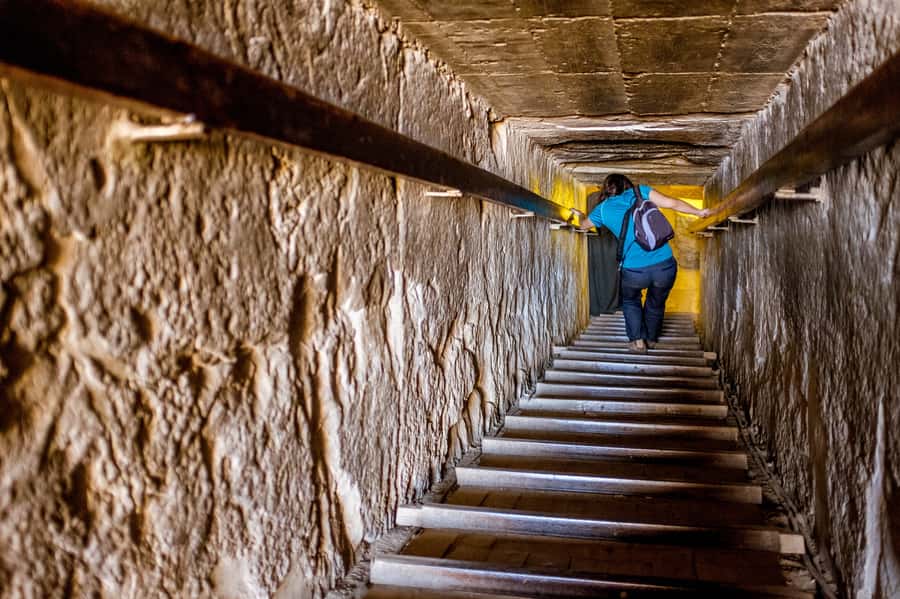
Most people think they know Giza already. Then you’re there and the scale hits you again—bigger than photos, bigger than you expected, and very hard to take in calmly when crowds are moving.
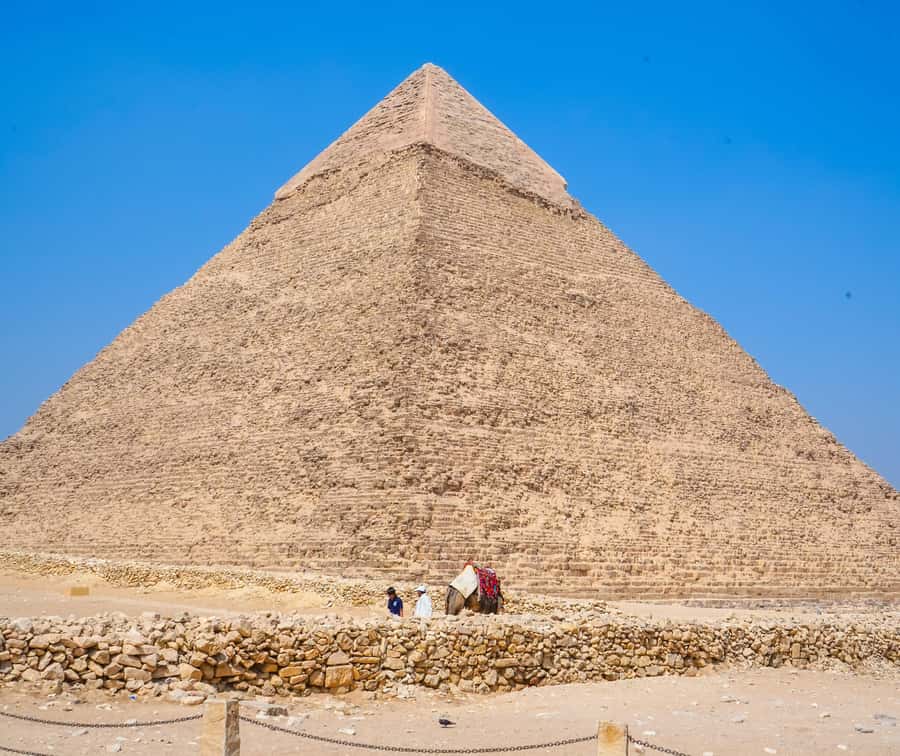
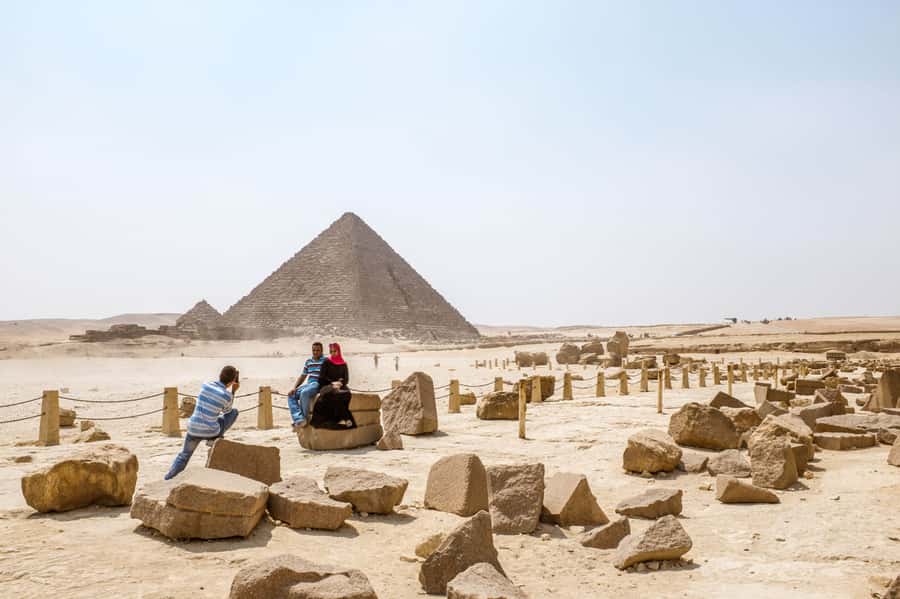
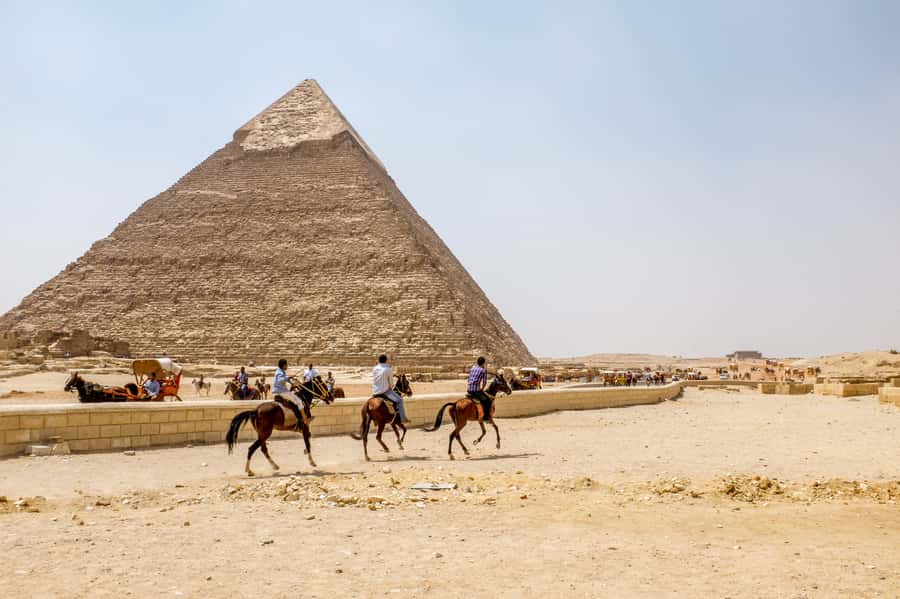
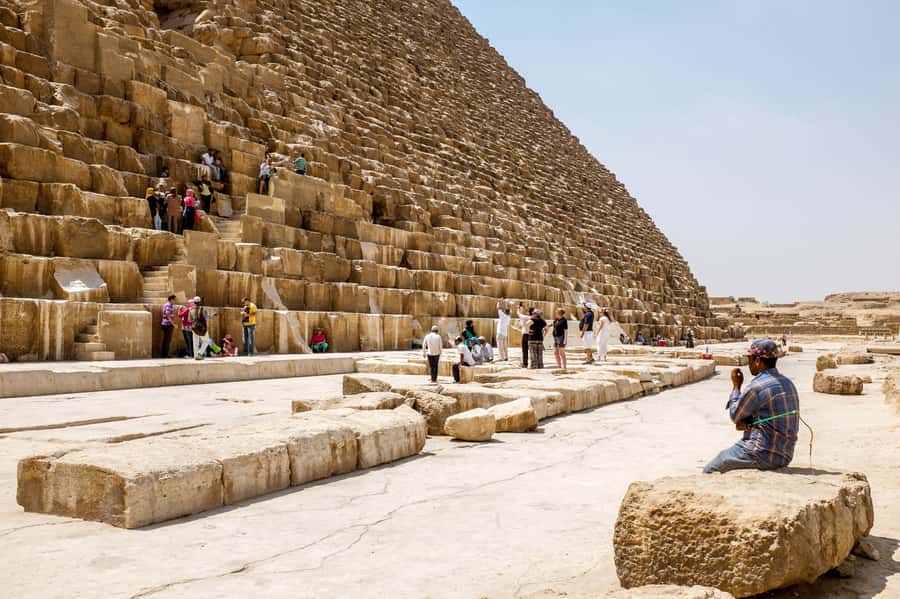
The tour brings you to the core sights on the Giza Plateau: the Great Pyramids of Khufu, Khafre, and Menkaure. You also get time at the Valley Temple area, where the experience becomes more than a postcard. It’s about understanding how the pyramids functioned as part of a wider sacred complex, not as standalone structures.
What I like in this setup is that you’re not only walking the main surfaces. Guides in strong trips often help you spot the best viewpoints for photos, including angles that show the pyramid shapes clearly and not just the top edges.
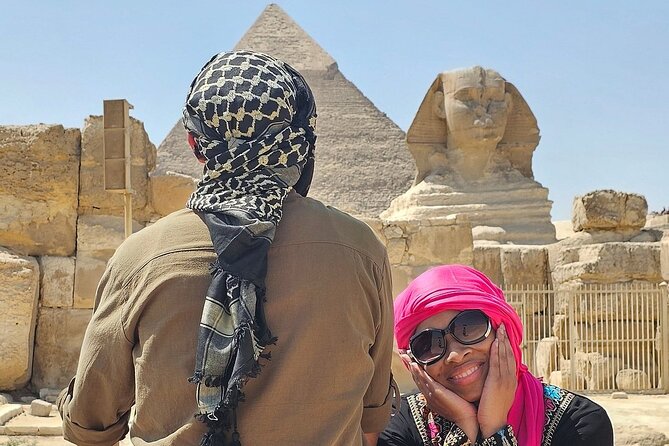
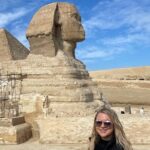
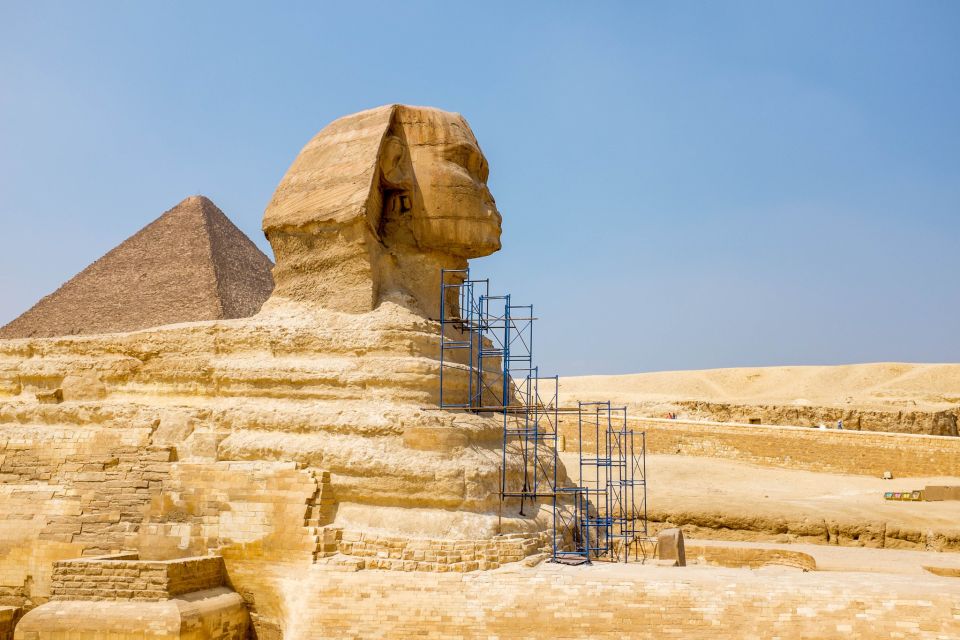
You’ll also spend time at the Sphinx, the plateau’s legendary guardian. The guide’s job isn’t just to point and move on. In excellent days, you’ll get the myths and discoveries that make the Sphinx feel less like a statue and more like a focal point of belief and storytelling.
Valley Temple, Sphinx, and Mummification Stories That Add Meaning
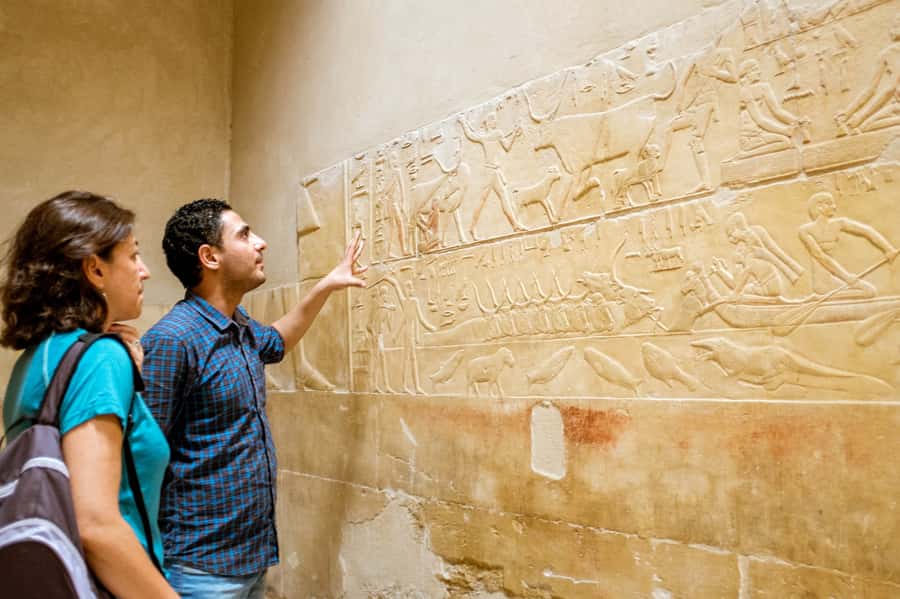
Giza can feel like one huge “wow” moment. The trick is turning that into understanding before you bounce to the next site.
This tour’s coverage ties into ancient Egyptian rites and beliefs, including the broader world around mummification. Even if you’re not a history nerd, the explanation helps you see why these places weren’t built just to impress visitors. They were tied to power, religion, and long-term ideas about the afterlife.
Also, the Valley Temple stop adds texture. You’re not only seeing pyramid mass. You’re seeing evidence of how the sacred journey worked around the monuments, with spaces that reflect Egyptian planning rather than random building.
One practical note: Giza is bright, dusty, and sometimes windy. Bring sunscreen and a hat you actually like wearing. You’ll thank yourself when you’re standing under the sun trying to frame a shot without squinting.
Memphis: The Former Capital That Makes Egypt Feel Human
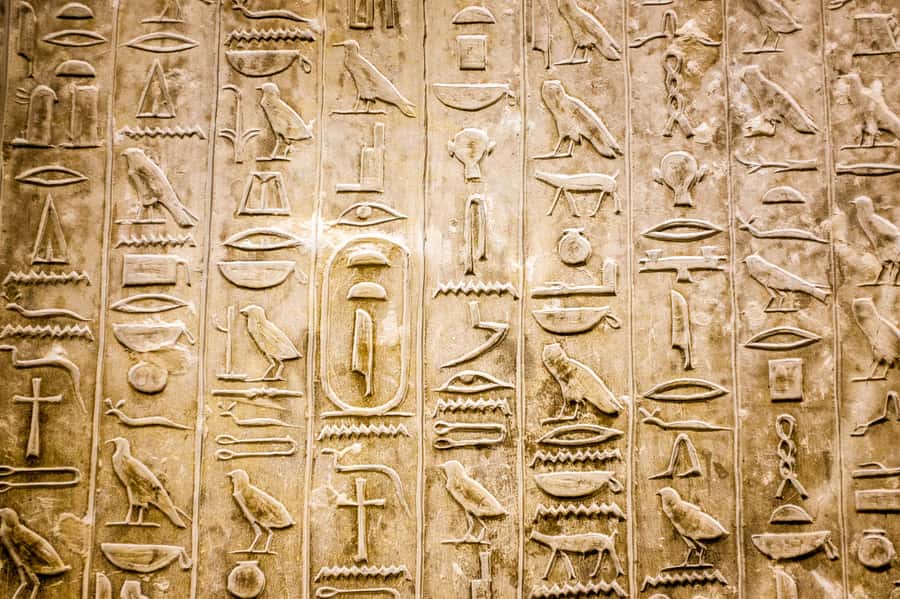
Memphis doesn’t get the same fanfare as Giza and Sakkara. That’s exactly why it works well on this tour.
You visit the old cultural and political capital, founded around 3,100 BC. That date is your “anchor point” for the day. Once you place Memphis in the story, the pyramids stop feeling like isolated wonders and start feeling like pieces of a larger civilization.
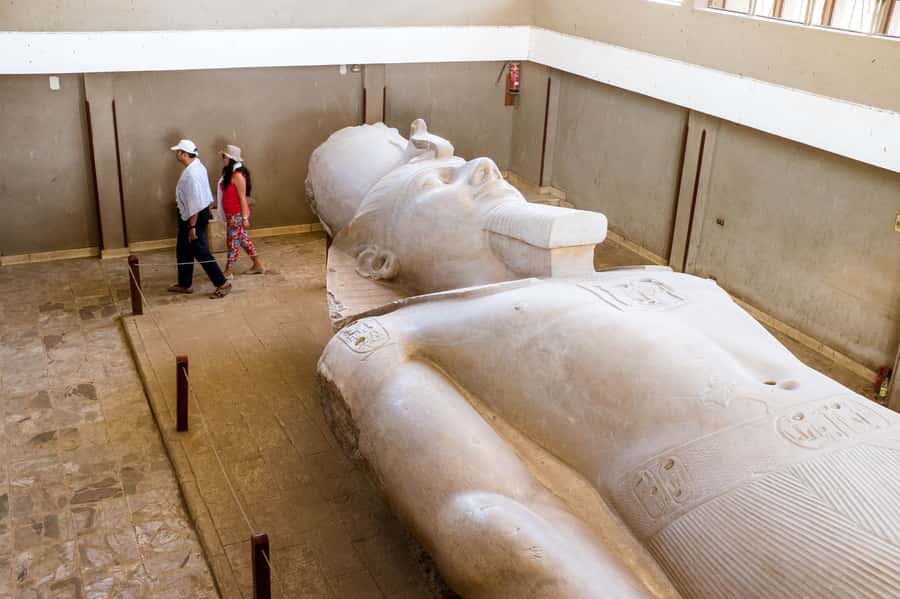
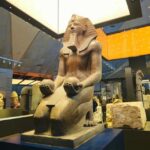
On the ground, you’ll see statues and ruins linked to famous rulers, including references to the colossal Ramses II and an alabaster Sphinx. It’s not the same as the plateau monuments, and that’s the point. You’re seeing different layers of Egypt’s timeline, which helps your brain organize what you’re learning.
If you’re a first-time visitor, this stop can be a relief. After the pyramid visuals, you get a different kind of imagination—thinking about administration, crafts, and daily life around a capital.
Sakkara and Djoser: Where Pyramid Ideas Took Off
Sakkara is one of the most important archaeological areas in Egypt for a reason: it’s where pyramid architecture evolves in a way you can actually feel.
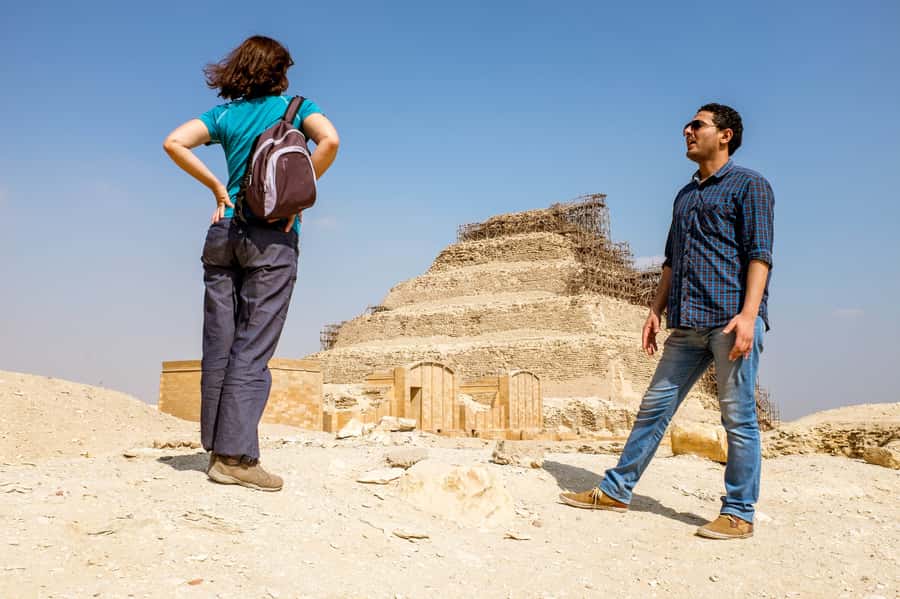
The headline here is the Step Pyramid of Djoser, often described as the first pyramid built. Seeing it after Giza helps you notice the design shift—how builders tested ideas before landing on what you see at Giza.
This part of the tour is also more emotionally engaging because Sakkara lets you picture routines around tombs: belief systems, rituals, and how the ancient Egyptians thought about life after death. The surrounding tombs and structures add context, even if you’re only spending part of your day at the site.
Here’s where guide quality matters. In one excellent experience, a guide named Mohamed Saleh helped visitors understand a painted tomb interior (Meresankh tomb) in a way that made the wall details pop in torchlight. That kind of interpretive help can turn “I saw a site” into “I got the meaning.”
Even if your tour doesn’t include a specific tomb interior, you can still get a lot out of Sakkara by asking simple questions:
- What makes Djoser’s design a turning point?
- How do the surrounding tombs fit into the beliefs?
- What should I look for when the details get small?

Dahshur Extensions: Bent and Red Pyramids for the Curious
If you’re the type who always wants one more angle, Dahshur is worth considering. It’s where you see Egypt’s pyramid experimentation in a more visible, human way.
You visit two standout structures:
- the Bent Pyramid, known for its angled sides
- the Red Pyramid, among the earliest “true” pyramids
Dahshur helps you understand that pyramid-building wasn’t instantly perfected. It evolved. You’re essentially watching a civilization learn how to solve engineering problems at scale, while also honoring religious intentions.
This extension is also helpful if you felt Giza was too similar from one view to the next. Dahshur’s shapes are different enough that your brain resets, even though the overall setting is the same desert plateau vibe.
VIP Private Tour: Felucca on the Nile and a Softer Ending
The VIP version is the easiest “upgrade choice” to justify. It adds two things that change the tone of the day: a Felucca ride on the Nile and lunch included as part of the VIP package.
The Felucca itself is the contrast you didn’t know you needed. You go from stone monuments and desert glare to water, breeze, and a slower pace. It’s also a good moment to regroup after you’ve been walking all morning and staring all afternoon.
This VIP option also includes more of the site stack (Pyramids, Memphis, Sakkara, and Dahshur), so you’re not giving up the bigger-picture day to gain a nicer finish.
One detail to plan around: VIP is English only for the guide. If you prefer another language, stick with the Private Tour option in your chosen language.
Shared vs Private vs Private VIP: Picking the Right Style
This tour is built with different comfort levels and different pacing.
Shared Tour
- English guide
- entry tickets included
- hotel pickup and drop-off from Cairo or Giza
- no lunch
This works well if you want the essentials and don’t mind sharing space with other people. The trade-off is that the schedule can feel less personal. You’ll also have fewer opportunities to customize shopping stops.
Private Tour
- guide available in multiple languages
- you can choose options around tickets and lunch
- more flexibility for your interests
Private is often the better value if you’re picky about what you want to spend time on. In real experiences, guides have accommodated requests such as skipping certain bazaar stops and adjusting what to do next.
VIP Private Tour
- includes lunch
- includes Felucca ride
- and covers the fuller site set
If you can afford the upgrade, VIP is the smoothest way to make the day feel complete.
Price and Value: Why $41 Can Still Feel Like a Win
This costs about $41 per person, with a duration that can run from roughly 3 to 8 hours depending on which option you pick.
For that price, you’re not just paying for a car. You’re paying for:
- entry tickets to selected landmarks
- a professional licensed guide
- air-conditioned transportation
- hotel pickup and drop-off
- bottled water
That’s the key value piece. Cairo-to-Giza logistics are the hard part for many visitors. With a guided, pre-arranged day, you avoid a chunk of negotiation and decision fatigue.
Still, value depends on your priorities. If you hate shopping stops, the experience can feel less like value and more like a forced route. The good news is that shopping stops are optional and can be skipped upon request. But you need to ask early, not halfway through the day.
Workshop Stops, Bazaar Time, and How to Keep Control
This is where the tour can divide people into two camps.
The tour includes stops such as a Papyrus Gallery, an Oils Factory, a Bazaar, and a Cotton Store, with a Carpet School upon request. Some experiences also include visits to places like jewelry-related stops. In practice, these stops can be interesting if you enjoy crafts and want to learn how products are made.
The drawback shows up when the sales tone feels too pushy or when you feel like time is being spent to persuade you instead of inform you. In one experience, the papyrus and jewelry stops were described as too heavy on sales. Another person felt forced to buy after seeing the papyrus-making process.
My advice is simple and works: tell your guide at the start what you do and don’t want. If you want zero shopping, say it plainly. If you’re fine with one quick craft stop but not multiple, say that too. The best guides adjust fast.
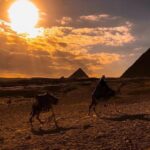
Also, if you’re thinking about extras like camel rides, be ready to manage expectations. There’s an add-on camel ride option, but in one account a longer ride turned into a much shorter time on the animal itself, mainly for photos and then back off. That doesn’t mean all rides work that way, but it’s a reminder to clarify what’s included before you pay.
Timing, Pacing, and Avoiding the Rushed Feeling
A long day in the Giza area can be chaotic if you’re not careful. Traffic, waiting lines, and walking distances all add up.
The bright side: you’ll usually get enough structure to keep moving without losing the meaning of each stop. Many guides build in photo time and keep checking in so you don’t feel stranded.
If you want the day to feel relaxed, prioritize this:
- Ask the guide for a quick plan before you enter each site.
- Use downtime to hydrate and adjust your sun gear.
- If you want extra time in one place, say so early.
One helpful sign from real experiences: guides who check in frequently and manage timing well. When your guide is on top of the flow, you’re less likely to feel like you’re being rushed through history.
Before You Go: What to Bring and What to Leave Behind
You’ll be happier if you pack like it’s hot, dusty, and a little unpredictable.
Bring:
- comfortable shoes
- sunglasses
- sun hat
- camera
- sunscreen
Wear clothes that let you stay comfortable while walking. Even with air-conditioned driving, you’re outside for major parts of the day.
Don’t bring:
- pets
- luggage or large bags
- jewelry
- alcohol and drugs
Also, this tour isn’t suitable for people with mobility impairments or wheelchair users, so if that applies to you, consider other tour options.
Who This Tour Is Best For
This is a strong pick if you:
- want the big pyramid sites without planning yourself
- like a guide who explains what you’re seeing (not just pointing)
- want a clear “Egypt origin story” from Giza through Memphis and Sakkara
- want optional depth via Dahshur
It’s less ideal if you:
- hate crafts and bazaar stops and don’t want to negotiate at all
- want to spend lots of time inside a single monument rather than moving site to site
- have mobility limitations
Should You Book This Pyramids, Memphis, and Sakkara Day Tour?
Yes—if your priority is a well-structured overview of Egypt’s pyramid origins with a professional guide and built-in logistics from Cairo or Giza. The $41 price makes sense because you’re getting transportation, guidance, and entry tickets together, and that’s the stuff that usually costs energy to organize on your own.
Book with confidence if you’re willing to communicate. Tell the guide you want to skip shopping stops if you’re not interested, and be clear about any extras like camel rides. If you can swing it, the VIP option is the most satisfying finish thanks to the Felucca ride and lunch.
If you’re trying to decide between styles, here’s the rule of thumb: shared works for essentials; private works for customization; VIP works for a full-day “done right” experience.
FAQ
What sites does this tour include?
You can choose among options that include the Pyramids of Giza, Memphis, and Sakkara. Some choices can extend to Dahshur, where you can see the Bent Pyramid and the Red Pyramid.
Is lunch included?
Lunch is included in the VIP Private Tour. For Private Tours, lunch may be available as an add-on depending on what you select.
What language is the guide available in?
The Shared Tour is guided in English only. Private Tours are offered in multiple languages, and VIP Private Tour is available in English only.
Does the VIP option include a Felucca ride on the Nile?
Yes. The Felucca ride on the Nile is included in the VIP option only.
How long is the tour?
The duration can run from about 3 to 8 hours depending on the option you choose and the day’s conditions.
Is this tour suitable for wheelchair users or mobility impairments?
No. It’s not suitable for people with mobility impairments and wheelchair users.