REVIEW · CAIRO
Religion Tour To Islamic and Coptic Sights In Cairo
Book on GetYourGuide →Operated by Emo Tours Swiss · Bookable on GetYourGuide
Cairo becomes much more than postcard sights when you watch faith and power take turns in the same streets. This private day trip strings together Islamic Cairo and Coptic Cairo with a real guide and comfortable private transport, starting with Old Cairo’s Christian landmarks and ending at the Citadel and Khan Khalili. I especially like how the route is built around major places you can connect to big turning points in history, from the Holy Family era to the early Muslim capital at El Fustat.
My other favorite part is the way the pacing is designed for a short day: you still see multiple signature mosques plus the Hanging Church complex without feeling like you’re sprinting nonstop. The one thing to consider is that guide language and depth can vary; if you request Italian or another language, it’s smart to confirm the assignment in advance so you get the explanation you want.
In This Review
- Key highlights worth planning around
- Islamic and Coptic Cairo in a tight 6-hour plan
- Morning logistics: what “8:30am pickup” changes for you
- Old Cairo Christian sites: Abu-Sergah, St. Barbara, and Ben Ezra
- Church of Abu-Sergah and St. Barbara (the Hanging Church)
- Ben Ezra Synagogue
- Islamic Cairo fundamentals: El Fustat and the early mosque story
- Masjid Amr Ibn Elas (built in 642 A.D.)
- Sultan Hassan Mosque-Madrasa near the Citadel
- Al-Rifa’i Mosque (opposite Sultan Hassan)
- The Citadel and Mohamed Ali’s Alabaster Mosque
- Khan Khalili Bazaar: the last stop with real Cairo energy
- Price and value: is $134 a smart deal for a private day?
- Guide quality is the real difference-maker
- Who should book this tour (and who might skip it)
- Should you book this religion tour?
- FAQ
- FAQ
- What time does the tour start?
- Where does pickup happen?
- How long is the tour?
- What religious sites are included?
- Is lunch included?
- Are entry fees included?
- Is tipping included in the price?
Key highlights worth planning around
- 8:30am hotel pickup and private air-conditioned vehicle to keep the day smooth
- Old Cairo Christian stops, including Abu-Sergah and St. Barbara (the Hanging Church) and Ben Ezra Synagogue
- El Fustat connections, with visits tied to early Islamic Cairo (including Amr Ibn El As)
- Two major mosque-madrassas near the Citadel: Sultan Hassan and Al-Rifa’i
- Mohamed Ali’s Alabaster Mosque inside the Citadel of Cairo
- Khan Khalili Bazaar as a hands-on finish, not just a quick pass-through
Islamic and Coptic Cairo in a tight 6-hour plan
This is the kind of Cairo tour that helps you understand what you’re looking at. In one day you get Christian Cairo in Old Cairo, then you pivot to the grand mosque axis of Islamic Cairo, then you close at the Citadel and Khan Khalili. It’s not trying to cover everything in Cairo. It’s trying to cover the big religious landmarks that explain how different communities shaped the city.
You’ll feel the shift as you move from church history to mosque architecture, and then to the Citadel’s role as a symbol of authority. The fact that it’s private matters here. You can ask questions as you go, and you’re not stuck in the “wait for the slowest person” rhythm that turns a short tour into a stressful one.
This route is also practical for first-timers. If you only have a day (or if your schedule is tight), this gives you a structured way to see the essentials without turning your day into a chain of tickets and taxi negotiations.
You can also read our reviews of more tours and experiences in Cairo.
Morning logistics: what “8:30am pickup” changes for you
The tour starts at 8:30am with pickup from your hotel in Cairo. You’ll meet your guide in the lobby with a sign showing the company name, and then you’ll ride in a private, air-conditioned vehicle. The driver and guide setup makes a difference in Cairo, where traffic and navigation can eat time.
It’s a 6-hour day, so timing is everything. The advantage of this schedule is that you avoid the worst late-day heat and you get your major interior visits earlier. The trade-off is that you should keep your expectations realistic: there’s no long wandering session in every stop.
If you want great photos, bring a plan. Cairo sites move in quick beats—walk in, look up, pause for photos, then move on. The private structure helps because your guide can steer you toward the best angles quickly, rather than you spending your energy figuring out where to stand.
Old Cairo Christian sites: Abu-Sergah, St. Barbara, and Ben Ezra
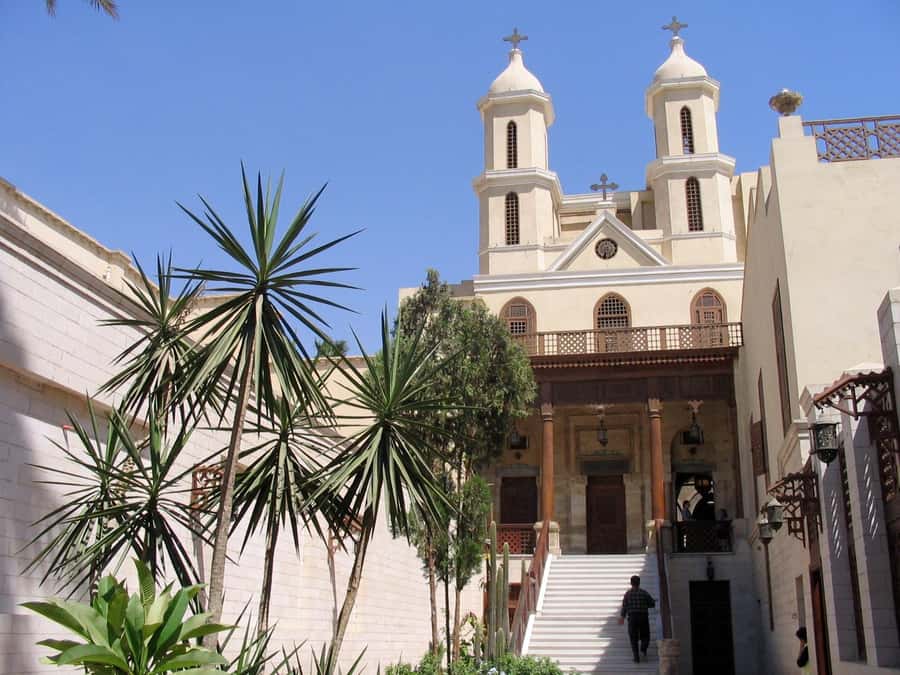
Old Cairo is where the “religion tour” label feels earned. You’ll begin here and focus on Coptic Christian landmarks and related religious sites tied to earlier communities in the area.
Church of Abu-Sergah and St. Barbara (the Hanging Church)
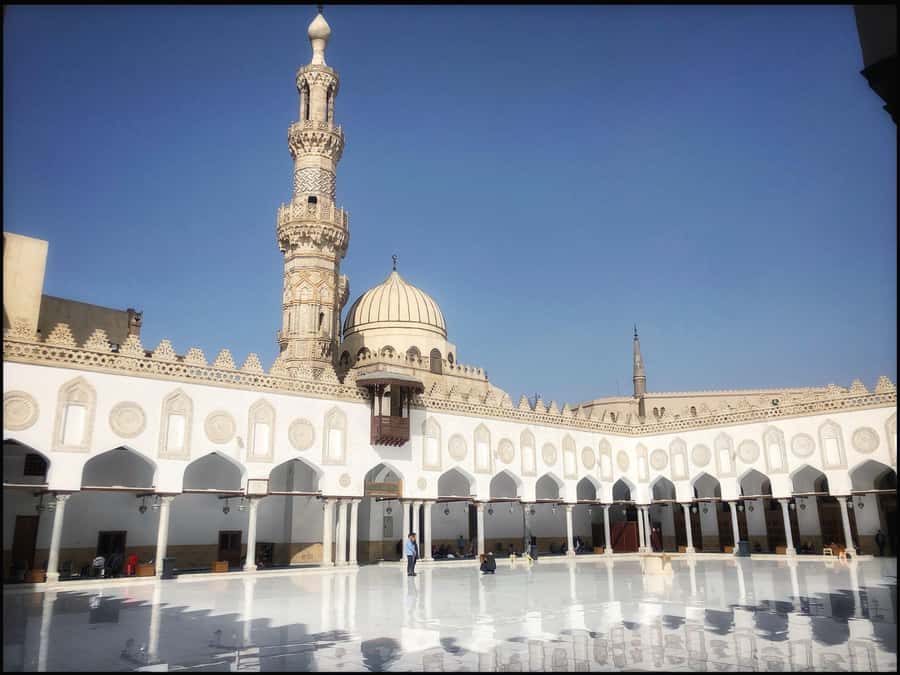
One highlight is the Church of Abu-Sergah and St. Barbara, commonly known as the Hanging Church. The name comes with a strong sense of place; it’s one of those Cairo churches where you can feel the layering—different eras using the same spiritual importance as a foundation. If you like architecture, focus on how the space is organized around worship and how the church’s presence shapes the surrounding streets.
This is also a stop that tends to change the mood of the day. Islamic Cairo can feel monumental and outward-looking. This church complex often feels more intimate and grounded, which is a good contrast before you head to the Citadel.
Ben Ezra Synagogue
You’ll also visit the old Jewish synagogue, Ben Ezra Synagogue. Even if you don’t know its details by heart, it’s a useful stop because it adds another layer to the story of Old Cairo as a shared history zone. This is one of the reasons this tour works well: it doesn’t treat Cairo religious life as separate boxes.
Practical tip: dress code and covering matter for interior religious sites. If you’re unsure what to bring, plan for shoulders and legs to be covered, and consider something light you can manage quickly.

Islamic Cairo fundamentals: El Fustat and the early mosque story
After Old Cairo, the tour moves into Islamic Cairo, which is where the city’s grand mosque identity takes over. You’re told Islamic Cairo is linked to 641 A.D. and the early Muslim leader Amr Ibn Elas at El Fustat, and your visits follow that storyline.
Masjid Amr Ibn Elas (built in 642 A.D.)
One of the first mosque visits is Masjid Amr Ibn Elas Mosque, built in 642 A.D. This isn’t just a stop to check off a name. It helps you anchor the day to an early moment in Cairo’s Islamic development, and it gives your other mosque visits more meaning.
If you’re the type who likes to “place” things in time, this is a strong part of the itinerary. The guide can connect what you see now to the idea of what came first.
Sultan Hassan Mosque-Madrasa near the Citadel
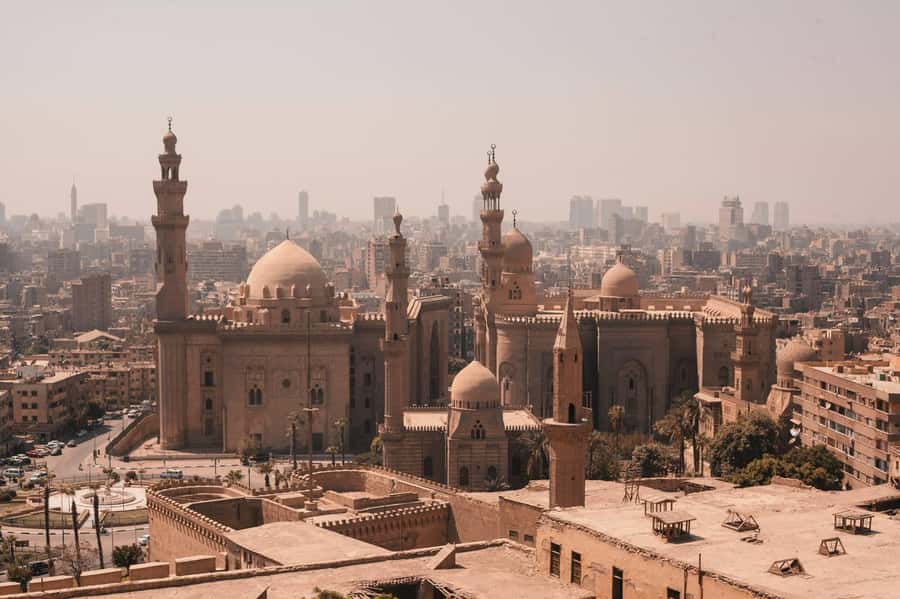
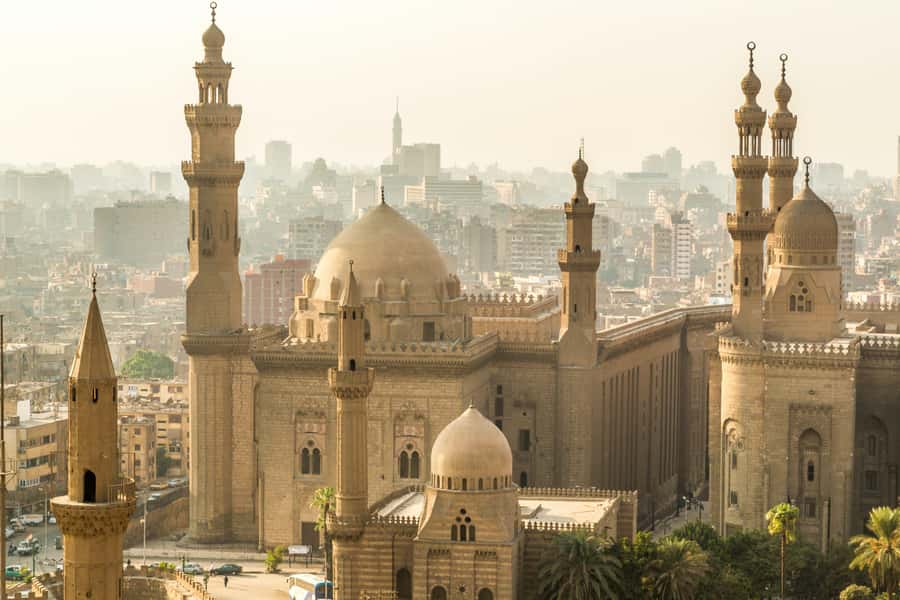
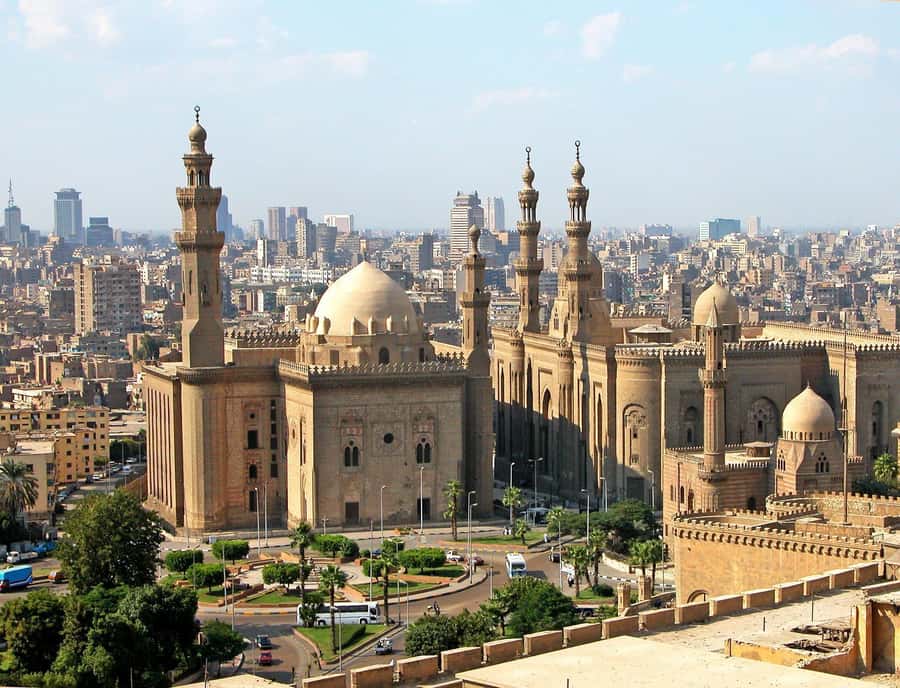
Next is El Sultan Hassan Mosque, also known as Madrasa El Sultan Hassan, founded by Sultan Hassan in 1356 A.D. It’s described as a massive Mamluk-era mosque and madrassa located near the Citadel. This is a must-see not because it’s the biggest building on the day, but because it’s the kind of architecture that rewards looking slowly.
When you’re standing there, think in layers: this is a religious building, a teaching space (madrassa), and a political statement all in one. The structure near the Citadel also sets up your next stop, so your brain is ready when you reach the fortress complex.
Al-Rifa’i Mosque (opposite Sultan Hassan)
Then you visit Al-Rifa’i Mosque, dating around 1361, located opposite the Mosque-Madrassa of Sultan Hassan. This pairing is useful because you can compare two major expressions of Mamluk-era power and faith along the same urban corridor.
If you’re trying to understand why Cairo feels like it “switches styles” from one century to the next, this is where the clues show up.
The Citadel and Mohamed Ali’s Alabaster Mosque
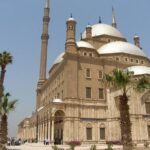
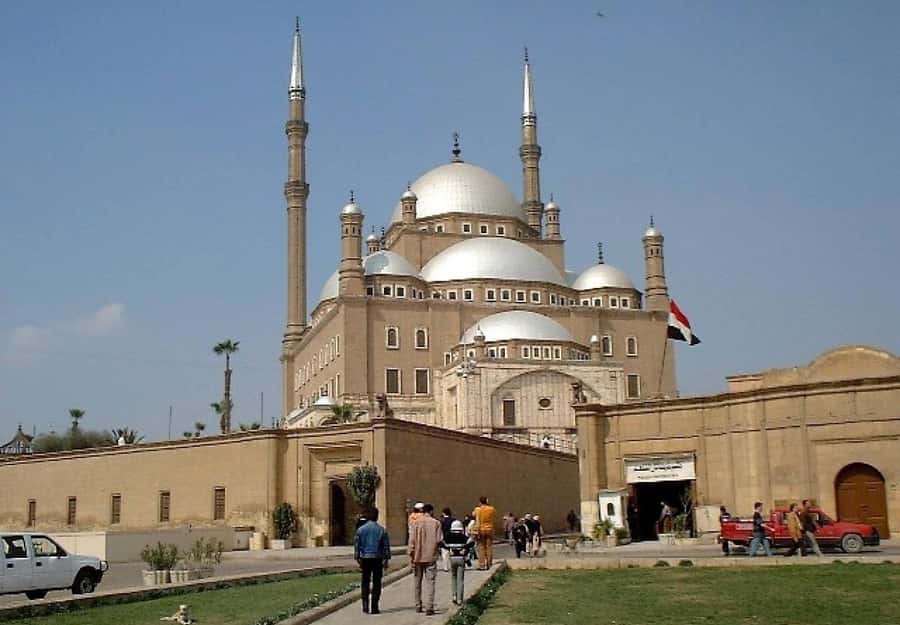
The day tour then brings you to the Citadel of Cairo, where you can visit Mohamed Ali’s mosque, also called the Alabaster Mosque. This part of the itinerary gives you the most classic “Cairo skyline and stone” feeling, plus a major interior mosque experience.
The Citadel framing matters. Even if you’re not a history buff, it helps you understand why so many buildings around Cairo feel like they’re competing for attention. The Citadel is a reminder that religious architecture and political authority are often tied together in how cities grow.
Practical note: interiors can mean slower movement and more time adjusting to lighting. Wear shoes you can handle on uneven stone and plan to keep your bag zipped and secure while you’re inside.
Khan Khalili Bazaar: the last stop with real Cairo energy
To close the day, you’ll visit Khan Khalili Bazaar. This is where the tour shifts from “religious monuments” into the lived-in market side of the neighborhood.
I like finishing here because it gives you something tangible to do with your senses. You see how people actually move through Cairo rather than only admiring buildings from the outside. It also works as a momentum reset after multiple heavy architecture stops.
One consideration: there may be some shopping-related time baked into the day. If you’re not interested in browsing textiles, spices, or souvenirs, use Khan Khalili as a short walk-and-photo stop. Ask your guide what to ignore so you don’t get pulled into sales conversations you don’t want.
Price and value: is $134 a smart deal for a private day?
At $134 per person for a 6-hour private tour, the value depends on what you’d otherwise pay to assemble the day yourself. The tour includes:
- Private air-conditioned vehicle and transfers
- Tour guide
- Entry fees
- Lunch
- Bottle of water
- Skip the ticket line
- Private group
For me, the “value” part isn’t just the monuments. It’s the combination of guide + transportation + paid entrances. In Cairo, that add-up is where DIY plans often get messy, especially when you’re squeezing religious-site visits into one day.
Where you should be a little careful is the “private group” expectation. It’s private, but your experience still hinges on how clearly your guide explains what you’re seeing and how well they match your language preference. If you’re booking for a specific language, confirm the assignment so you don’t end up with a weaker explanation.
Guide quality is the real difference-maker
This tour lives or dies on the guide. In the feedback I’ve seen associated with this experience, good guides make it flow like a class you actually want to attend: patient, helpful, and focused on history behind each site.
I’ve also seen guide names come up in great-day accounts, including Walid, Ramy, Pierre, and Agmet. That tells you something important: you’re not just hiring someone to escort you. You’re relying on a person who can connect the sites in a way that makes the day feel coherent.
So here’s how to protect yourself:
- If you care about explanation, request your language early and verify it.
- Bring a short list of questions before you start (for example, what makes Sultan Hassan a madrasa, or why early Islamic Cairo began where it did).
- Don’t be shy about asking for priorities once you’re on the ground.
Some days may feel more like an accompanied outing than a deep explanation. If you want heavy narration, ask at the beginning how the guide plans to handle details during each stop.
Who should book this tour (and who might skip it)
This is a great fit if you:
- Want a first, organized taste of Islamic and Coptic Cairo
- Prefer a private vehicle and skip-the-ticket-line convenience
- Like architecture and want help understanding why each building matters
- Have limited time and want a structured route
You might think twice if:
- You only want one faith tradition and would rather go deeper with a specialist tour
- You’re extremely focused on language-specific commentary and you can’t tolerate a mismatch
- You dislike any shopping stop at all, since Khan Khalili naturally involves market time
If your goal is “maximum sites,” keep in mind this is only 6 hours. The upside is you get coherence. The downside is you won’t get slow, lingering visits at every location.
Should you book this religion tour?
Yes, if you want a guided, private day that connects the dots between Old Cairo’s Christian sites and Islamic Cairo’s major mosques, capped off with the Citadel and Khan Khalili. The included entry fees, lunch, guide, private transfers, and skip the ticket line make it one of the more straightforward ways to pull off a meaningful religion-and-architecture day without turning it into a logistics puzzle.
If you’re picky about language, don’t guess. Confirm your guide language before you go. Then show up with curiosity, ask questions, and use the day to build your own map of Cairo’s religious story in real streets and real stone.
FAQ
FAQ
What time does the tour start?
The tour starts at 8:30 am with pickup from your hotel in Cairo.
Where does pickup happen?
Pickup is available from multiple areas, including 6th of October City, Cairo, New Cairo City, and Giza (and Giza District).
How long is the tour?
The duration is 6 hours.
What religious sites are included?
The itinerary includes Old Cairo Christian/Coptic sights such as Abu-Sergah and St. Barbara (Hanging Church) and Ben Ezra Synagogue, plus key Islamic Cairo mosques such as Masjid Amr Ibn Elas, Sultan Hassan, Al-Rifa’i, and sites at the Citadel of Cairo including Mohamed Ali’s Mosque.
Is lunch included?
Yes. Lunch is included, along with bottle of water.
Are entry fees included?
Yes. Entry fees are included, and you also skip the ticket line.
Is tipping included in the price?
No. Tipping is not included.