REVIEW · CAIRO
Half-Day private Tour to Dahshur Pyramids, Memphis & Saqqara
Book on Viator →Operated by EMO TOURS EGYPT · Bookable on Viator
Five ancient sites in one tight loop. I like the private door-to-door pickup and the chance to compare Dahshur’s Bent and Red Pyramids with Saqqara’s Step Pyramid plus Memphis. One thing to watch: entry fees and a guide are not included unless you upgrade, so you’ll want to confirm what’s covered before you set off.
This tour works like a flexible kit. You get private air-conditioned transport and bottled water, then the provider adds optional upgrades for tickets, a guide, and a local lunch (koshari). I also like the rhythm: short stops that fit a half-day, plus a few timed stops for papyrus, cotton, perfumes, and handmade rugs.
The only real drawback is physical and mental pace. The Bent Pyramid interior is known for tight, low-ceiling spaces, so if you’re claustrophobic or not into climbing in awkward spots, plan your expectations and take it slowly.
In This Review
- Key things to know before you go
- A five-hour plan that actually fits real Cairo time
- Private door-to-door pickup in Cairo and Giza
- Memphis’s Alabaster Sphinx: the warm-up stop that sets the tone
- Step Pyramid of Djoser: the shortcut to understanding early pyramid ambition
- Dahshur’s Bent and Red Pyramids: the half-day highlight
- Saqqara beyond the main monuments: Unas, Teti, and Ti’s Mastaba
- Why the souvenir stops are part of the schedule (and how to handle them)
- Guide and tickets: how the upgrade changes your whole day
- Price and value: why $8 can be both a bargain and a trap
- Who should book this private half-day tour?
- Should you book this tour?
- FAQ
- How long is the tour?
- Is hotel pickup and drop-off included?
- Are entry fees included?
- Do I need to pay for a guide?
- Is lunch included?
- Does the tour include bottled water?
- Will I visit souvenir and craft shops?
- What’s the cancellation window?
- How do I get my ticket?
Key things to know before you go
- Private transfers without waiting for others: You start from your address in Cairo or Giza and return there after about 5 hours.
- Bent and Red Pyramids in one hit: Dahshur gets the spotlight, including the option to experience the Bent Pyramid interior.
- Saqqara gets more than the main photo stop: You also see Unas, Teti, and the Mastaba of Ti.
- Optional upgrades change the feel of the tour: Guide + entry fees + lunch are add-ons, not automatic.
- Timed souvenir stops are built in: Expect government shops and demonstrations during set windows.
- Guide quality can vary: Many guides are excellent (examples include Karim, Fatima, Hisham, Hosam), but I’d still choose the guide option if you care about explanations.
A five-hour plan that actually fits real Cairo time
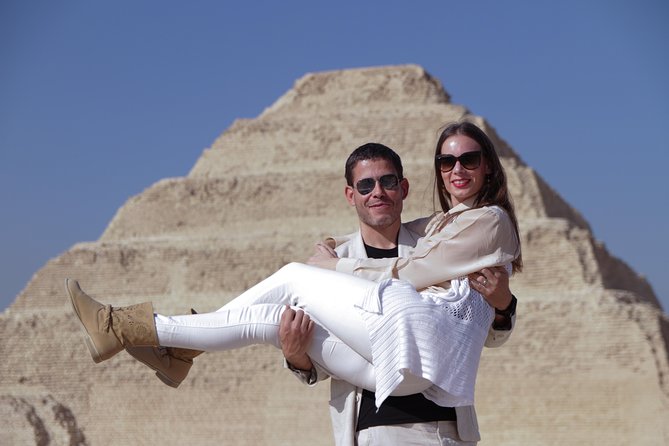
This is a smart half-day layout for people who want “major ancient Egypt” without losing an entire day to transit. Cairo traffic can be unpredictable, so the fact that the tour is set to about 5 hours is a big deal. You’ll still see multiple sites, but you won’t feel trapped at a single place.
I also like the way the route groups the story. You start at Memphis, the political anchor of early Egypt, then move to Saqqara’s necropolis for pyramids, then head to Dahshur where the pyramid style gets more experimental. By the time you’re done, you’ve seen both the big monuments and the “supporting cast” pyramids that many short tours skip.
You can also read our reviews of more private tours in Cairo


Private door-to-door pickup in Cairo and Giza
The logistics are one of the best values here. Your driver meets you at your address in Cairo or Giza, and you don’t have to wait while the van collects strangers. That saves time and lowers stress, especially if you’re traveling with kids or you just want to control your day.
You’ll be in a private A/C vehicle, and bottled water is listed as included. One caution: in general, I’ve found it’s worth confirming the water is actually in the car on arrival. One review complained that water wasn’t provided, even though it’s supposed to be included. Small detail, but it matters in the heat.
Also, the tour finishes with a drop-off back at your hotel in Cairo or Giza. That means you’re not stuck negotiating rides after a long archaeological day.
Memphis’s Alabaster Sphinx: the warm-up stop that sets the tone
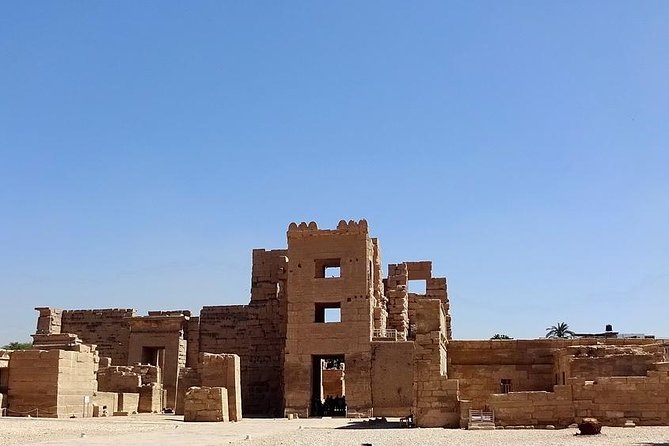
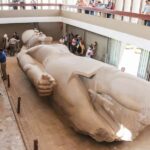
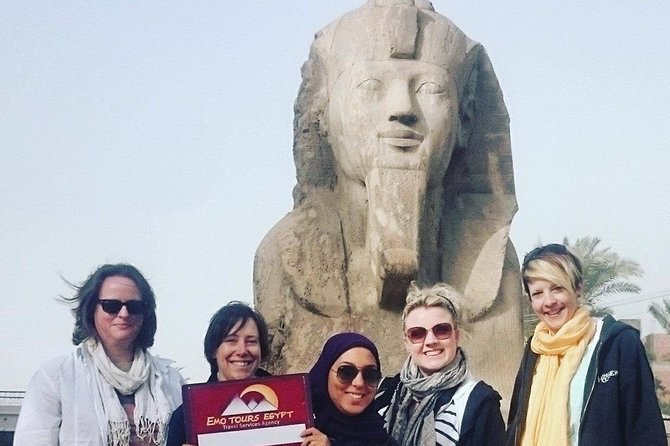
You’ll start at the Sphinx of Memphis (described as the alabaster Sphinx). This stop is timed at about an hour, which gives you enough time to see it from different angles and get oriented for what comes next.
Why this works: Memphis is an early capital story, and that helps you connect the sites later. When you move to Saqqara and Dahshur afterward, you’ll have a clearer sense of what the kings were building and why necropolises clustered where they did.
The one practical downside is cost: admission tickets are marked as not included. If you want to avoid waiting, consider choosing the upgrade that includes tickets, or arrive with plans for where you’ll pay.
Step Pyramid of Djoser: the shortcut to understanding early pyramid ambition
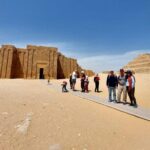
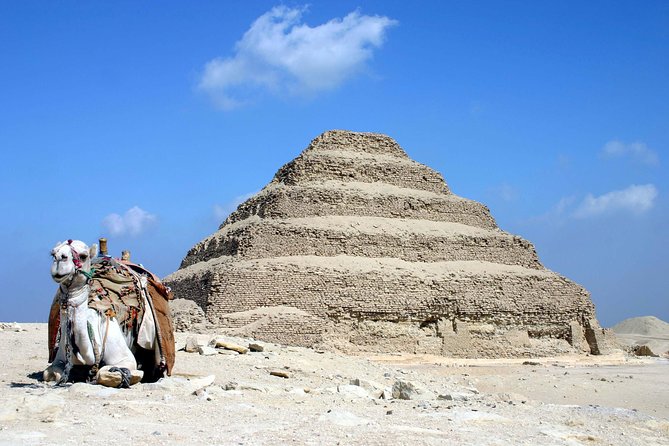
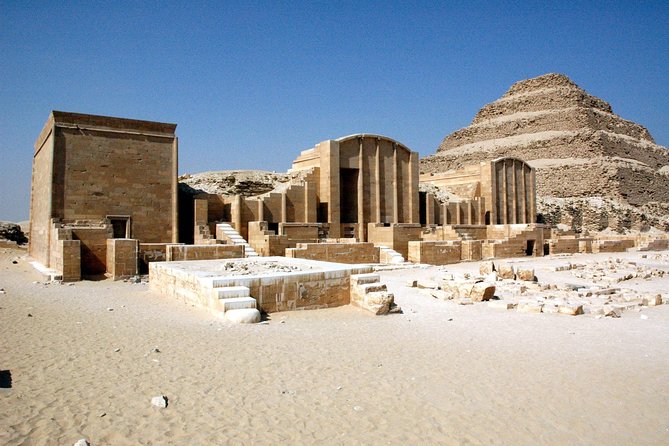
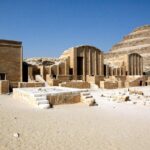
Next comes the Step Pyramid of Djoser, with a stop of about 30 minutes. This is one of Egypt’s landmark shifts: it’s not yet a classic smooth-sided pyramid, but the design shows how royal ambition evolved.
I like this stop because it’s brief but meaningful. Even if you don’t have hours to read every sign, the Step Pyramid’s shape is easy to grasp. You’re seeing the “prototype” mindset—something built to last, built to announce power, built long before the other pyramid standards locked in.
Again, admission isn’t included by default. If you’re paying for entry anyway, I’d strongly consider adding the guide option, since a good guide can help you make sense of what you’re looking at in the limited time you have.
Dahshur’s Bent and Red Pyramids: the half-day highlight
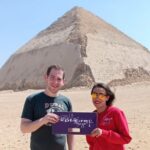
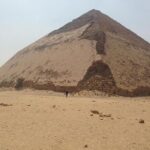
Dahshur is where the tour earns its keep. You’ll see the Bent Pyramid and the Red Pyramid in about an hour. These are the two big names in this area, and they’re a great contrast: one is famous for its changing angle, the other is linked with the more “classic” pyramid form people expect.
The Bent Pyramid interior is the star—and also the caution flag. One common theme from experience reports is that it can be tight and awkward, with low ceilings that make moving and climbing back out feel cramped. If you plan to go inside, wear practical shoes and take your time. You don’t need to “power through” this part.
For photos, I’d plan for more walking than you might expect. Even a short stop often involves moving around for angles, then waiting your turn if you’re going inside the pyramid. If you’re going with kids, tell them upfront that the interior is cramped, so it doesn’t feel like a surprise.
Tickets for specific areas aren’t included unless you choose the upgrade option. So if pyramid interiors matter most to you, this is the part to double-check.
A few more Cairo tours and experiences worth a look

Saqqara beyond the main monuments: Unas, Teti, and Ti’s Mastaba
After Dahshur, you shift back to Saqqara and Memphis context, then you get three more shorter pyramid-area stops:
- Pyramid of Unas (about 30 minutes)
- Pyramid of Teti (about 30 minutes)
- Mastaba of Ti (about 30 minutes)
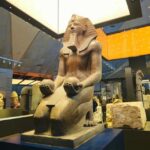
This is where the tour becomes more than a checklist. The Mastaba of Ti is especially interesting because it’s tied to daily-life scenes. The mastaba includes two serdabs, and the walls show everyday activities. It’s also noted as discovered by Auguste Mariette, which is a neat detail for anyone who likes the archaeology backstory.
For Unas and Teti, the descriptions focus on carvings and the way the structures show what Egyptians believed and recorded. Even in a short window, the value is in seeing that Saqqara isn’t only one famous pyramid. It’s a whole necropolis system, built and reused by generations.
If you prefer minimal time in gift-shop zones and want to maximize monuments, this is the part of the route that feels most “worth it.” Keep your pace steady and don’t rush these stops unless you’re short on time for another site.
Why the souvenir stops are part of the schedule (and how to handle them)
This tour includes timed government-market style stops. They’re not random. You’ll have around 20-minute stops for things like:
- Exploring natural oils and soft Egyptian cotton at Paradise Perfumes Palace & Flower Cotton store
- Watching papyrus making and viewing traditional artwork at Key of Life Papyrus
- Seeing artisans hand-weaving rugs at a local Handmade Carpets school
There are also “government stops” described as places to find high-quality souvenirs with some kind of guarantee.
I’m not against these stops. If you use them well, they can turn into culture, not just shopping. Papyrus-making demonstrations, for example, are a real window into craft techniques.
But you should go in with a plan. If you know you don’t want to buy anything, keep it simple: look, ask one or two questions, then move on. If you do want items (cotton, papyrus, carpets), decide early what matters so you don’t get overwhelmed while time is ticking.
Guide and tickets: how the upgrade changes your whole day
The base package includes transport, pickup/drop-off, and bottled water. Entry fees and the guide are optional. You can upgrade to add tickets, a tour guide, and a lunch at a local restaurant (koshari).
This matters because your time is short. When you don’t have a guide, you might still enjoy the monuments, but the meaning can get harder to pin down. That’s where guides can make a huge difference. Reports include guides like Karim, Fatima, Hisham, Hosam, and Amir who helped turn the stops into a coherent story instead of separate photo points.
There’s also a caution worth respecting. One experience described a guide who was sick and left the group struggling to hear explanations, then a replacement guide who gave limited information. I can’t predict guide staffing for your day, but the lesson is clear: if you really want context, choose the guide option.
Price and value: why $8 can be both a bargain and a trap
The published price is listed as $8.00 per person, and that’s almost certainly for the transport-style package only. Since entry tickets are not included by default, your final cost will depend on what you choose to add.
Here’s how to judge value:
- If you already know what you want to pay for (and you’re comfortable navigating sites without narration), the low base price can be a great way to buy time and transportation.
- If you want explanations, smoother site access, and less “where do we go now” stress, the upgrade for a guide and tickets usually makes the whole day feel more efficient.
Also remember tipping isn’t included. And lunch at koshari is optional. If you upgrade, it helps you avoid having to find food at the right time while still keeping the half-day schedule.
My practical take: treat $8 as the transportation starter fee, then budget for the parts that connect you to the places.
Who should book this private half-day tour?
This is a strong match if you want:
- First-time highlights without committing to a full-day trip
- A private schedule that starts and ends at your own hotel
- A route that includes Dahshur plus Saqqara’s extra sites, not only the headline pyramids
- Room to take things at a manageable pace (some stops are 30 minutes, some longer)
It’s less ideal if:
- You strongly dislike cramped interiors (the Bent Pyramid interior has a reputation for tight, low-ceiling climbing)
- You only want “stand outside and look” monuments with zero shopping stops
- You’re very sensitive to guide quality and don’t plan to add the guide option
For families, the Bent Pyramid interior can be a big kid-magnet, but it’s worth preparing everyone mentally.
Should you book this tour?
Yes, I’d book it if your goal is a high-yield sampler of ancient Egypt in a half-day, with private transport and a route that goes past the most obvious stops. Dahshur plus Saqqara is the right combo for people who want variety—step pyramid form, bent-angle mystery, and necropolis-side pyramids in one run.
Book with a small checklist:
- Choose the upgrade that includes tickets if you care about more than just outside views.
- Choose the upgrade that includes a guide if you want the story stitched together, not just landmarks.
- Decide in advance if you’ll go inside the Bent Pyramid, knowing it can be tight.
If you want a flexible, private day with room for context—and you’re fine with a few scheduled shopping/craft stops—this tour fits the bill.
FAQ
How long is the tour?
It’s listed at about 5 hours (half-day), with time split across multiple sites.
Is hotel pickup and drop-off included?
Yes. You get pickup and drop-off from addresses in Cairo or Giza, and the transport is by private air-conditioned vehicle.
Are entry fees included?
No. Entry fees are optional and depend on the tour options you choose. The listed entry fees include basic area only.
Do I need to pay for a guide?
A guide is optional. The base includes pickup/transport, and you can upgrade to add a guide.
Is lunch included?
Lunch isn’t included by default. You can upgrade to include a local restaurant lunch (koshari).
Does the tour include bottled water?
Bottled water is listed as included, though you should still expect that it may vary by day and vehicle.
Will I visit souvenir and craft shops?
Yes. The schedule includes government stops and demonstrations, with about 20-minute stops at places such as Paradise Perfumes Palace & Flower Cotton, Key of Life Papyrus, and Handmade Carpets.
What’s the cancellation window?
You can cancel up to 24 hours in advance for a full refund.
How do I get my ticket?
A mobile ticket is listed as a feature, and you’ll receive confirmation at the time of booking.